Artwork
Landscape
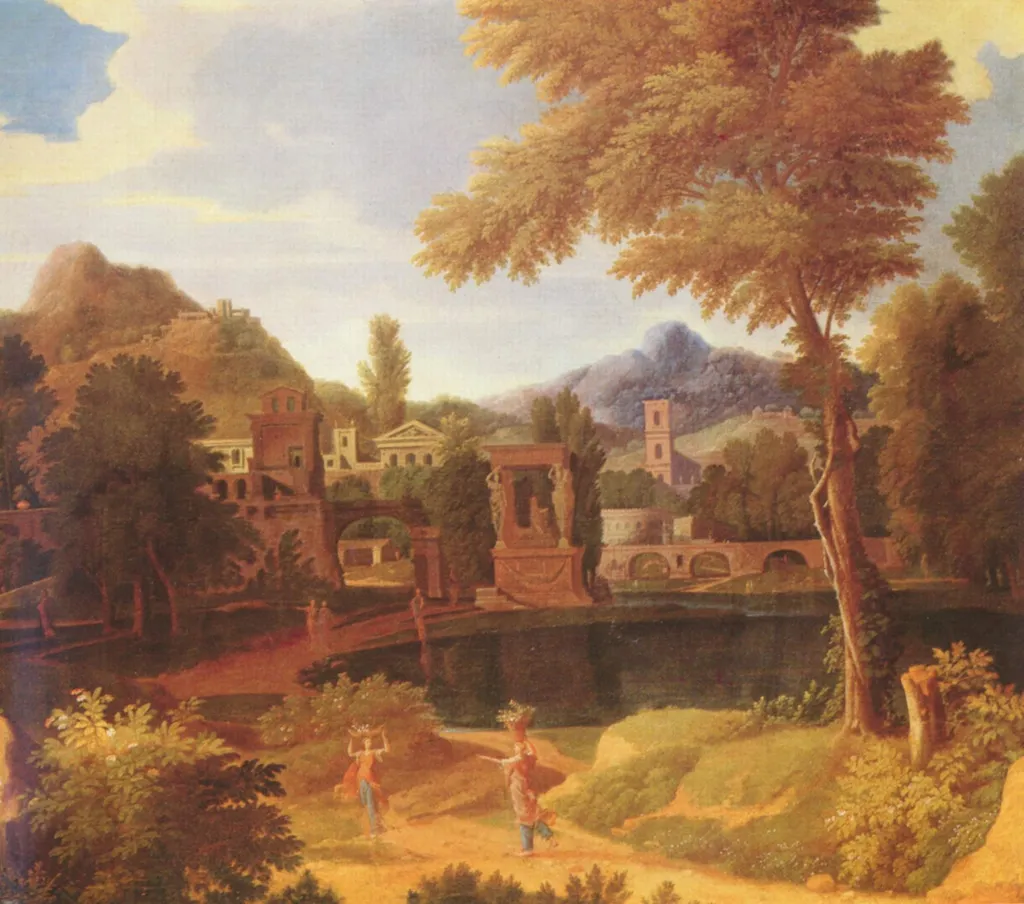
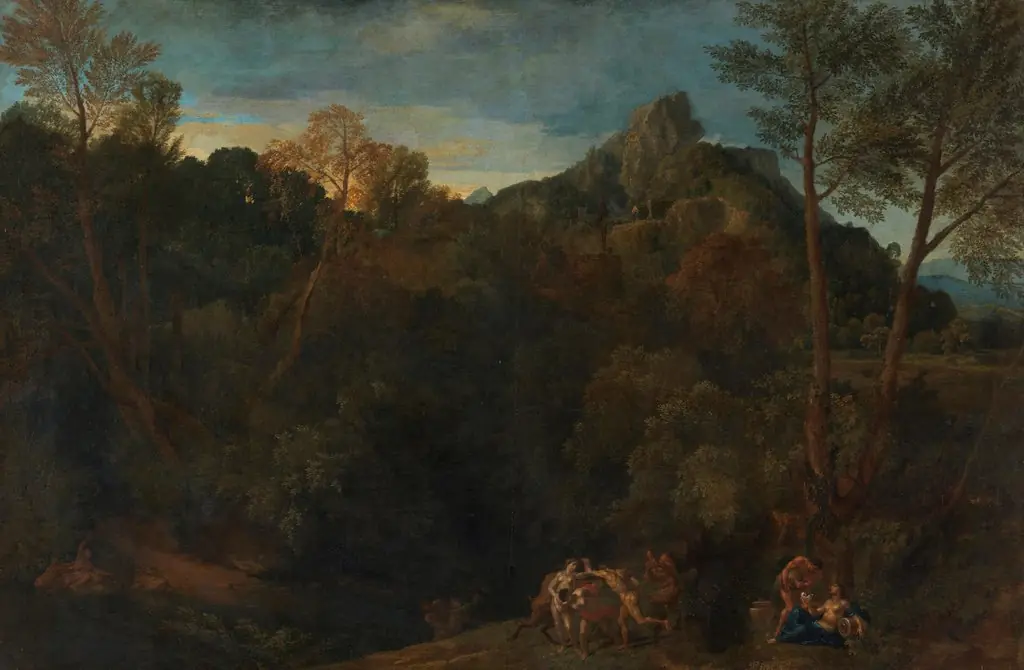
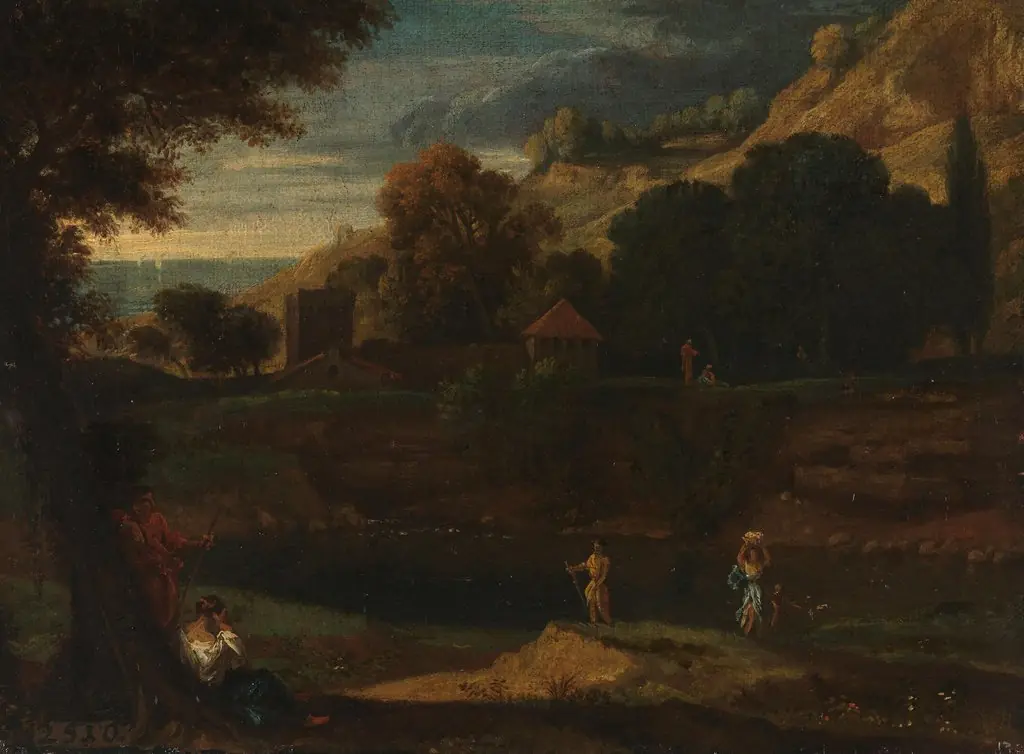
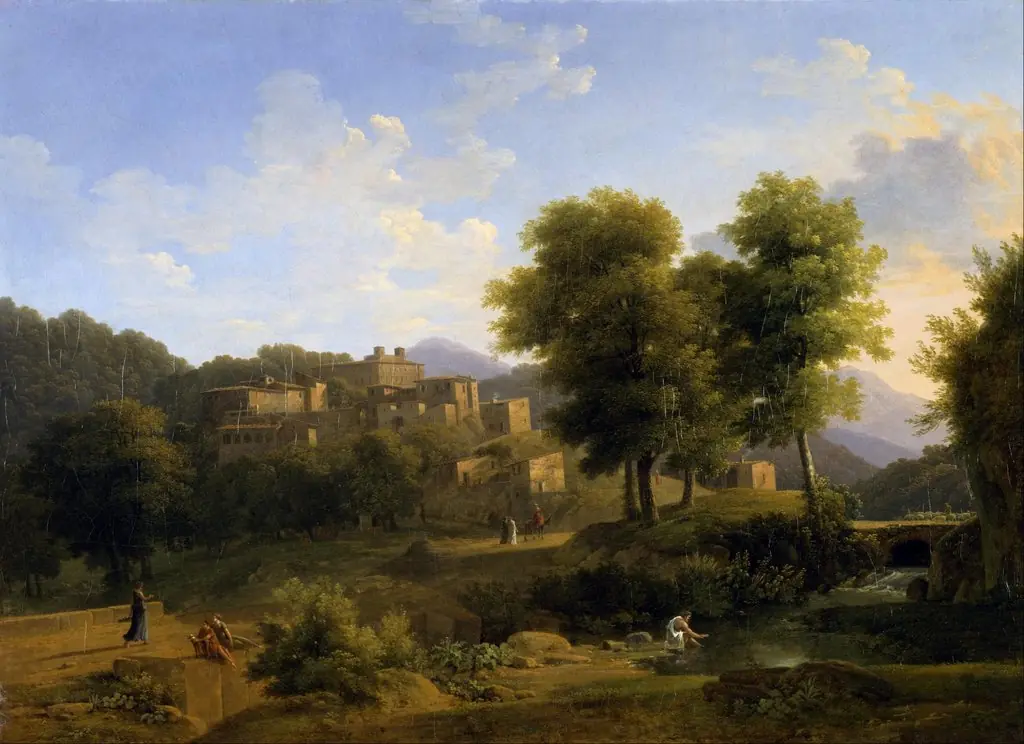
Landscape is an oil painting by the Barbizon school artist Francisque Millet. It dates from 1660 and is held in the collection of the Museum of Fine Arts, Budapest.
About this work
Overview
Painted in 1660, this oil-on-canvas landscape is attributed to Francisque Millet, a Flemish-born artist active in France during the mid-seventeenth century.
Painted in 1660, this oil-on-canvas landscape is attributed to Francisque Millet, a Flemish-born artist active in France during the mid-seventeenth century. Though often associated with later movements, the work reflects the quiet naturalism of its time, predating the Barbizon School by nearly two centuries. It resides in the collection of the Museum of Fine Arts, Budapest, where it is recognized as an example of early French landscape painting rooted in Flemish traditions.
Subject & Meaning
The scene presents a tranquil rural setting: rolling hills, a winding body of water, and a bridge crossed by small figures. Trees frame the composition, their forms softened by atmospheric perspective. The inclusion of human activity—figures on a path or bridge—suggests harmony between people and nature, without narrative drama. The absence of grandeur or mythological reference emphasizes a quiet, observational approach to the land as it was experienced daily.
Technique & Style
Millet employed a restrained palette of muted greens, browns, and blues, building depth through subtle tonal shifts rather than bold contrasts. Brushwork is precise yet unobtrusive, with careful attention to the textures of foliage, water, and earth. Light is diffused evenly, creating a sense of calm atmosphere. While chiaroscuro is present, it is used gently to suggest volume rather than dramatic tension, aligning with the painting’s serene mood.
History & Provenance
Francisque Millet, born in Antwerp around 1615, moved to Paris where he became known for landscape subjects. This painting, dated to 1660, likely originated in his Parisian studio during a period when landscape painting was gaining status among French collectors. It entered the Museum of Fine Arts, Budapest, in the early twentieth century, possibly through a broader acquisition of Northern European works, though its exact path prior to that remains undocumented.
Context
In mid-seventeenth-century France, landscape painting was emerging as an independent genre, influenced by Dutch and Flemish precedents. Millet’s work fits within this trend, avoiding idealized classical scenery in favor of observed, modest natural settings. Unlike contemporaries who emphasized grandeur or allegory, Millet focused on quiet, everyday environments, reflecting a growing interest in the tangible world over symbolic narratives.
Legacy
Though Millet’s name is less prominent than later landscape painters, his work represents an important transitional phase in French art. His restrained, observational style paved the way for the naturalism of the Barbizon School a century later. This painting endures not as a landmark, but as a quiet testament to the evolving appreciation of landscape as a subject worthy of sustained, unembellished attention.
Own this work as a print
Artist & collection
Artist
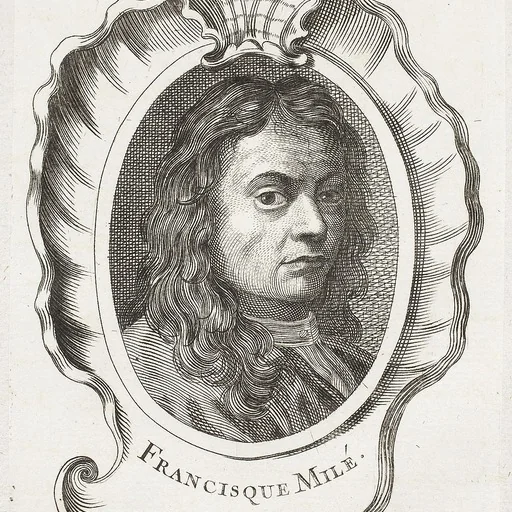
Francisque Millet (27 April 1642, in Antwerp – 3 June 1679, in Paris), also known as Jean-François Milée or Millet I, was a Flemish-French landscape painter of the Baroque era.

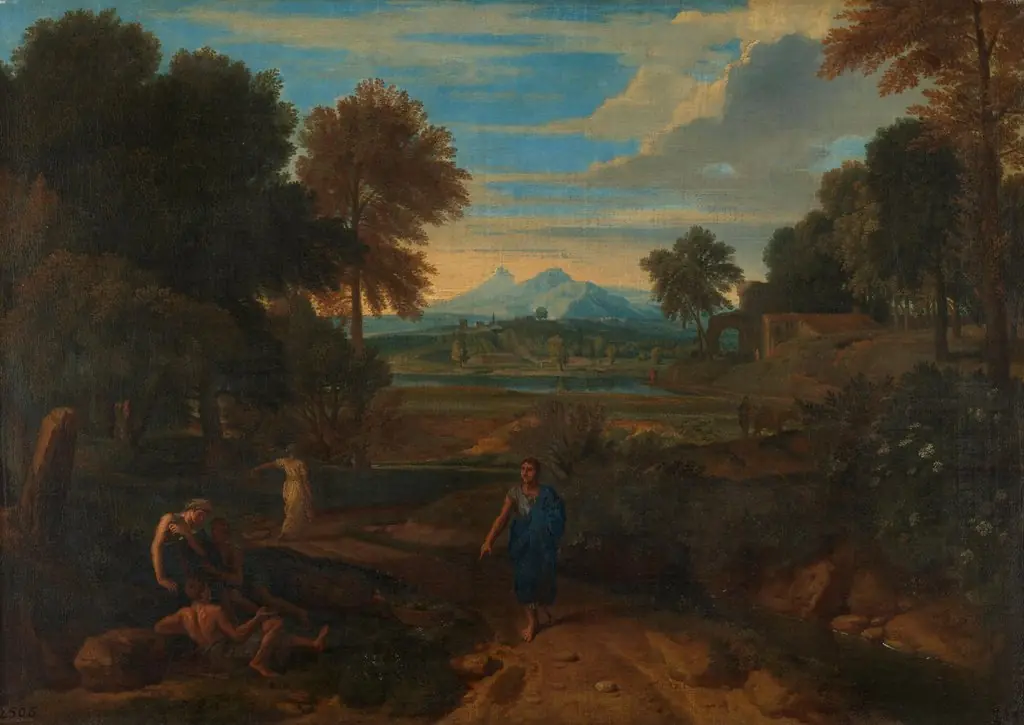
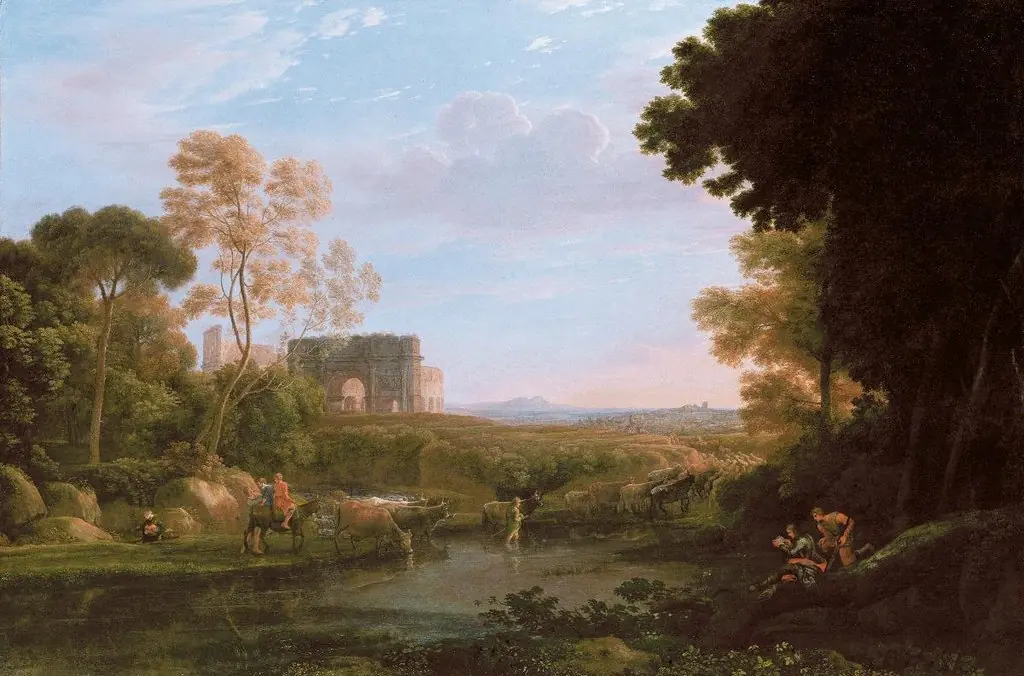 Pastorale avec l’Arc de Constantin
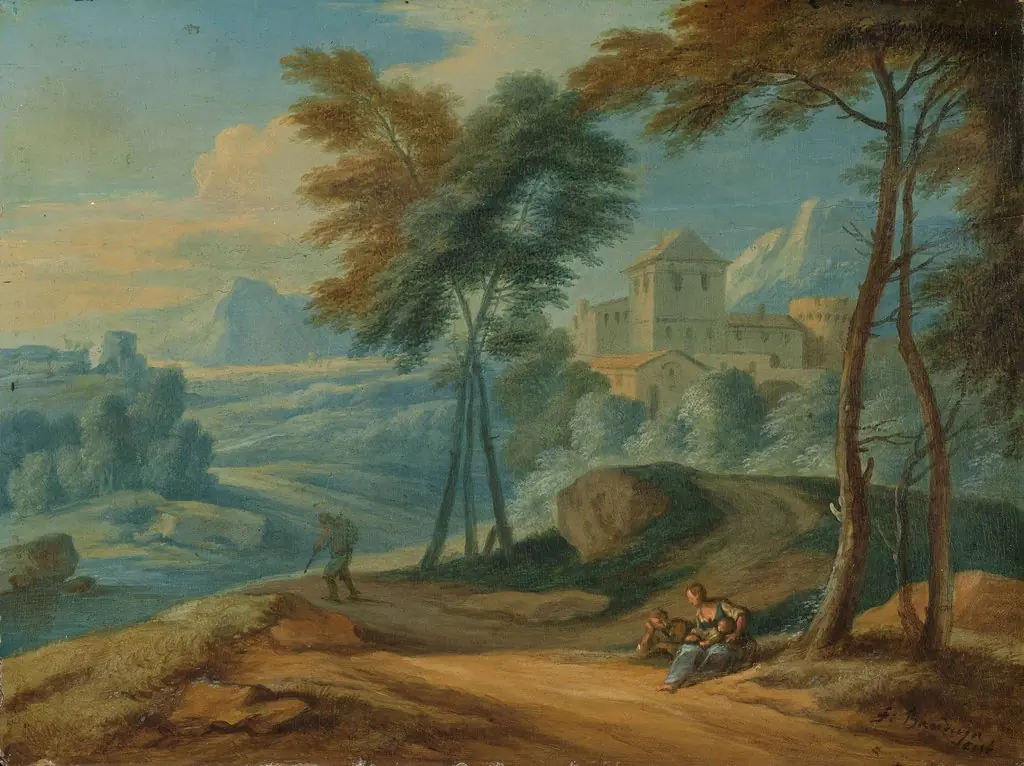 Mountainous landscape
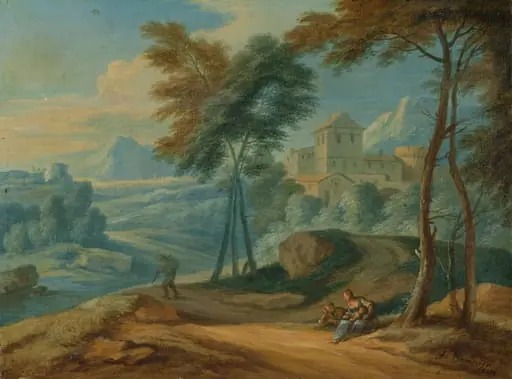 Wooded Italianate Landscape with Figures
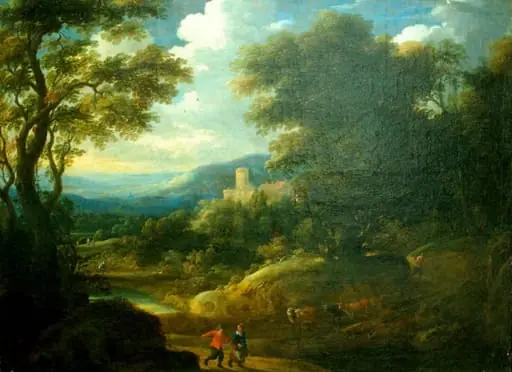 Peisaj cu figuri
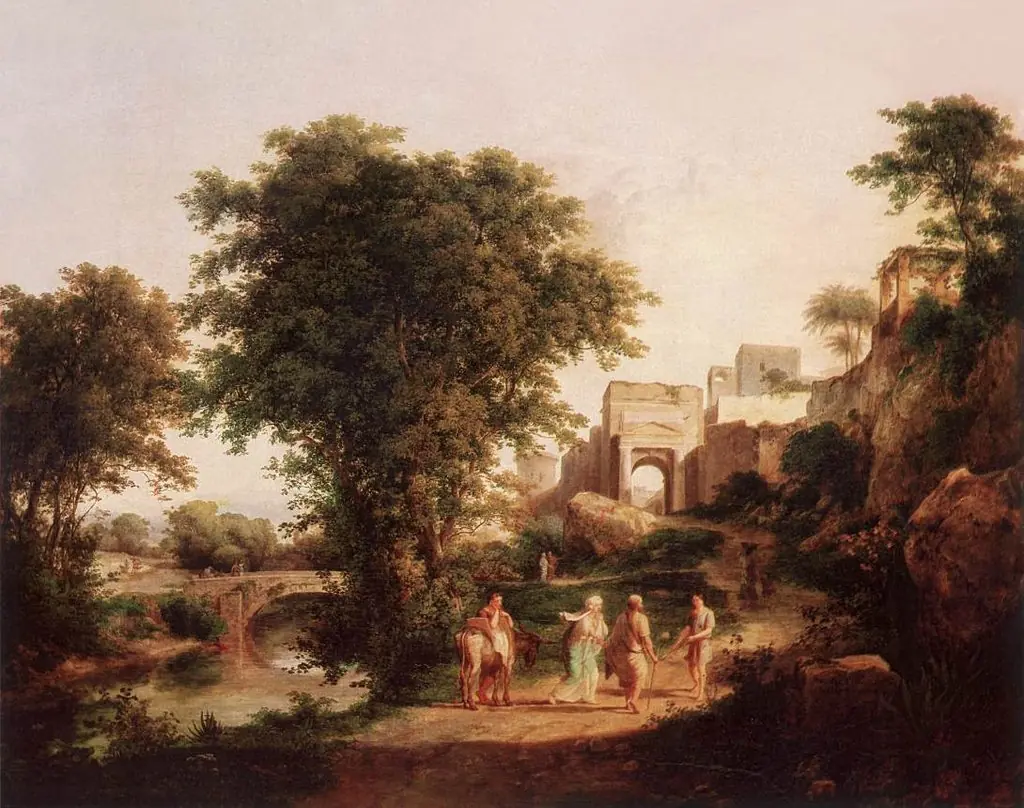 From the Pearl of Holy Antiquity
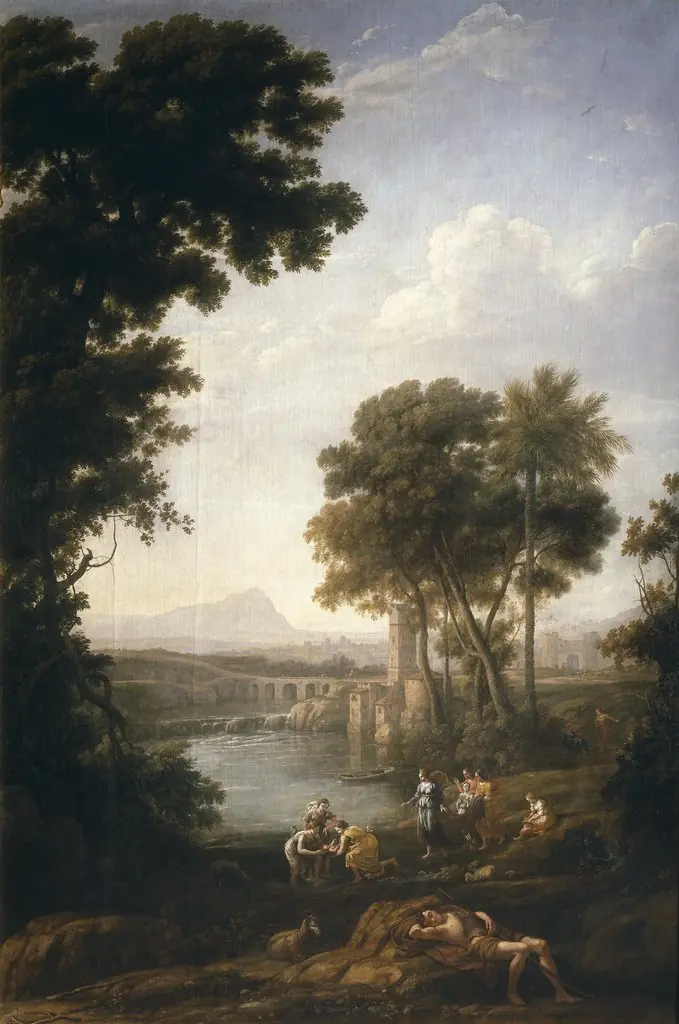 Landscape with the Finding of Moses
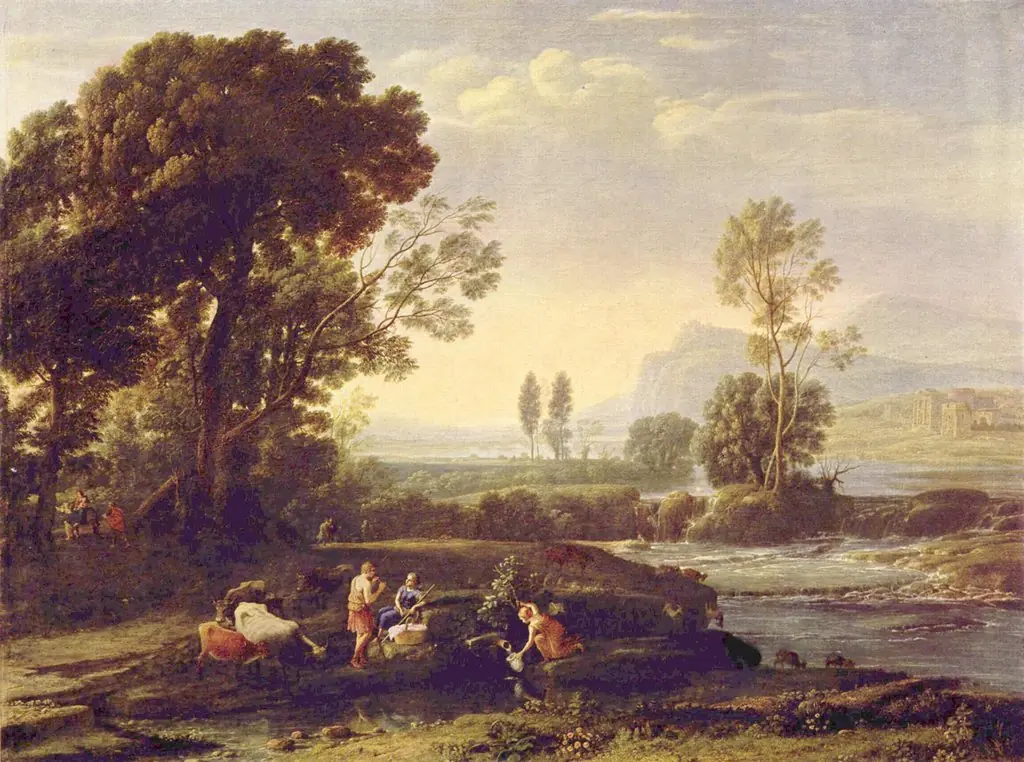 Landscape with Rest in Flight to Egypt
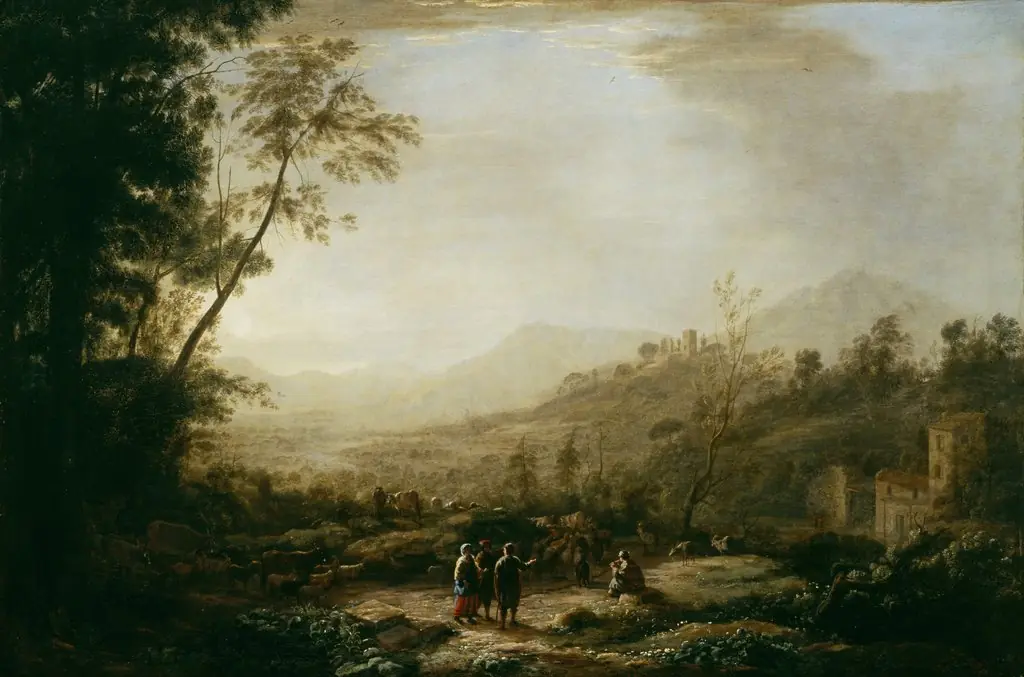 Sunrise
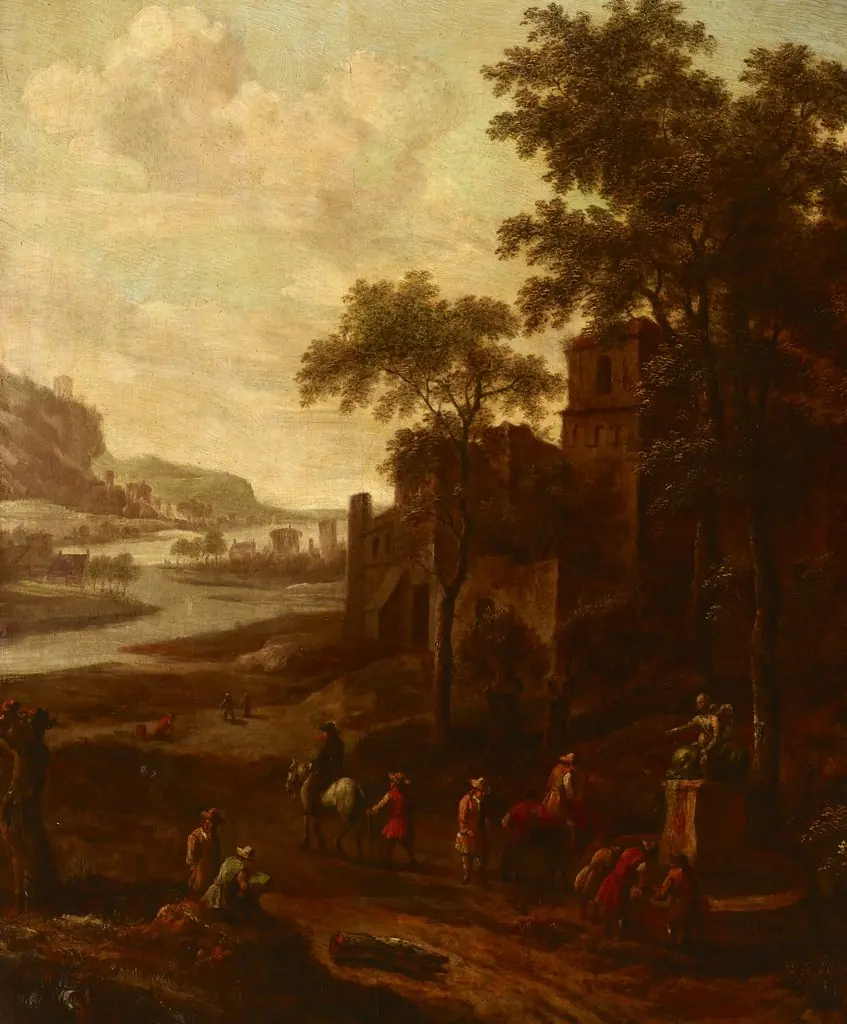 Landscape with a Group of Wanderers
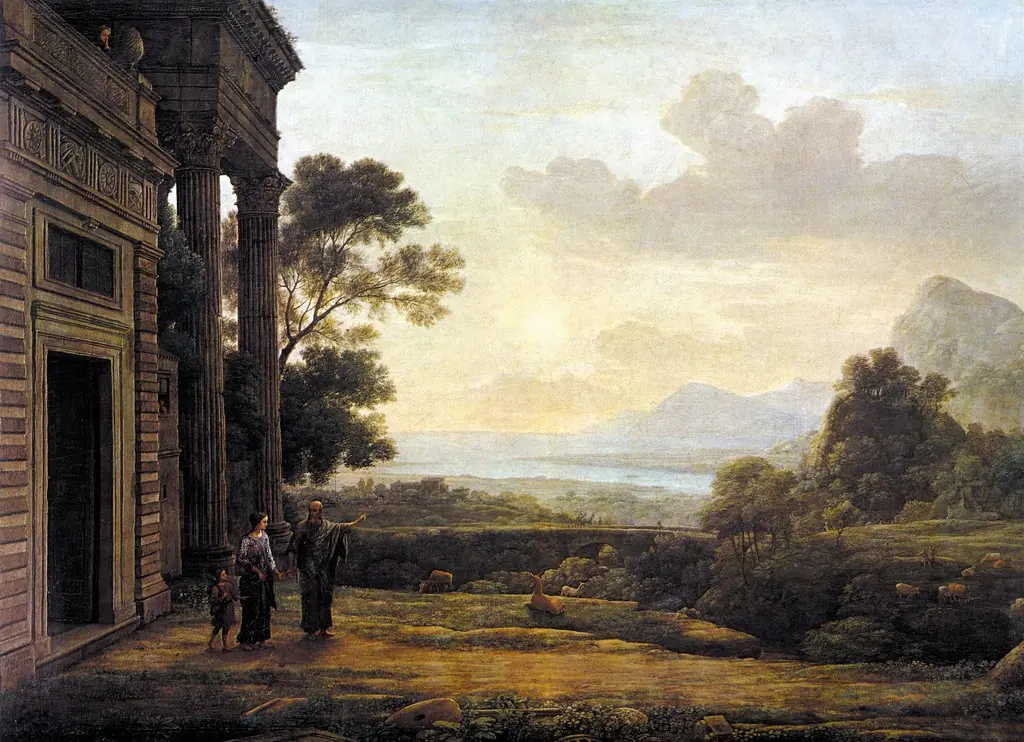 The Banishment of Hagar
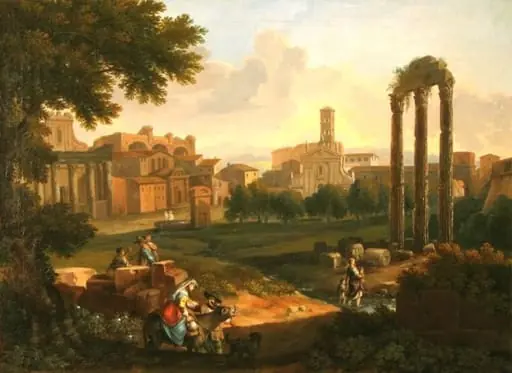 Vedere din Roma Veche (Roma cu columnele templului lui Jupiter)
 View of a Town in the Sabine Hills