Artwork
Baptism
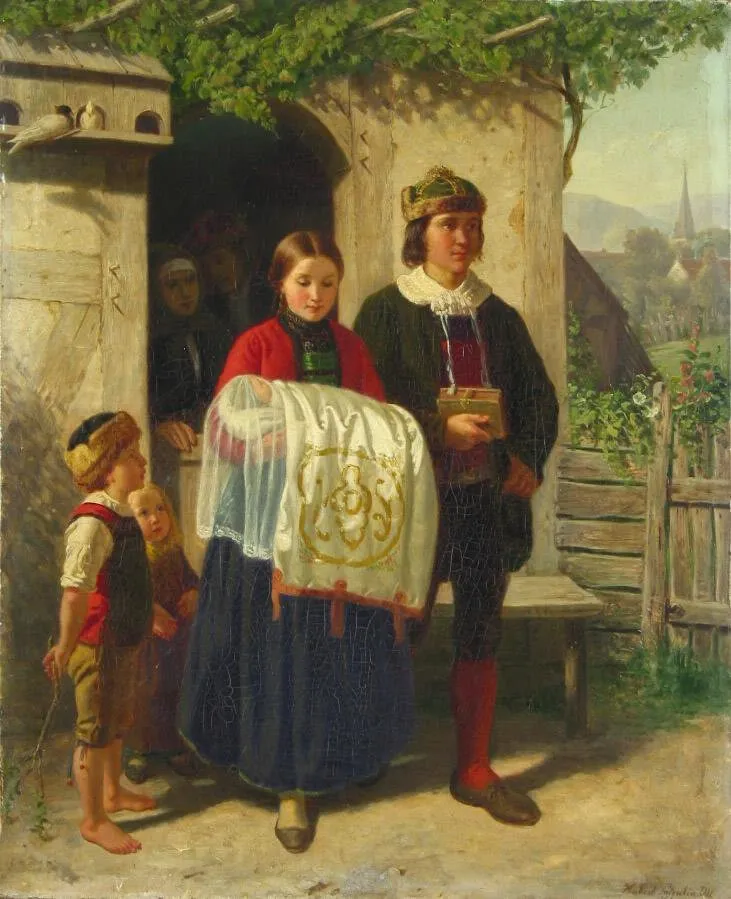
Baptism is an oil painting by the Realist artist Hubert Salentin. It dates from 1856 and is held in the collection of the Hermitage Museum.
About this work
Overview
Johann Hubert Salentin painted *Baptism* in 1856, following a career change from blacksmithing to art. He trained at the Düsseldorf Academy under Wilhelm von Schadow and Carl Ferdinand Sohn, where he developed a disciplined approach to representation. The work is an oil on canvas, reflecting the Realist emphasis on everyday life rather than idealized subjects.
Subject & Meaning
The painting portrays a quiet baptismal ceremony in a rural German home, likely in the Rhineland. Figures are arranged with modest dignity, focusing on the ritual’s intimacy rather than religious spectacle. The scene conveys the quiet solemnity of domestic faith, grounded in the textures of ordinary life and the presence of family.
Technique & Style
Salentin employed precise draftsmanship and a restrained palette to render the interior space and figures with clarity. Brushwork is smooth and controlled, allowing light to define form without dramatic contrast. The composition avoids theatricality, favoring naturalistic arrangement and subtle tonal transitions characteristic of Düsseldorf Realism.
History & Provenance
Completed in 1856, the painting entered the collection of the State Hermitage Museum in Saint Petersburg, where it remains today. Its acquisition likely reflects the museum’s broader interest in 19th-century European genre painting, particularly works from German academies that emphasized moral and social realism.
Context
Created during the height of Realism in Germany, *Baptism* aligns with a cultural shift toward depicting ordinary people with dignity. The Düsseldorf school, while rooted in academic tradition, increasingly turned to domestic and regional themes as alternatives to historical or mythological subjects, reflecting broader societal values of the time.
Legacy
Though not widely exhibited outside institutional collections, *Baptism* exemplifies the quiet achievements of regional Realist painters in mid-19th-century Germany. Salentin’s transition from craft to art underscores the era’s expanding definition of artistic identity, and the work continues to serve as a record of rural religious practice in western Germany.
Artist & collection
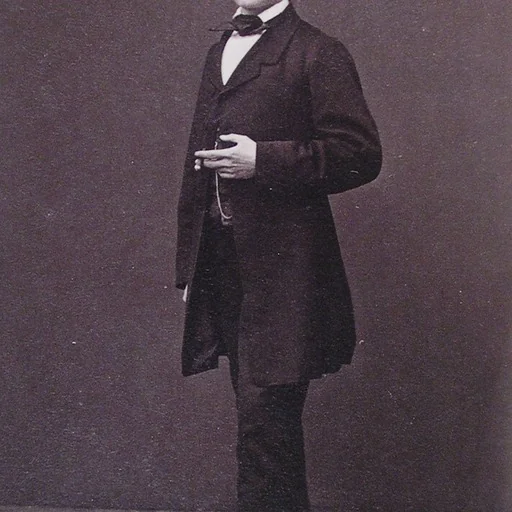
Artist
Johann Hubert Salentin (born 15 January 1822, Zülpich; died 7 July 1910, Düsseldorf) was a German painter, associated with the Düsseldorf school of painting.

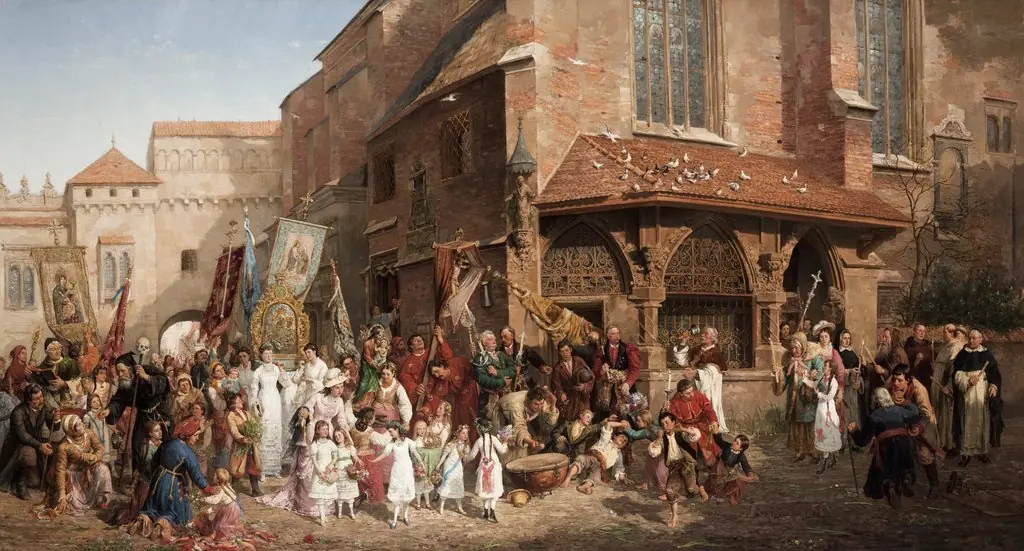 The Corpus Christi Procession
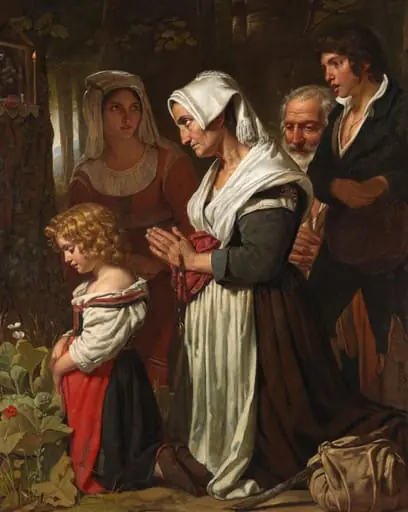 Godsvrucht
 Am Friedhof ("Die Braut am Grabe")
 The Baptism Procession
 Golden Wedding
 The Foundling
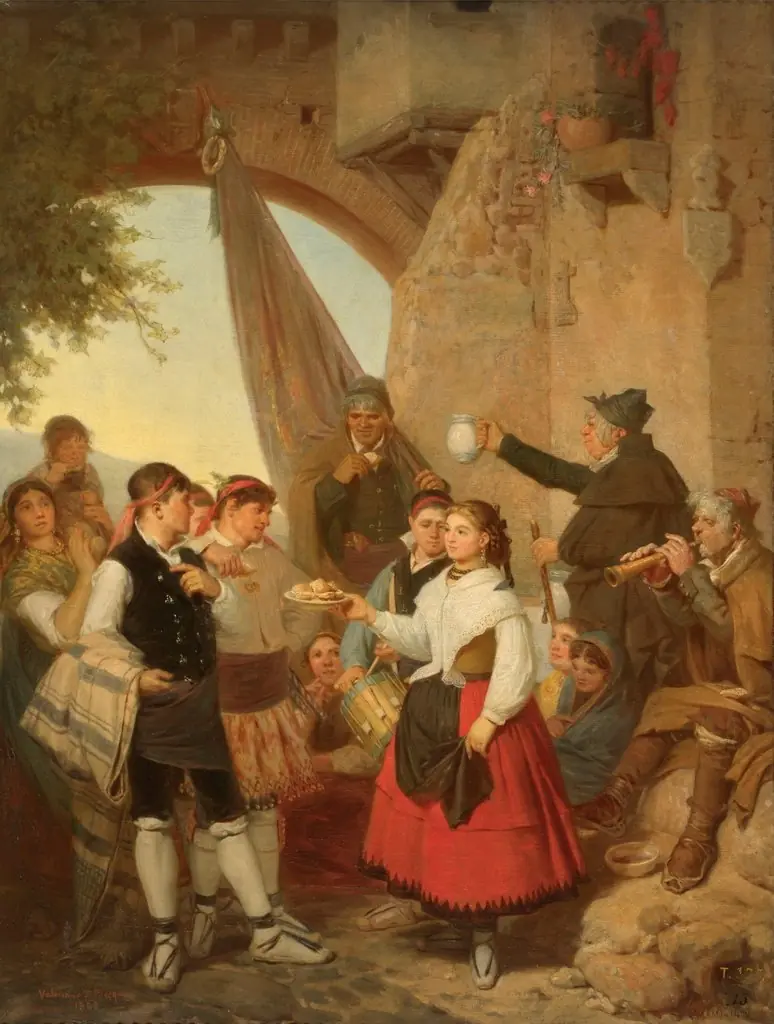 El presente. Fiesta mayor en Moncayo (Aragón) la víspera del santo patrono
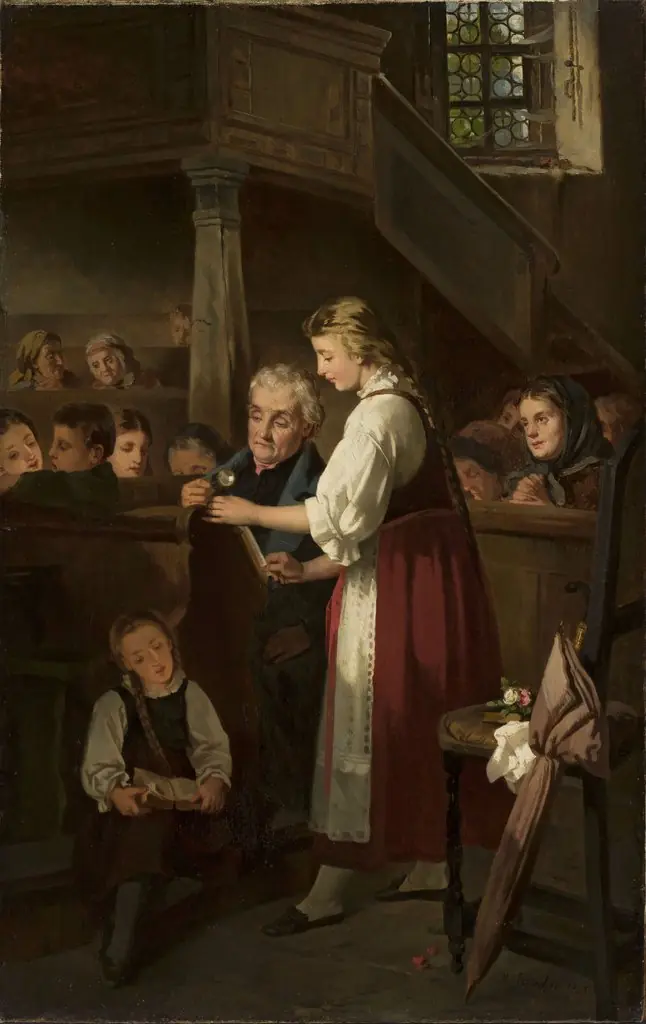 In the church
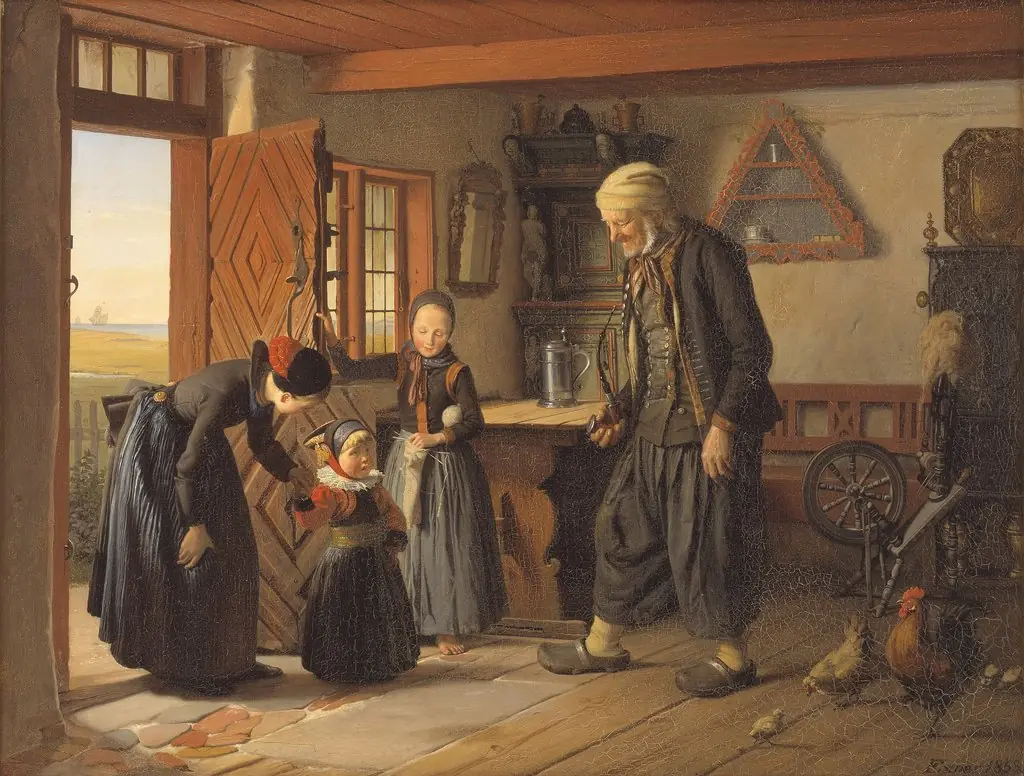 Visiting Grandfather
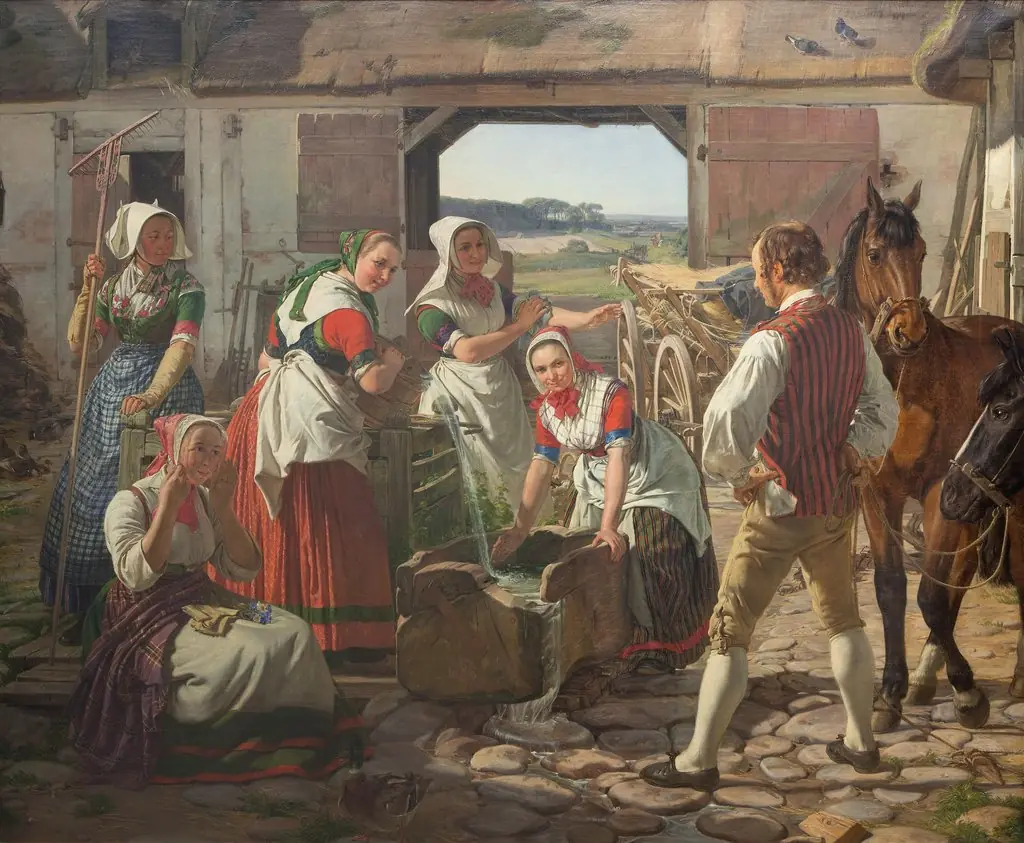 Sjællandske høstpiger ved en brønd
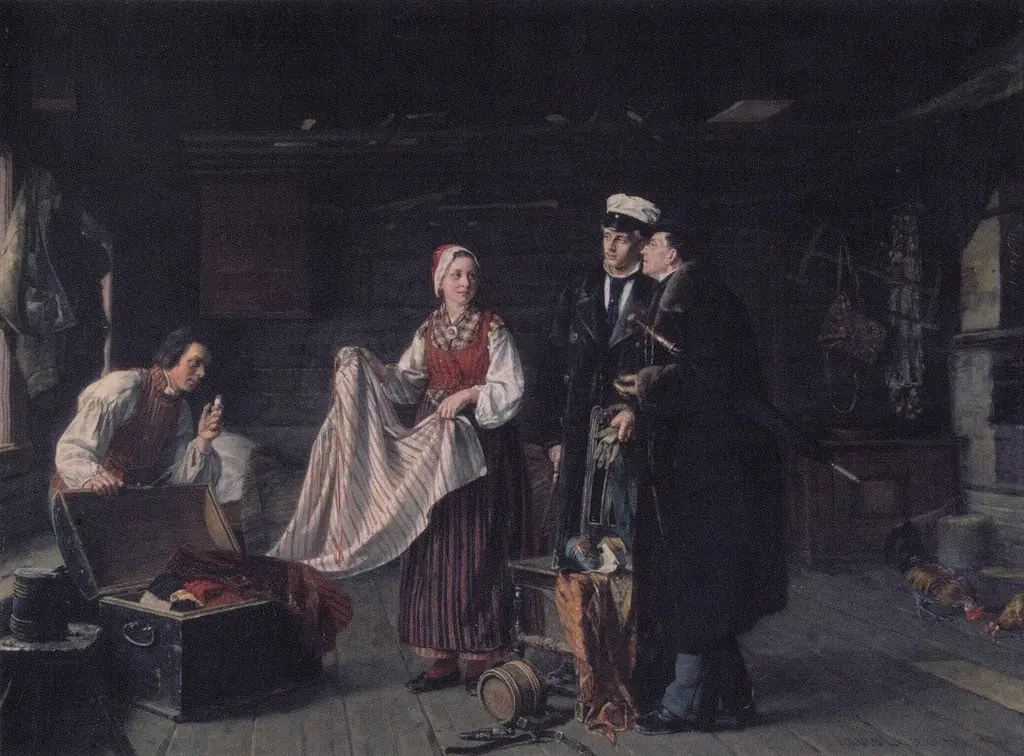 Buying National Dresses at Säkylä
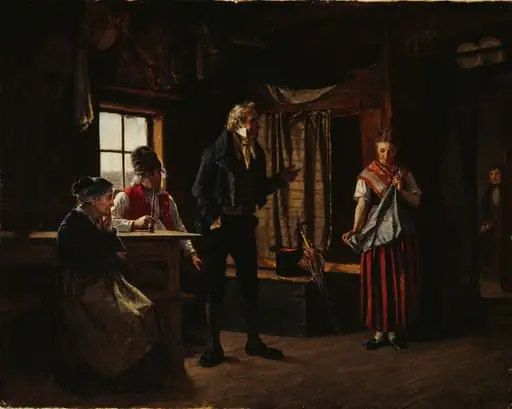 Kosinta Ahvenanmaalla