Artwork
Death of the Virgin
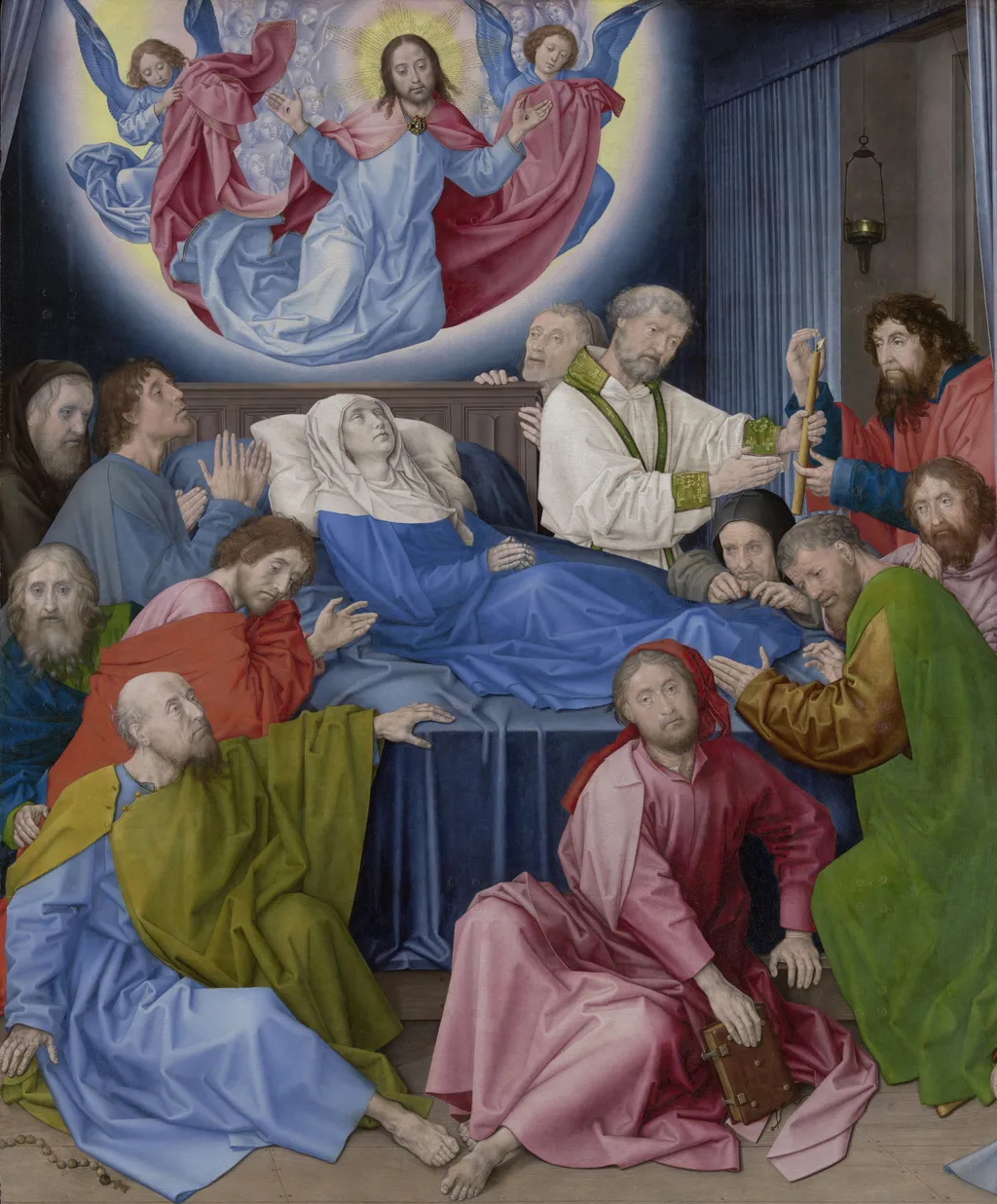
Death of the Virgin is an oil painting by the Northern Renaissance artist Hugo Van der Goes. It dates from 1475 and is held in the collection of the Groeningemuseum.
About this work
Overview
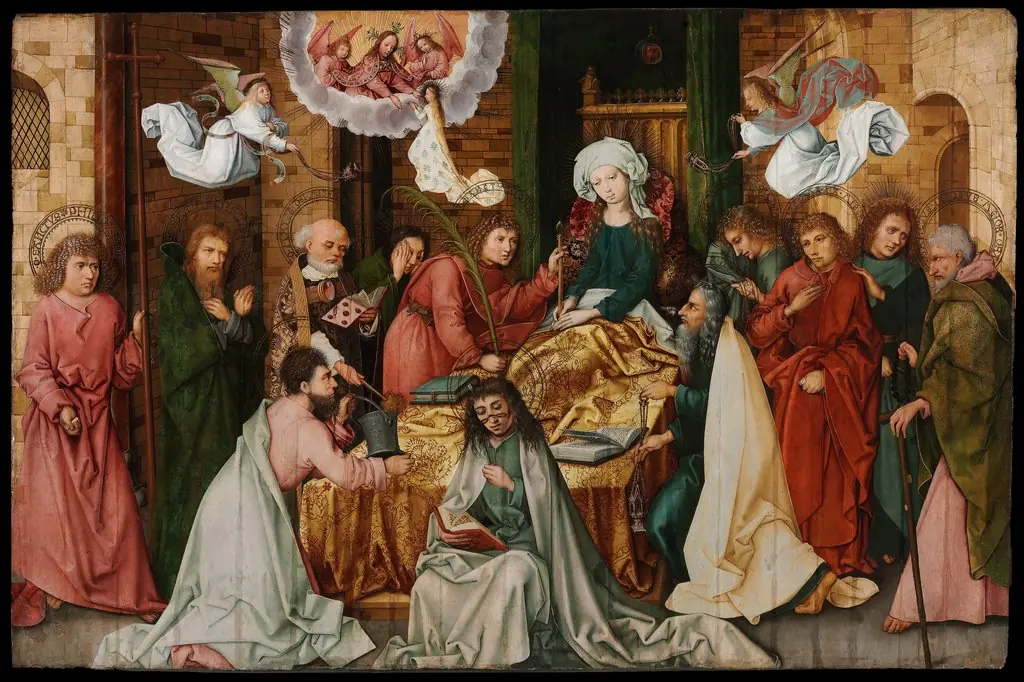
The Death of the Virgin is an oil-on-oak-panel painting created by Hugo van der Goes between 1472 and 1480. The work depicts the final moments of the Virgin Mary, surrounded by the Twelve Apostles, in a somber and emotionally charged scene.
Subject & Meaning
Based on Jacobus de Voragine's 'Legenda aurea', the painting illustrates the Virgin's last days, where angels transport the Apostles to her side. The narrative culminates in Jesus' appearance to receive her soul, emphasizing the sacred and emotional farewell.
Technique & Style
Van der Goes utilized oil paint to achieve a vivid color palette, conveying the emotional depth of the scene. The employment of chiaroscuro creates strong light and dark contrasts, adding depth and dimensionality to the composition.
History & Provenance
Completed between 1472 and 1480, the painting is now part of the collection at the Groeningemuseum, standing as a significant example of Van der Goes' oeuvre.
Own this work as a print
Artist & collection
Artist
Hugo van der Goes (c. 1430/1440 – 1482) was a Flemish painter who was one of the most significant and original Early Netherlandish painters of the late 15th century. Van der Goes was an important painter of altarpieces…

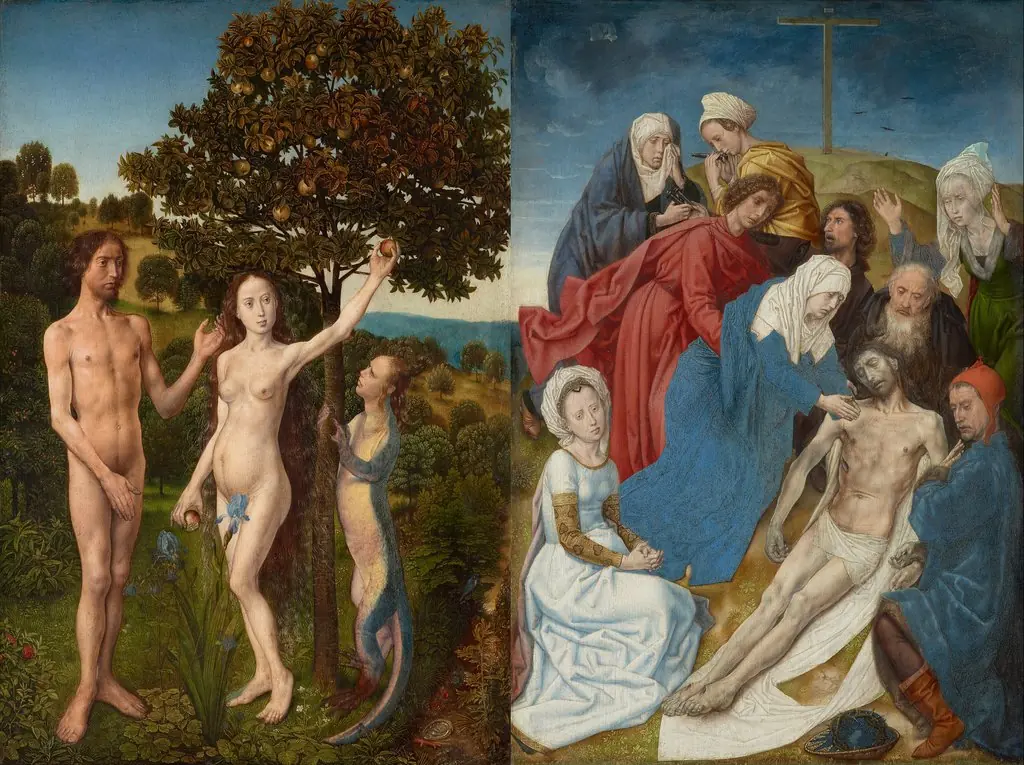 Vienna Diptych
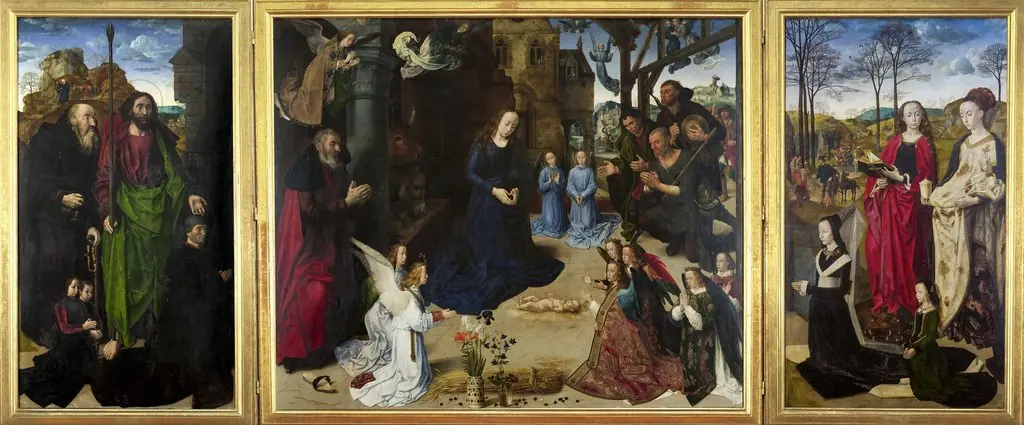 Portinari Triptych
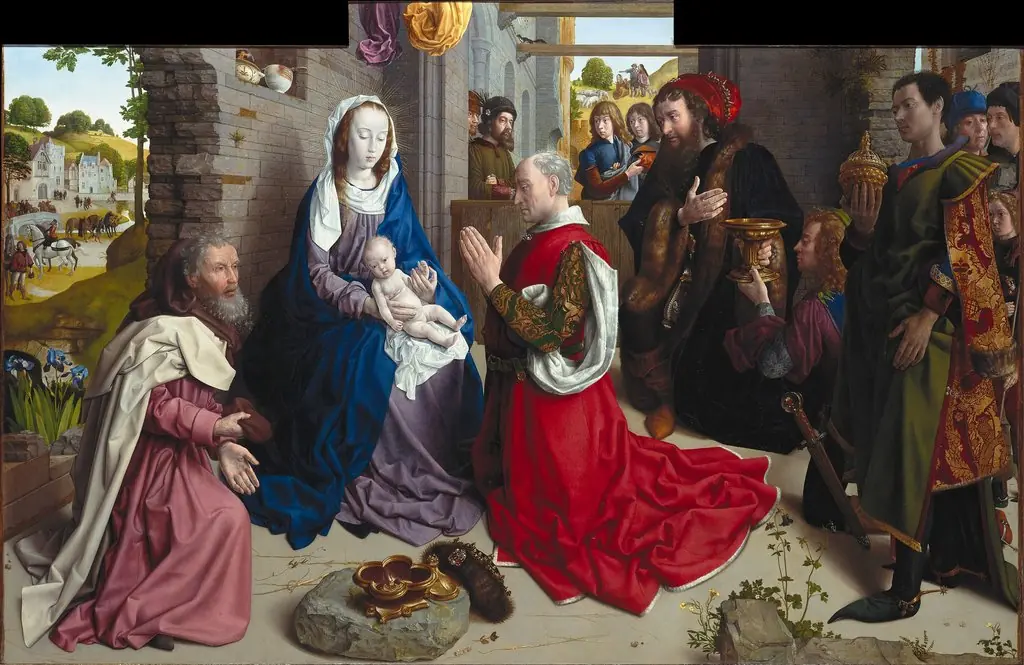 Monforte Altarpiece
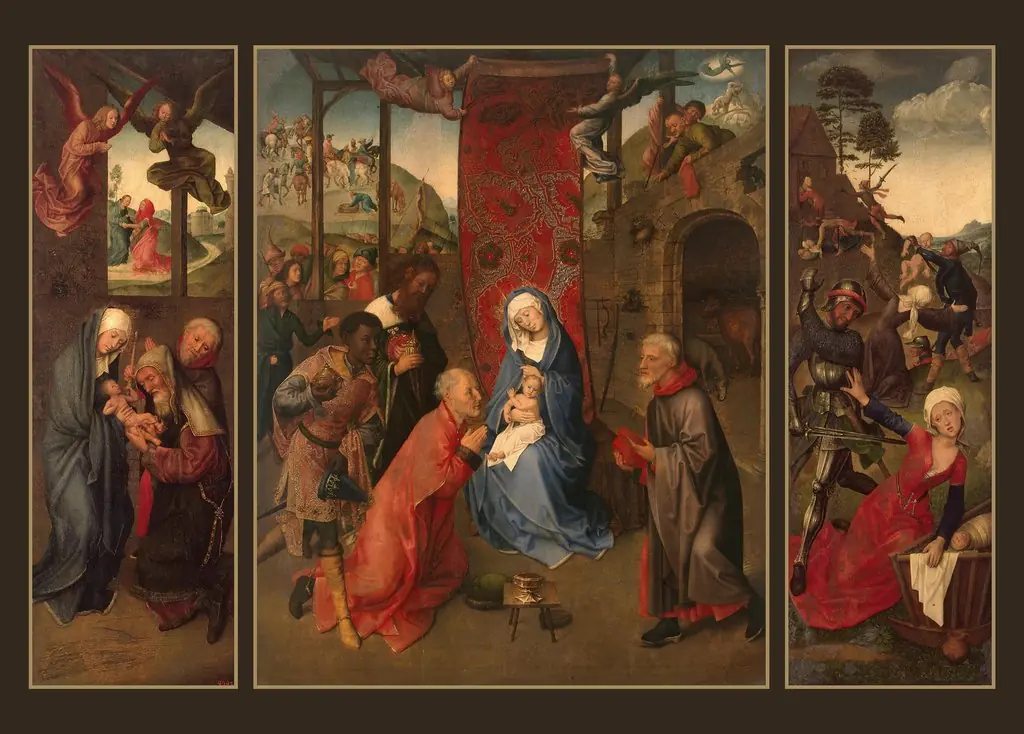 Adoration of the Magi (Triptych)
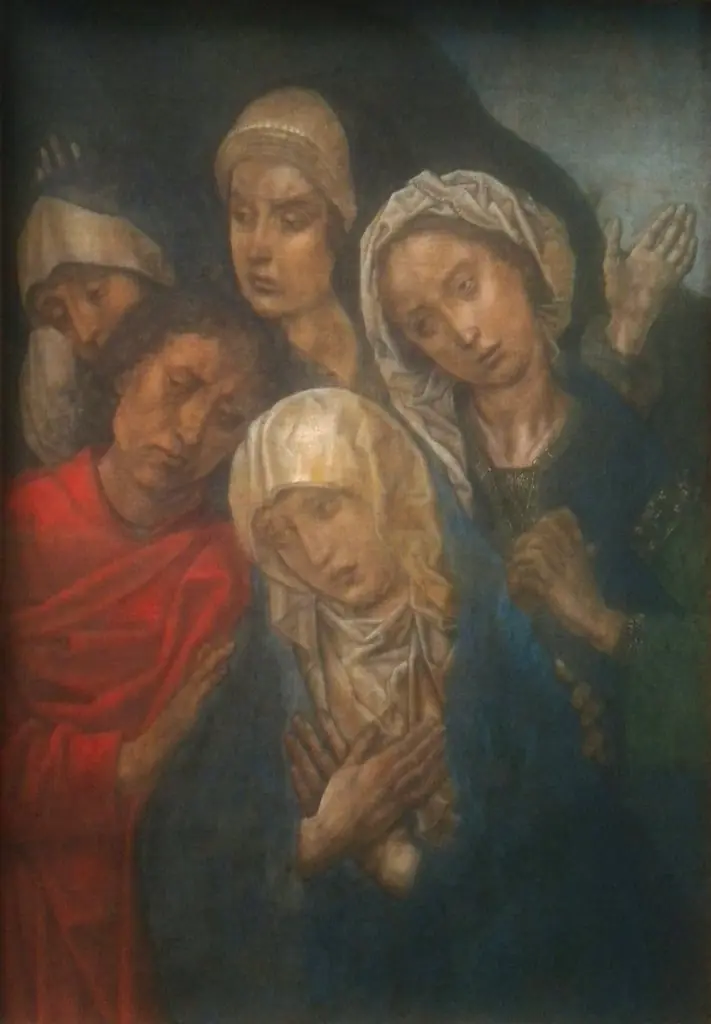 The Mourning of Christ
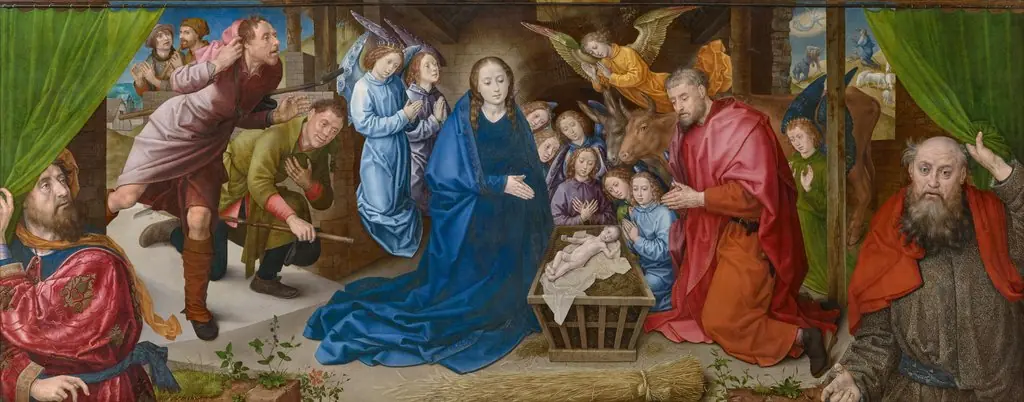 Adoration of the Shepherds
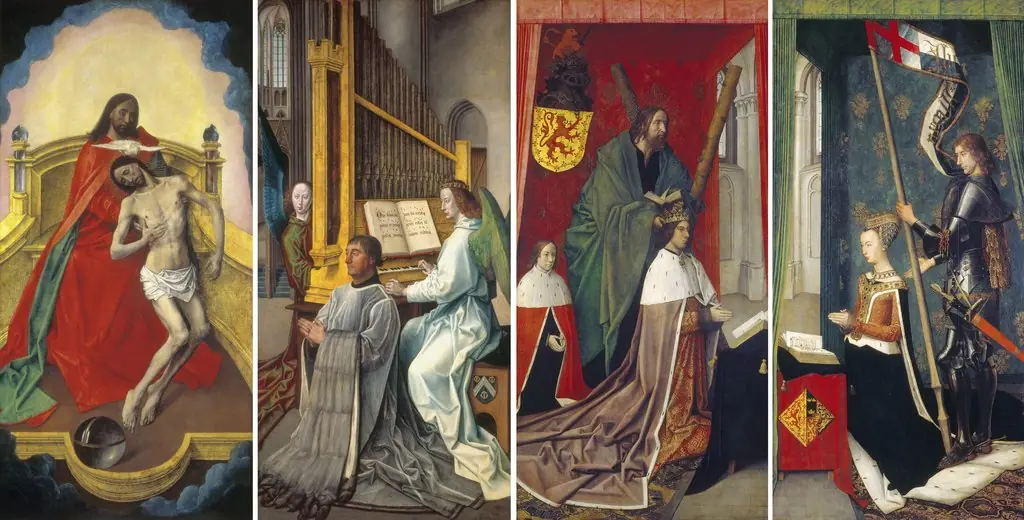 Trinity Altarpiece
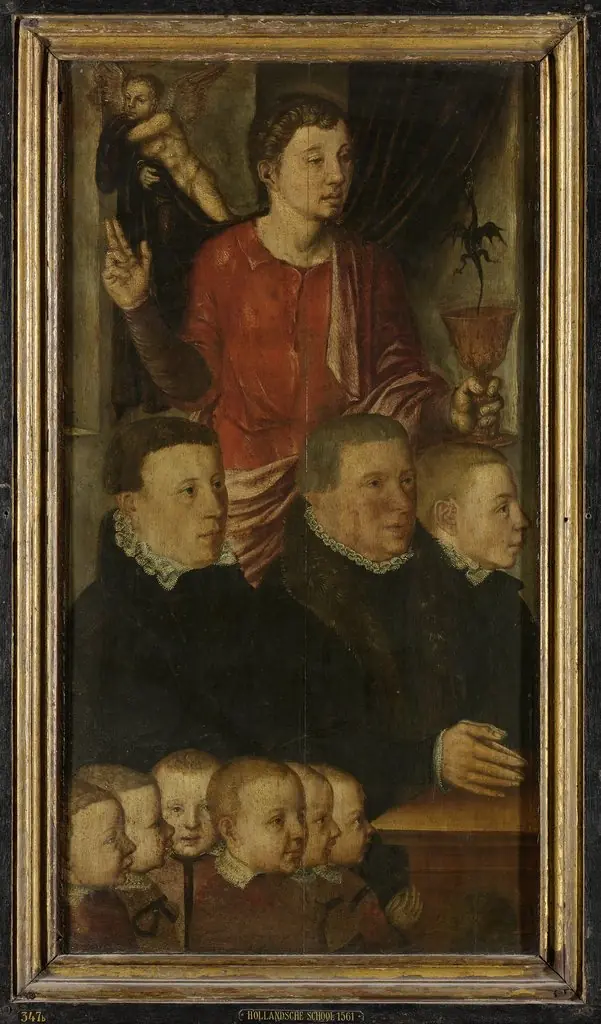 Left wing of a Memorial Triptych, formerly called the Gertz Memorial Triptych, with nine male Donor Portraits with Saint John the Evangelist (inner), and Saint Peter (outer)