Artwork
The Dormition of the Virgin
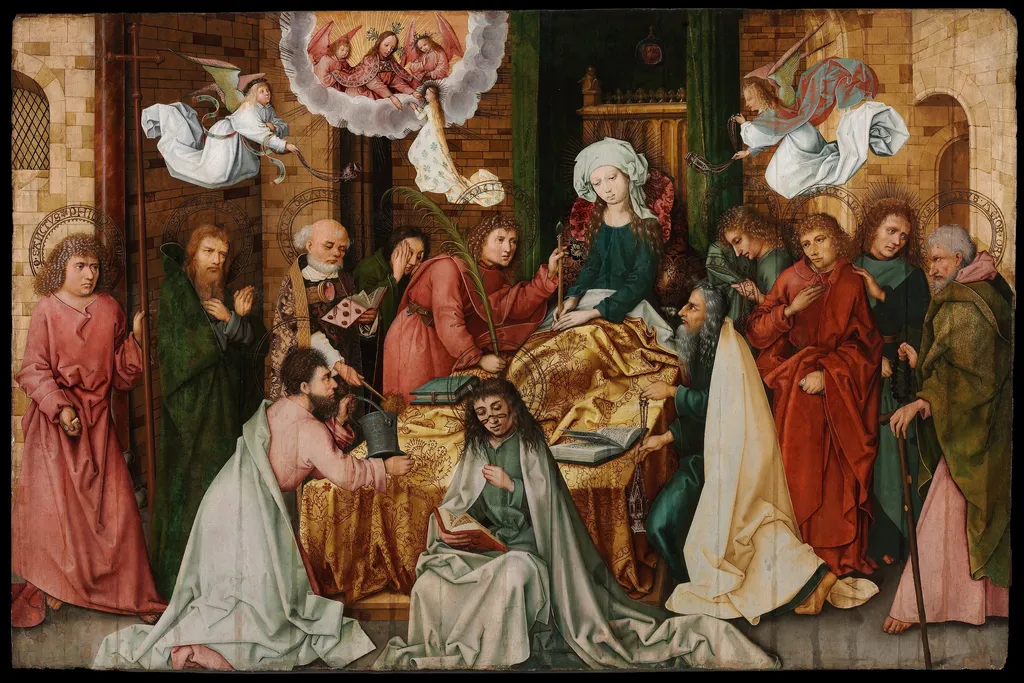
The Dormition of the Virgin is an oil painting by the Northern Renaissance artist Hans Holbein the Elder. It dates from 1496 and is held in the collection of the Museum of Fine Arts, Budapest.
About this work
Overview
It remains part of the permanent collection at the Museum of Fine Arts in Budapest, where it has been held since the 19th century.
Painted in 1496 by Hans Holbein the Elder, this oil-on-panel work depicts the Dormition of the Virgin, a subject central to medieval and early Renaissance Christian devotion. Executed in the Northern Renaissance tradition, the painting combines spiritual solemnity with meticulous attention to detail. It remains part of the permanent collection at the Museum of Fine Arts in Budapest, where it has been held since the 19th century.
Subject & Meaning
The scene illustrates the peaceful passing of the Virgin Mary, surrounded by apostles and angels gathered in quiet reverence. Her reclining form, marked by a halo and draped in blue and white, signifies purity and divine favor. The composition emphasizes serenity over grief, aligning with theological interpretations of her death as a transition to heavenly glory rather than a moment of loss.
Technique & Style
Holbein employed oil paint to achieve fine gradations of color and texture, particularly in the folds of fabric and the delicate rendering of facial expressions. Gold leaf accents highlight halos and architectural details, while rich reds, greens, and blues create a layered, atmospheric space. The figures are arranged symmetrically around the Virgin, reflecting a balanced, devotional structure typical of late medieval altarpieces.
History & Provenance
Commissioned likely for a religious institution in southern Germany, the painting entered the Hungarian national collection in the 1800s. Its survival through centuries of political and religious upheaval, including the Reformation’s iconoclastic movements, underscores its enduring value. Documentation confirms its presence in Budapest by the mid-19th century, though earlier ownership records remain incomplete.
Context
Created during a period when devotional imagery was central to Catholic worship, the painting reflects the influence of both Germanic traditions and Flemish realism. Holbein’s approach bridges late Gothic conventions with emerging Renaissance naturalism, emphasizing emotional restraint and spatial coherence. It aligns with other works from the Upper Rhine region that prioritized clarity and sacred narrative over dramatic intensity.
Legacy
Though overshadowed by the fame of his sons, Hans Holbein the Elder’s work contributed to the evolution of religious painting in German-speaking lands. This painting exemplifies the transition from medieval iconography to more humanized sacred scenes. It remains a key reference for understanding regional artistic practices before the full impact of the Reformation reshaped religious art in Central Europe.
Own this work as a print
Artist & collection
Artist
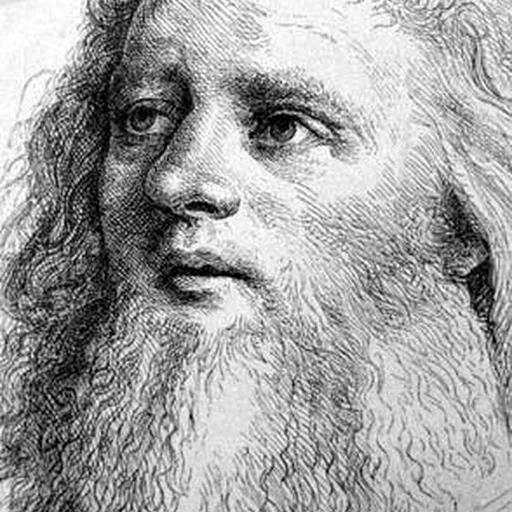
Hans Holbein the Elder (c. 1460/65 – 1524) was a German painter of the early German Renaissance. He was the father of painters Ambrosius and Hans the Younger.

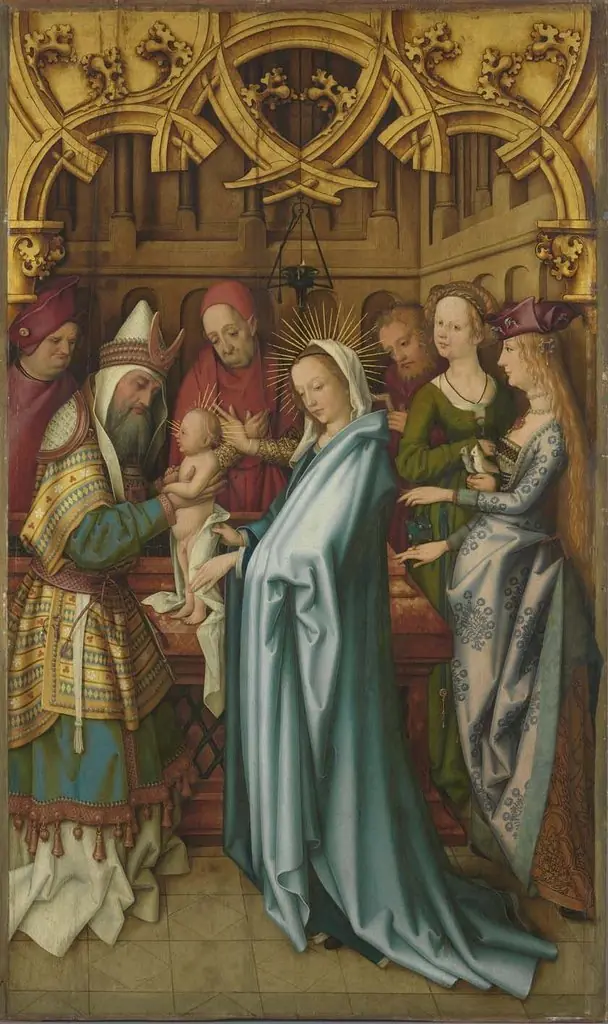 Kaisheimer Altar: Darbringung im Tempel
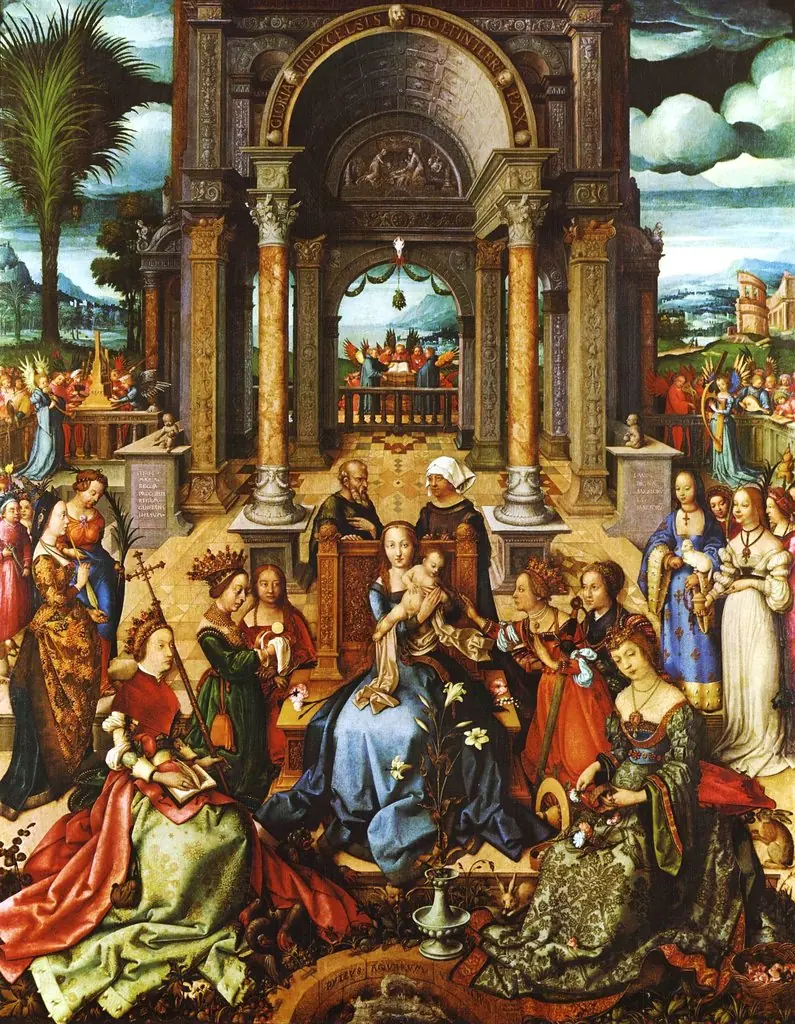 Virgin with Child by Hans Holbein the Elder, Museu Nacional de Arte Antiga
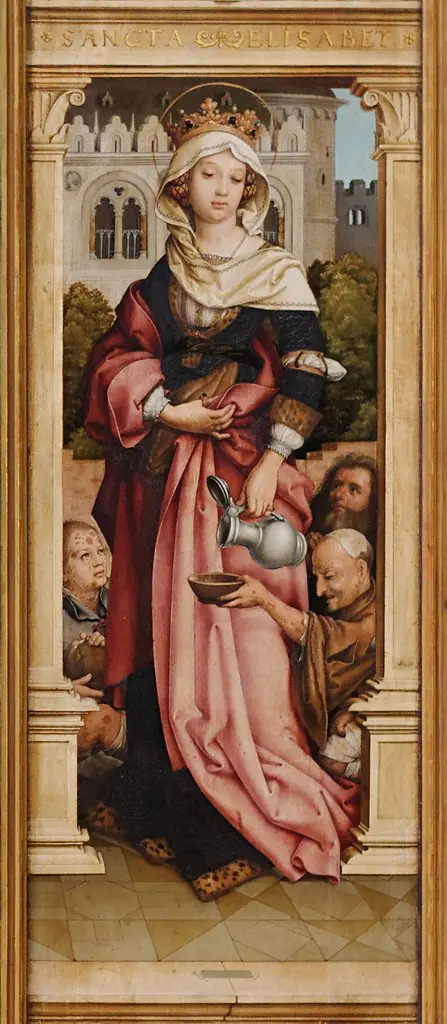 St. Sebastian Altar: St. Elizabeth of Hungary
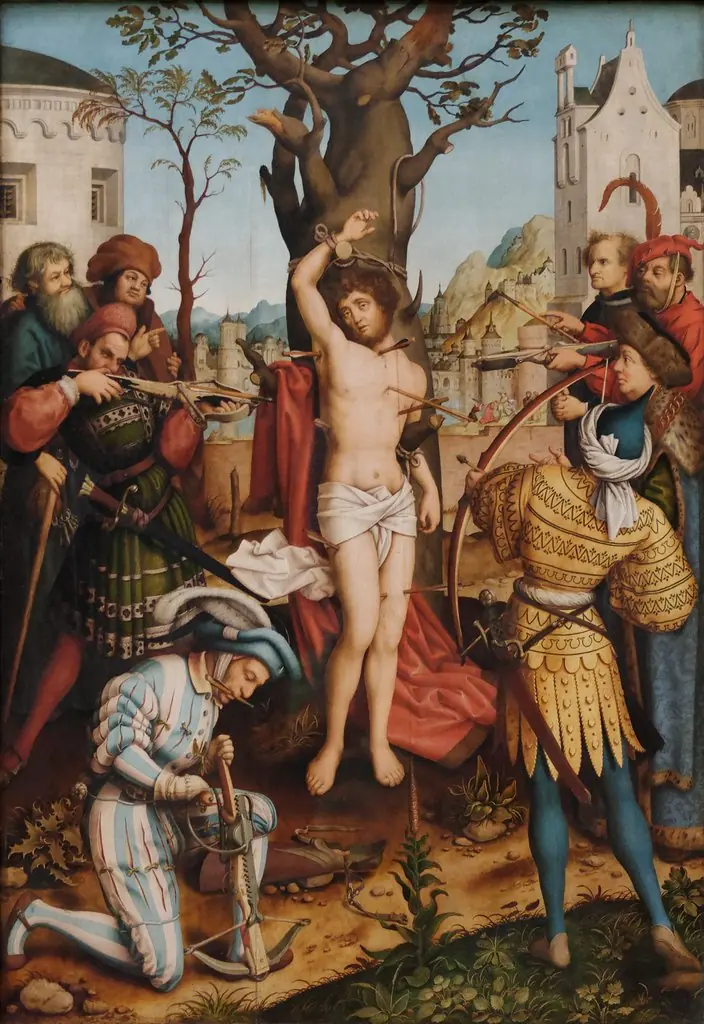 St. Sebastian Altar: The Martyrdom of St. Sebastian
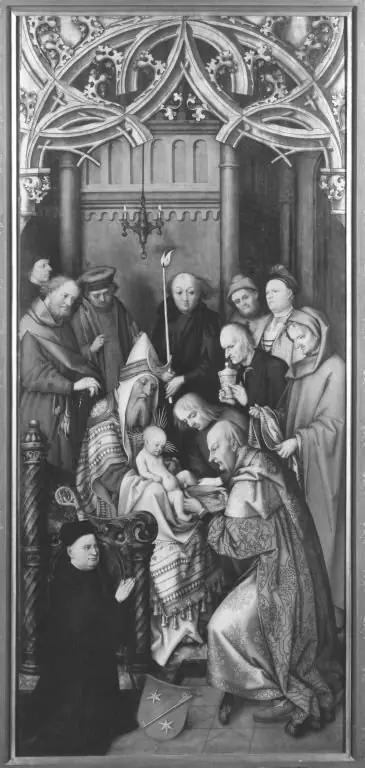 Kaisheimer Altar: Beschneidung Christi
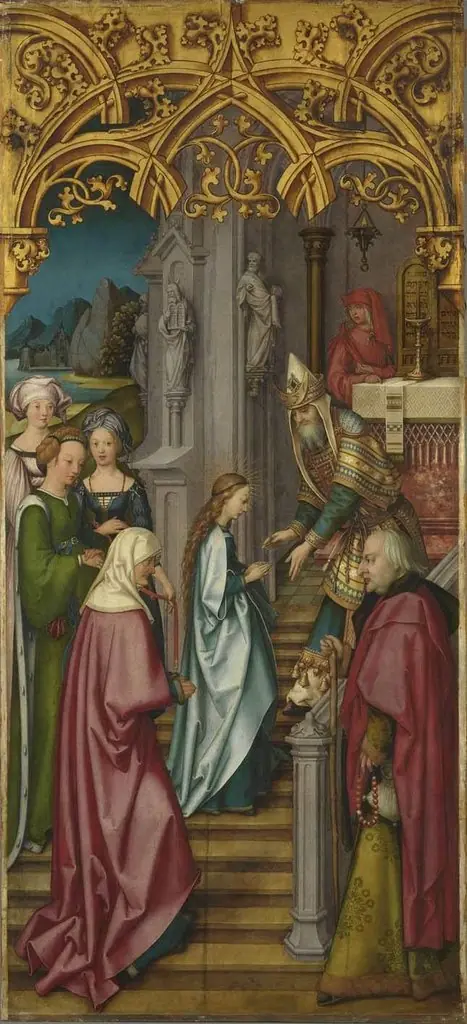 Kaisheimer Altar: Tempelgang Mariens
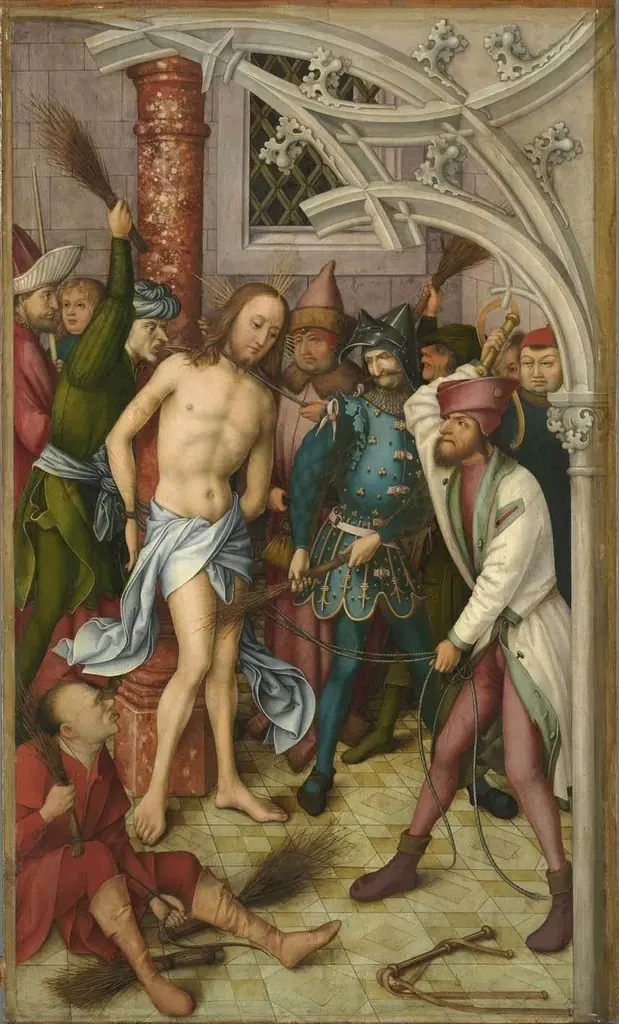 Kaisheimer Altar: Geißelung Christi
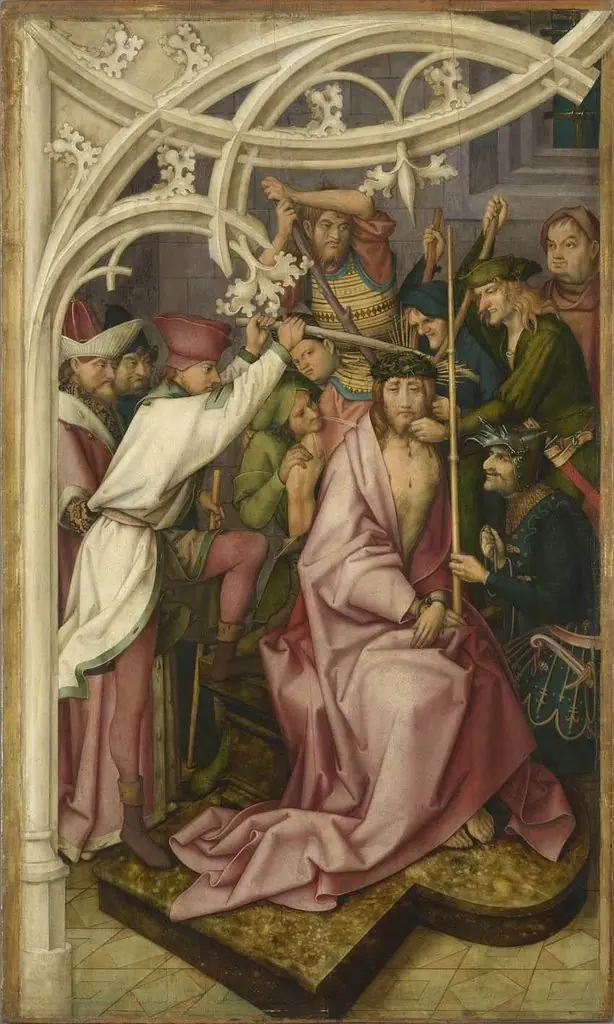 Kaisheimer Altar: Dornenkrönung Christi
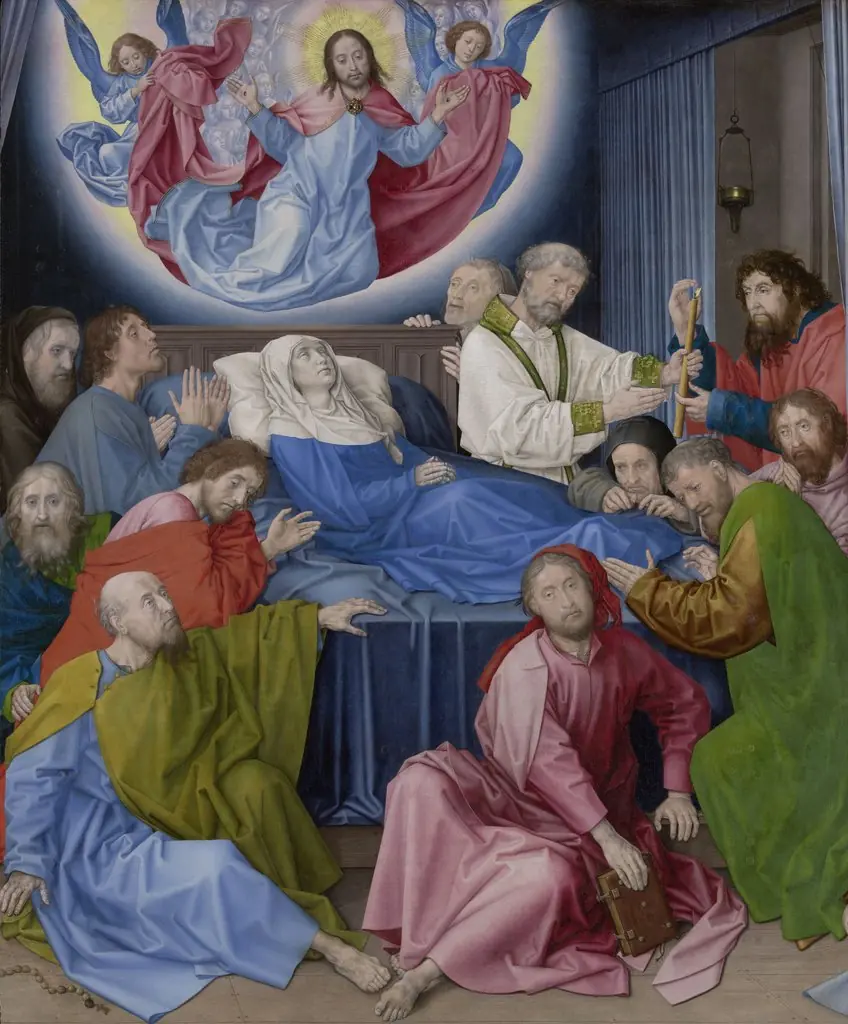 Death of the Virgin
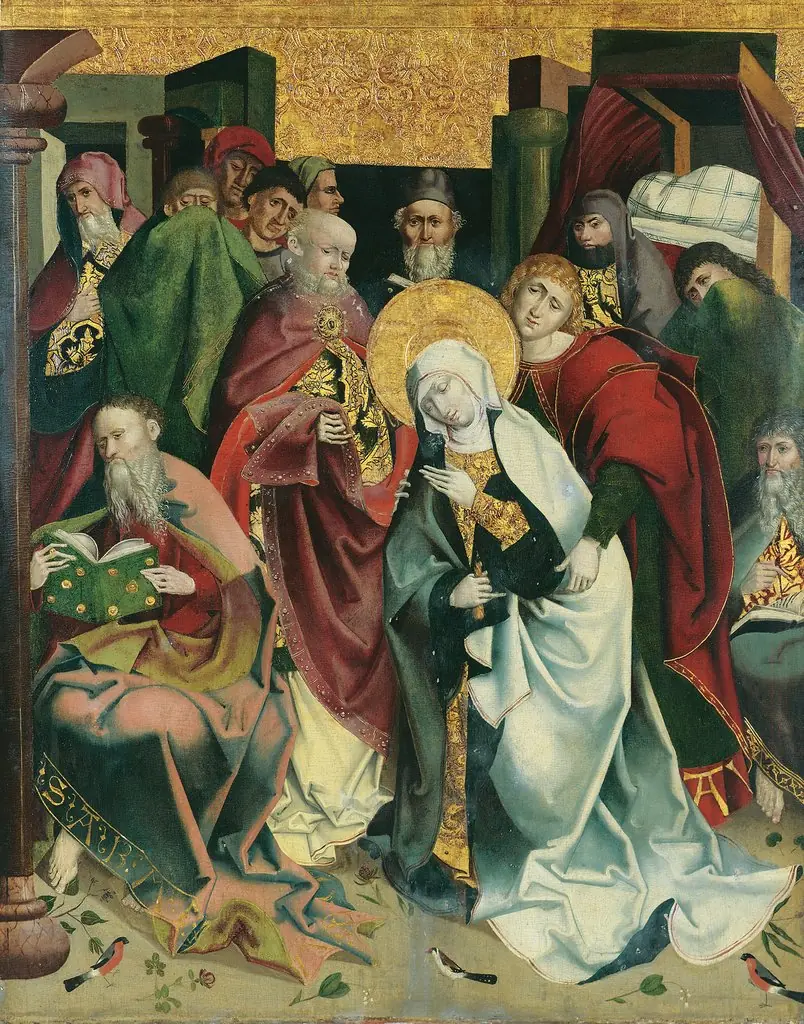 Tod Mariens
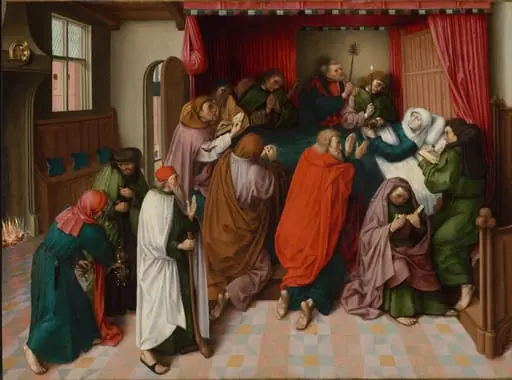 Het sterfbed van Maria
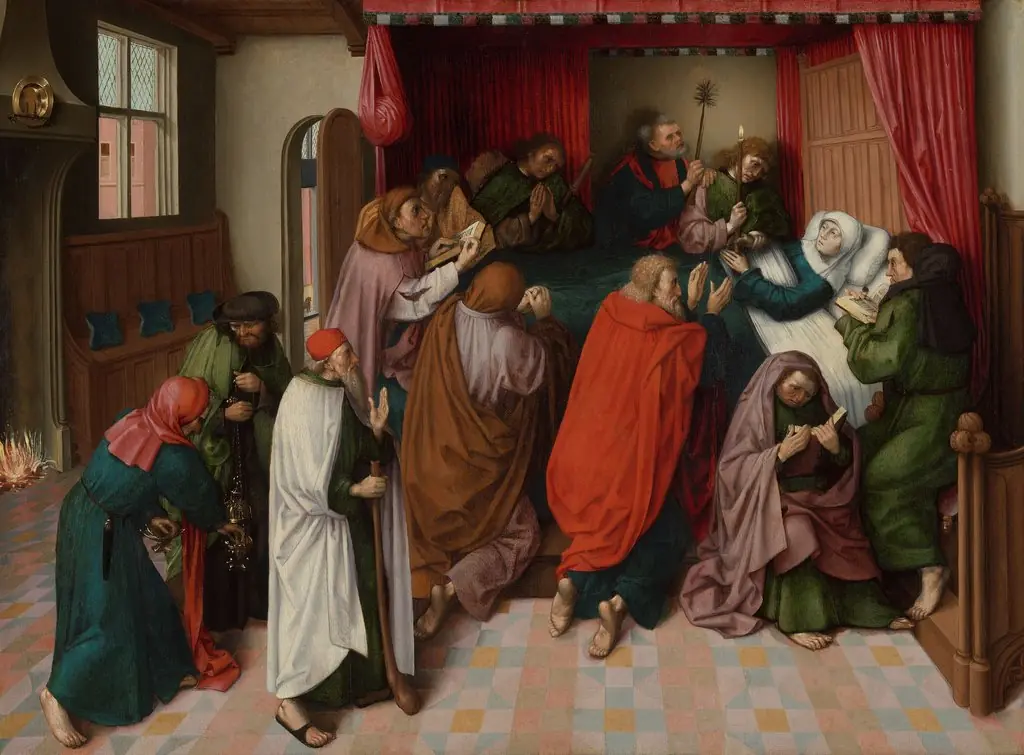 The Death of the Virgin
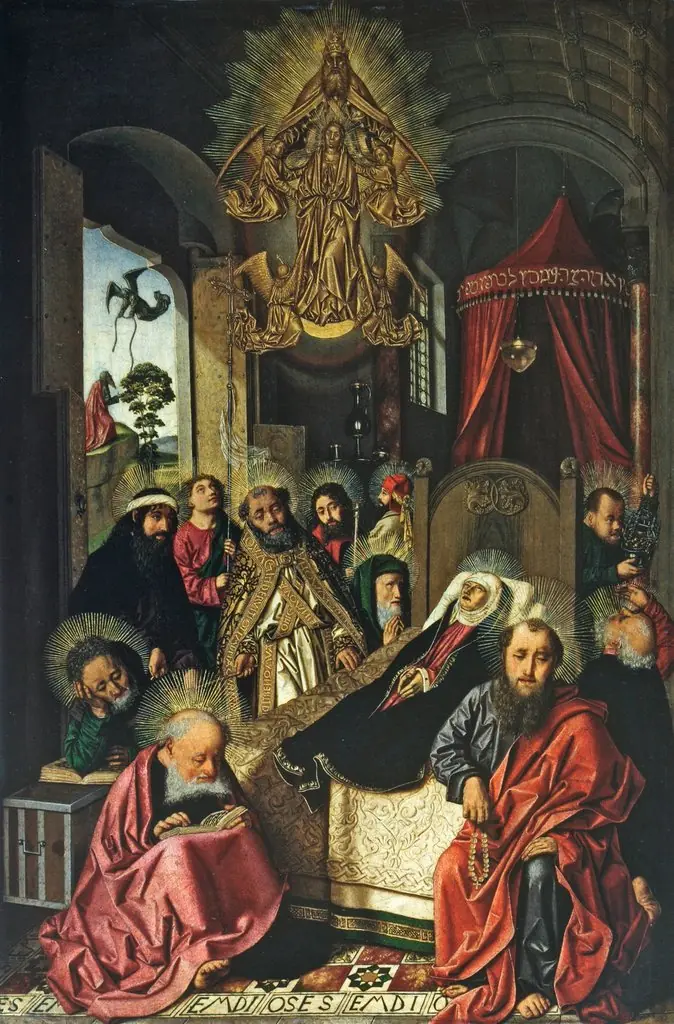 Death and Assumption of the Virgin Mary
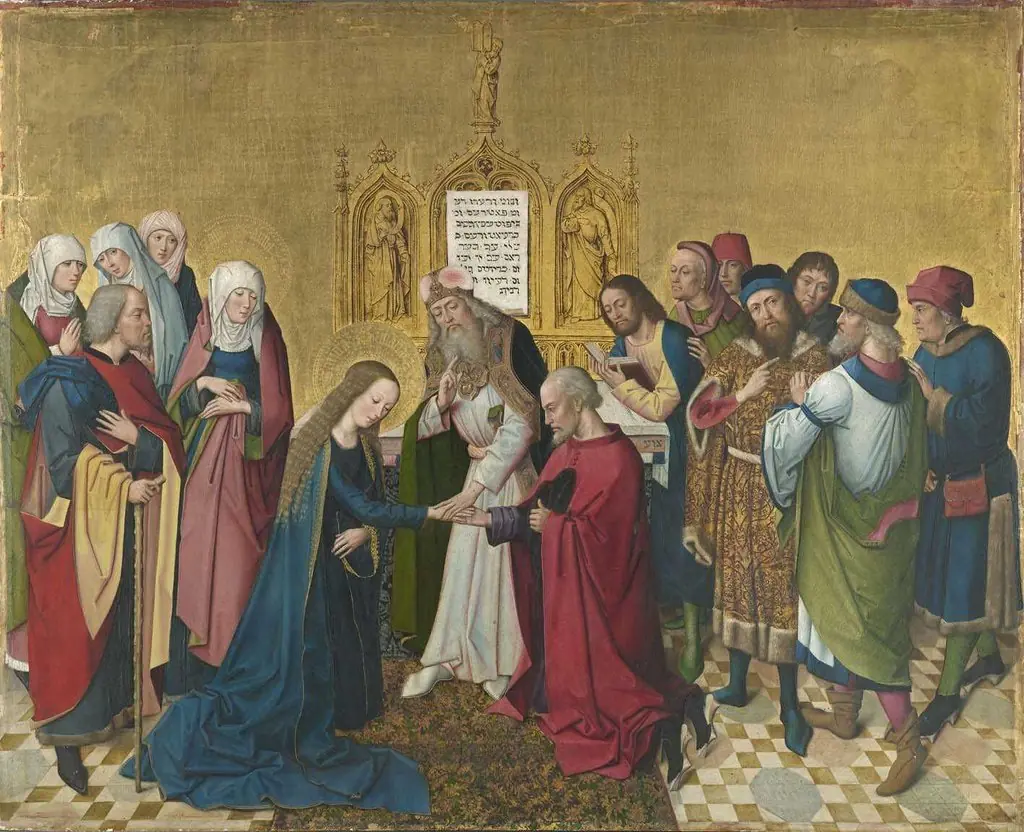 The Engagement of Mary (verso: upper half of the Coronation of Mary)
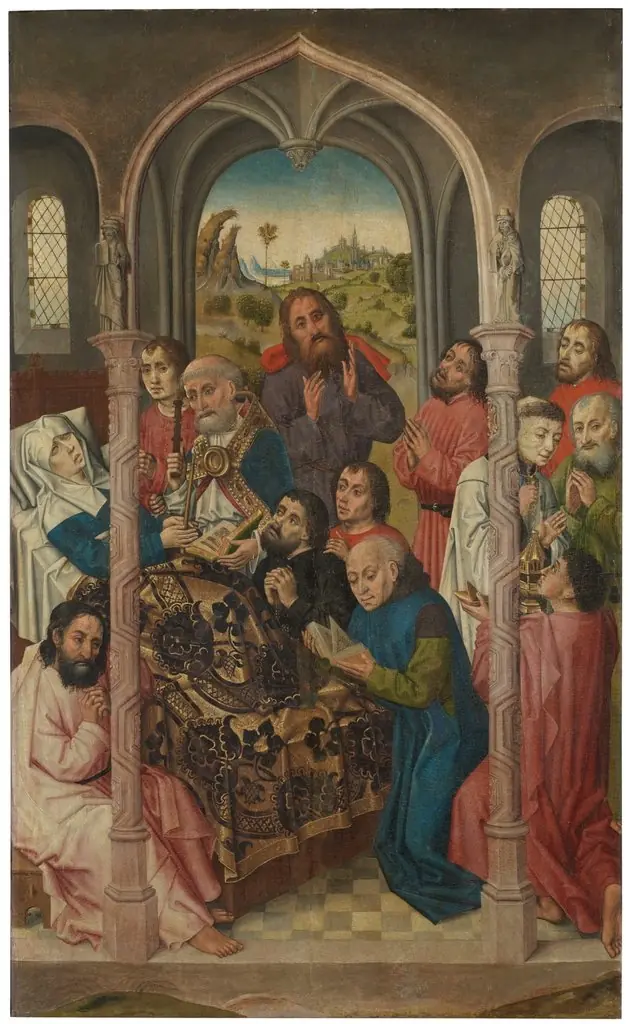 The Death of the Virgin
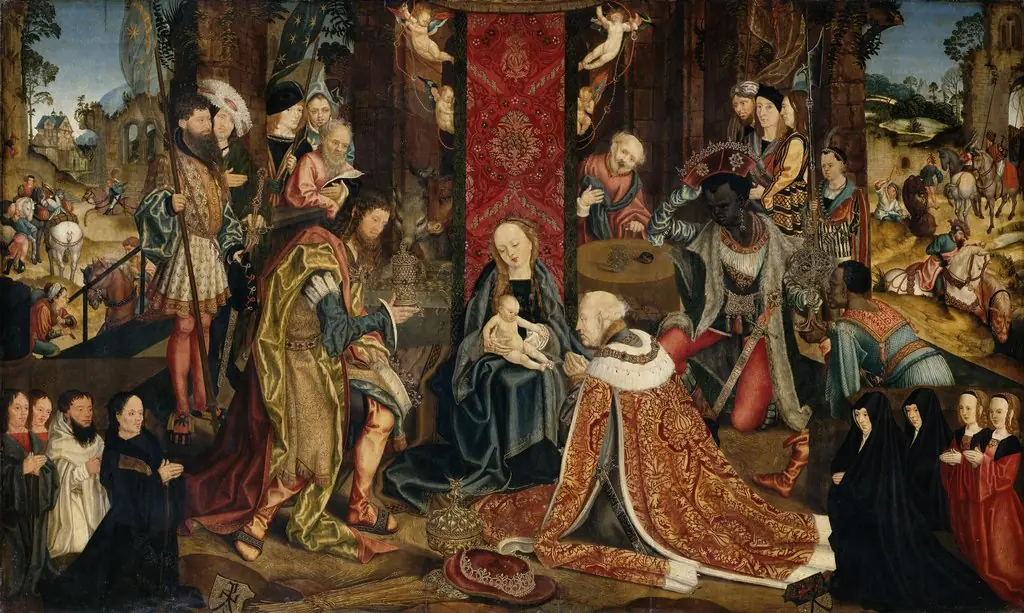 The Adoration of the Kings
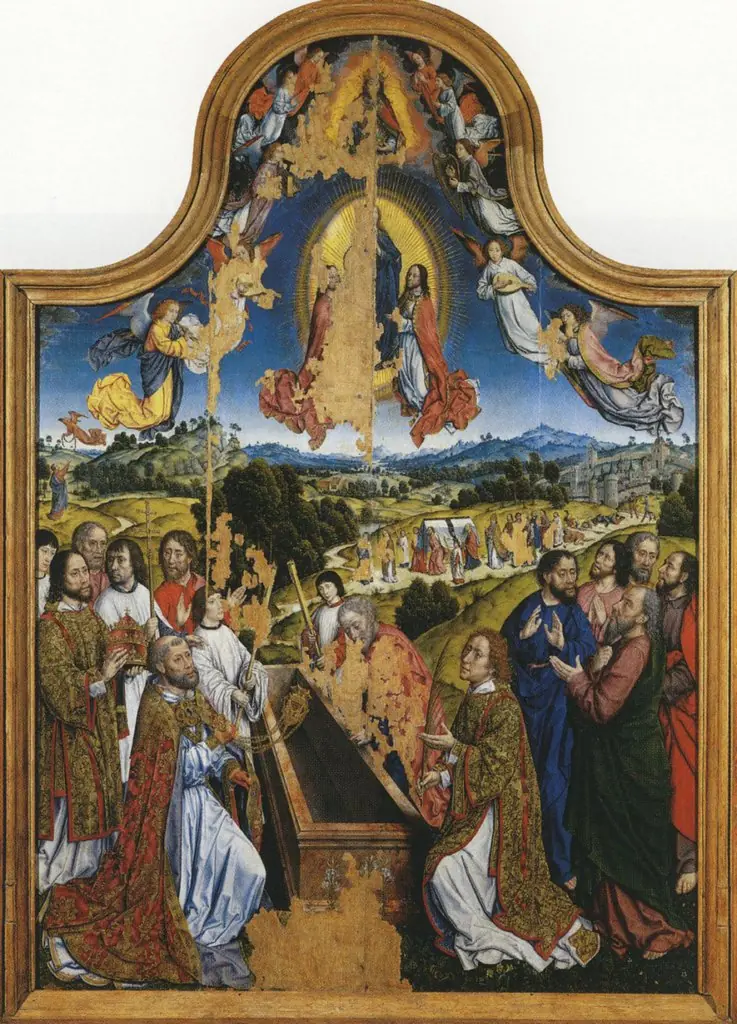 Assumption of the Virgin
 Madonna and Child with Saints in the Enclosed Garden