Artwork
Head of Our Savior, from Arringhi's "Roma Subterranea"
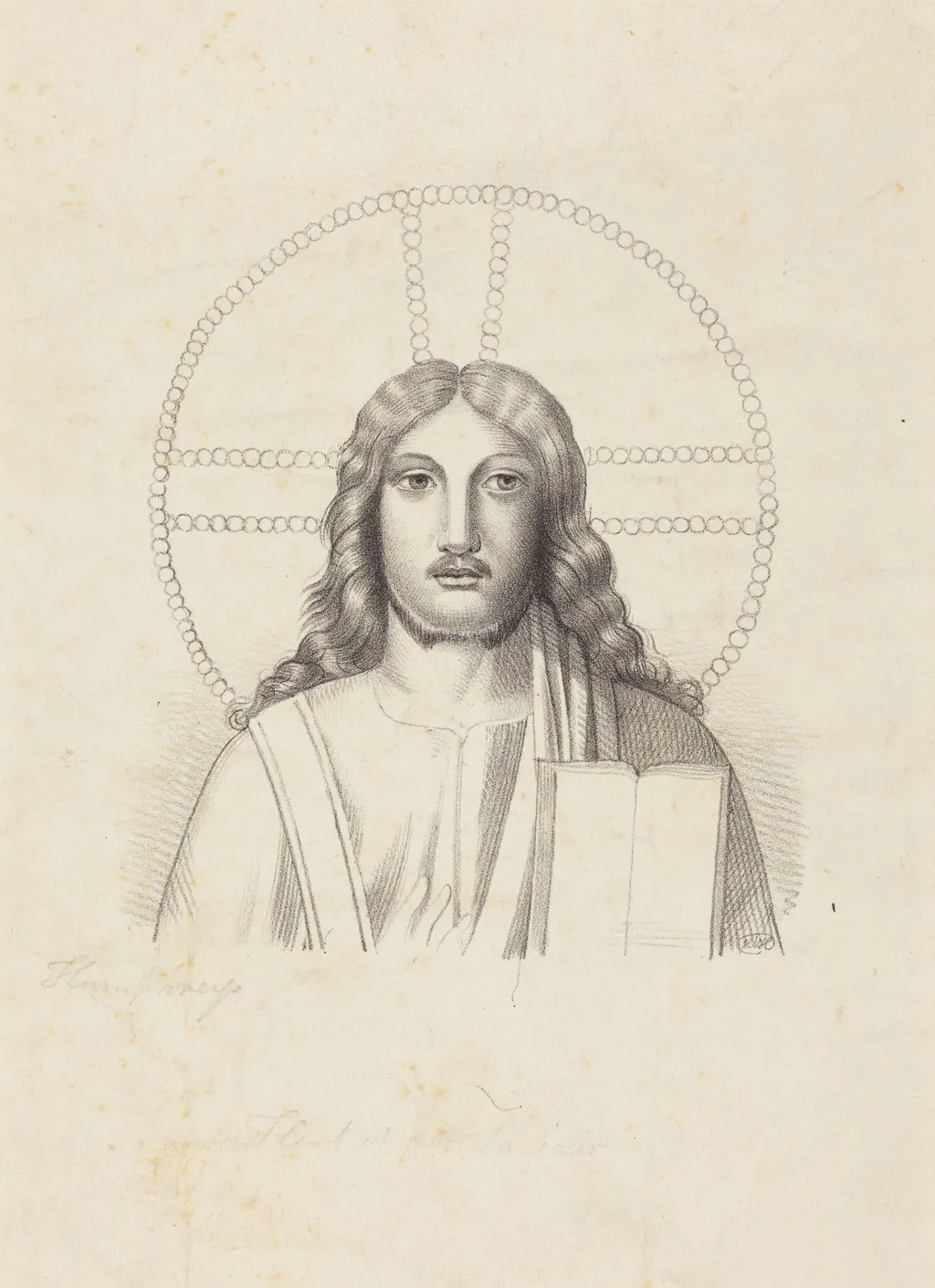
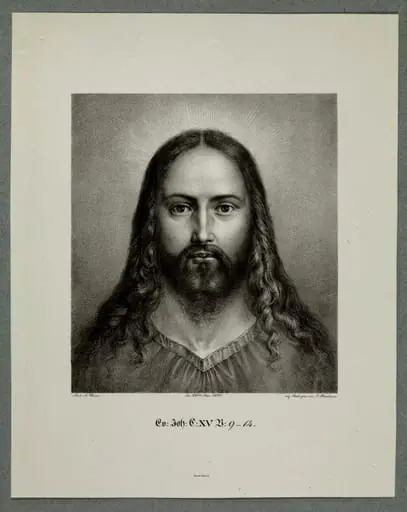
Head of Our Savior, from Arringhi's "Roma Subterranea" is an ink print by the Romanticist artist Henry Noel Humphreys. It dates from 1829 and is held in the collection of the National Gallery of Art.
About this work
The artist used a greasy crayon on limestone to print this—no paint, just ink and pressure.
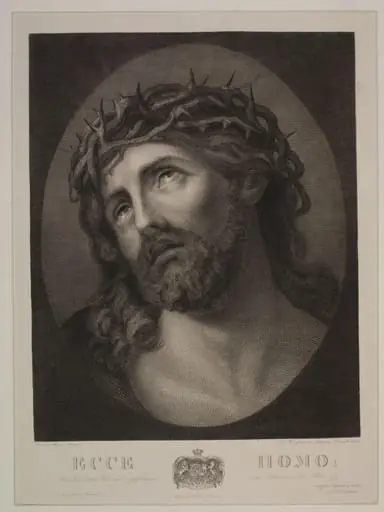
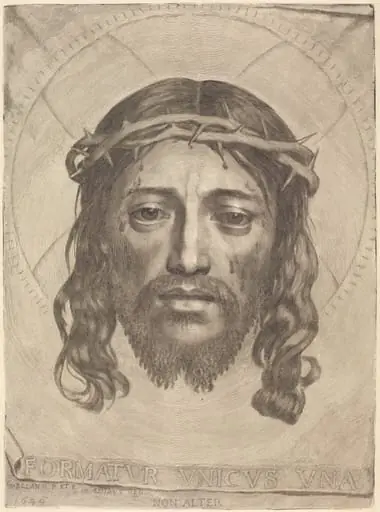
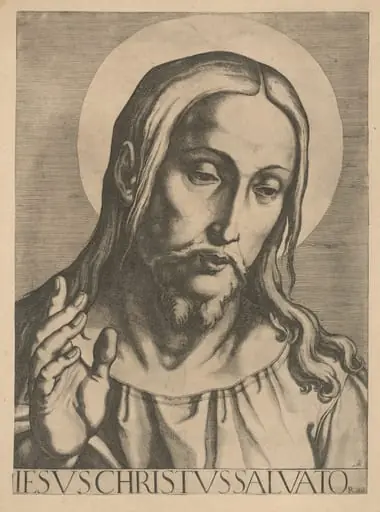
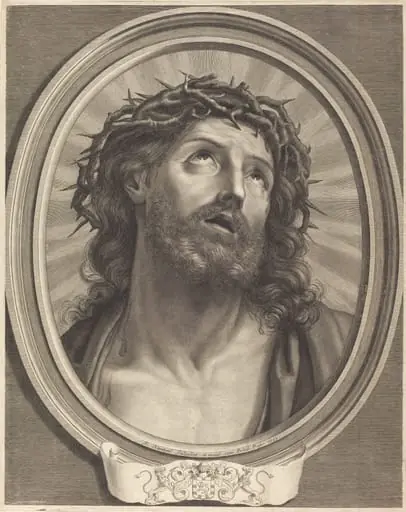
This lithograph shows a bearded man’s face, lit from the side. His eyes look tired, even sad. The artist used a greasy crayon on limestone to print this—no paint, just ink and pressure. It’s a proof, so no letters or numbers are added yet.
Henry Noel Humphreys was a British artist who loved old ruins. He copied early Christian art for a book about Roman catacombs. This image came from that project, meant to look ancient even in 1829.
This method is called lithography.
Overview
Head of Our Savior is a lithograph created by Henry Noel Humphreys in 1829 as part of his work on 'Roma Subterranea'. It is a proof before letters, indicating an early stage in the printing process.
Subject & Meaning
The lithograph depicts the face of a bearded man, likely representing Christ, with a somber expression. The image is characterized by strong side lighting, accentuating the subject's features and conveying a sense of sadness or fatigue.
Technique & Style
The work is a product of lithography, a printing technique involving a greasy crayon on limestone. The resulting image is achieved through the application of ink and pressure, without the use of paint.
History & Provenance
Humphreys, a British artist with an interest in antiquities, produced this image while working on a book about Roman catacombs. The lithograph is part of a series intended to illustrate early Christian art.
Artist & collection