Artwork
Ecce Homo
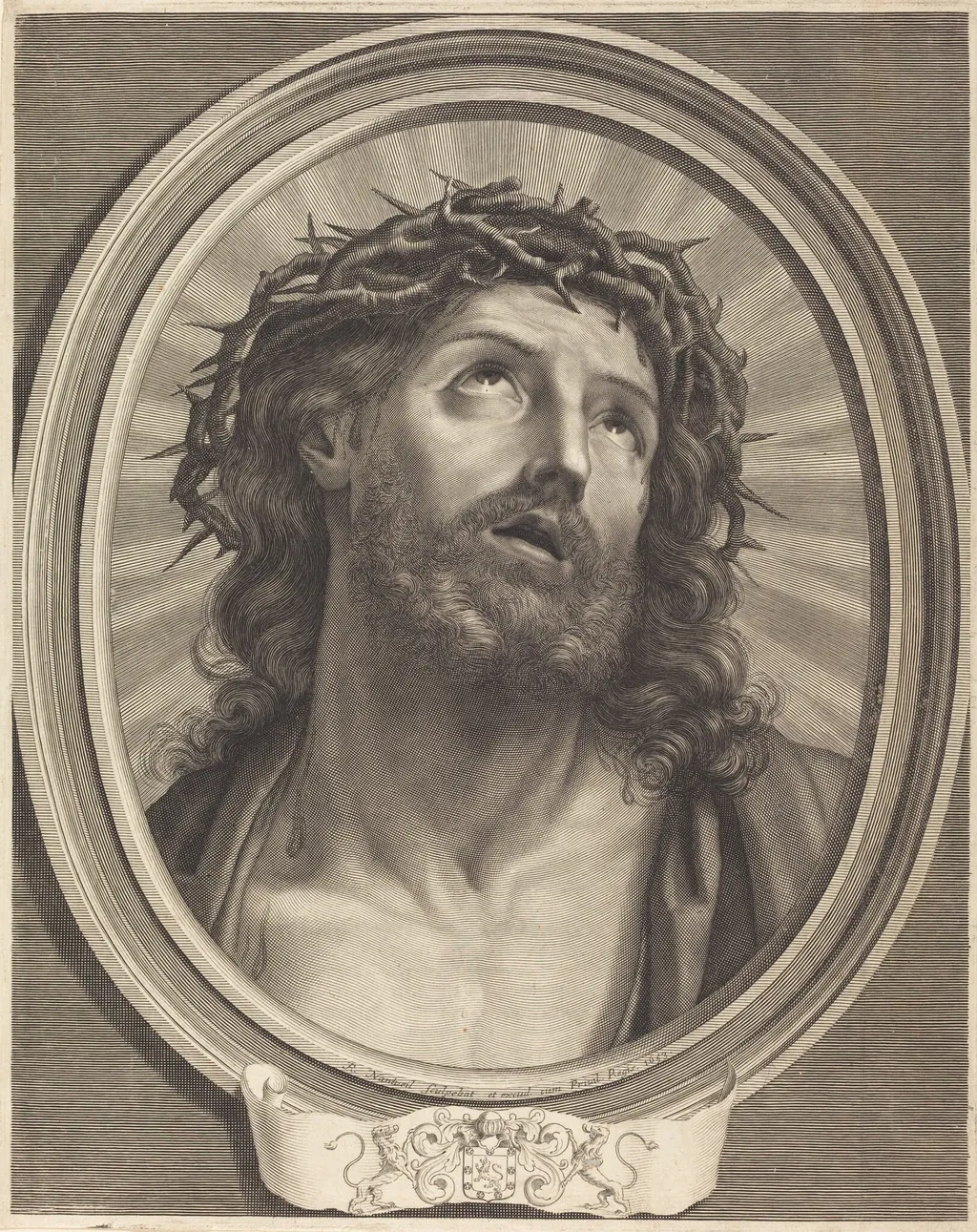
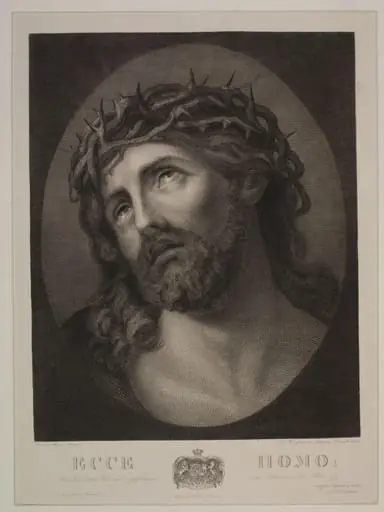
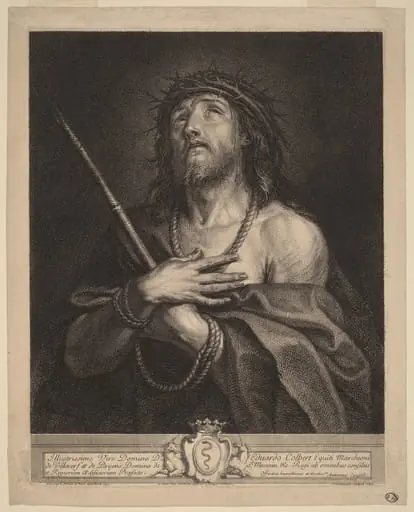
Ecce Homo is an ink print by the Baroque artist Robert Nanteuil. It dates from 1653 and is held in the collection of the National Gallery of Art.
About this work
Overview
Ecce Homo is a 1653 engraving by Robert Nanteuil, a versatile French artist associated with the court of Louis XIV. The work showcases Nanteuil's proficiency in portraiture and printmaking.
Subject & Meaning
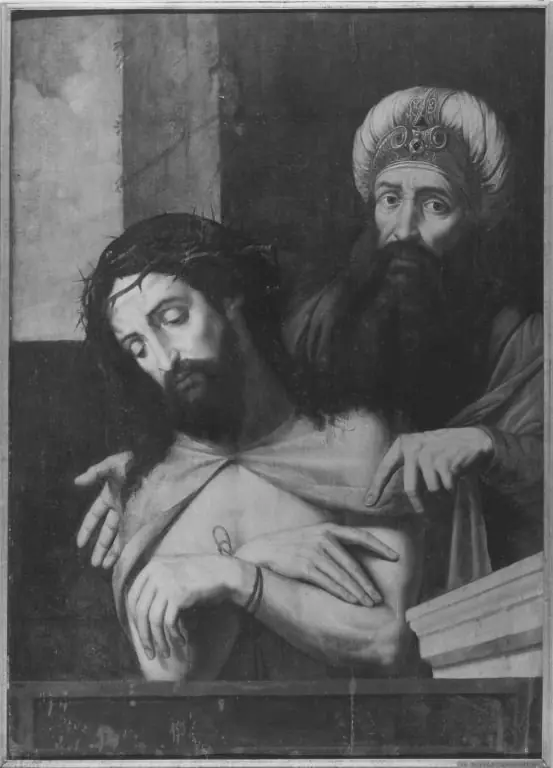
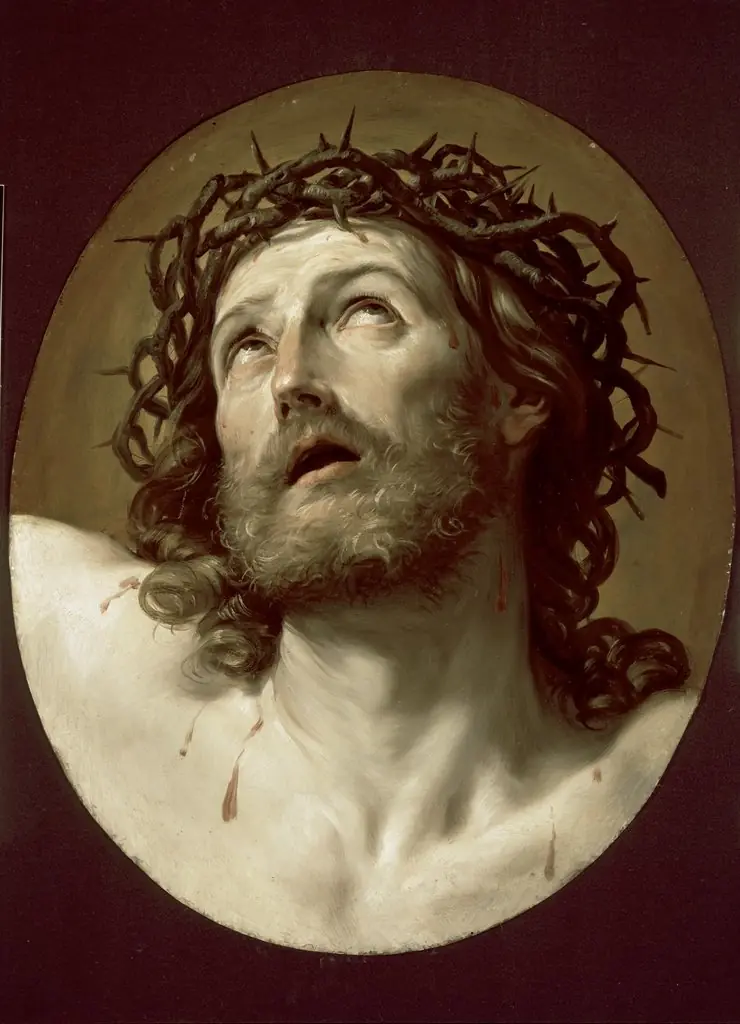
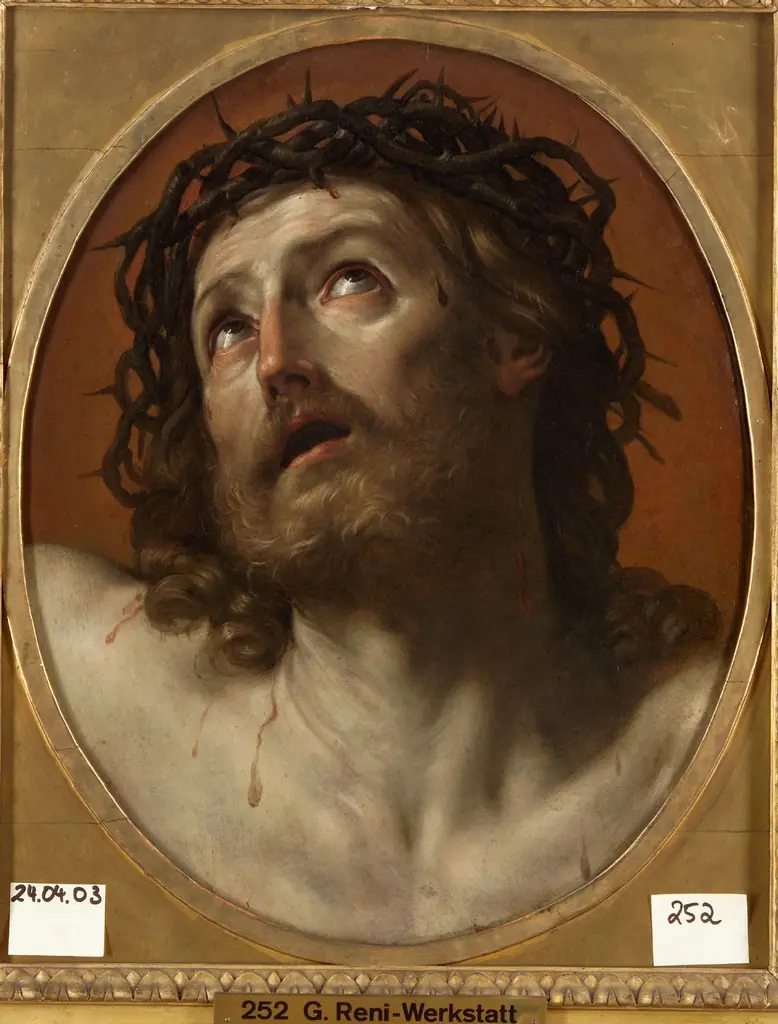
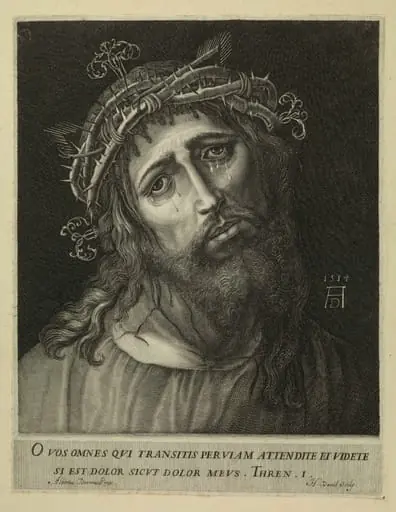
The engraving depicts Jesus Christ, crowned with thorns, gazing upwards amidst rays of light. This scene is reminiscent of the biblical moment when Pontius Pilate presents Christ to the crowd. Jesus is portrayed with a serious expression, his eyes directed towards a distant point, conveying a sense of solemnity and introspection.
Technique & Style
Characterized by meticulous fine lines, the engraving achieves detailed texture and shading. The dramatic lighting, with rays emanating from behind Christ's head, aligns with Baroque aesthetics, emphasizing emotional depth through chiaroscuro.
History & Provenance
Created in 1653, Ecce Homo reflects Nanteuil's official role in documenting monarchic and elite figures, though this piece diverges into religious subject matter. The artist's multifaceted career as an engraver, draughtsman, and pastellist is highlighted through this work.
Context
While Nanteuil's primary focus was on portraits of the French monarchy and nobility during his time at the court of Louis XIV, Ecce Homo demonstrates his capability in interpreting religious themes prevalent in 17th-century European art.
Legacy
Ecce Homo serves as a representative example of Baroque printmaking, illustrating the period's emphasis on dramatic lighting and intricate detail. It contributes to the broader legacy of Nanteuil's work in French art history.
Artist & collection
Artist
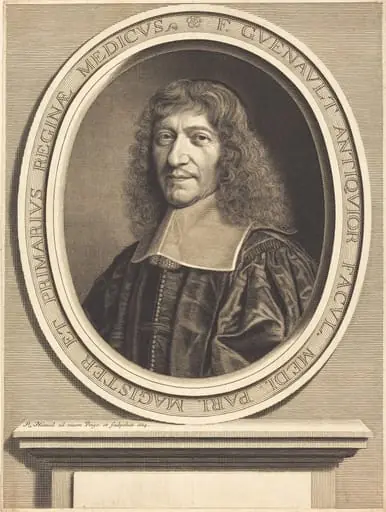
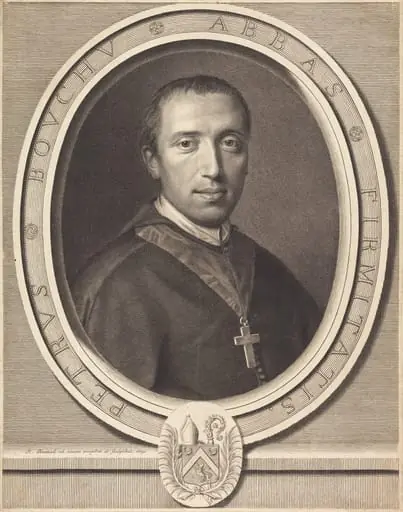
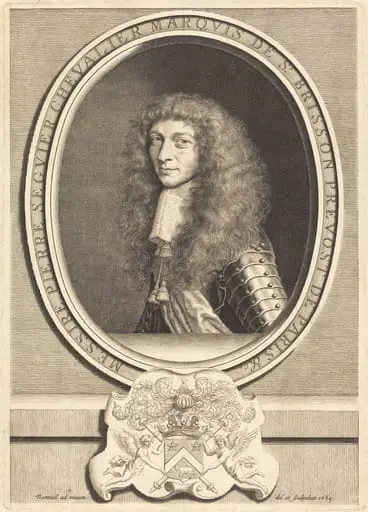
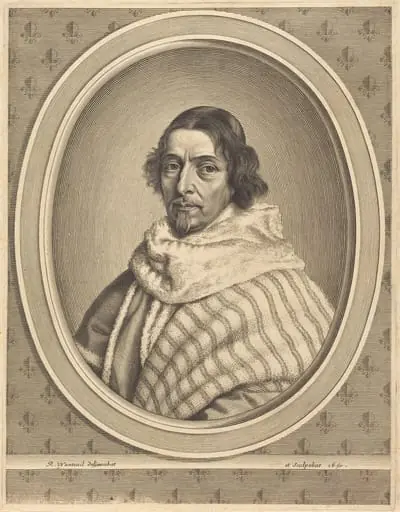
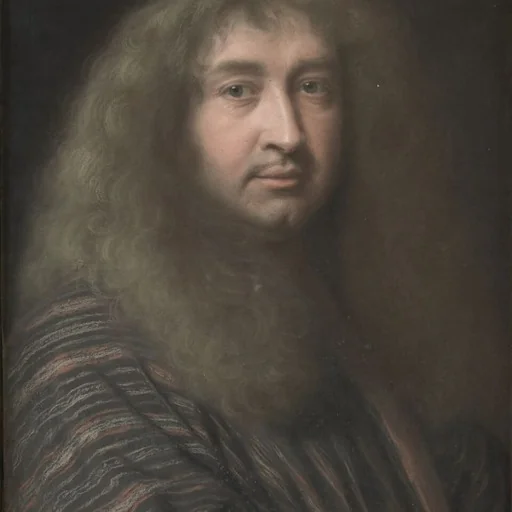
Robert Nanteuil (French pronunciation: ; 1623 – 9 December 1678) was a French portrait artist: engraver, draughtsman and pastellist to the court of Louis XIV.