Artwork
Philip V
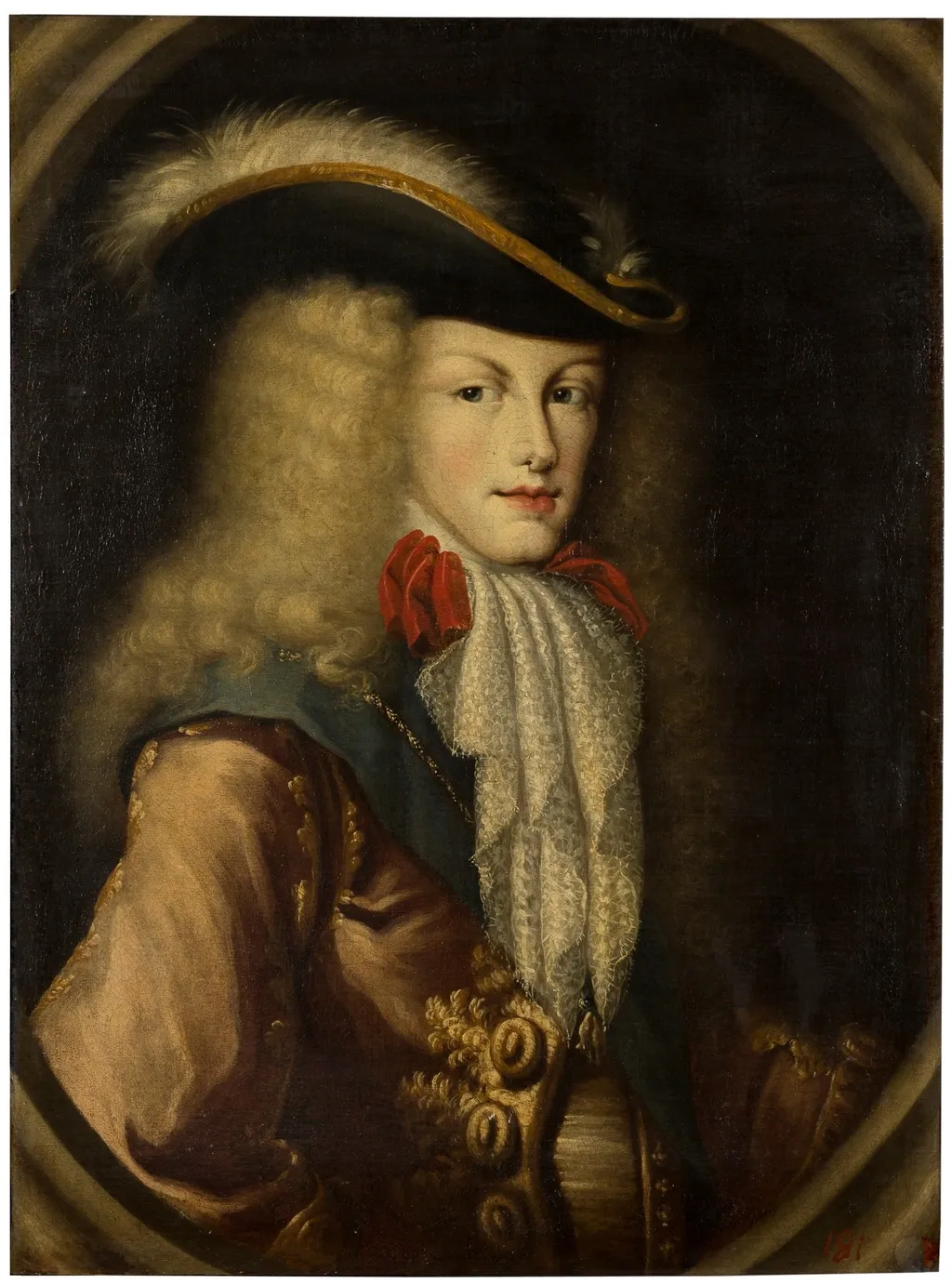
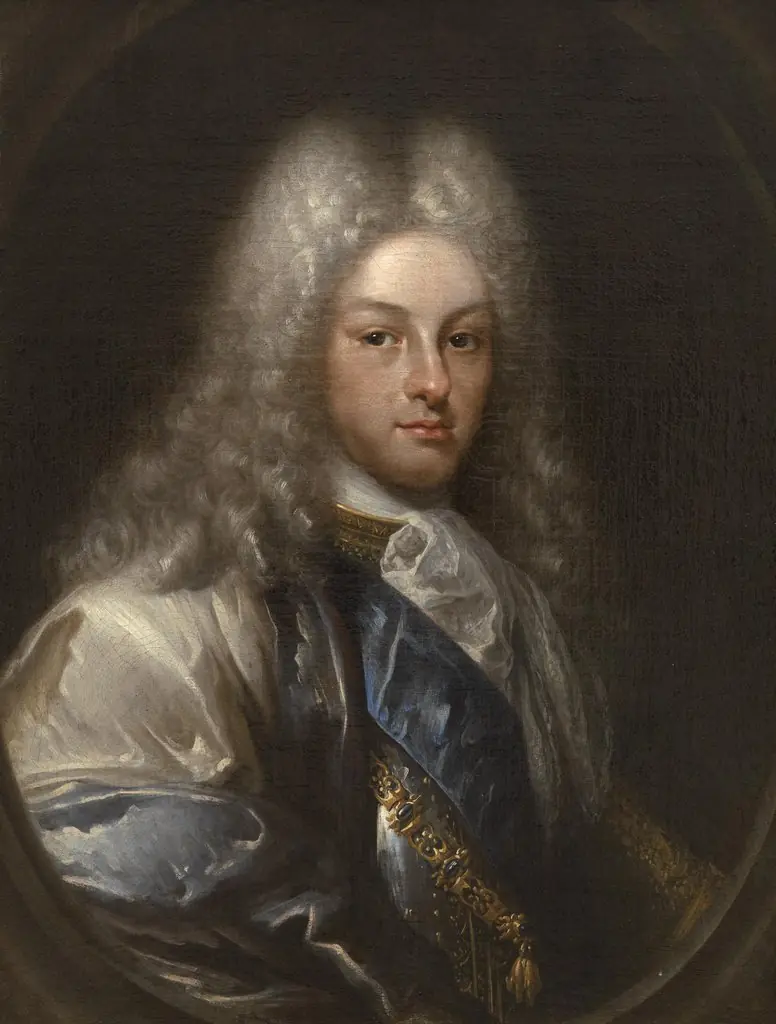
Philip V is an oil painting by the Barbizon school artist Miguel Jacinto Meléndez. It dates from 1701 and is held in the collection of the Museo del Prado.
About this work
Overview
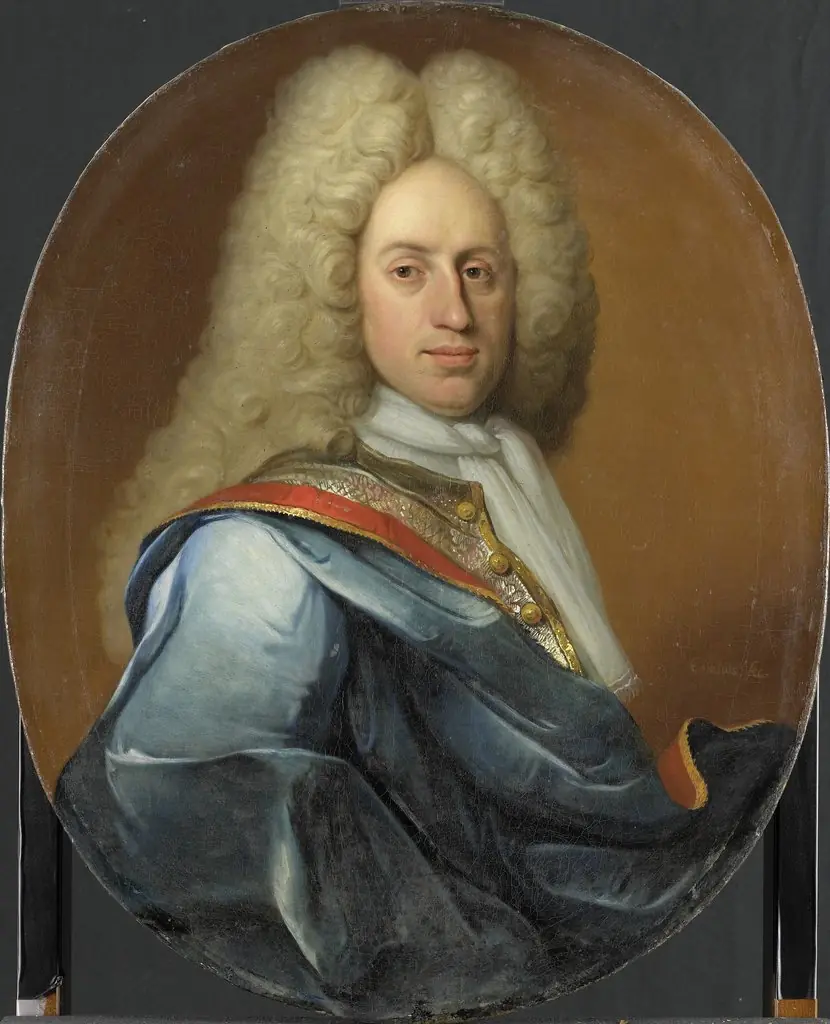
Miguel Jacinto Meléndez’s oil painting, executed in 1701, portrays the Spanish monarch Philip V alongside the emblematic Golden Fleece. The work is part of the collection of the Museo del Prado in Madrid and measures a modest size, allowing the figure to dominate the composition against a dark, unadorned backdrop.
Subject & Meaning
The portrait combines regal portraiture with a symbolic reference to the Order of the Golden Fleece, a chivalric order founded by the Habsburgs. By presenting Philip V clutching the fleece, the artist underscores the king’s dynastic legitimacy and his connection to the prestigious heritage of the Spanish crown.
Technique & Style
Meléndez employs a restrained chiaroscuro, letting a focused light illuminate the monarch’s cheek and forehead while the surrounding areas recede into shadow. Soft, blended brushwork renders the flesh with a subtle glow, contrasting with the richly textured fabrics—a feathered hat, a red neck ribbon, and a lace‑trimmed shirt beneath a dark coat.
History & Provenance
Completed early in Philip V’s reign, the painting entered the royal collection and later was transferred to the national museum during the 19th‑century reorganization of Spain’s artistic holdings. Its presence in the Prado reflects the institution’s role in preserving works that document the Bourbon monarchy’s visual culture.
Context
The portrait belongs to a period when Spanish court painters emphasized both the personal likeness of the sovereign and the visual language of power. Meléndez, a court artist, aligned his approach with contemporary Baroque sensibilities, using dramatic lighting to convey authority while maintaining a dignified, almost intimate portrayal of the king.
Artist & collection

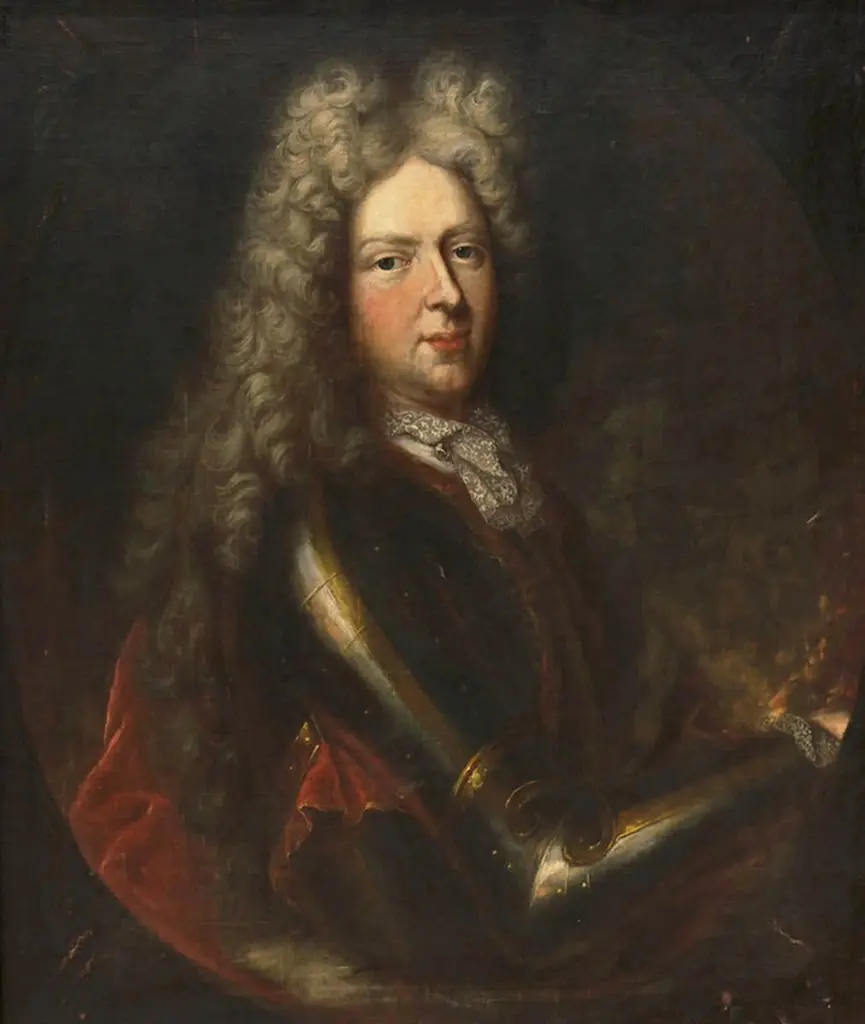 Markgraf Georg Friedrich II von Brandenburg Ansbach
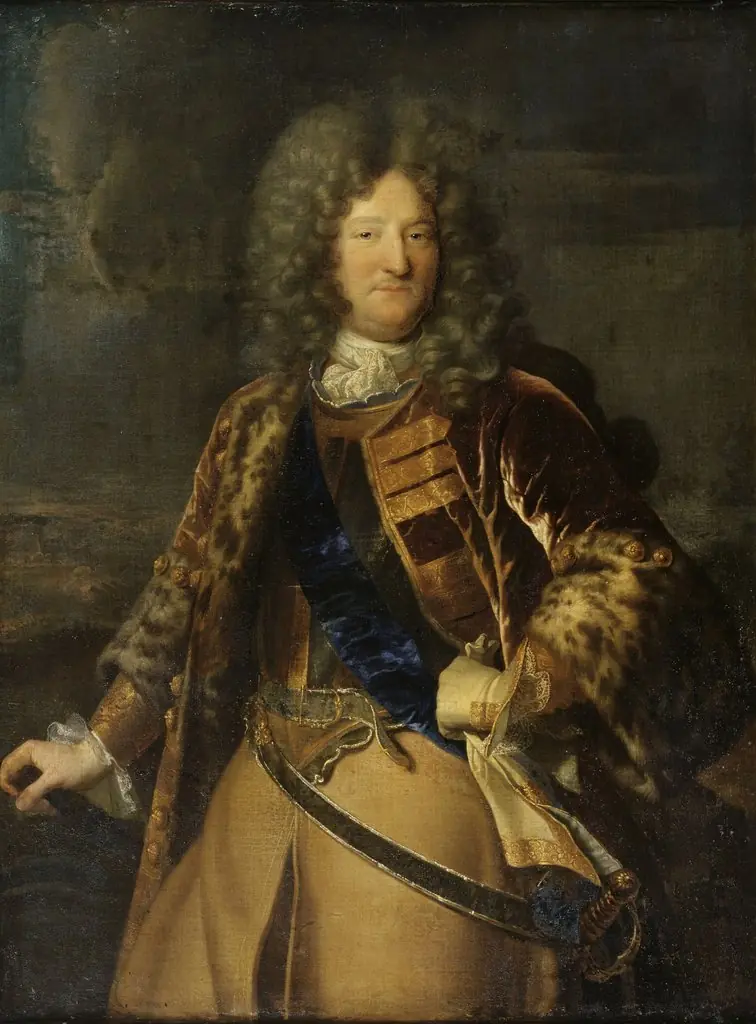 Porträt des Anne-Jules, Herzog von Noailles (1650-1708)
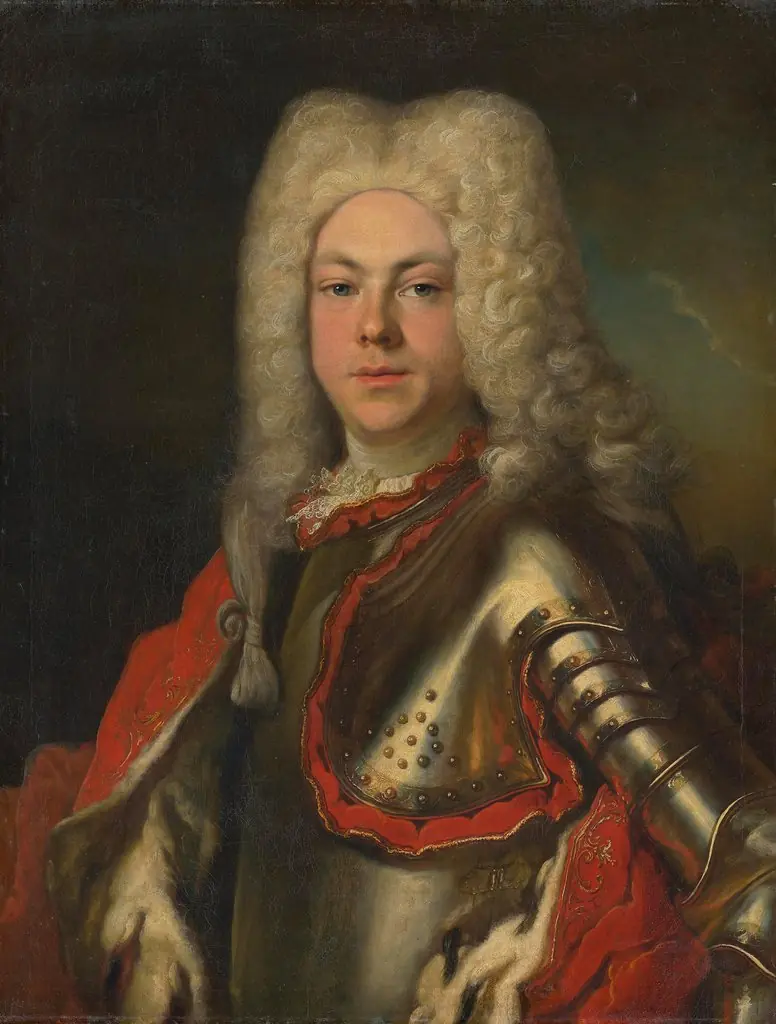 Bildnis des Pfalzgrafen Johann Christian von Sulzbach (?)
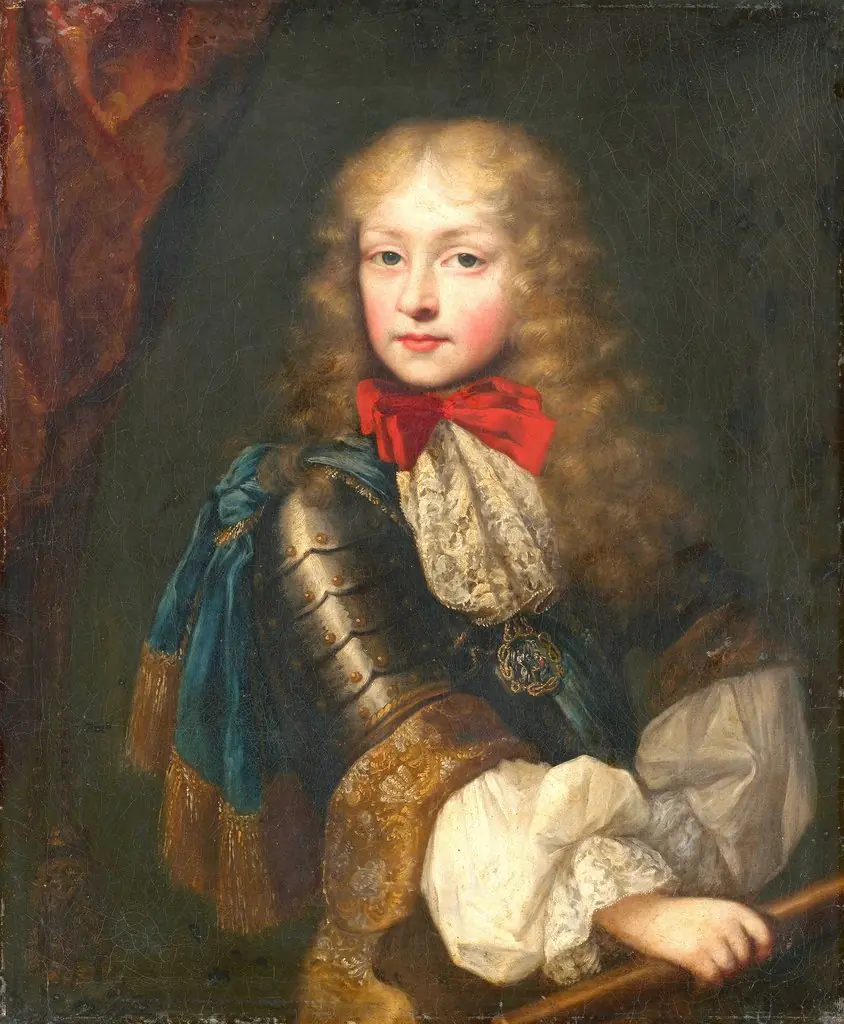 Kinderbildnis des Erbprinzen Viktor Amadeus II. von Savoyen
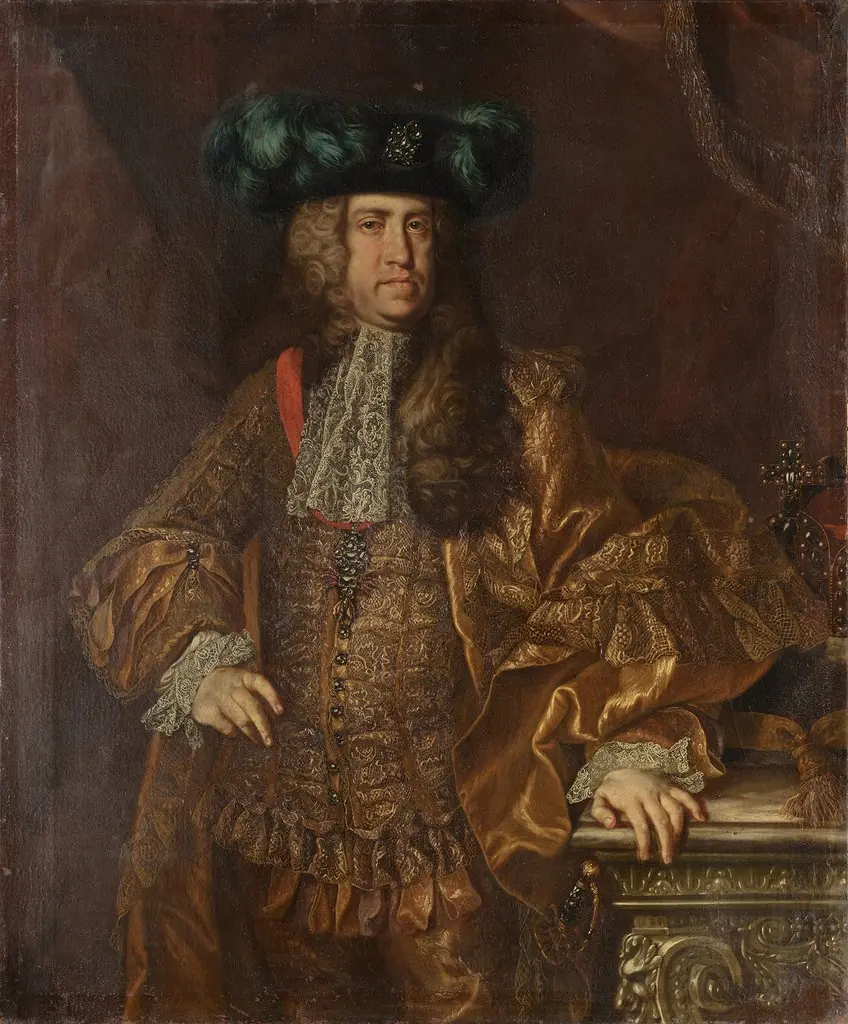 Emperor Karl VI.
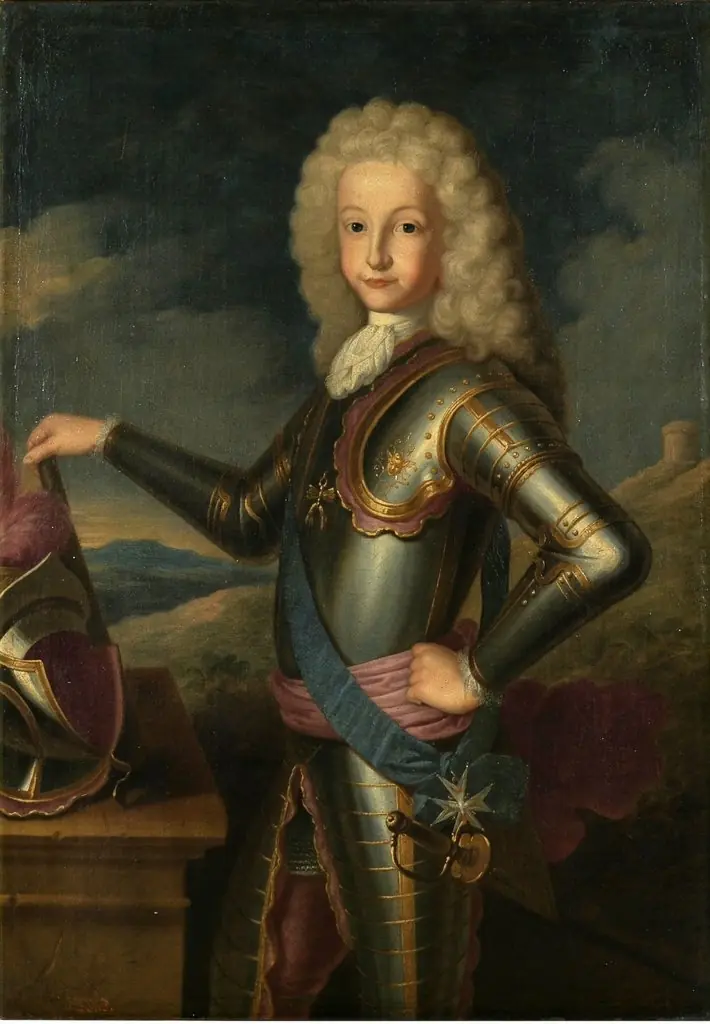 Luis I con armadura a los 10 años
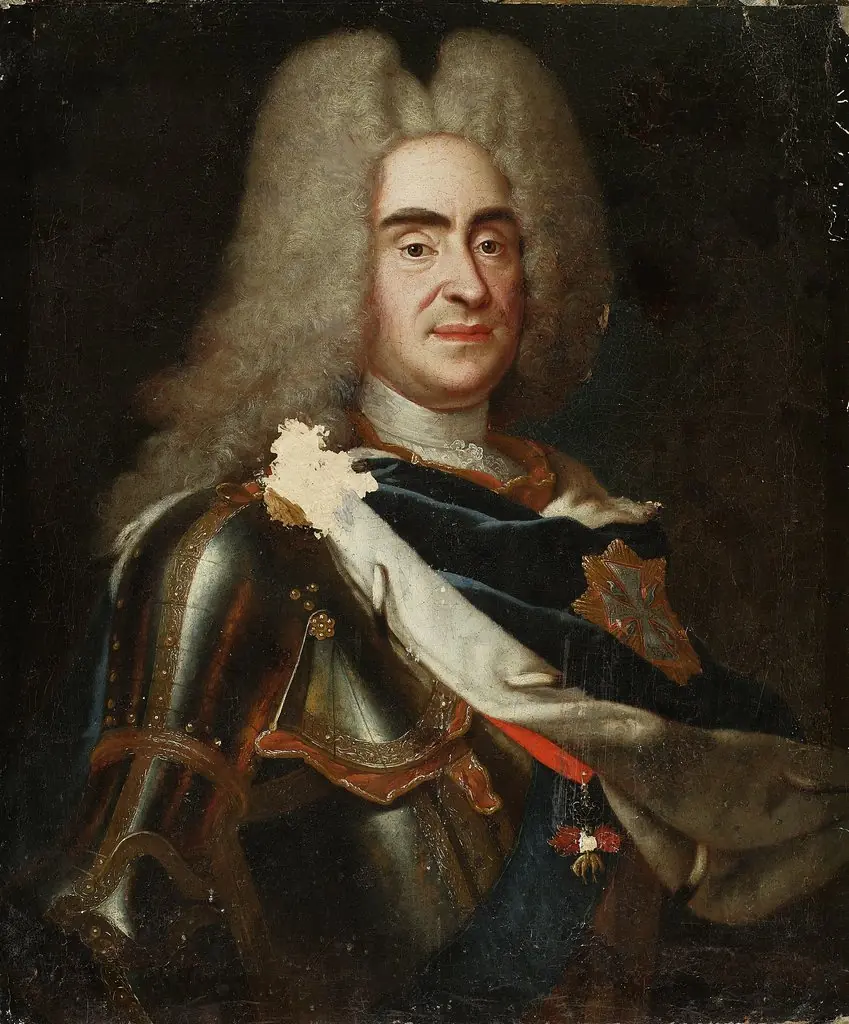 Portrait of Augustus II the Strong (1670–1733)
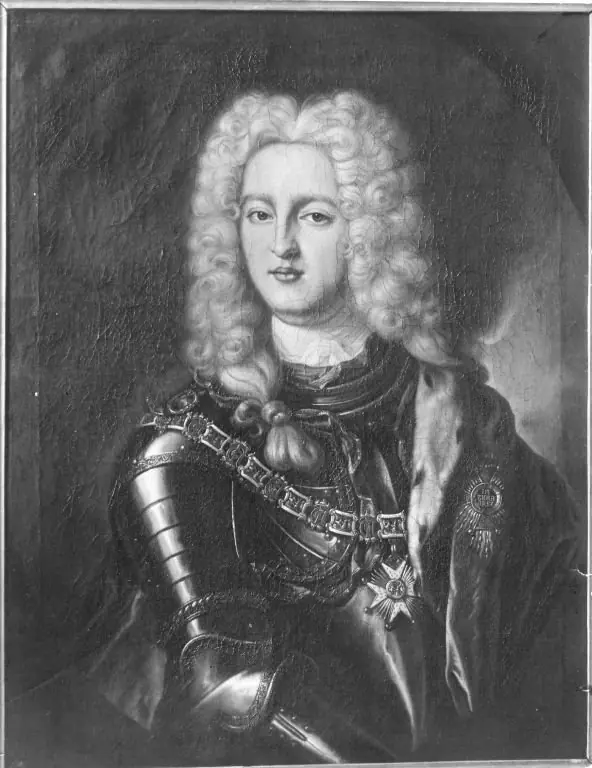 Count Palatine Christian III from Zweibrücken-Birkenfeld
 Portrait of Hieronymus Josephus Boudaen, Lord of St Laurens and Popkensburg