Artwork
El asado
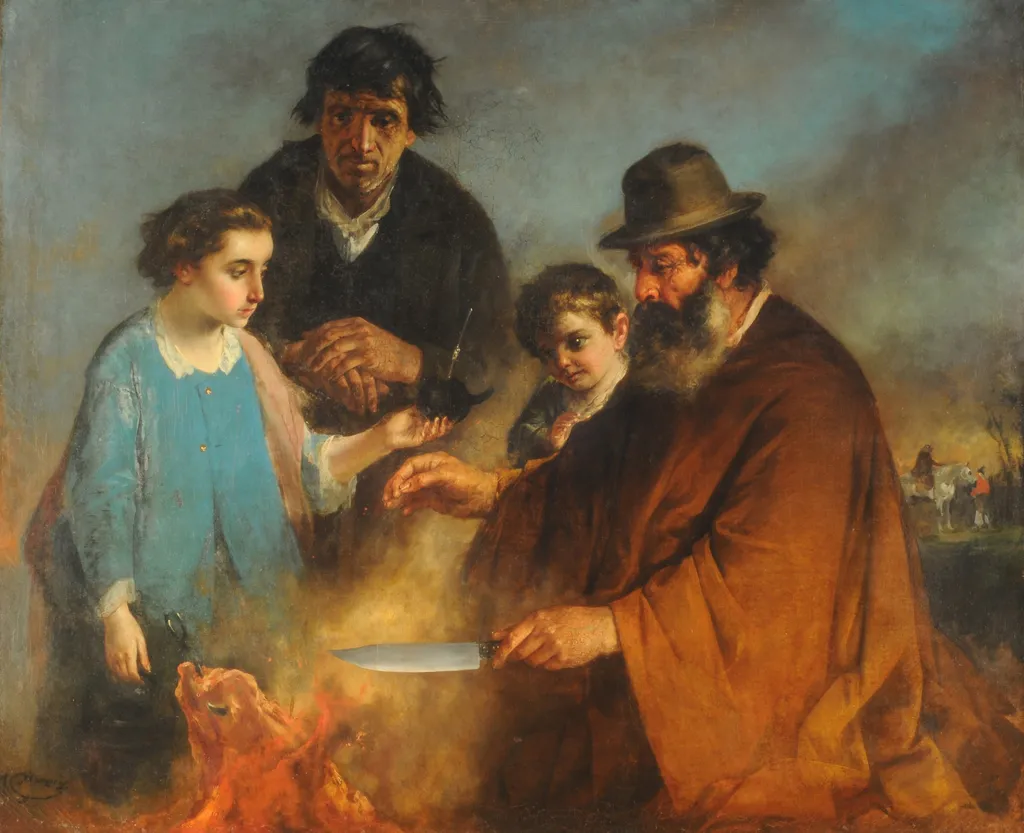
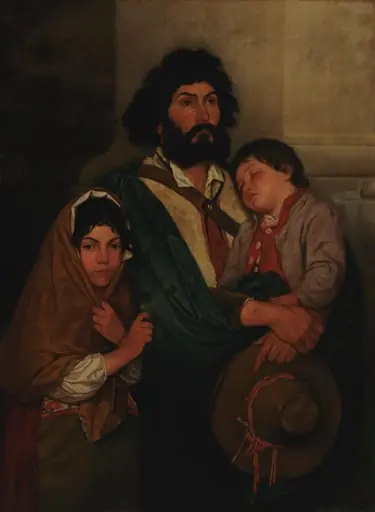
El asado is an oil painting by Ignacio Manzoni. It dates from 1850 and is held in the collection of the National Museum of Fine Arts, Argentina.
About this work
Overview
El asado is an oil painting created circa 1850 by Ignacio Manzoni, an Italian-born artist who spent much of his career in Buenos Aires.
El asado is an oil painting created circa 1850 by Ignacio Manzoni, an Italian-born artist who spent much of his career in Buenos Aires. The work captures a moment of communal life in mid-19th-century Argentina, focusing on a simple outdoor meal. It is held in the collection of the National Museum of Fine Arts in Buenos Aires and reflects Manzoni’s interest in documenting everyday scenes rather than grand historical narratives.
Subject & Meaning
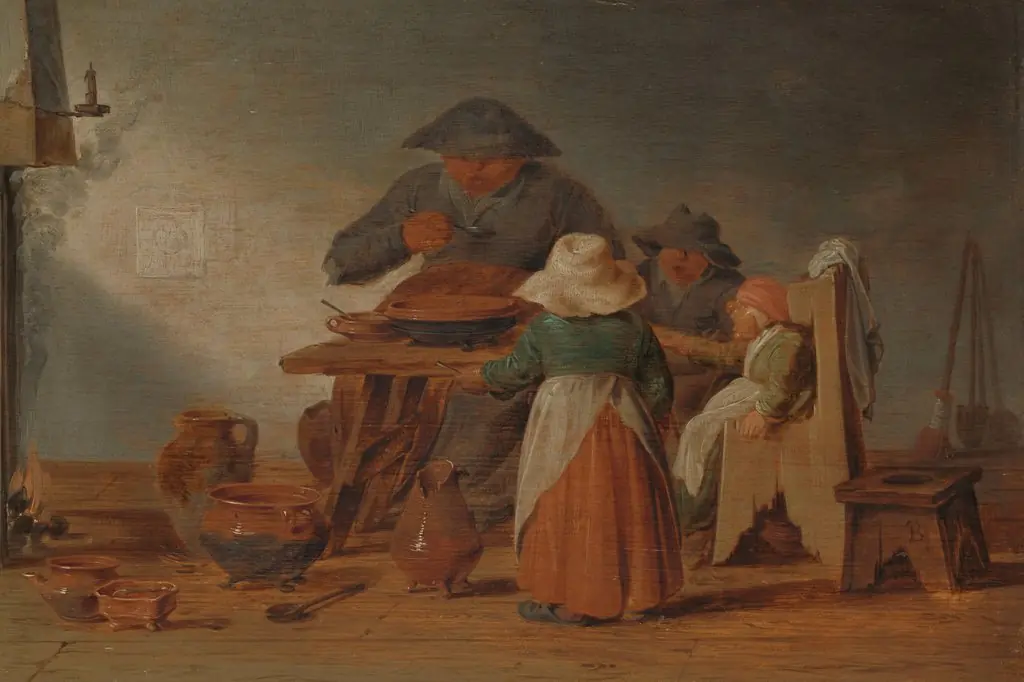
The painting portrays a group gathered around a fire, preparing and sharing meat — a central element of Argentine social life. A man holds a knife, another observes, and a child watches closely, suggesting generational continuity. The scene conveys quiet intimacy and shared labor, emphasizing the ritual of the asado as more than sustenance — it is a social anchor, rooted in domestic and regional traditions of the time.
Technique & Style
Manzoni employed oil paint to render naturalistic forms with soft transitions between light and shadow. The composition directs attention to the fire and the central piece of meat, while the sky above remains open and lightly rendered. Though not overtly dramatic, the use of chiaroscuro enhances the warmth of the scene, grounding the figures in a tangible, sunlit environment without theatrical emphasis.
History & Provenance
Painted around 1850, El asado entered the collection of the National Museum of Fine Arts in Buenos Aires early in its history. Manzoni, active in Argentina’s artistic circles during the nation’s formative decades, produced works that documented emerging national identity through ordinary life. The painting’s preservation reflects its recognition as a representative example of local subject matter in 19th-century Argentine art.
Context
In mid-19th-century Argentina, rural and urban communities increasingly defined themselves through shared customs, including the preparation and consumption of meat. Manzoni’s depiction aligns with a broader trend among artists to record regional life amid political and social transformation. The painting avoids idealization, instead offering a restrained, observational view of a practice that would become emblematic of national culture.
Legacy
El asado remains a reference point for understanding how Argentine artists engaged with everyday life during the 1800s. While not widely reproduced or celebrated in popular culture, it contributes to a quieter, more authentic record of social practices. Its presence in a major national museum underscores its role as a document of cultural continuity rather than a stylistic innovation.
Own this work as a print
Artist & collection
Artist
Ignazio or Ignacio Manzoni (1797 – 18 November 1884) was an Italian painter, active for many years in Buenos Aires, Argentina.

Museum
National Museum of Fine Arts, Argentina
Continue through works from the same source collection.