Artwork
Isä ja kaksi lasta Subiacosta
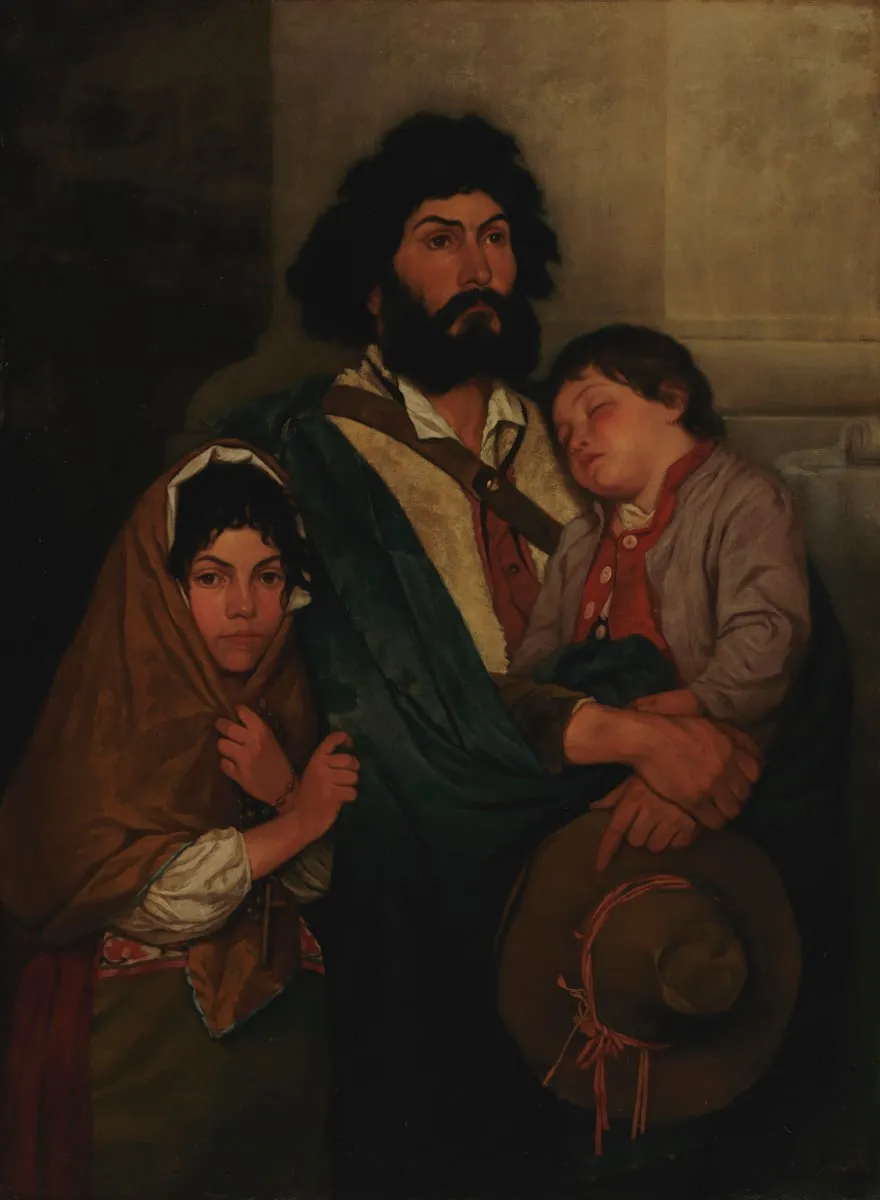
Isä ja kaksi lasta Subiacosta is an unspecified painting by Severin Falkman. It is held in the collection of the Finnish National Gallery. This painting depicts a father and two children in a modest interior, rendered with a focus on quiet intimacy.
About this work
Overview
The artist employs chiaroscuro to draw attention to the faces and gestures, creating emotional weight through illumination rather than detail.
This painting depicts a father and two children in a modest interior, rendered with a focus on quiet intimacy. The figures are grouped closely, their forms defined by a strong contrast between light and shadow. The setting is sparse, with no decorative elements, emphasizing the simplicity of their domestic moment. The artist employs chiaroscuro to draw attention to the faces and gestures, creating emotional weight through illumination rather than detail.
Subject & Meaning
The scene portrays a father seated between a woman and a child, suggesting a family unit in repose. The woman holds a wrapped bundle, possibly clothing or a sleeping infant, while the child leans drowsily against the man. Their postures convey fatigue and closeness, hinting at daily hardship and quiet endurance. The absence of context or narrative cues invites contemplation of private, unremarkable moments in ordinary lives.
Technique & Style
The artist uses chiaroscuro to model the figures, with light concentrated on faces and hands, while the surrounding space recedes into deep shadow. Brushwork is restrained, avoiding ornamental detail in favor of form and volume. The palette is muted, dominated by earth tones and grays, reinforcing the somber atmosphere. The lighting is directional and deliberate, shaping the figures as if caught in a single, fleeting moment of stillness.
History & Provenance
The painting is attributed to the Finnish artist Akseli Gallen-Kallela, created during his time in Subiaco, Italy, around 1895. It was produced during a period of personal reflection and artistic experimentation following his earlier nationalist themes. The work remained in private collections until acquired by the Ateneum Art Museum in Helsinki, where it is now held as part of its late 19th-century Finnish art collection.
Context
Painted during Gallen-Kallela’s stay in Italy, this work diverges from his mythological and folk-inspired subjects, reflecting a shift toward intimate realism. The subdued tone and domestic subject align with broader European trends in naturalism and psychological portraiture of the 1890s. Unlike his Finnish peers, he turned away from national symbolism to explore universal human conditions, influenced by his exposure to Italian light and quiet rural life.
Legacy
Though less known than his mythological works, this painting is recognized for its emotional restraint and technical precision. It exemplifies Gallen-Kallela’s ability to convey dignity in everyday life through controlled lighting and minimal composition. The work has influenced later Finnish realists who sought to portray domestic scenes with similar gravity, anchoring his legacy beyond national romanticism.
Artist & collection
Artist
Severin Falkman spent his mornings sketching animals in Helsinki’s market square, but his afternoons belonged to grand historical scenes.

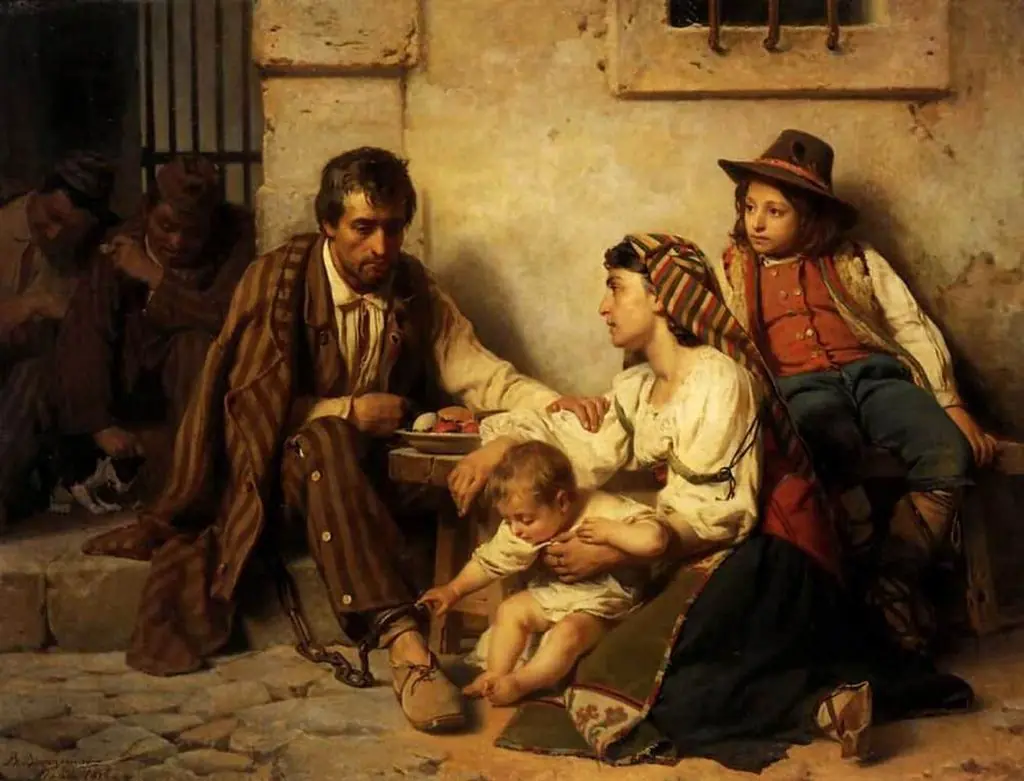 A Prison Visit
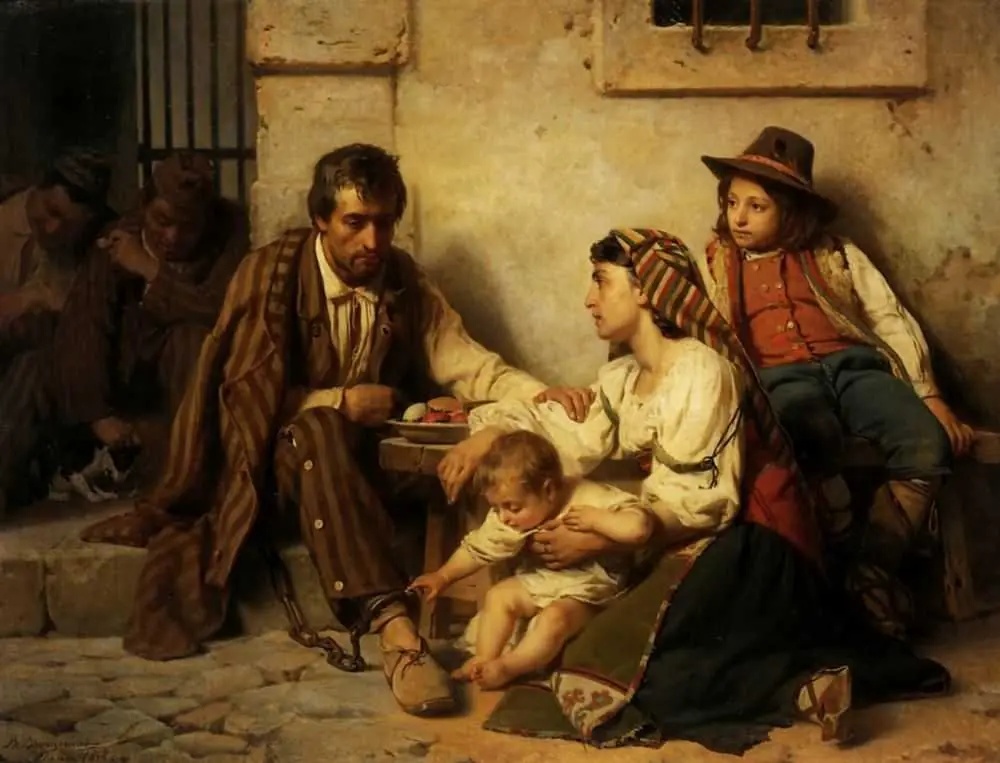 Appointment of a prisoner with his family
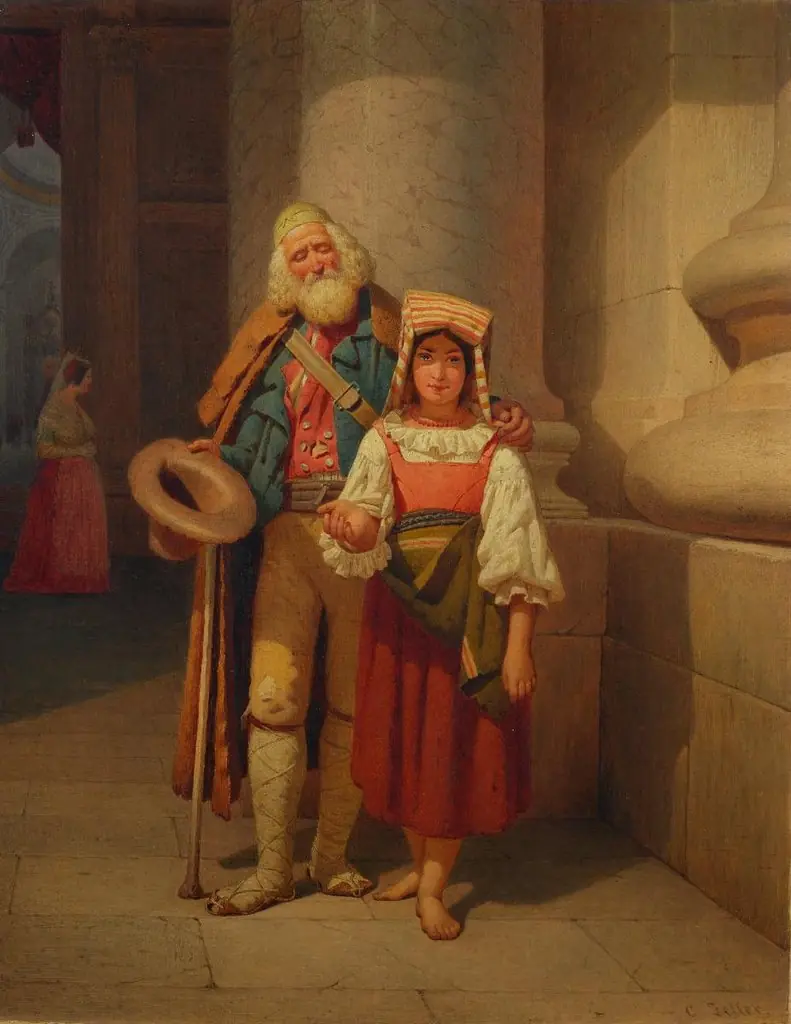 Der blinde Bettler und sein Kind bei St. Peter in Rom
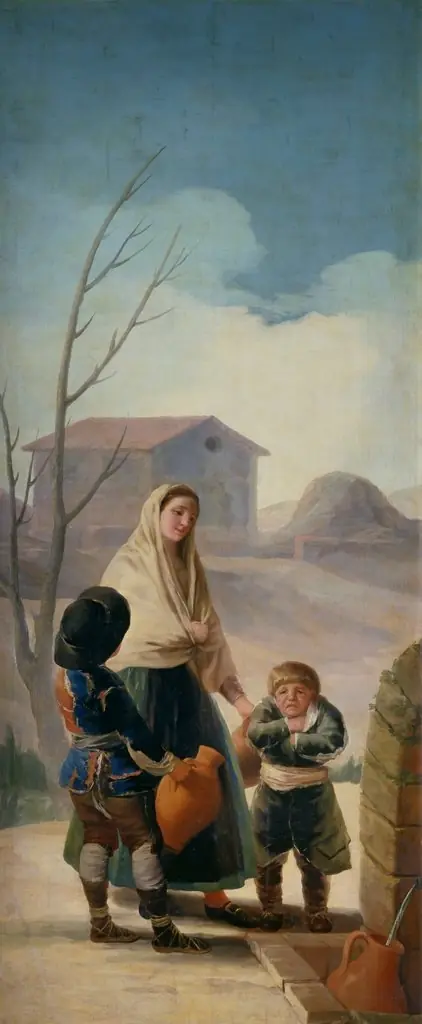 The Poor at the Fountain
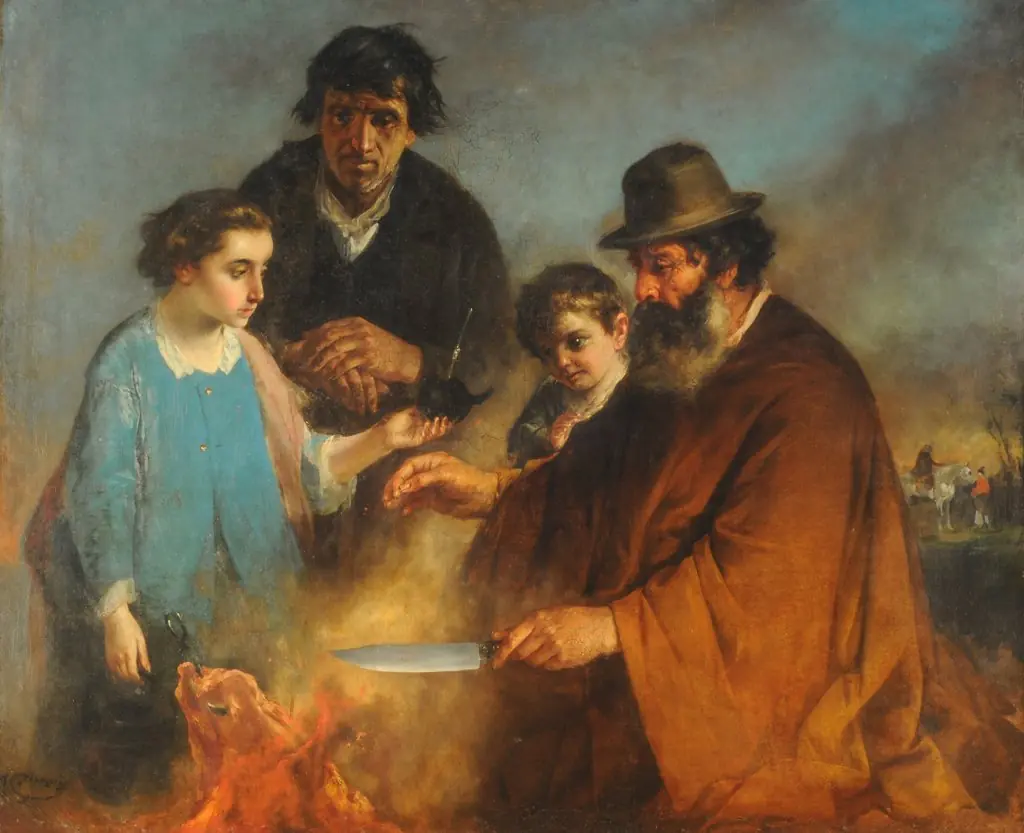 El asado
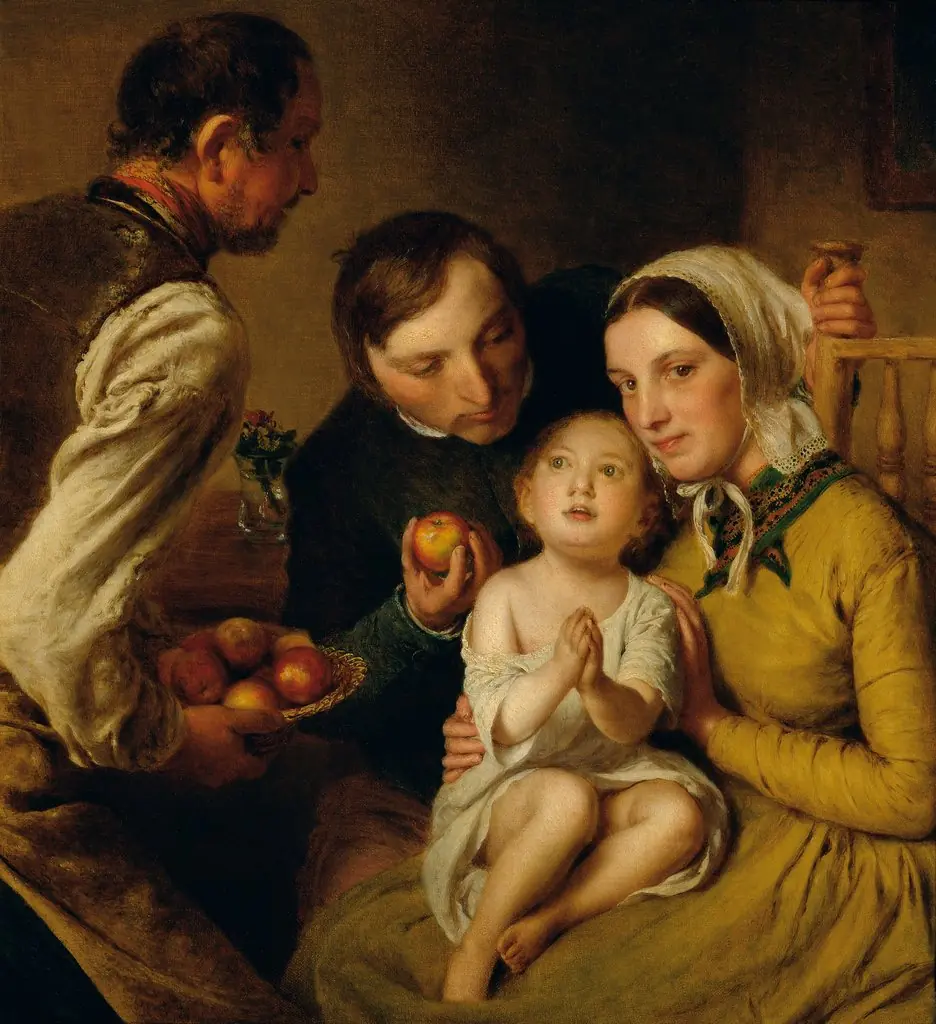 Das Bittenlernen (Familie Reiter)
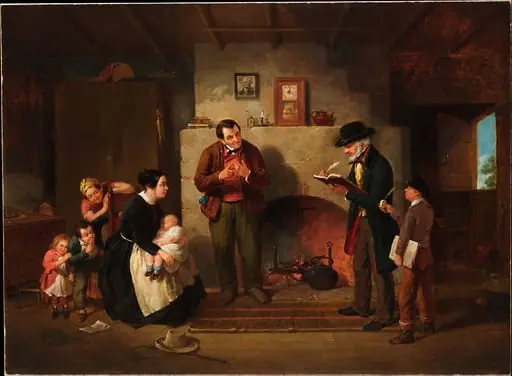 Taking the Census
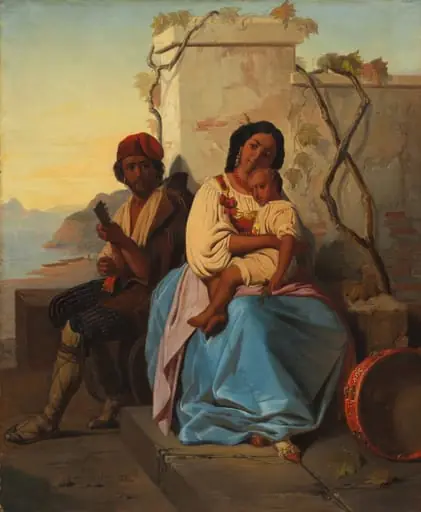 Italian Scene
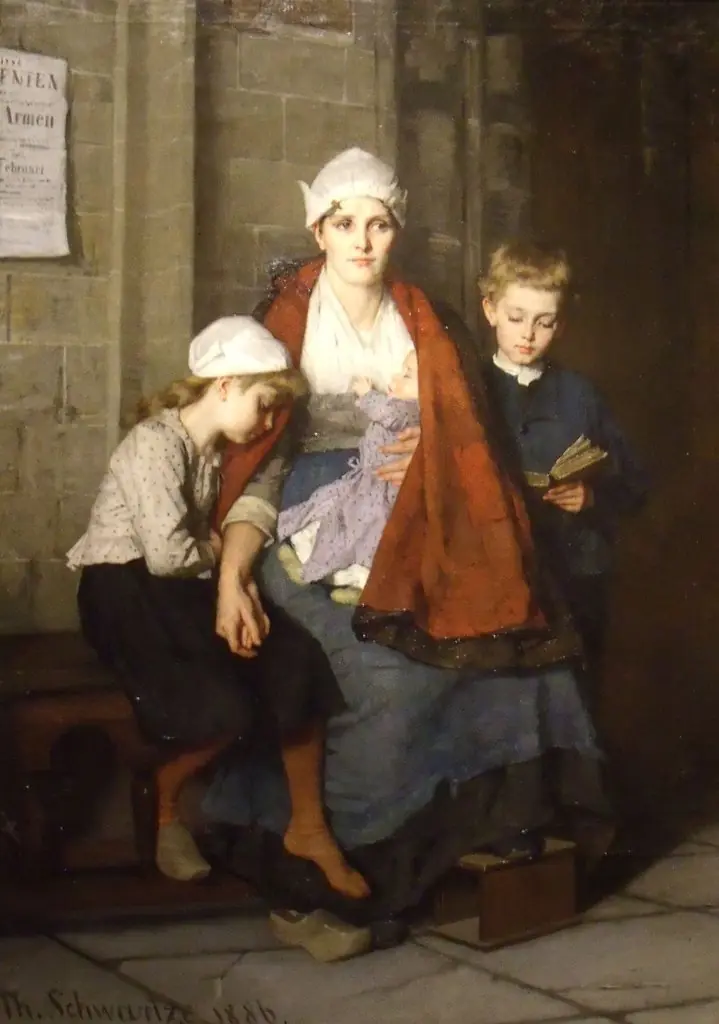 A woman with her three children at church
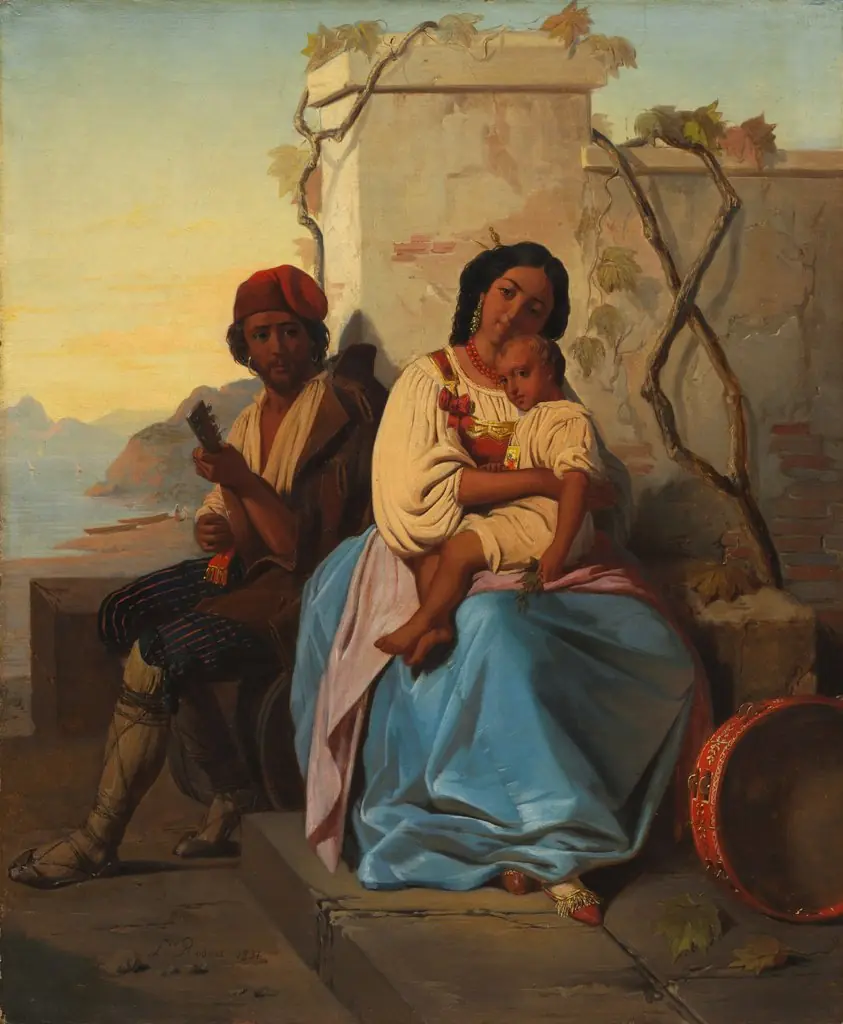 Italian Scene
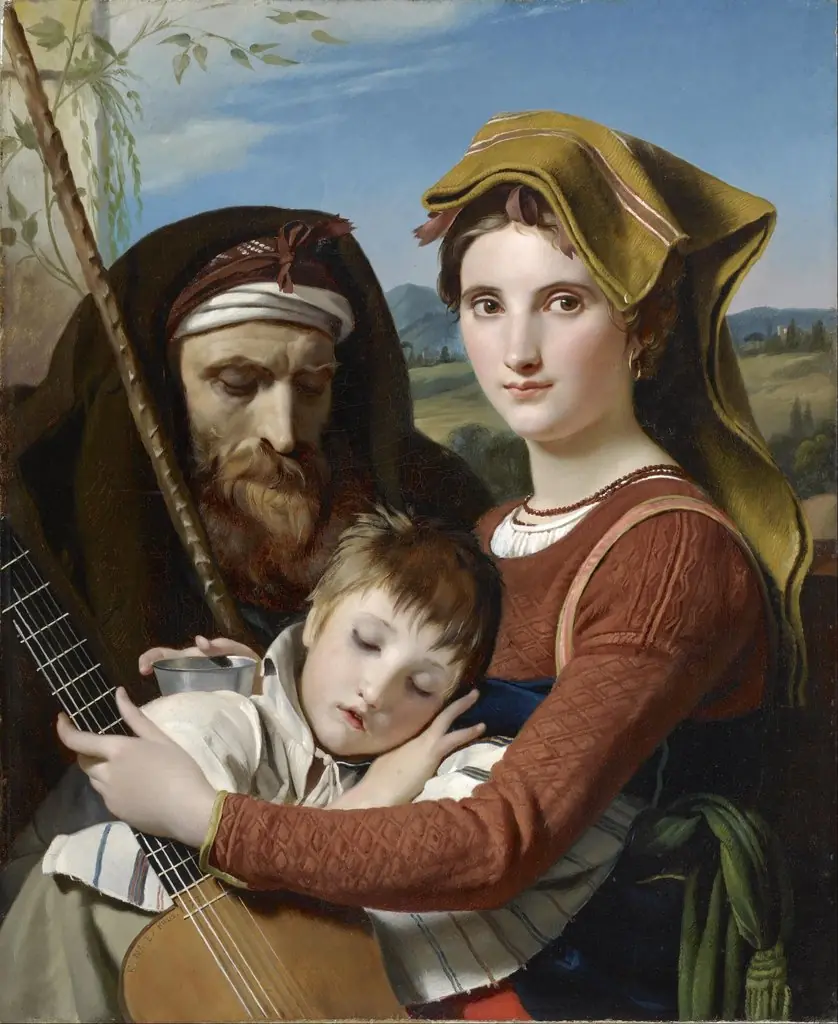 Roman Shepherd Family in the Campagna
 Union Refugees