Artwork
Saint Mark the Evangelist
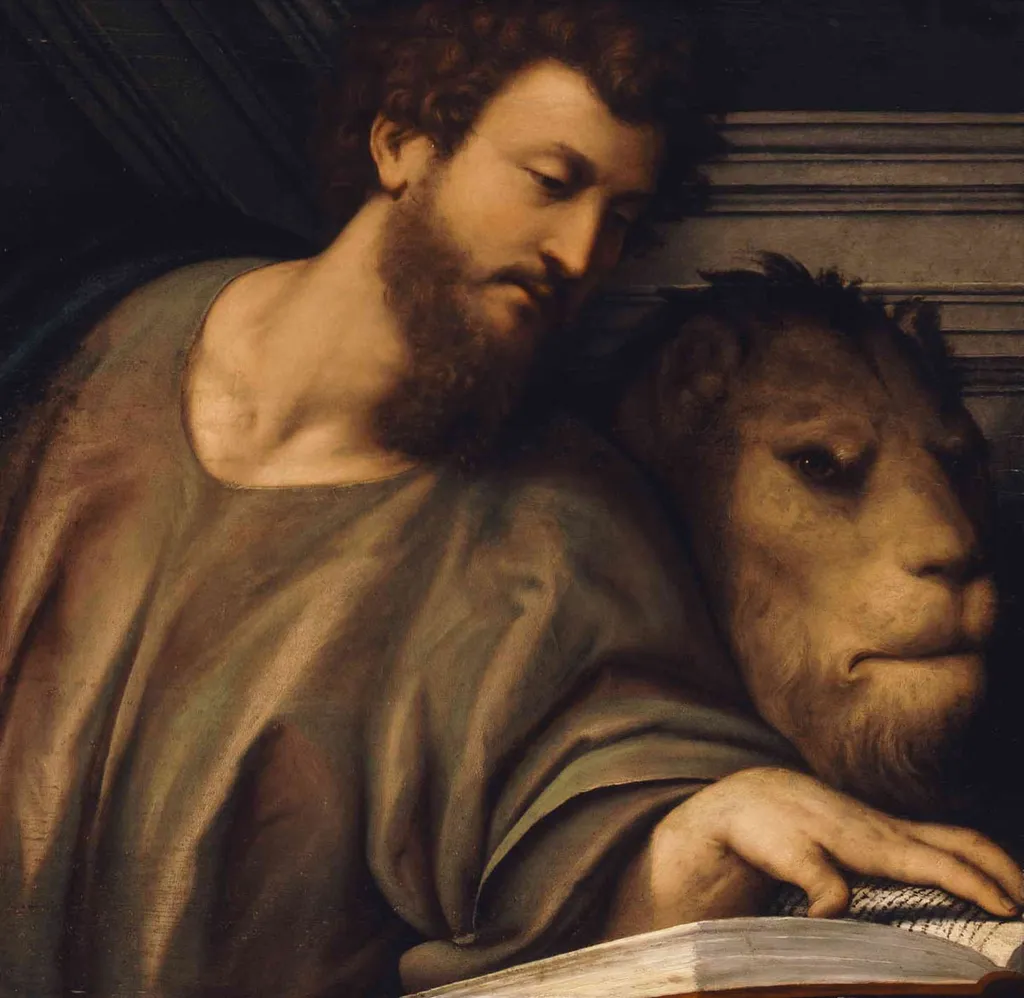
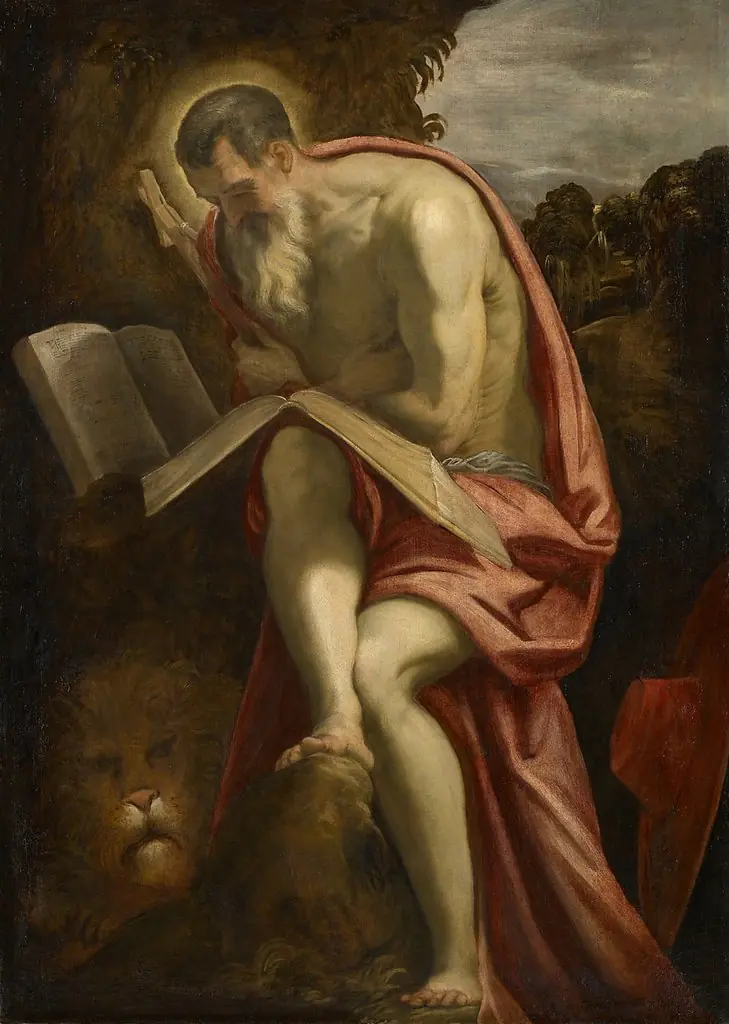
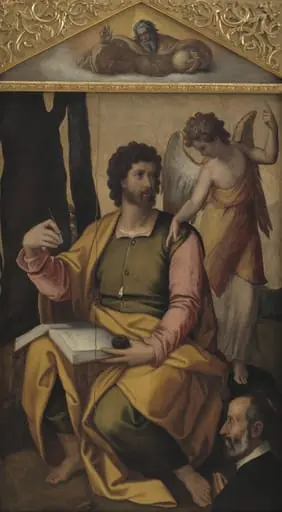
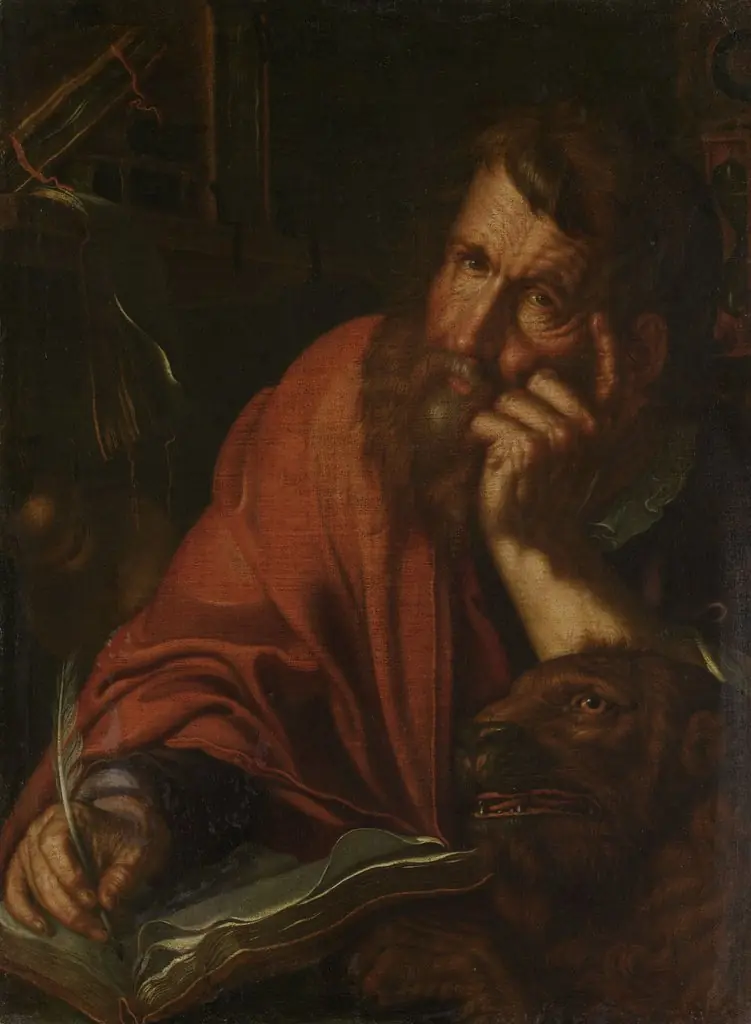
Saint Mark the Evangelist is an oil painting by the Mannerist artist Il Pordenone. It dates from 1536 and is held in the collection of the Museum of Fine Arts, Budapest.
About this work
Overview
The painting is part of the collection at the Museum of Fine Arts in Budapest, where it remains a key example of mid-16th-century religious portraiture.
Painted in 1536, this oil on canvas by Il Pordenone portrays Saint Mark the Evangelist in a moment of quiet contemplation. Created during the artist’s mature period in northern Italy, the work reflects the influence of Venetian colorism fused with the dynamic expressiveness characteristic of Mannerism. The painting is part of the collection at the Museum of Fine Arts in Budapest, where it remains a key example of mid-16th-century religious portraiture.
Subject & Meaning
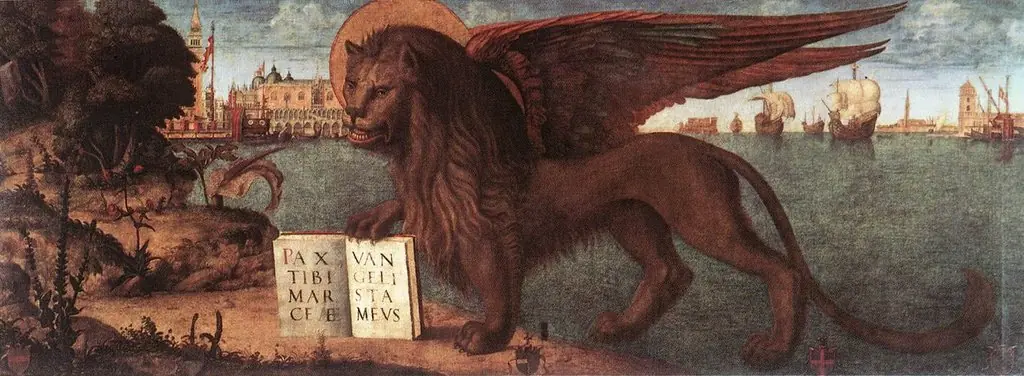
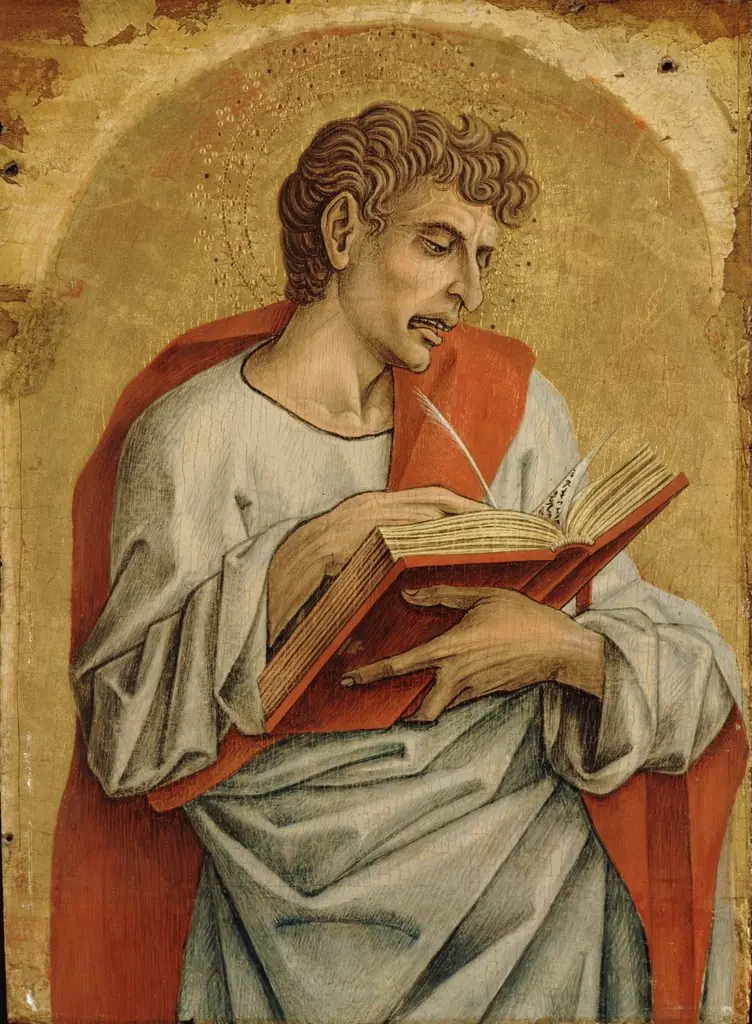
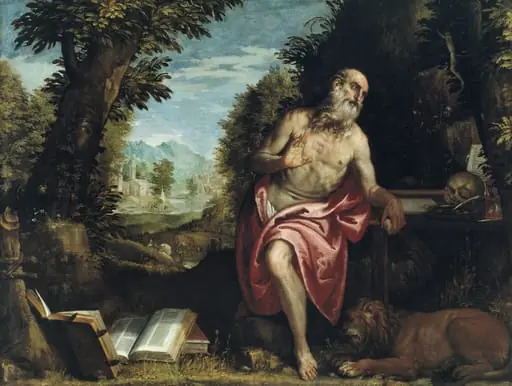
The evangelist is depicted seated beside a lion, his traditional symbol, which gazes upward as if listening. Mark holds an open book, suggesting his role as author of the Gospel. His downward gaze conveys introspection rather than proclamation, emphasizing spiritual authority over theatrical display. The intimate interaction between man and beast underscores the idea of divine wisdom communicated through quiet presence, not grandeur.
Technique & Style
Pordenone employs strong chiaroscuro to model the figures against a dark background, enhancing the three-dimensionality of the saint’s robe and the lion’s fur. His brushwork is vigorous, with loose, textured strokes that prioritize emotional intensity over anatomical refinement. The warm tones of the clothing contrast with the muted surroundings, drawing focus to the figures while maintaining a sense of atmospheric depth.
History & Provenance
Commissioned during a time of active artistic dialogue between Venetian and northern Italian workshops, the painting reflects Pordenone’s evolving style after his exposure to Titian and other Venetian masters. It entered the Budapest collection in the 19th century, likely through acquisitions by the Hungarian nobility or state-sponsored art programs, and has remained in public ownership since.
Context
In the 1530s, religious imagery in northern Italy was shifting from High Renaissance harmony toward more expressive, emotionally charged compositions. Pordenone’s depiction of Saint Mark aligns with this trend, favoring psychological presence over idealized form. The lion’s attentive posture may also reflect contemporary theological interest in nature as a witness to divine truth.
Legacy
Though less widely known than contemporaries like Titian, Pordenone’s work influenced regional painters through his bold handling of light and movement. This painting exemplifies his distinctive synthesis of Venetian color and Mannerist dynamism. It remains a significant reference for understanding how religious subjects were reimagined in the decades following Raphael and Michelangelo.
Artist & collection
Artist
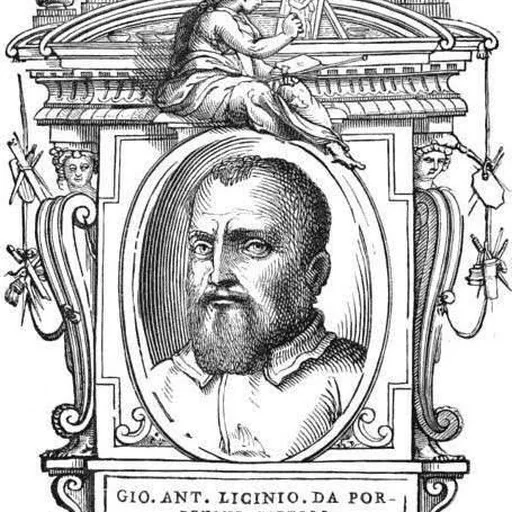
Pordenone, Il Pordenone in Italian, is the byname of Giovanni Antonio de’ Sacchis (c.