Artwork
St. Jerome
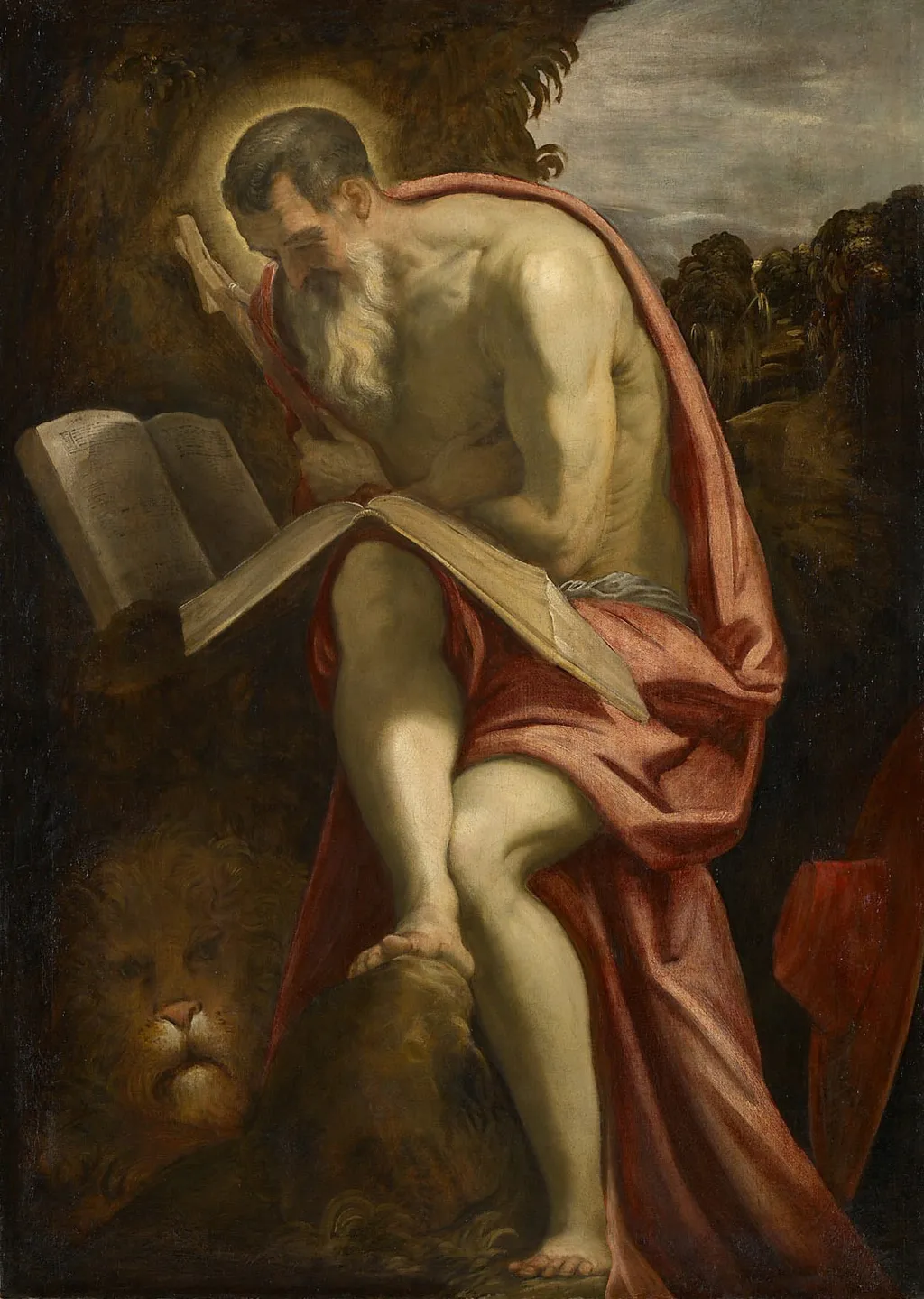
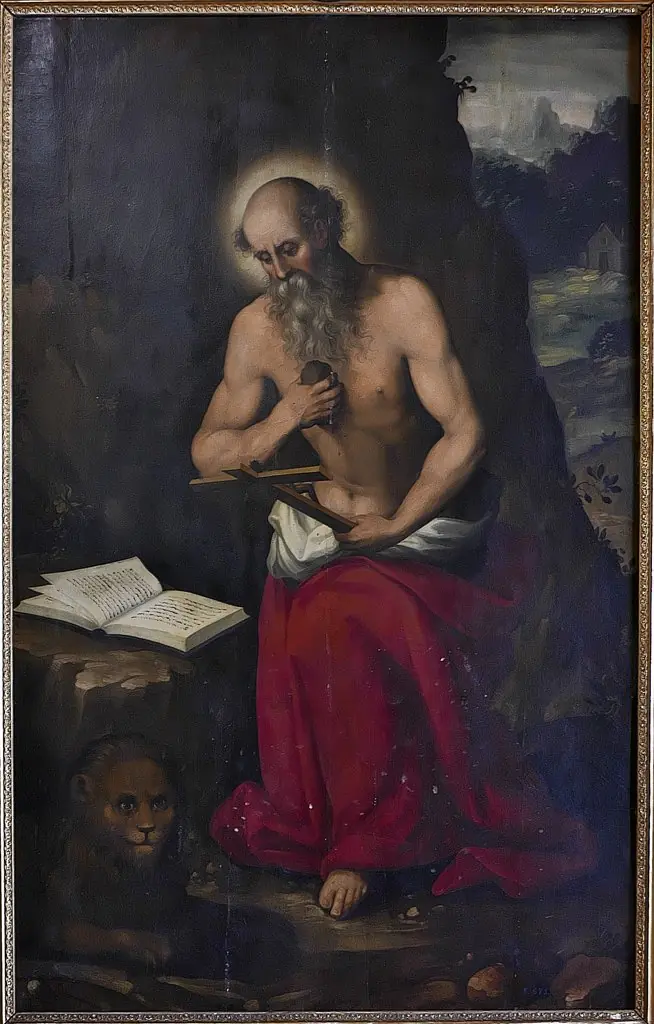
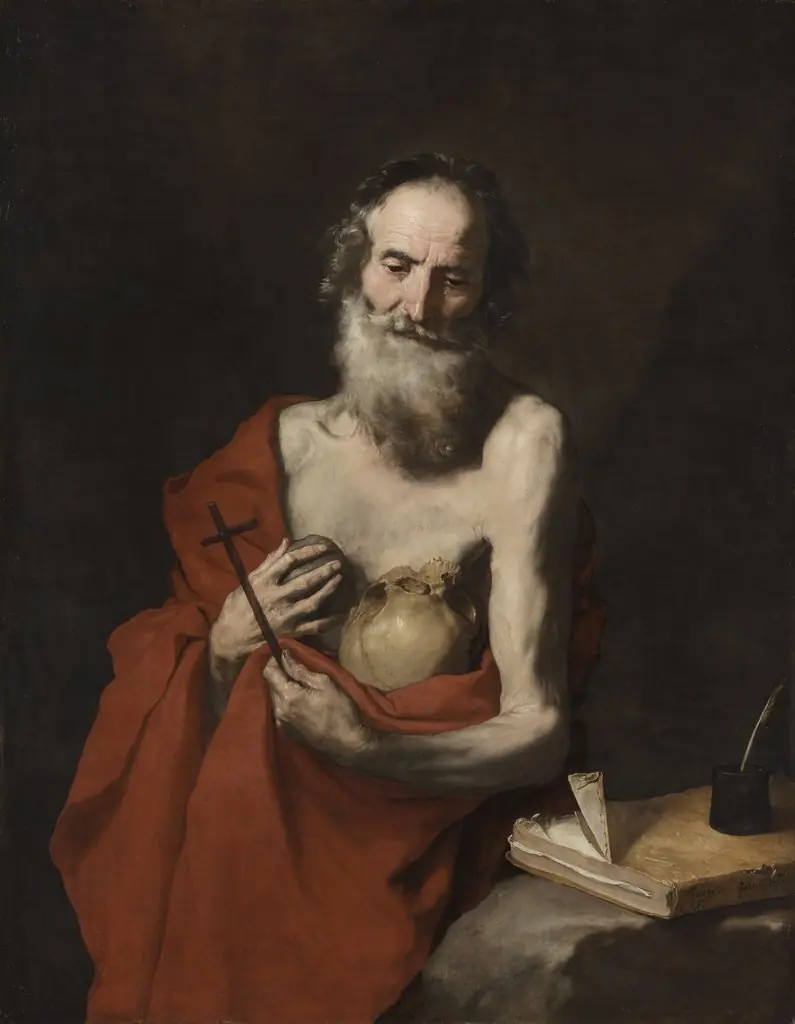
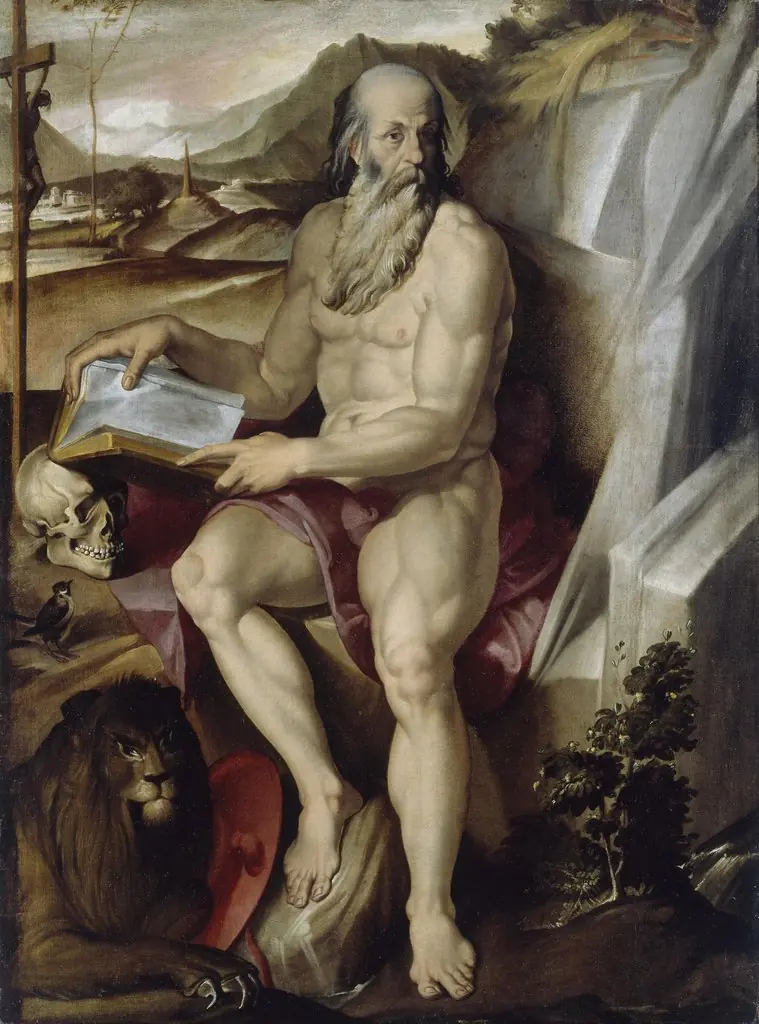
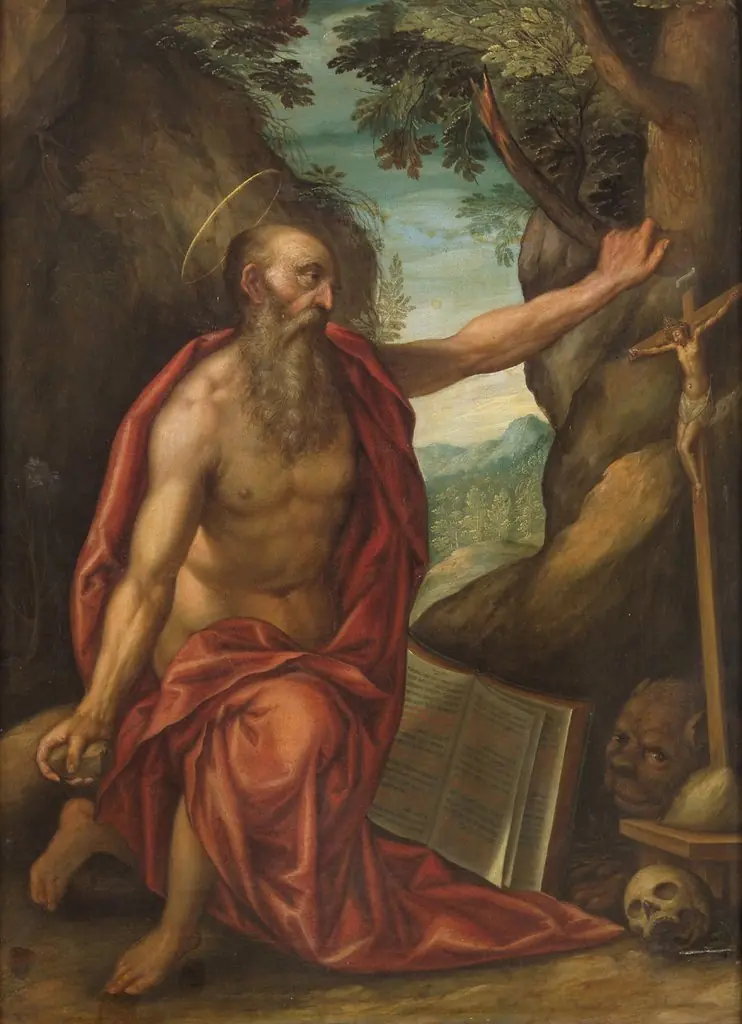
St. Jerome is an oil painting by the Mannerist artist Jacopo Tintoretto. It dates from 1573 and is held in the collection of the Kunsthistorisches Museum.
About this work
Overview
Painted in 1573 by Jacopo Tintoretto, this oil on canvas depicts Saint Jerome in a moment of quiet contemplation.
Painted in 1573 by Jacopo Tintoretto, this oil on canvas depicts Saint Jerome in a moment of quiet contemplation. Executed in the Mannerist tradition, the work reflects Tintoretto’s signature vigor and dynamic lighting. It is part of the Kunsthistorisches Museum’s collection in Vienna, where it has remained since the 17th century. The figure’s intense presence and the play of light define its visual impact.
Subject & Meaning
The painting portrays Saint Jerome, the 4th-century scholar who translated the Bible into Latin. Shown bare-chested and draped in red, he leans on a heavy volume, suggesting his lifelong labor of textual study. His upward gaze implies prayer or divine inspiration. The absence of traditional ecclesiastical garments emphasizes his humanity, aligning with Counter-Reformation ideals of personal devotion and intellectual rigor.
Technique & Style
Tintoretto employed rapid, expressive brushwork and strong chiaroscuro to model the figure’s form. The stark contrast between the illuminated skin and the dark, indistinct background heightens the emotional gravity. The red drapery is rendered with loose, fluid strokes, while the muscles beneath the skin are subtly defined. The faint halo-like glow around the head suggests spiritual presence without literal symbolism.
History & Provenance
The painting was created during Tintoretto’s mature period in Venice and entered the Habsburg collection by the late 1500s. It was likely acquired through diplomatic or ecclesiastical channels, reflecting the imperial family’s interest in Italian Renaissance art. Its continuous presence in the Kunsthistorisches Museum since its founding underscores its recognized importance within the Habsburg holdings.
Context
Created during the height of the Counter-Reformation, the image of Jerome as a solitary, devoted scholar resonated with Catholic efforts to promote scriptural study and personal piety. Tintoretto’s departure from classical balance—favoring emotional intensity and dramatic lighting—aligned with Mannerist trends in Venice, where artists sought to evoke spiritual awe over serene harmony.
Legacy
Tintoretto’s *St. Jerome* exemplifies how religious subjects were reimagined through expressive form and light. Its influence can be seen in later Baroque painters who adopted his dramatic contrasts and dynamic compositions. Though not widely reproduced, the work remains a key example of Venetian Mannerism’s capacity to merge human vulnerability with transcendent focus.
Artist & collection
Artist
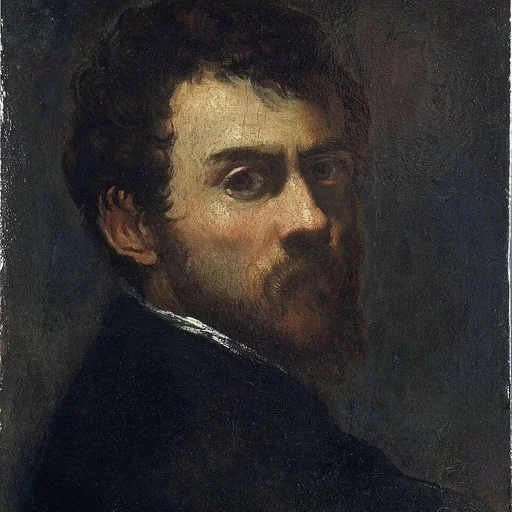
Jacopo Robusti (late September or early October 1518 – 31 May 1594), best known as Tintoretto ( TIN-tə-RET-oh; Italian: ; Venetian: ), was an Italian Renaissance painter of the Venetian school.