Artwork
Guy Little Theatrical Photograph
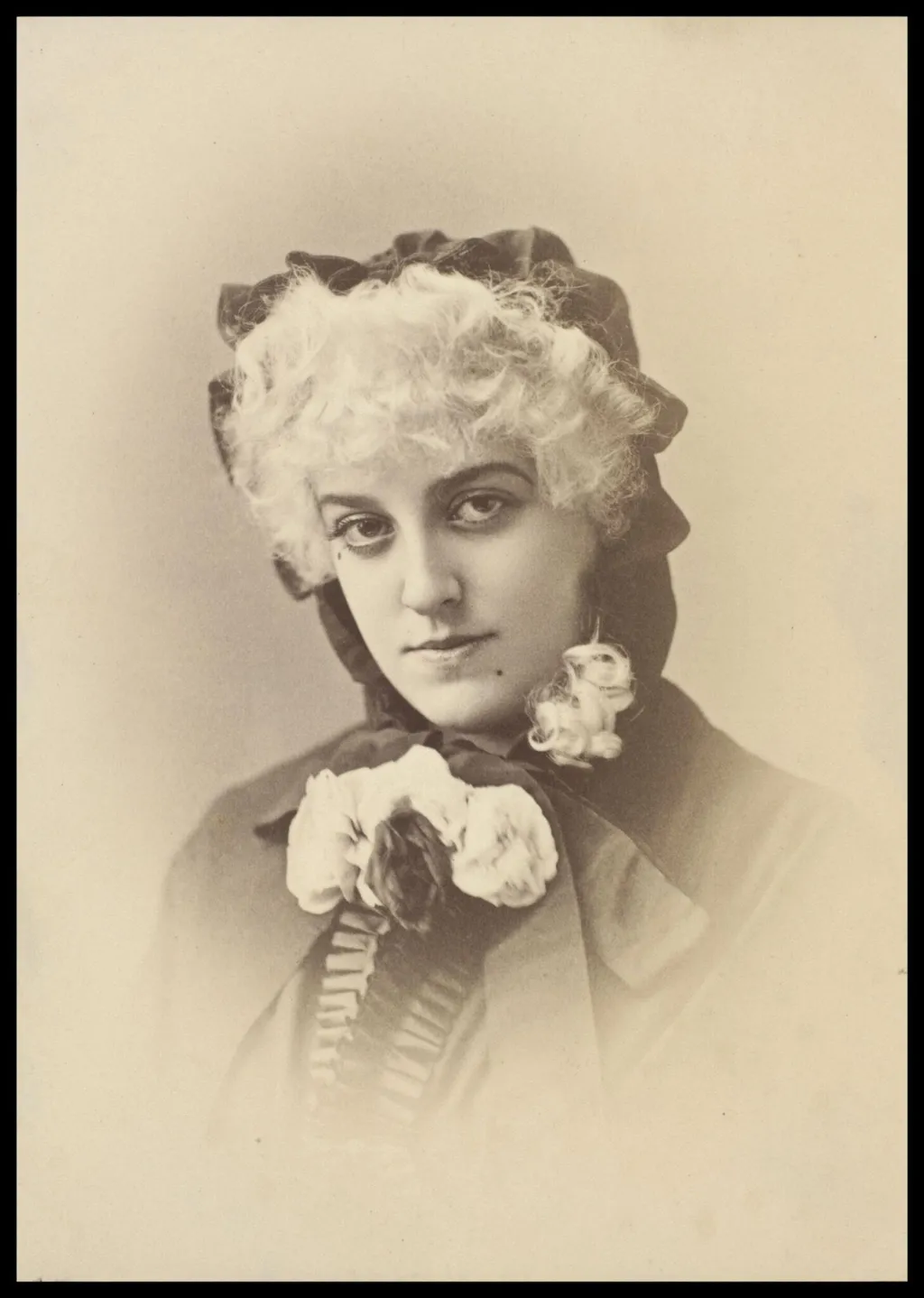
Guy Little Theatrical Photograph is a photographic photography by Imperial Photographic Company. It dates from 1850 and is held in the collection of the Victoria and Albert Museum.
About this work
This photograph is from the 19th Century. It's a work by the Imperial Photographic Company.
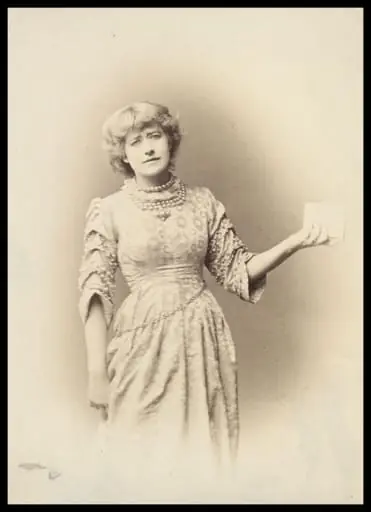
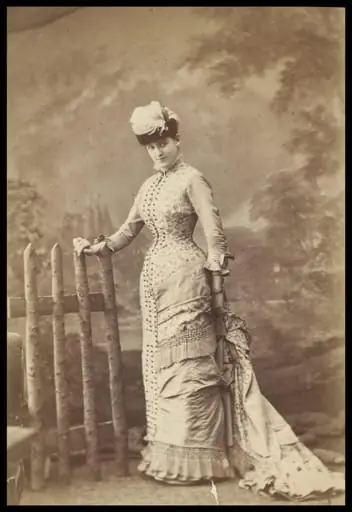
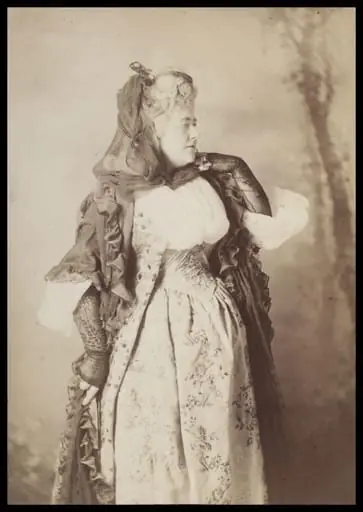
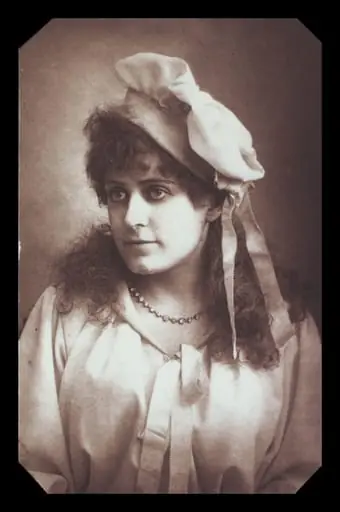
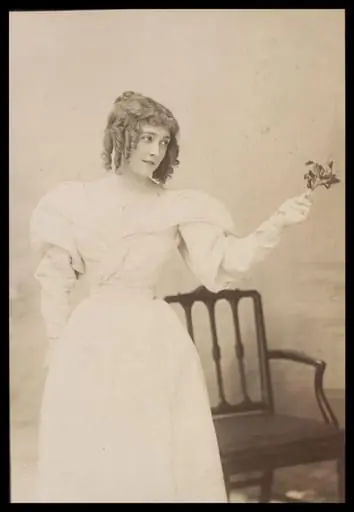
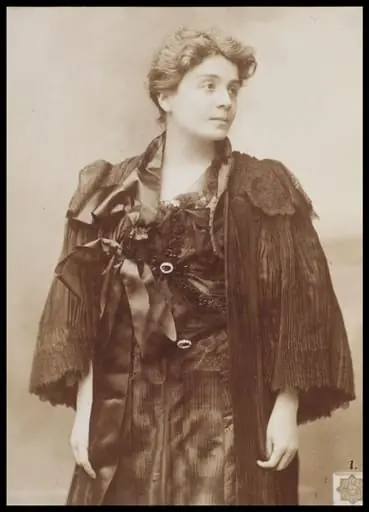
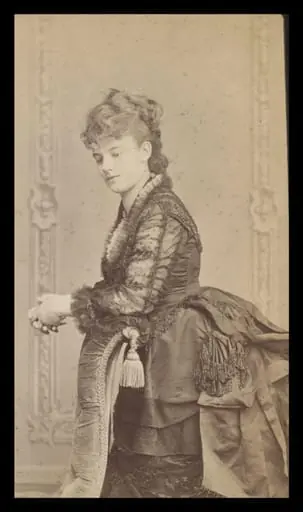
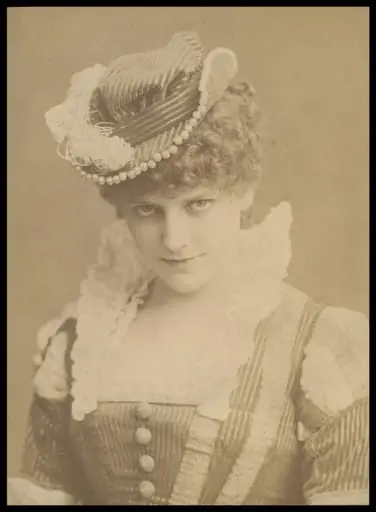
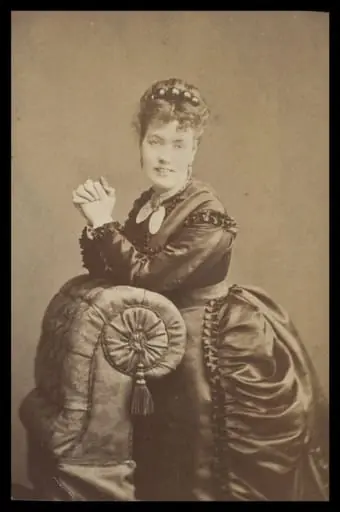
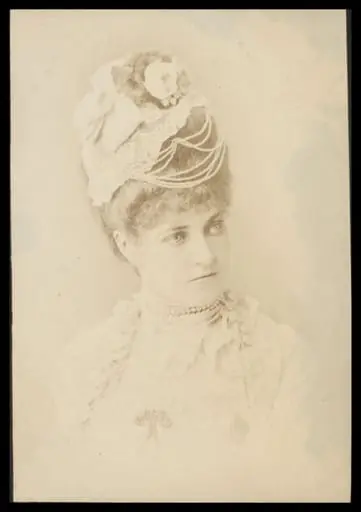
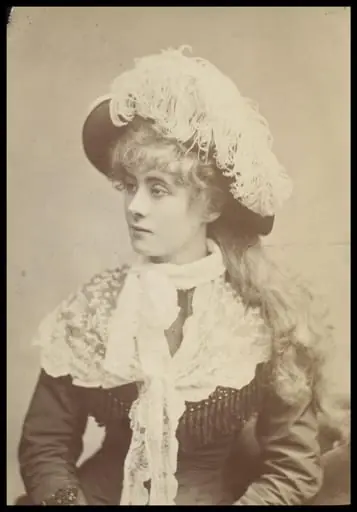
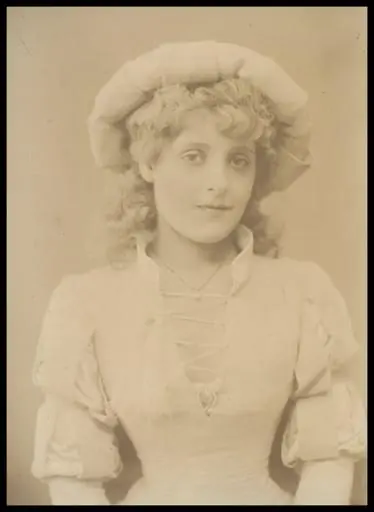
The photo shows Alma Stanley as Lady Teazle in School for Scandal. This was a common practice back then, as actors and actresses would have studio photographs taken to be made into 'cartes de visite' or 'cabinet cards'.
You can learn more about this type of photography at the Victoria and Albert Museum.
Overview
This photograph, produced by the Imperial Photographic Company, captures actress Alma Stanley in character as Lady Teazle from Richard Brinsley Sheridan’s The School for Scandal. Created in the late 19th century, it belongs to a collection of theatrical portraits assembled by Guy Tristram Little, a legal professional and avid collector of ephemera. The image was originally printed as a cabinet card—a larger, more durable format than the earlier carte de visite—mounted on stiff cardstock with the photographer’s imprint.
Subject & Meaning
By posing in full costume, the photograph bridges theatrical performance and domestic culture, allowing audiences to own a tangible fragment of live drama.
Alma Stanley’s portrayal of Lady Teazle reflects the enduring popularity of 18th-century comedy on Victorian stages. By posing in full costume, the photograph bridges theatrical performance and domestic culture, allowing audiences to own a tangible fragment of live drama. These images functioned as both memorabilia and social artifacts, reinforcing the celebrity of actors and the cultural prestige of the stage during an era when live theater was a primary form of public entertainment.
Technique & Style
The photograph is an albumen print made from a glass negative, a standard process in late 19th-century studio photography. The lighting is even and controlled, typical of commercial portrait studios, with minimal background detail to focus attention on the sitter’s costume and expression. The image’s sharpness and tonal range reflect the technical maturity of photographic printing by the 1880s, when cabinet cards had largely replaced smaller cartes de visite in popularity.
History & Provenance
The photograph was part of a personal collection assembled by Guy Tristram Little, who meticulously removed such images from their original mounts and organized them into albums. Upon his death in 1953, the collection was bequeathed to the Victoria and Albert Museum. Little, a solicitor and executor of Gabrielle Enthoven’s estate, played a key role in preserving theatrical memorabilia that later formed the foundation of the V&A’s Theatre Collections.
Context
During the Victorian era, theatrical portraits in the form of cartes de visite and cabinet cards became mass-produced commodities, circulating widely among middle-class households. These images were collected like trading cards, displayed in albums, and exchanged socially. The practice reflected both technological innovation in photography and a growing public fascination with celebrity culture, transforming actors into figures of domestic admiration.
Legacy
Little’s collection, now held by the V&A, preserves a significant archive of theatrical imagery that documents performance practices and visual culture of the time. These photographs offer scholars insight into how theater was consumed beyond the stage, revealing the intersection of art, commerce, and personal memory in the late 19th and early 20th centuries.
Artist & collection
Artist
These guys ran a Delhi studio where actors posed like gods in crisp suits, all dramatic eyeshadow and studio clouds.