Artwork
Primăvara
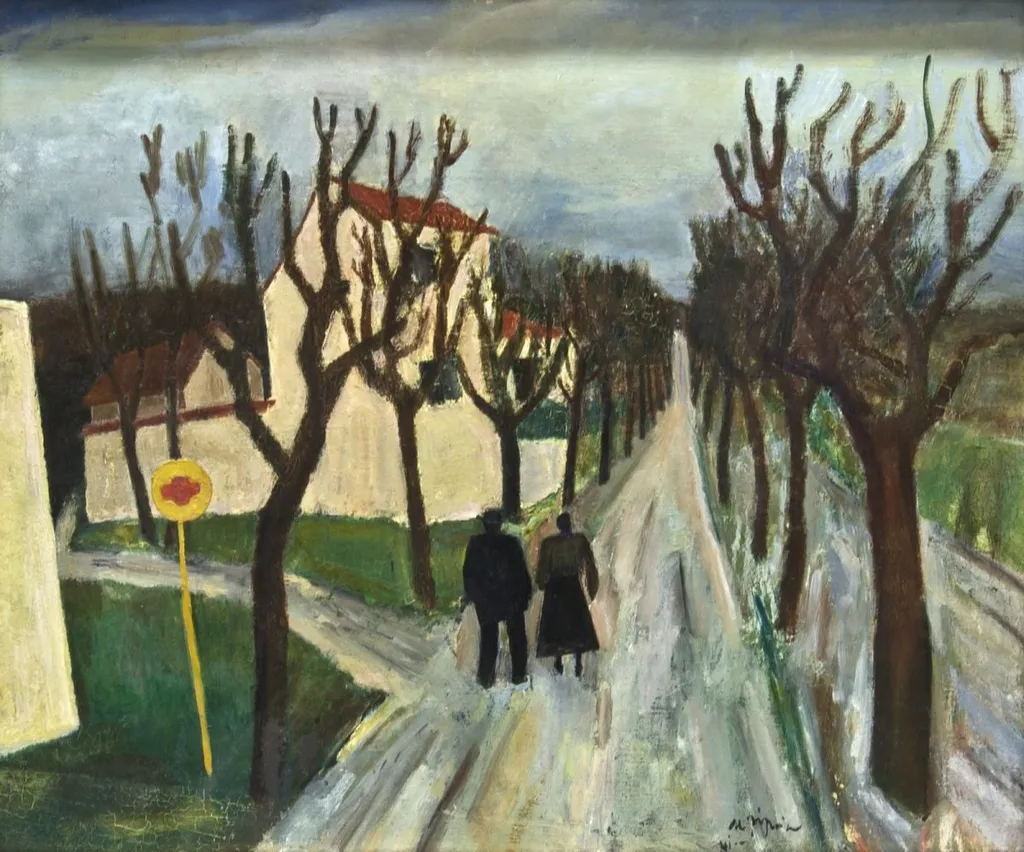
Primăvara is an unspecified painting by Alexandru Țipoia. It dates from 1941 and is held in the collection of the National Museum of Art of Romania.
About this work
Overview
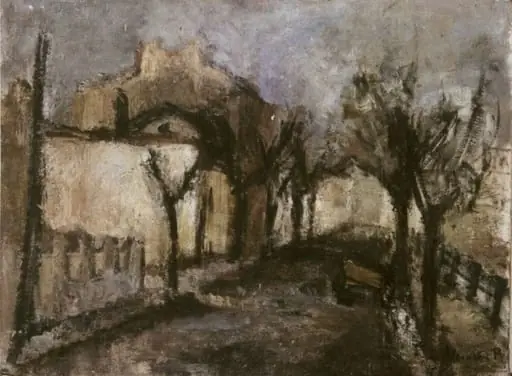
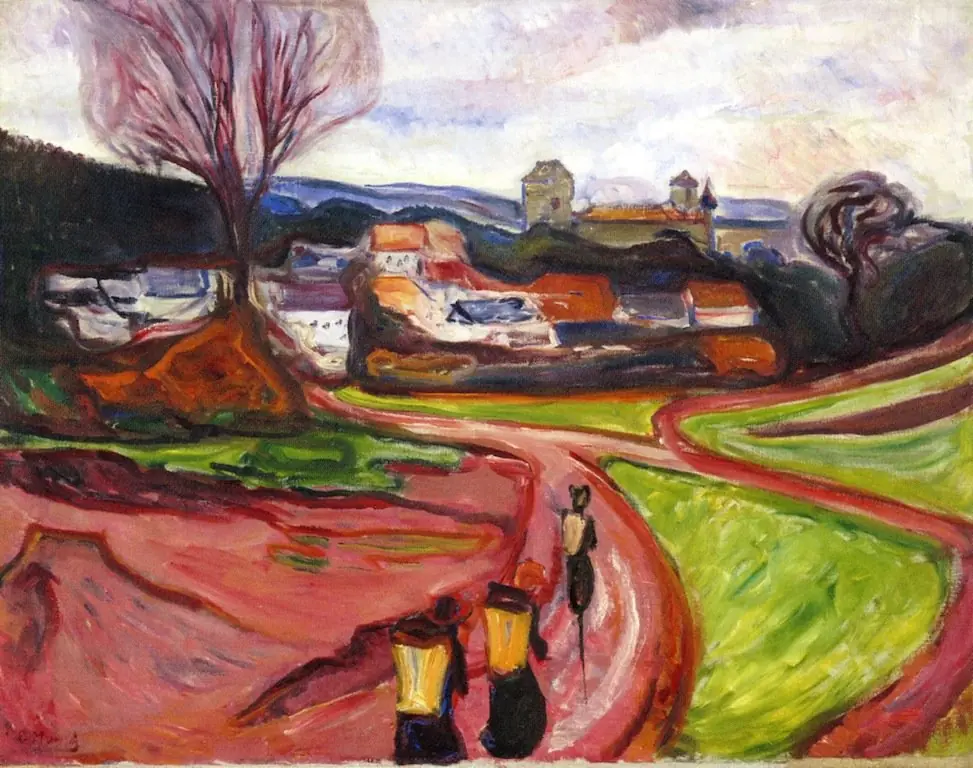
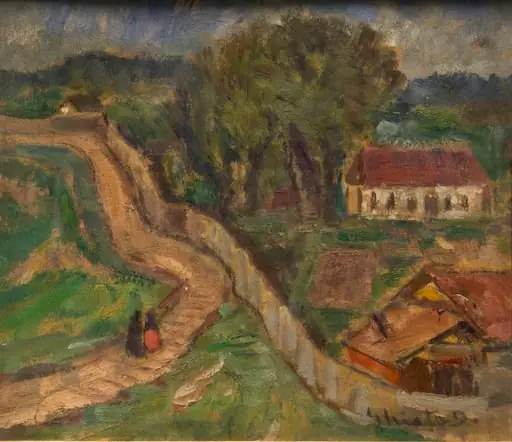
Primăvara, created by Alexandru Țipoia in 1941, is a painting that captures a sombre scene of everyday life. The composition features a road, flanked by bare trees, leading to a distant house under a grey, cloudy sky.
Subject & Meaning
The subject includes two figures in dark attire walking away from the viewer, contributing to the melancholic atmosphere. A prominent yellow sign with a red shape in the foreground adds a touch of vibrancy amidst the otherwise muted palette, though its specific significance remains interpretative.
Technique & Style
Țipoia employs a predominantly muted colour scheme with selective use of brighter hues, such as the yellow sign, to create contrast. The overall sombre tone and use of chiaroscuro (strong contrasts between light and dark) enhance the dramatic and melancholic mood of the scene.
History & Provenance
Created in 1941, the historical context of Primăvara suggests it may reflect the sombre mood prevalent during World War II, though direct thematic connections to the war are not explicitly depicted.
Context
The painting's emphasis on everyday life, set against the backdrop of a potentially tumultuous period, places it within a tradition of capturing the human experience amidst broader societal challenges.
Legacy
While specific legacy details of Primăvara are not provided, its use of chiaroscuro and exploration of mood through colour composition contribute to broader artistic conversations about capturing emotional depth in visual art.
Artist & collection
Artist
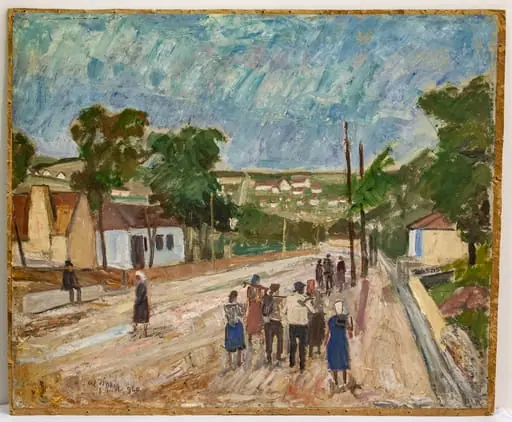
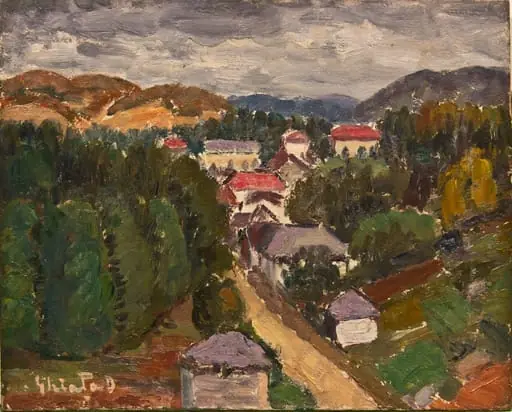
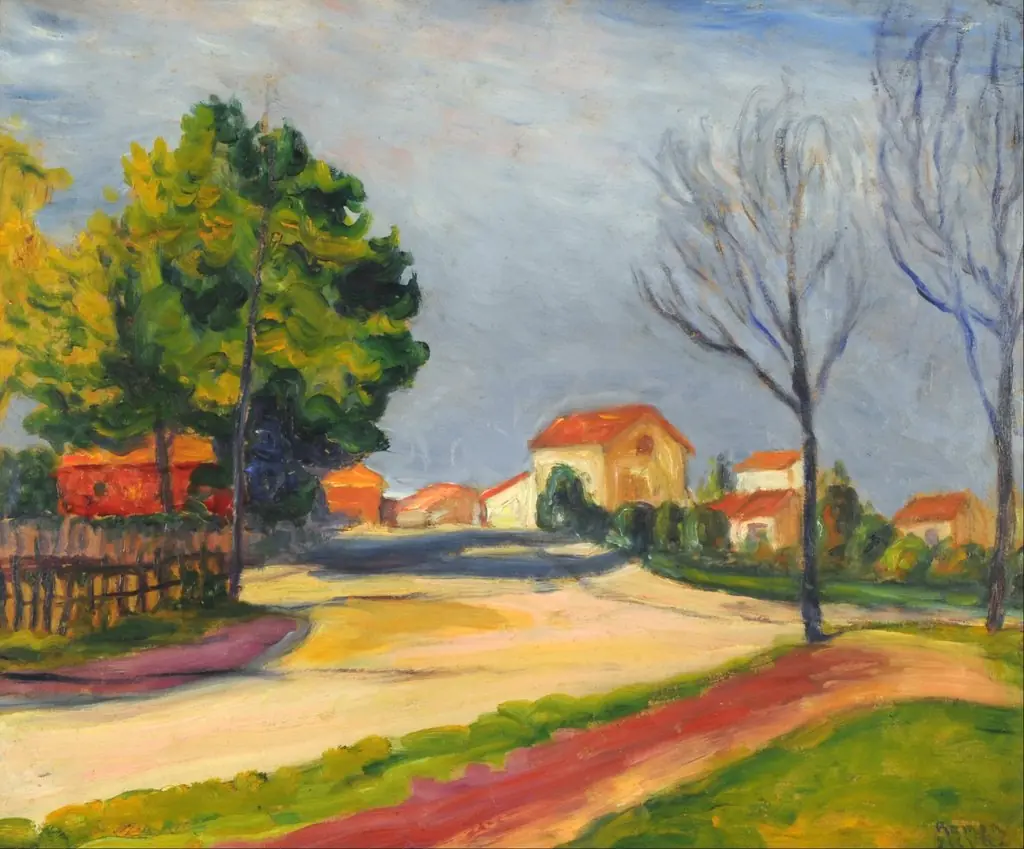
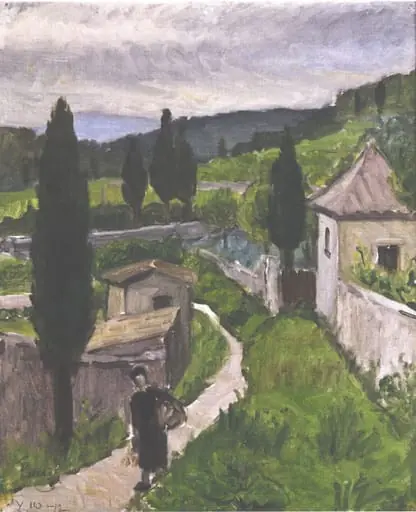
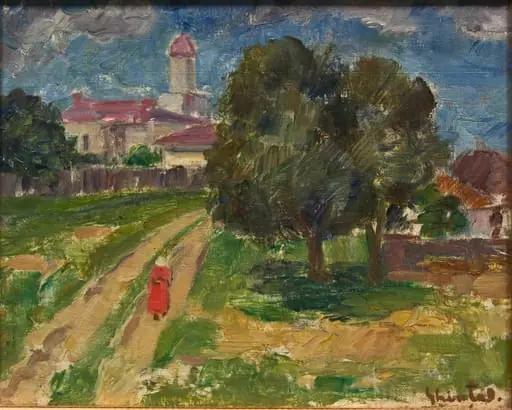
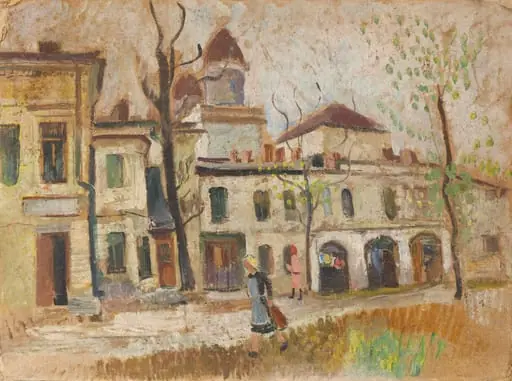
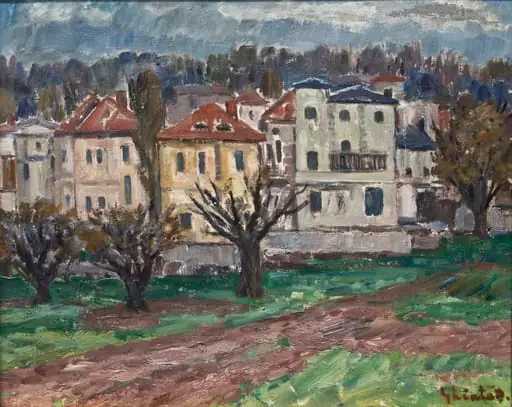
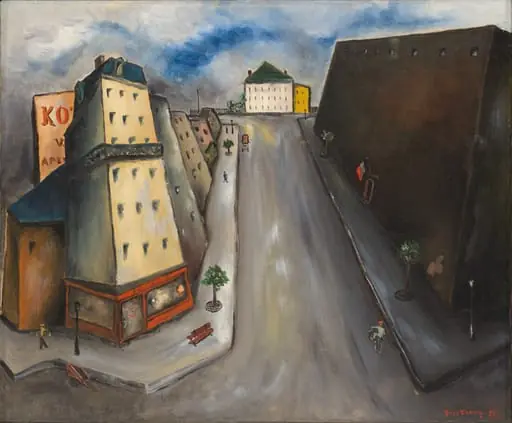
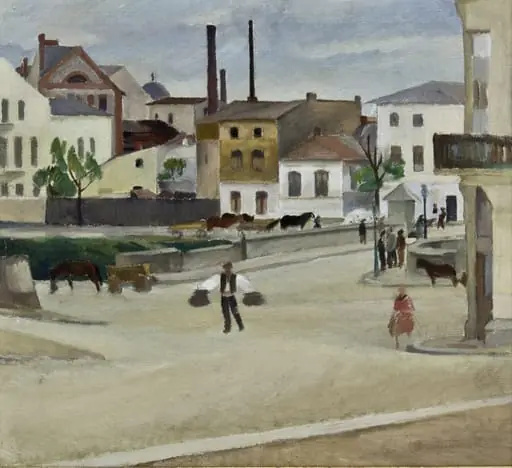
Alexandru Țipoia painted three oils you can swipe through: *Peisaj urban* from 1949 shows a quiet street corner in soft evening light, *Întoarcerea brigăzii de câmp de la muncă* from 1960 captures workers walking home…