Artwork
Untitled
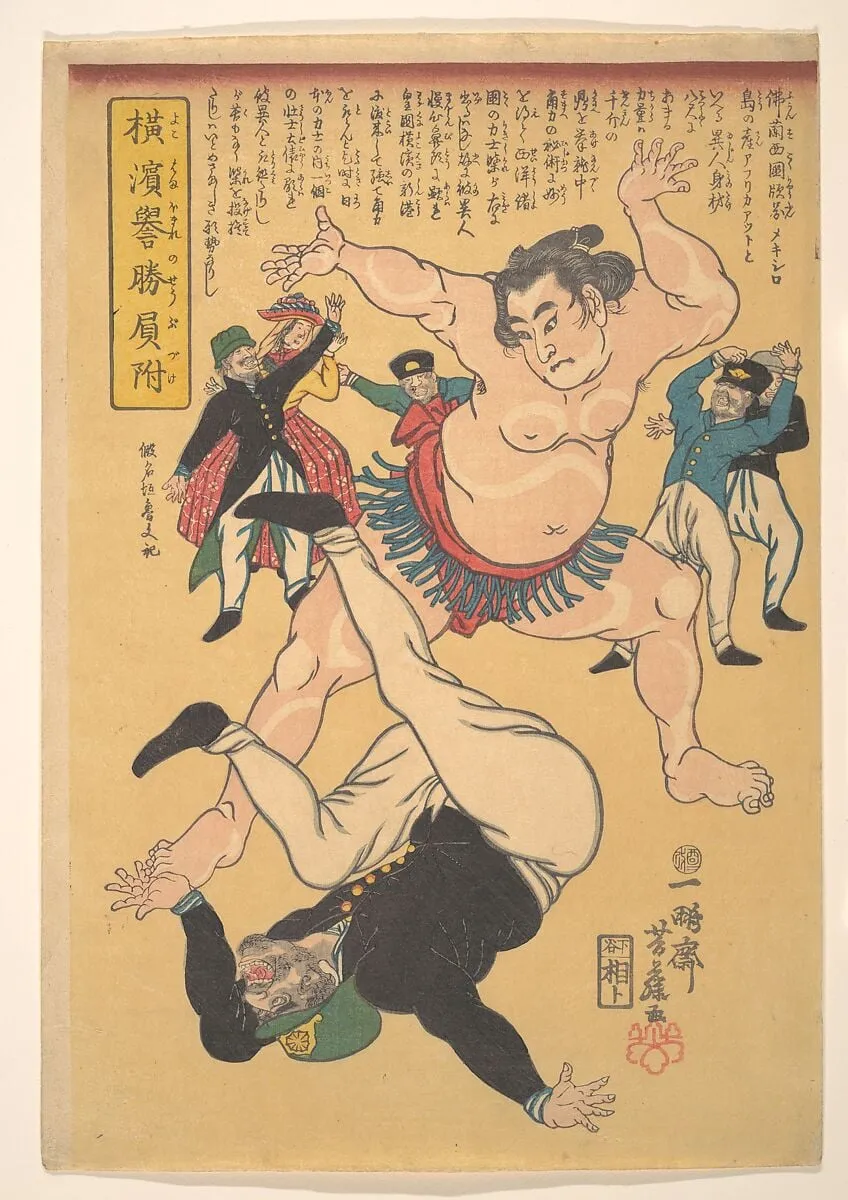
Untitled is an ink print by the Impressionist artist Ippōsai Yoshifuji. It dates from 2 and is held in the collection of the Metropolitan Museum of Art.
About this work
Overview
This woodblock print, attributed to Ippōsai Yoshifuji, dates to the early 19th century and is part of The Metropolitan Museum of Art’s print collection.
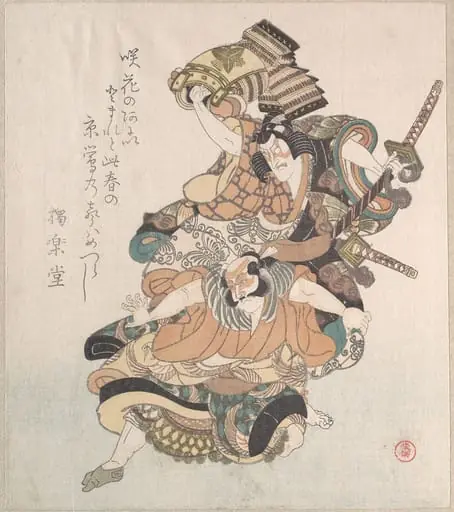
This woodblock print, attributed to Ippōsai Yoshifuji, dates to the early 19th century and is part of The Metropolitan Museum of Art’s print collection. Executed in ink and color on paper, it captures a moment of physical confrontation within a broader narrative context. The composition relies on dynamic lines and flat planes of color typical of ukiyo-e, suggesting movement rather than naturalistic detail.
Subject & Meaning
The central figure is a sumo wrestler in a red loincloth with blue tassels, caught mid-motion with one arm raised and a leg bent, suggesting a thrust or evade. Around him, a man in green military attire falls backward, while a woman in red observes from the periphery. The scene implies a clash between sumo and military culture, possibly referencing popular tales or staged contests where warriors tested their strength against wrestlers.
Technique & Style
The print employs bold, angular outlines and areas of unmodulated color to convey energy and tension. Background figures are simplified, their forms reduced to essential shapes, directing focus to the wrestler’s posture. The use of sparse detail and flat perspective aligns with ukiyo-e conventions, where emotional intensity is suggested through gesture and composition rather than realistic depth.
History & Provenance
The work is signed by Ippōsai Yoshifuji, an artist active during the Bunka and Bunsei eras, known for prints of sumo and theatrical subjects. It entered The Metropolitan Museum of Art’s collection through documented acquisition, likely from a Japanese dealer or collector in the early 20th century. Its condition reflects typical wear for a mass-produced print of the period.
Context
During the early 1800s, sumo wrestling was both a popular spectacle and a symbol of physical prowess, often depicted in prints alongside kabuki actors and warriors. This image reflects a cultural fascination with strength and spectacle, blending real athletic contests with fictionalized drama. Military figures in such scenes were common tropes, representing authority challenged by embodied tradition.
Legacy
As a representative of Edo-period printmaking, this work contributes to the broader understanding of how everyday entertainments were immortalized in woodblock form. While not attributed to a major master, it exemplifies the vitality of genre scenes produced for a broad urban audience, preserving visual records of popular pastimes and social hierarchies.
Artist & collection


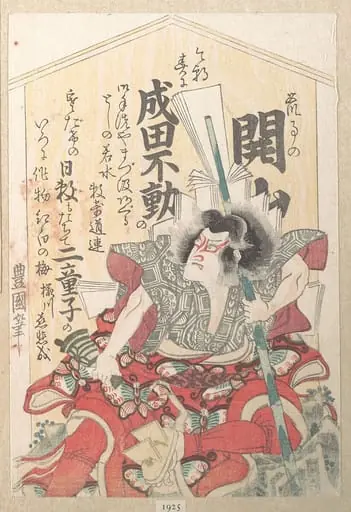 Untitled
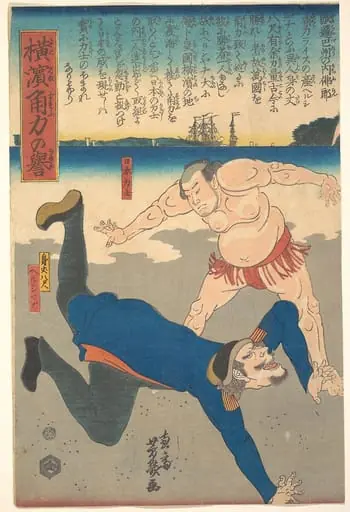 Sumo no homane|Sumo Wrestler Tossing a Foreigner
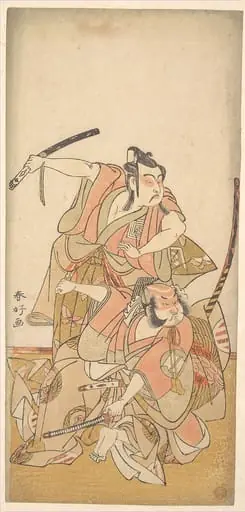 Untitled
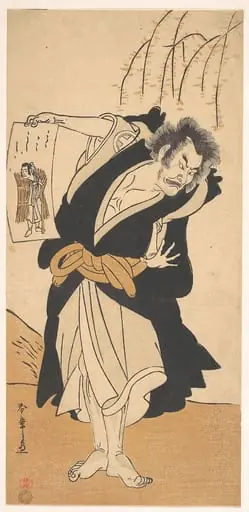 三代目大谷廣右衛門|The Third Otani Hiroemon as an Outlaw Standing Near a Willow Tree
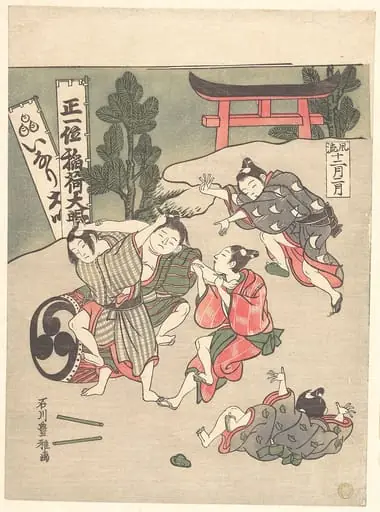 Inari-ko|The Second Month
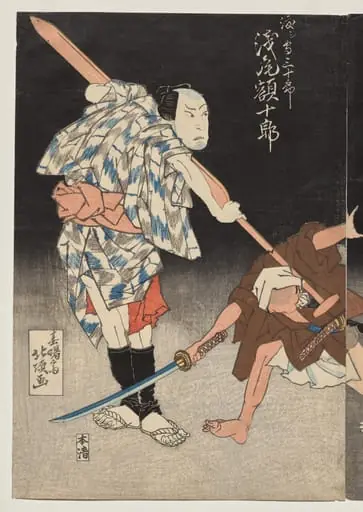 Asao Gakujurō as the Ferryman Sanjūrō from the Kabuki Play "Eight Views of the Kizu River by Boating Song"
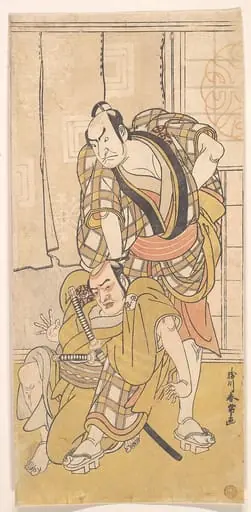 Untitled
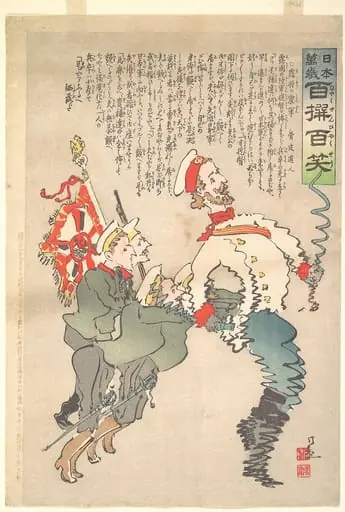 Untitled
 Untitled
 Untitled
 忠臣蔵三段目|Chushingura Act III