Artwork
Sophonisbe Drinking Poison
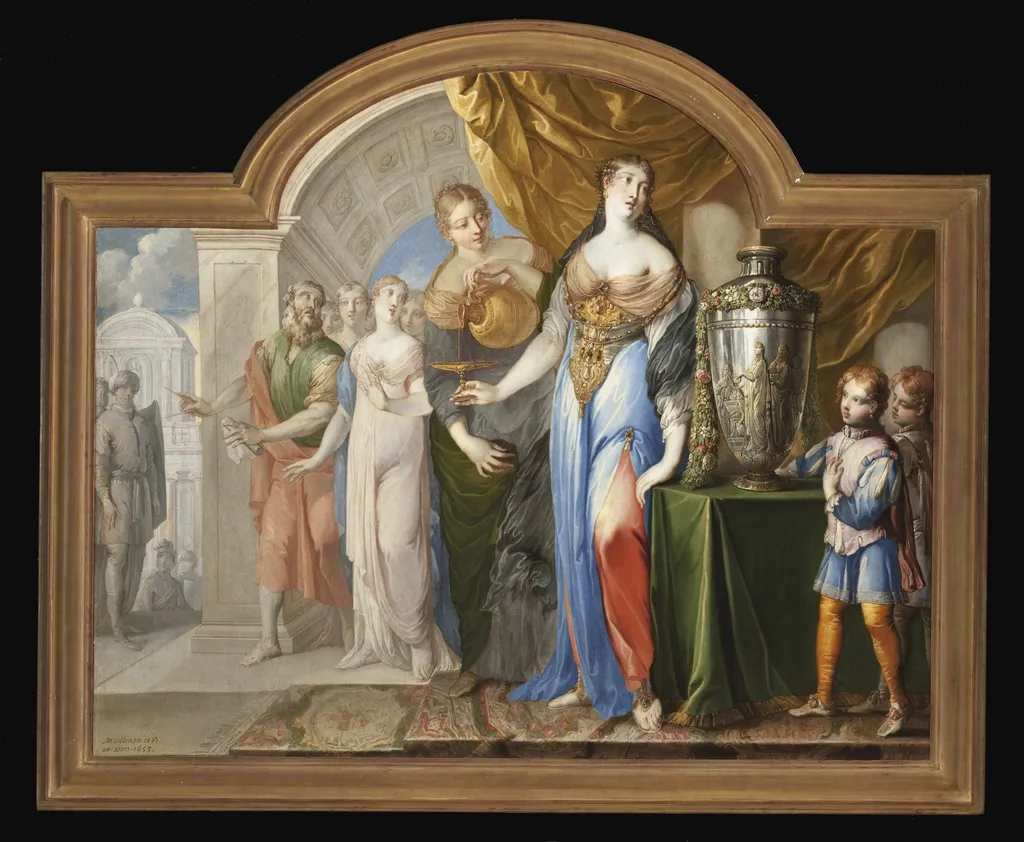
Sophonisbe Drinking Poison is an unspecified painting by the French Classical Baroque artist Isaac Moillon. It dates from 1653 and is held in the collection of the Los Angeles County Museum of Art.
About this work
Overview
Painted in 1653 by French artist Isaac Moillon, this work portrays the tragic final moments of Sophonisba, a Carthaginian noblewoman.
Painted in 1653 by French artist Isaac Moillon, this work portrays the tragic final moments of Sophonisba, a Carthaginian noblewoman. Executed in the French Classical Baroque style, the painting reflects Moillon’s engagement with historical and moral narratives. Though primarily known for tapestry design, Moillon produced a modest body of easel paintings, of which this is a notable example. The piece resides today in the collection of the Los Angeles County Museum of Art.
Subject & Meaning
The scene captures Sophonisba moments before consuming poison to avoid being paraded as a captive in Rome. Her poised demeanor contrasts with the anguish of onlookers, emphasizing her agency in the face of dishonor. The act was interpreted in early modern Europe as an assertion of dignity over subjugation. The composition isolates her as the moral center, reinforcing the theme of noble self-determination amid political defeat.
Technique & Style
Moillon employs chiaroscuro to model forms with strong contrasts of light and shadow, enhancing the three-dimensionality of figures and objects. The figures are arranged in a shallow stage-like space beneath a high arch, directing focus toward the central figure. Drapery and gestures are rendered with restrained elegance, aligning with the period’s preference for clarity and emotional restraint over theatrical excess.
History & Provenance
Created during Moillon’s mature period, the painting was likely commissioned for private or civic display, though its early ownership remains undocumented. After Moillon’s death, his reputation waned as artistic tastes shifted. Interest in his work revived in the 1980s as scholars reevaluated lesser-known Baroque painters. The painting entered LACMA’s collection in the 20th century, where it is now preserved as an example of French narrative painting.
Context
The subject of Sophonisba’s suicide was popular in 17th-century Europe, appearing in literature, theater, and visual art as a symbol of virtuous resistance. French artists often drew from Roman history to explore themes of honor and civic duty. Moillon’s version aligns with broader trends in French Classicism, which favored moral clarity and compositional order over Italianate dynamism.
Legacy
Though Moillon’s output was limited and his name faded after his lifetime, this painting contributes to the understanding of French Baroque narrative painting beyond major figures like Poussin. Its survival and inclusion in a major museum collection affirm its significance as a quiet yet compelling example of moral storytelling in 17th-century France.
Artist & collection
Artist
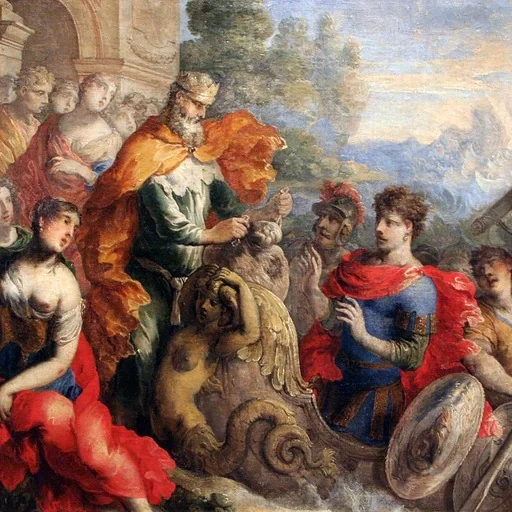
Isaac Moillon (8 July 1614, Paris - 26 May 1673, Paris) was a French Baroque painter of scenes from mythology and the Bible. He also designed tapestries. His work was forgotten after his death, until interest was revived in the 1980s.

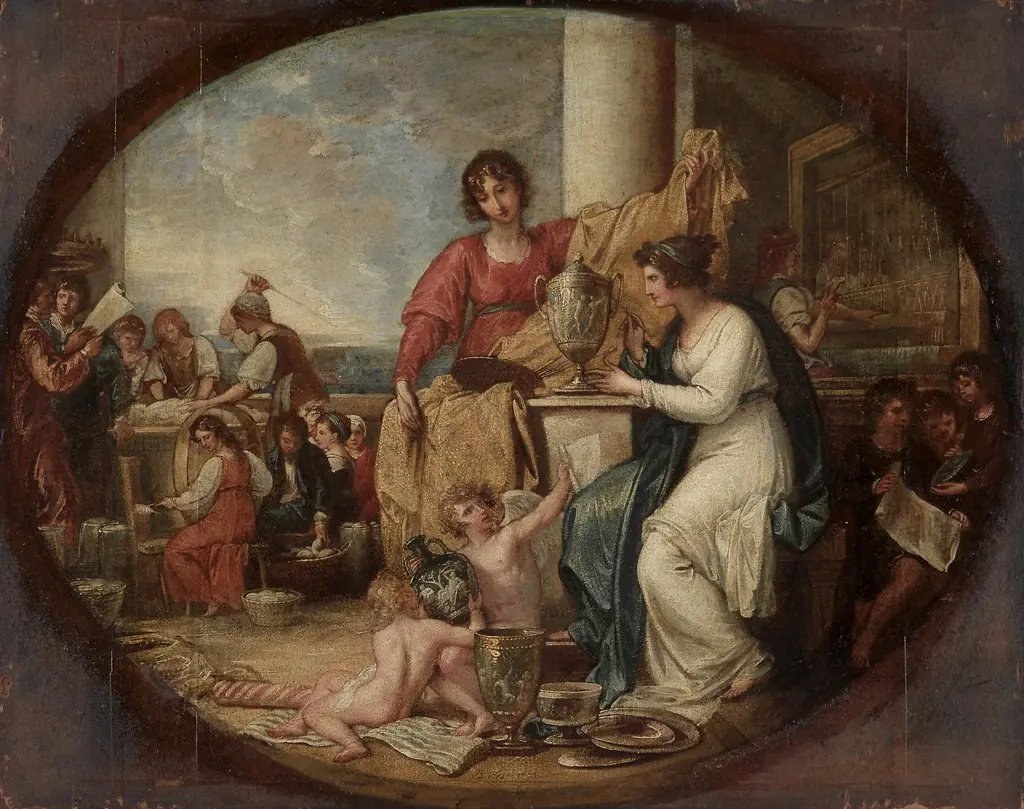 British Manufactory; A Sketch
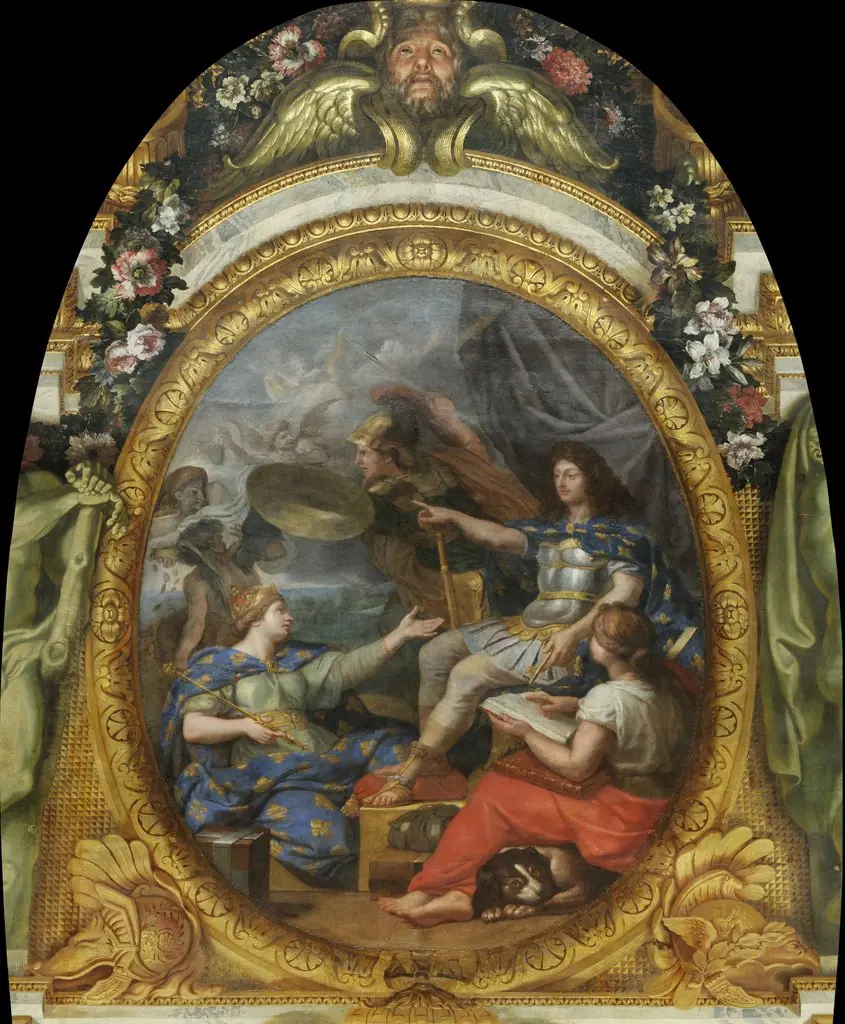 Order restored in the Kingdom's finances
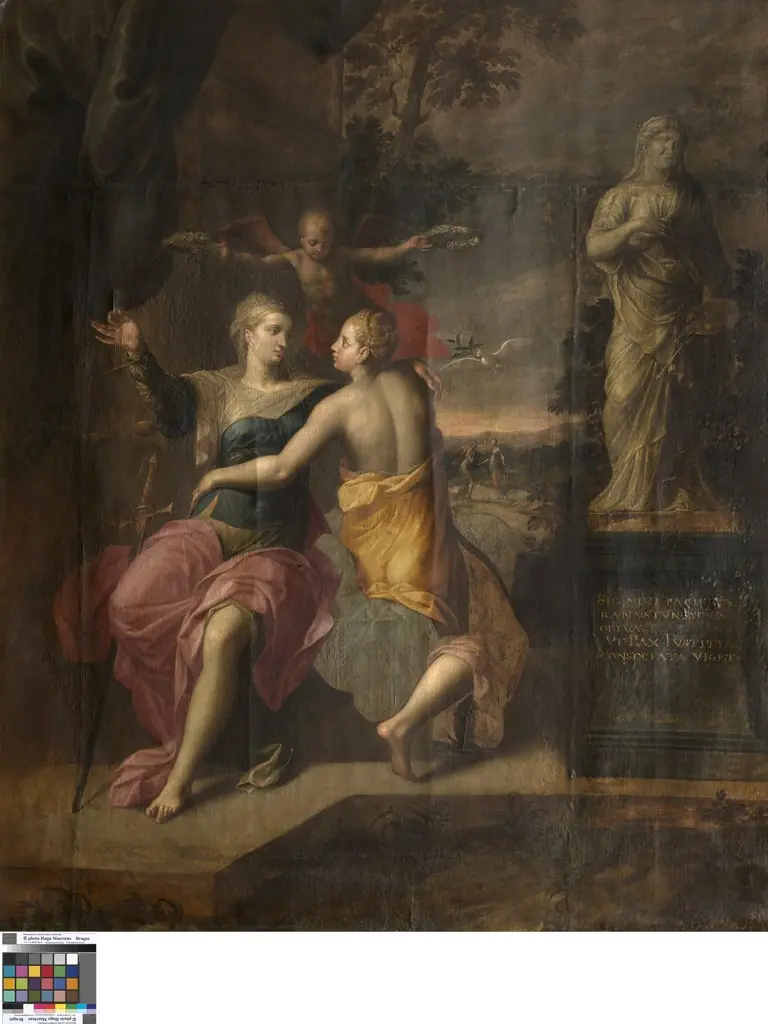 Justitia and Pax
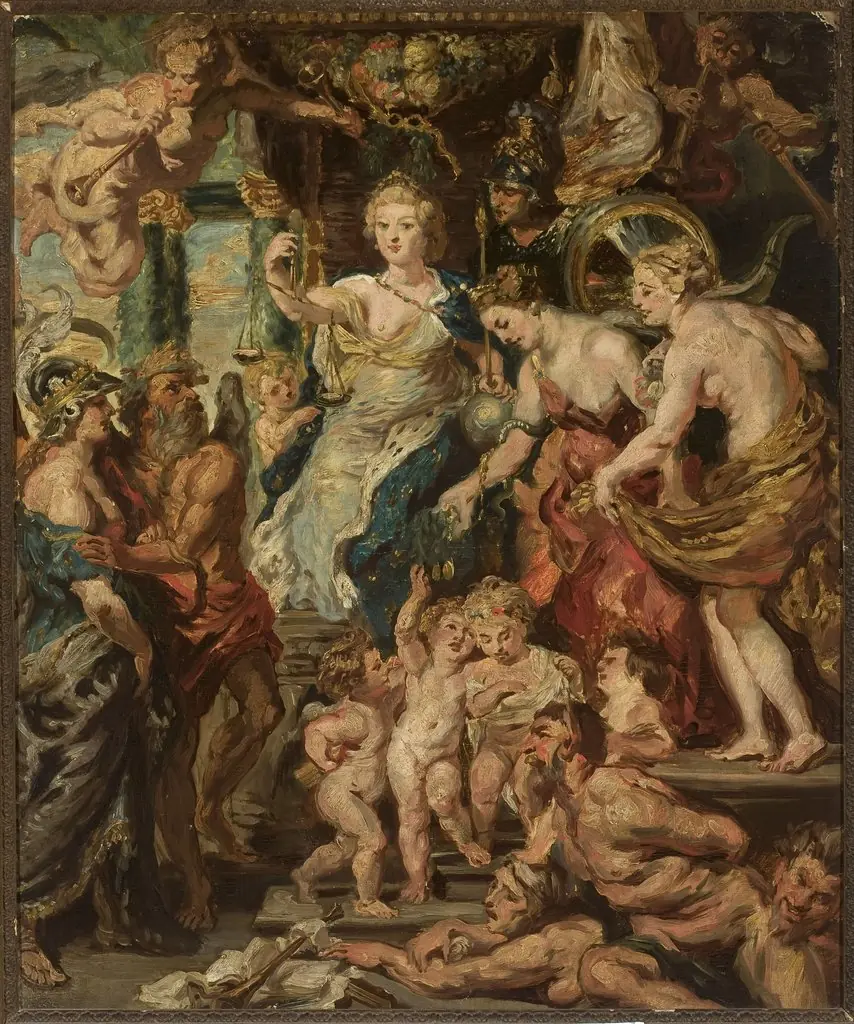 Apotheosis of Maria Medici
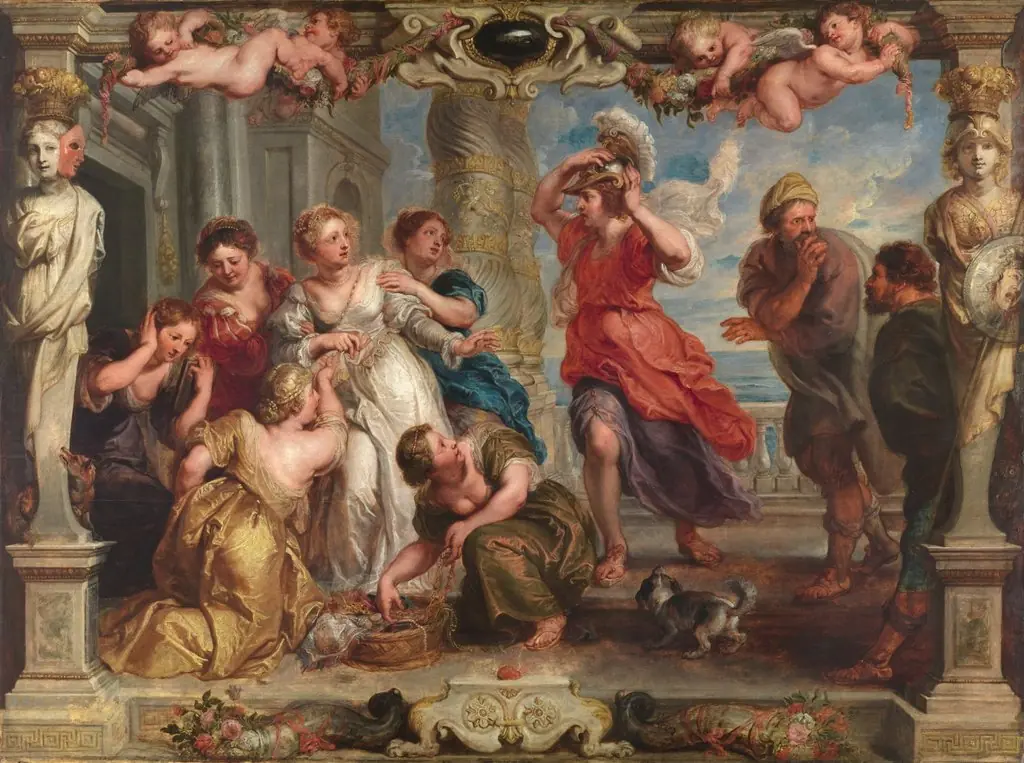 Achilles discovered Among the Daughters of Lycomedes
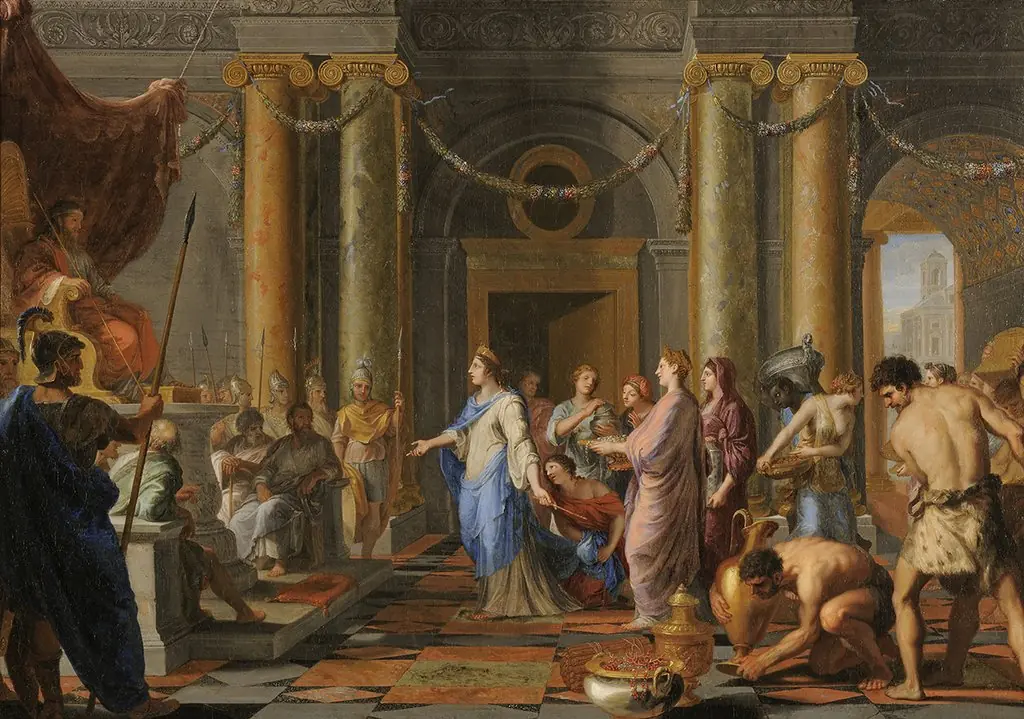 Solomon Receiving the Queen of Sheba
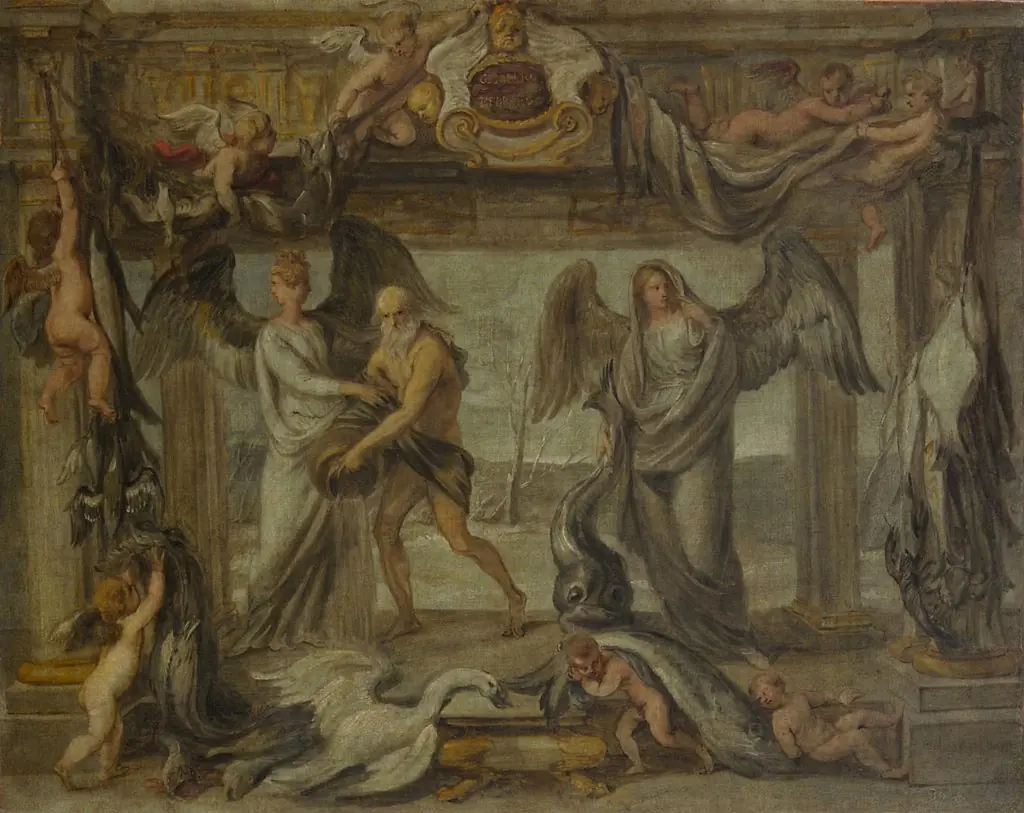 Jänner und Februar
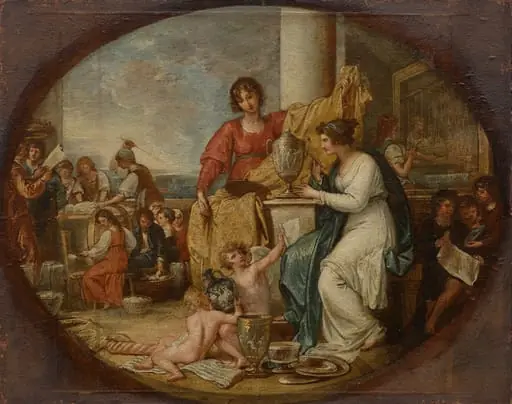 British Manufactory; A Sketch
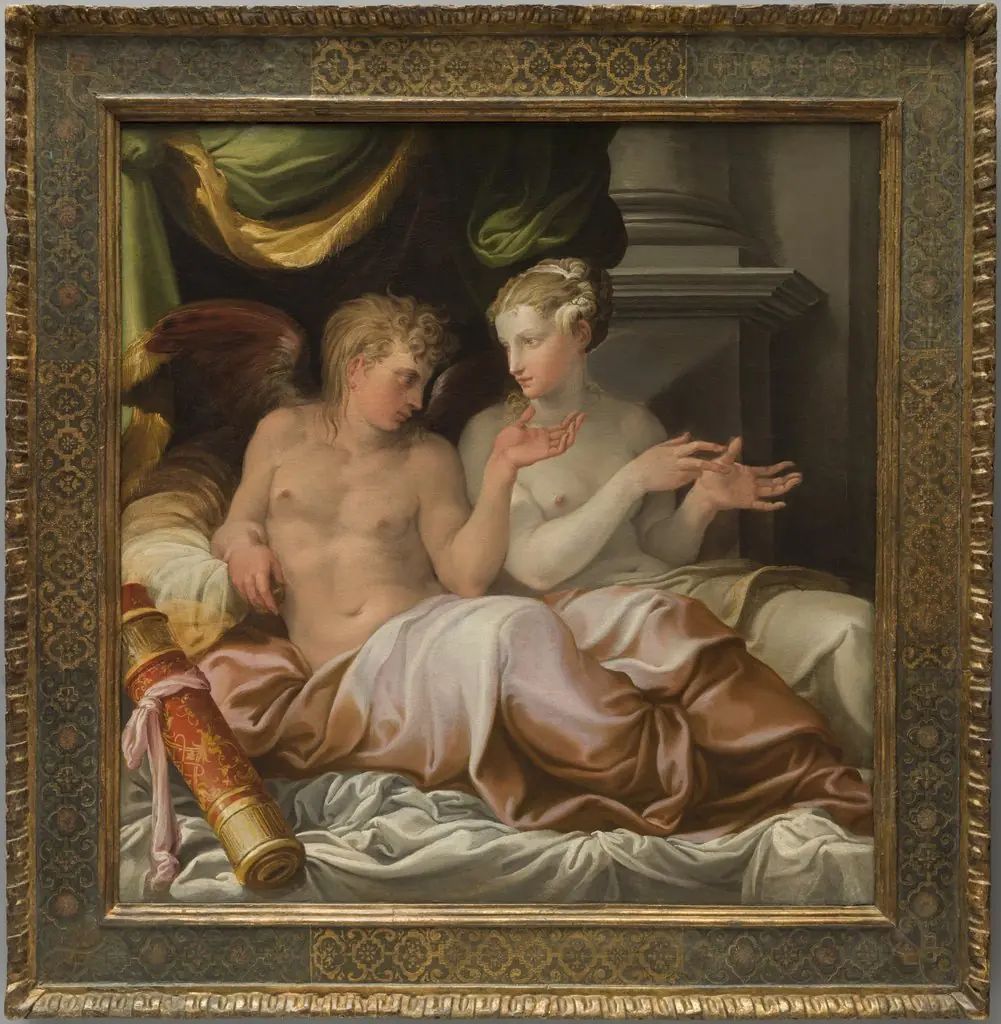 Eros and Psyche
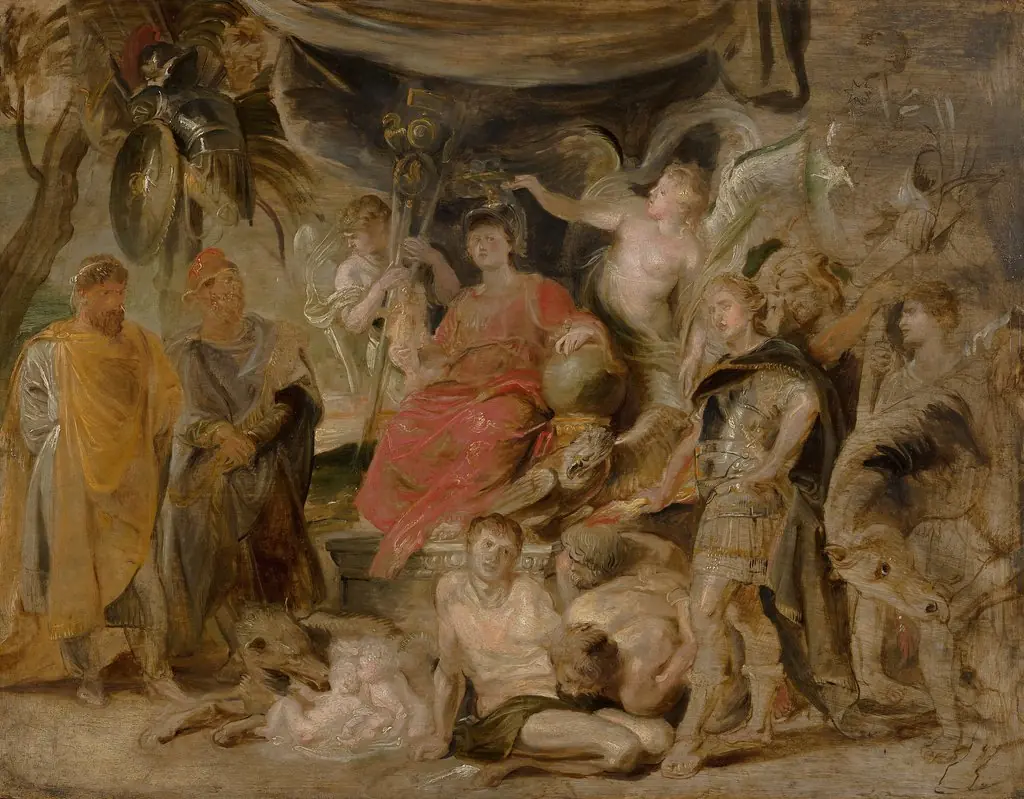 The Triumph of Rome: The Youthful Emperor Constantine Honouring Rome
 Lot flees Sodom
 Venus and Minerva