Artwork
The Triumph of Rome: The Youthful Emperor Constantine Honouring Rome
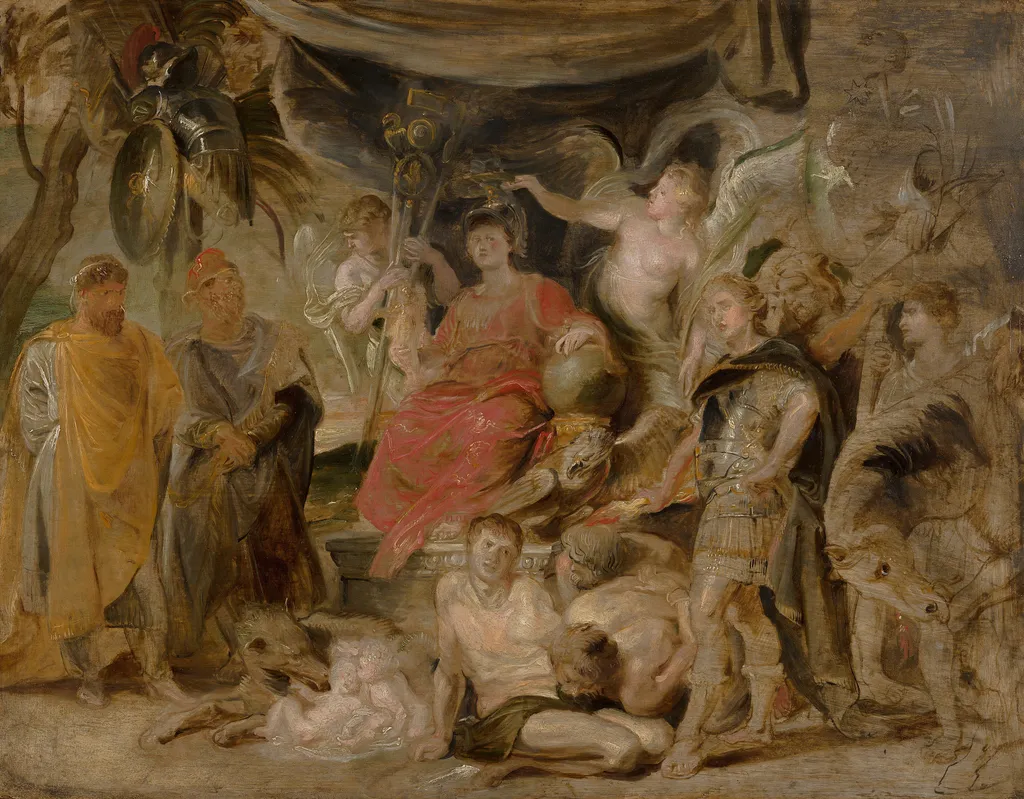
The Triumph of Rome: The Youthful Emperor Constantine Honouring Rome is an oil painting by the Flemish Baroque painting artist Peter Paul Rubens. It dates from 1622 and is held in the collection of the Mauritshuis.
About this work
Overview
Painted in 1622 by Peter Paul Rubens, this oil-on-canvas work presents an allegorical vision of imperial authority intertwined with divine favor.
Painted in 1622 by Peter Paul Rubens, this oil-on-canvas work presents an allegorical vision of imperial authority intertwined with divine favor. Created during Rubens’s peak as a court artist and diplomat, the painting reflects his mastery of large-scale narrative composition. It is part of the Mauritshuis collection in The Hague, where it remains a key example of early 17th-century Flemish Baroque art.
Subject & Meaning
The scene portrays Emperor Constantine, crowned and robed in red, seated on a throne as Rome personified—a regal female figure—stands beside him. Around them, semi-nude figures and animals suggest the submission of pagan traditions to Christian imperial rule. The composition conveys a symbolic transition: the old order yielding to a new Christian era, with Constantine positioned as its divinely sanctioned agent.
Technique & Style
Rubens employs vigorous brushwork, rich color contrasts, and dramatic chiaroscuro to heighten the painting’s theatricality. The figures are rendered with muscular vitality, echoing classical sculpture, while the deep curtain behind them enhances spatial depth. Movement is carefully orchestrated: gestures and glances direct attention to the central pair, reinforcing their symbolic importance through dynamic yet balanced arrangement.
History & Provenance
Commissioned as part of a larger decorative program, the painting was likely intended for a public or aristocratic setting. It entered the Mauritshuis collection in the 19th century, having passed through several private hands since its creation. Its survival in near-original condition offers insight into Rubens’s workshop practices and the reception of allegorical history painting in the Dutch Republic.
Context
Created shortly after the Twelve Years’ Truce in the Eighty Years’ War, the painting resonates with contemporary political ideals of order and legitimacy. Rubens, deeply engaged with humanist thought, fused Roman imperial imagery with Christian symbolism to support emerging notions of sovereign authority. The work aligns with broader European trends in using antiquity to legitimize modern rule.
Legacy
Though less frequently exhibited than Rubens’s mythological scenes, this painting exemplifies his ability to merge political allegory with visual grandeur. It influenced later artists exploring the intersection of power and symbolism, and remains a reference point in studies of Baroque iconography and the use of classical antiquity in early modern statecraft.
Own this work as a print
Artist & collection
Artist
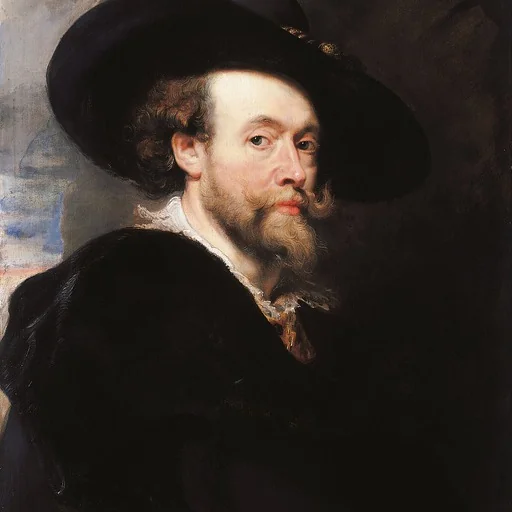
Sir Peter Paul Rubens ( ROO-bənz; Dutch: ; 28 June 1577 – 30 May 1640) was a Flemish artist and diplomat.

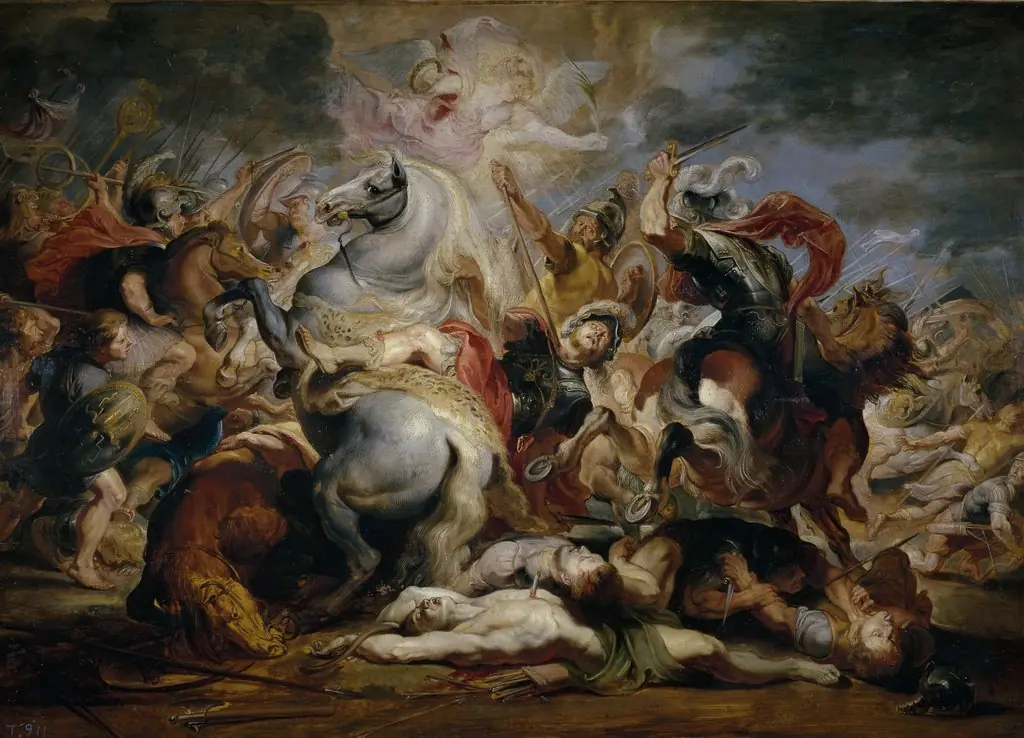 The Death of the Consul Decius
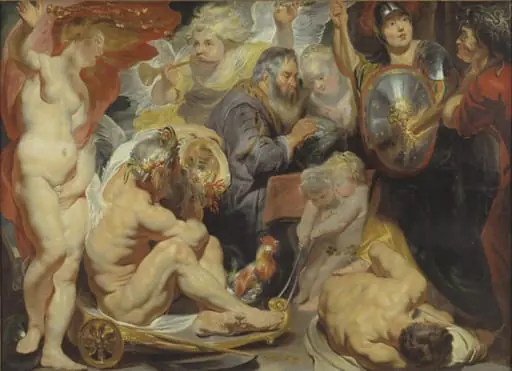 Allegory on Science. Minerva and Cronus protect Science against Envy and Ignorance
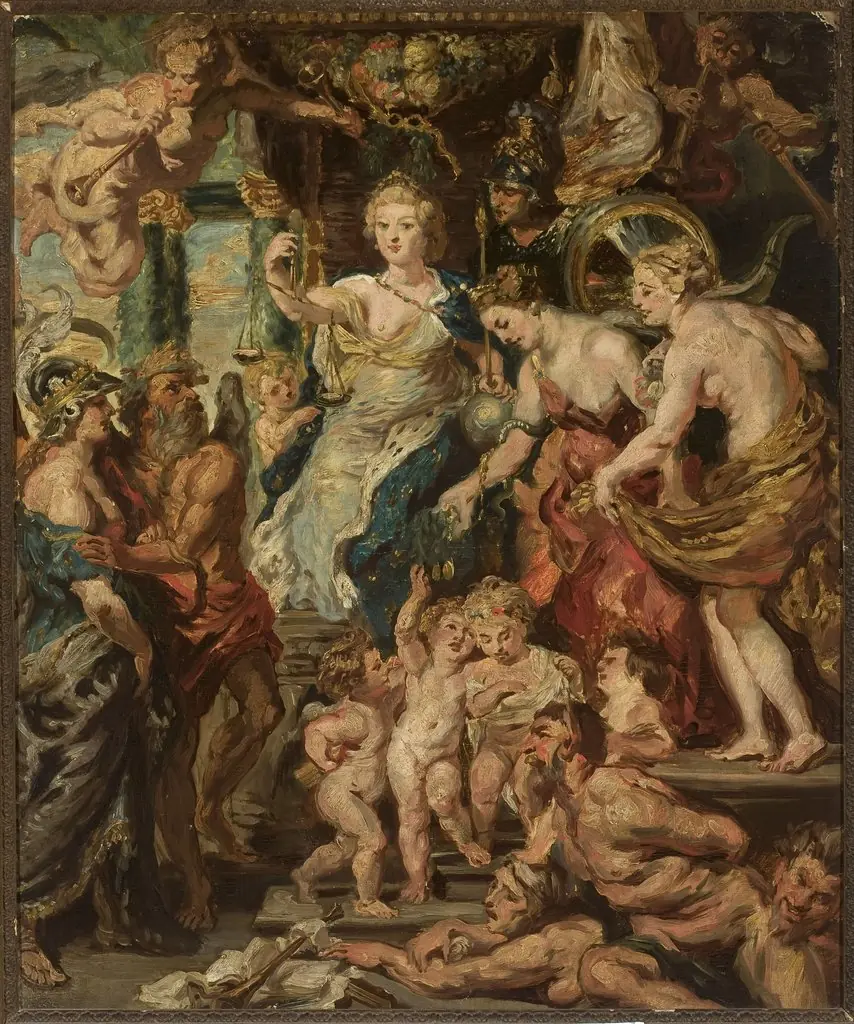 Apotheosis of Maria Medici
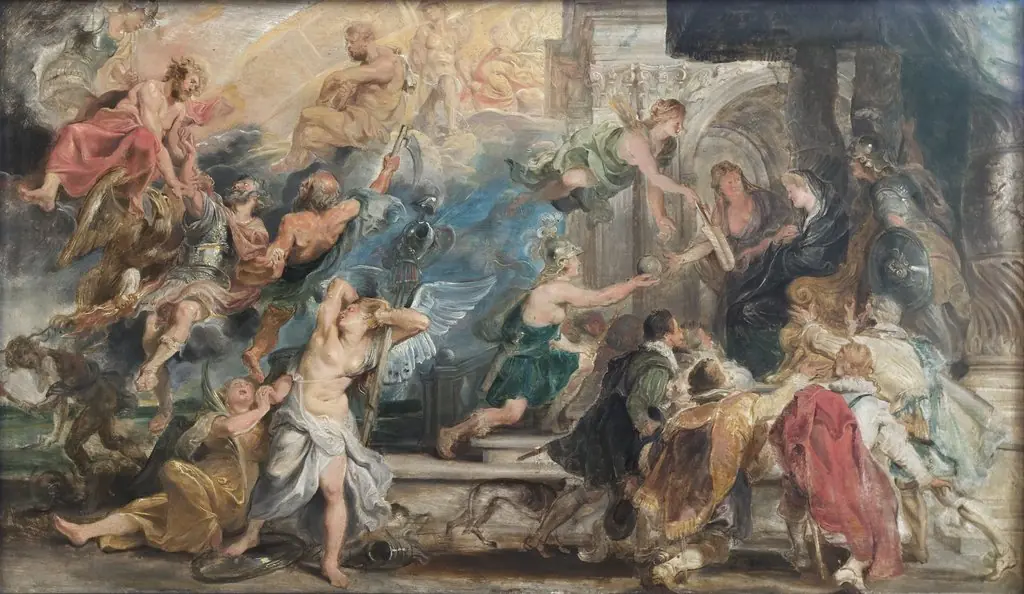 The Apotheosis of Henri IV
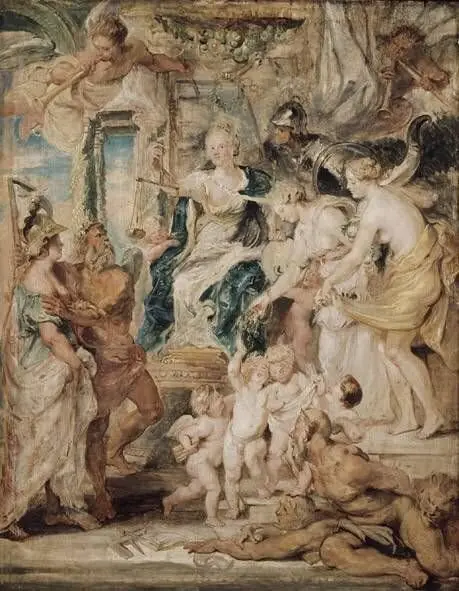 The Felicity of the Regency
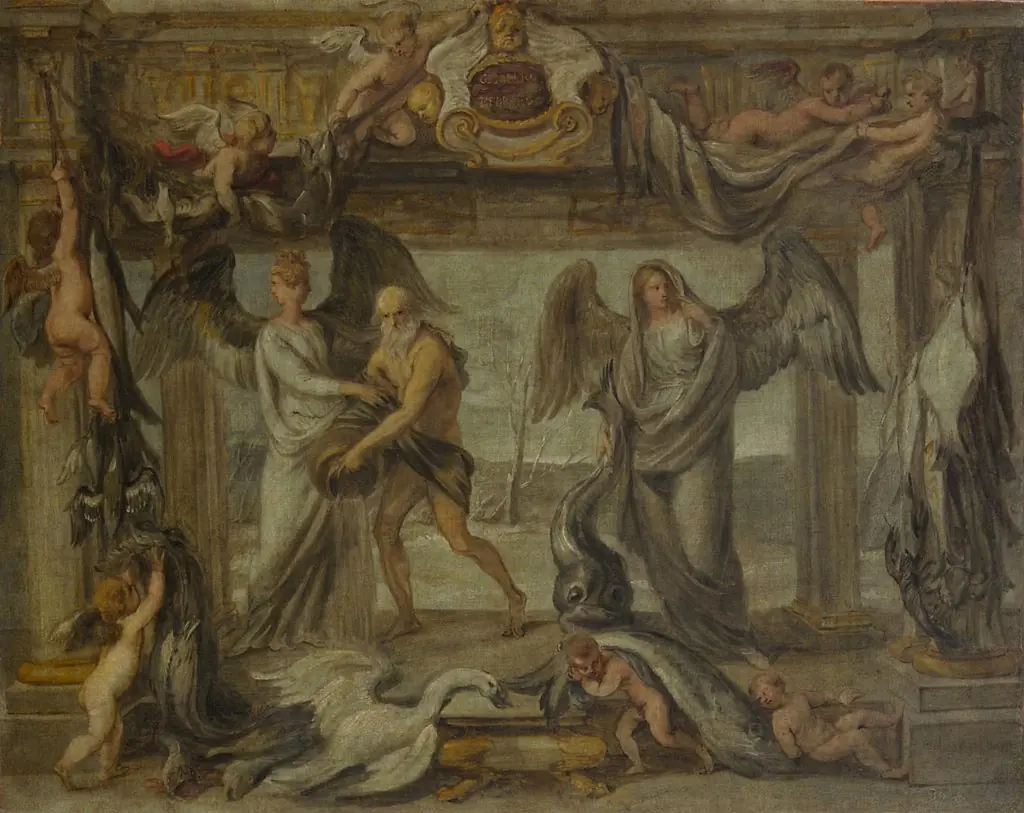 Jänner und Februar
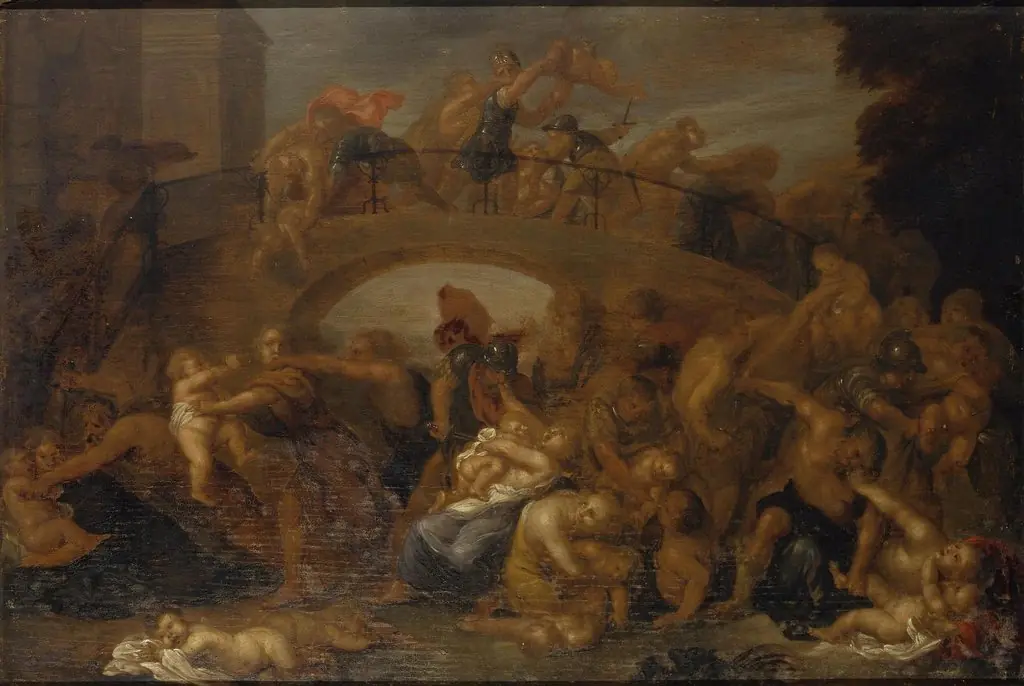 Massacre of the Innocents
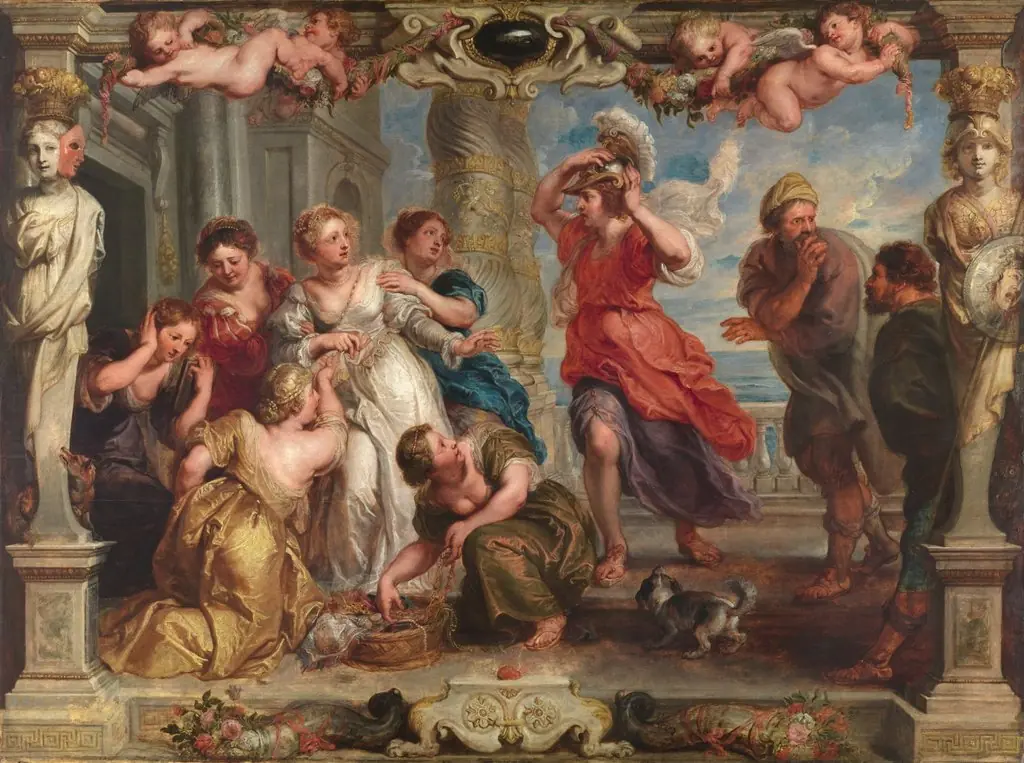 Achilles discovered Among the Daughters of Lycomedes
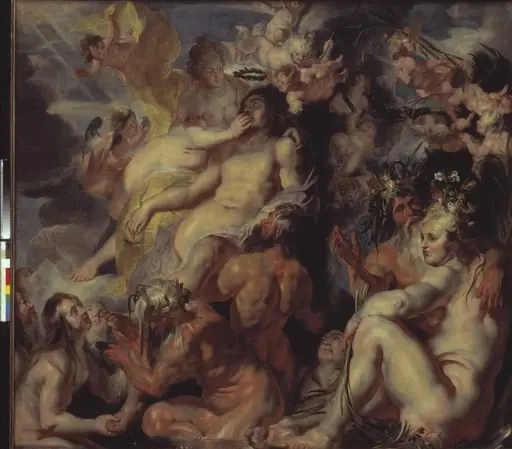 The Apotheosis of Aeneas
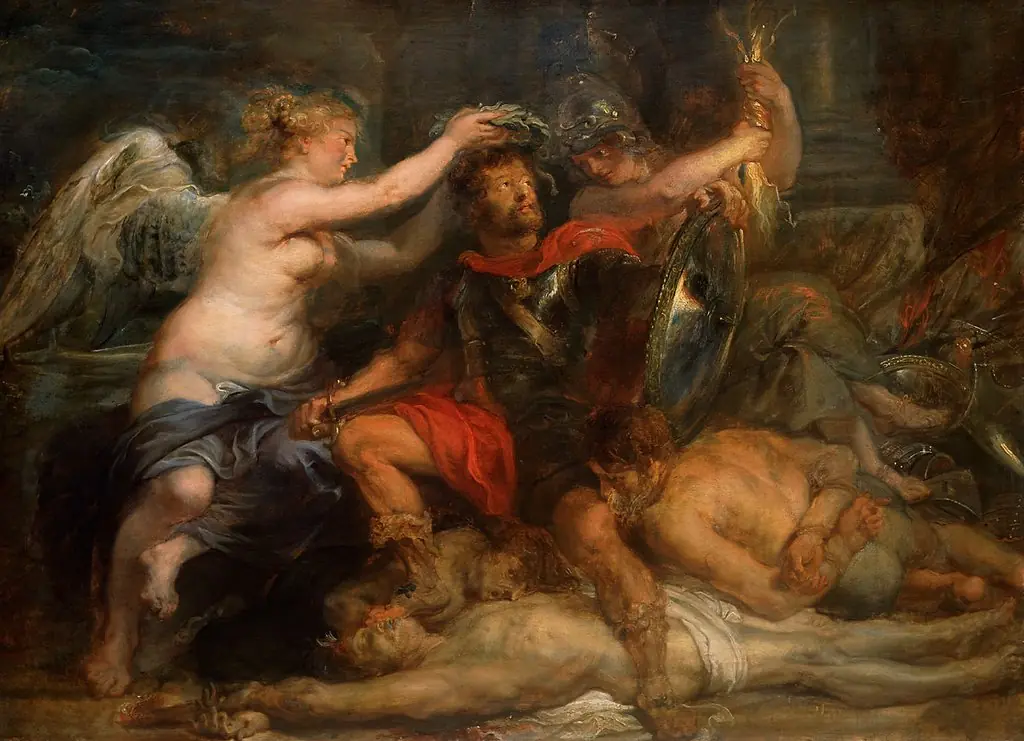 Victory crowns the Hero
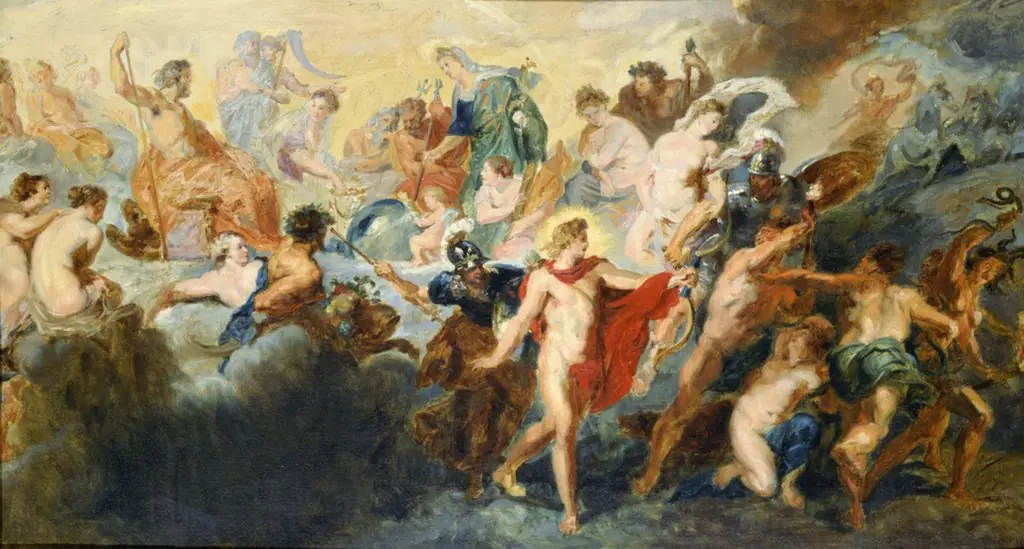 Copy after the Painting by Rubens "The Council of Gods"
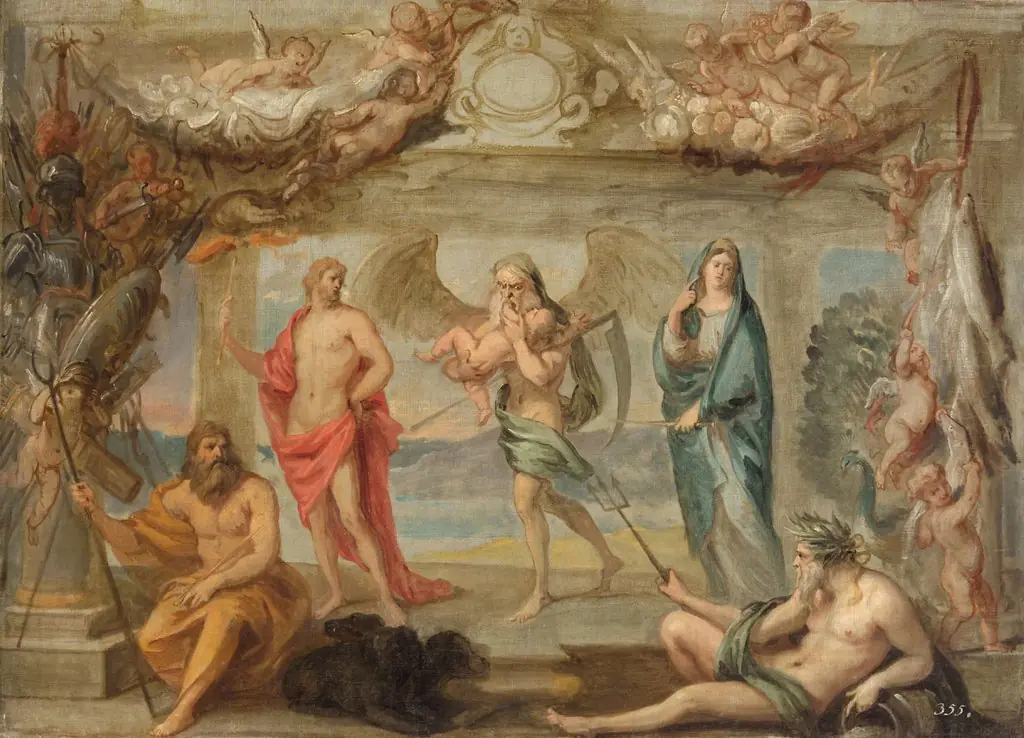 Die Elemente und die Zeit