Artwork
St. Paul on Malta
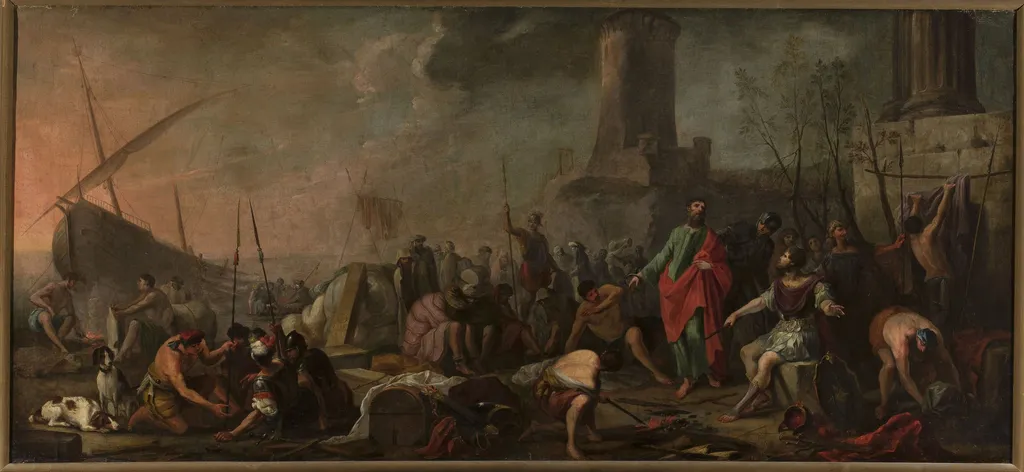
St. Paul on Malta is an oil painting by Isaak Fisches the Elder. It dates from 1682 and is held in the collection of the National Museum in Warsaw.
About this work
Overview
Painted around 1682 by Isaak Fisches the Elder, this oil on canvas work portrays a moment from the Acts of the Apostles. It depicts Saint Paul during his time on Malta after a shipwreck, as described in the biblical narrative. The painting is part of the collection at the National Museum in Warsaw, where it has been held since at least the 19th century.
Subject & Meaning
His central position and composed demeanor contrast with the surrounding figures' distress, emphasizing his role as a figure of divine reassurance.
The scene captures Saint Paul standing calmly amid a group of anxious locals, following the shipwreck recounted in Acts 27–28. His central position and composed demeanor contrast with the surrounding figures' distress, emphasizing his role as a figure of divine reassurance. The wreckage in the background anchors the narrative in a moment of crisis and deliverance, reflecting themes of faith under duress.
Technique & Style
Fisches employs oil paint to build layered textures and subtle tonal shifts. Strong chiaroscuro directs attention to Paul’s figure, isolating him against darker, shadowed surroundings. The drapery of his robes—red and green—adds visual weight, while the figures around him are rendered with expressive gestures, enhancing the emotional gravity of the moment without overt theatricality.
History & Provenance
The painting entered the National Museum in Warsaw’s collection in the 19th century, likely through acquisitions of religious art from Central European collections. Its attribution to Isaak Fisches the Elder is supported by stylistic comparisons with his other known works. No significant alterations or restorations are documented, preserving its original composition and surface.
Context
Created during the late Baroque period, the painting aligns with Counter-Reformation interests in vivid biblical narratives that inspired devotion. Fisches, active in Poland and the Baltic region, drew from both local traditions and broader European iconography. His depiction of Paul reflects a broader trend of portraying apostles as moral anchors in times of chaos.
Legacy
Though not widely reproduced, the painting remains a notable example of 17th-century Polish religious art. It contributes to the understanding of how biblical stories were localized in Central European contexts. Fisches’s work, including this piece, continues to inform scholarly study of regional Baroque painting beyond major artistic centers.
Artist & collection

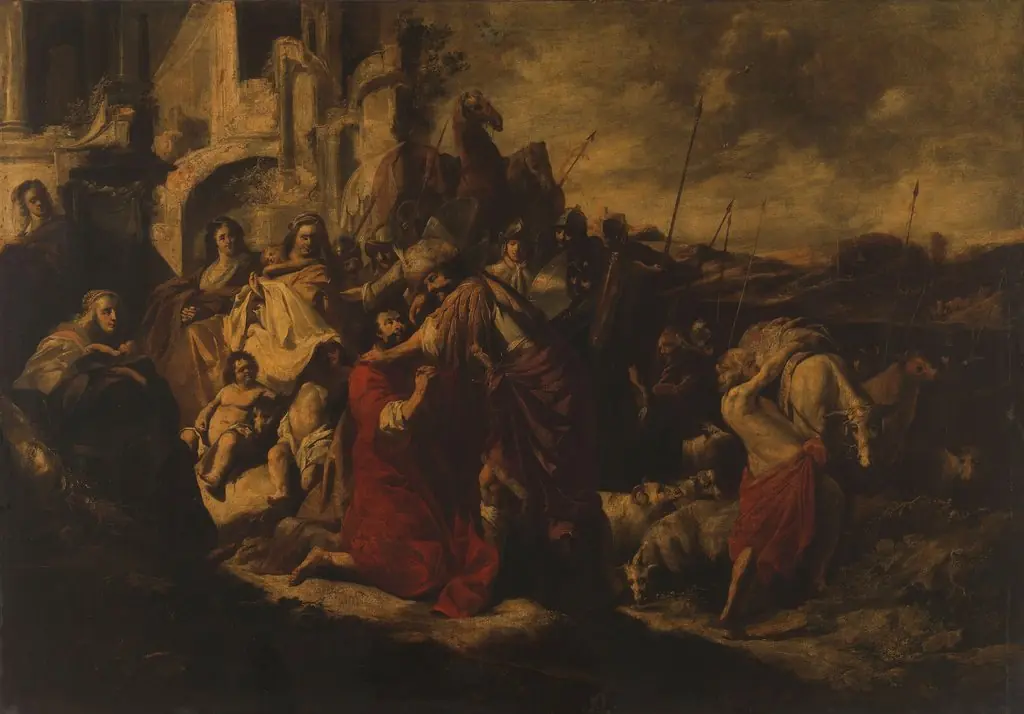 The meeting of Jacob and Esau
 The Meeting of Jacob and Esau
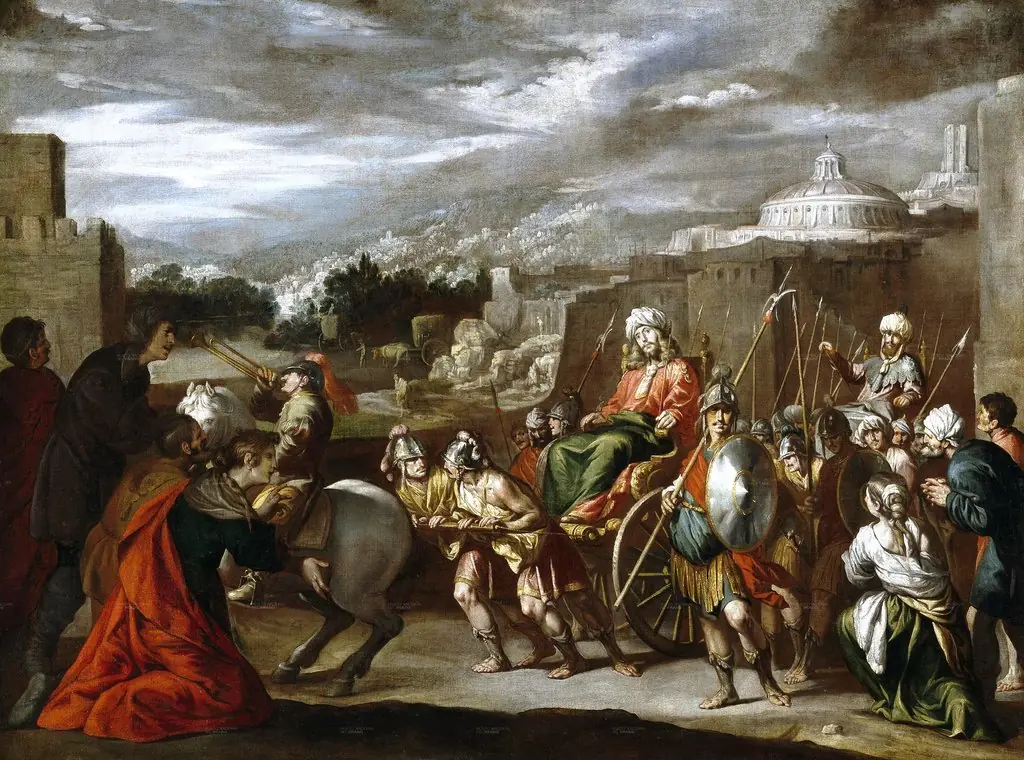 Joseph’s Triumph in Egypt
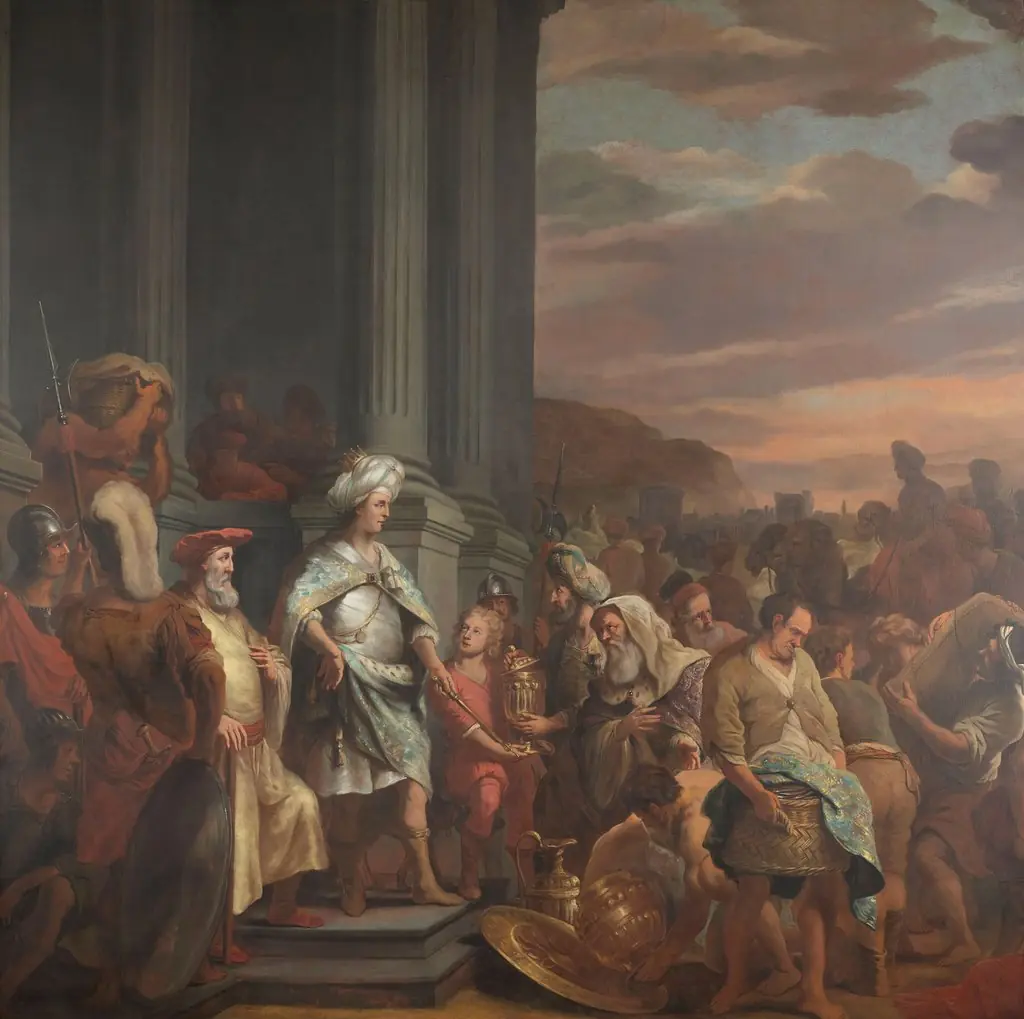 Salomo ontvangt geschenken
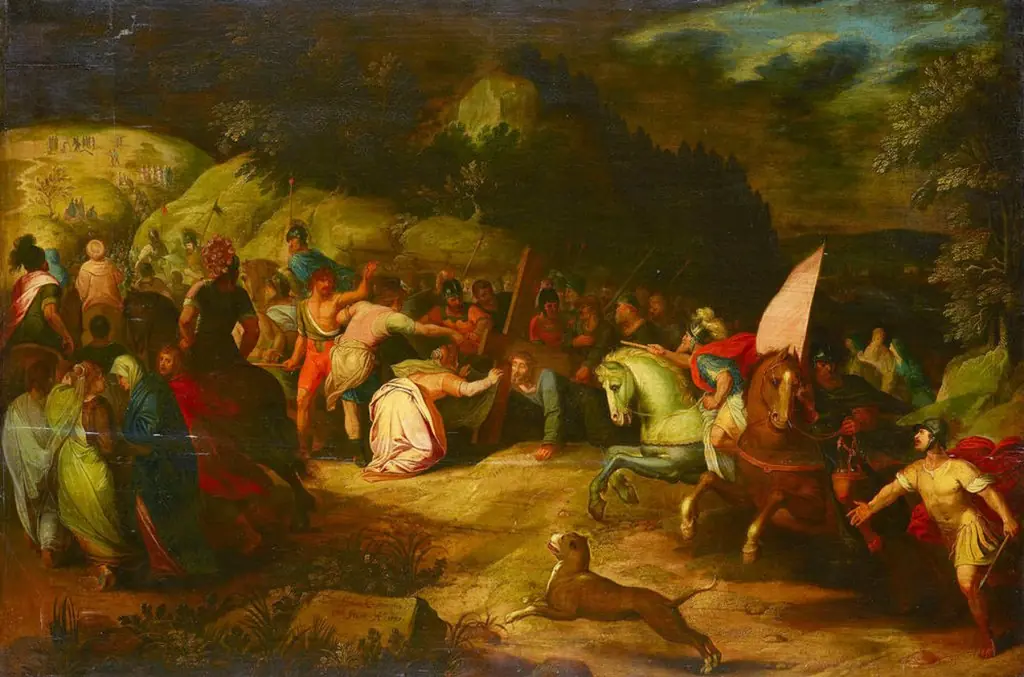 Christ collapsing under the cross on his way to Golgotha
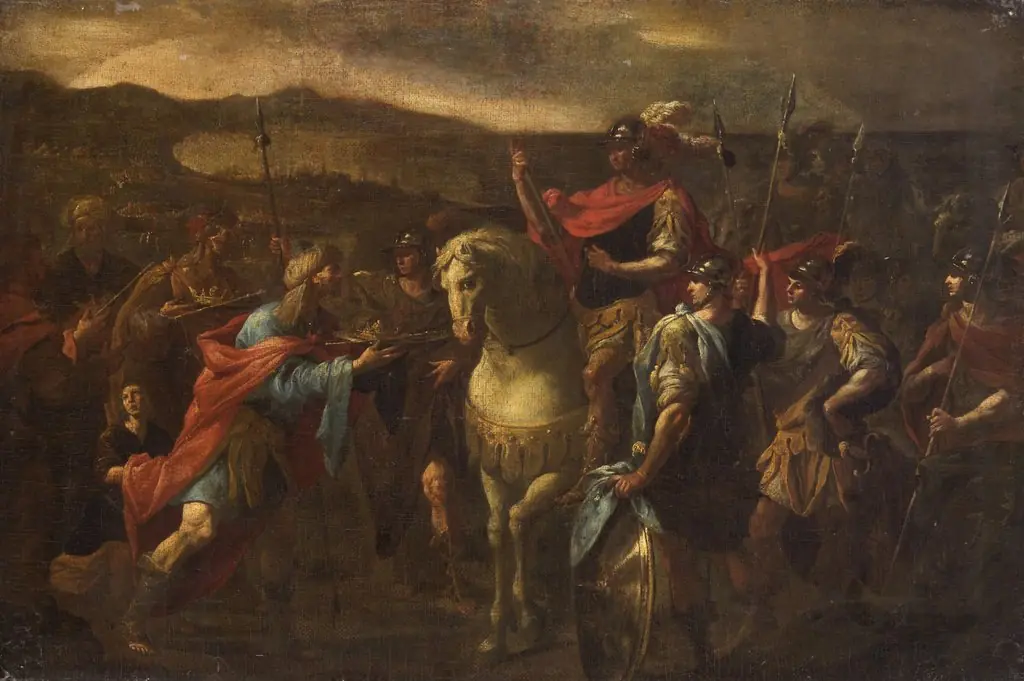 Indische Könige huldigen Alexander dem Großen
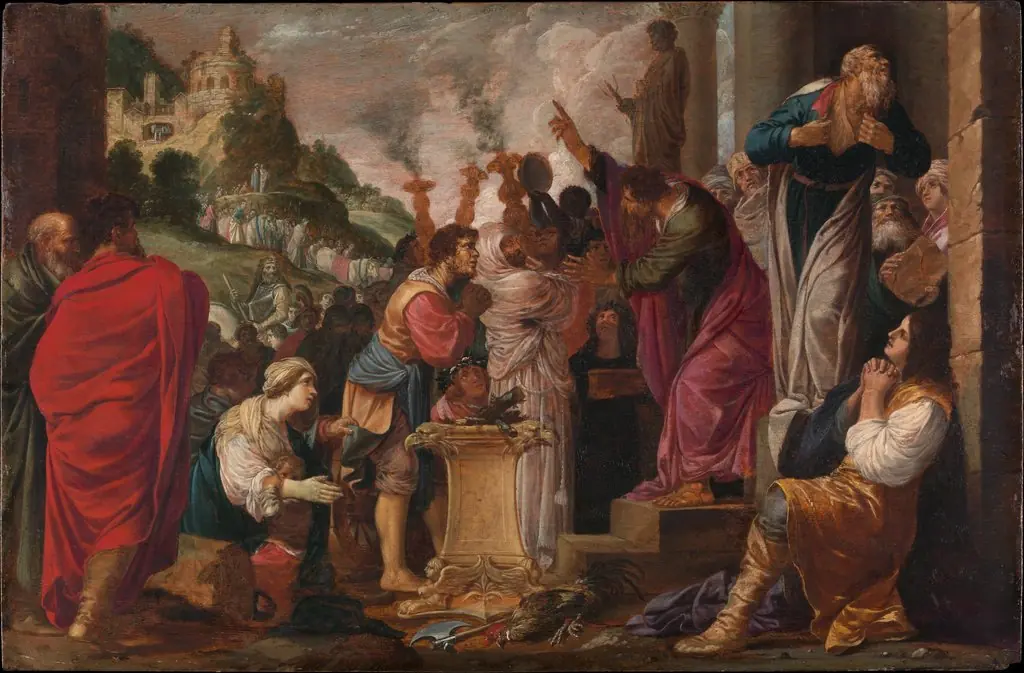 Paul and Barnabas at Lystra
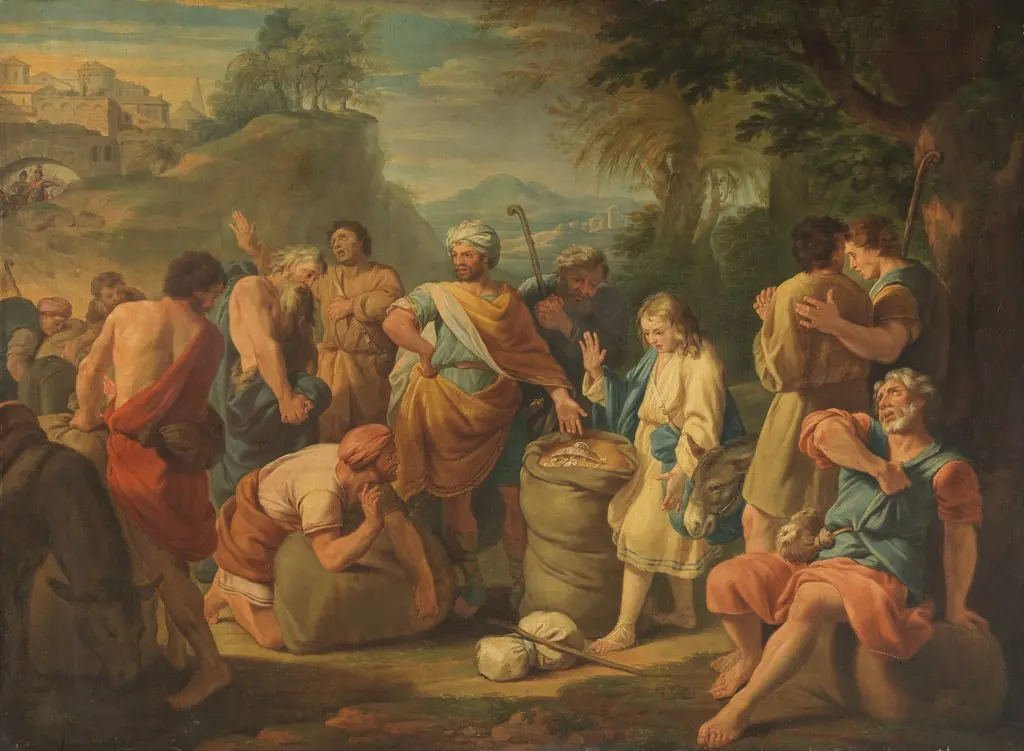 The Finding of the Money in Benjamin's Sack
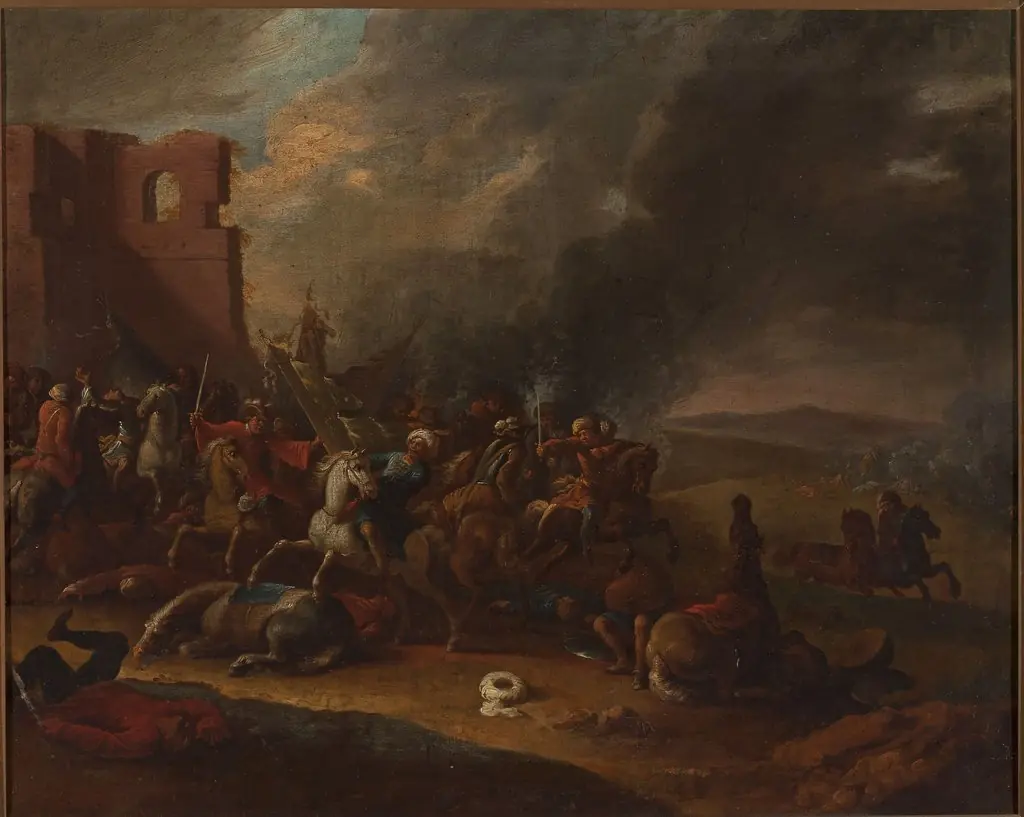 Battle with the Turks
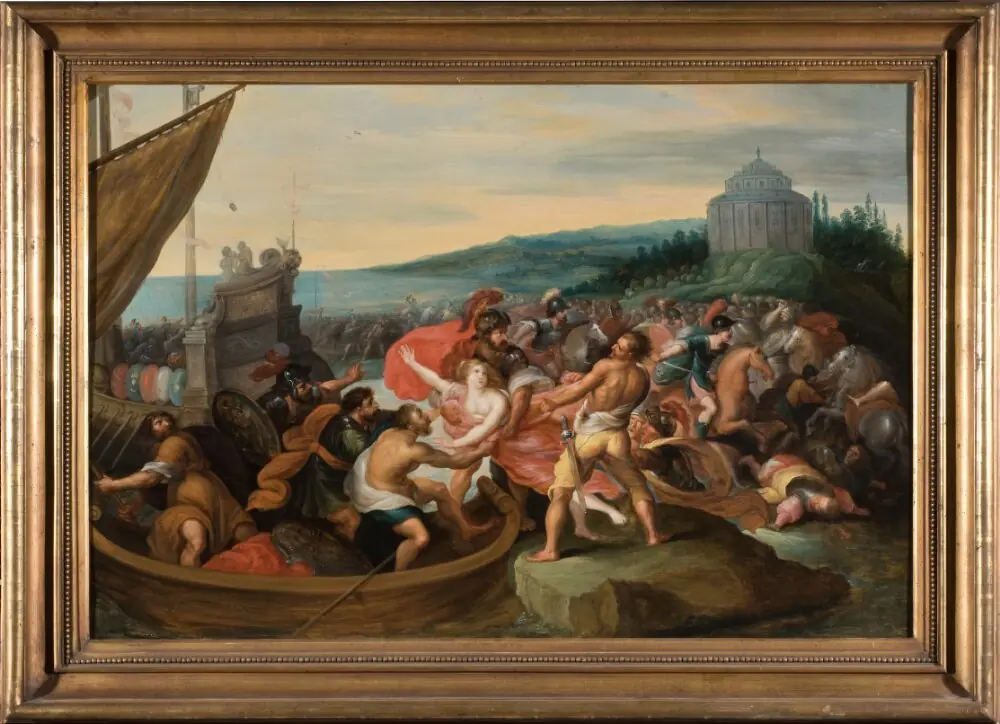 The Abduction of Helen
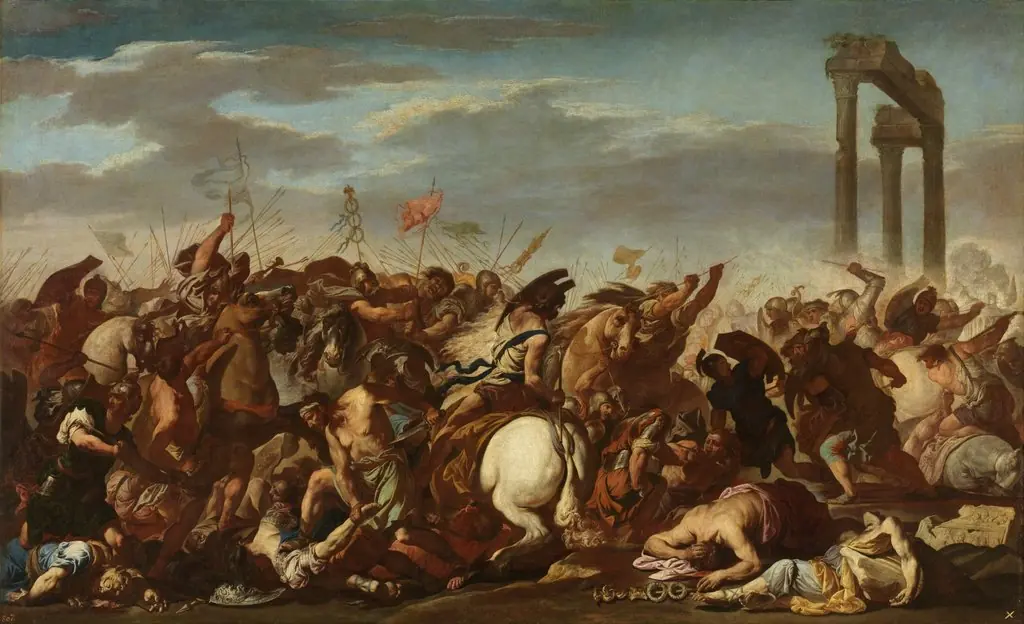 Batalla
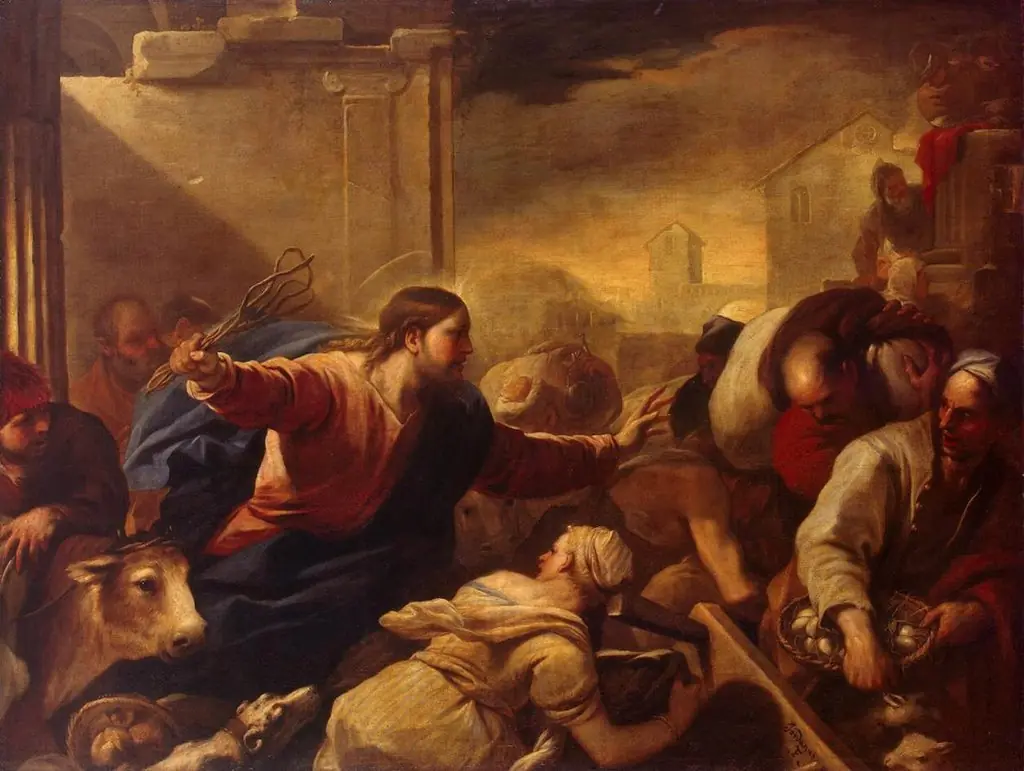 Expulsion of the Money-Changers from the Temple