Artwork
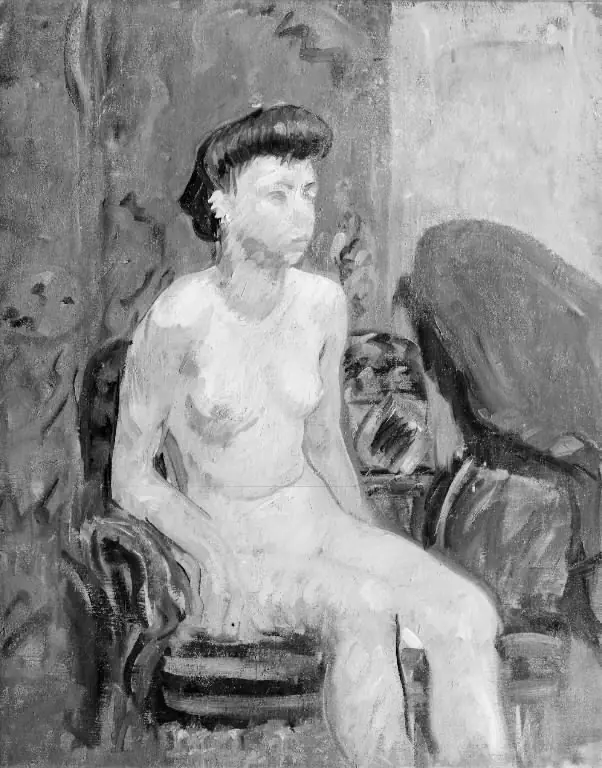
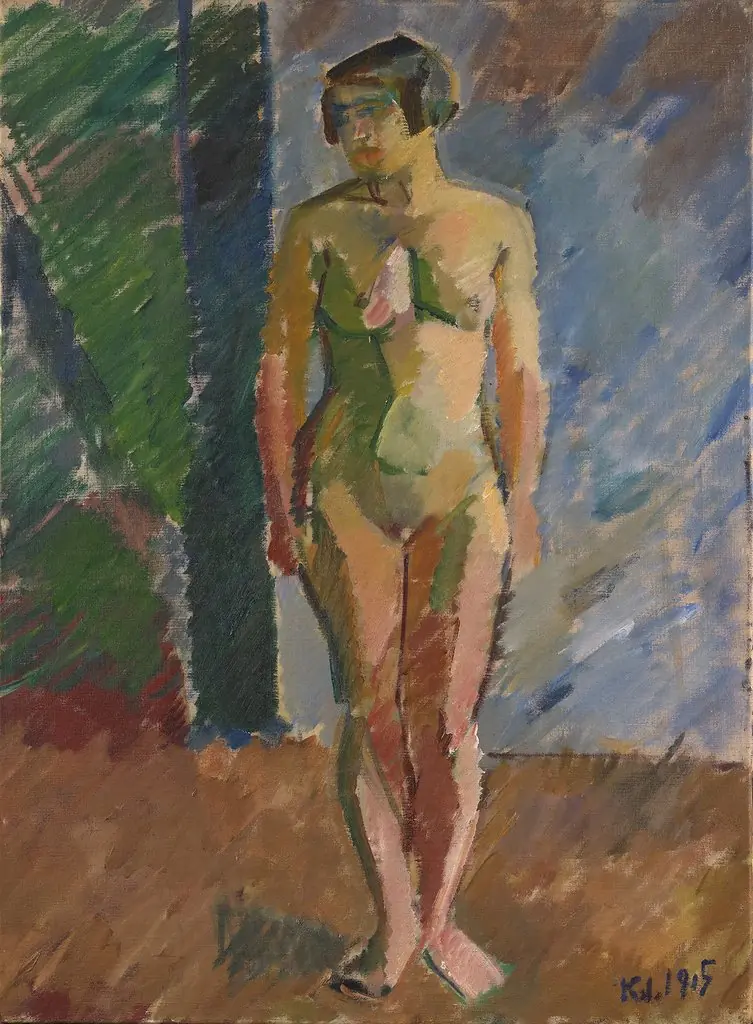
Alaston naismalli
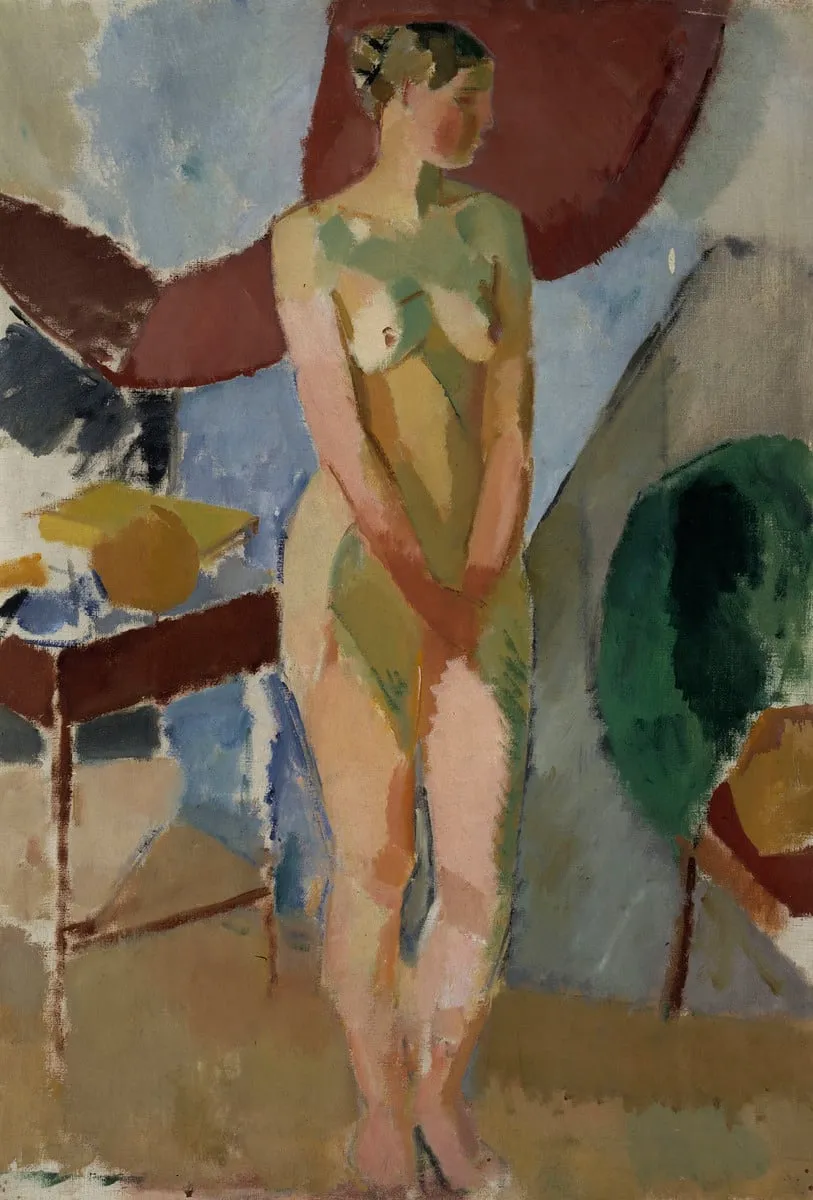
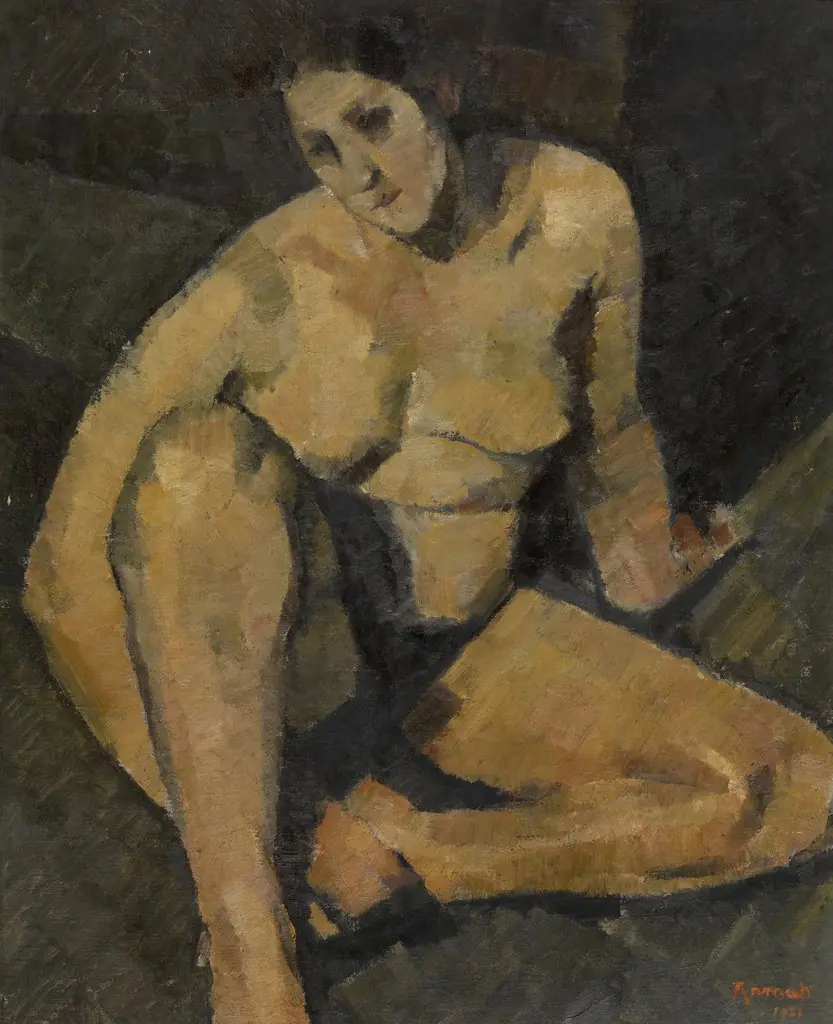
Alaston naismalli is an unspecified painting by Karl Isakson. It dates from 1910 and is held in the collection of the Finnish National Gallery.
About this work
Overview
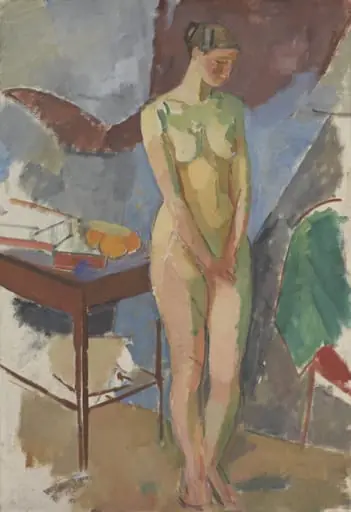
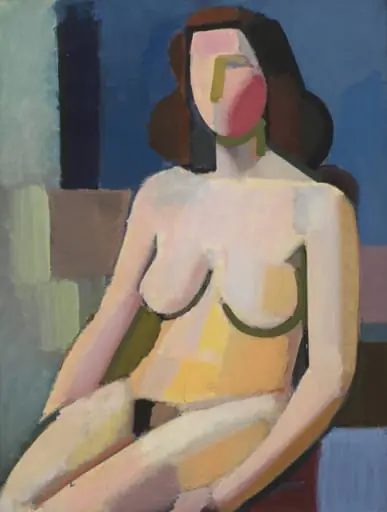
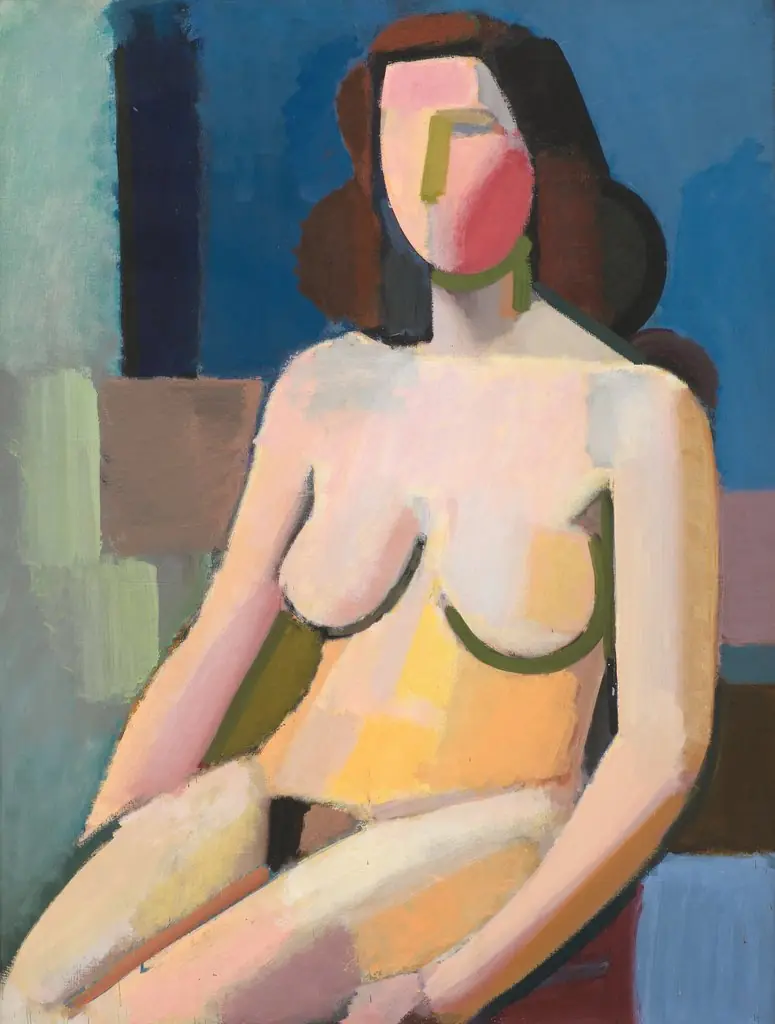
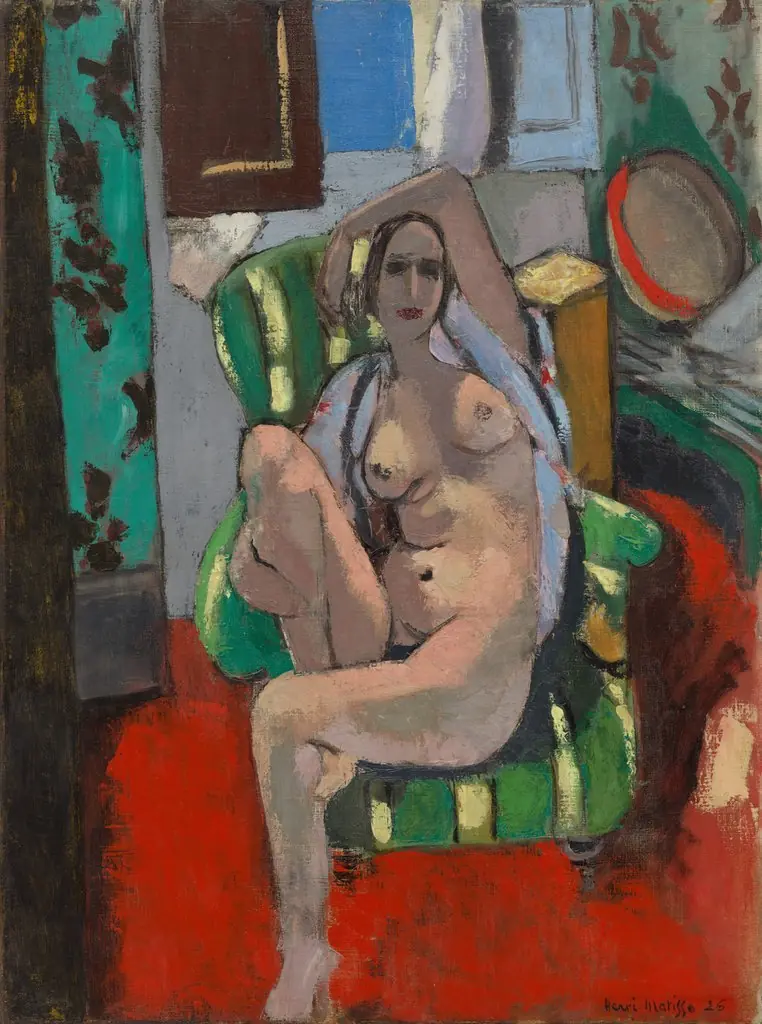
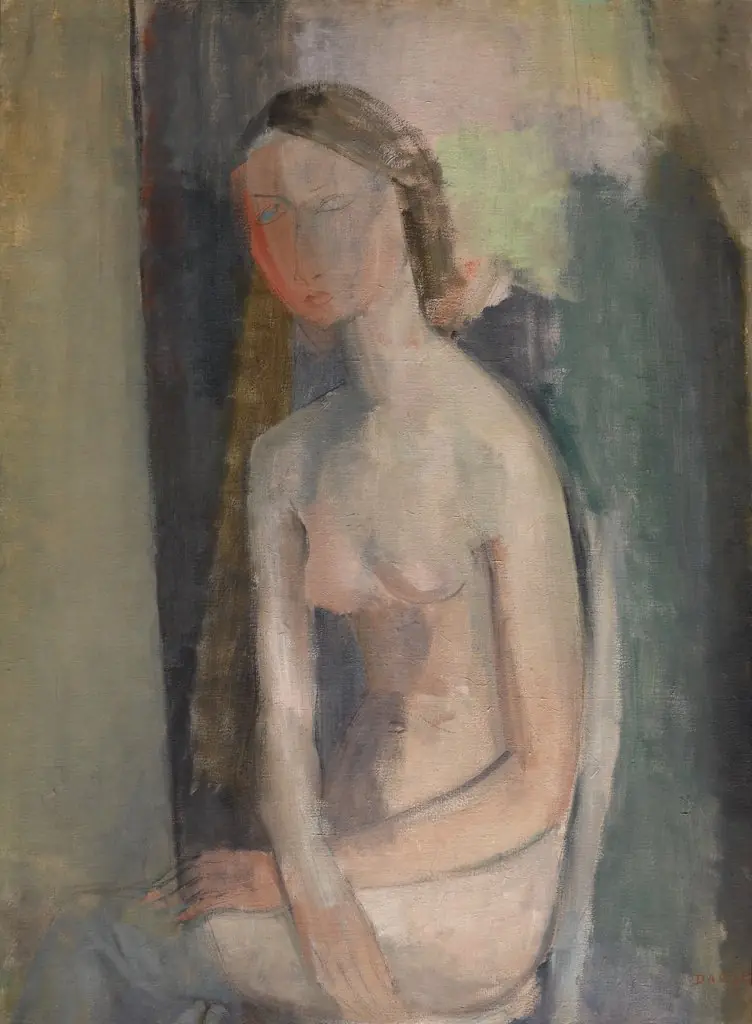
Karl Isakson’s *Alaston naismalli* (c. 1910) depicts a nude female figure in an interior setting. The composition contrasts the figure’s delicate modeling with the bold, flat planes of the surrounding space. Paint is applied in thick, visible strokes, particularly on the subject’s skin and the draped fabric behind her, creating a tactile surface that emphasizes the materiality of the medium.
Subject & Meaning
The painting presents a standing female nude, a traditional subject in Western art, yet Isakson strips away idealized conventions. The figure’s pose is unadorned, and her expression neutral, shifting focus from narrative or allegory to the act of perception itself. The interplay of warm and cool tones on her body suggests an exploration of light and form rather than symbolic or emotional content.
Technique & Style
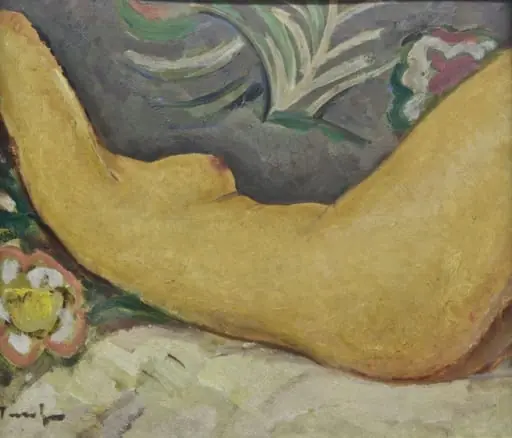
Isakson employs impasto, a method where paint is laid thickly onto the canvas, leaving brushstrokes clearly visible. This technique lends the surface a sculptural quality, particularly evident in the rendering of the figure’s skin and the red drapery. The background and furnishings, by contrast, are simplified into geometric shapes, reflecting an early modernist approach to composition and color.
History & Provenance
Created around 1910, *Alaston naismalli* dates to a period when Isakson was engaging with contemporary European trends, particularly post-impressionism and early expressionism. Little documentation survives regarding its early exhibition history or ownership, though it likely circulated within Scandinavian artistic circles before entering a public or private collection.
Context
The work emerges from a moment when artists were challenging academic traditions, favoring direct observation and expressive brushwork over polished finish. Isakson’s approach aligns with broader shifts in early 20th-century painting, where the physicality of paint and the immediacy of the artist’s hand became central concerns, reflecting a departure from illusionistic representation.
Artist & collection
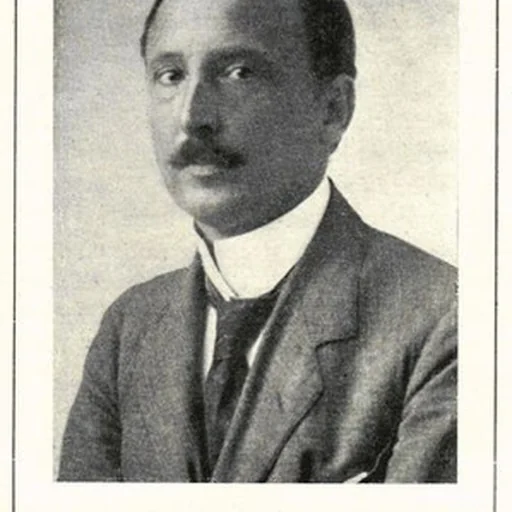
Artist
Karl Oscar Isakson (16 January 1878, in Stockholm – 19 February 1922) was a Swedish painter who spent much of his professional life in Denmark where he is considered to be one of the fathers of Modernism.