Artwork
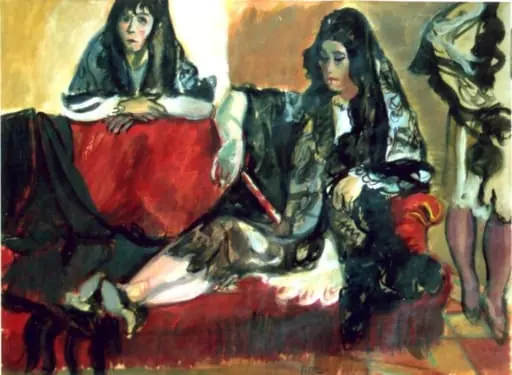
Două fete odalisce
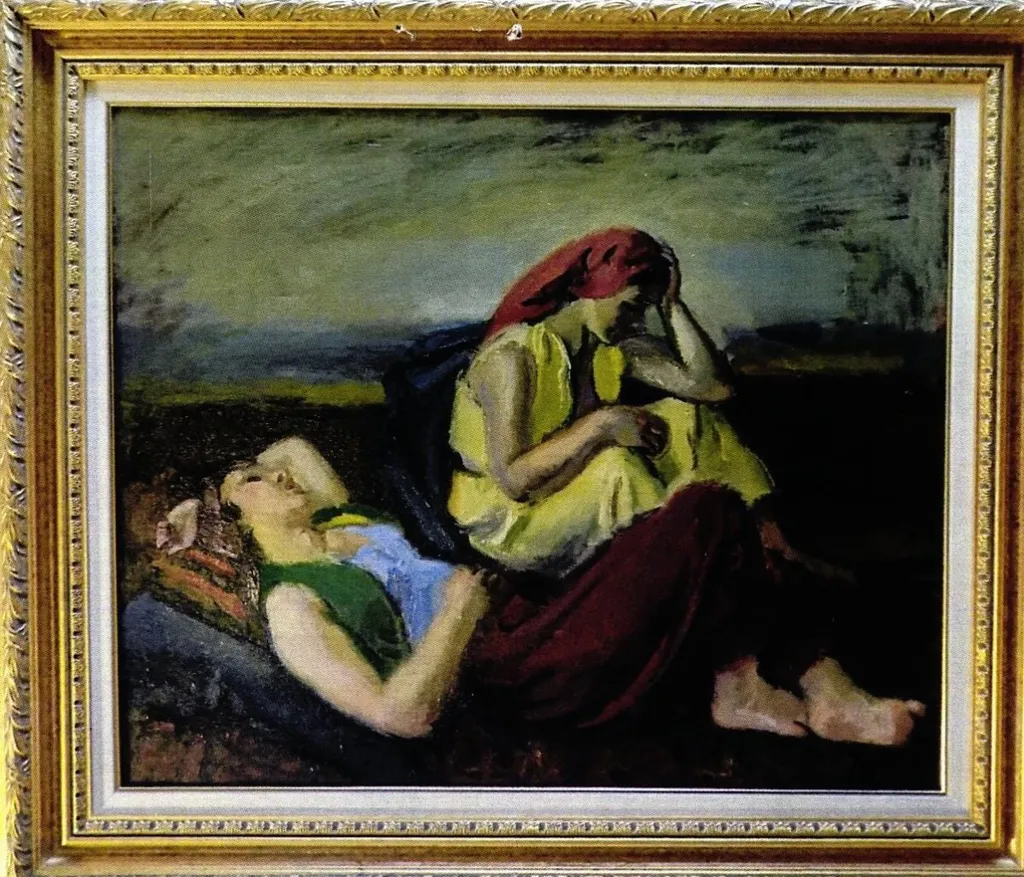
Două fete odalisce is a print by Iosif Iser. It dates from 1943 and is held in the collection of the Bucharest Municipality Museum.
About this work
Overview
Painted in 1943 by Iosif Iser, Două fete odalisce is an oil on canvas depicting two women in a quiet, intimate setting. The work resides in the Museum of Ethnography, where it is cataloged as part of a collection emphasizing cultural and domestic imagery. Iser’s approach blends observation with a lyrical sensibility, capturing a moment of stillness rather than narrative action.
Subject & Meaning
Their interaction suggests companionship rather than performance, subverting the exoticized odalisque trope common in 19th-century Orientalism.
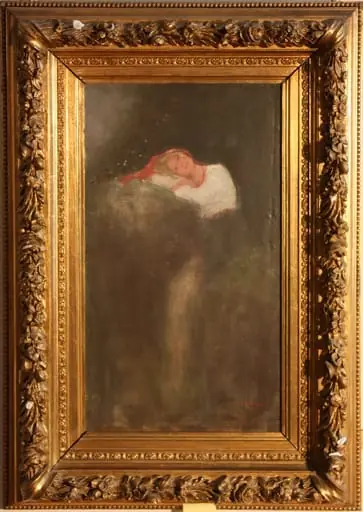
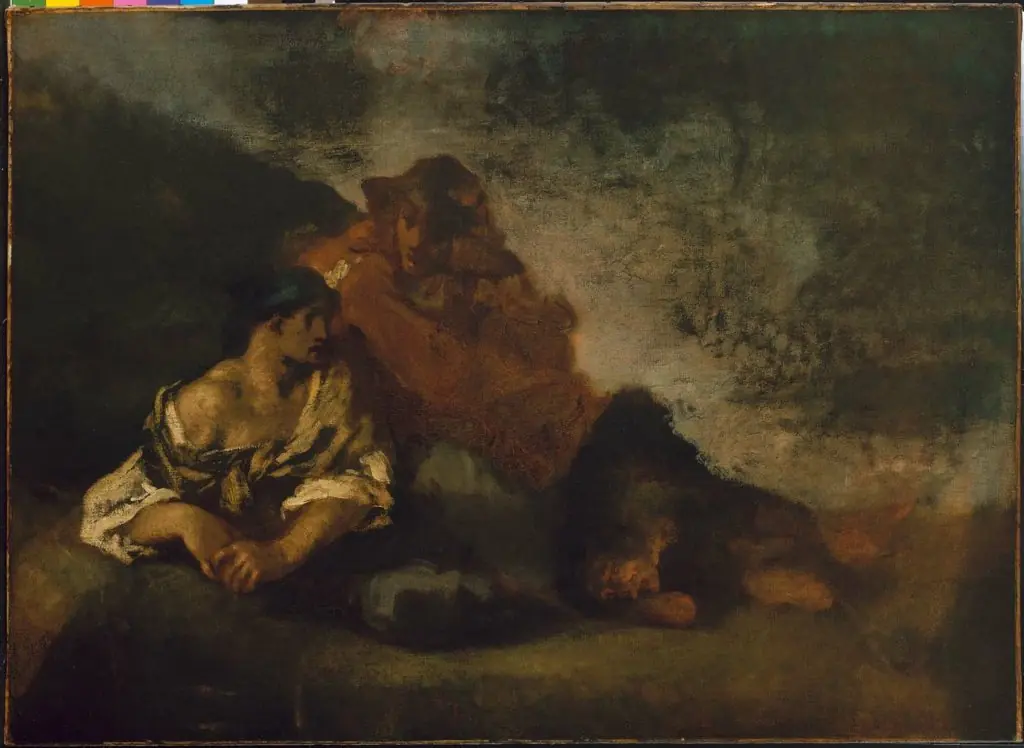
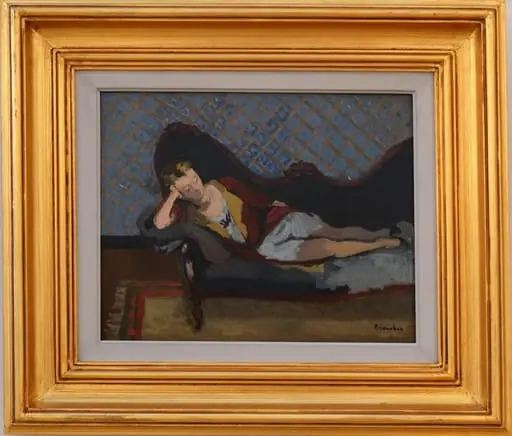
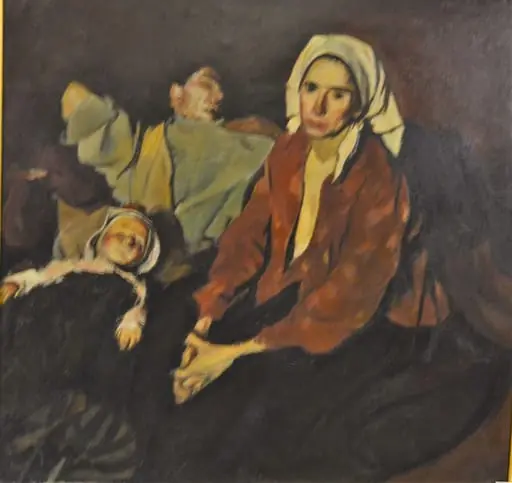
The two figures, dressed in loose garments, are shown reclining together in a private, unguarded posture. Their interaction suggests companionship rather than performance, subverting the exoticized odalisque trope common in 19th-century Orientalism. The absence of theatricality or narrative context shifts focus to the quiet dignity of everyday repose, grounding the scene in personal, rather than staged, intimacy.
Technique & Style
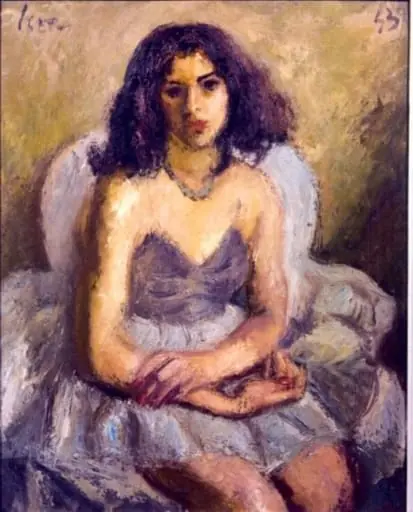
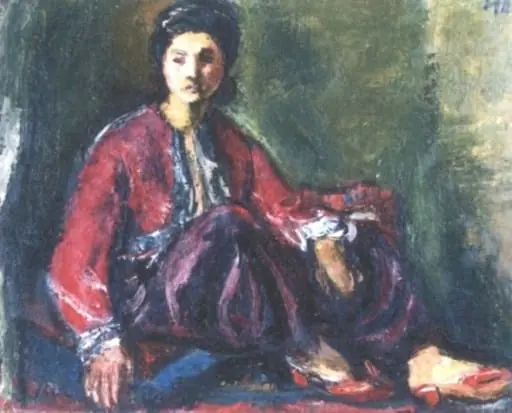
Iser employs visible, expressive brushwork to build form and texture, avoiding smooth finishes in favor of tactile immediacy. Warm earth tones dominate the figures’ clothing, contrasted subtly against a neutral, muted background. Color is used not for dramatic effect but to modulate light and volume, creating a soft, atmospheric depth that enhances the painting’s tranquil mood without relying on chiaroscuro or sharp definition.
History & Provenance
Completed during World War II, the painting was acquired by the Museum of Ethnography shortly after its creation. Its placement within an ethnographic institution, rather than a fine arts collection, reflects mid-20th-century curatorial interests in documenting domestic and regional life. There is no record of public exhibition prior to its institutional acquisition, suggesting it was not intended for commercial display.
Context
In the context of Romanian art during the 1940s, Iser’s work diverged from state-sanctioned realism, favoring introspective, quiet scenes. While Orientalist themes persisted in European art, Iser’s treatment avoids exoticism, instead portraying his subjects with psychological nuance. The painting aligns with broader post-impressionist tendencies in Eastern European modernism, emphasizing mood over spectacle.
Legacy
Două fete odalisce remains a quiet example of Iser’s mature style, appreciated for its restraint and emotional subtlety. Though not widely reproduced, it is cited in scholarly discussions of Romanian modernism for its departure from orientalist clichés. The work continues to be studied for its nuanced use of color and its reimagining of the female figure outside of conventional tropes.
Artist & collection