Artwork
Nud culcat
Nud culcat is a print by Iosif Iser. It dates from 1946 and is held in the collection of the National Museum of Art of Romania.
About this work
Overview
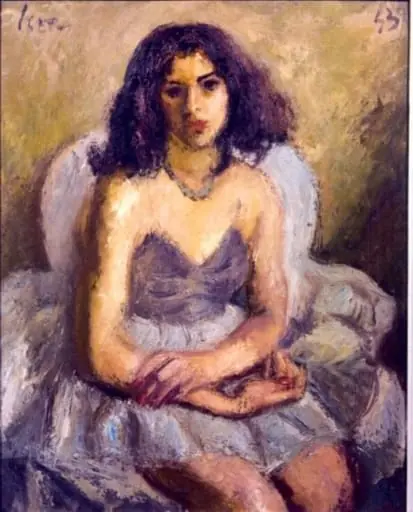
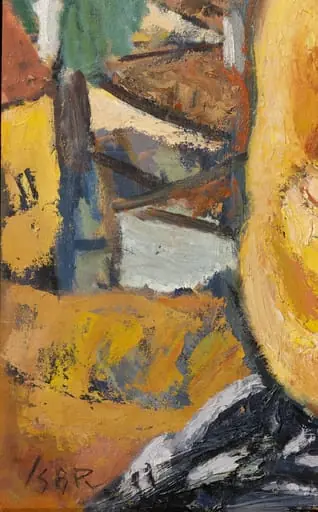
Nud culcat, painted in 1946 by Iosif Iser, is a figurative work depicting a reclining nude. The composition centers on a single human form, rendered with deliberate simplicity and quiet dignity. The figure occupies the foreground, while the background remains subdued, allowing the body to emerge as the sole focus of visual attention.
Subject & Meaning
The subject is a solitary nude in a state of repose, suggesting introspection or rest rather than narrative or theatricality. The tilted head and curved posture convey physical ease, avoiding idealization or eroticism. The painting’s calmness arises from its restraint, presenting the body as a natural, unadorned presence rather than a symbol or spectacle.
Technique & Style
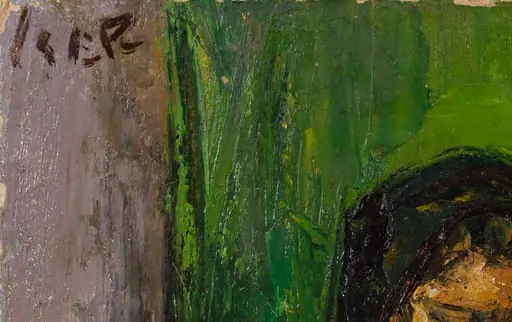
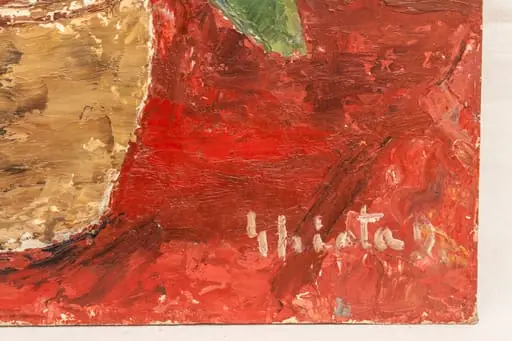
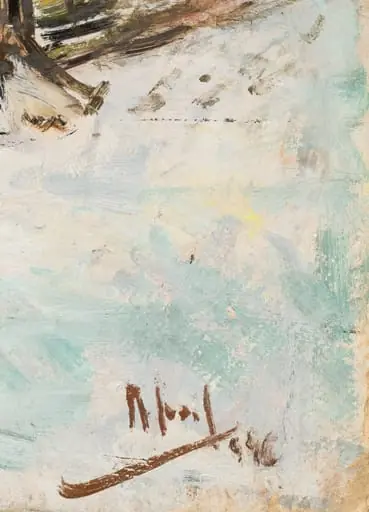
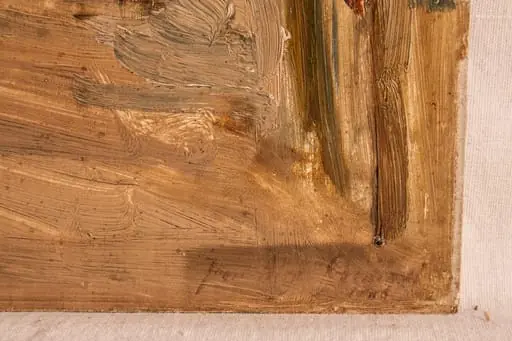
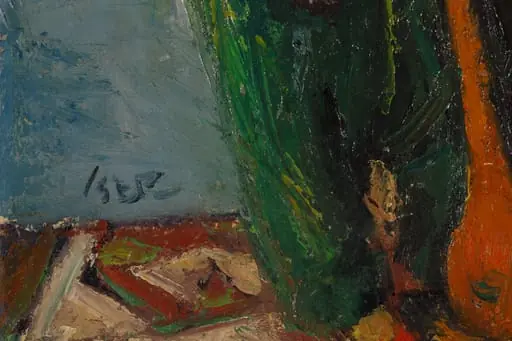
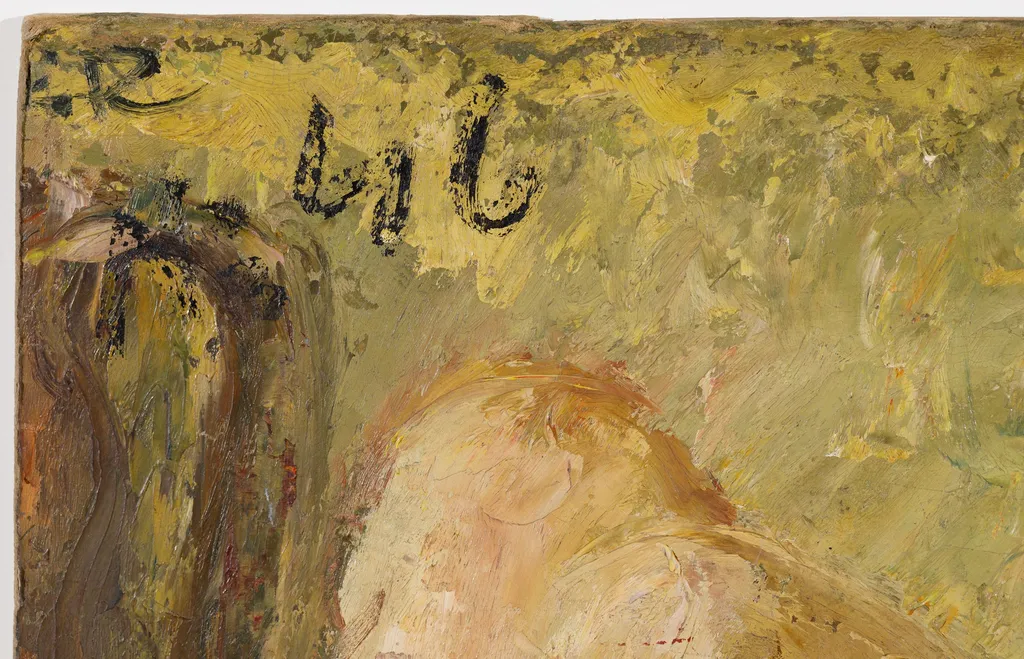
Iser employs visible, expressive brushwork to model the figure’s form, creating subtle shifts in tone and texture. Colors are muted but carefully modulated to suggest volume and spatial depth without strong contrasts. The surface retains a tactile quality, with paint applied in a manner that emphasizes process over polish, reinforcing the work’s intimate, unpretentious character.
History & Provenance
The work’s survival and recognition suggest its resonance within Romanian modernist circles, though detailed provenance remains limited in public records.
Created in the immediate postwar period in Romania, the painting reflects a moment of cultural recalibration. Iser, known for his figurative work during a time of political pressure, chose a quiet, personal subject amid broader societal upheaval. The work’s survival and recognition suggest its resonance within Romanian modernist circles, though detailed provenance remains limited in public records.
Context
In mid-1940s Romania, artistic expression faced increasing state control, yet some painters continued to explore human form with psychological nuance. Iser’s Nud culcat aligns with a quieter strand of modernism that prioritized introspection over ideology. Its focus on the solitary body contrasts with the monumental or propagandistic art promoted by authorities at the time.
Legacy
The painting endures as an example of Iser’s commitment to figurative realism tempered by emotional restraint. While not widely exhibited internationally, it holds significance within Romanian art history as a quiet assertion of individual expression during a repressive era. Its influence is seen in later generations who valued subtlety over spectacle in depicting the human form.
Artist & collection