Artwork
Undergrowth
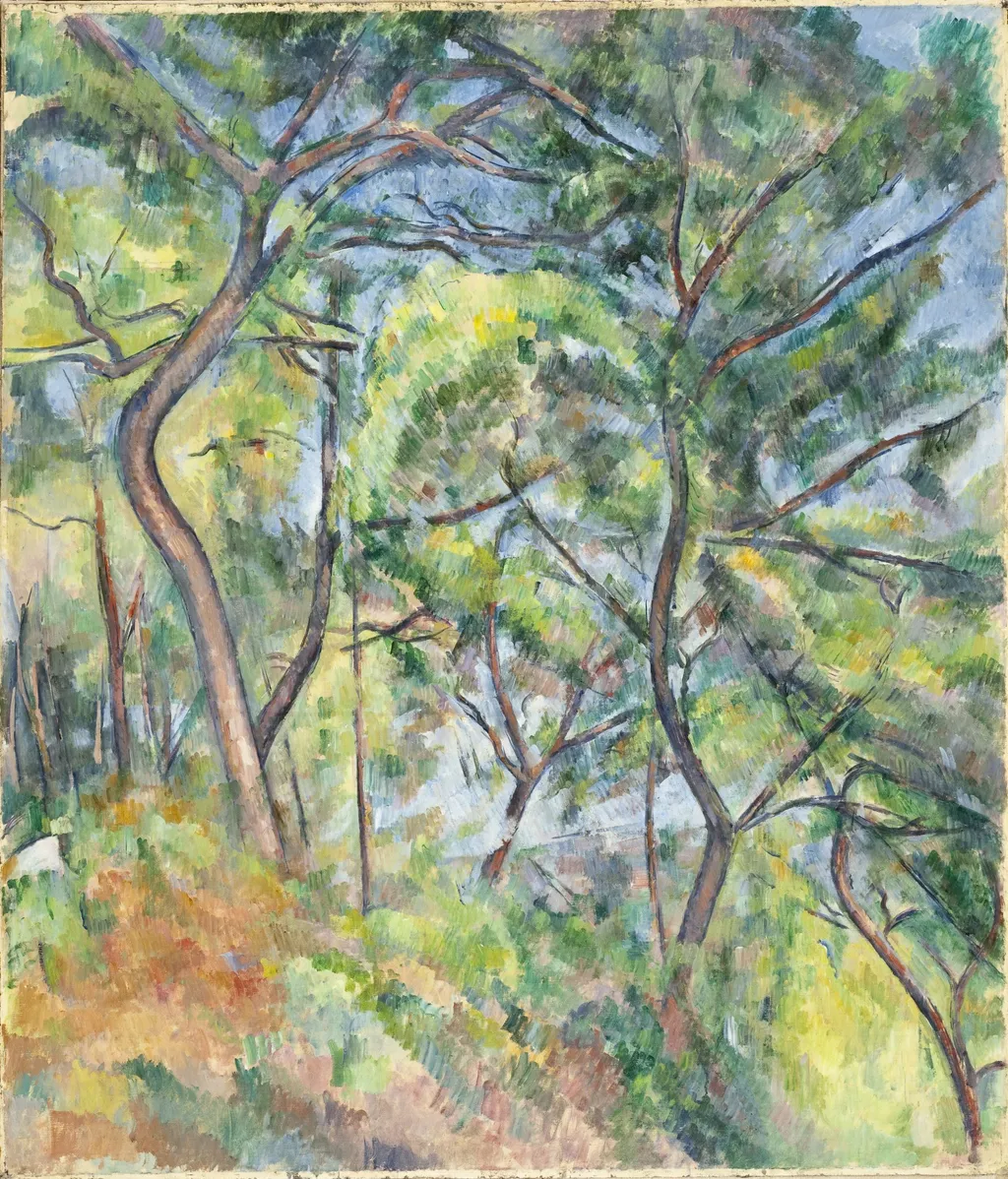
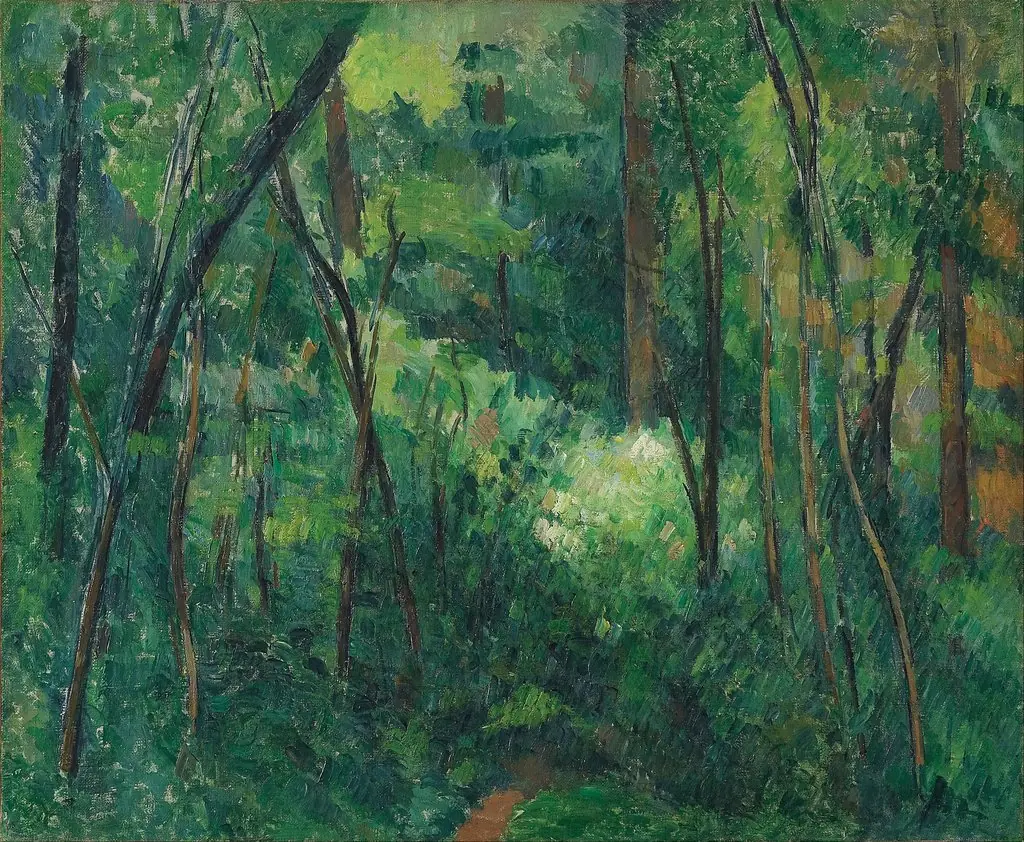
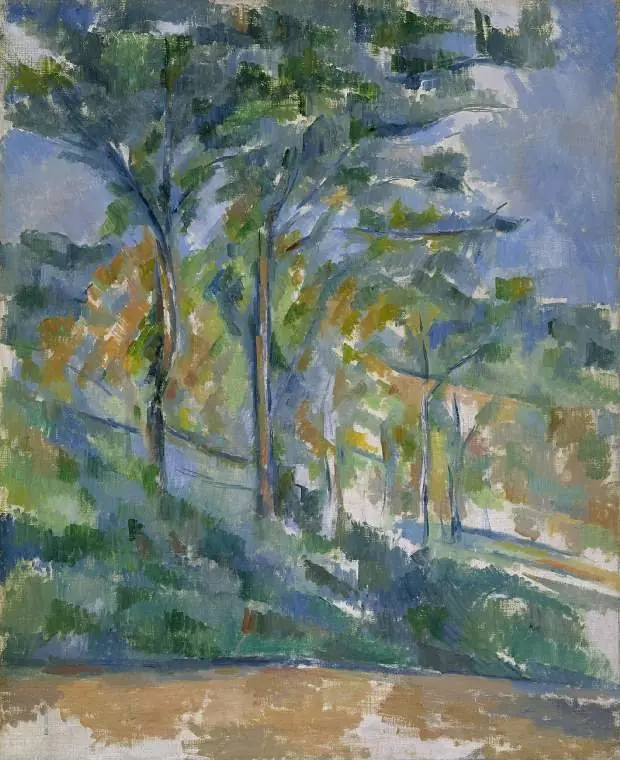
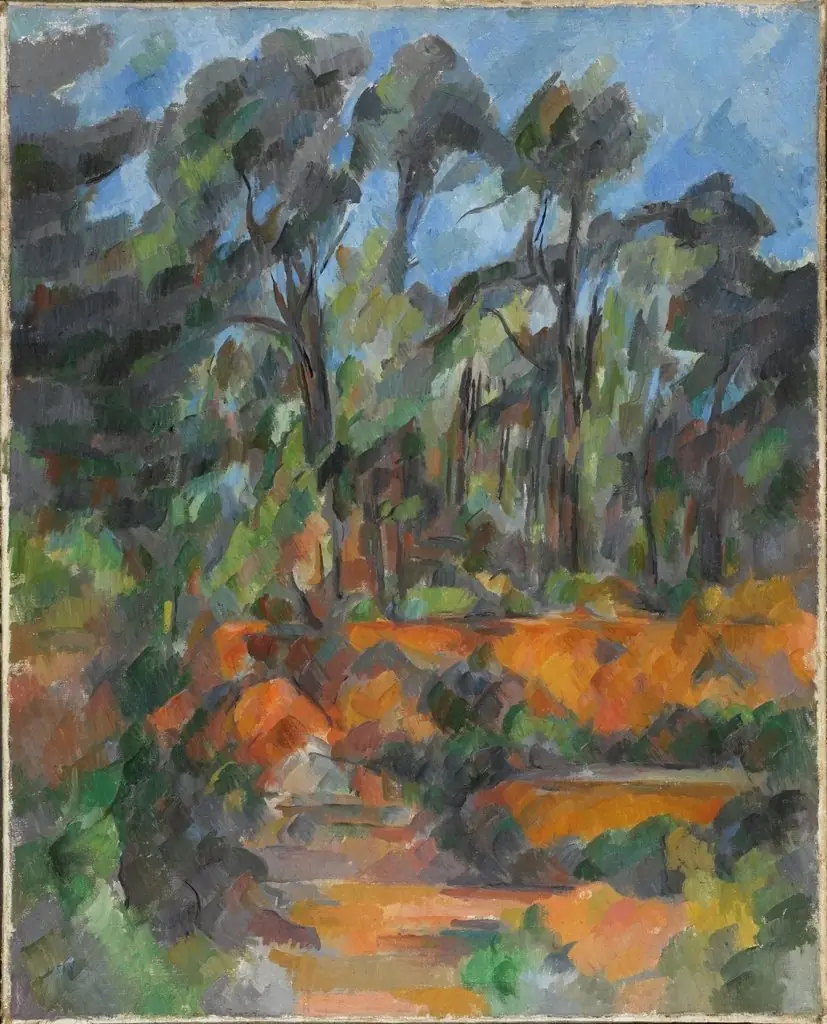
Undergrowth is an oil painting by the Post-Impressionist artist Paul Cezanne. It dates from 1897 and is held in the collection of the Los Angeles County Museum of Art.
About this work
Overview
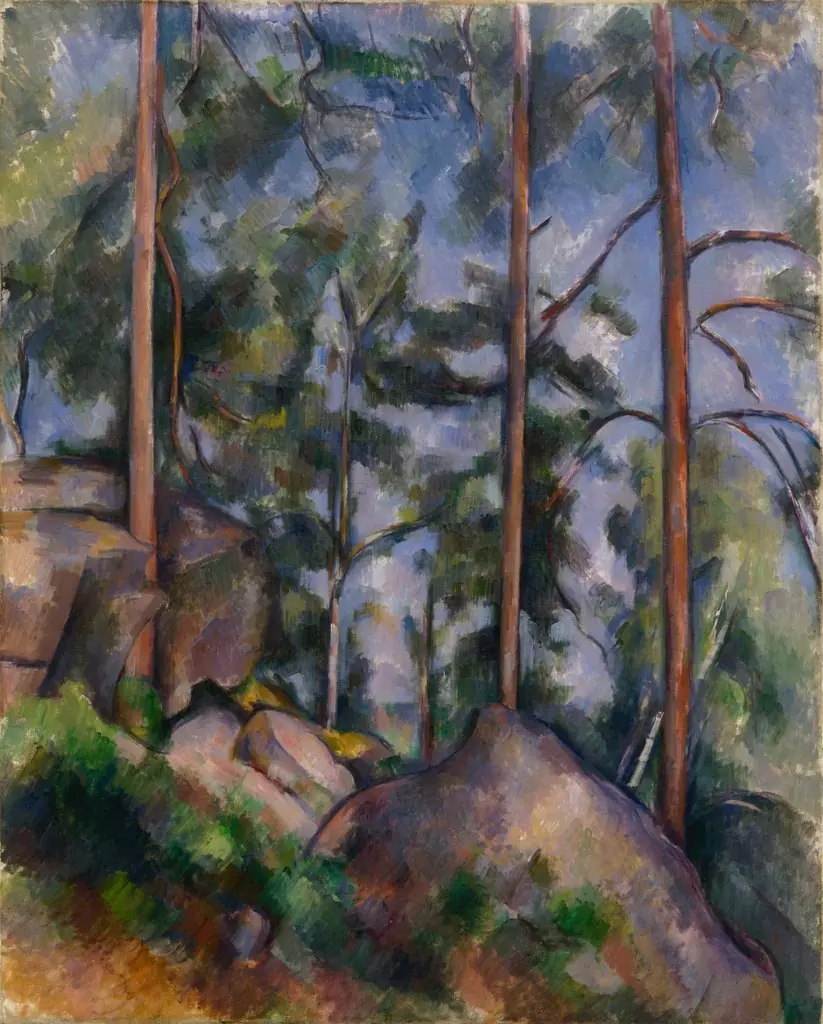
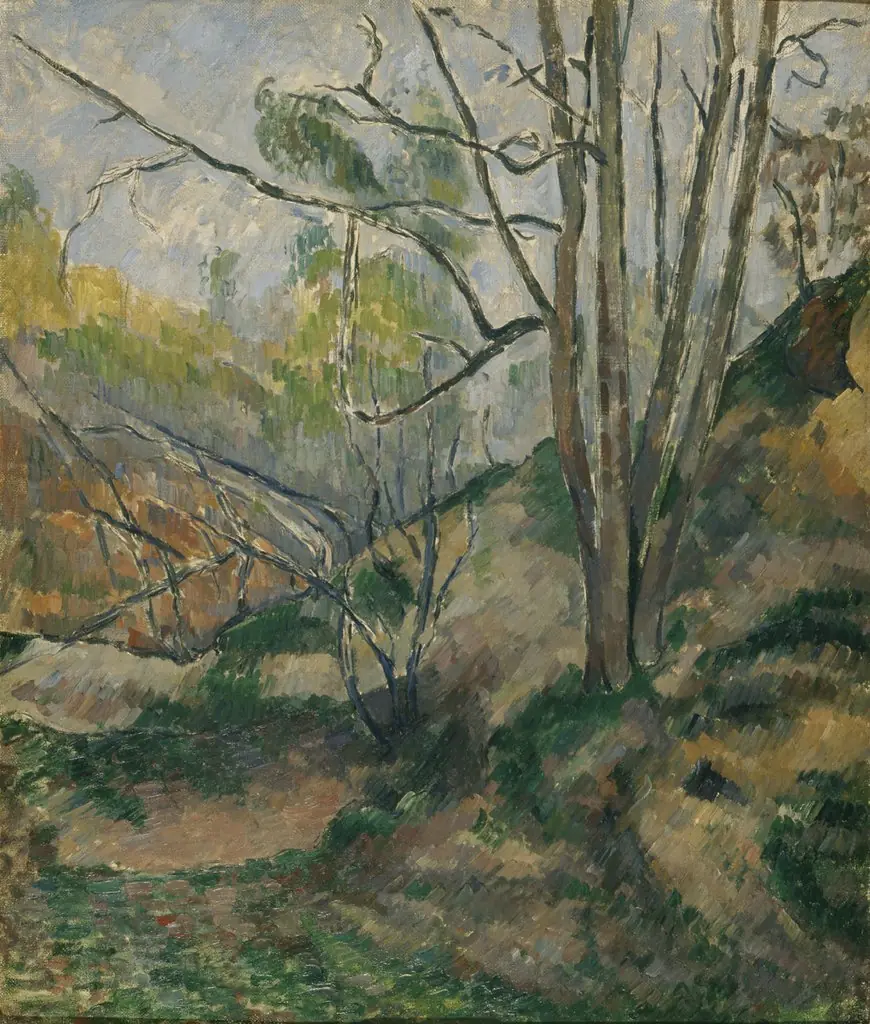
Painted in 1897, *Undergrowth* is an oil-on-canvas landscape by Paul Cézanne that captures a dense woodland scene.
Painted in 1897, *Undergrowth* is an oil-on-canvas landscape by Paul Cézanne that captures a dense woodland scene. The work exemplifies his late-period focus on natural forms through structured brushwork and layered color. Rather than depicting a single focal point, Cézanne emphasizes the interplay of foliage and light across the surface, creating a sense of immersive depth without traditional perspective.
Subject & Meaning
The painting presents a thicket of trees and underbrush, rendered without clear boundaries between ground, trunk, and canopy. There is no human presence or narrative; the subject is the forest itself as a living, breathing structure. Cézanne treats vegetation as a system of forms and tones, inviting contemplation of nature’s underlying geometry rather than its picturesque qualities.
Technique & Style
Cézanne applied oil paint with deliberate, varied strokes—some broad and flat, others short and directional—to build texture and volume. Colors shift subtly between greens, ochres, and browns, with foreground elements more saturated and textured than the hazy background. This method avoids smooth blending, instead using discrete brushmarks to suggest spatial relationships through color and form rather than linear perspective.
History & Provenance
Created during Cézanne’s final years in Aix-en-Provence, *Undergrowth* belongs to a series of forest studies he made near his home. It entered the collection of the Los Angeles County Museum of Art in the 20th century, following earlier ownership by private collectors in Europe. Its journey reflects growing recognition of Cézanne’s influence beyond his lifetime, particularly among modernist artists and institutions.
Context
In the late 1890s, Cézanne distanced himself from Impressionist spontaneity, seeking a more enduring structure in landscape painting. *Undergrowth* reflects his effort to reconcile observed reality with compositional order—a pursuit that would later inform Cubist approaches to form. His contemporaries, including Picasso and Braque, would later cite such works as foundational to their own innovations.
Legacy
The painting stands as a quiet but pivotal example of Cézanne’s transition from observation to abstraction. Its emphasis on surface modulation and fragmented space anticipated 20th-century developments in modern art. While not widely exhibited, it remains a key reference in studies of how perception and structure intersect in post-Impressionist painting.
Artist & collection
Artist
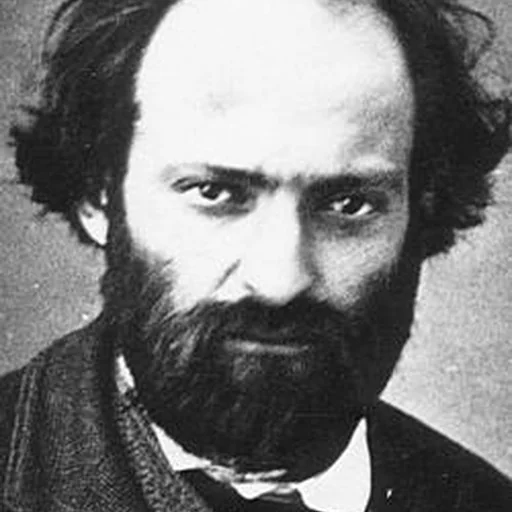
Paul Cézanne was born on January 19, 1839, in Aix-en-Provence, the son of a hatter turned wealthy banker.

 Harlequin
 The Card Players
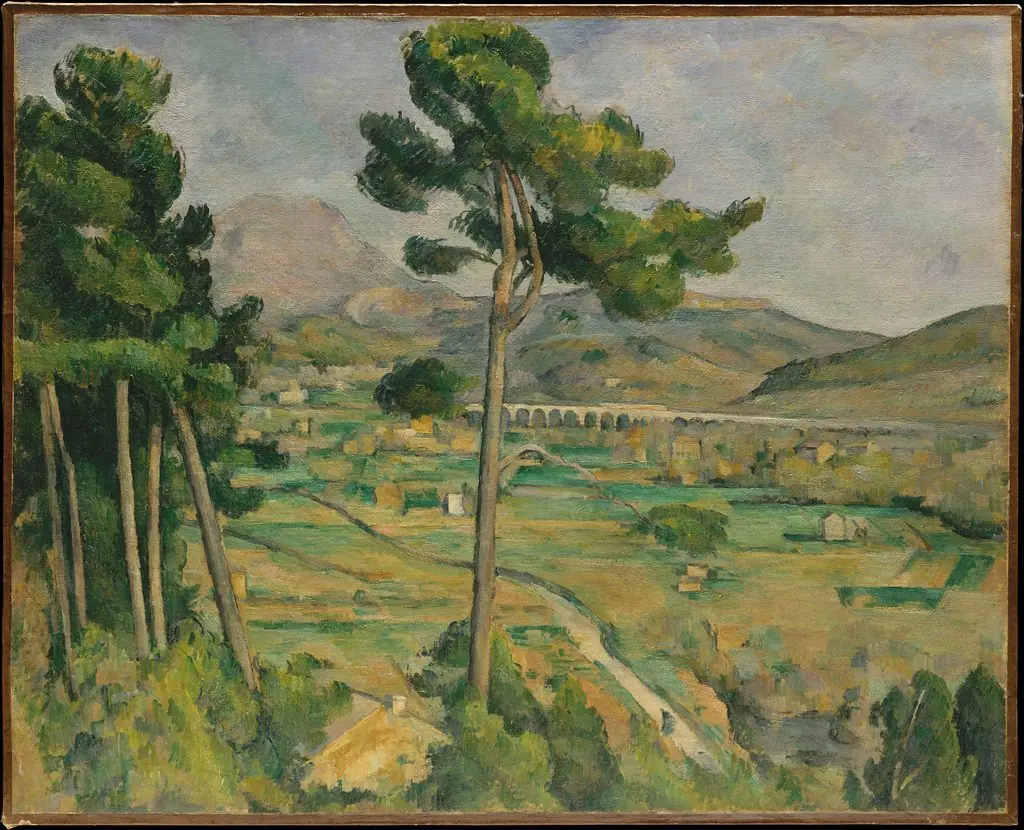 Mont Sainte-Victoire and the Viaduct of the Arc River Valley
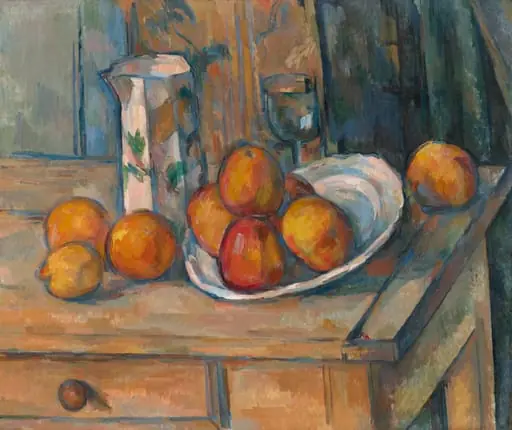 Still Life with Milk Jug and Fruit
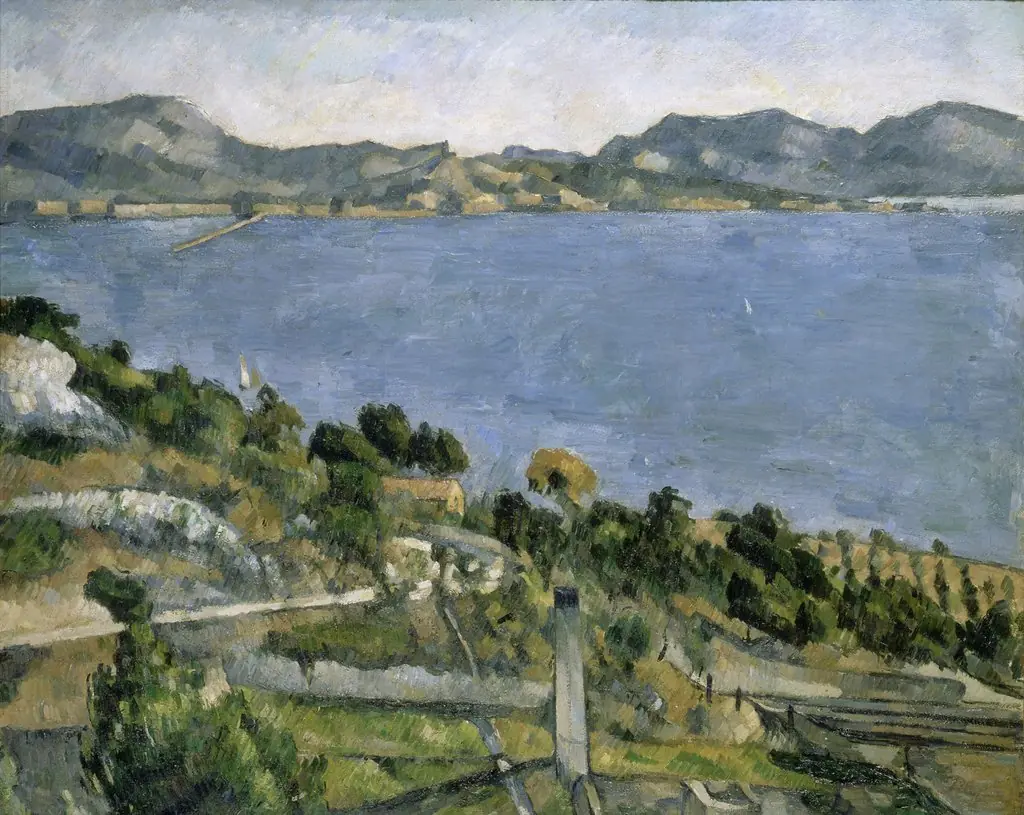 Le Golfe de Marseille vu de l'Estaque (The Gulf of Marseille Seen from L'Estaque)
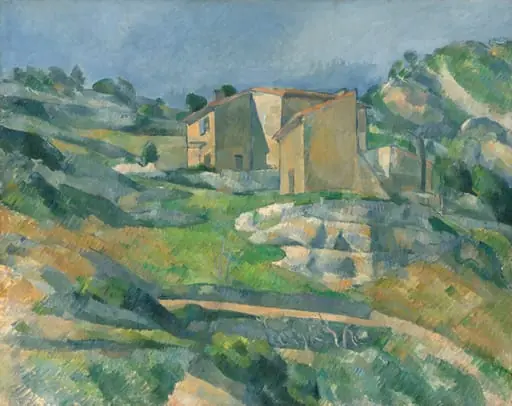 Houses in Provence: The Riaux Valley near L'Estaque
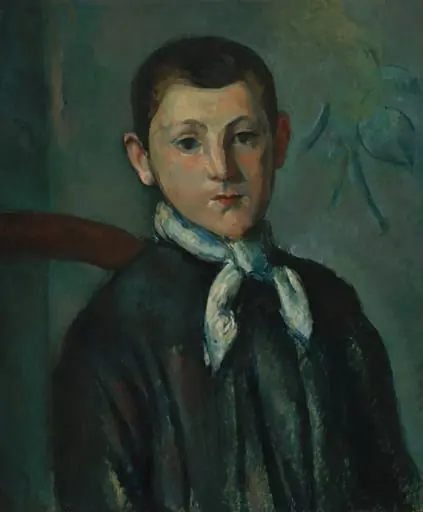 Louis Guillaume
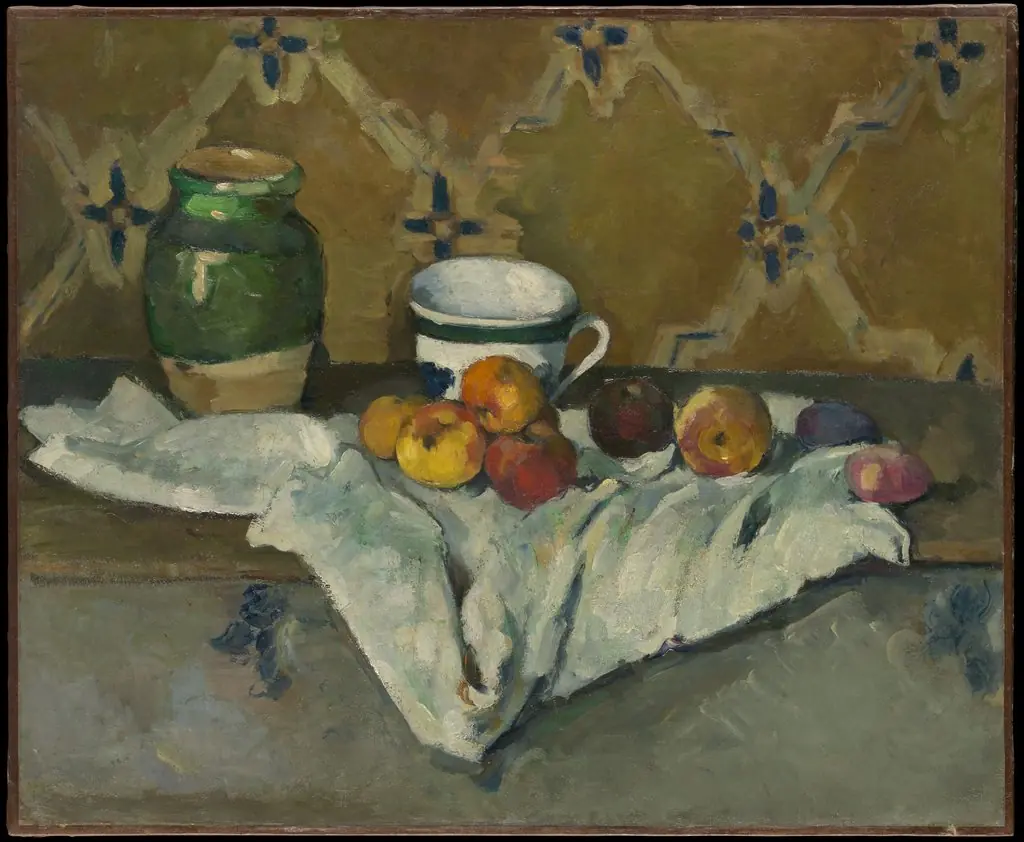 Still Life with Jar, Cup, and Apples