Artwork
Tătăroaică
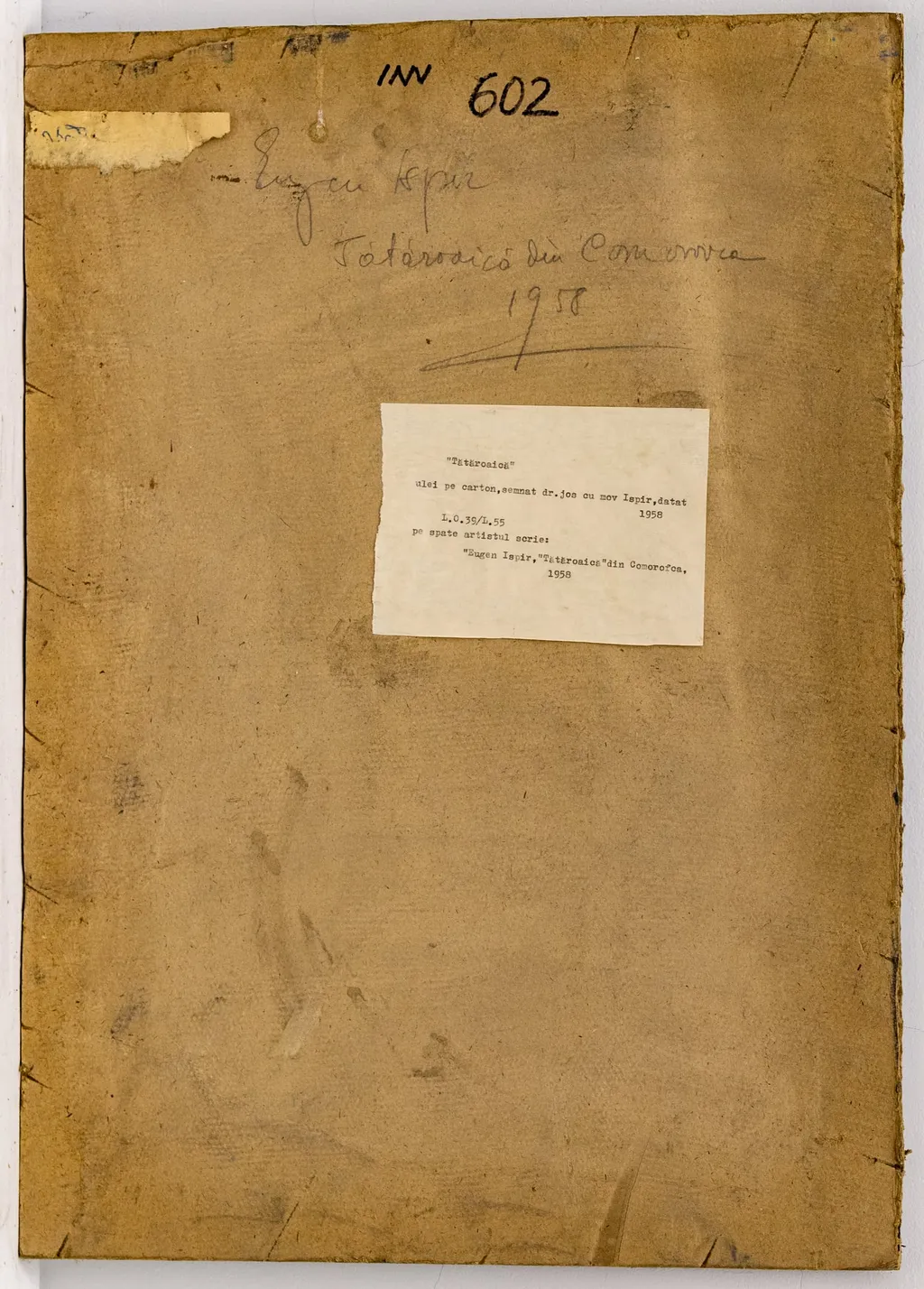
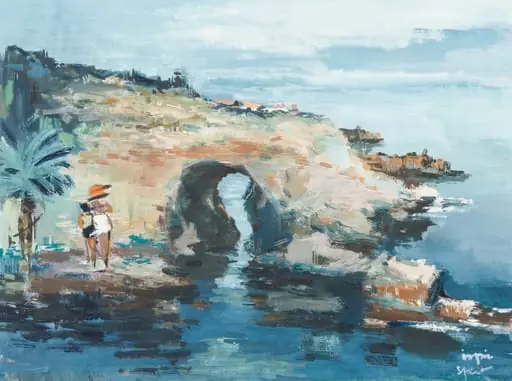
Tătăroaică is a print by Eugen Ispir. It is held in the collection of the Gavrila Simion Eco-Museum Research Institute Tulcea. A fragile, aged print on yellowed paper, this work bears signs of prolonged storage and handling.
About this work
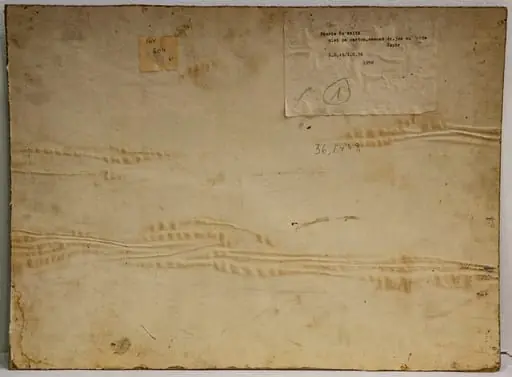
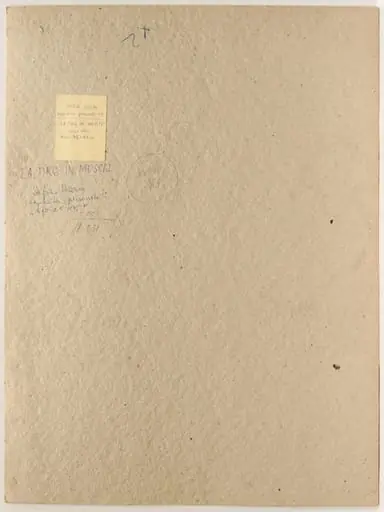
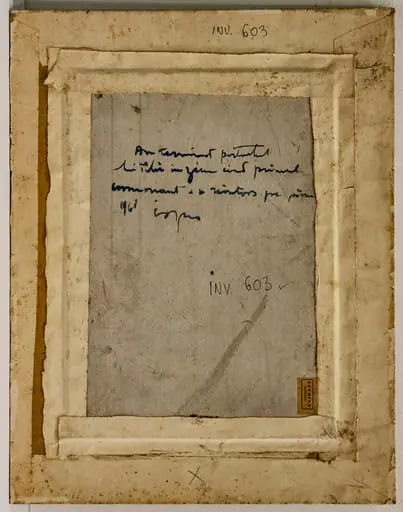
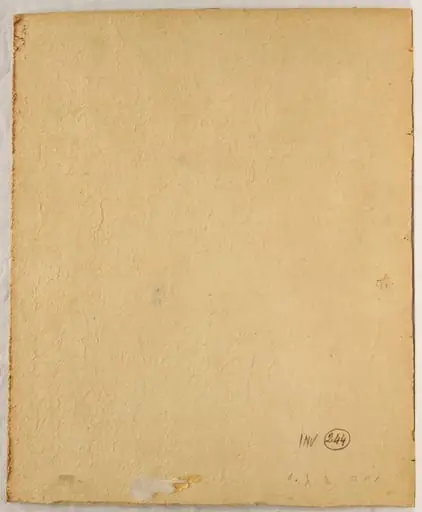
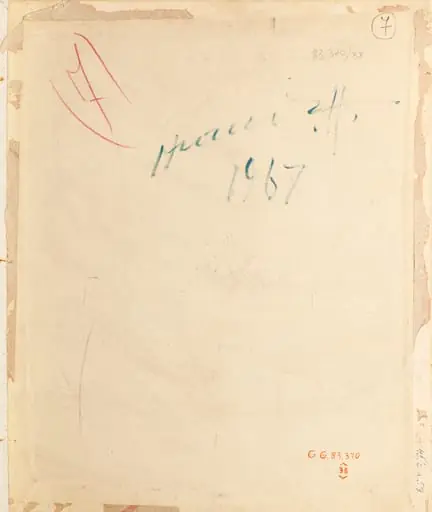
In the top right corner, there’s handwritten text in Romanian, including the number "602" and the year "1958.
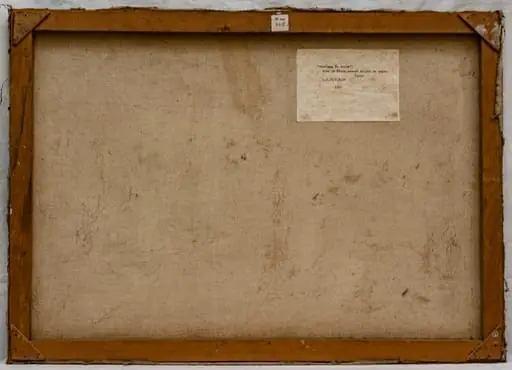
This is a faded, worn print on yellowed paper. The surface looks rough, with some dark smudges and stains. In the top right corner, there’s handwritten text in Romanian, including the number "602" and the year "1958." A small white label is taped near the center, with more writing in Romanian.
The print itself is barely visible, but the label mentions the title *Tătăroaică*. The paper feels old and fragile, like it’s been stored for a long time.
If you’re curious about where this might live, check out the Museum of Ethnography.
Overview
A fragile, aged print on yellowed paper, this work bears signs of prolonged storage and handling. Faded imagery, dark smudges, and surface wear obscure its original detail. Handwritten annotations in Romanian appear in the top right, including the number 602 and the year 1958. A small adhesive label near the center identifies the title as *Tătăroaică*, suggesting it was cataloged or displayed in a collection, likely at the Museum of Ethnography.
Subject & Meaning
The title *Tătăroaică* refers to a woman of Tatar descent, pointing to ethnic identity in Romania’s multicultural landscape. The image, though barely legible, likely depicted a figure in traditional dress or daily life, reflecting ethnographic documentation practices of the mid-20th century. Its obscurity suggests it was not intended as fine art but as a record of cultural detail, preserved for study rather than display.
Technique & Style
The print appears to be a low-contrast photographic or lithographic reproduction, rendered on thin, acidic paper prone to deterioration. The lack of sharp detail and the presence of stains indicate mass production and long-term exposure to environmental factors. The style is utilitarian, prioritizing documentation over aesthetic refinement, consistent with ethnographic archives of the period.
History & Provenance
The handwritten date of 1958 and the catalog number suggest this item was part of a systematic collection effort during Romania’s communist era, when ethnographic research was state-supported. The adhesive label implies later cataloging or reorganization. Its condition reflects decades of storage in non-ideal conditions, likely within an institutional archive before being recognized for its historical value.
Context
In the late 1950s, Romanian institutions documented rural and minority communities as part of national cultural preservation efforts. Images like this were often collected to illustrate regional diversity, though many were never publicly exhibited. This print belongs to a broader archive of visual ethnography, where accuracy was secondary to classification, and materials were chosen for cost and availability over durability.
Legacy
Though visually diminished, the print survives as a material trace of mid-century ethnographic practice. Its fragility underscores the impermanence of such records and the risks faced by non-art objects in institutional storage. It now serves as evidence of how cultural identities were observed, categorized, and preserved during a period of state-led anthropology.
Artist & collection
Artist
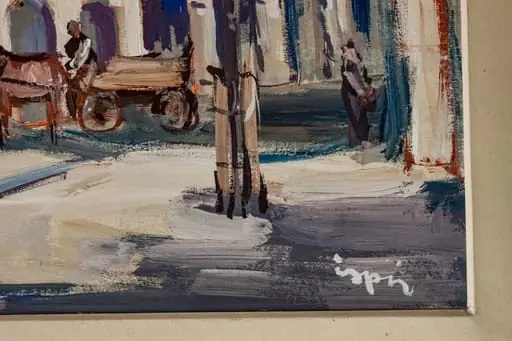
Eugen Ispir painted quiet scenes of places: orchards, riverbanks, Paris streets, and Split’s harbor.
Museum
Gavrila Simion Eco-Museum Research Institute Tulcea
Continue through works from the same source collection.