Artwork
Palazzo Alberini
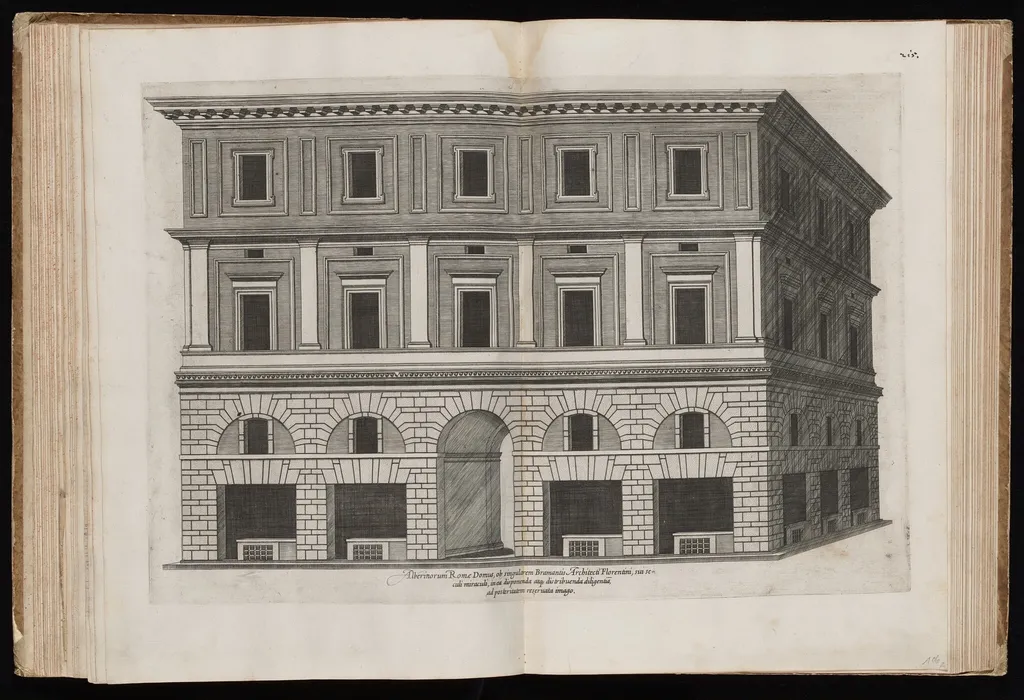
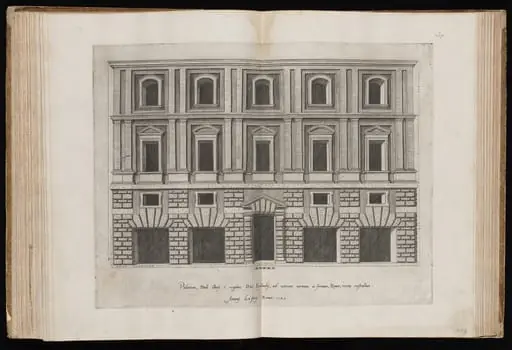
Palazzo Alberini is an ink print by the Renaissance artist Italian 16th Century. It dates from 1550 and is held in the collection of the National Gallery of Art.
About this work
Overview
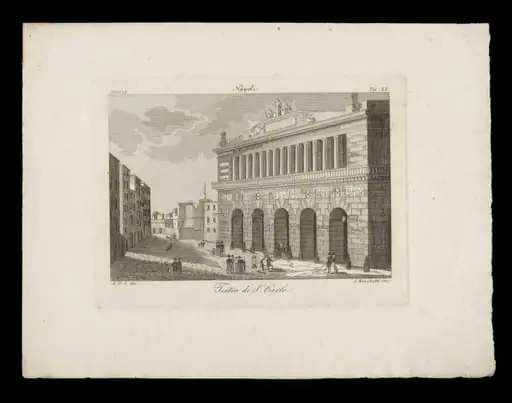
Palazzo Alberini is an early‑to‑mid‑16th‑century Italian print that presents a half‑elevation of the Palazzo Alberi‑ni‑Cicciaporci. Executed in engraving, the image captures the façade’s architectural details—columns, windows and ornamental stonework—through a network of fine lines that suggest depth and illumination.
Subject & Meaning
The work serves as a visual record of a prominent Roman palace, emphasizing its structural rhythm and decorative program. By focusing on the front half of the building, the print highlights the balance between classical orders and the ornamental carving that characterized aristocratic residences of the period.
Technique & Style
Created from a metal plate, the engraving employs cross‑hatching and delicate line work to model light and shadow across the stone surfaces. The precision of the incised lines conveys texture, while the controlled tonal variations reflect the artist’s mastery of the medium’s capacity for fine detail.
History & Provenance
The print is attributed to an anonymous French engraver active in Italy during the 1500s. Though the creator’s identity remains unknown, the image contributes to the documentary tradition of architectural prints that circulated among patrons and scholars, preserving the appearance of the Palazzo before later alterations.
Artist & collection

Artist
A 16th-century Italian sculptor left us small bronze works in dark brown and gold.




![Forma Partis Templi Divi Petri [Exterior Section of Saint Peter's Basilica], by Italian 16th Century](https://artifactworldgallery.com/img/italian-16th-century--forma-partis-templi-divi-petri-exterior-section-of-saint-pet--37837cc262581d9e-w320.webp)