Artwork
Trajan's Column
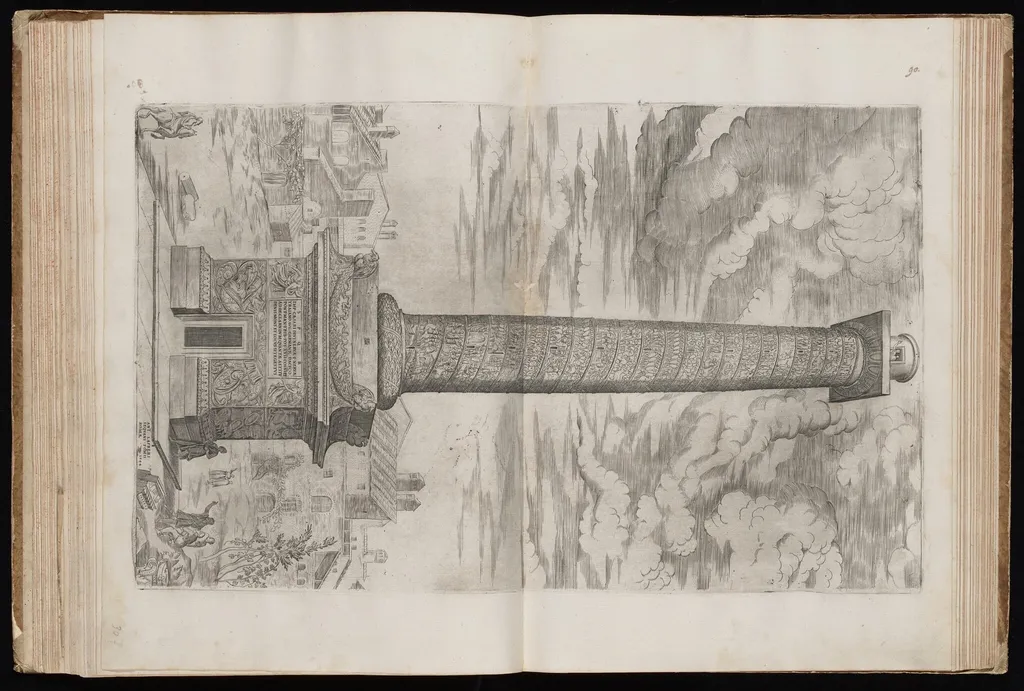
Trajan's Column is an ink print by the Renaissance artist Italian 16th Century. It dates from 1544 and is held in the collection of the National Gallery of Art.
About this work
Here’s the plain-language rewrite: This engraving shows Trajan’s Column in Rome.
Here’s the plain-language rewrite:
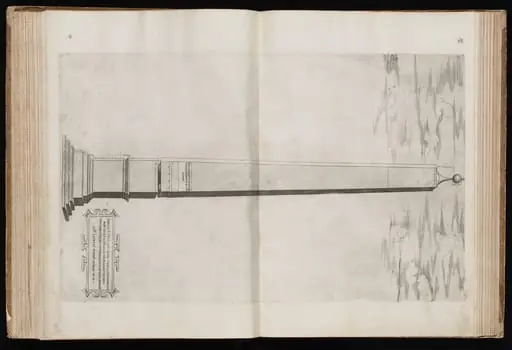
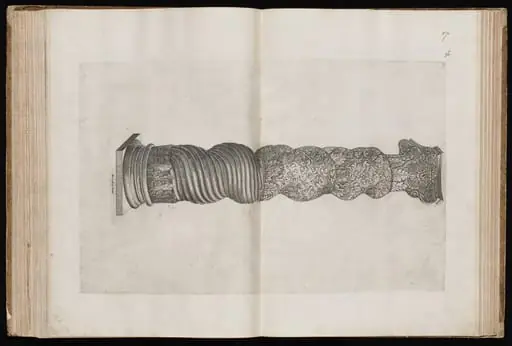
This engraving shows Trajan’s Column in Rome. The tall stone pillar is wrapped in a spiral of carved scenes. Soldiers march. Buildings rise. The details are crisp.
Etchings like this were early “travel photos.” They let people see Rome without leaving home. This one’s from a 1594 series called *Views of Rome*.
If you like clear, detailed prints, check out Albrecht Dürer’s engravings.
Overview
This 16th-century engraving by Antonio Lafreri depicts Trajan's Column, a Roman monument in Rome.
Subject & Meaning
The engraving shows the column's spiral carvings, depicting scenes from Emperor Trajan's Dacian Wars victories, with soldiers and buildings rendered in detail.
Technique & Style
The crisp details in the engraving reflect the precision of Lafreri's work, characteristic of the printmaking techniques of the time.
Context
As part of the 'Views of Rome' series from 1594, this engraving served as a visual representation of Rome, allowing viewers to experience the city remotely.
Legacy
Lafreri's work is comparable to that of other notable engravers, such as Albrecht Dürer, known for their clear and detailed prints.
Artist & collection

Artist
A 16th-century Italian sculptor left us small bronze works in dark brown and gold.