Artwork
Annibale Carracci
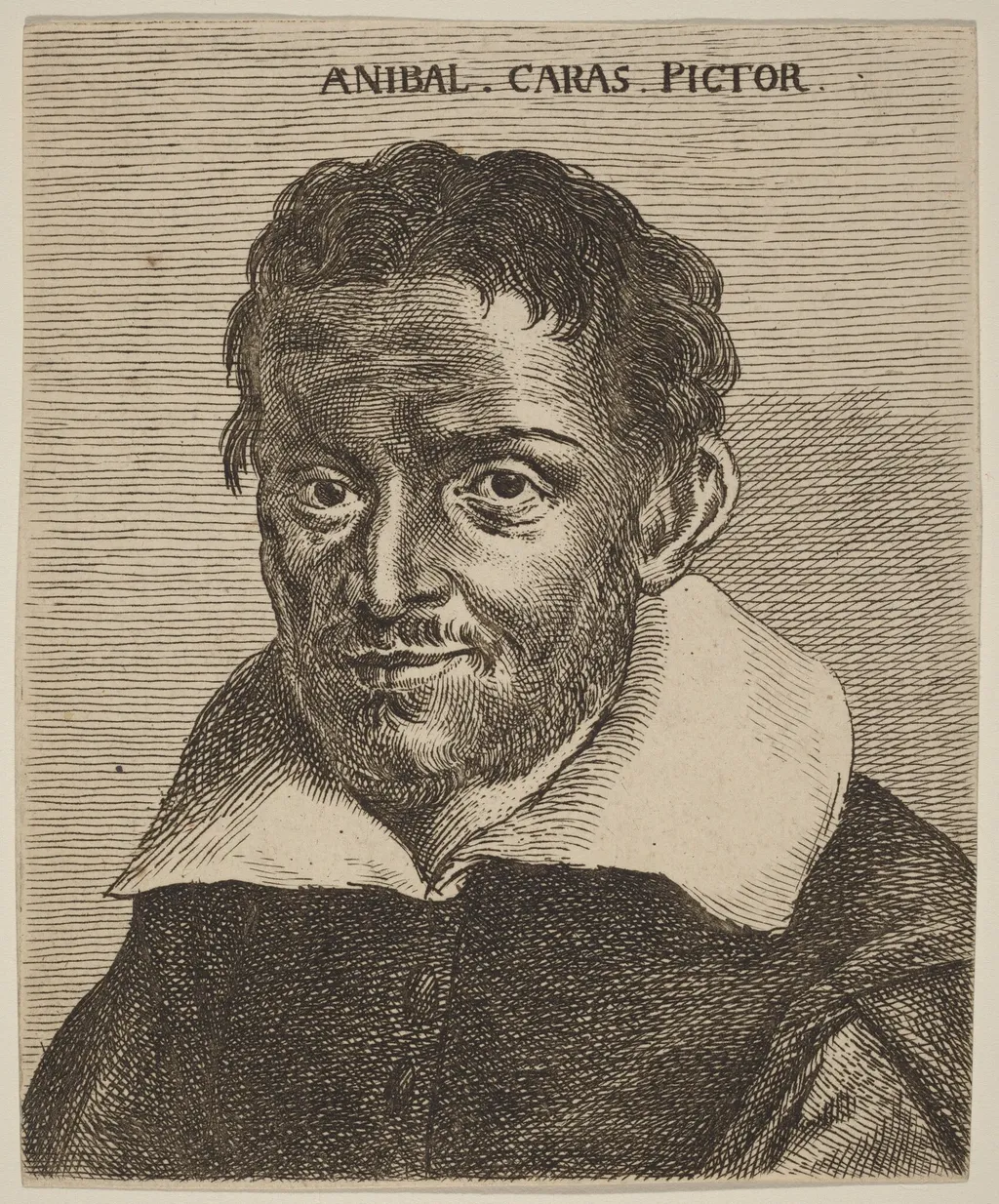
Annibale Carracci is an ink print by the Baroque artist Italian 18th Century. It dates from 1750 and is held in the collection of the National Gallery of Art. Annibere Carracci’s self‑portrait exists as a black‑and‑white print executed on laid paper.
About this work
Overview
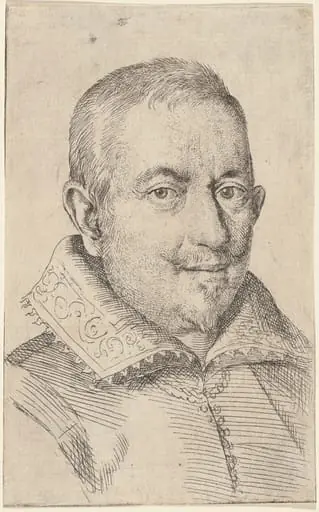
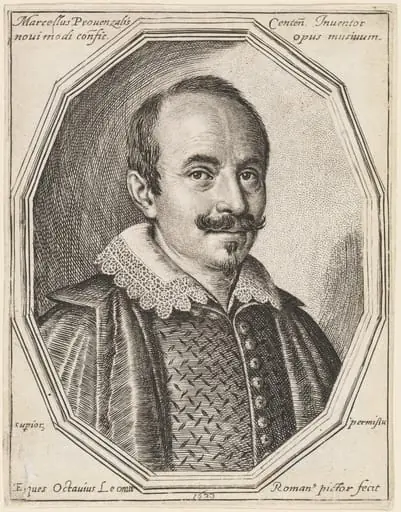
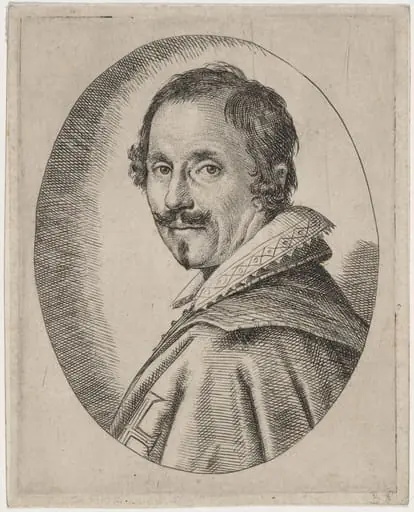
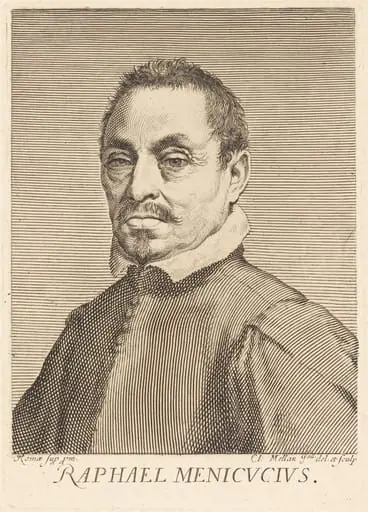
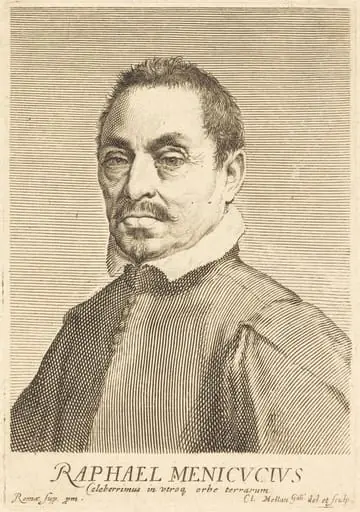
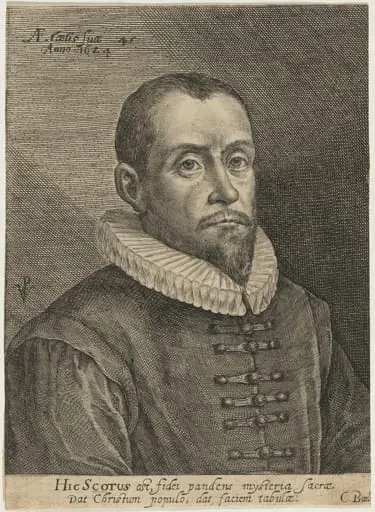
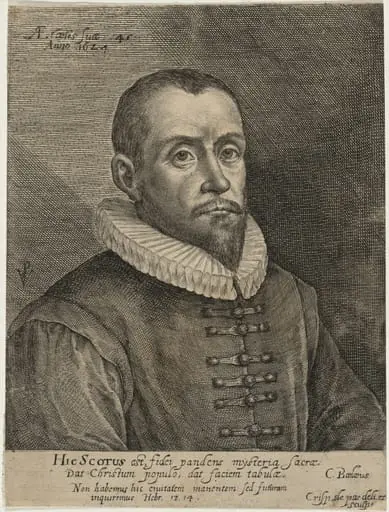
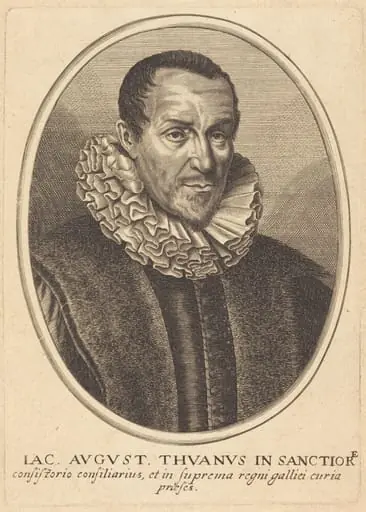
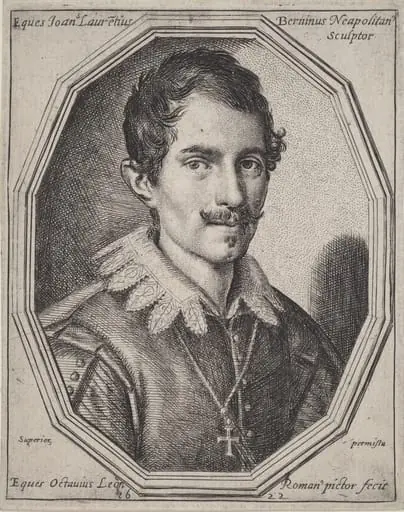
Annibere Carracci’s self‑portrait exists as a black‑and‑white print executed on laid paper. The image presents a mature figure with a full beard, curly hair, and a ruffled collar, set against an unadorned background. The artist’s name appears above the head in capital letters, reading “ANIBAL. CARAS. PICTOR.”
Subject & Meaning
The work functions as a personal likeness, likely intended to affirm Carracci’s identity and professional status. By depicting himself with a dignified beard and formal attire, the portrait conveys the stature of a seasoned painter, while the plain backdrop focuses attention on the sitter’s facial features and expression.
Technique & Style
The image combines etching with engraving, employing fine, incised lines that produce a textured, almost scratched surface. This hybrid approach was common for detailed portraiture in the early eighteenth century, allowing the artist to render subtle tonal variations and crisp lettering within a single print.
History & Provenance
The print is catalogued as a work on laid paper, a material typical of the period’s printmaking. Though specific ownership records are sparse, the presence of the artist’s name in the inscription suggests it was produced for distribution among patrons or fellow artists during Carracci’s lifetime.
Context
During the late seventeenth and early eighteenth centuries, self‑portrait prints served both as personal branding and as instructional models for apprentices. Carracci’s use of the etching‑engraving hybrid aligns with contemporary practices that emphasized precision and reproducibility in portraiture.
Legacy
While not as widely reproduced as later prints, this portrait exemplifies Carracci’s skill in integrating line work and textual elements. It offers scholars a clear visual reference for the artist’s appearance and contributes to the broader understanding of print culture in his era.
Artist & collection

Artist
This Italian artist carved bronze figures in the 18th century, blending myth and motion in metal.

![Design for a Wall of a Music Room [recto], by Italian 18th Century](https://artifactworldgallery.com/img/italian-18th-century--design-for-a-wall-of-a-music-room-recto--1582534309a804bd-w320.webp)