Artwork
Raffaello Menicucci
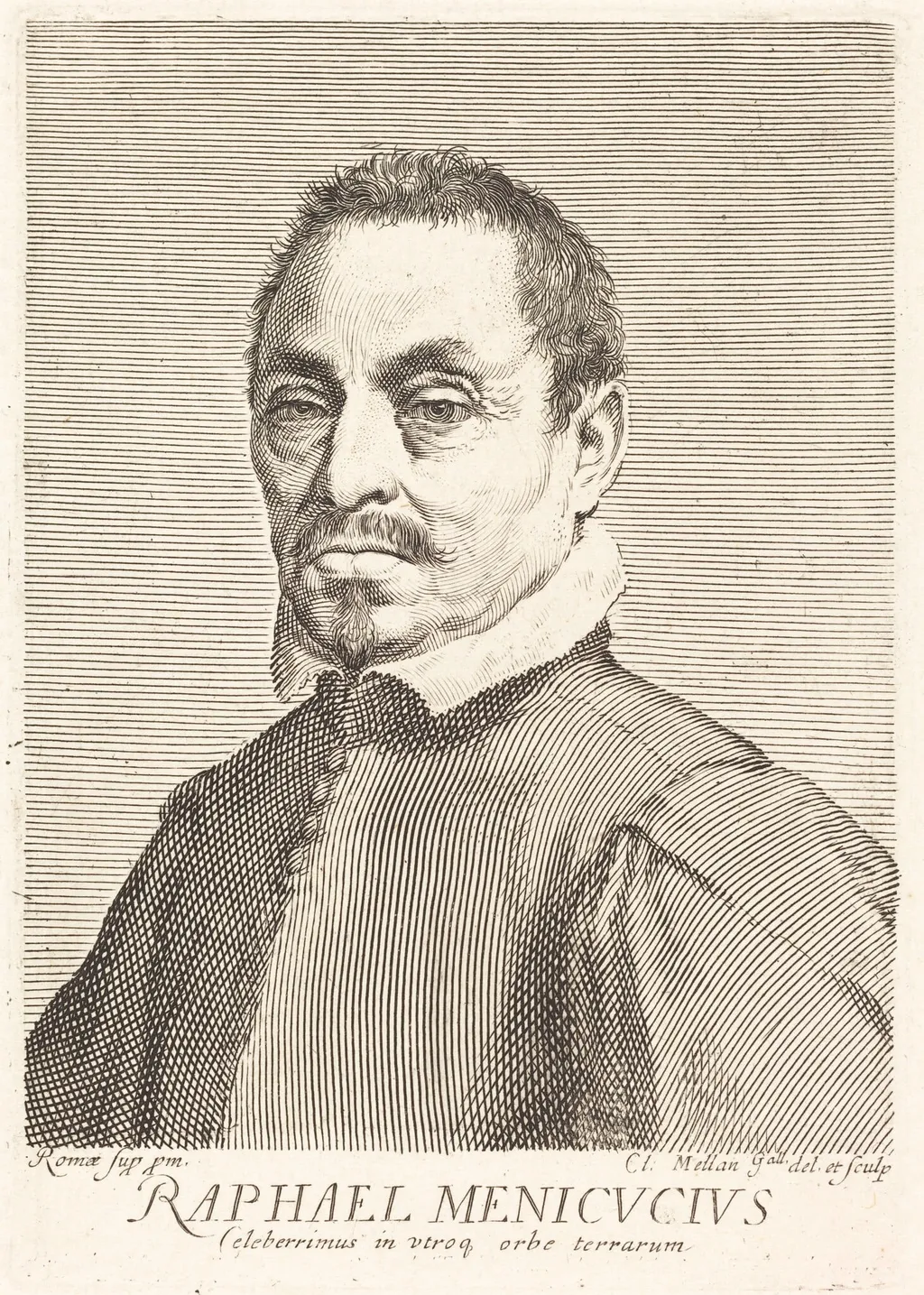
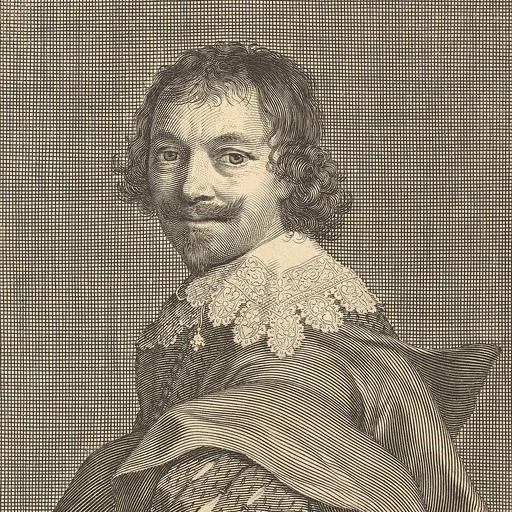
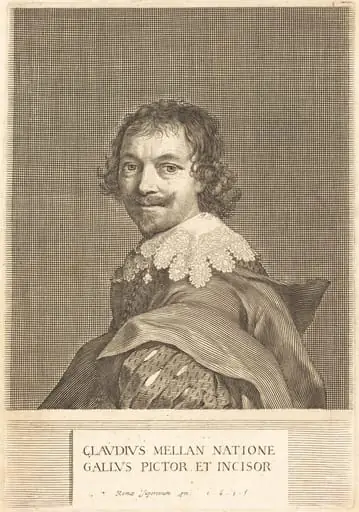
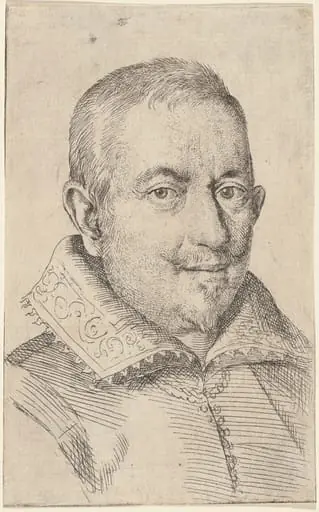
Raffaello Menicucci is an ink print by the Renaissance artist Claude Mellan. It dates from 1643 and is held in the collection of the National Gallery of Art.
About this work
Overview
The technique relies on the precision of incised marks to simulate tonal variation, a hallmark of printmaking in the mid-seventeenth century.
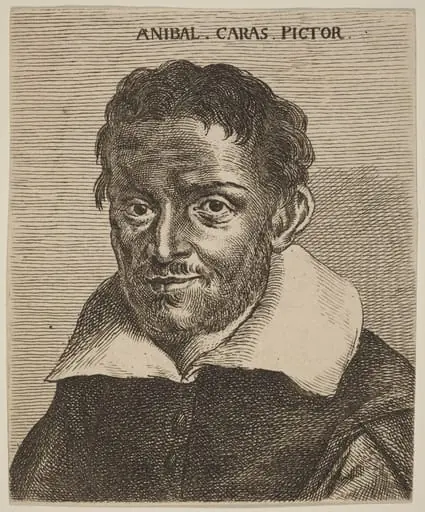
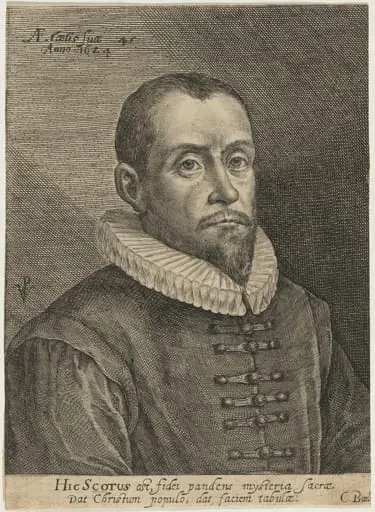
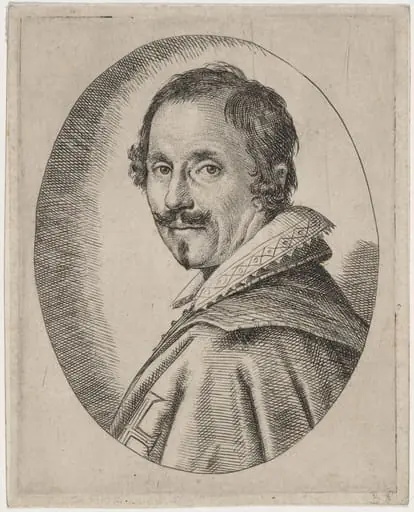
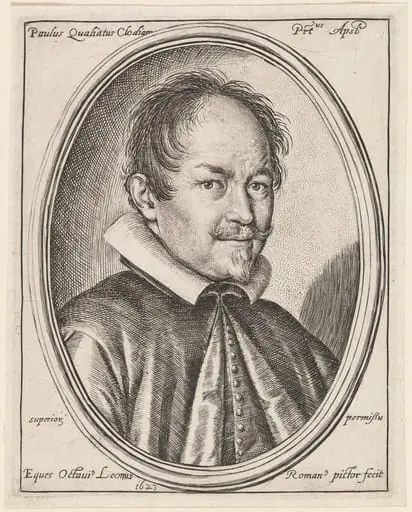
This black-and-white engraving, produced by Claude Mellan in 1643, depicts Raffaello Menicucci, an Italian artist and engraver. Executed on laid paper, the work is a portrait rendered entirely through fine, controlled lines. The composition eliminates background detail, directing attention to the sitter’s face and upper torso. The technique relies on the precision of incised marks to simulate tonal variation, a hallmark of printmaking in the mid-seventeenth century.
Subject & Meaning
Raffaello Menicucci was a practicing engraver active in Rome during the early 1600s. His portrayal here emphasizes dignity and intellectual presence, conveyed through a direct gaze and composed demeanor. The high collar and draped fabric suggest scholarly or professional status. The absence of adornment or symbolic objects focuses the image on personal identity rather than social rank, reflecting a shift toward individual portraiture in print culture.
Technique & Style
Mellan employed a method of parallel line work to model form, building shadows and highlights through density and spacing rather than hatching or crosshatching. The lines are meticulously arranged to capture the texture of beard, hair, and fabric, creating a sense of volume without tone or wash. This approach, rooted in Renaissance print traditions, demonstrates how engraving could emulate the chiaroscuro effects of painted portraits through line alone.
History & Provenance
Created in 1643, the engraving likely served as a record of Menicucci’s professional standing among contemporaries. Mellan, known for his technical mastery, often produced portraits of artists and intellectuals. The print was circulated among print collectors and artists’ circles in France and Italy, preserving Menicucci’s likeness in an era when photographic reproduction did not exist. Its survival attests to the value placed on engraved likenesses as cultural artifacts.
Context
In mid-17th-century Europe, engraved portraits were vital for disseminating the images of notable figures beyond painted commissions. Artists like Mellan bridged the gap between fine art and reproduction, enabling wider recognition of peers. Menicucci’s inclusion reflects the interconnectedness of Italian and French printmaking communities, where technical skill and personal reputation were mutually reinforced through such works.
Legacy
Mellan’s engraving of Menicucci stands as an example of how line could convey psychological depth without color or texture. It influenced later portrait engravers who sought to capture individuality through precision rather than embellishment. The work remains a reference for studying the evolution of printmaking as a medium capable of conveying both likeness and character with minimal means.
Artist & collection