Artwork
Jacques-Auguste de Thou
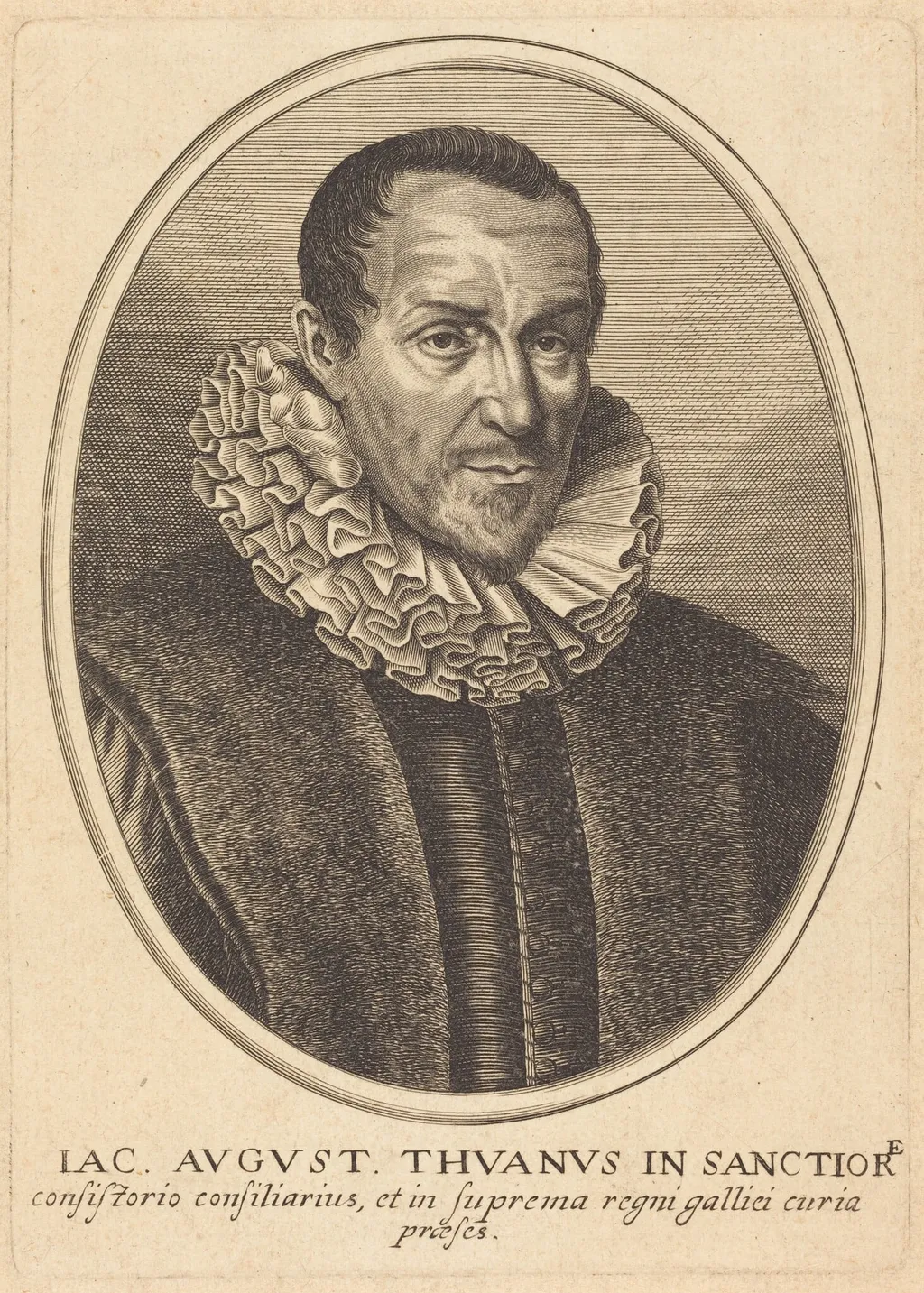
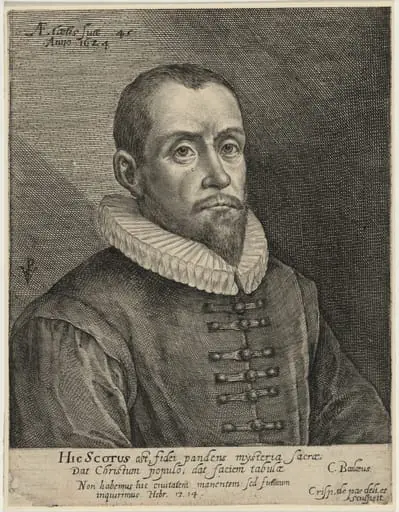
Jacques-Auguste de Thou is an ink print by the Baroque artist Balthasar Moncornet. It dates from 1634 and is held in the collection of the National Gallery of Art.
About this work
Overview
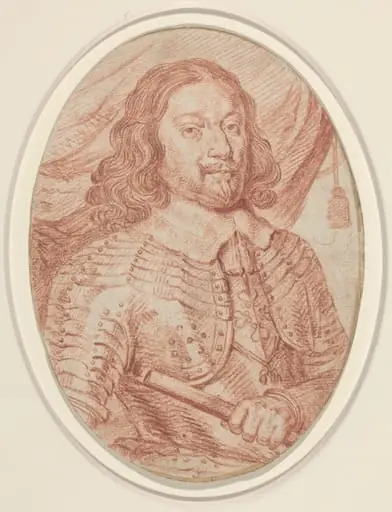
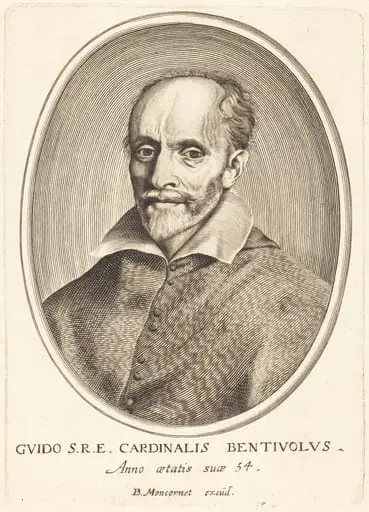
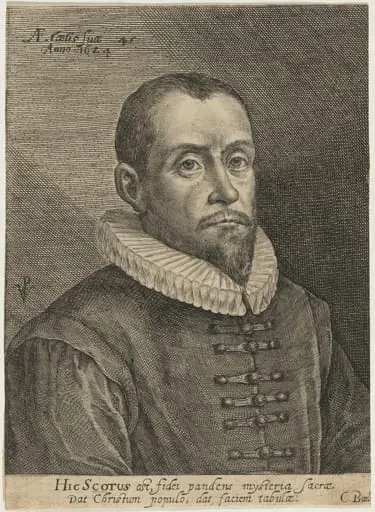
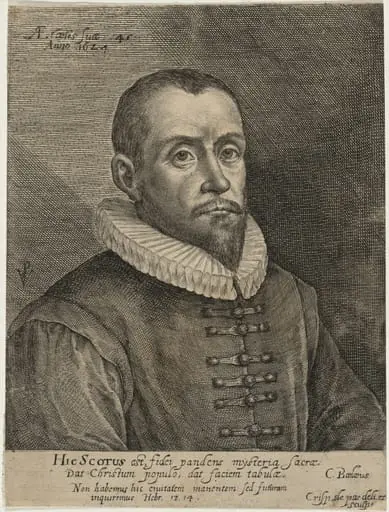
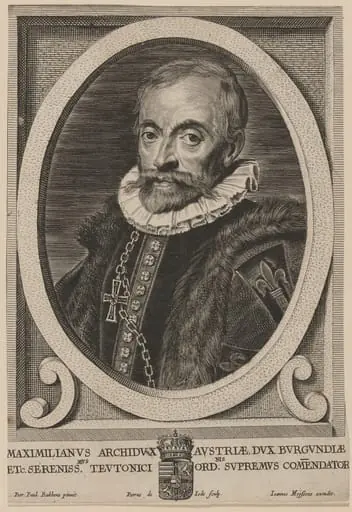
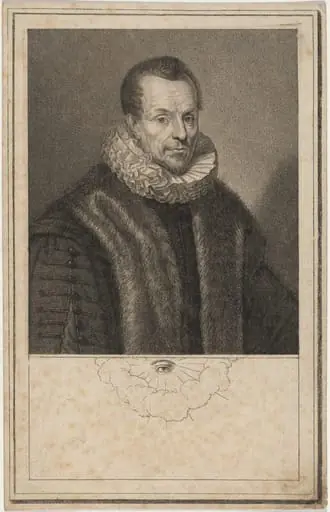
Jacques-Auguste de Thou is an engraving on laid paper created by French artist Balthasar Moncornet in 1634. The work is a portrait of its namesake, executed in a formal style typical of 17th-century depictions of prominent individuals.
Subject & Meaning
The subject, Jacques-Auguste de Thou, is portrayed with a serious expression, adorned in a high-collared robe and large ruffled collar, indicating his affiliation with a court. The engraving captures his likeness with sharp facial lines and detailed attire.
Technique & Style
Moncornet utilized fine lines to achieve three-dimensional depth, particularly in shading and texture. This technique is characteristic of the artist's approach to engraving, emphasizing meticulous craftsmanship.
History & Provenance
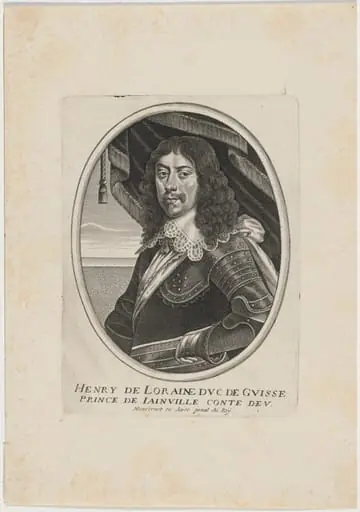
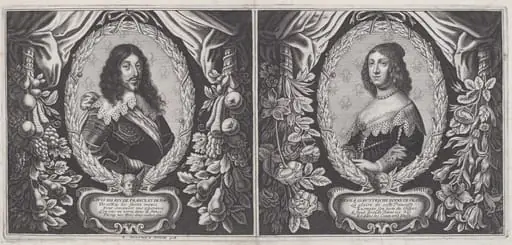
This engraving is one of approximately 45 similar portraits produced by Moncornet during his career, highlighting his focus on documenting notable figures of the era. The work's specific provenance details are not provided.
Context
Created in 1634, the piece reflects the prevailing formal portraiture conventions of 17th-century France, where such artworks served to commemorate and honor distinguished individuals like Jacques-Auguste de Thou.
Legacy
While the engraving's direct impact is not detailed, it contributes to the broader legacy of Moncornet's prolific output of portraits, which collectively provide a visual record of France's prominent 17th-century figures.
Artist & collection
Artist
Balthasar Moncornet (1600, Rouen – 1668, Paris) was a French painter, engraver, and tapissier revered for his depictions of around 45 different prominent figures of the 17th century.