Artwork
Eight Views of Xiao and Xiang
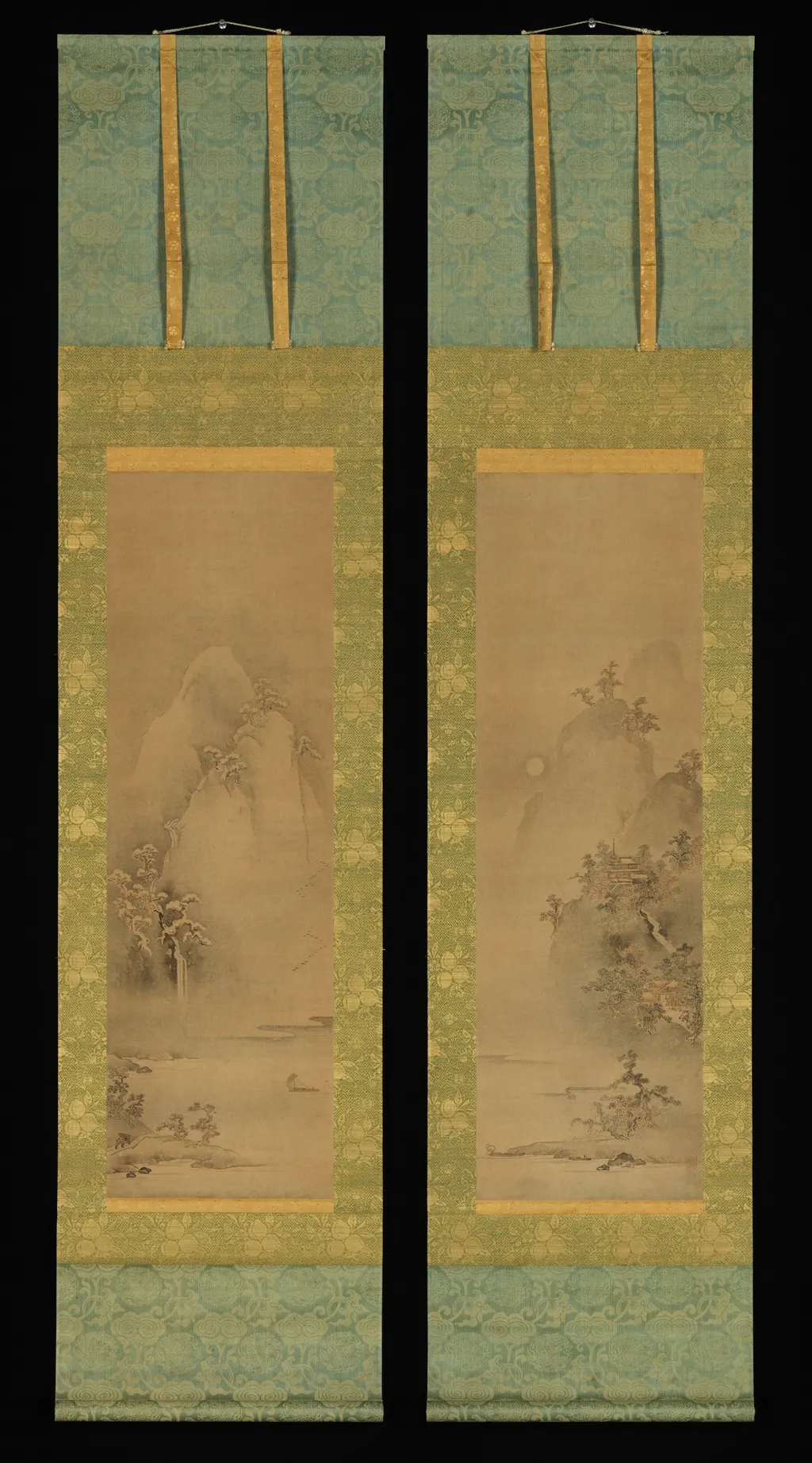
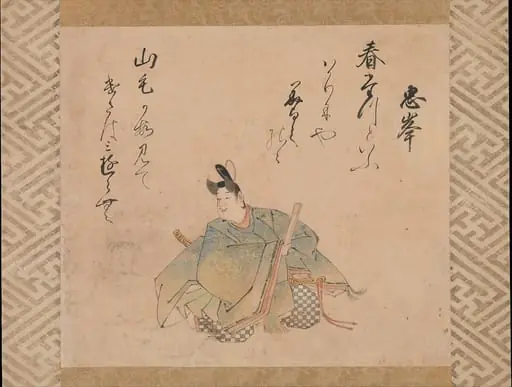
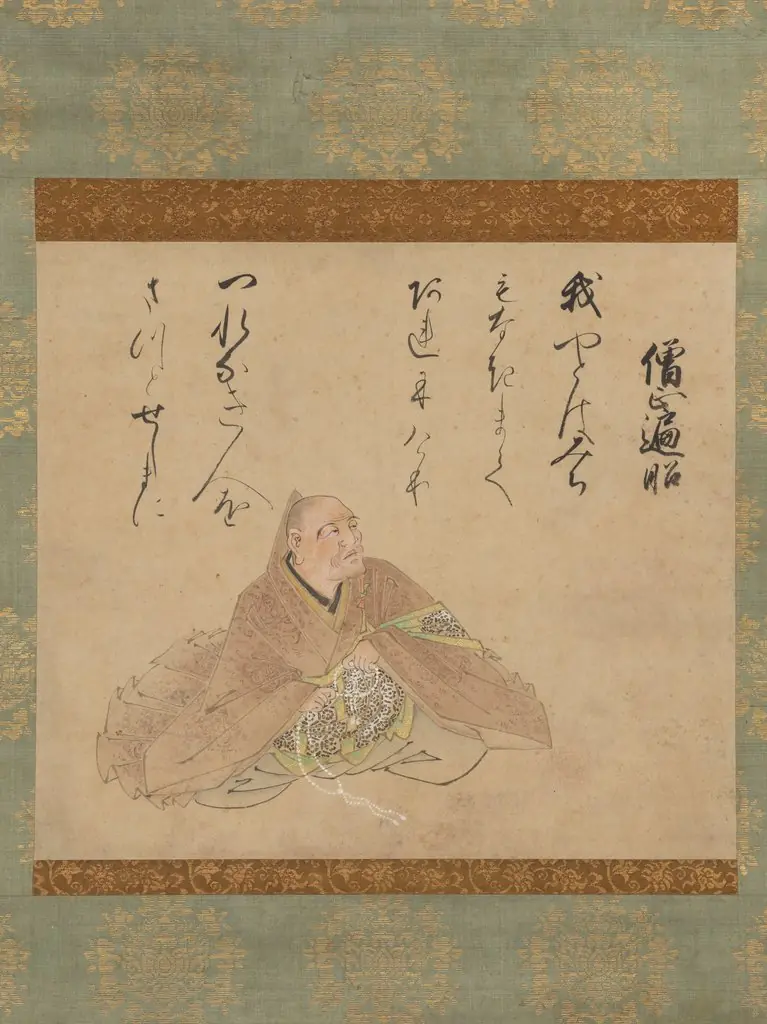
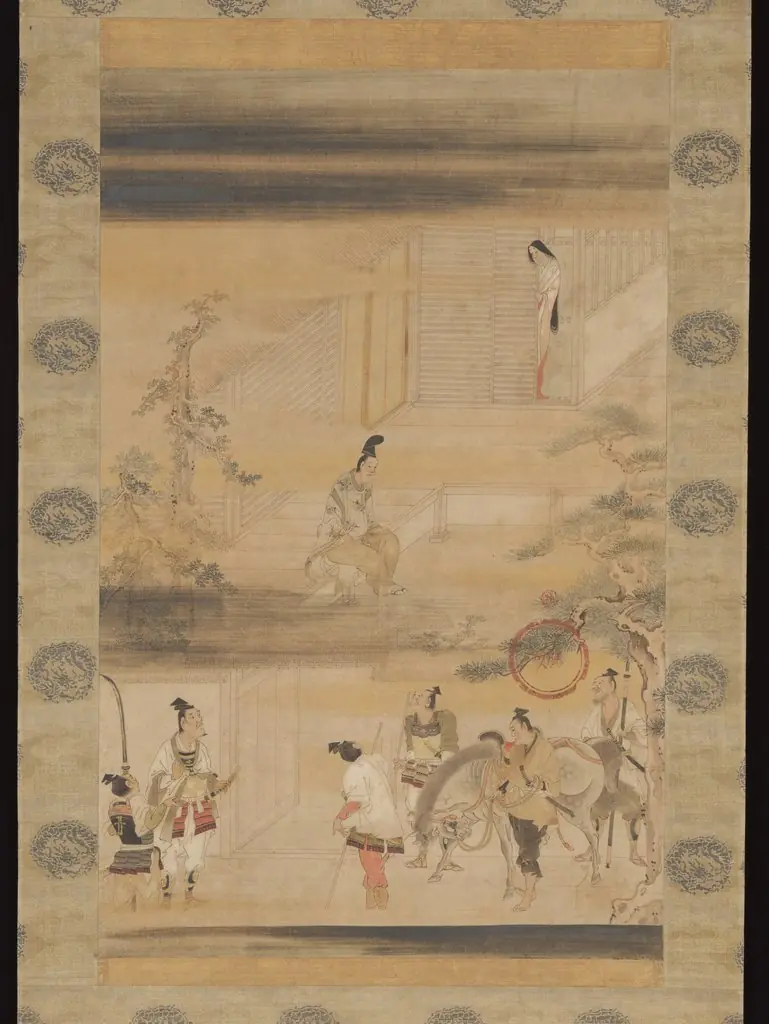
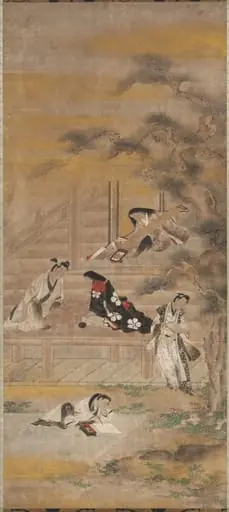
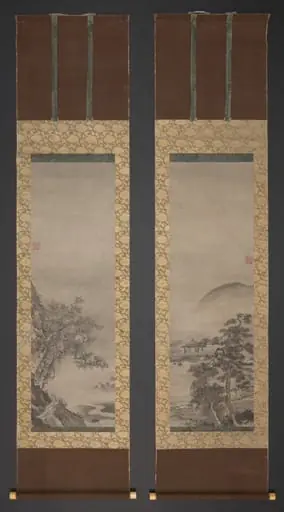
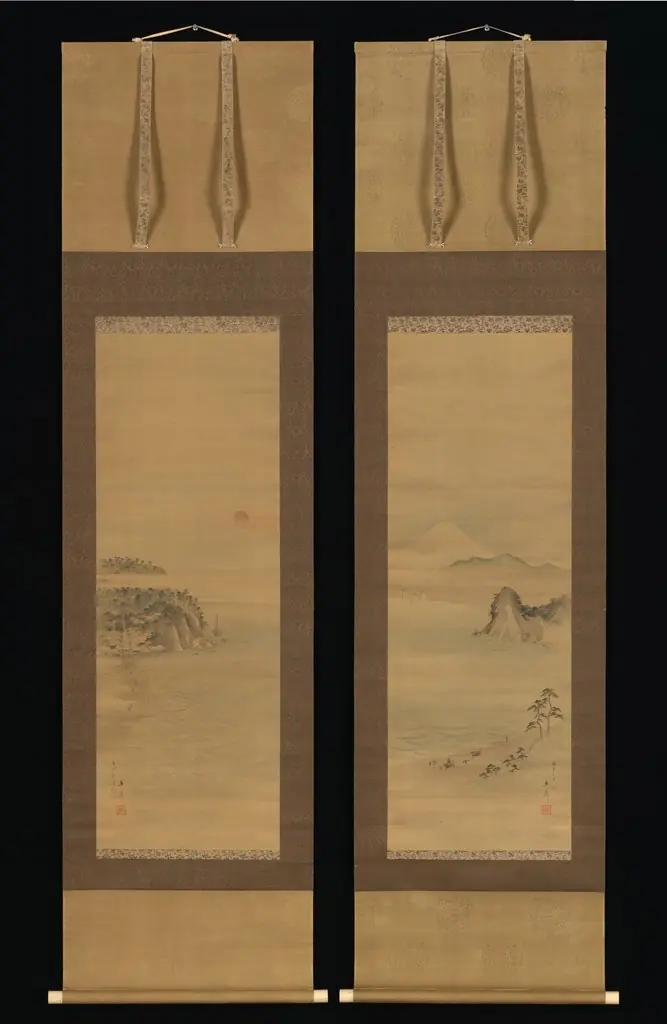
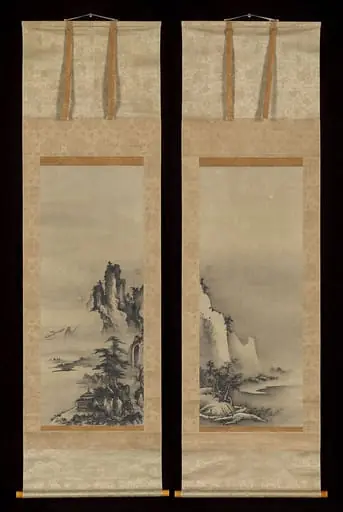
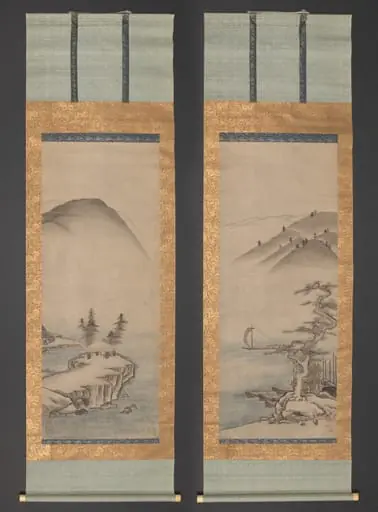
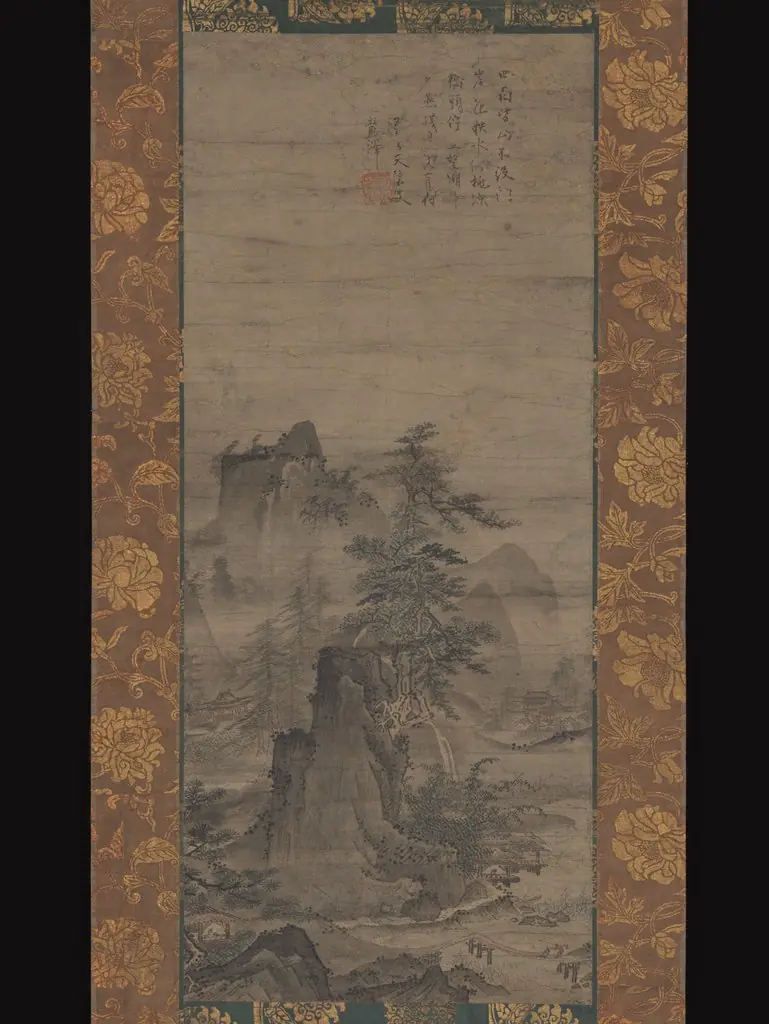
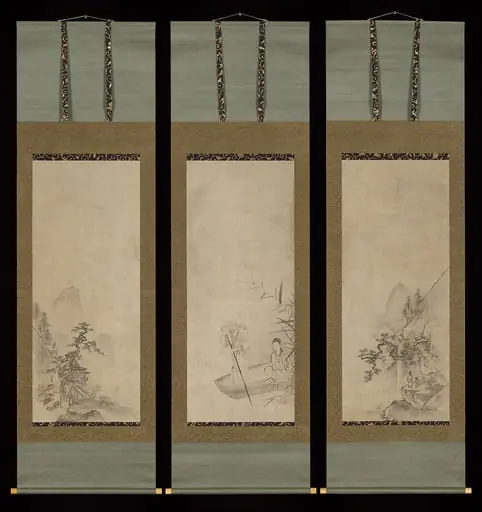
Eight Views of Xiao and Xiang is an unspecified painting by the Ukiyo-e artist Iwasa Matabei. It dates from 1645 and is held in the collection of the Metropolitan Museum of Art.
About this work
Overview
Created in 1645 by Iwasa Matabei, this series of eight landscape paintings draws from classical Chinese poetic traditions associated with the Xiao and Xiang rivers. Though often associated with ukiyo-e, these works are ink-and-color paintings on paper, reflecting a refined literati aesthetic rather than commercial printmaking. Matabei’s approach blends Japanese sensibilities with Chinese literary themes, positioning him as a bridge between courtly painting and emerging popular visual culture.
Subject & Meaning
These views were not literal depictions but meditative interpretations meant to evoke emotional resonance and contemplative stillness.
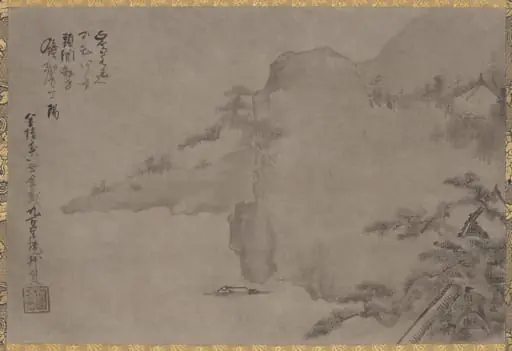
The series illustrates eight poetic scenes inspired by Chinese landscape literature, each evoking a specific time of day or season along the Xiao and Xiang rivers. These views were not literal depictions but meditative interpretations meant to evoke emotional resonance and contemplative stillness. The selection of motifs—mist-shrouded peaks, lone travelers, quiet waters—aligns with Daoist ideals of harmony and withdrawal, offering viewers a visual retreat from worldly concerns.
Technique & Style
Matabei employed fine, controlled brushwork and restrained tonal gradations to suggest depth and atmosphere. Earthy pigments—ochres, moss greens, and slate grays—were layered with subtle washes, avoiding bold contrasts in favor of quiet transitions. Figures are rendered with elongated proportions and delicate facial features, a hallmark of his style. The compositions emphasize spatial recession through atmospheric perspective, with distant mountains fading into mist, enhancing the sense of serene distance.
History & Provenance
Commissioned during the early Tokugawa period, the series reflects Matabei’s position as a painter favored by aristocratic patrons despite the rising popularity of mass-produced ukiyo-e. Though he began as Araki Katsumochi, he adopted the name Iwasa Matabei after entering the service of the Tokugawa shogunate. The works likely circulated among educated elites, preserving their literary and aesthetic associations rather than entering the commercial print market.
Context
In 17th-century Japan, Chinese literary themes remained influential among the educated class, even as native traditions evolved. Matabei’s series emerged alongside growing interest in Chinese poetry and painting among Japanese literati. While urban artists focused on bustling city life, Matabei maintained a connection to classical models, offering a counterpoint to the vibrancy of emerging ukiyo-e by emphasizing introspection and historical continuity.
Legacy
Matabei’s Eight Views of Xiao and Xiang helped sustain the Chinese-inspired landscape tradition in Japan during a period of cultural transition. His integration of literary themes with refined technique influenced later painters who sought to reconcile classical ideals with Japanese aesthetics. Though overshadowed by later ukiyo-e masters, his work remains a significant example of how traditional subjects were reinterpreted through individual artistic vision in the Edo period.
Artist & collection
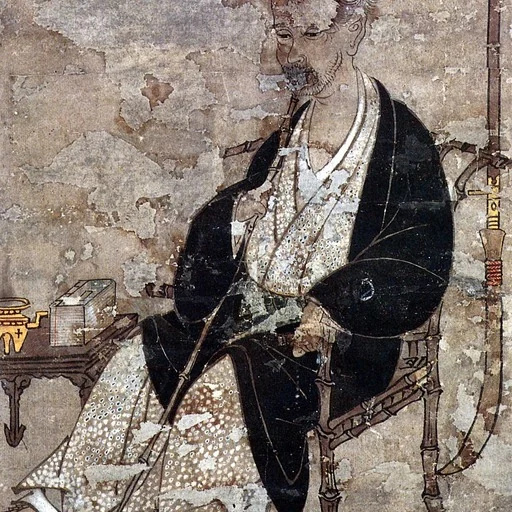
Artist
Iwasa Matabei (岩佐 又兵衛); original name Araki Katsumochi 1578 – July 20, 1650) was a Japanese artist of the early Tokugawa period, who specialized in genre scenes of historical events and illustrations of classical…