Artwork
“Taira no Koremori’s Farewell,” from The Tale of the Heike (Heike monogatari)
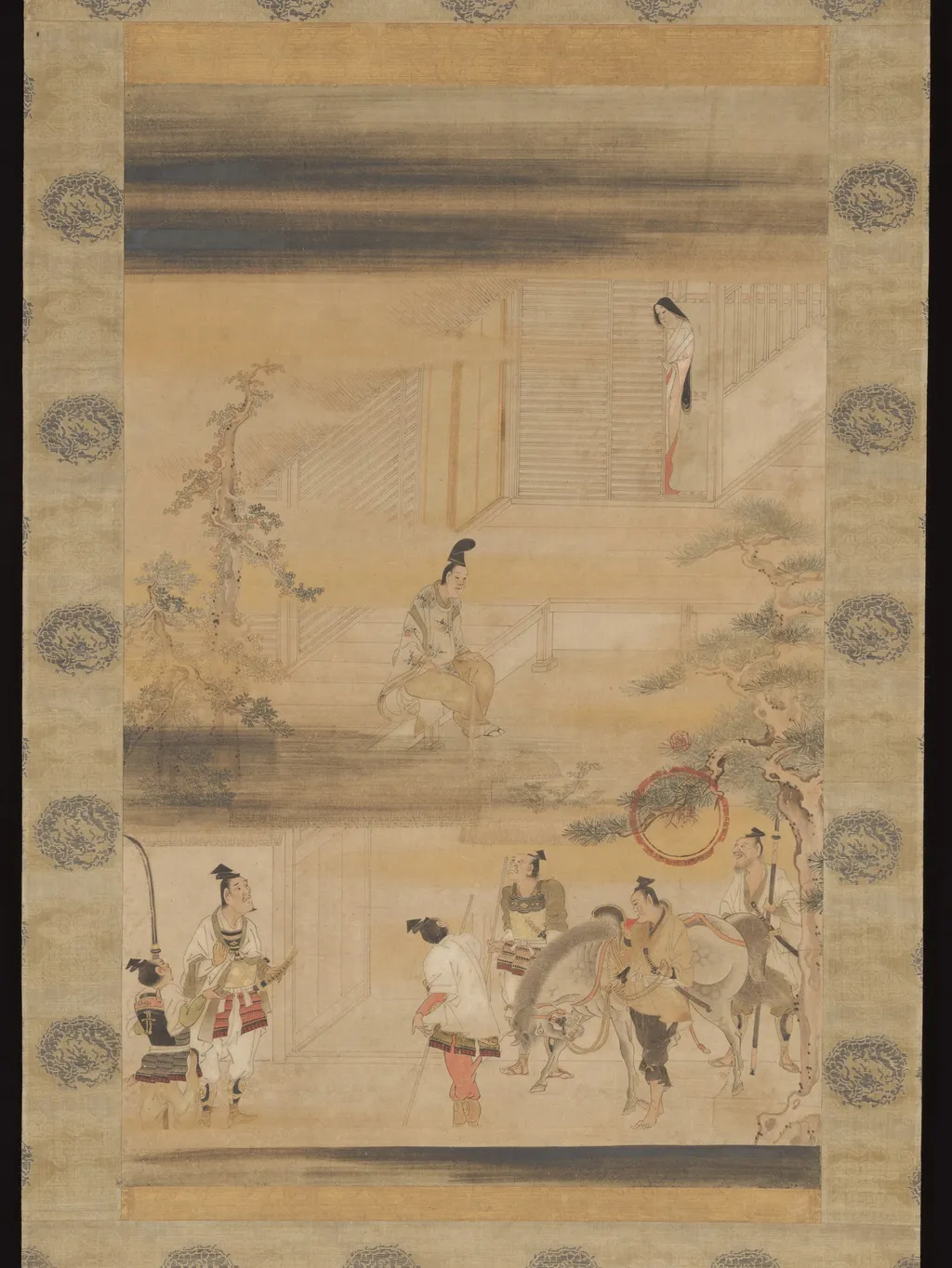
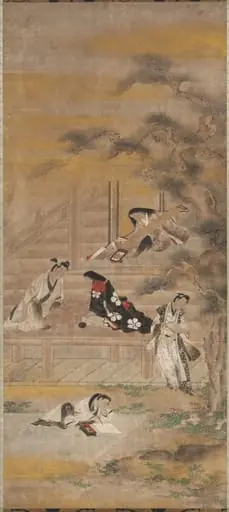
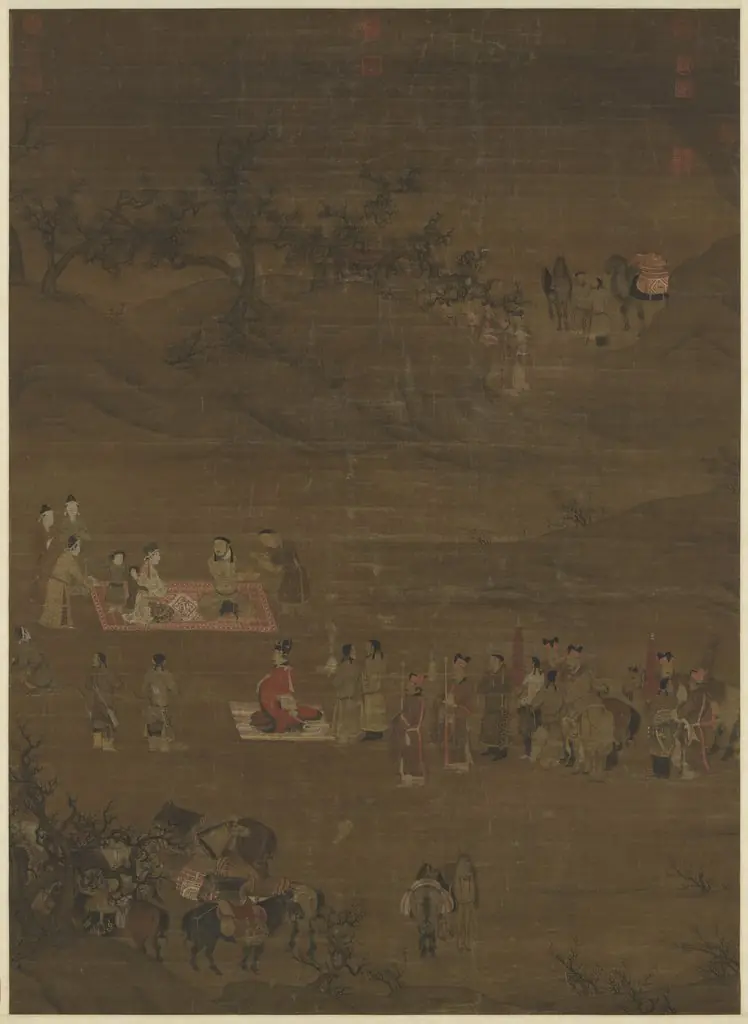
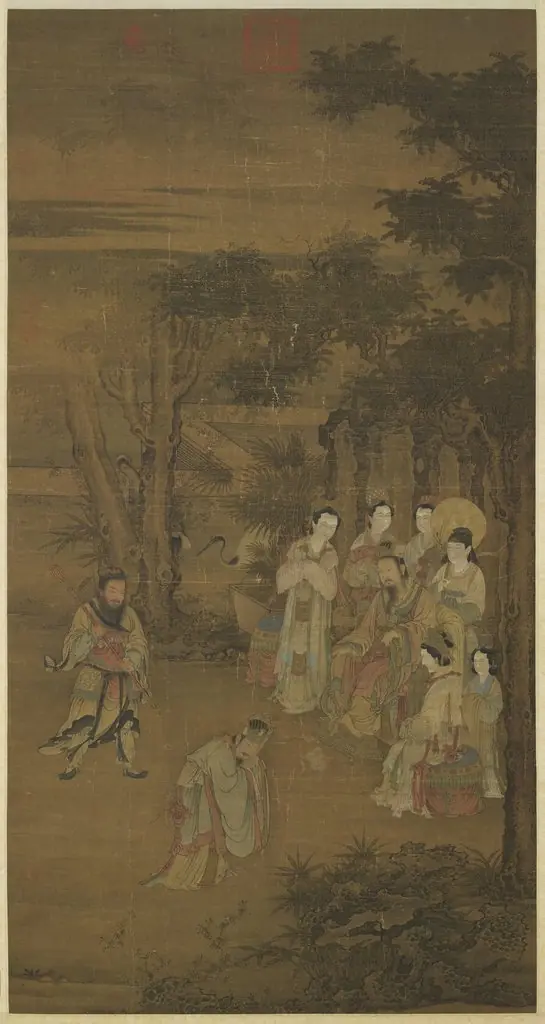
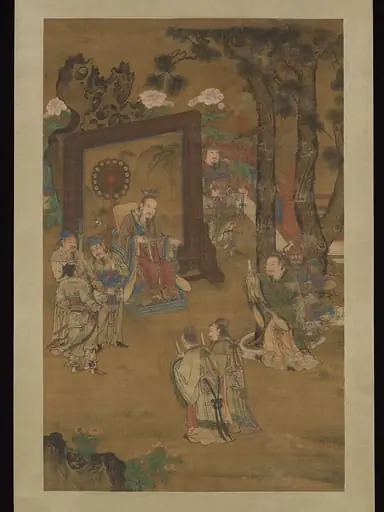
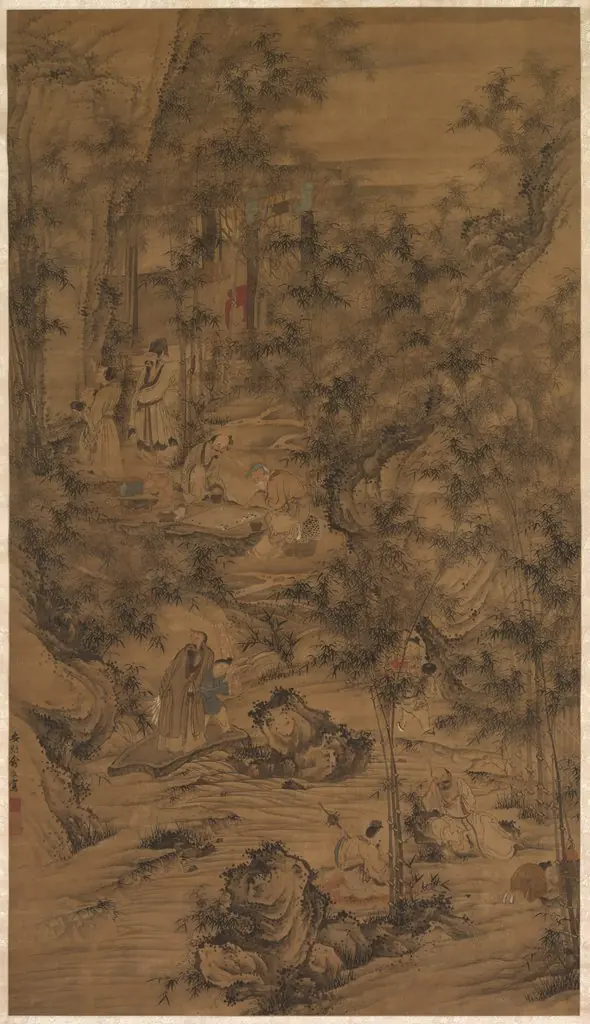
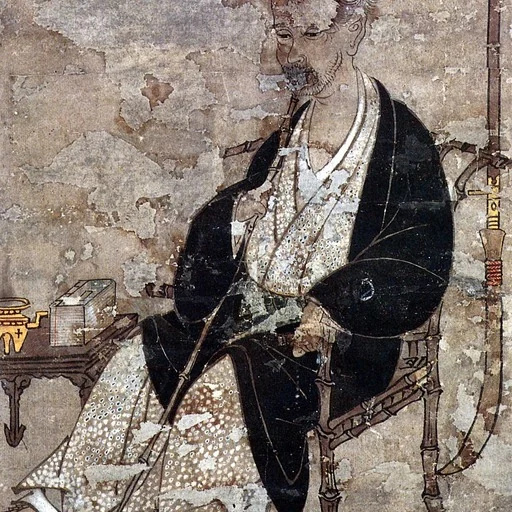
“Taira no Koremori’s Farewell,” from The Tale of the Heike (Heike monogatari) is an unspecified painting by the Ukiyo-e artist Iwasa Matabei. It dates from 1640 and is held in the collection of the Metropolitan Museum of Art. Created in 1640, the work titled “Taira no Koremori’s Farewell” illustrates a moment from the medieval narrative *The Tale of the Heike*.
About this work
Overview
Created in 1640, the work titled “Taira no Koremori’s Farewell” illustrates a moment from the medieval narrative *The Tale of the Heike*. Executed as a ukiyo‑e print, it captures a scene of parting, arranging figures on a stairwell and a nearby horse‑drawn group, rendered in muted earth tones with occasional red highlights that underscore the gravity of the departure.
Subject & Meaning
The composition centers on a woman in a white robe, her hair bound in a black ponytail, standing above a seated male figure on the steps, suggesting a farewell ritual. Below them, attendants gather around a horse, one bearing a bow and another a sword, evoking the martial context of the Taira clan’s decline and the personal loss embedded in the epic.
Technique & Style
The print combines color and monochrome elements, employing a restrained palette of beige, brown, black, and touches of red. Figures are depicted with proportionally large heads and delicate facial features, a stylistic hallmark of the artist’s approach to historical and literary subjects.
Context
Attributed to Iwasa Matabei, who was born Araki Katsumochi and later adopted his mother’s surname, the artist was the son of Sengoku‑period daimyō Araki Murashige. Matabei specialized in genre scenes that visualized historic events and literary episodes, bridging narrative illustration with the emerging ukiyo‑e aesthetic.
Own this work as a print
Artist & collection
Artist
Iwasa Matabei (岩佐 又兵衛); original name Araki Katsumochi 1578 – July 20, 1650) was a Japanese artist of the early Tokugawa period, who specialized in genre scenes of historical events and illustrations of classical…