Artwork
The Grey Bodice
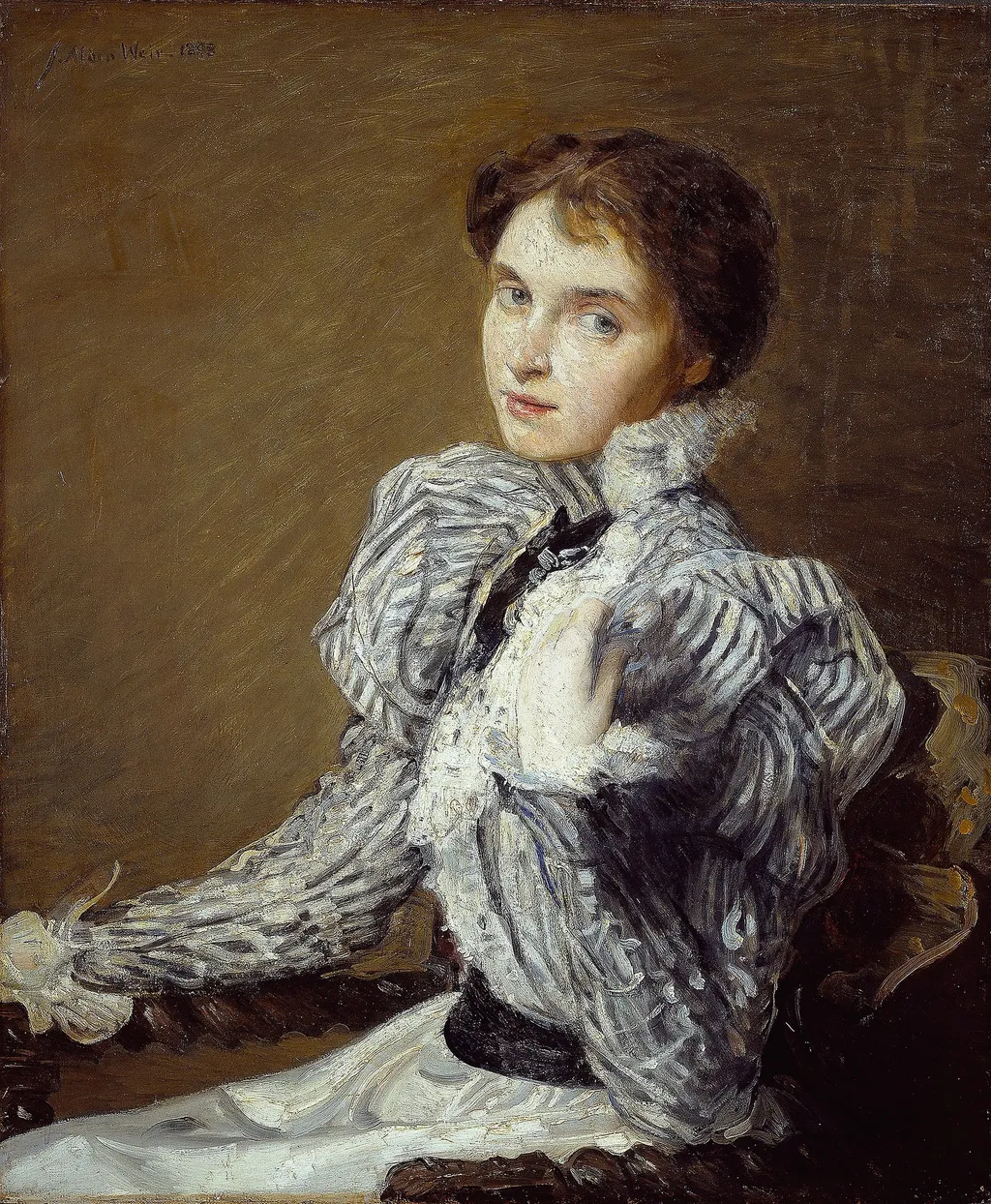
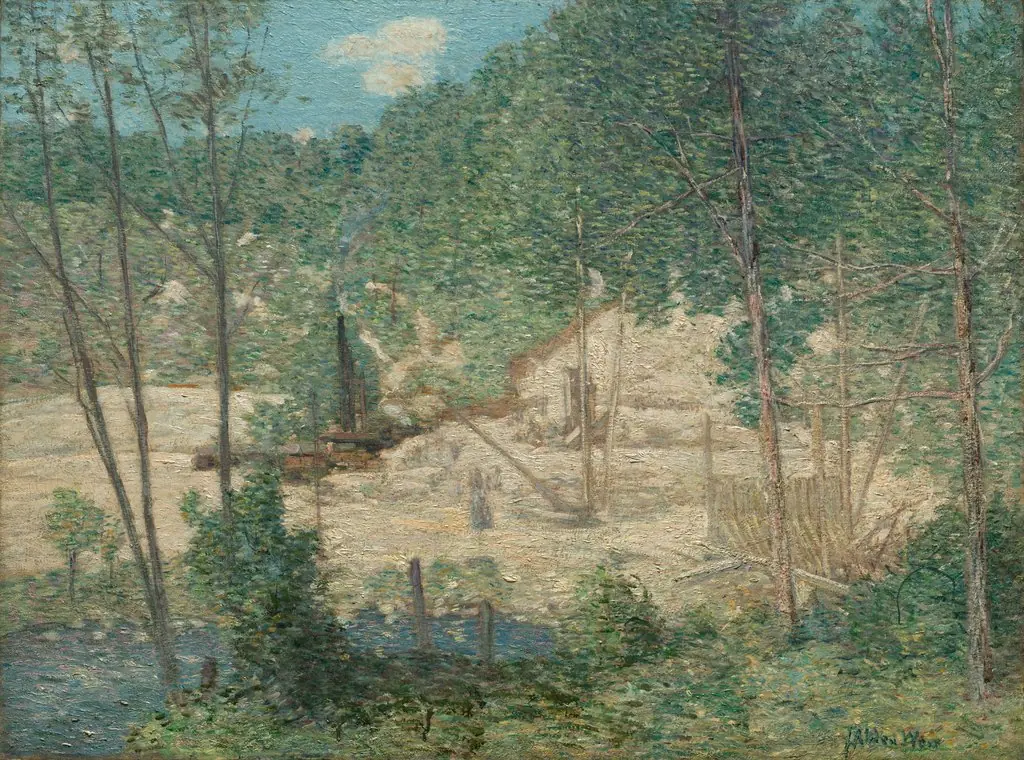
The Grey Bodice is an oil painting by the American Impressionist artist Julian Alden Weir. It dates from 1900 and is held in the collection of the Art Institute of Chicago. J.
About this work
Overview
The painting is a portrait of a seated woman, notable for its restrained palette and intimate atmosphere.
J. Alden Weir completed *The Grey Bodice* in 1900 using oil on canvas. The painting is a portrait of a seated woman, notable for its restrained palette and intimate atmosphere. Weir, a key figure in American Impressionism and a founding member of the artist group 'The Ten,' focused here on quiet domestic presence rather than dramatic narrative. The work is part of the permanent collection at the Art Institute of Chicago.
Subject & Meaning
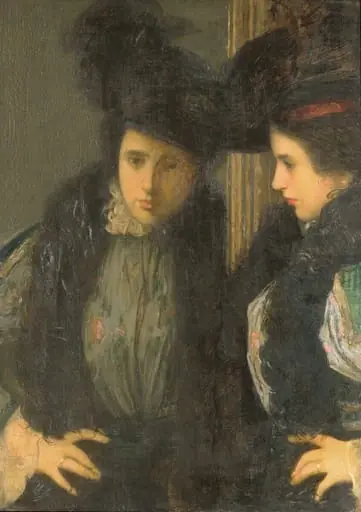
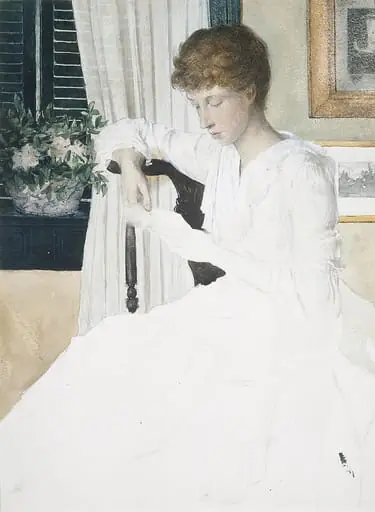
The subject is a woman dressed in a white gown with a grey bodice, high collar, and long sleeves. Her dark hair is pulled back, and her gaze is lowered, suggesting inward reflection. The stillness of her posture and the absence of narrative context emphasize solitude and contemplation. Weir avoids theatricality, instead inviting quiet attention to the subtleties of expression and presence.
Technique & Style
Weir employed loose, textured brushwork typical of Impressionism, particularly in the rendering of fabric and light. The grey bodice and white dress are built with layered strokes that suggest texture without sharp definition. The background is muted and uniform, drawing focus to the figure. Facial details are rendered with precision, contrasting with the looser handling of clothing and space, creating a tension between realism and impressionistic suggestion.
History & Provenance
Painted during Weir’s time at the Cos Cob Art Colony in Connecticut, *The Grey Bodice* reflects his engagement with domestic scenes and plein air influences. It entered the Art Institute of Chicago’s collection in the early 20th century, likely through direct acquisition or donation from the artist or his circle. The work has remained in public hands since, with no known private ownership after its initial exhibition.
Context
Weir’s work in this period aligned with broader American artistic shifts toward personal, everyday subjects. While European Impressionism emphasized outdoor light, American practitioners like Weir often adapted its techniques to interior scenes. His association with 'The Ten' reflected a desire to exhibit independently from conservative academies, prioritizing individual vision over institutional norms.
Legacy
Though not among Weir’s most widely reproduced works, *The Grey Bodice* exemplifies his mature approach to portraiture—subtle, restrained, and emotionally nuanced. It contributes to the understanding of how American Impressionists translated European methods into domestic, introspective themes. The painting continues to be studied for its quiet interplay of light, texture, and psychological depth.
Own this work as a print
Artist & collection
Artist
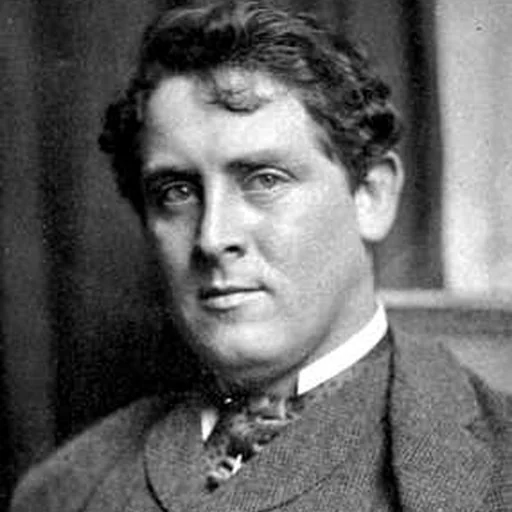
Julian Alden Weir was an American impressionist painter and member of the Cos Cob Art Colony in Greenwich, Connecticut.

 Portrait of a Woman in a White Dress
 Concepción Miramón
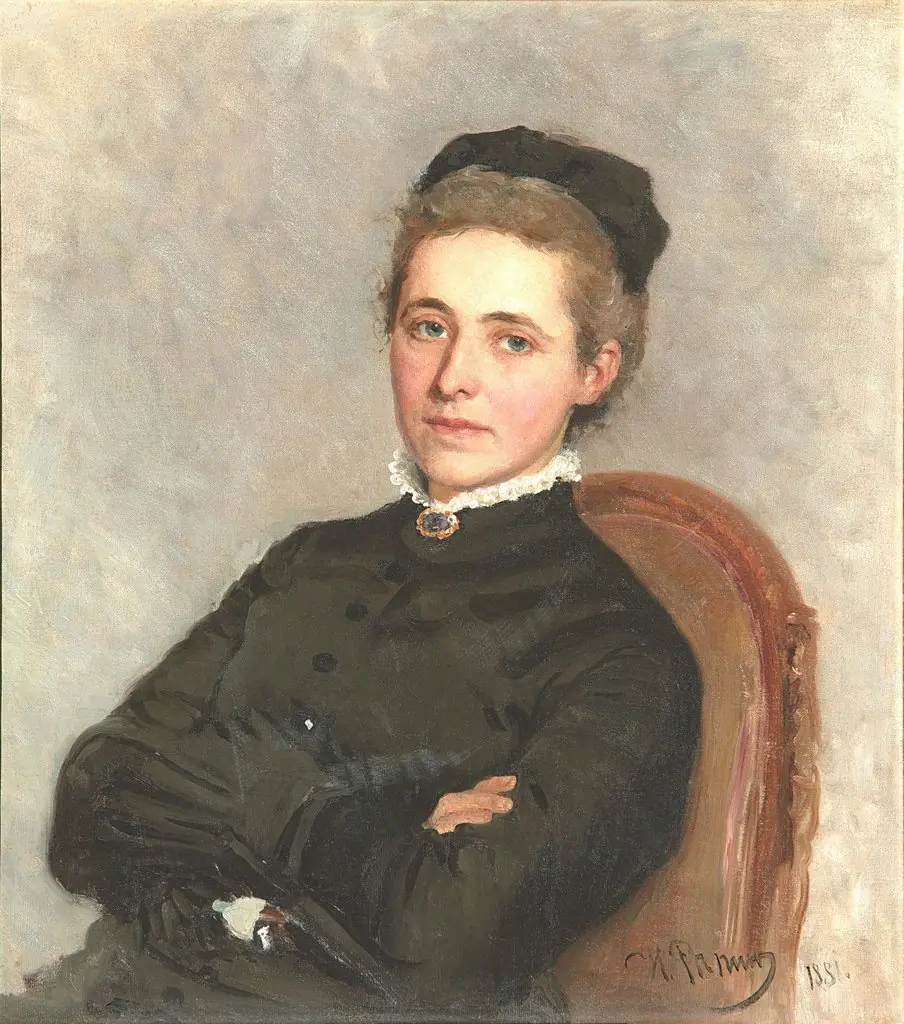 Delt va Yulia Bogdanovna Repman
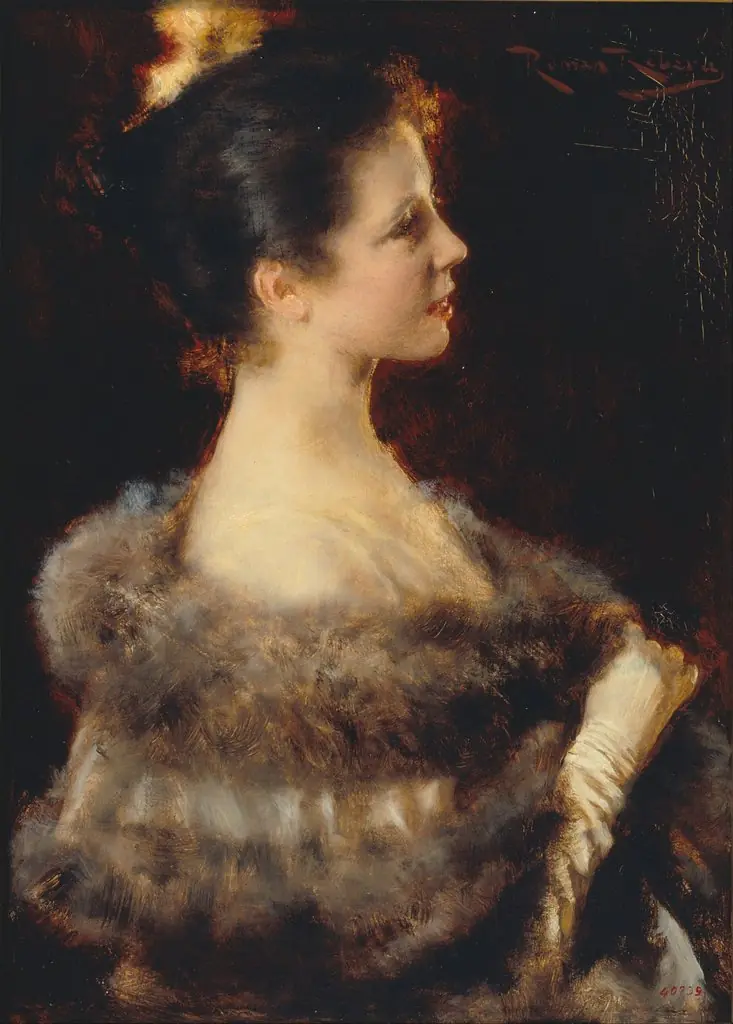 Woman in Evening Gown
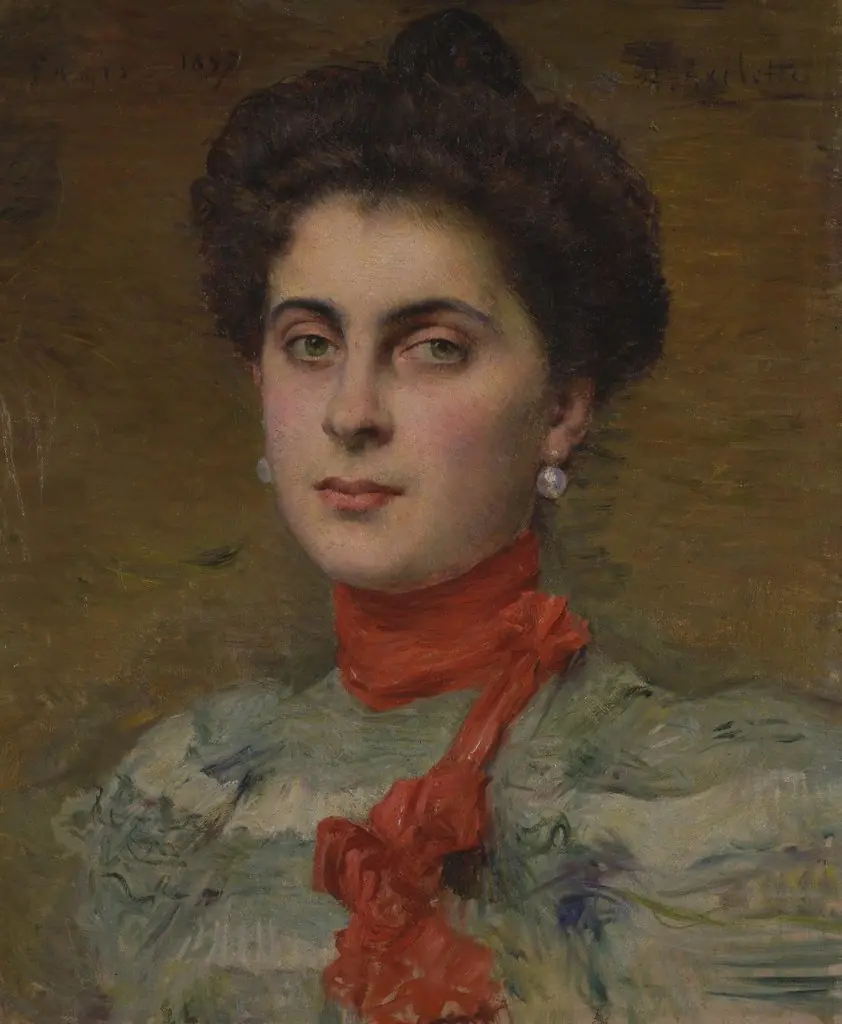 Portrait of Young Princess M.P. Abamelek-Lazareva
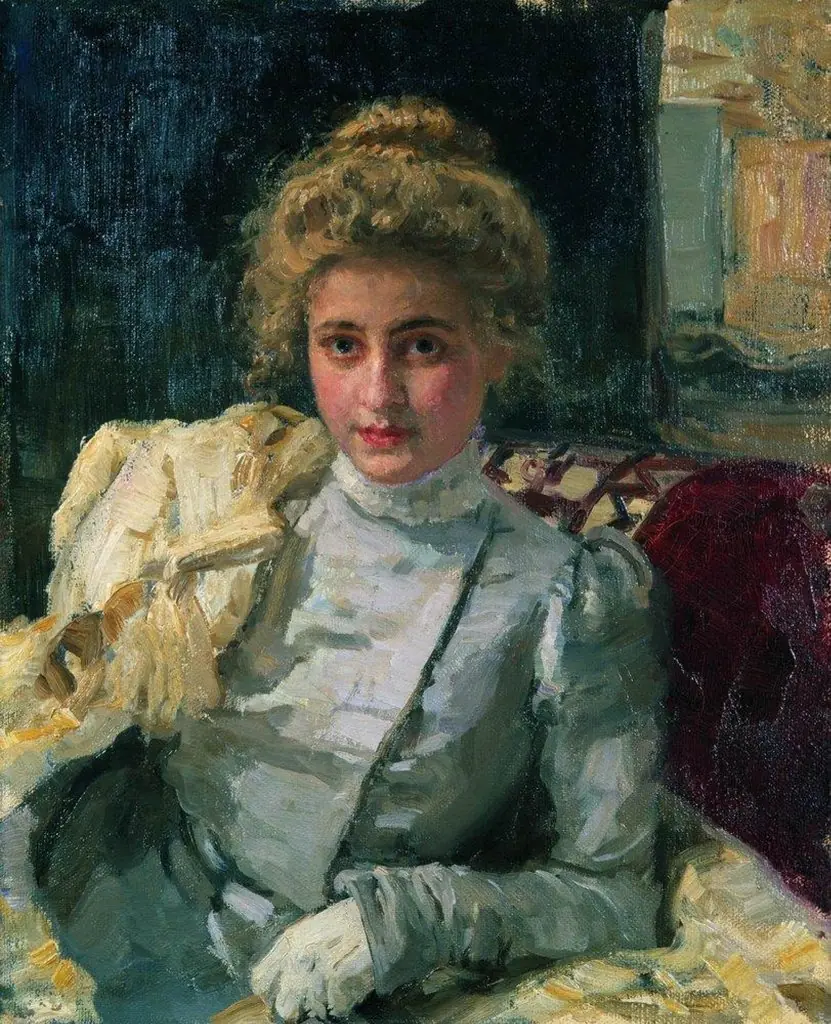 Շիկահեր կինը (Տևյաշովայի դիմանկարը)
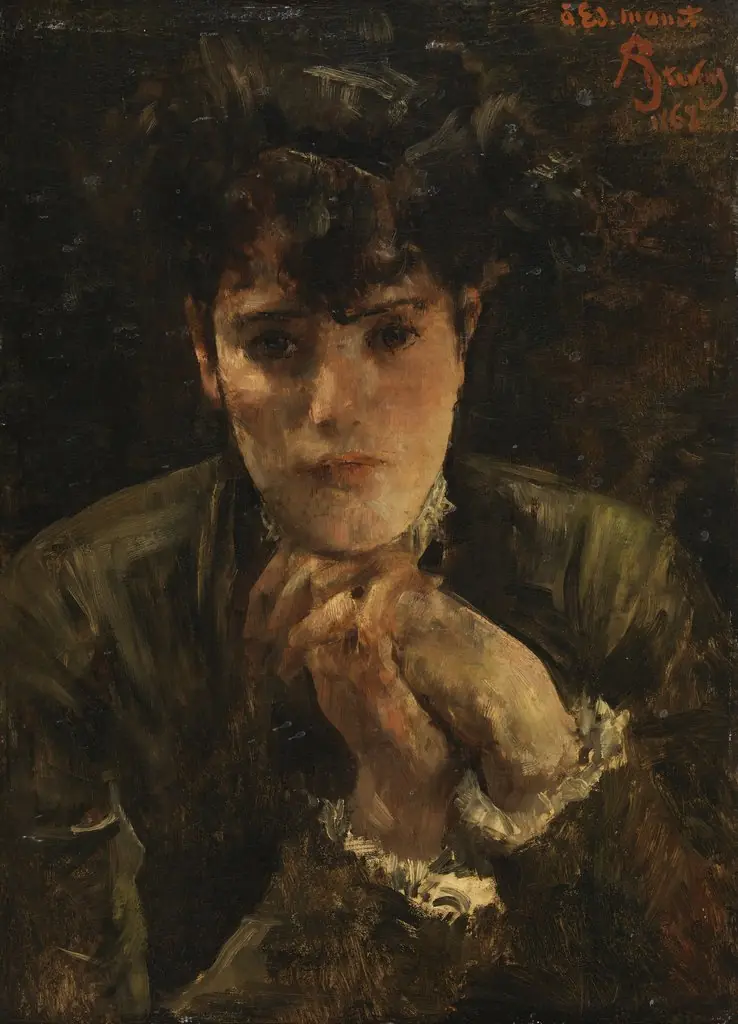 Portrait of a Young Woman
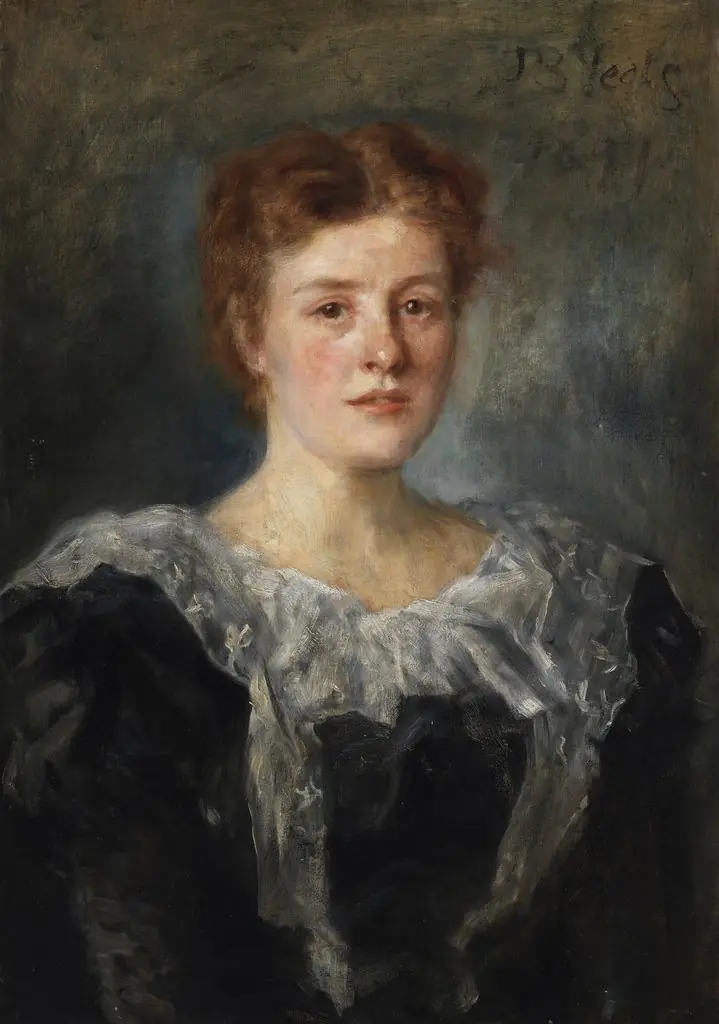 Portrait of Susan Mitchell (1866-1926), Poet
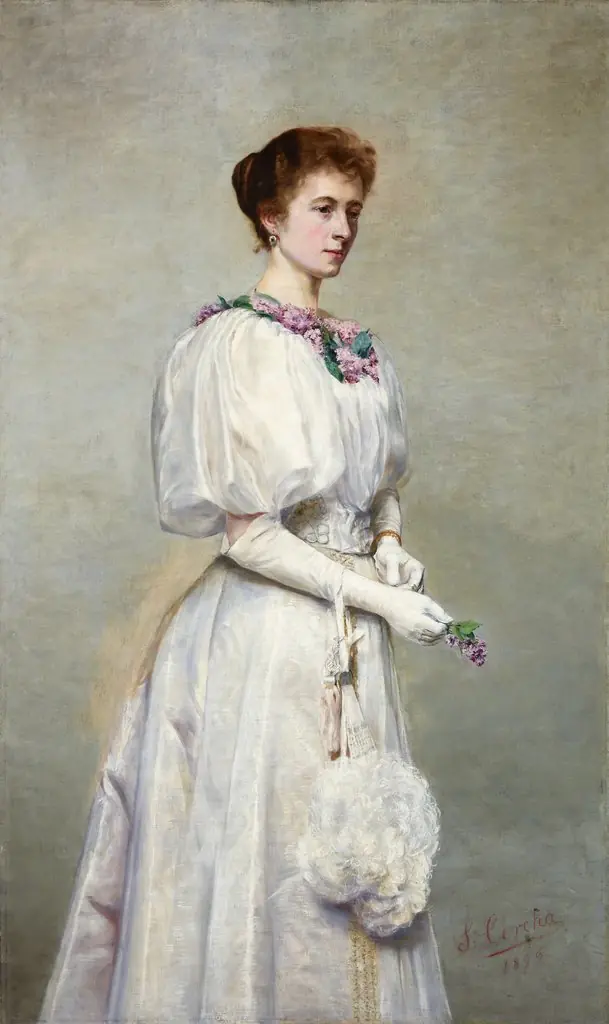 Portrait of Helena Cerchowa
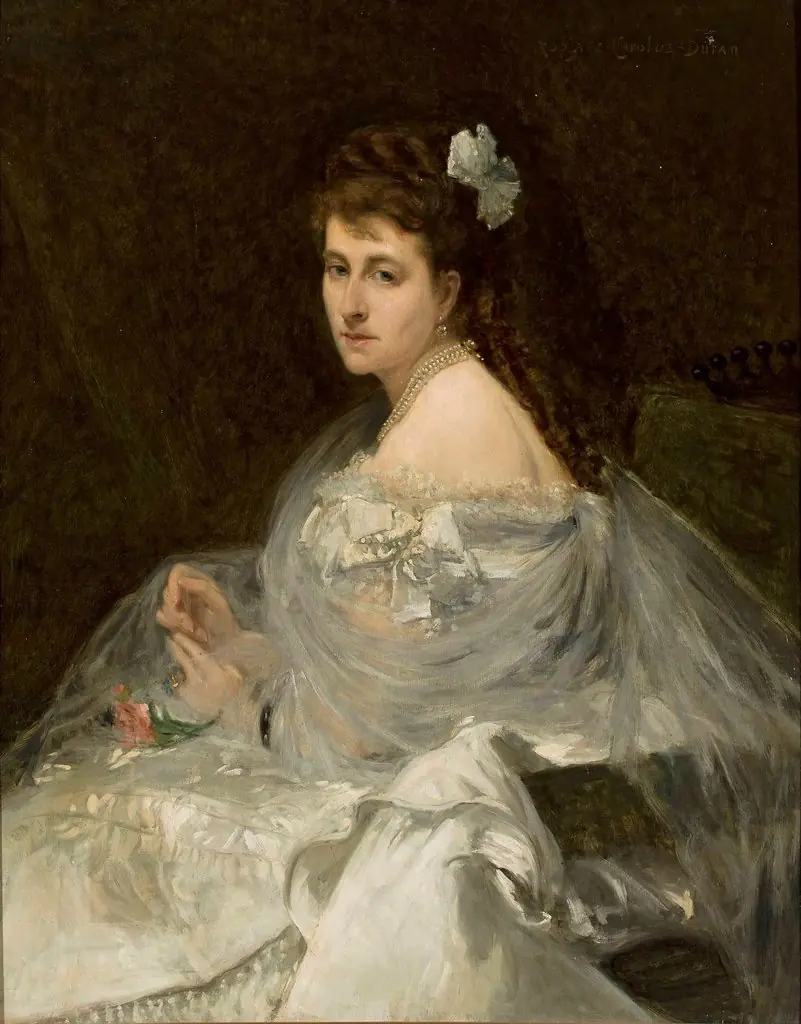 Portrait of Izabela Tyszkiewicz née Tyszkiewicz (1835–1907)
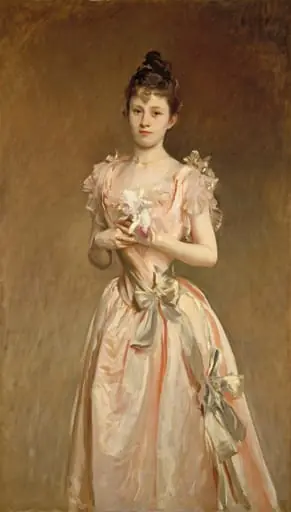 Miss Grace Woodhouse
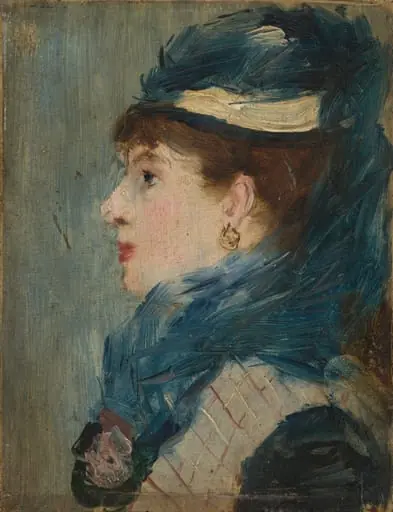 Portrait of a Lady