Artwork
Chichester Canal
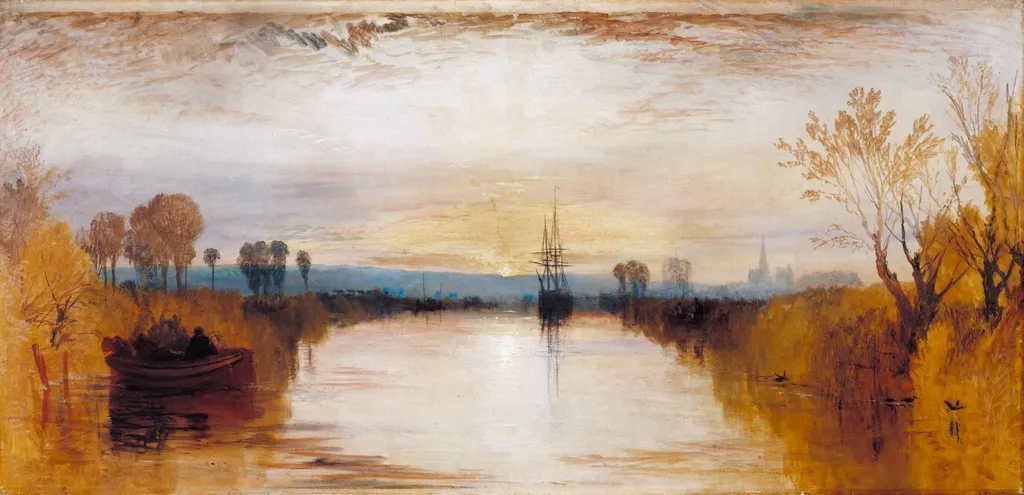
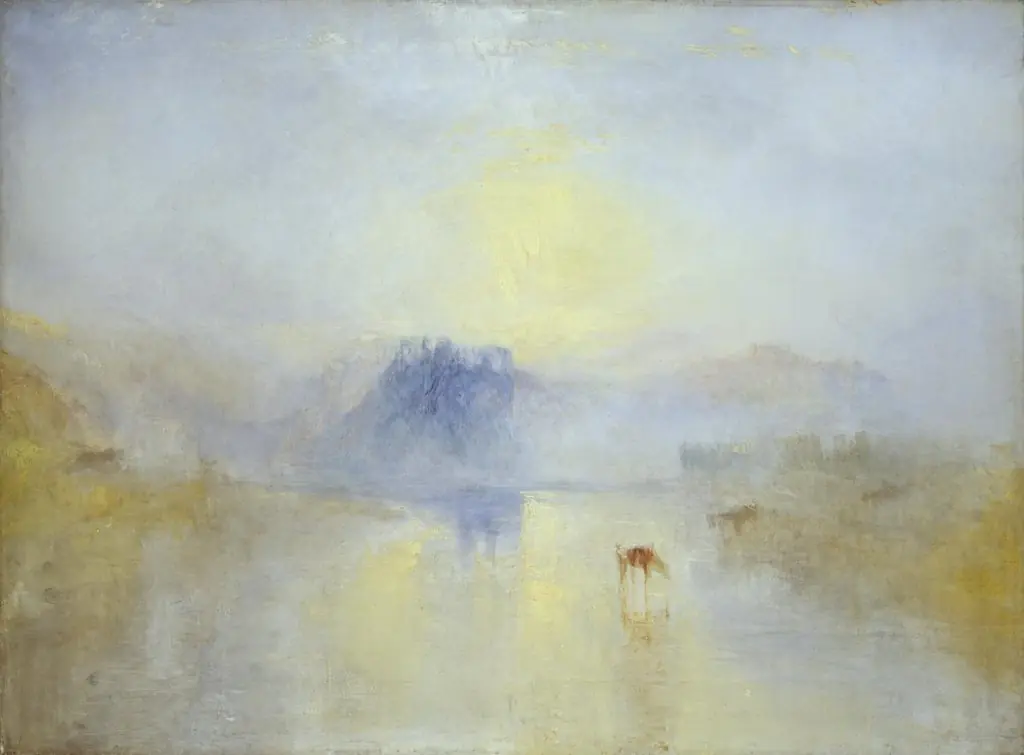
Chichester Canal is an oil painting by Joseph Mallord William Turner. It dates from 1828 and is held in the collection of the National Gallery.
About this work
Overview
Chichester Canal is an 1828 oil painting by J.M.W. Turner, depicting a serene landscape of the Chichester Canal in Sussex, England. Commissioned by George Wyndham, 3rd Earl of Egremont, it is now part of the Tate Collection.
Subject & Meaning
The painting shows a tranquil canal scene with a small boat, trees, bushes, and distant buildings. A commercial ship, likely a collier brig, underscores the canal's practical purpose beneath its peaceful appearance.
Technique & Style
Turner employed visible brushstrokes and a range of colors, from soft sky tones to earthy canal hues. The work features his characteristic use of light and shadow, creating depth and atmosphere, possibly enhanced by the subtle, diffused light associated with the aftermath of the Mount Tambora eruption.
History & Provenance
Commissioned by George Wyndham, 3rd Earl of Egremont in 1828, this painting is an initial version of a composition later refined in a work at Petworth House. It is currently held in the Tate Collection.
Context
The painting's vivid yet serene color palette may have been influenced by the atmospheric effects of the 1815 Mount Tambora eruption, which caused the 'Year Without a Summer' and affected global weather patterns in the following years.
Legacy
While specific legacy details of 'Chichester Canal' are not highlighted, as an early version of a composition later perfected at Petworth House, it contributes to the understanding of Turner's evolutionary artistic process.
Artist & collection
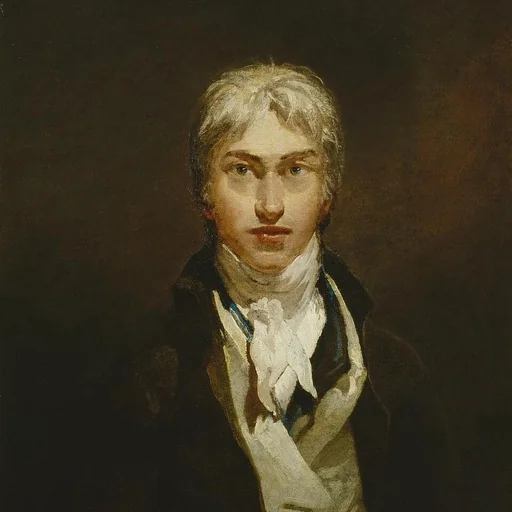
Artist
Joseph Mallord William Turner was born in 1775 at Maiden Lane, Covent Garden, where his father kept a barber and wig-making shop.

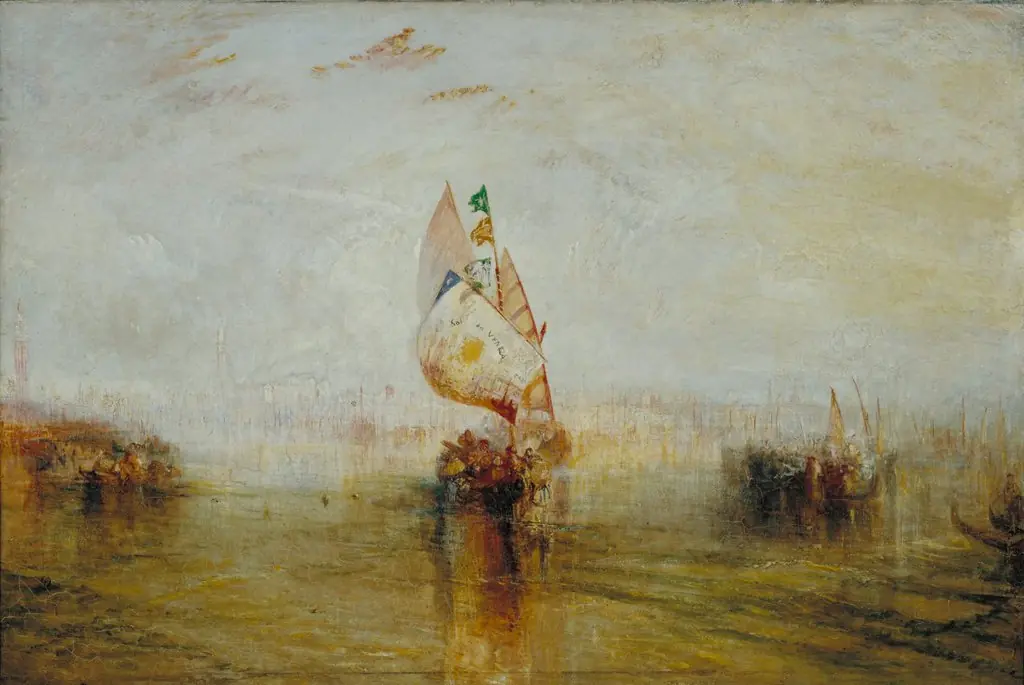 The Sun of Venice Going to Sea
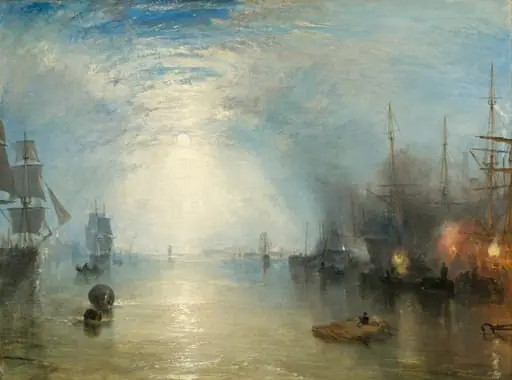 Keelmen Heaving in Coals by Moonlight
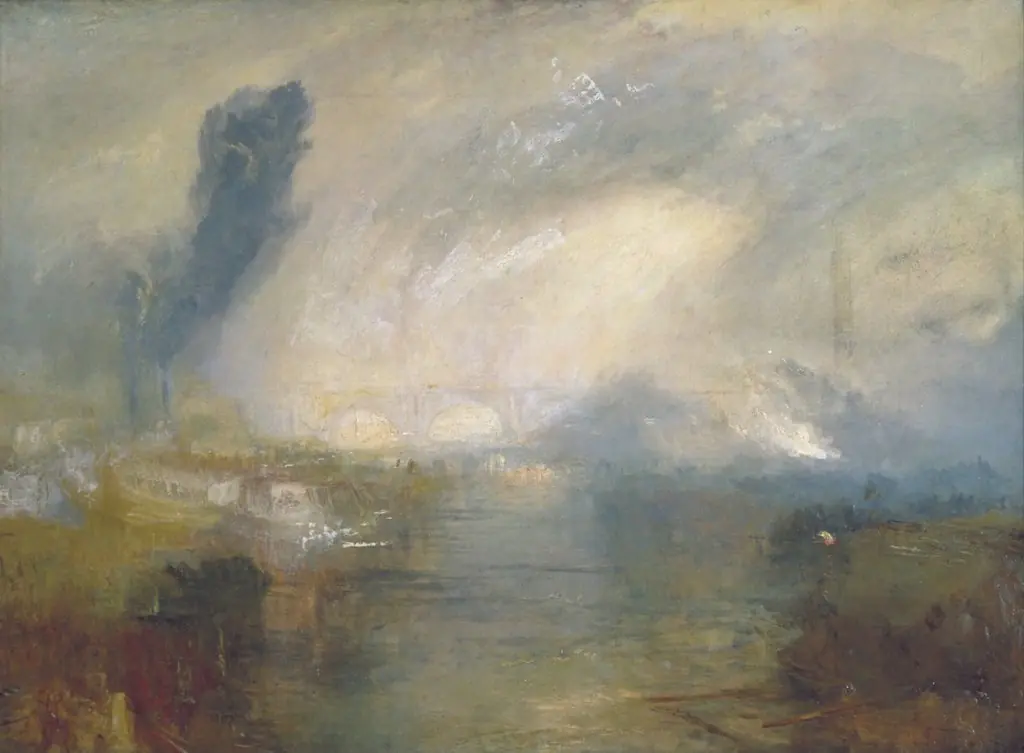 The Thames above Waterloo Bridge
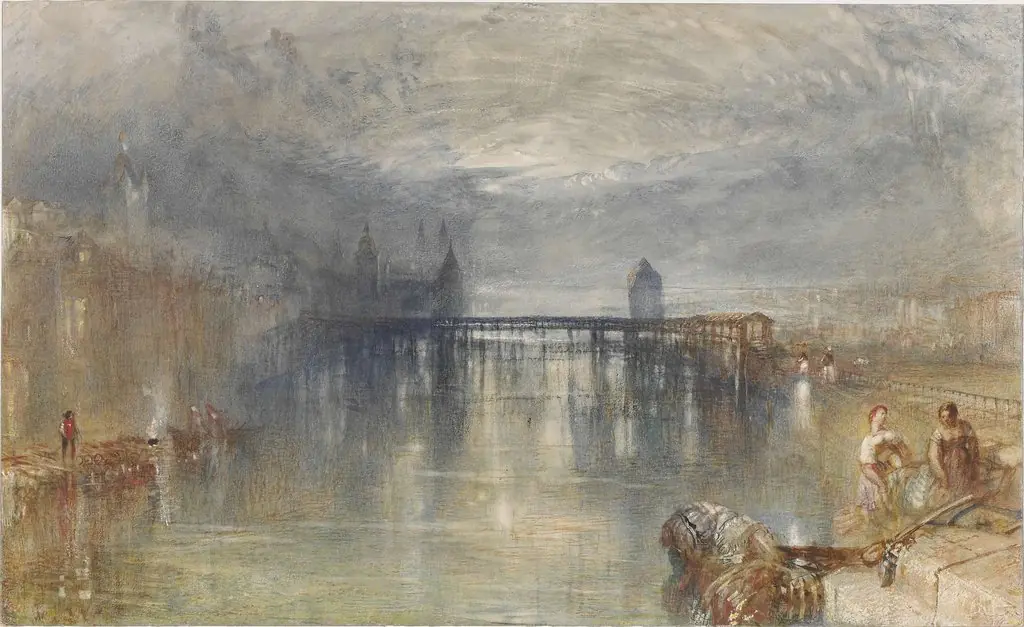 Lucerne: Moonlight
 East Cowes Castle
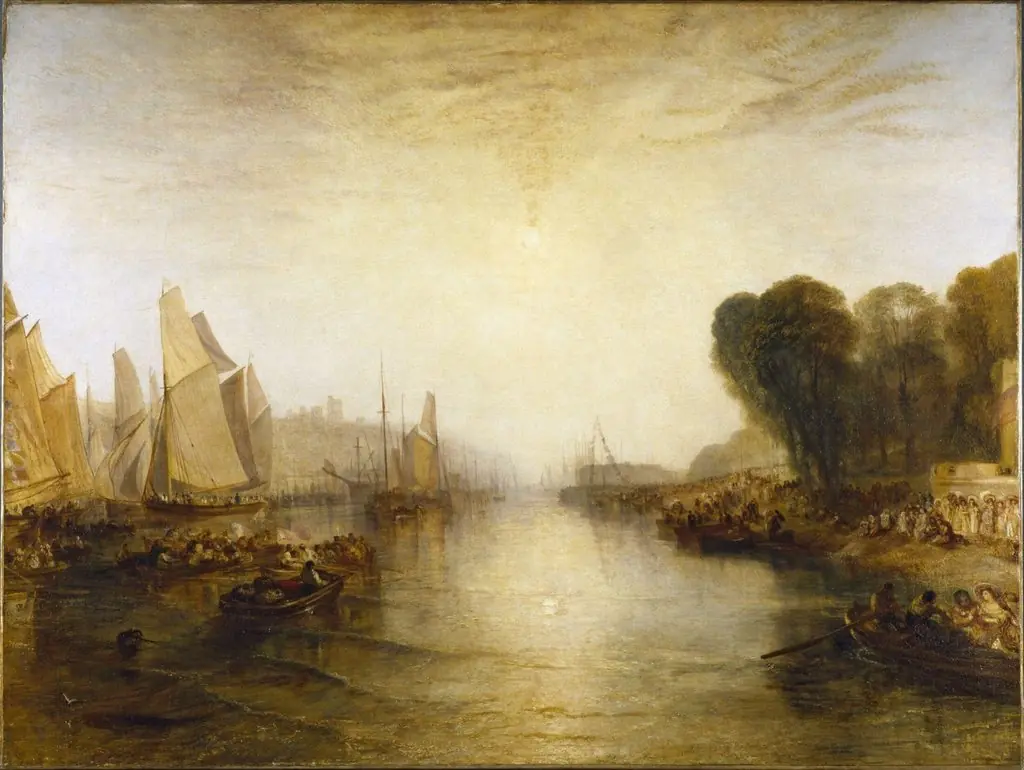 East Cowes Castle, the Seat of John Nash, Esq.; the Regatta Starting for their Moorings.
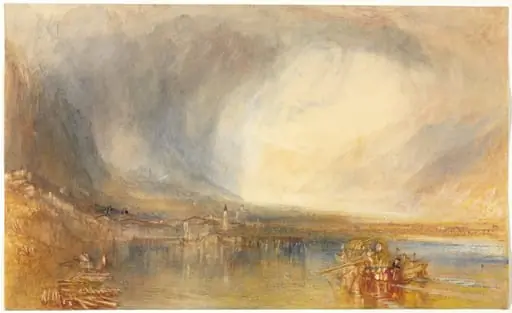 Flüelen, from the Lake of Lucerne
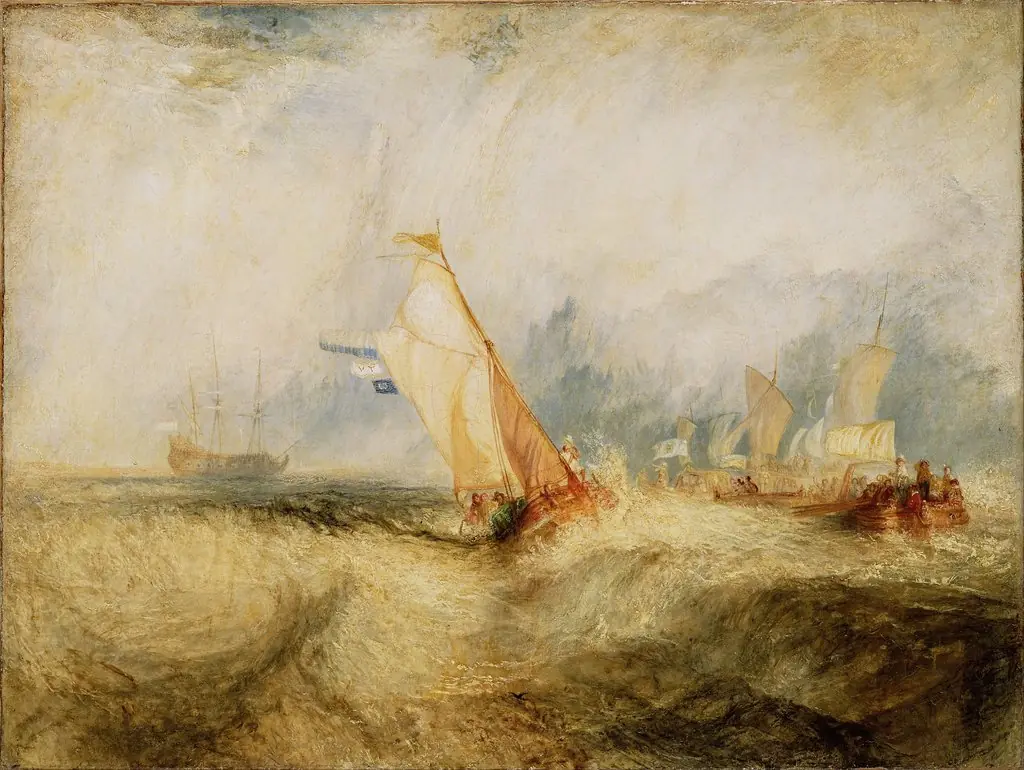 Van Tromp
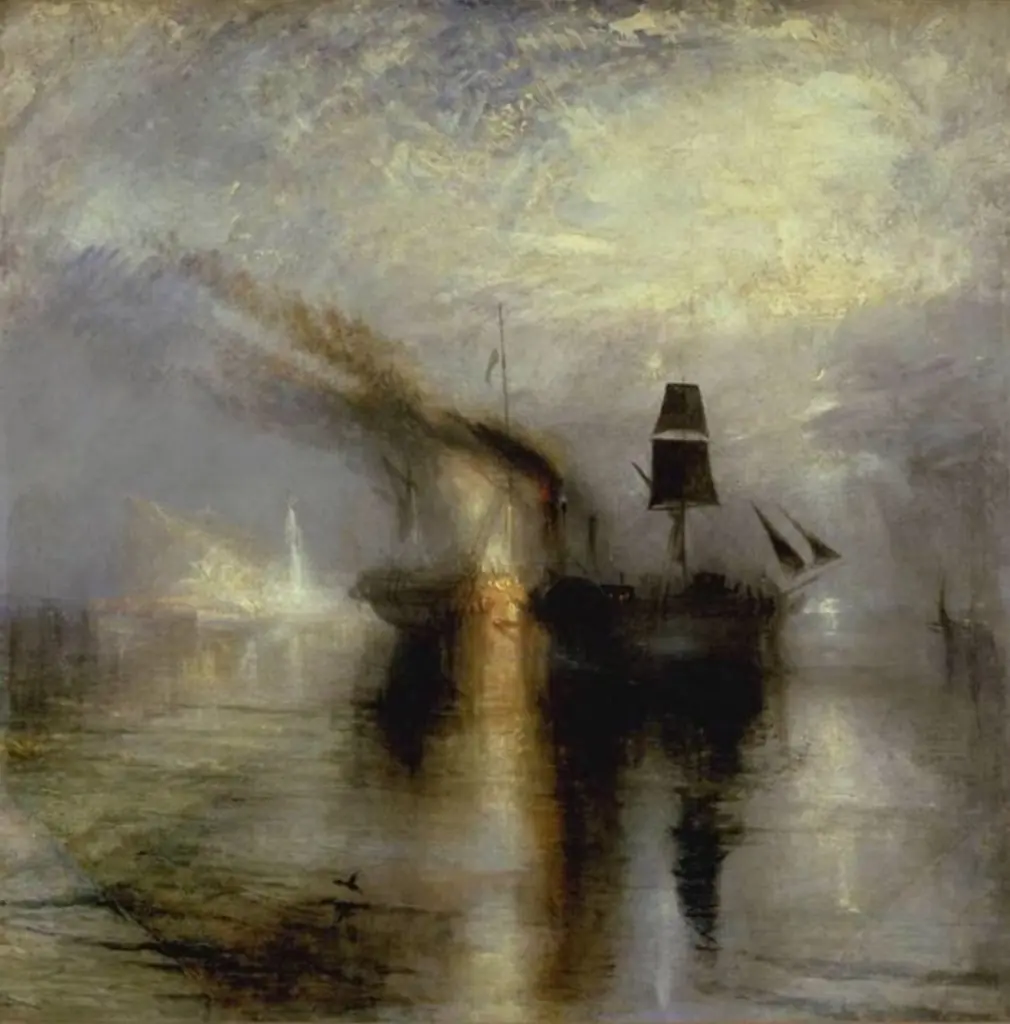 Peace – Burial at Sea
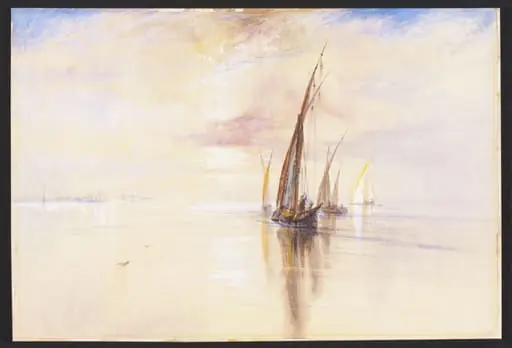 The Nile Delta (Sunset)
 Norham Castle, Sunrise