Artwork
Regulus
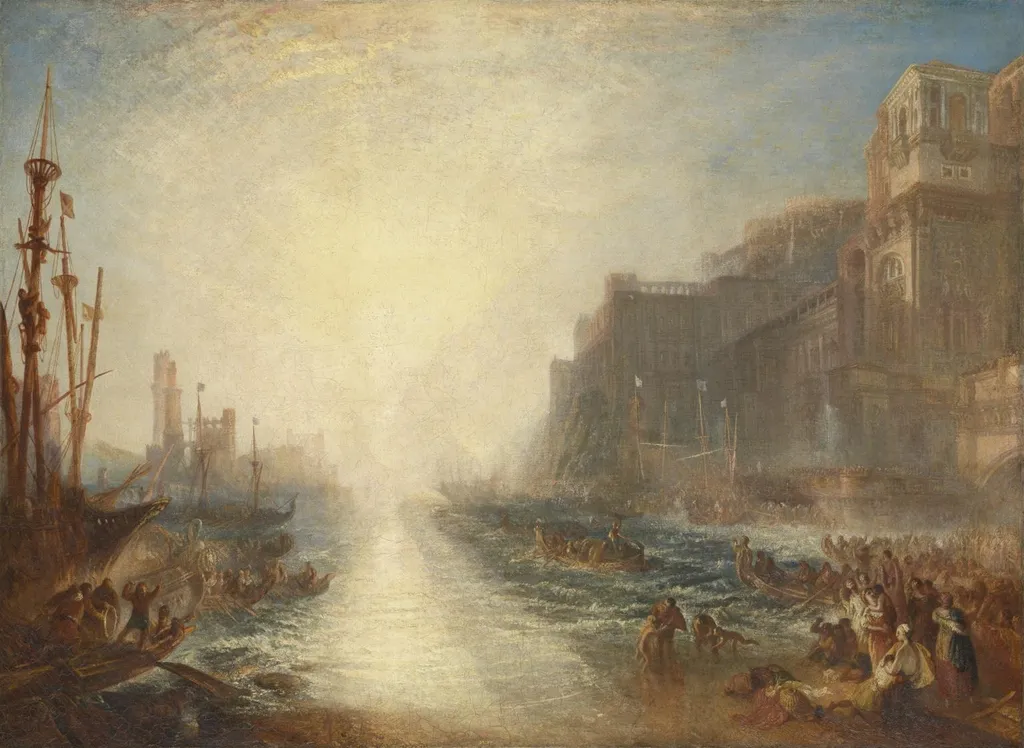
Regulus is an oil painting by Joseph Mallord William Turner. It dates from 1828 and is held in the collection of the National Gallery.
About this work
Overview
Regulus is an oil painting by J. M. W. Turner, created in 1828 and now held at Tate Britain, London. It depicts a dramatic scene with a large ship and a cityscape.
Subject & Meaning
The painting illustrates the legend of Marcus Atilius Regulus, a Roman consul who was captured and executed by Carthaginian forces. The scene is set in a landscape with a dominant white Sun at its center, surrounded by ships and buildings.
Technique & Style
Turner's use of light and shadow creates a sense of depth, with expressive and loose brushstrokes giving the painting a dynamic feel. The artist's chiaroscuro technique is evident in the contrast between the sun's illumination and the surrounding shadows.
History & Provenance
Regulus was initially exhibited in 1828 during Turner's visit to Rome, then transported to England where it was later repaired and repainted due to damage during shipping. It was kept in Turner's gallery until 1837, when it was overpainted during a varnishing day.
Legacy
The painting gained notoriety, inspiring two derivative paintings and two engravings. However, it was also the subject of controversy, being stabbed by a homeless man in 1863.
Artist & collection

Artist
Joseph Mallord William Turner was born in 1775 at Maiden Lane, Covent Garden, where his father kept a barber and wig-making shop.

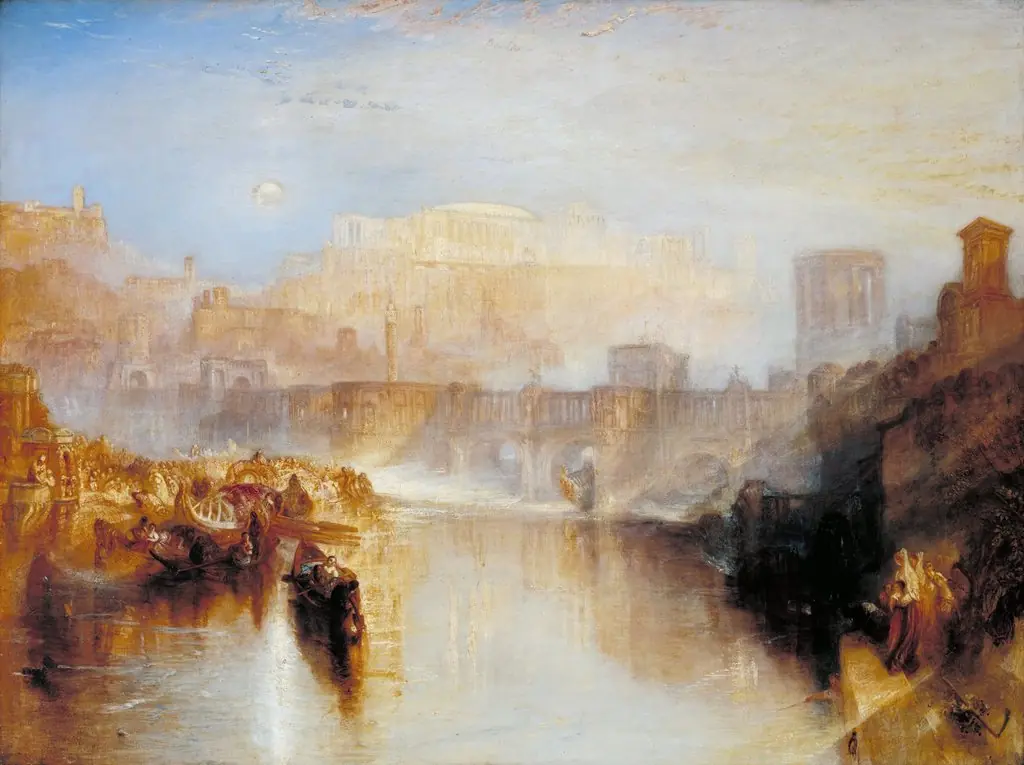 Ancient Rome; Agrippina Landing with the Ashes of Germanicus
 East Cowes Castle
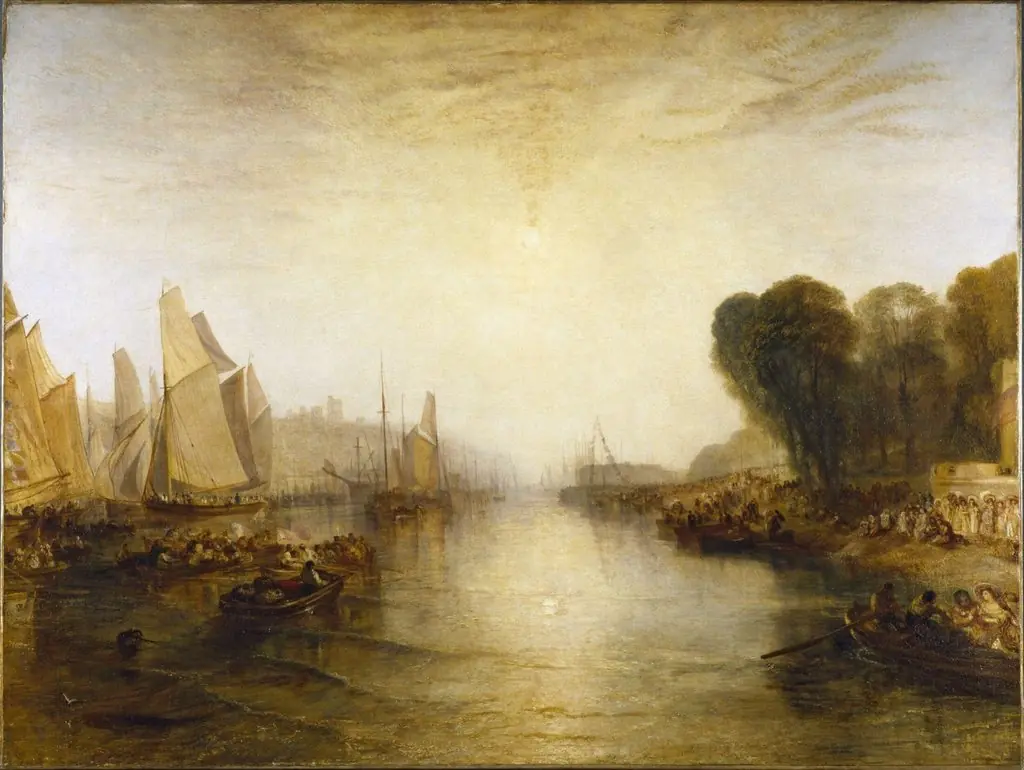 East Cowes Castle, the Seat of John Nash, Esq.; the Regatta Starting for their Moorings.
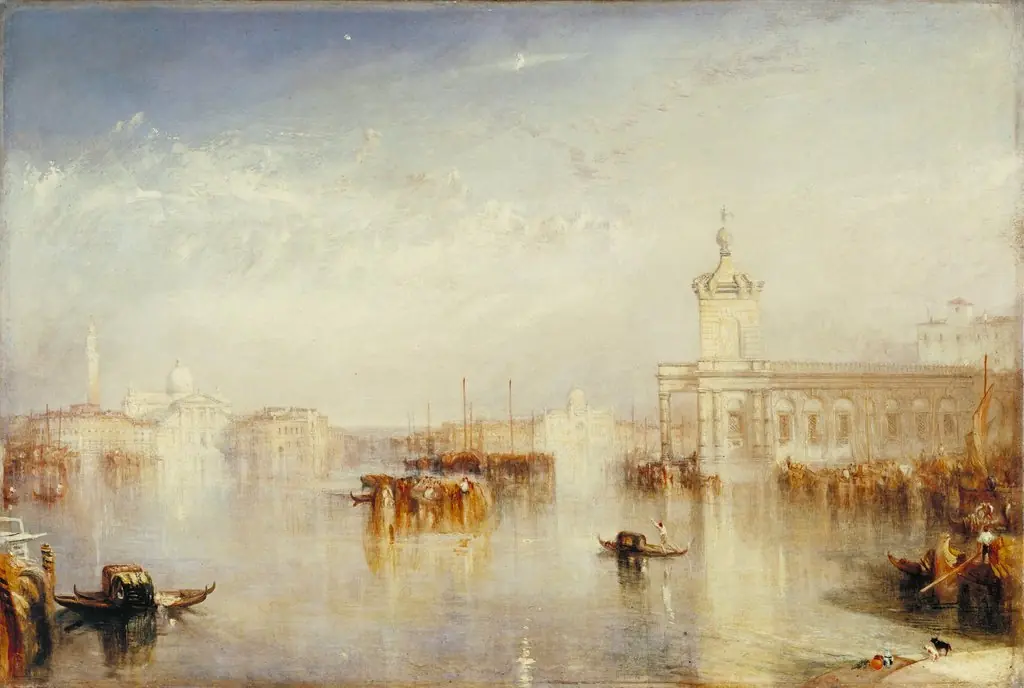 The Dogano, San Giorgio, Citella, from the Steps of the Europa
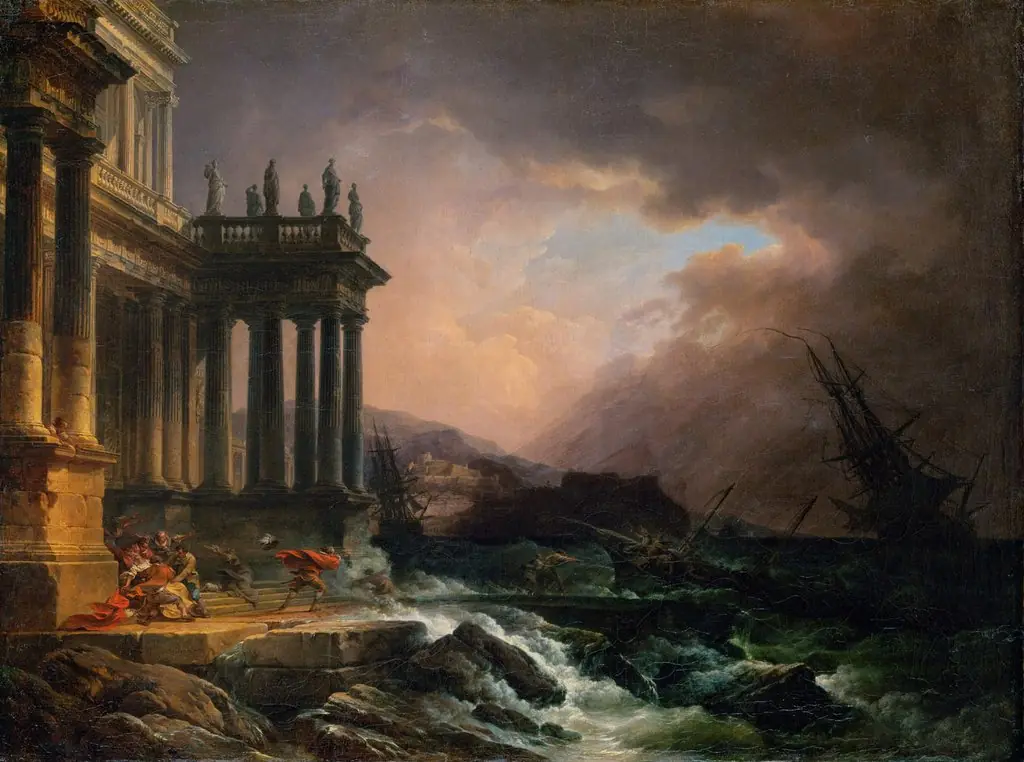 Marine
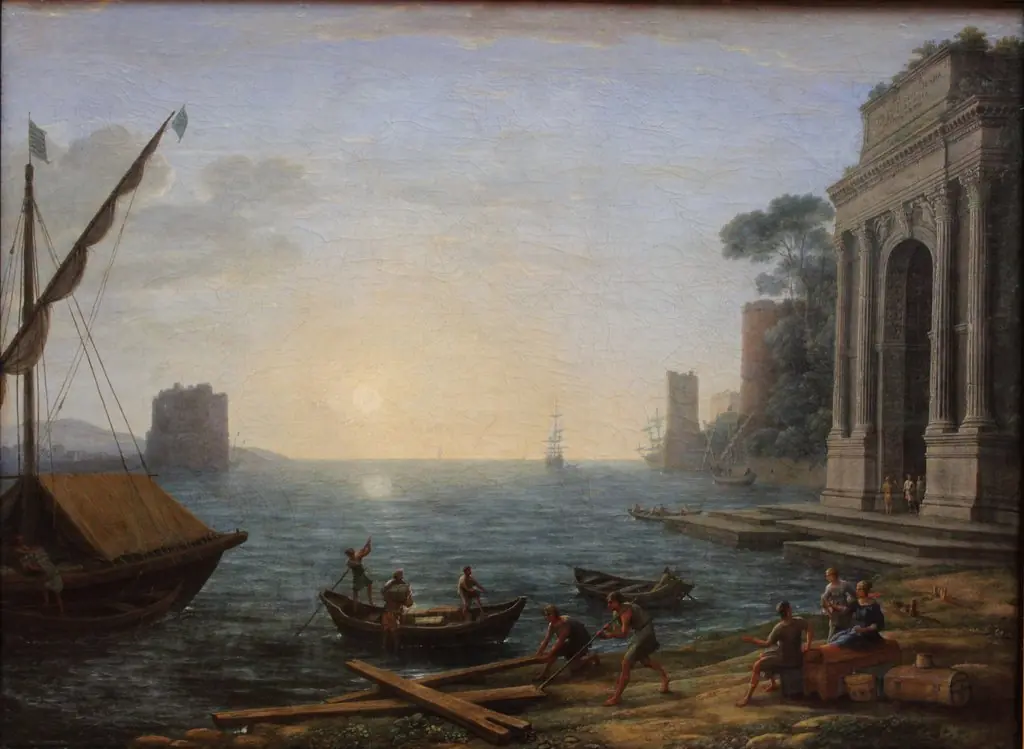 A Seaport at Sunrise
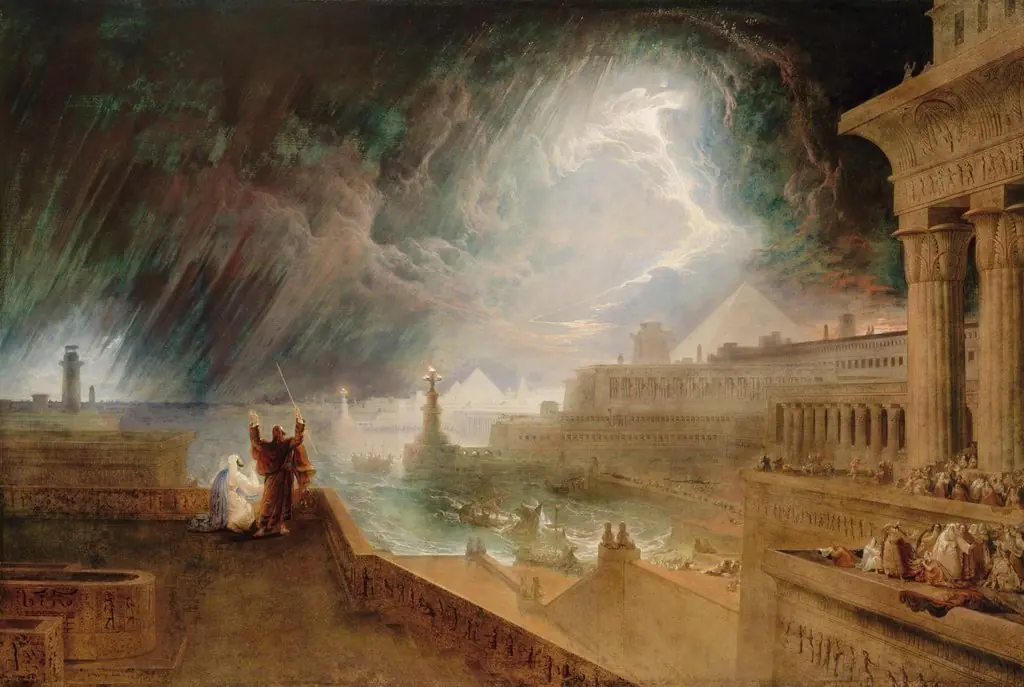 The Seventh Plague
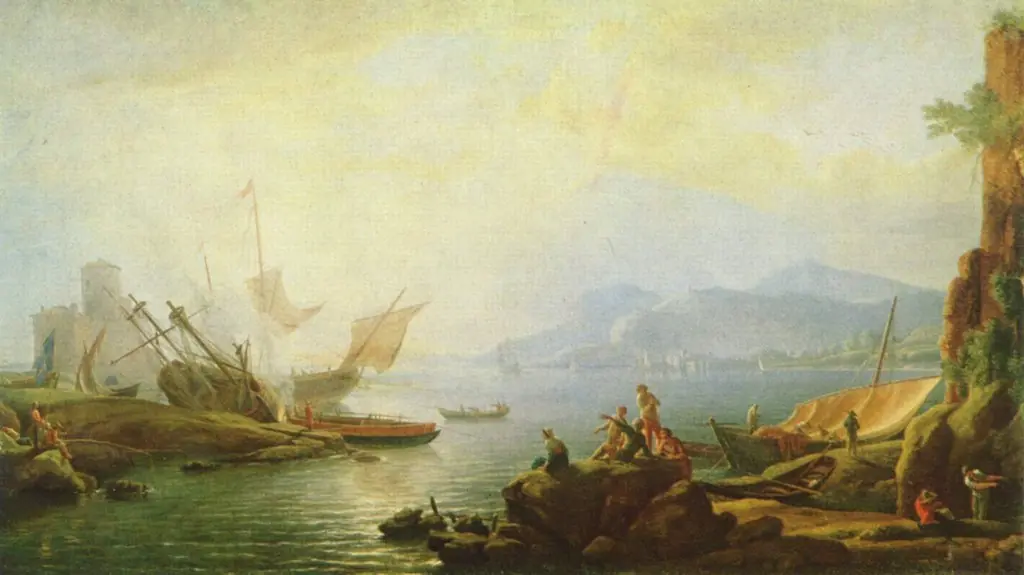 Estuary with Harbour
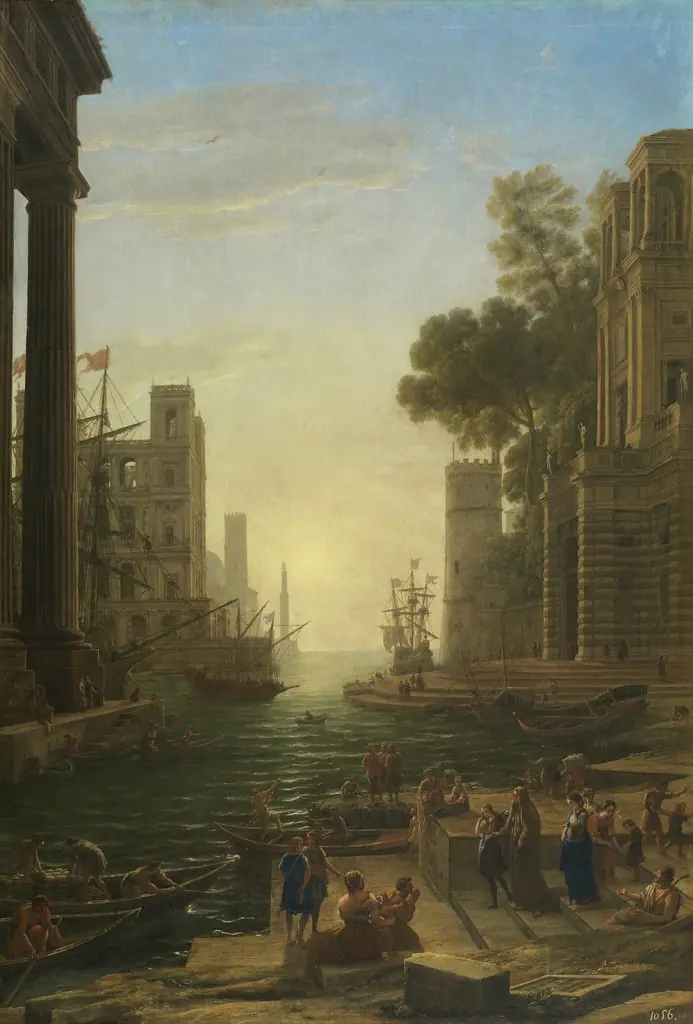 Landscape with the Embarkation of Saint Paula Romana at Ostia
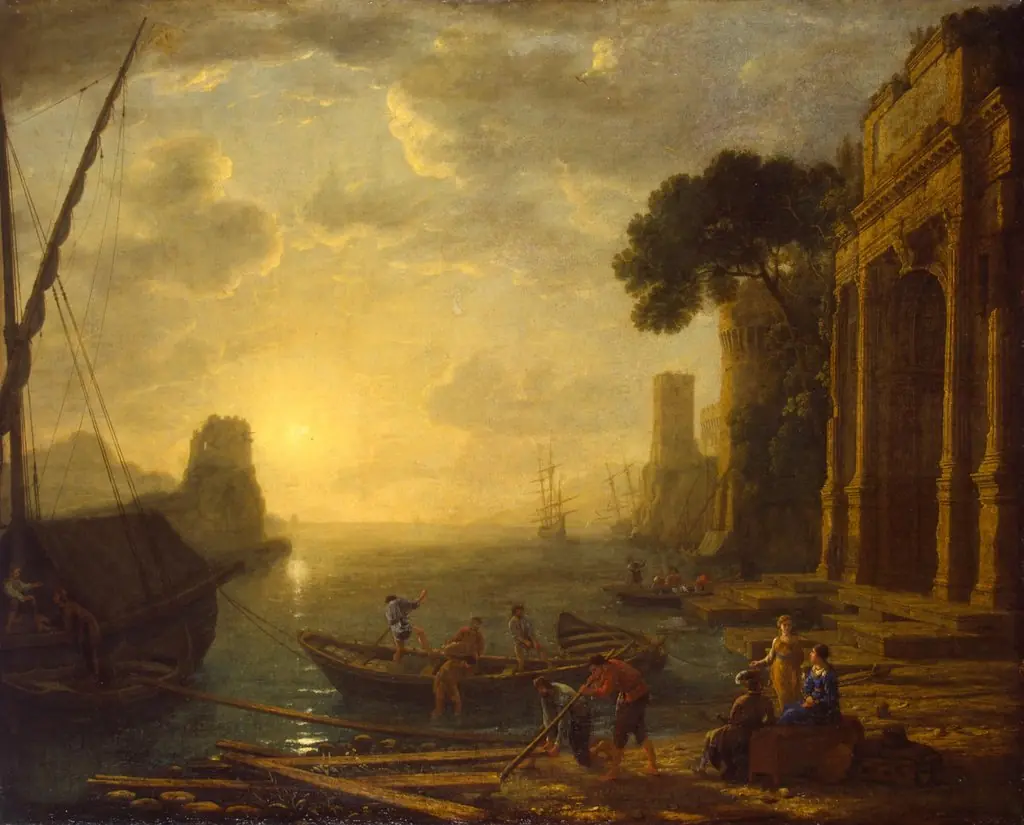 Harbour at Sunset
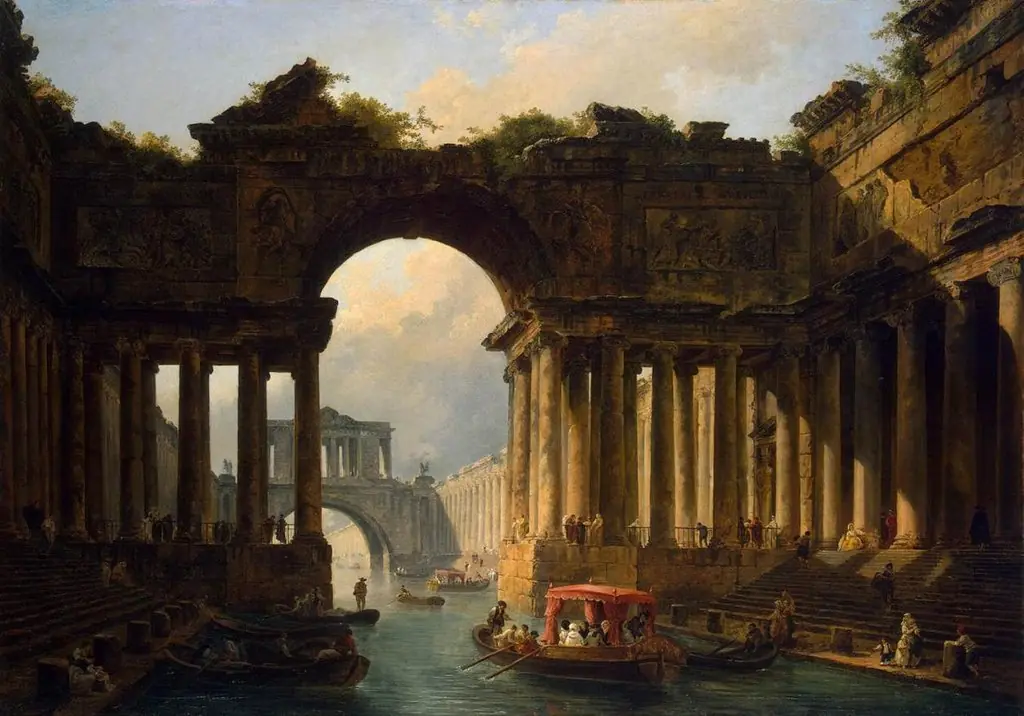 Architectural Landscape with a Canal