Artwork
The Bay of Baiae, with Apollo and the Sibyl
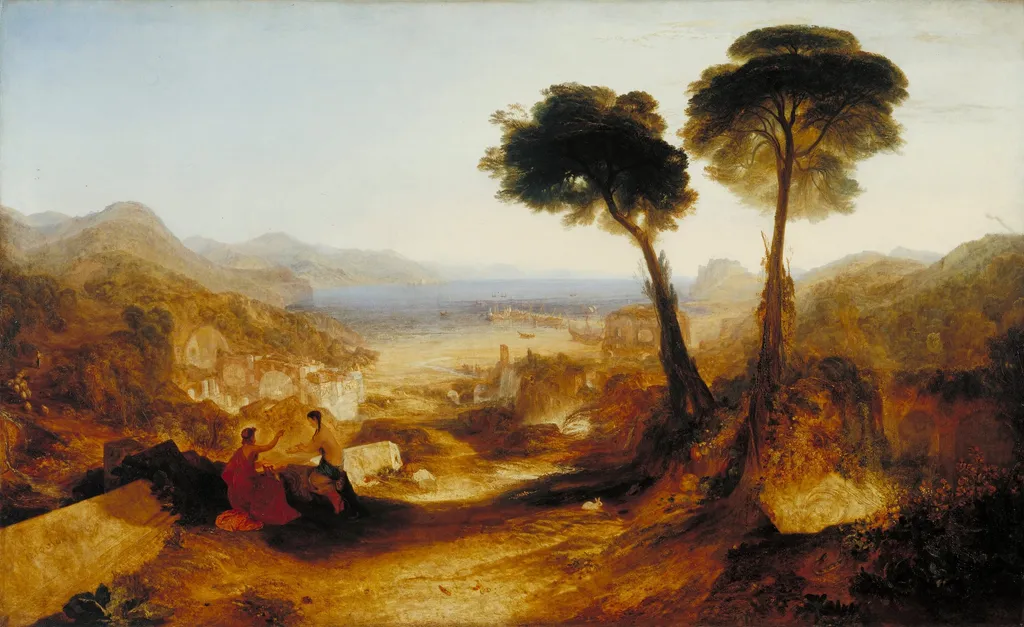
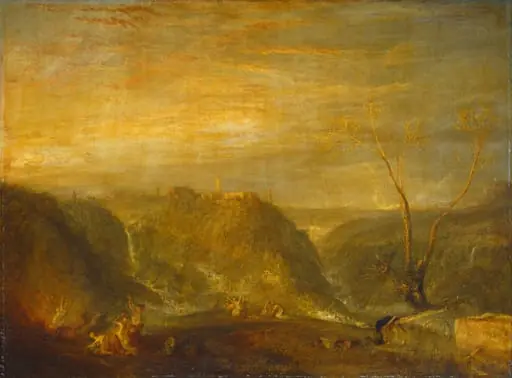
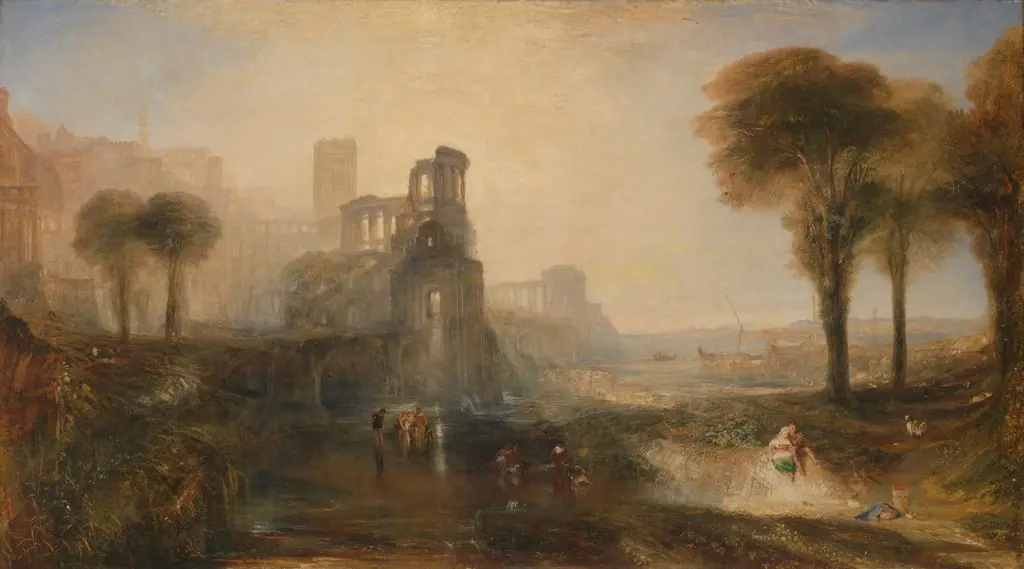
The Bay of Baiae, with Apollo and the Sibyl is an oil painting by Joseph Mallord William Turner. It dates from 1823 and is held in the collection of the National Gallery. Painted in 1823 by J.
About this work
Overview
The painting was first shown at the Royal Academy’s summer exhibition that year, accompanied by a line from Horace’s Odes, signaling its literary aspirations.
Painted in 1823 by J.M.W. Turner, this oil on canvas depicts the Bay of Baiae near Naples, blending topographical observation with mythological narrative. Turner based the landscape on sketches made during his 1819 Italian tour, reworking them in his London studio. The painting was first shown at the Royal Academy’s summer exhibition that year, accompanied by a line from Horace’s Odes, signaling its literary aspirations. It entered the Tate Britain’s collection in 1856 through the Turner Bequest.
Subject & Meaning
The scene pairs a tranquil coastal view with a mythological encounter: the Cumaean Sibyl, a prophetic priestess, sits beside Apollo, god of prophecy and light. Their presence transforms the landscape into a sacred space, where natural beauty and divine revelation intersect. The Sibyl’s gesture toward the bay may imply foresight, linking the physical horizon with spiritual insight. Turner’s fusion of classical myth and real geography reflects Romantic-era interests in antiquity and the sublime.
Technique & Style
Turner employed layered glazes and delicate brushwork to evoke atmospheric depth, contrasting the cool blues of the water with the warm ochres and golds of the hills and sky. Figures are rendered with minimal detail, emphasizing their symbolic role over individual identity. Light is diffused across the scene, softening edges and unifying foreground and background. The composition directs the eye from the figures toward the distant horizon, reinforcing the theme of transcendence.
History & Provenance
After its debut at the Royal Academy in 1823, the painting drew mixed reactions, with critics like John Ruskin later criticizing its color choices as overly bold. Despite contemporary skepticism, Turner retained the work, suggesting personal significance. Following his death in 1851, it was included in the bequest of his entire collection to the British nation. It has remained in public ownership since, now housed at Tate Britain in London.
Context
Turner painted this during a period when British artists increasingly turned to classical themes and Mediterranean landscapes to elevate their work. The Bay of Baiae was a well-known site of Roman luxury and oracle worship, making it a resonant subject for a culture fascinated by antiquity. The inclusion of Horace’s verse reflects the era’s literary sensibilities, where painting and poetry were seen as complementary arts.
Legacy
Though initially controversial for its color and compositional boldness, the painting now stands as an example of Turner’s ability to merge landscape with allegory. Its inclusion in the Turner Bequest ensured its preservation and public access. Modern viewers recognize it not merely as a topographical study, but as a meditation on time, memory, and the persistence of myth within natural settings.
Own this work as a print
Artist & collection
Artist
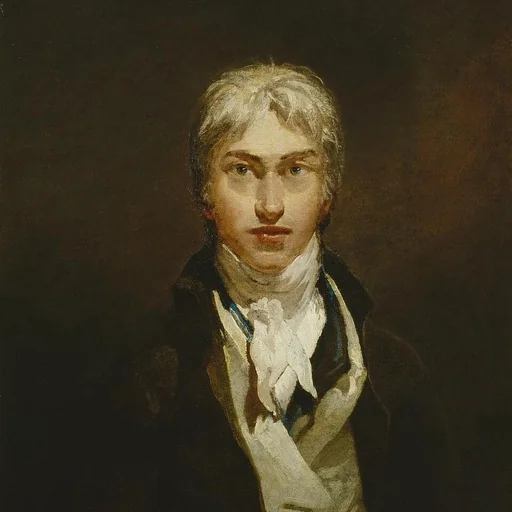
Joseph Mallord William Turner was born in 1775 at Maiden Lane, Covent Garden, where his father kept a barber and wig-making shop.