Artwork
Caligula's Palace and Bridge
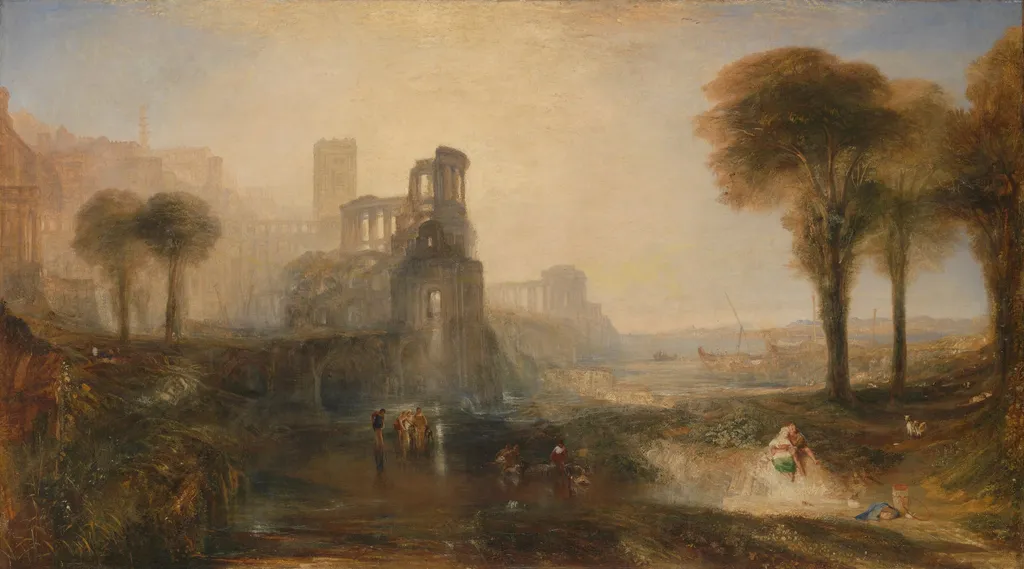
Caligula's Palace and Bridge is an oil painting by Joseph Mallord William Turner. It dates from 1831 and is held in the collection of the National Gallery. J.
About this work
Overview
J.M.W. Turner’s 1831 oil painting portrays an imagined Roman landscape where a massive palace and an arched bridge span the Bay of Naples. The composition balances a luminous sky with tranquil water, while figures in the foreground suggest everyday activity. The work exemplifies Turner’s interest in dramatic architecture set within a poetic natural environment.
Subject & Meaning
The scene references the legendary construction ordered by Emperor Caligula, linking the grandeur of imperial ambition with the fleeting nature of human endeavors. By placing ordinary people near the monumental structures, Turner hints at the contrast between fleeting daily life and the enduring, yet imagined, legacy of power.
Technique & Style
Turner employs a luminous palette, juxtaposing warm, sun‑lit tones against cool blues of the sea to create atmospheric depth. Broad, expressive brushwork conveys movement in the sky and water, while delicate detailing defines the architectural forms. The handling of light evokes a hazy, almost dreamlike quality characteristic of his late landscapes.
History & Provenance
Displayed at the Royal Academy’s 1831 exhibition, the painting was positioned opposite John Constable’s work, a placement that sparked a noted dispute among the artists. After Turner’s death, the canvas entered the Turner Bequest and was acquired by Tate Britain, where it remains in the public collection.
Context
Turner later commissioned engraver Edward Goodall to reproduce the image, extending its reach beyond the canvas. The work reflects the early‑19th‑century fascination with classical antiquity and the Romantic preoccupation with the sublime, influencing subsequent generations of landscape painters who explored the interplay of history and nature.
Artist & collection
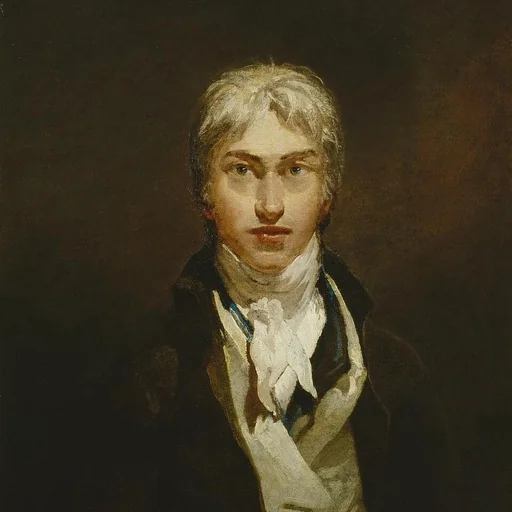
Artist
Joseph Mallord William Turner was born in 1775 at Maiden Lane, Covent Garden, where his father kept a barber and wig-making shop.

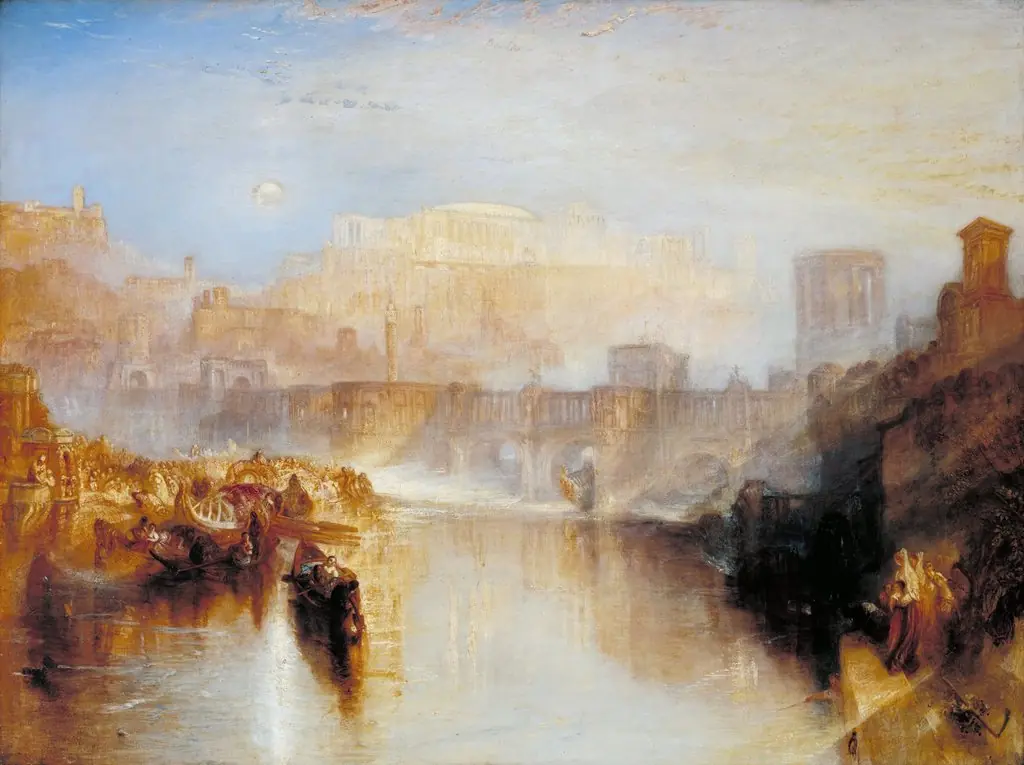 Ancient Rome; Agrippina Landing with the Ashes of Germanicus
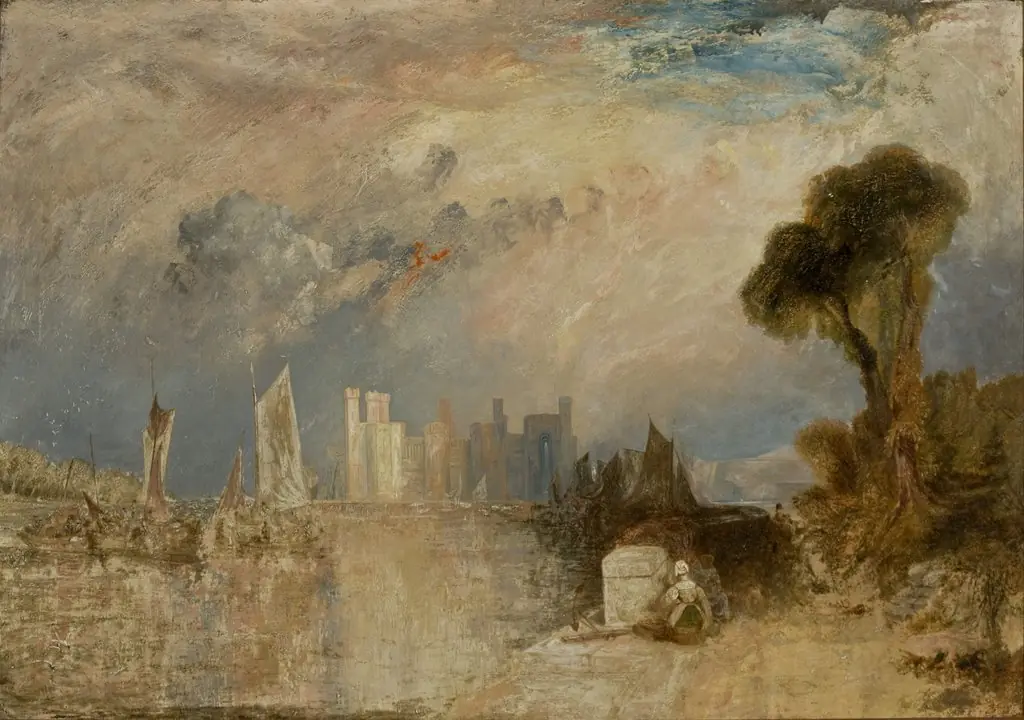 Caernarfon Castle
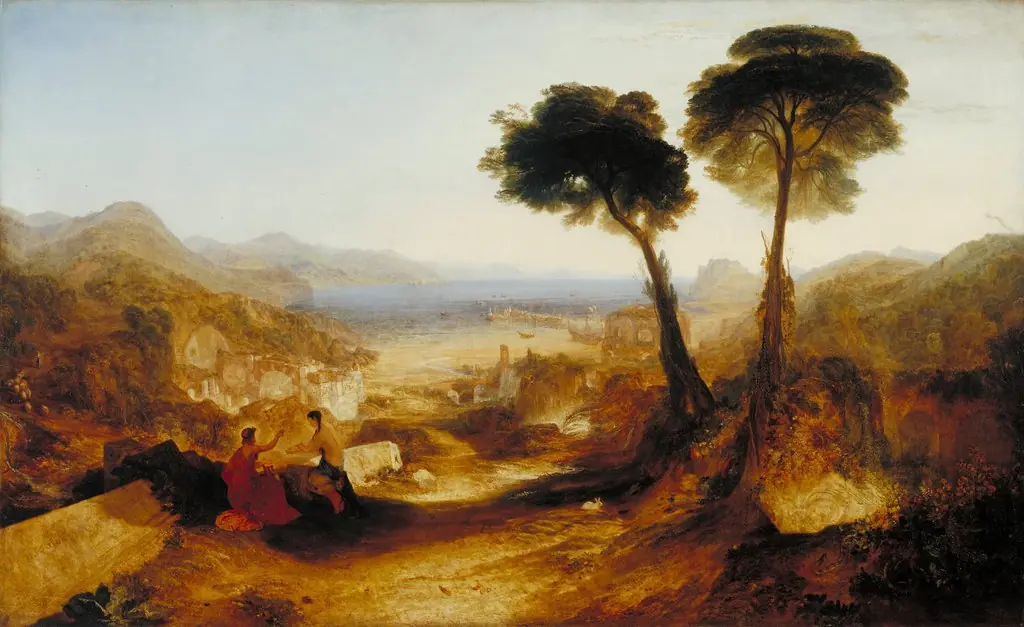 The Bay of Baiae, with Apollo and the Sibyl
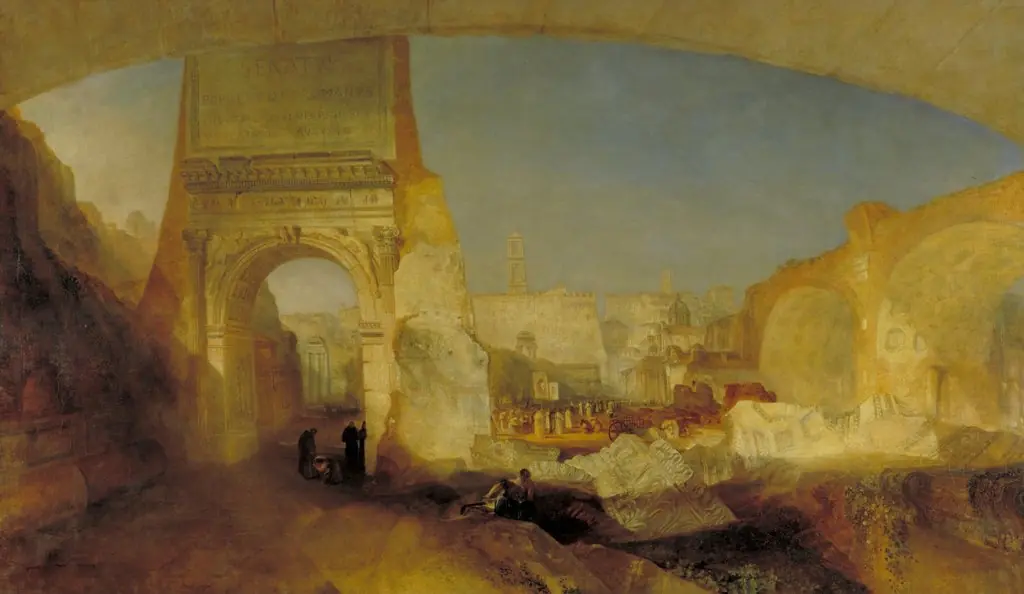 Forum Romanum, for Mr Soane's Museum
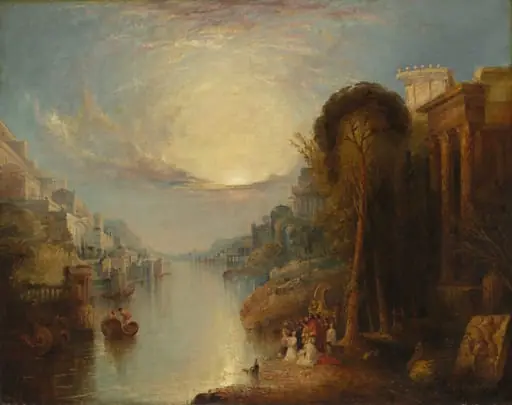 Carthage
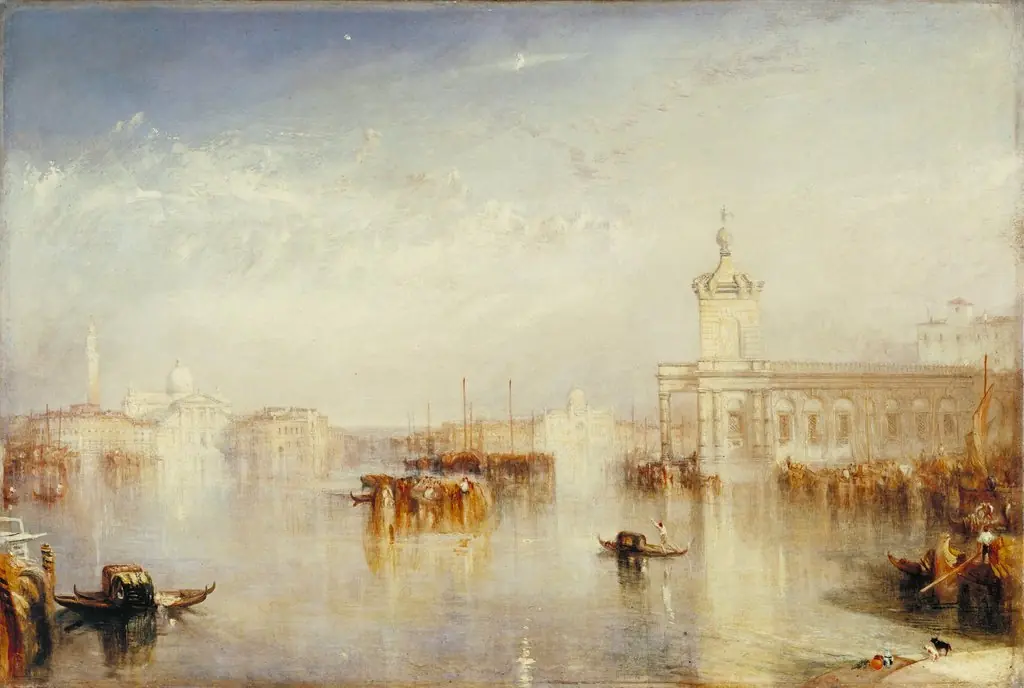 The Dogano, San Giorgio, Citella, from the Steps of the Europa
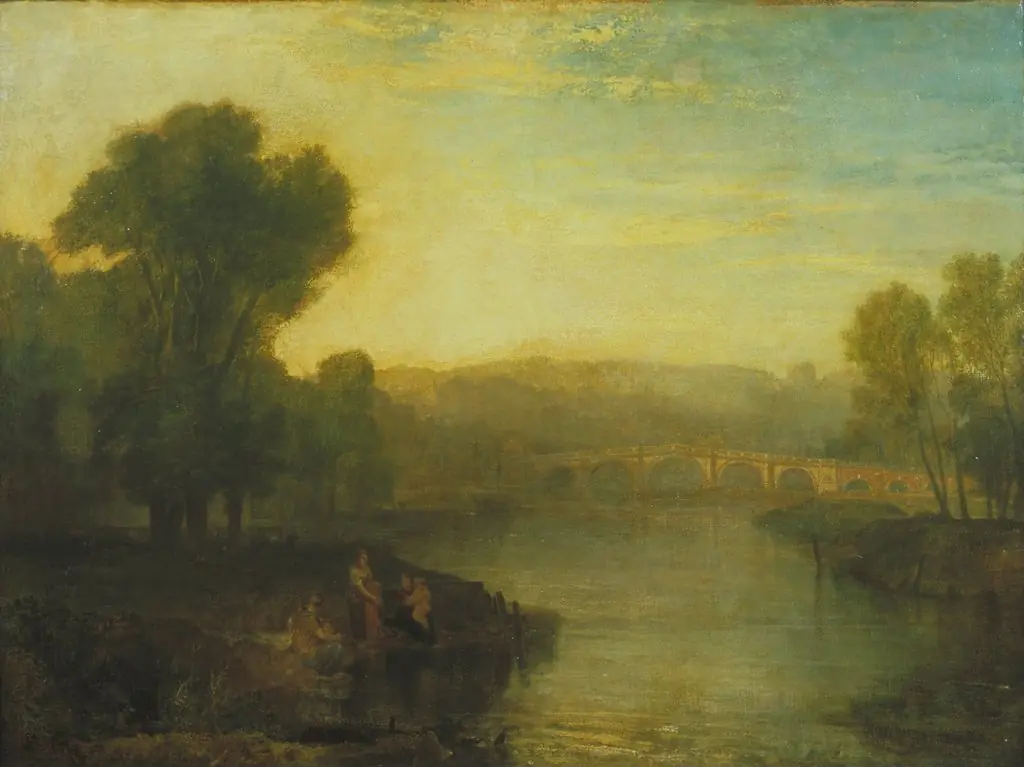 View of Richmond Hill and Bridge
 Untitled
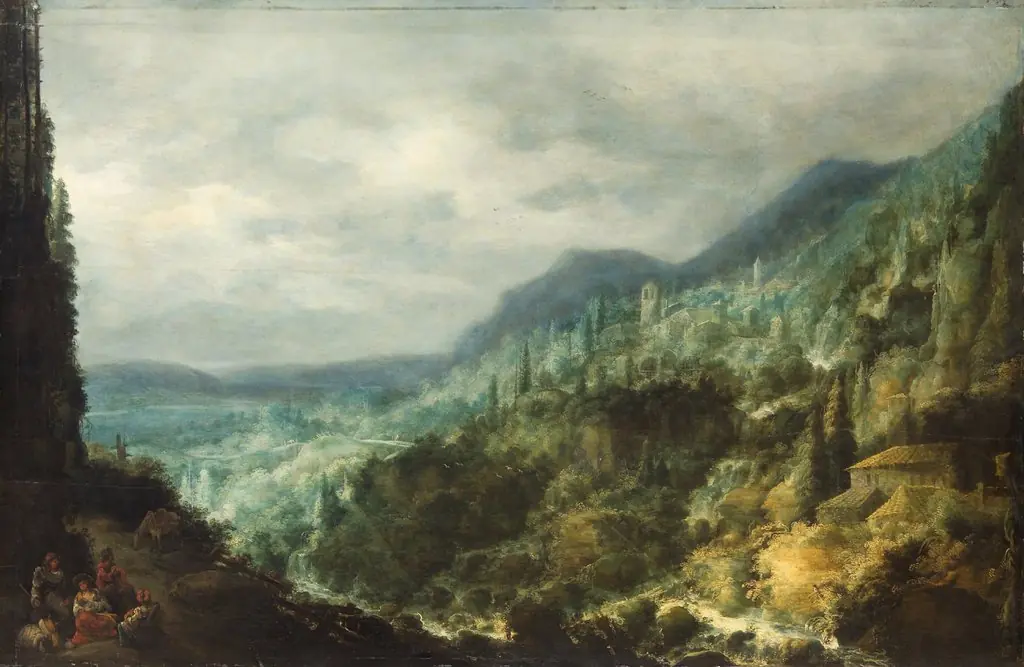 Mountainous landscape
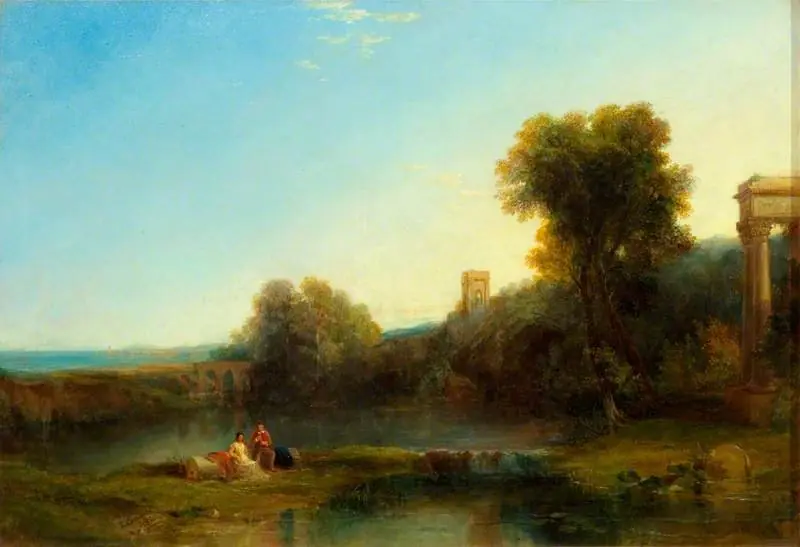 A Landscape with Classical Ruins
 A Classical Composition
 Quillebeuf, Mouth of the Seine