Artwork
Tekla Hultinin muotokuva
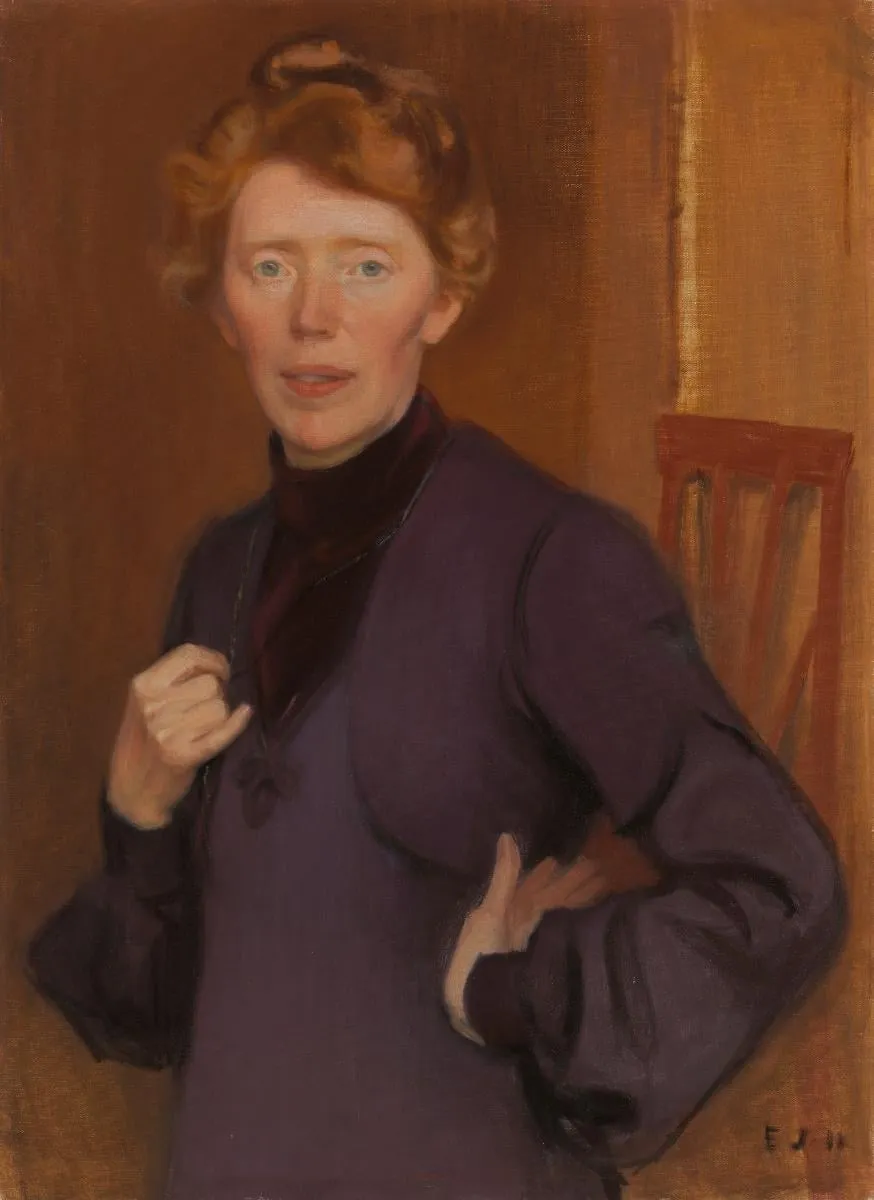
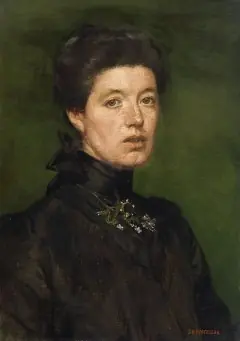
Tekla Hultinin muotokuva is an unspecified painting by the Realist artist Eero Järnefelt. It dates from 1910 and is held in the collection of the Finnish National Gallery.
About this work
Overview
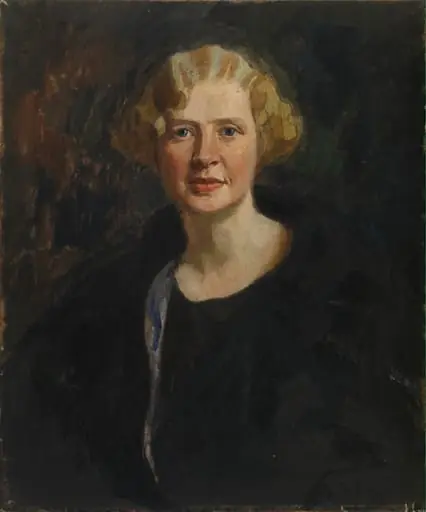
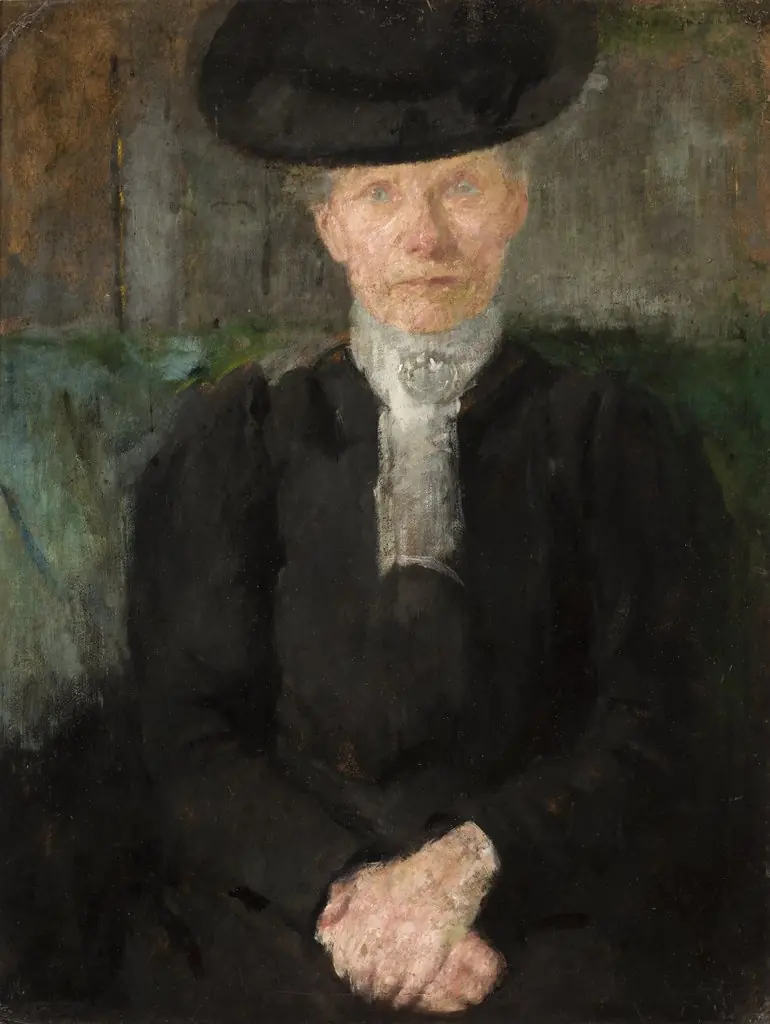
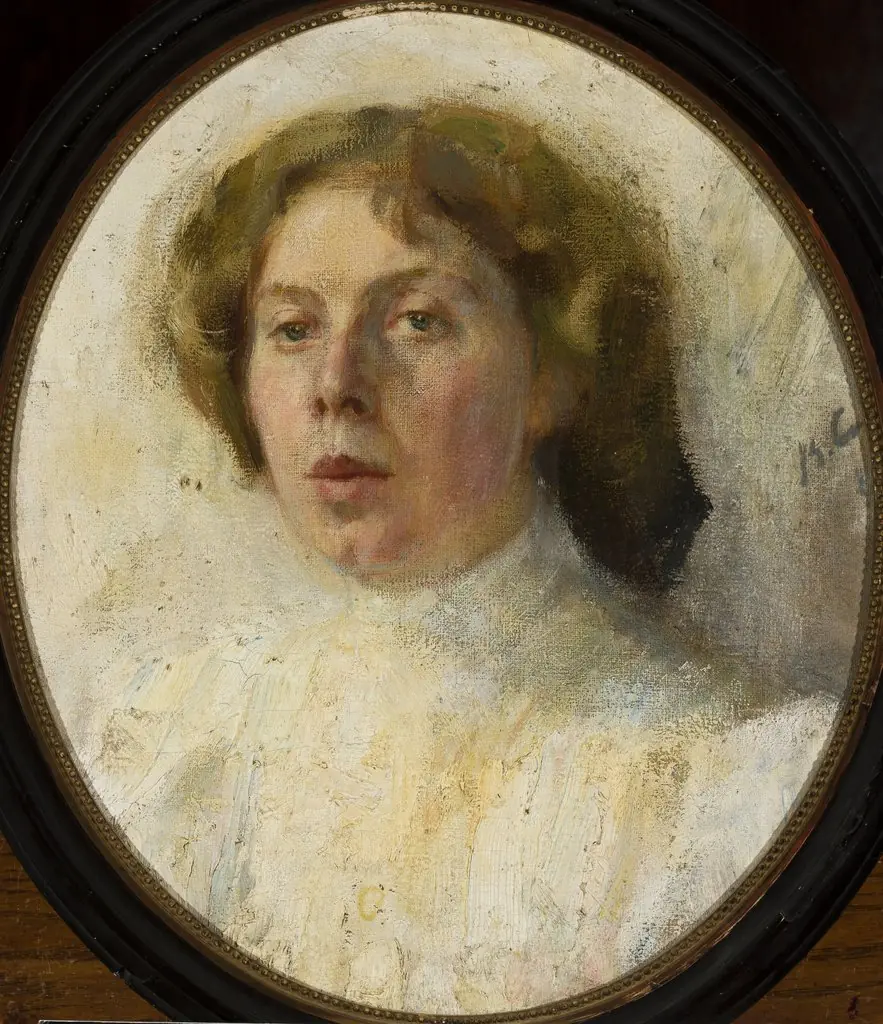
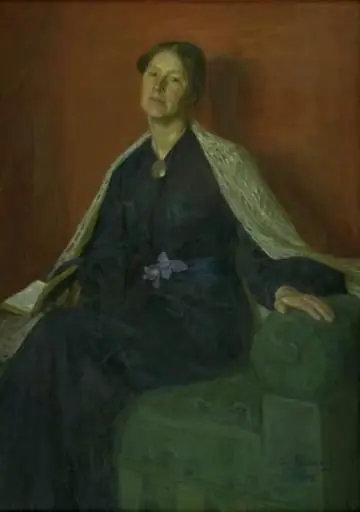
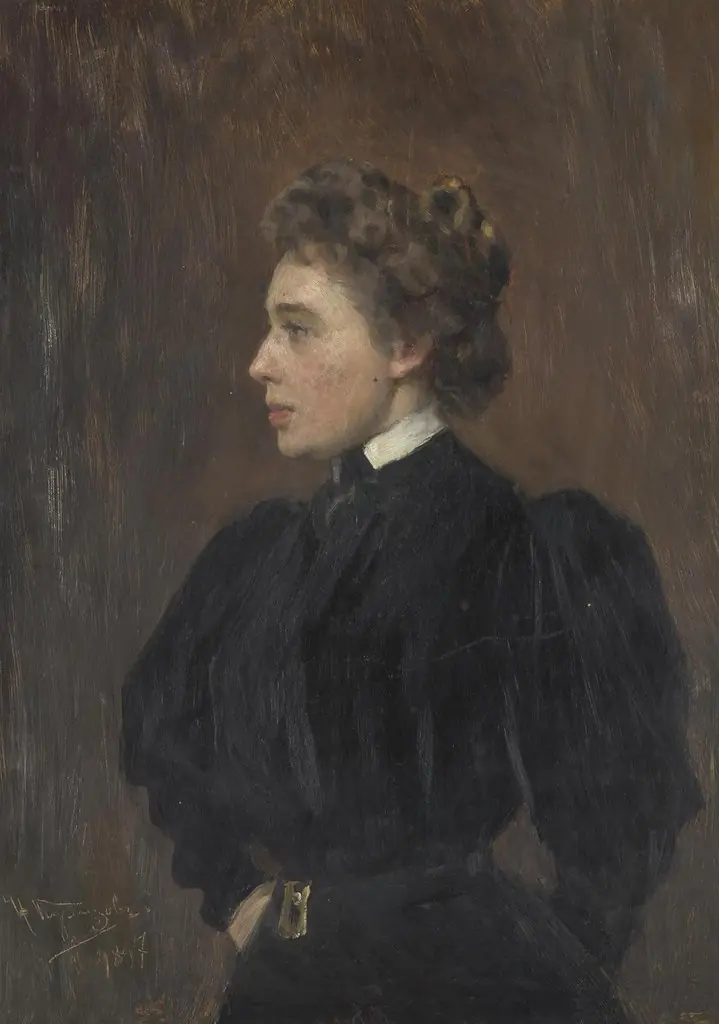
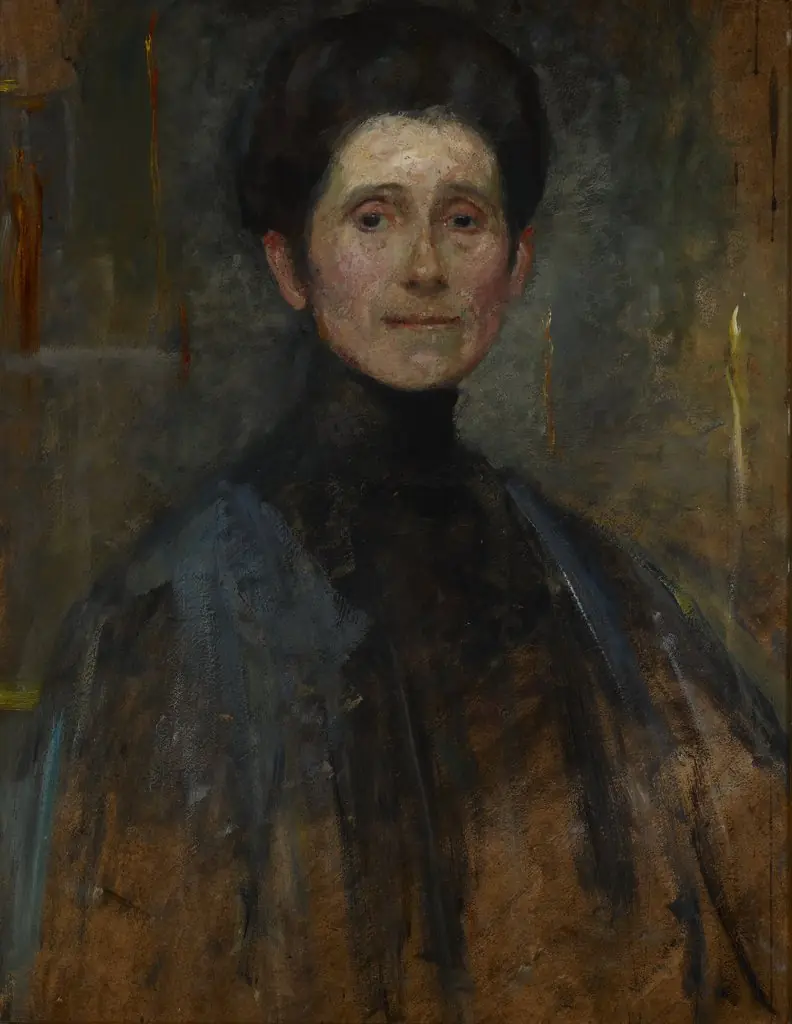
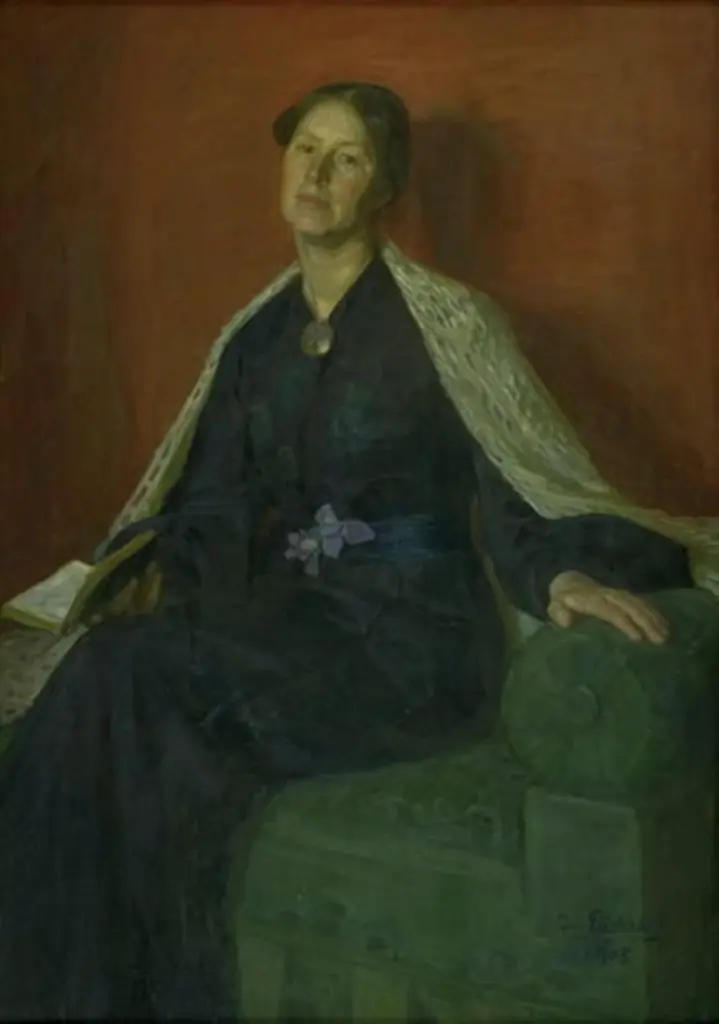
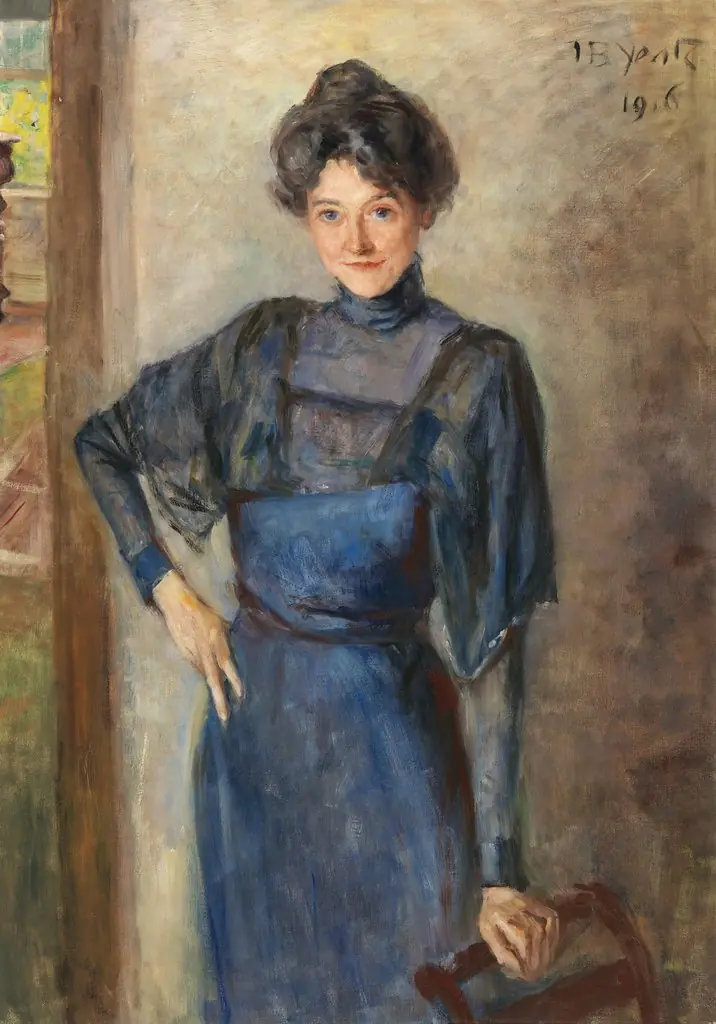
Painted around 1910 by Eero Järnefelt, this portrait depicts Tekla Hultin, a Finnish educator and women's rights advocate.
Painted around 1910 by Eero Järnefelt, this portrait depicts Tekla Hultin, a Finnish educator and women's rights advocate. The composition is restrained, focusing on the sitter’s presence without elaborate surroundings. Järnefelt’s approach emphasizes quiet dignity, avoiding theatricality in favor of intimate realism. The work belongs to a series of Finnish cultural figures rendered with similar sensitivity during this period.
Subject & Meaning
Tekla Hultin was a prominent figure in Finland’s educational reform and gender equality movements. Her portrayal reflects her public role through composed demeanor and modest attire, suggesting restraint and intellectual seriousness. The faint smile and attentive gaze convey quiet confidence rather than overt expression. The portrait functions as both personal likeness and cultural statement, aligning her image with the emerging ideals of Finnish womanhood in the early 20th century.
Technique & Style
Järnefelt employed soft, blended brushwork to render the sitter’s skin and fabric, creating a sense of tactile realism. The dark, high-necked dress contrasts subtly with the warm, muted background, drawing focus to the face. Delicate modeling of light defines the contours of her features without harsh shadows. The background suggests architectural elements—perhaps a chair or window—but remains indistinct, reinforcing the portrait’s intimate, inward focus.
History & Provenance
The painting was likely commissioned by Hultin’s associates or institutions connected to her educational work. It remained within Finnish cultural circles after its completion and is now held in a public collection, possibly the Finnish National Gallery. Its preservation reflects Hultin’s enduring significance in national history and Järnefelt’s reputation as a chronicler of Finland’s intellectual elite during the early independence era.
Context
Created during Finland’s transition to independence from Russia, this portrait aligns with a broader cultural movement to define national identity through portraiture. Artists like Järnefelt turned to educators, writers, and activists as subjects, elevating civic virtue over aristocratic privilege. The calm, unadorned style contrasts with earlier romanticized depictions, reflecting a shift toward realism and moral seriousness in Finnish art.
Legacy
The portrait endures as a representative example of Finnish realist portraiture from the early 1900s. It contributes to the visual record of women who shaped Finland’s social institutions, offering a counterpoint to male-dominated historical narratives. Järnefelt’s restrained technique influenced later generations of Finnish painters who sought to capture inner character through subtle observation rather than dramatic effect.
Artist & collection

Artist
Erik "Eero" Nikolai Järnefelt was a Finnish painter and art professor. He is best known for his portraits and landscapes of the area around Koli National Park, in the North Karelia region of Finland. He was a medal…