Artwork
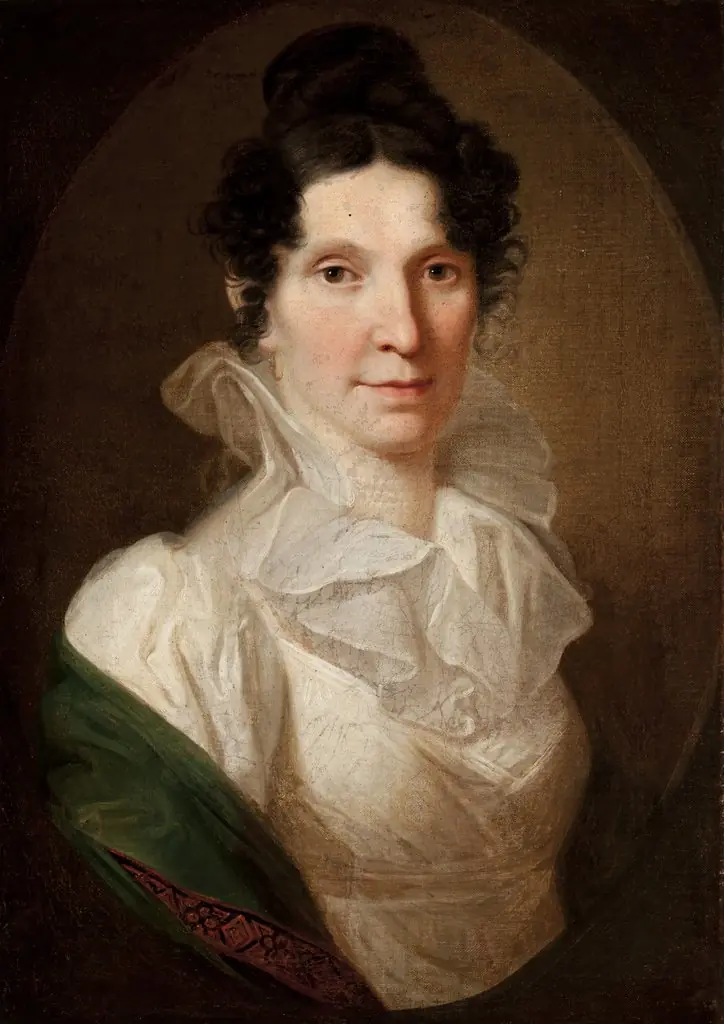
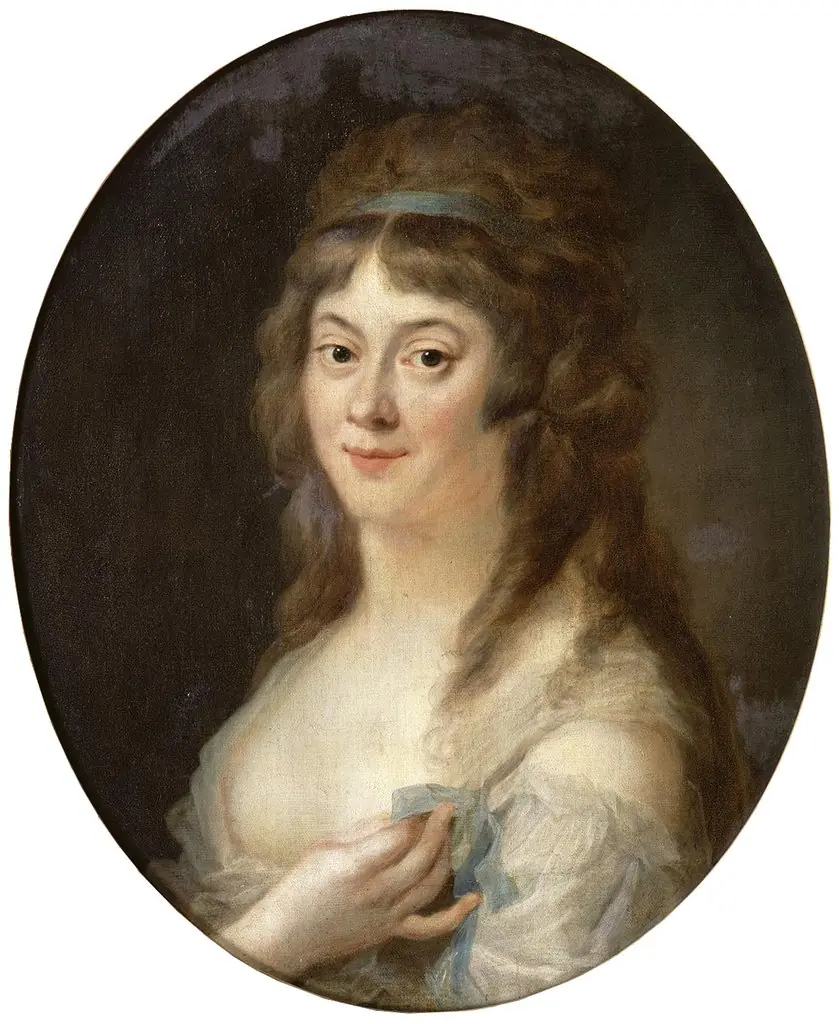
Portrait of Katarzyna Lessel
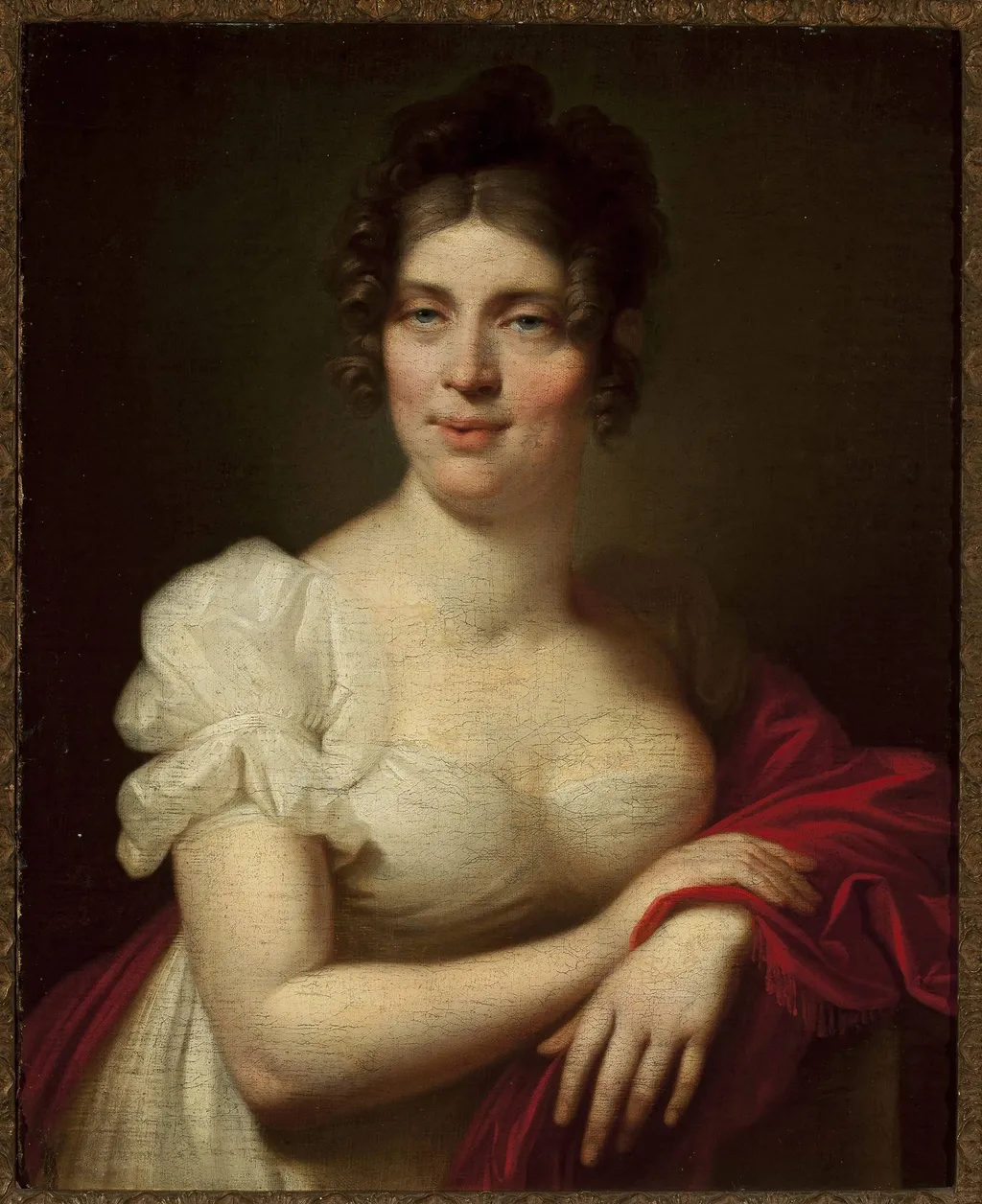
Portrait of Katarzyna Lessel is an unspecified painting by Józef Peszka. It dates from 1809 and is held in the collection of the National Museum in Warsaw.
About this work
Overview
Peszka, known for his portraiture and landscape watercolors, worked during a time when Polish art emphasized personal and familial representation.
Painted around 1809 by Józef Peszka, a Polish artist and educator, this portrait captures Katarzyna Lessel in a quiet, intimate moment. Peszka, known for his portraiture and landscape watercolors, worked during a time when Polish art emphasized personal and familial representation. The painting resides in the National Museum in Warsaw, where it remains a modest yet significant example of early 19th-century Polish painting.
Subject & Meaning
Katarzyna Lessel is depicted with a composed, inward gaze, suggesting contemplation rather than performative elegance. Her dark curls and blue eyes frame a face rendered with quiet dignity. The red cloth she holds may signify personal or symbolic meaning—perhaps a keepsake or a gesture of domesticity—but no definitive narrative is recorded. The absence of elaborate adornment or setting focuses attention on her presence as an individual.
Technique & Style
Peszka employs a restrained palette of soft tones and delicate shading to model the figure with subtle volume. Light falls gently across the face and white dress, enhancing form without dramatic contrast. The use of chiaroscuro is understated, serving to deepen spatial realism rather than evoke theatricality. Brushwork is smooth and precise, favoring naturalism over ornamentation, characteristic of academic portraiture of the era.
History & Provenance
The painting entered the collection of the National Museum in Warsaw, where it has been preserved since at least the late 19th century. Its early ownership history is undocumented, but its survival through political upheavals underscores its perceived cultural value. No major restorations or alterations are recorded, and the work retains its original condition and framing.
Context
Created during the Napoleonic era, when Poland was partitioned and national identity was fragmented, portraiture became a means of preserving personal and aristocratic memory. Peszka, active in Warsaw’s artistic circles, contributed to a tradition that valued individual likeness over grand historical themes. This portrait reflects a quieter, more personal strand of Polish art during a time of political uncertainty.
Legacy
Though not widely exhibited, the portrait remains a representative work of Peszka’s skill in capturing psychological nuance. It contributes to the understanding of early 19th-century Polish portraiture, where restraint and sincerity often replaced flamboyance. Its presence in a national collection affirms its role as a quiet testament to the era’s artistic values and social norms.
Artist & collection
Artist
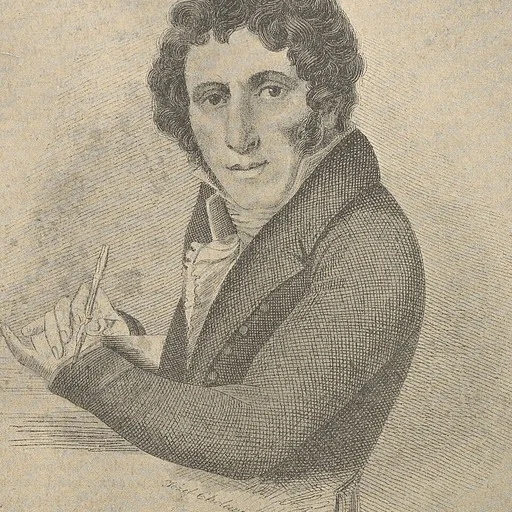
Józef Peszka (19 February 1767 – 14 September 1831) was a Polish painter and art professor; known mostly for his portraits and watercolor landscapes.

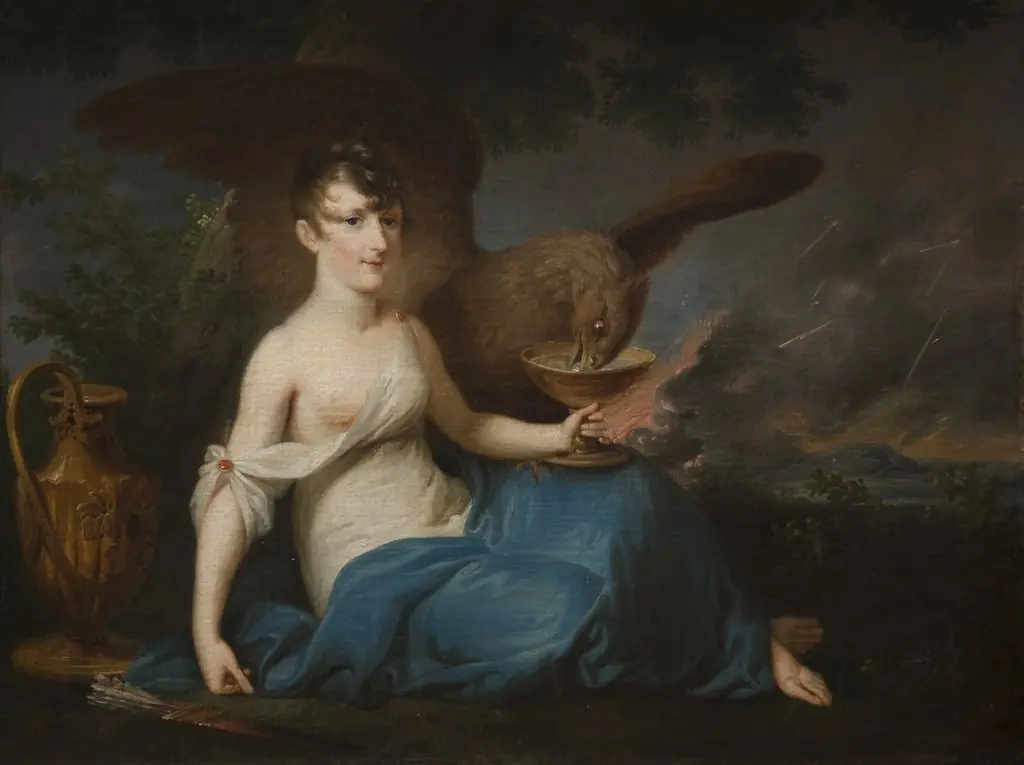
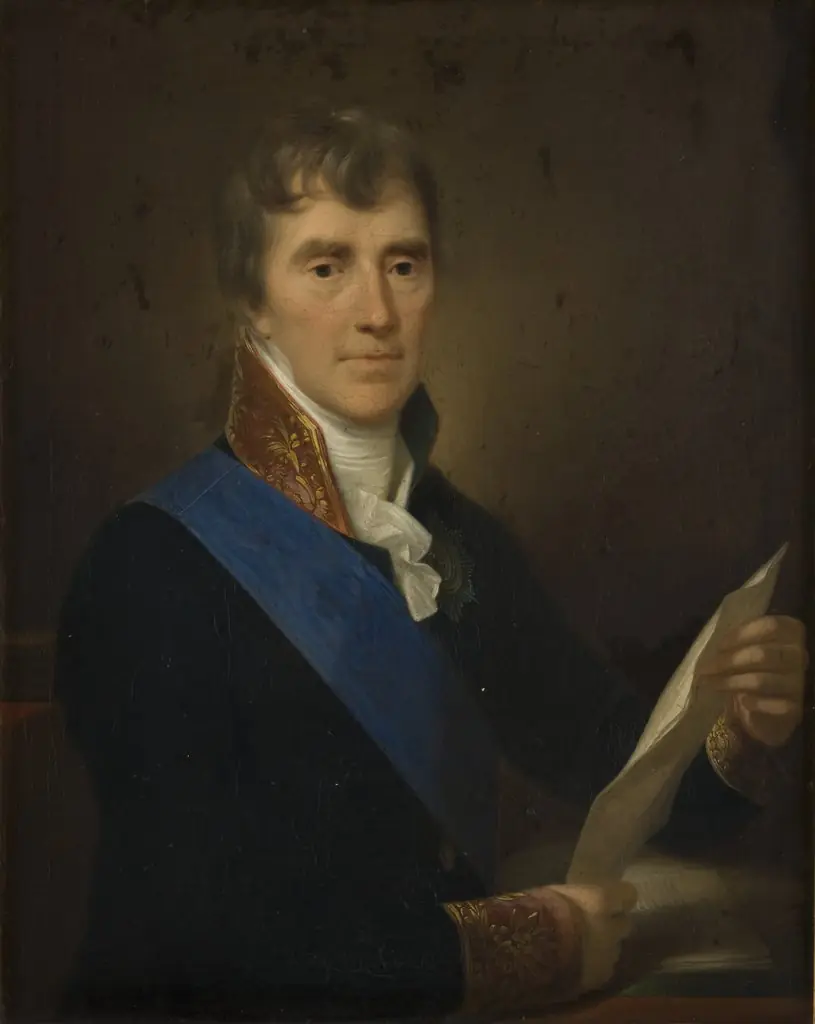
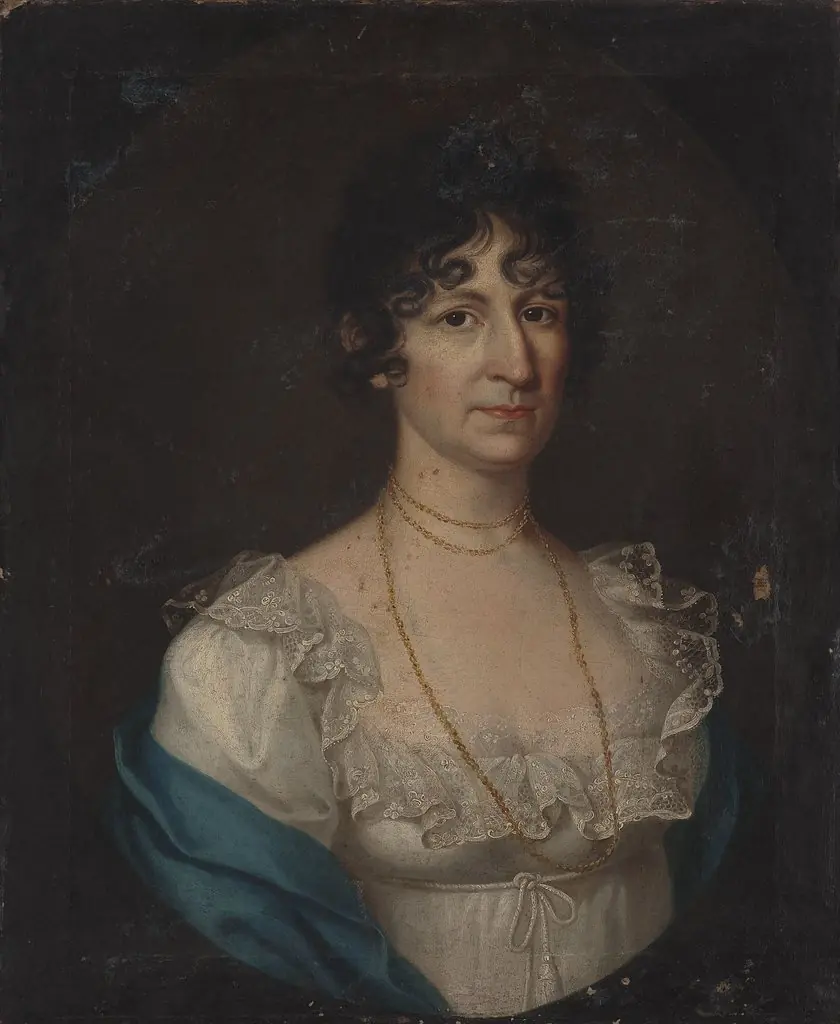 Portrait of a woman
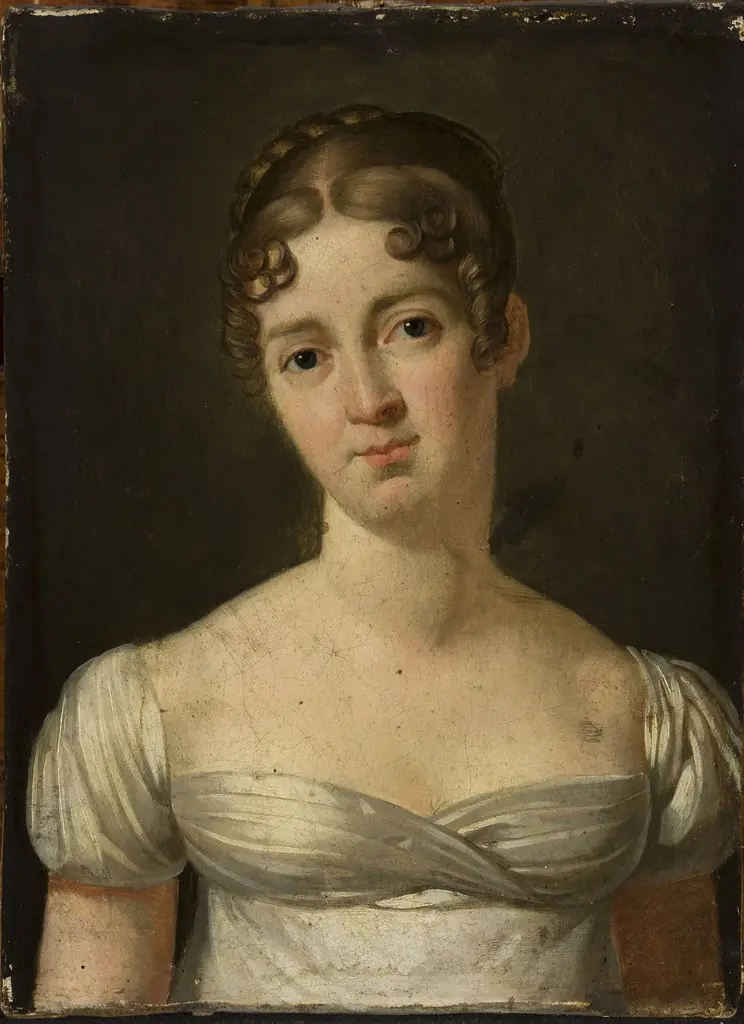 Portrait of a lady
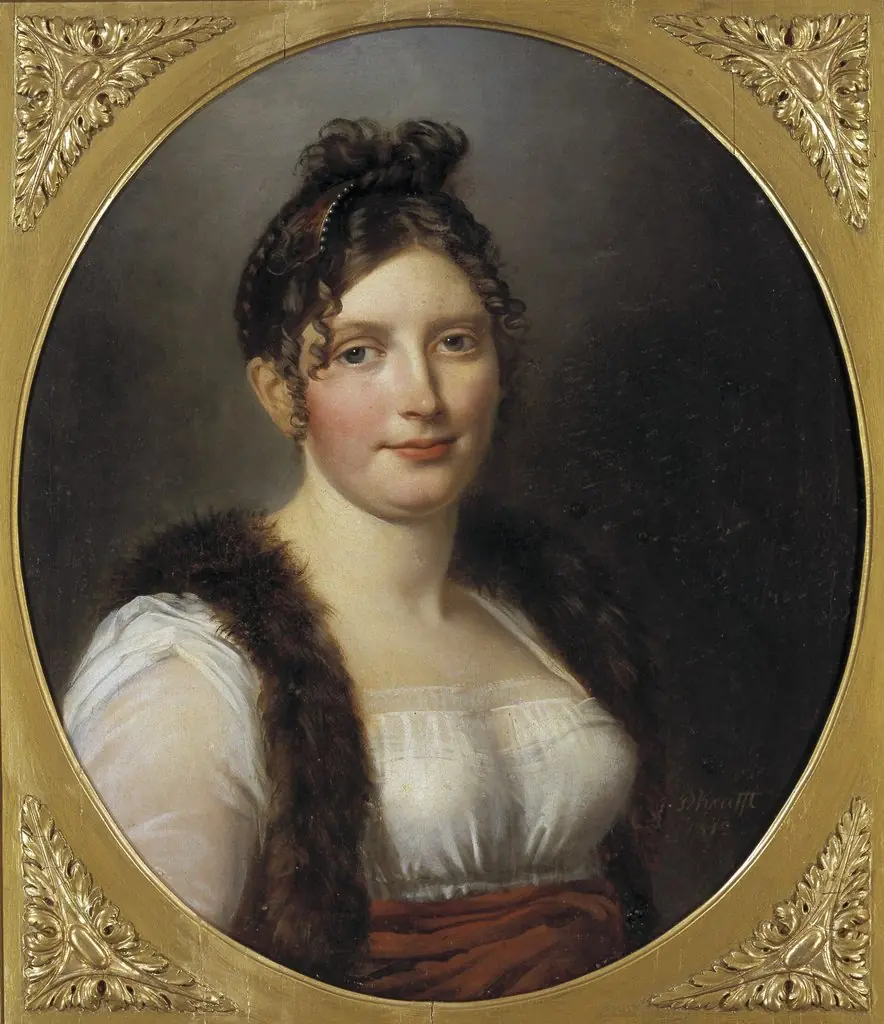 Catharina Charlotta Bågh (1777-1816), gift med friherre Pehr Erik Skjöldebrand
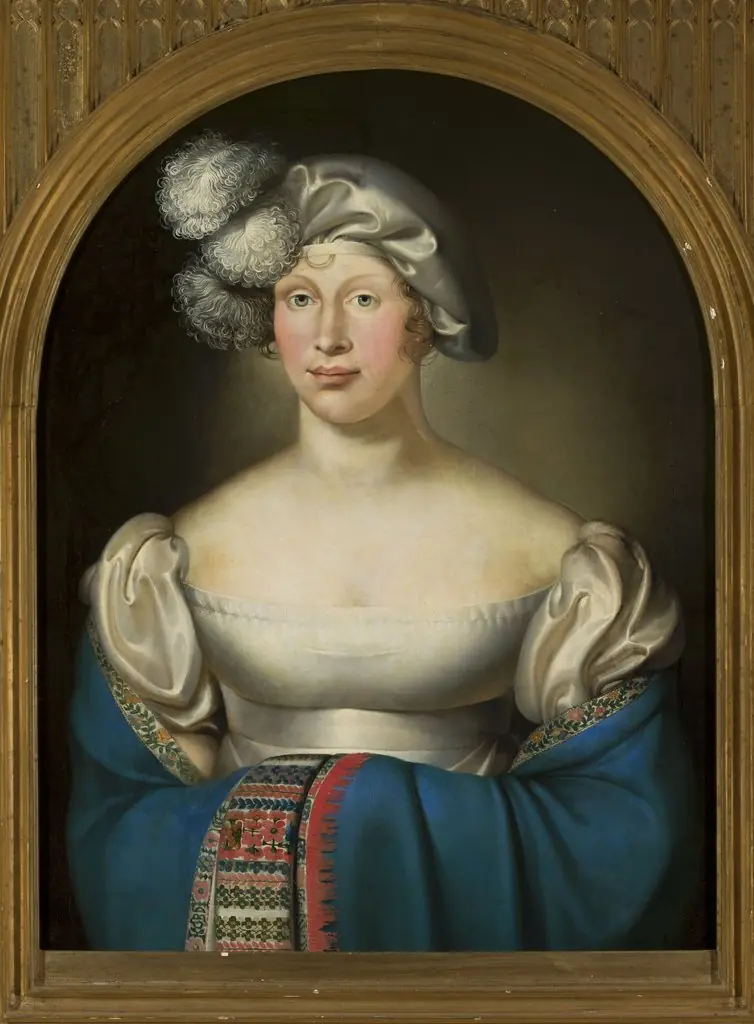 Portrait of Louise, queen of Prussia
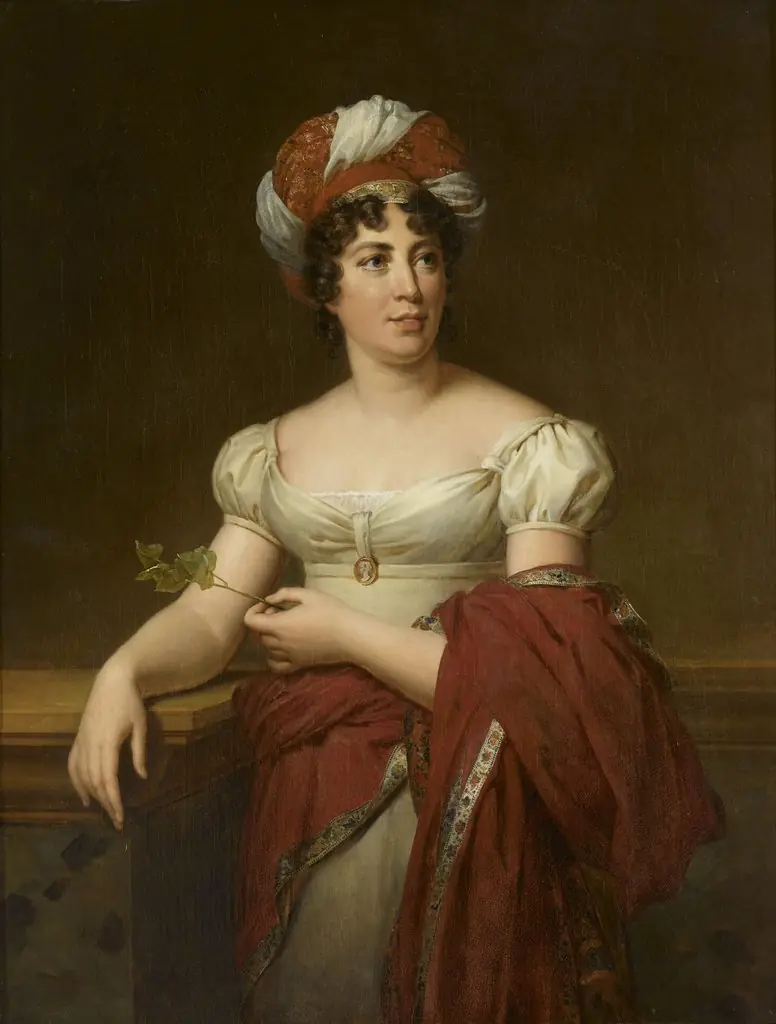 Portrait of Mme de Staël
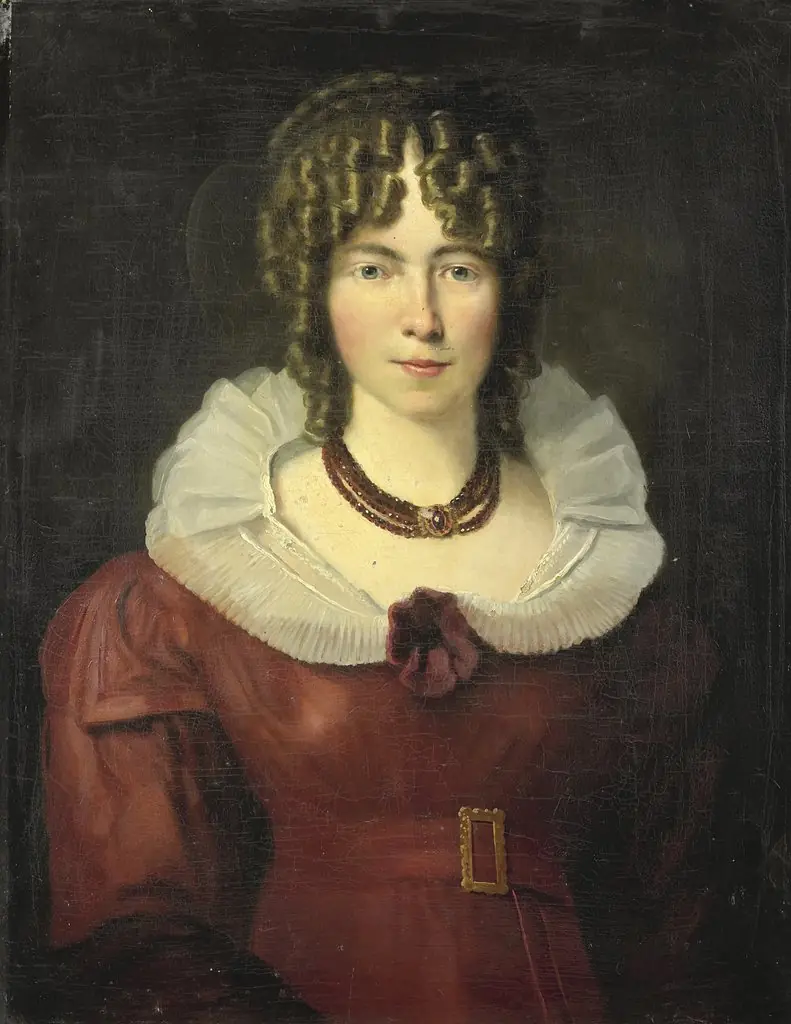 Portrait of a young Woman
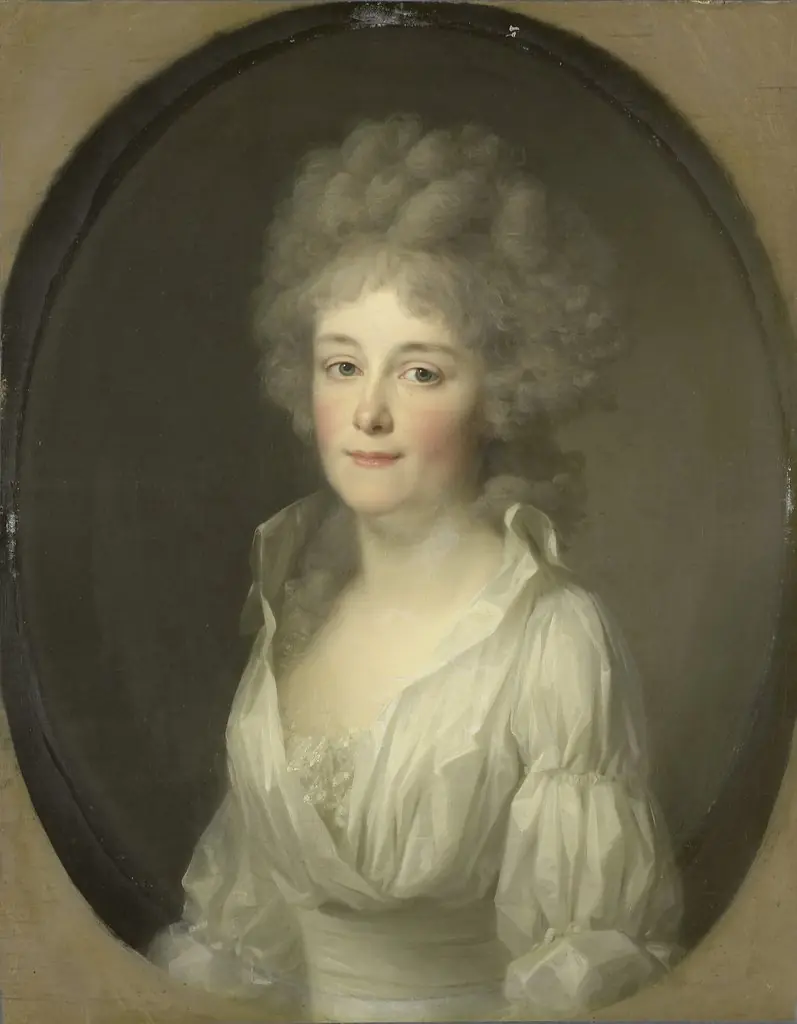 Portrait of Johanna Ferdinanda van Collen, Wife of Salomon Rendorp
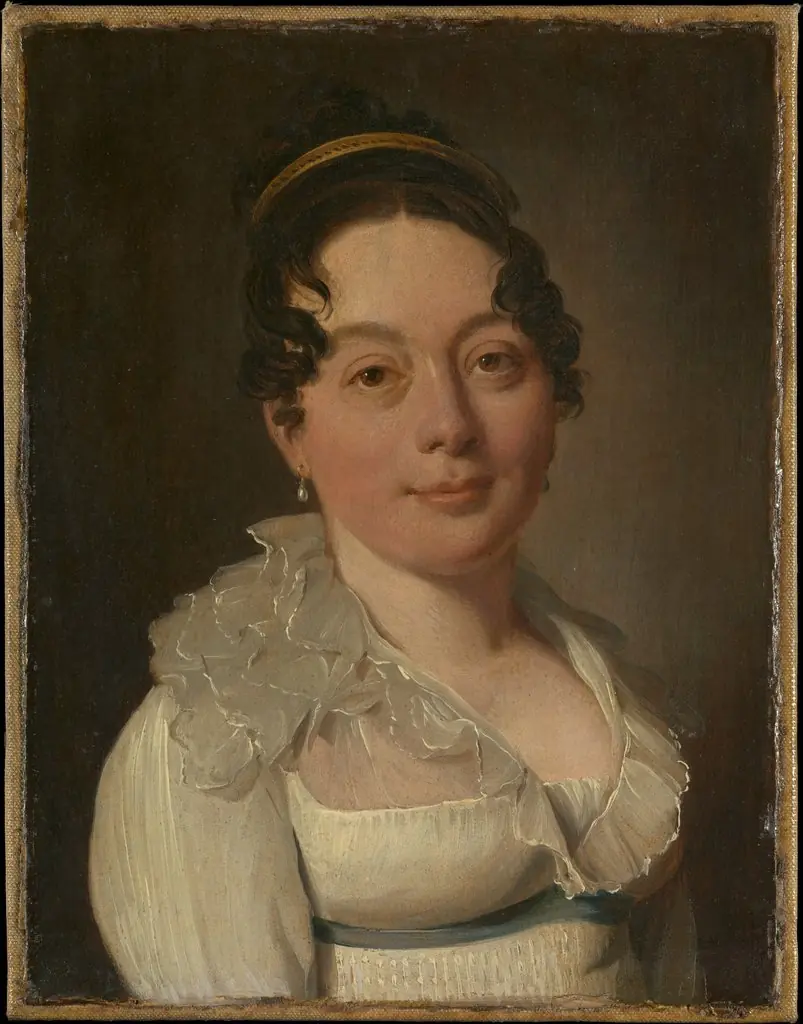 Portrait of a Woman
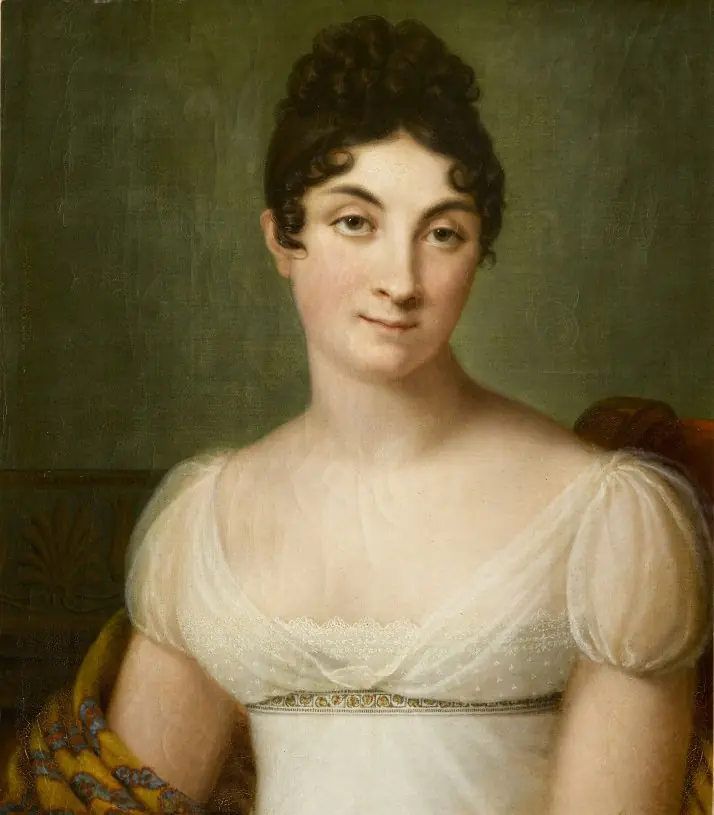 Portrait de Claire Élisabeth de Vergennes, Comtesse de Rémusat
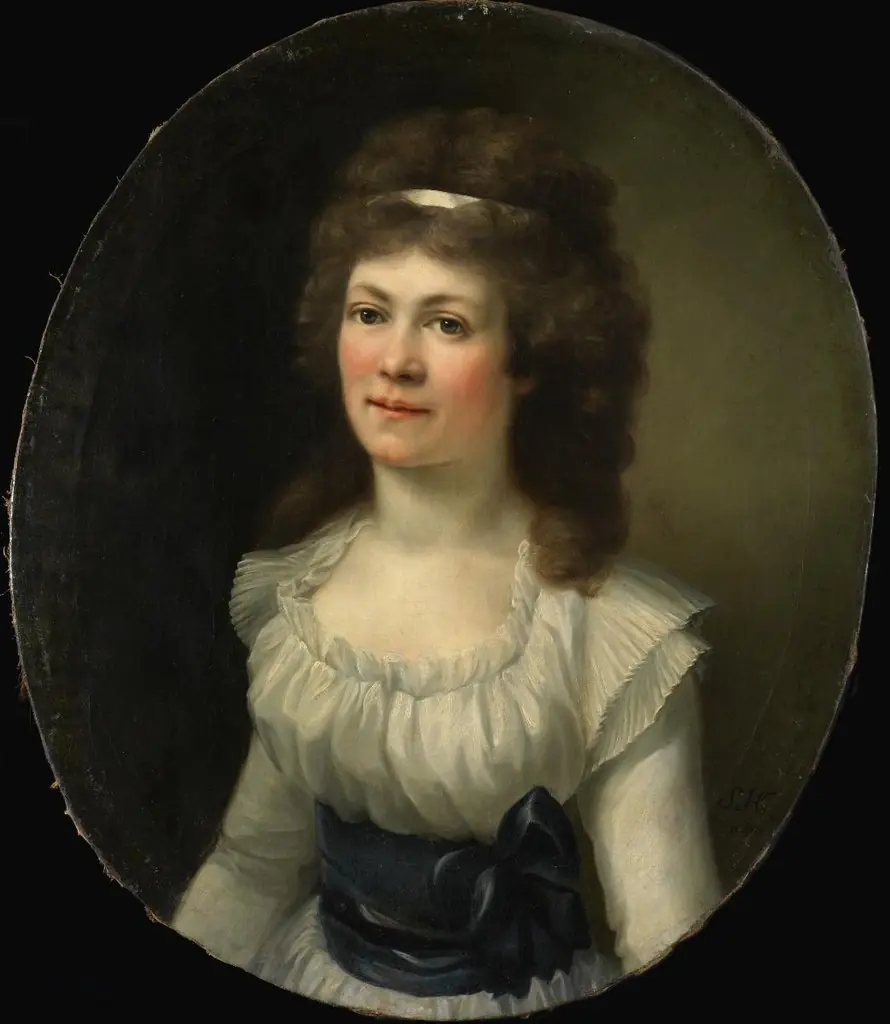 Bildnis Maria Barbara Schulthess, Gemahlin des Obmann Füssli
 Madame Roland