Artwork
Catharina Charlotta Bågh (1777-1816), gift med friherre Pehr Erik Skjöldebrand
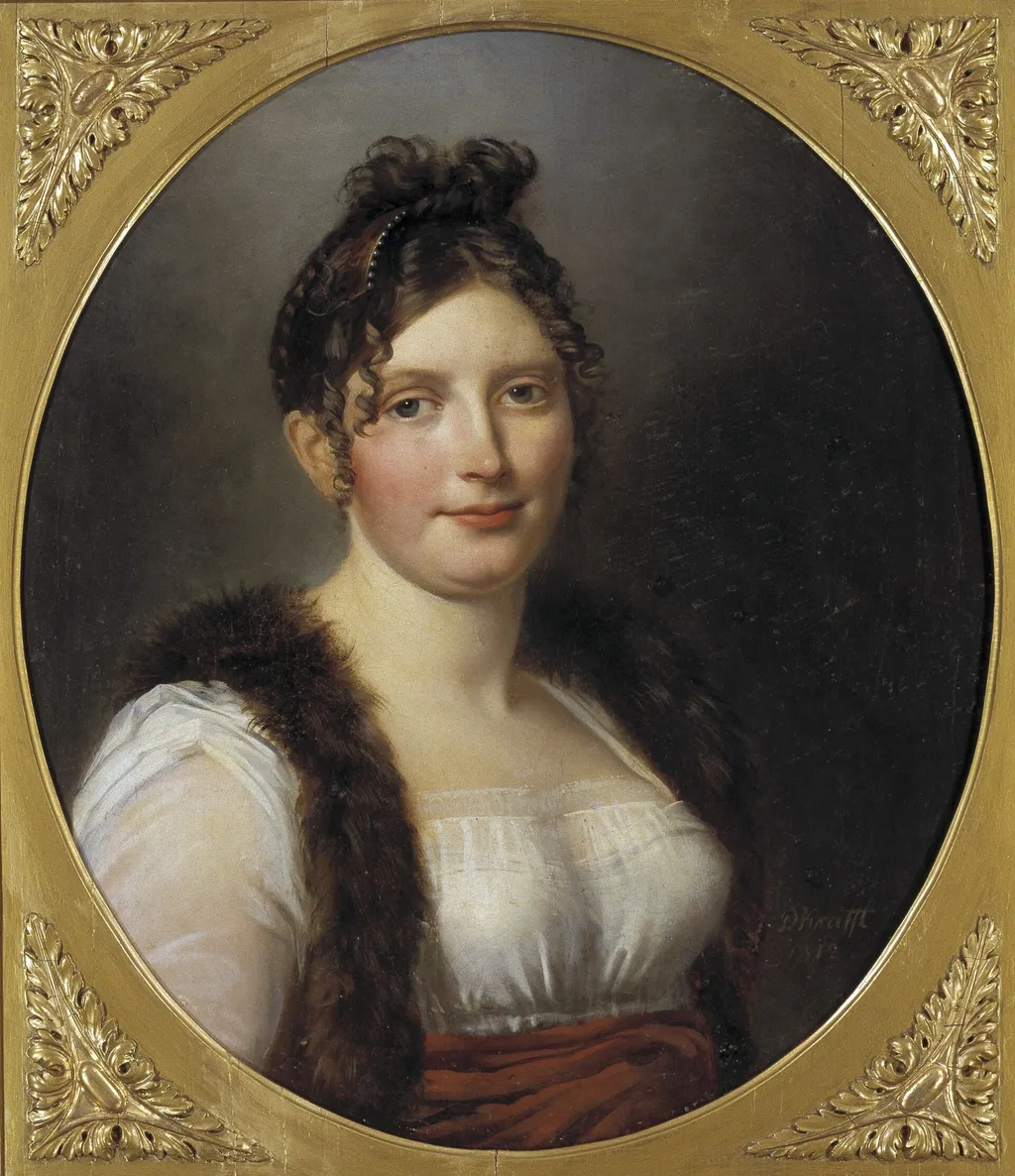
Catharina Charlotta Bågh (1777-1816), gift med friherre Pehr Erik Skjöldebrand is an oil painting by Per Krafft the Younger. It dates from 1812 and is held in the collection of the Nationalmuseum.
About this work
If you're interested in learning more about the artist behind this work, you might want to explore the paintings of Per Krafft the Younger.
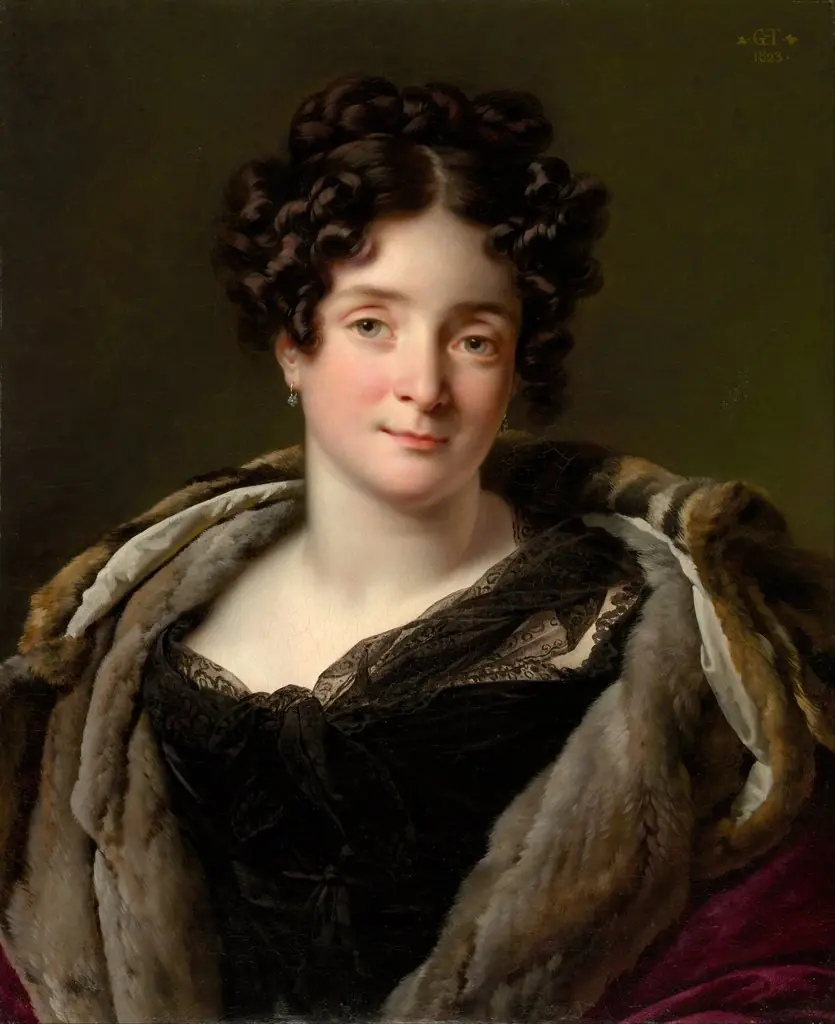
This portrait depicts a woman with dark, curly hair, adorned with a headband and a fur-trimmed shawl over her white dress. Her gaze is directed slightly to the right of the viewer. The background of the painting is a subtle blend of grays and browns.
The subject's attire and hairstyle suggest a sense of elegance and refinement, characteristic of the early 19th century. The artist's use of chiaroscuro creates a sense of depth and dimensionality in the portrait.
If you're interested in learning more about the artist behind this work, you might want to explore the paintings of Per Krafft the Younger.
Overview
This 1812 oil portrait by Per Krafft the Younger captures Catharina Charlotta Bågh, wife of Baron Pehr Erik Skjöldebrand. Painted during the final years of her life, the work is part of the Nationalmuseum’s collection in Stockholm. It reflects the formal portraiture tradition of early 19th-century Sweden, emphasizing social status through refined dress and composed demeanor. The artist’s attention to texture and light underscores the subject’s aristocratic bearing.
Subject & Meaning
Catharina Charlotta Bågh is portrayed with quiet dignity, her gaze turned slightly away from the viewer, suggesting introspection rather than direct engagement. Her attire—a white dress, fur-trimmed shawl, and headband—signals both fashion and social standing. The absence of overt symbols of power or lineage shifts focus to personal presence, aligning with evolving ideals of individuality in post-Enlightenment portraiture.
Technique & Style
Krafft employs subtle chiaroscuro to model the contours of the face and fabric, lending volume without dramatic contrast. The brushwork is precise yet restrained, particularly in rendering the curls of her hair and the soft folds of the shawl. The muted gray-brown background isolates the figure, enhancing spatial depth while avoiding distraction. The palette remains harmonious, favoring tonal nuance over vivid color.
History & Provenance
Commissioned in 1812, the portrait was likely created to commemorate Bågh’s position within Stockholm’s aristocratic circles. After her death in 1816, it remained in family possession before entering the Nationalmuseum’s collection. Its preservation reflects its value as a record of elite women’s representation in early 19th-century Sweden, though little is documented about its early exhibition history.
Context
Painted during the Napoleonic era, Sweden was undergoing political and cultural shifts, with aristocratic families asserting identity through visual culture. Krafft, part of a prominent artistic dynasty, was known for his restrained, psychologically attuned portraits. This work aligns with contemporary Swedish portraiture that favored elegance over grandeur, reflecting a quieter, more personal mode of nobility.
Legacy
The portrait endures as a representative example of Krafft’s mature style and the aesthetic values of Swedish elite portraiture. It contributes to scholarly understanding of gender, class, and visual representation in early 19th-century Sweden. Though not widely exhibited today, it remains a key piece in the Nationalmuseum’s collection for its technical restraint and historical resonance.
Artist & collection
Artist
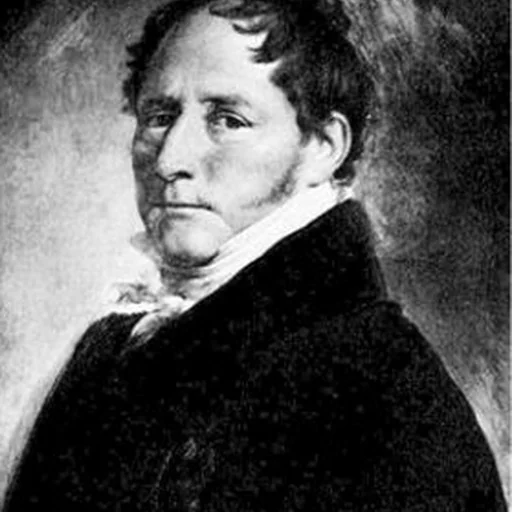
Per Krafft the Younger (1777–1863) was an artist, born in Klara Church Parish.

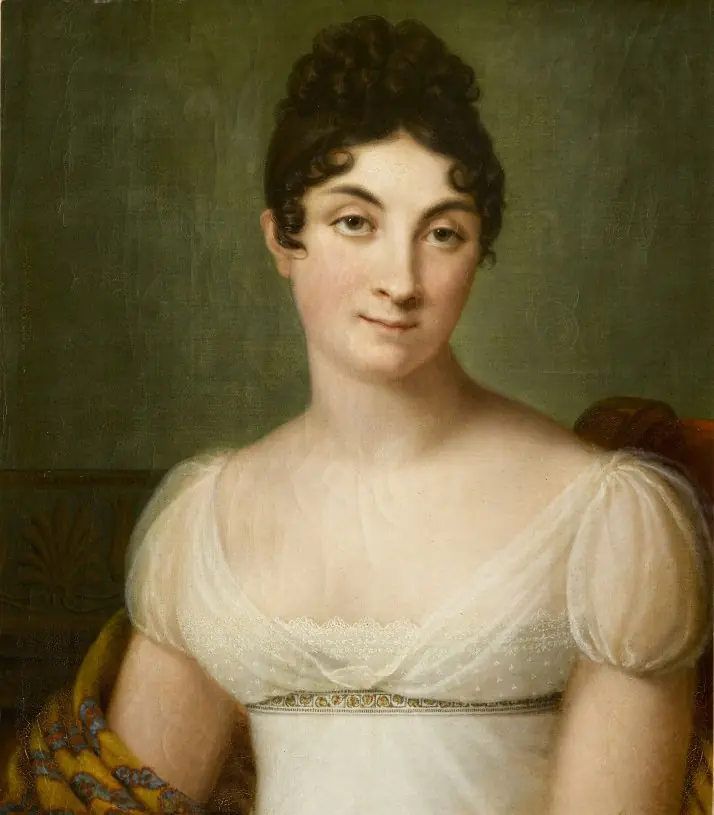 Portrait de Claire Élisabeth de Vergennes, Comtesse de Rémusat
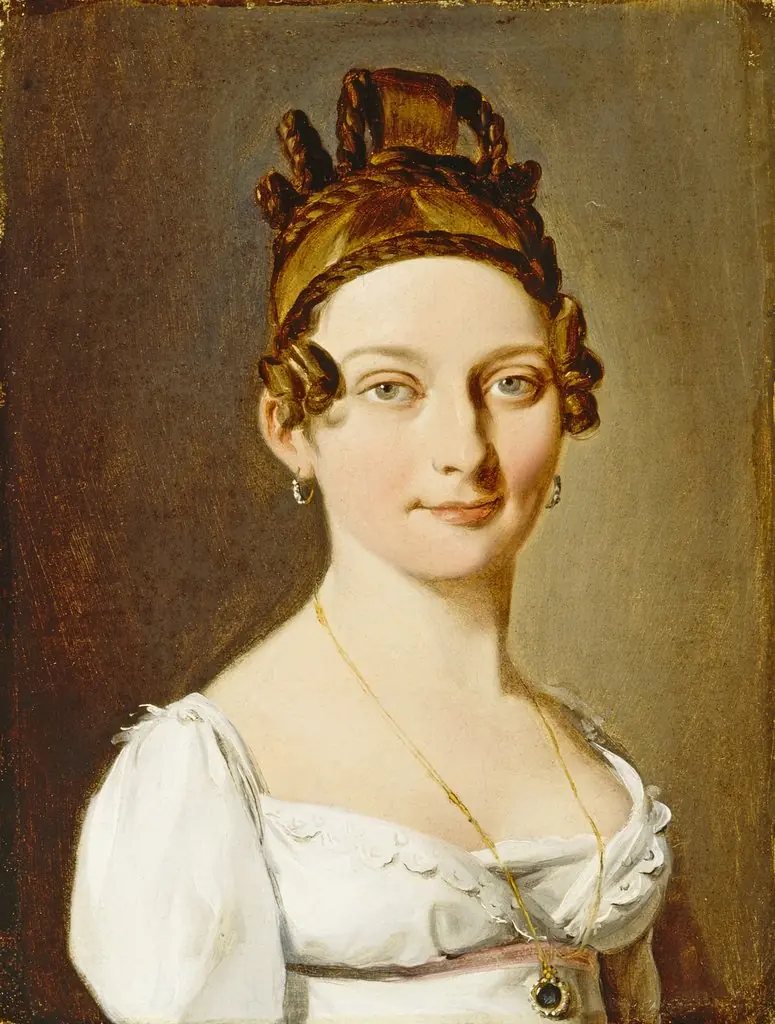 Portrait of a Lady
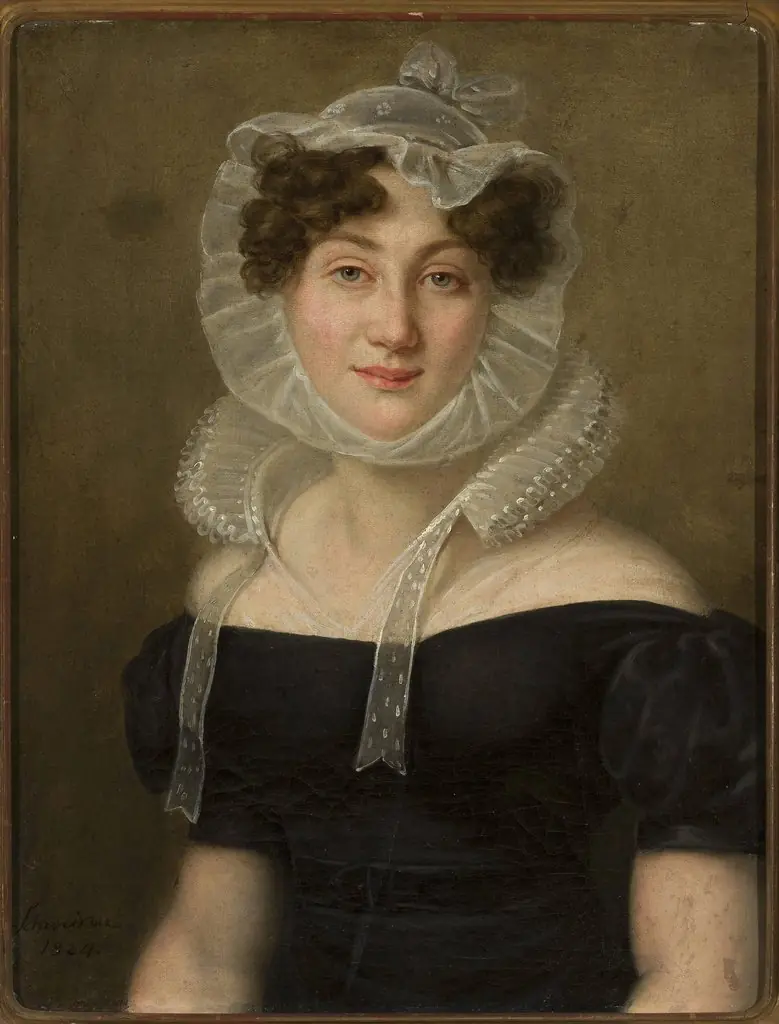 Portrait of a lady in a cap
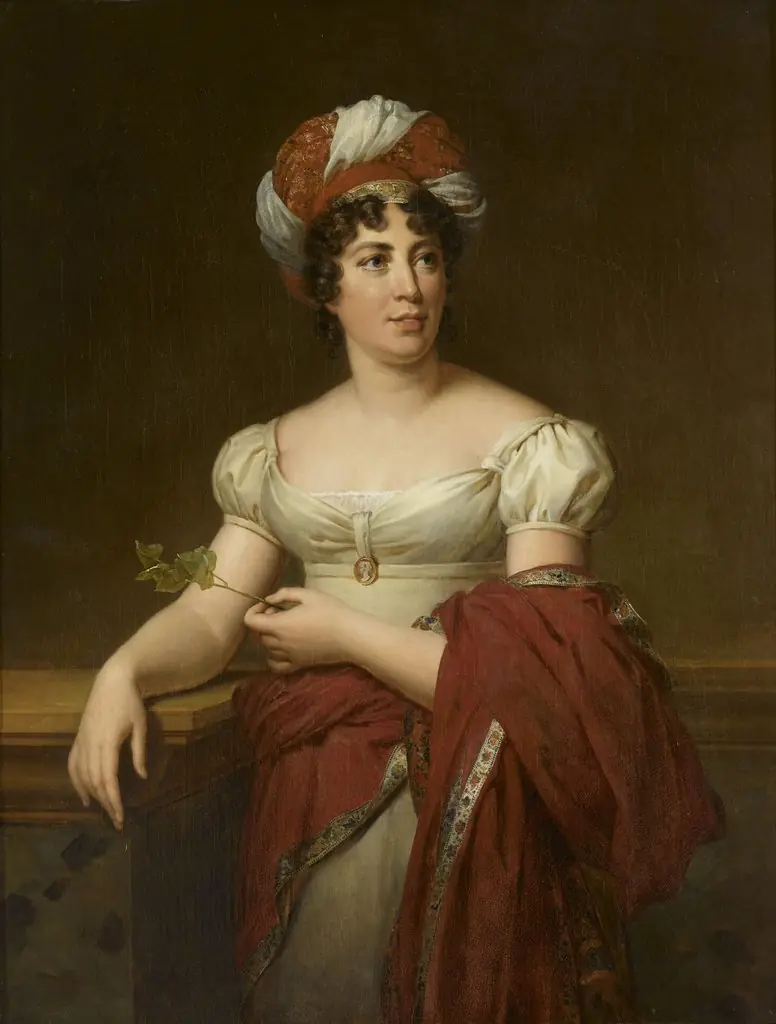 Portrait of Mme de Staël
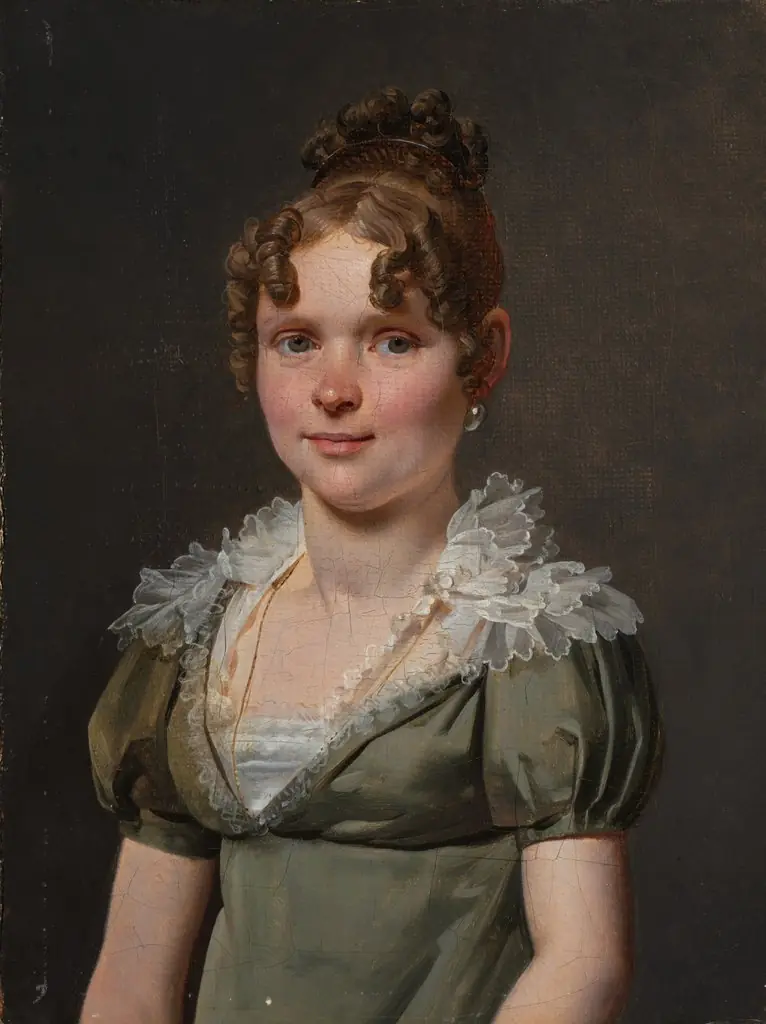 Madame Nicolas Louis Faret
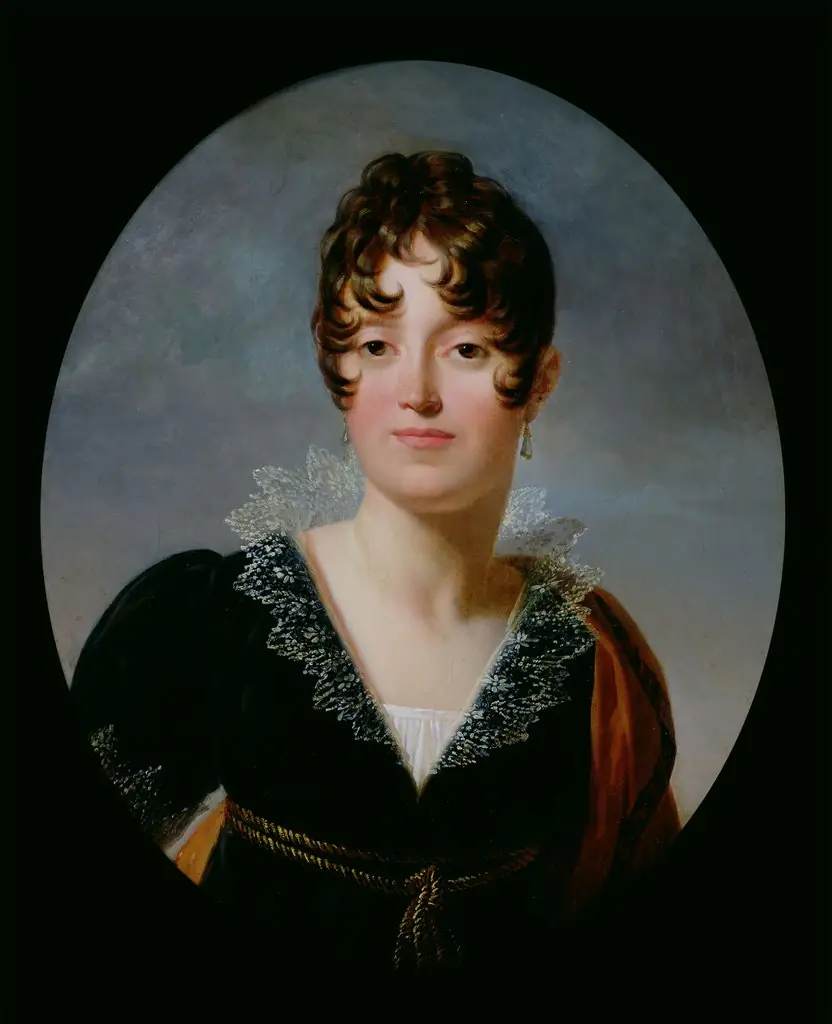 Désirée Clary
 Madame Nicolas Louis Faret
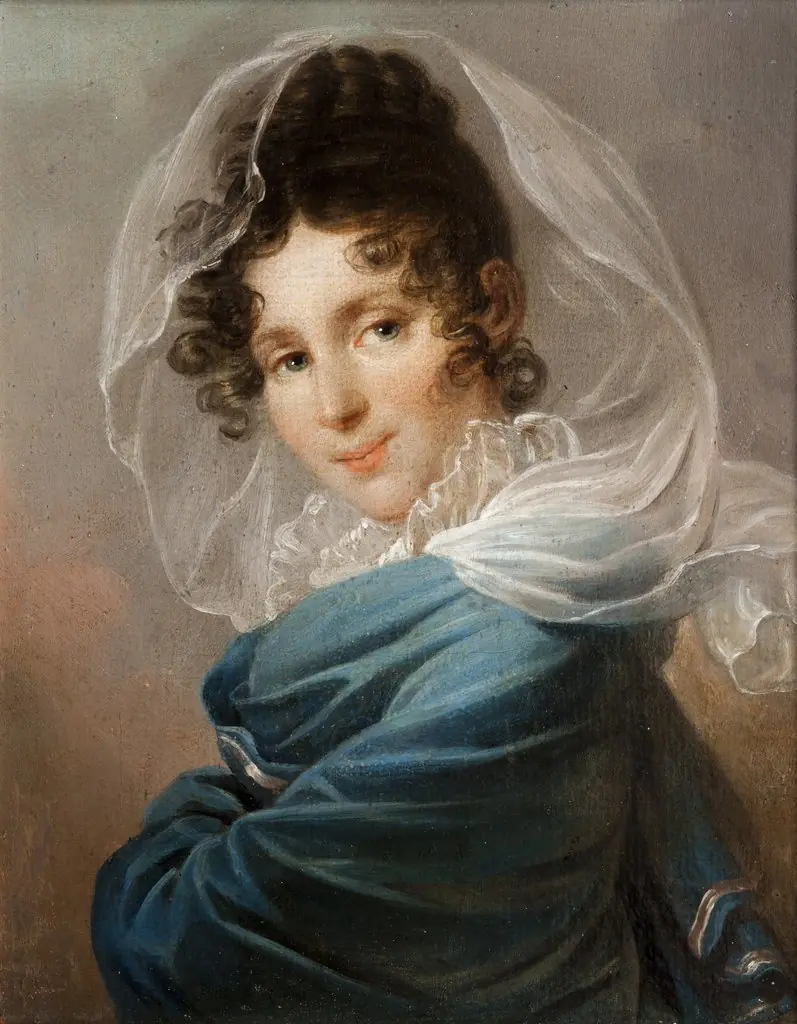 Portrait of Tekla Osławska
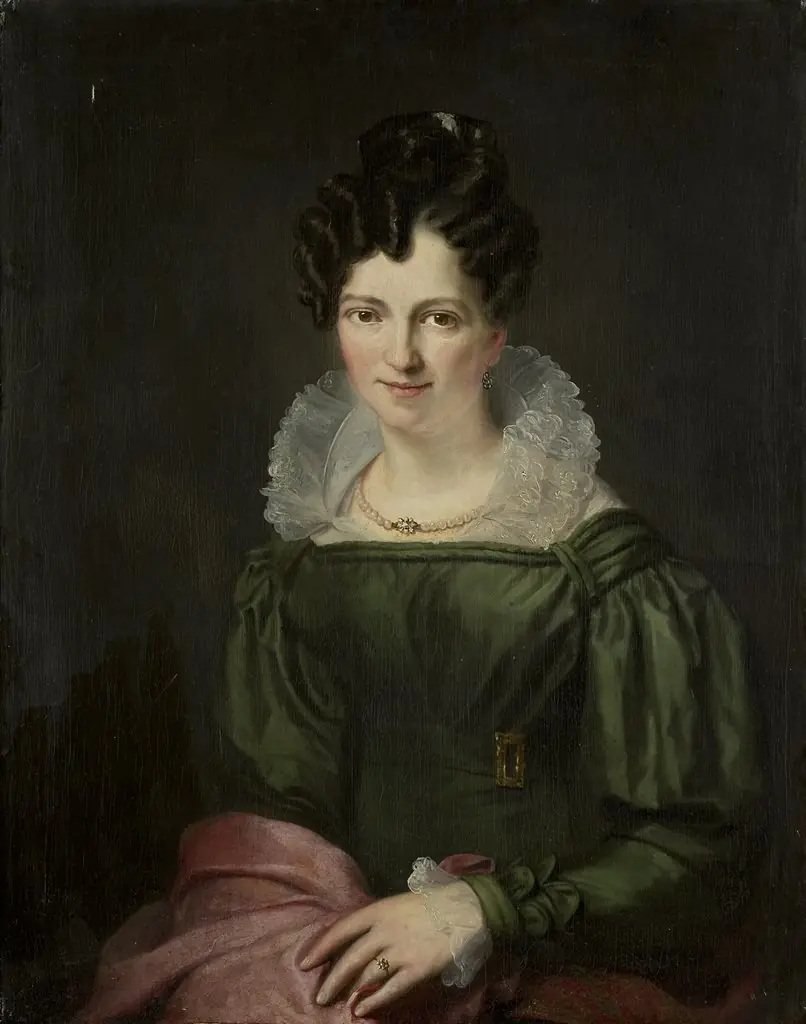 Portrait of Maria Christina Nijssen, Wife of Anthonie van der Hout
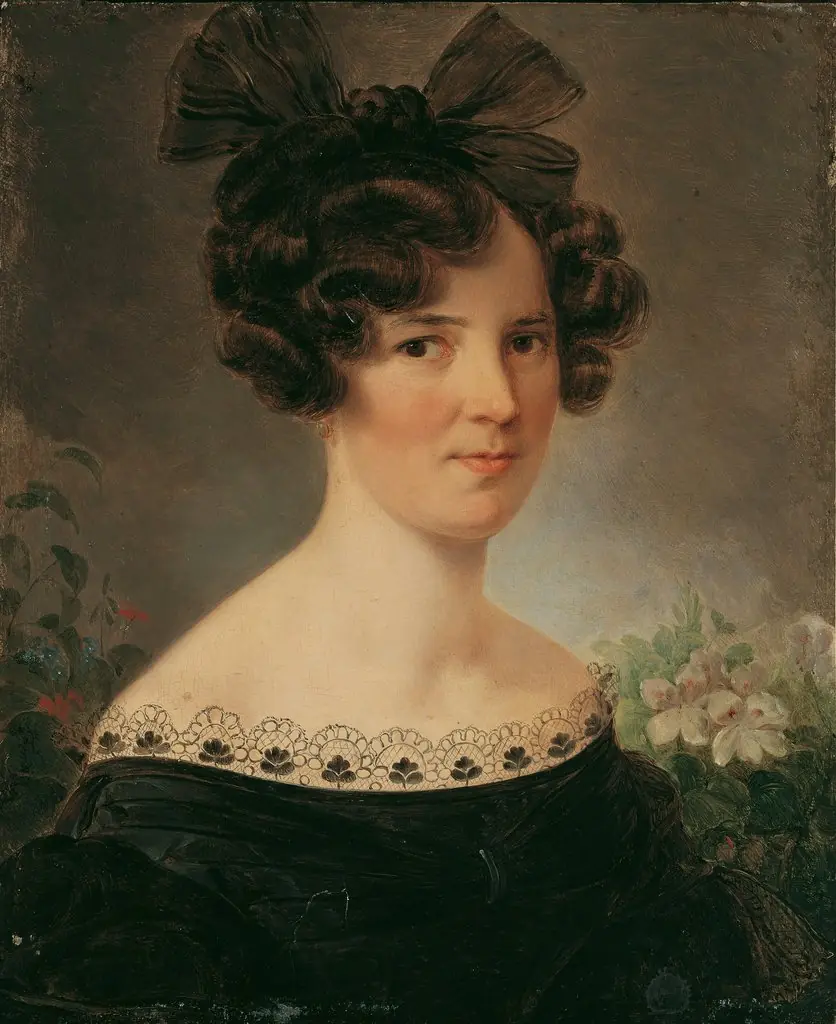 Therese Rockert
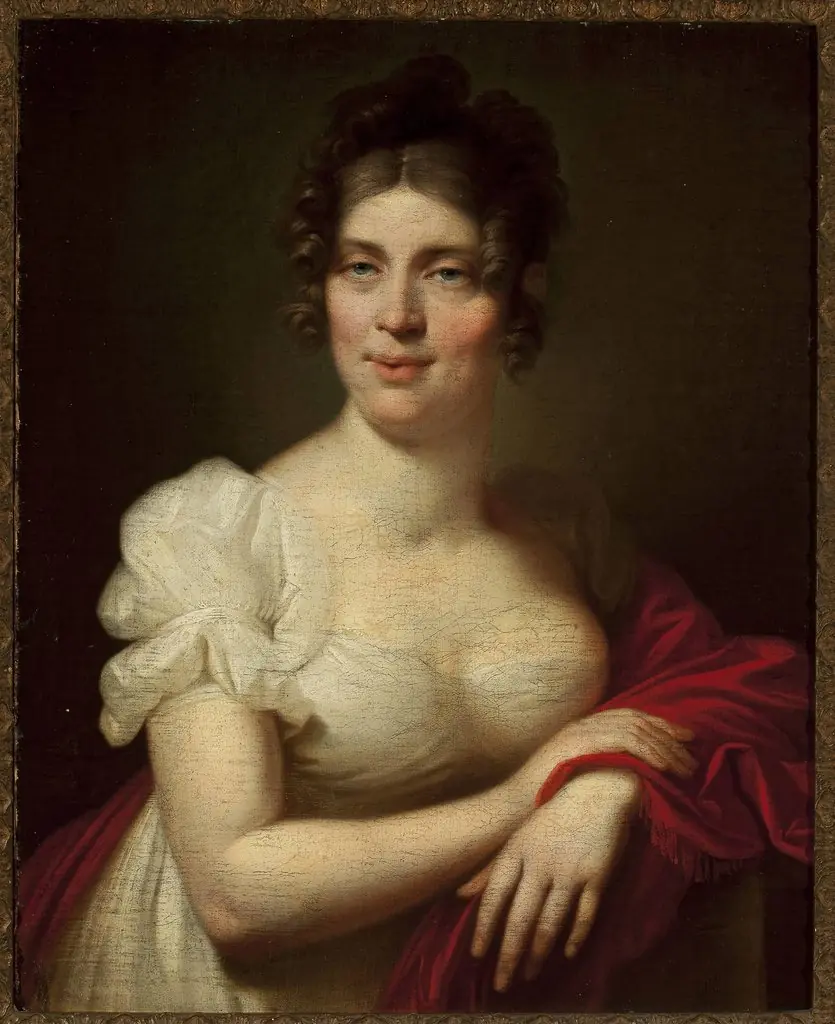 Portrait of Katarzyna Lessel
 Madame Jacques-Louis-Étienne Reizet (Colette-Désirée-Thérèse Godefroy, 1782–1850)