Artwork
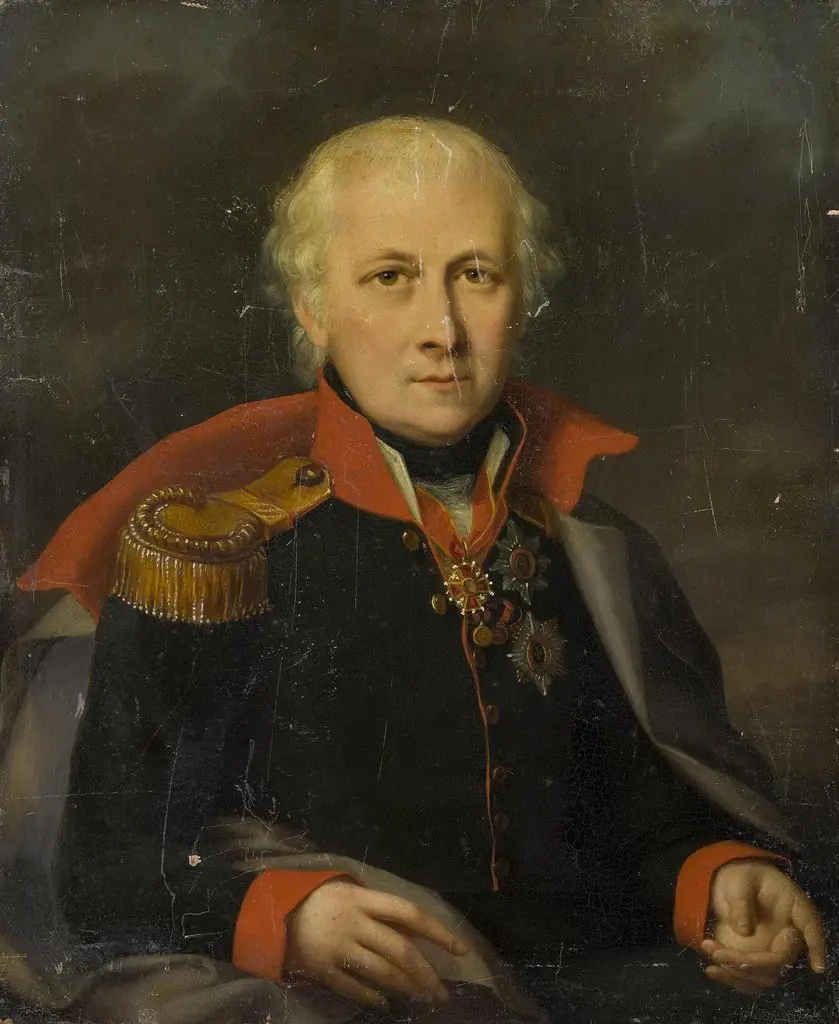
Portrait of Antoni Kruszewski, prelate
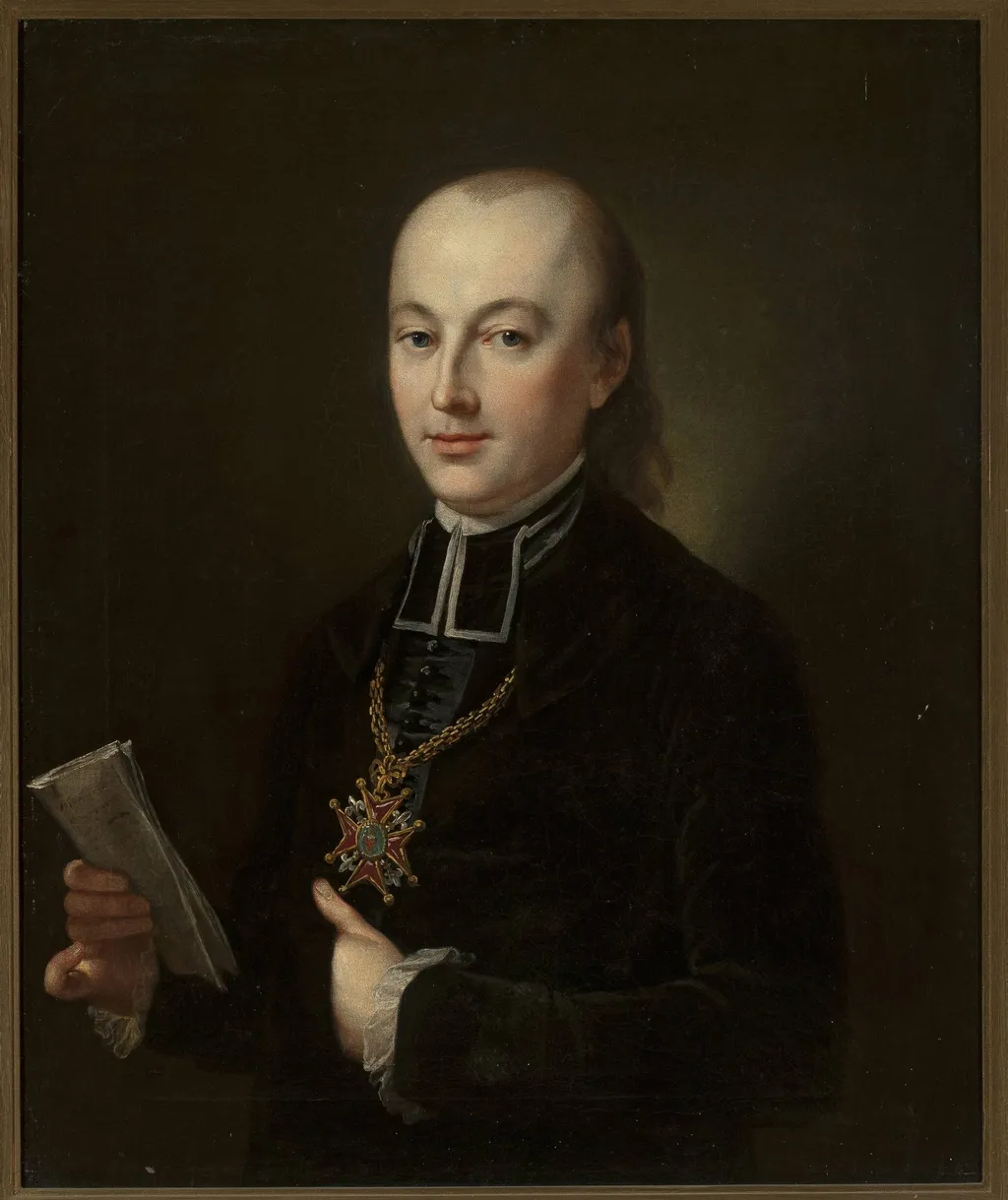
Portrait of Antoni Kruszewski, prelate is an oil painting by the Realist artist Józef Simmler. It dates from 1850 and is held in the collection of the National Museum in Warsaw.
About this work
Overview
Józef Simmler, a Polish painter active in the middle of the 19th century, executed this oil portrait of Antoni Kruszewski, a clerical figure, around 1850. The work belongs to the museum’s permanent collection in Warsaw and exemplifies Simmler’s commitment to realistic representation within a classical framework.
Subject & Meaning
The sitter is depicted in a dark ecclesiastical robe, his hair neatly gathered, and a star‑shaped medal hangs from a chain across his chest. He holds a folded document, suggesting an official or scholarly function, while the solemn expression and restrained pose convey the gravitas associated with his clerical rank.
Technique & Style
Simmler employs a controlled chiaroscuro, allowing a narrow beam of light to illuminate the face and hands against a muted background. The precise rendering of textures—the sheen of the medal, the softness of the fabric, the crispness of the paper—reflects his realist approach, while the overall composition retains a classical balance.
History & Provenance
Since its creation, the portrait has remained in Poland, entering the National Museum in Warsaw’s holdings where it is displayed among other works by Simmler. The painting’s provenance is documented through museum records, confirming its continuous public ownership since the late 19th century.
Context
Simmler’s career unfolded during a period when Polish artists sought to affirm national identity through portraiture and historical subjects. This work aligns with his broader oeuvre, which often featured prominent figures from Polish society, rendered with a realist eye that emphasized individual character over idealized heroism.
Artist & collection
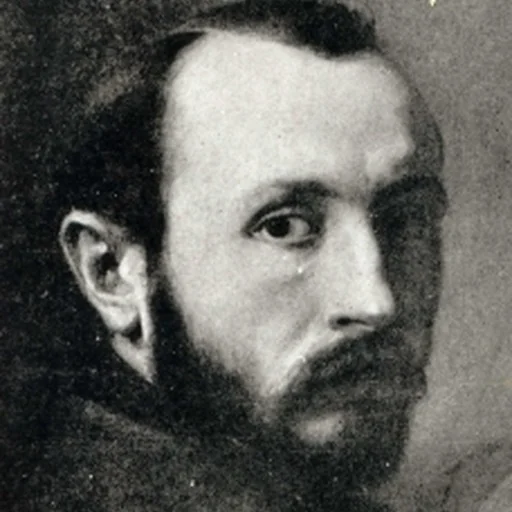
Artist
Józef Simmler (March 14, 1823, in Warsaw – March 1, 1868, in Warsaw) was a Polish painter known for his classical style and his Polish subjects.

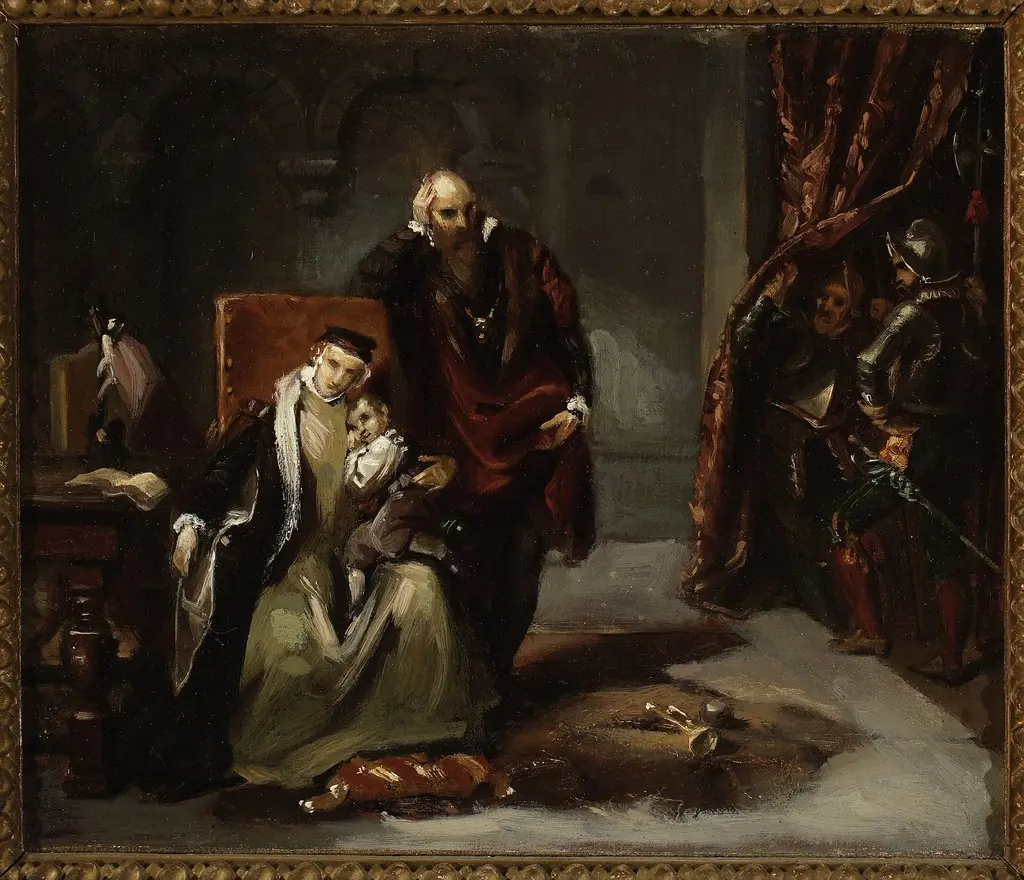 Catherine Jagiellon with her son Sigismund imprisoned in the Gripshom Castle (sketch)
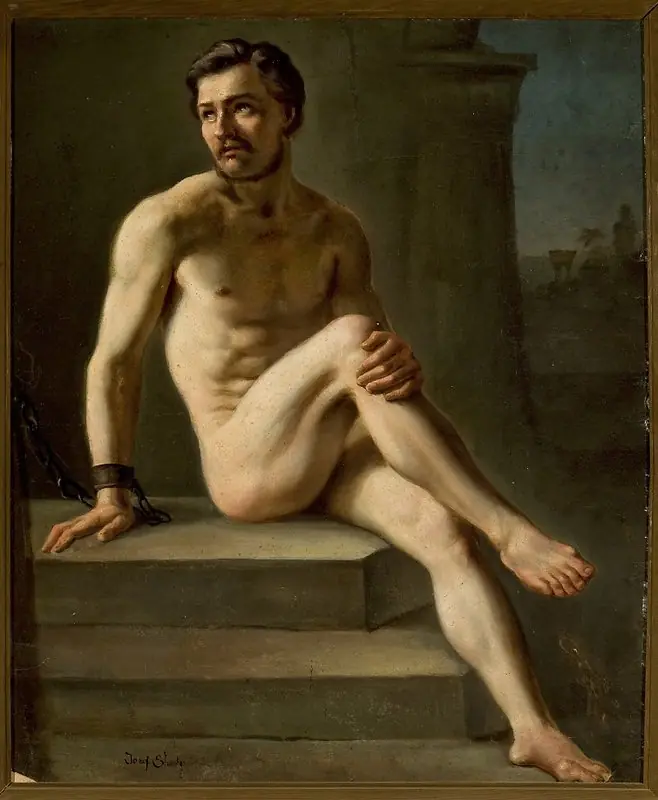 Male nude study
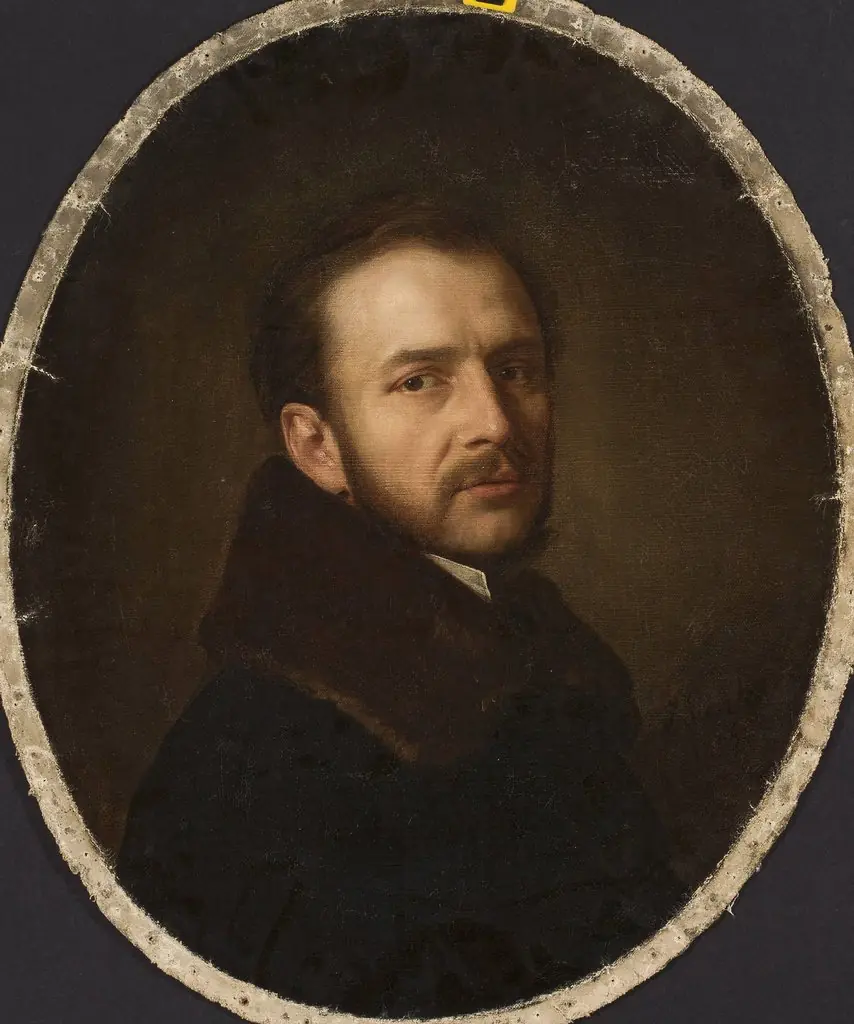 Portrait of a man
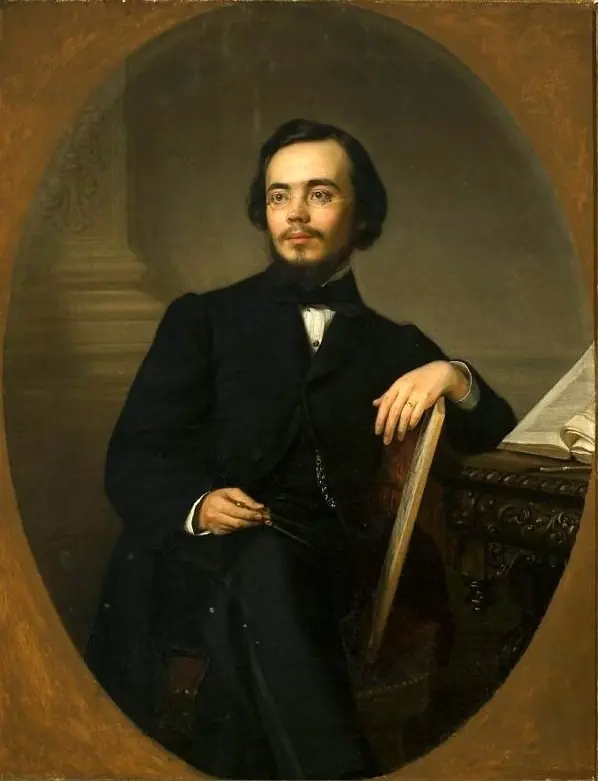 Portrait of Aleksander Waszkowski, member of the National Government in 1863
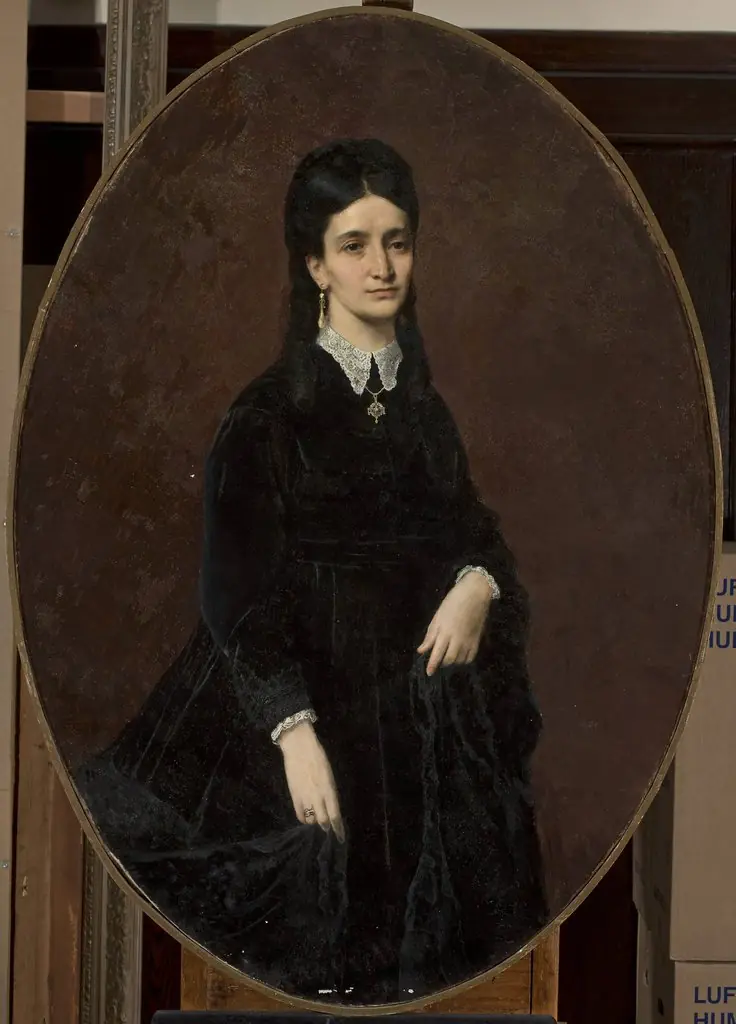 Portrait of a lady
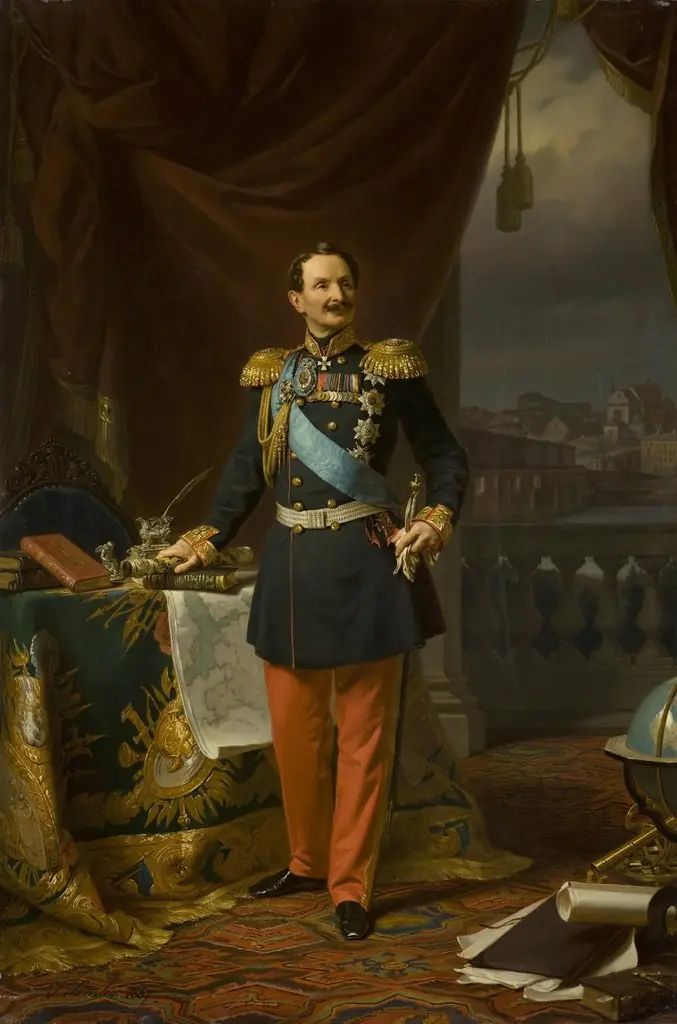 Portrait of Field-Marshal Count Fiodor (Friedrich Wilhelm) Berg
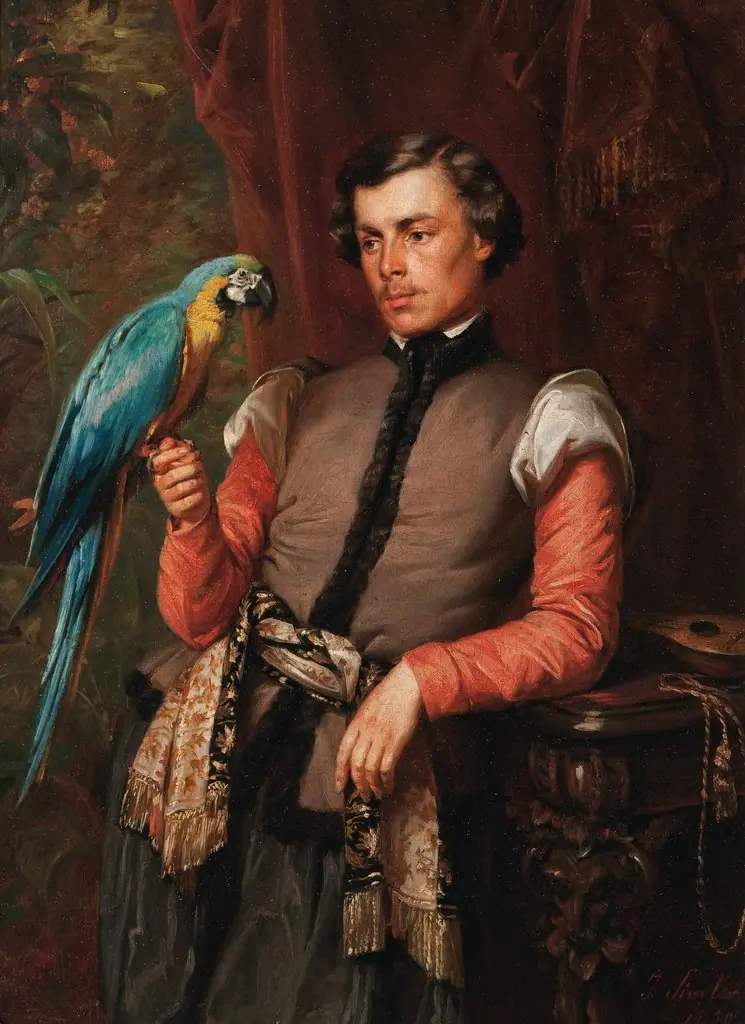 Nobleman with a Parrot
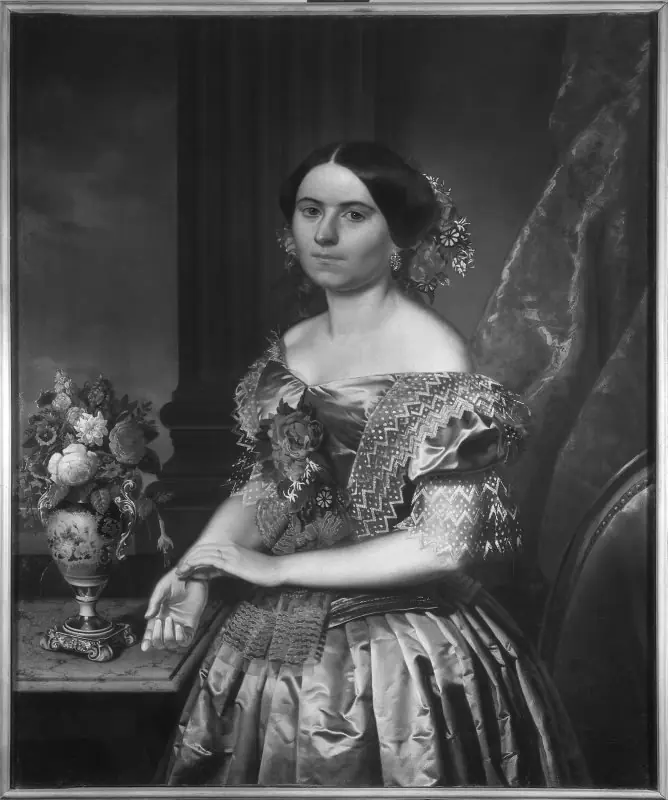 Portrait of Mrs. Skwarcowa
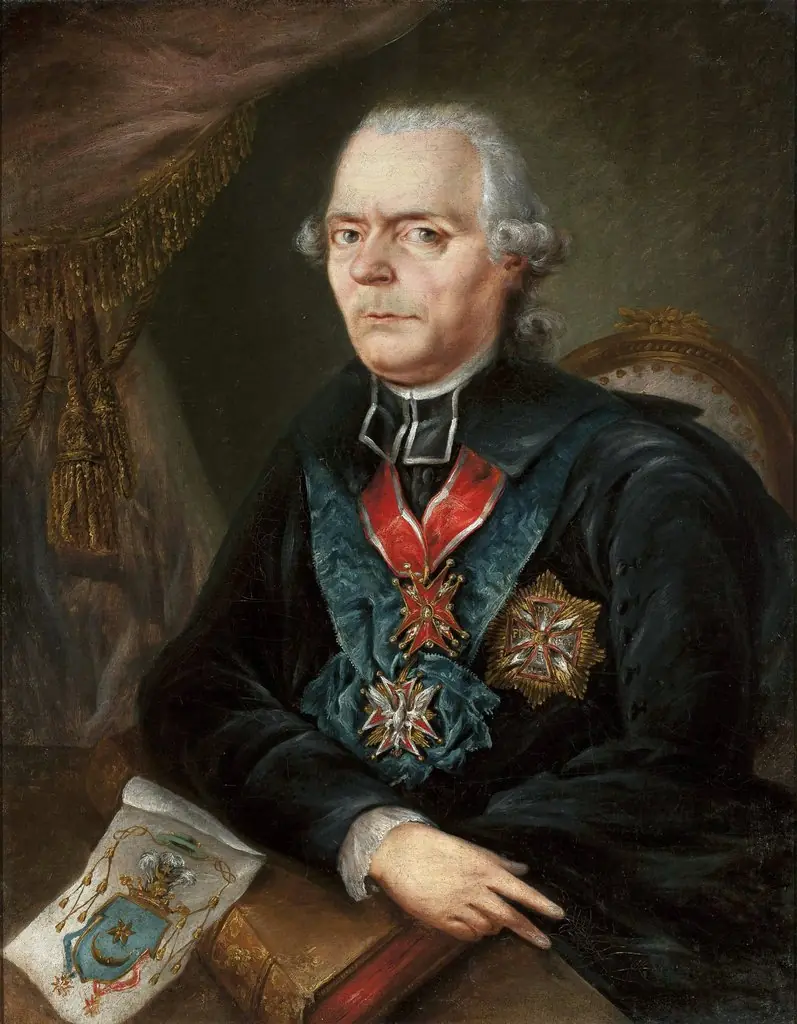 Portrait of Mikołaj Tyszkiewicz, Leliwa coat of arms (?–1796 or 1798), canon in Vilnius
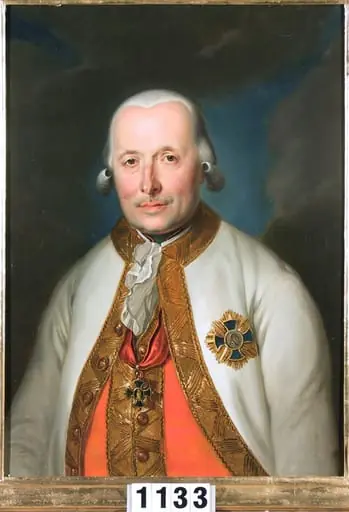 Baronul von Rall, general austriac (RI: Baronul Rall, general austriac)
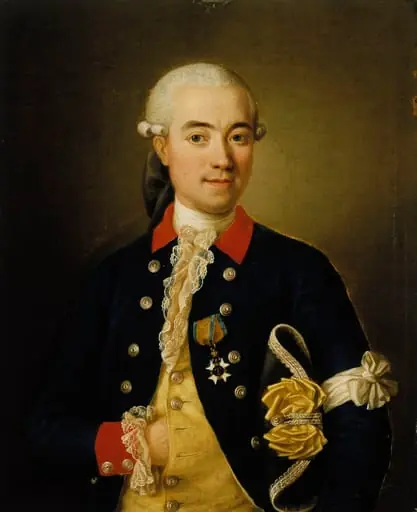 Kapteeni Carl Adolf Möllersvärd
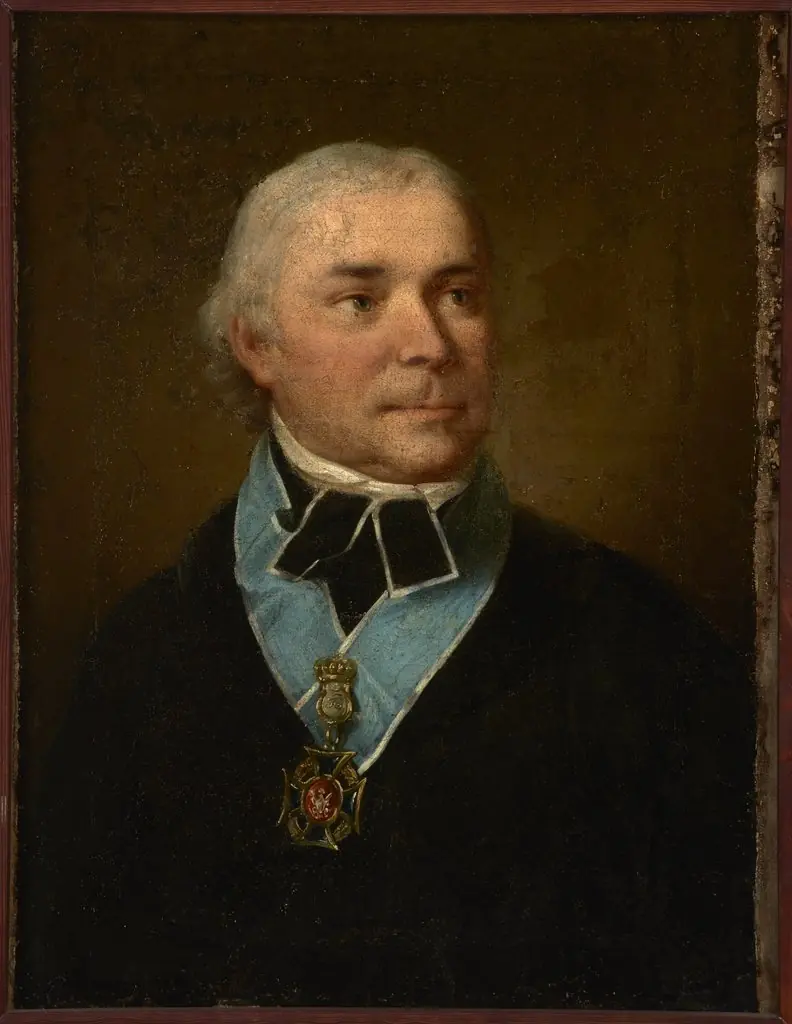 Portret Jana Kantego Wodzickiego (ok. 1740-1821), kanonika krakowskiego i prezydenta Trybunału Koronnego
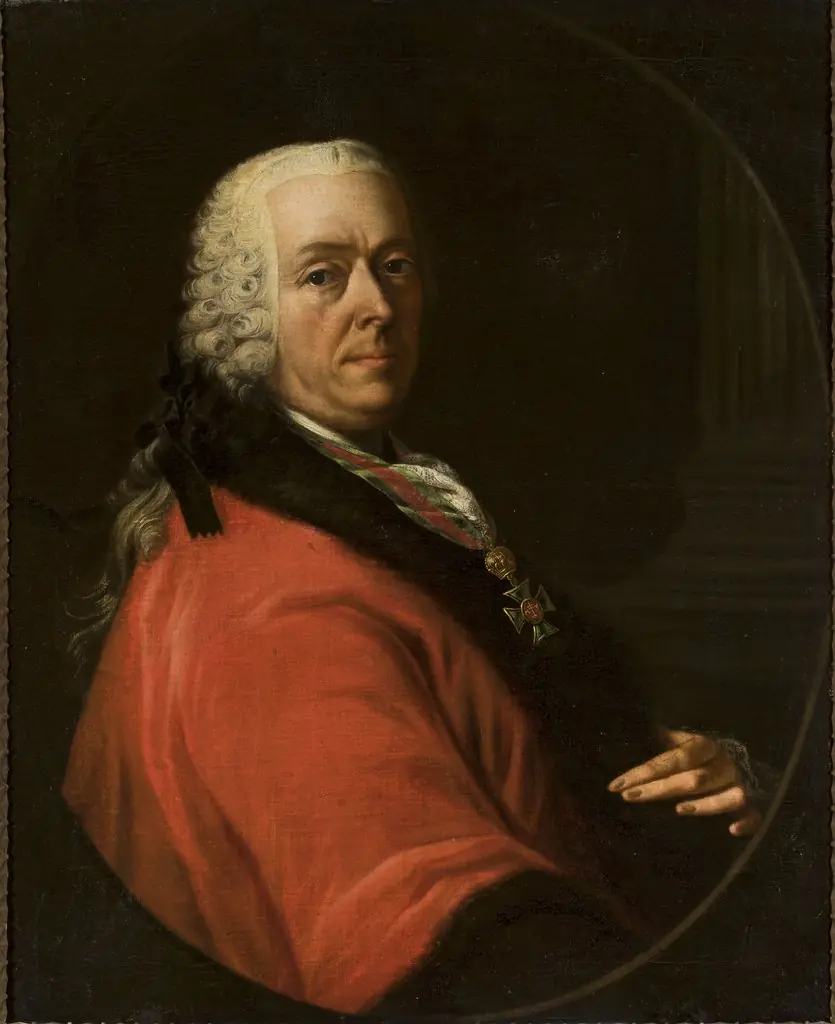 Portrait of count Gaspar Paris Anton
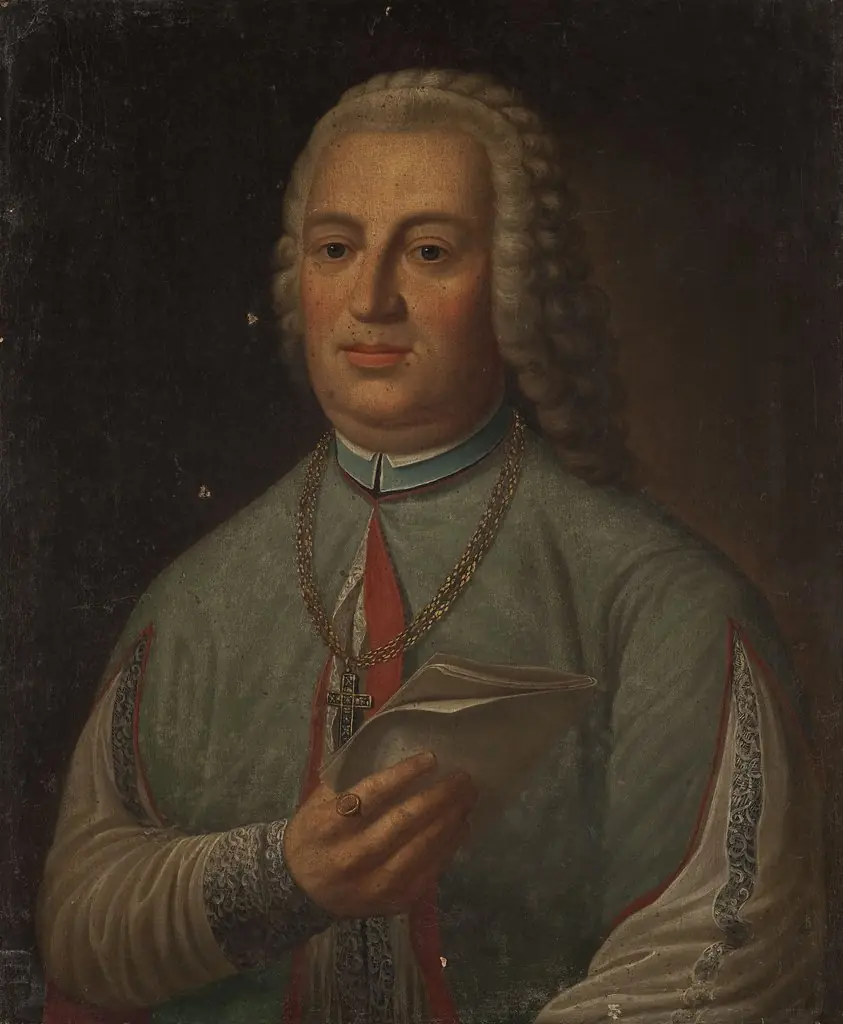 Portrait of Józef Andrzej Załuski
 Portrait of Nikolai Mordvinov (?)