Artwork
Portrait of Emilia Mielżyńska née Bnińska
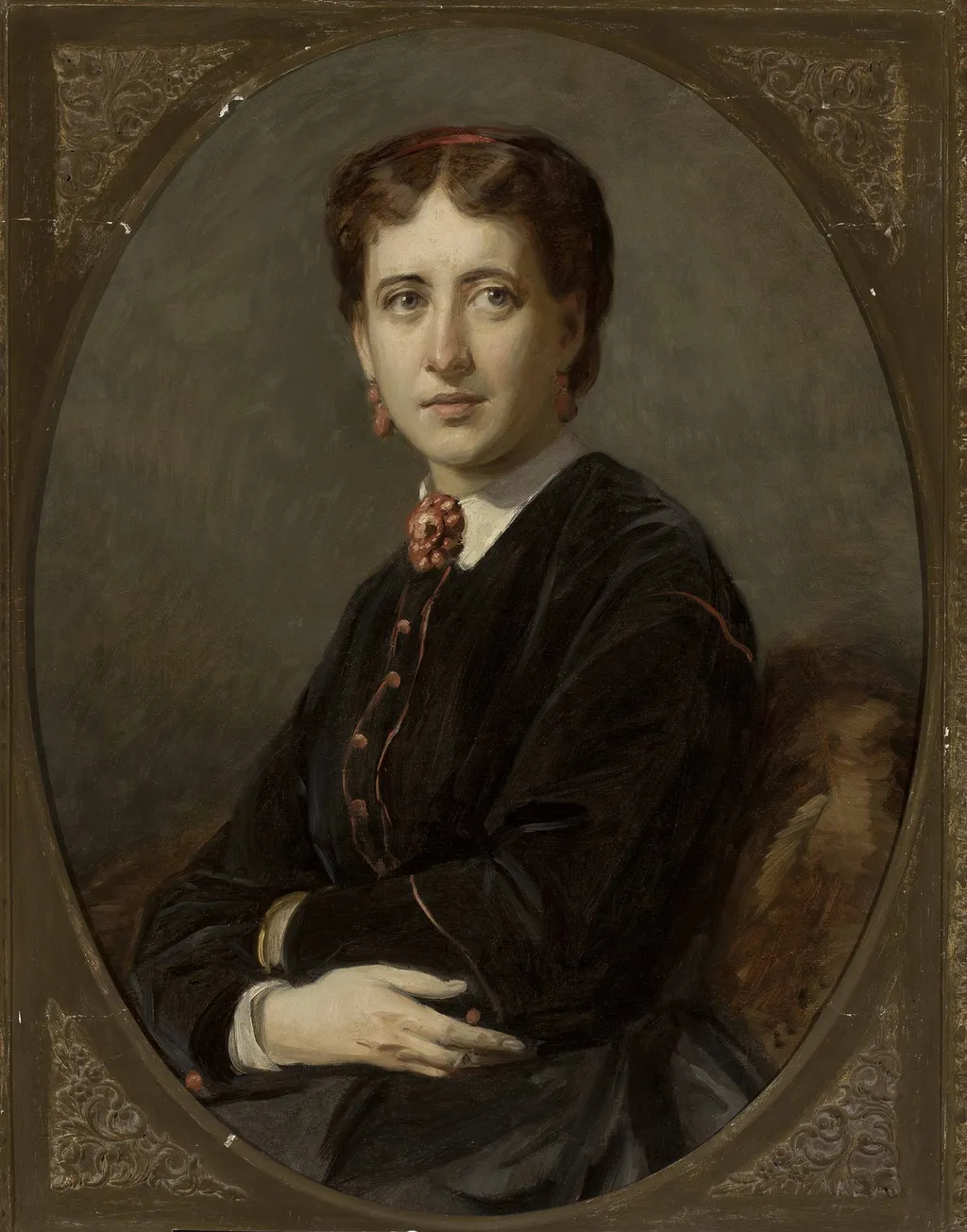
Portrait of Emilia Mielżyńska née Bnińska is an oil painting by the Realist artist Józef Simmler. It dates from 1866 and is held in the collection of the National Museum in Warsaw.
About this work
Overview
Painted in 1866 by Józef Simmler, this oil portrait captures Emilia Mielżyńska, born Bnińska, a member of the Polish gentry. Simmler, trained in Warsaw and influenced by academic traditions, focused on dignified representations of Polish society. The work is part of the National Museum in Warsaw’s collection, reflecting the era’s emphasis on personal and familial identity through portraiture.
Subject & Meaning
Emilia Mielżyńska is portrayed with quiet composure, her posture and attire conveying social standing rather than theatrical flourish. The black velvet jacket, red brooch, and matching earrings suggest refined taste and adherence to contemporary fashion. Her hand resting on her arm implies restraint and introspection, aligning with 19th-century ideals of feminine decorum and inner dignity.
Technique & Style
Simmler employed oil paint with careful layering to achieve subtle tonal transitions and a tactile surface. The muted gray background isolates the figure, directing focus to her form and clothing. Textural contrasts—between the softness of skin and the sheen of velvet—are rendered through glazing and controlled brushwork, characteristic of academic realism in mid-century Polish painting.
History & Provenance
The portrait entered the National Museum in Warsaw’s collection shortly after its completion, likely through acquisition or donation by the sitter’s family. Simmler’s reputation as a chronicler of Polish elites ensured the work’s preservation. Its continuous presence in the museum underscores its role as a documented artifact of 19th-century aristocratic life in partitioned Poland.
Context
Simmler’s focus on individual subjects aligned with broader European trends but carried particular resonance in a suppressed national context.
Created during a period of political fragmentation, this portrait reflects a cultural effort to preserve Polish identity through art. While the nation lacked sovereignty, the gentry maintained social traditions, and portraiture became a means of asserting continuity. Simmler’s focus on individual subjects aligned with broader European trends but carried particular resonance in a suppressed national context.
Legacy
The portrait remains a representative example of academic realism in Polish art, illustrating how technical precision served social documentation. Though not widely exhibited beyond national collections, it continues to inform studies of gender, class, and visual culture in 19th-century Poland. Its quiet authority endures as a record of personal and cultural resilience.
Artist & collection
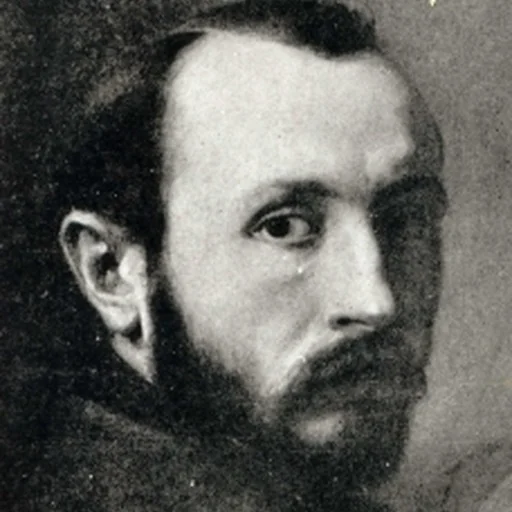
Artist
Józef Simmler (March 14, 1823, in Warsaw – March 1, 1868, in Warsaw) was a Polish painter known for his classical style and his Polish subjects.

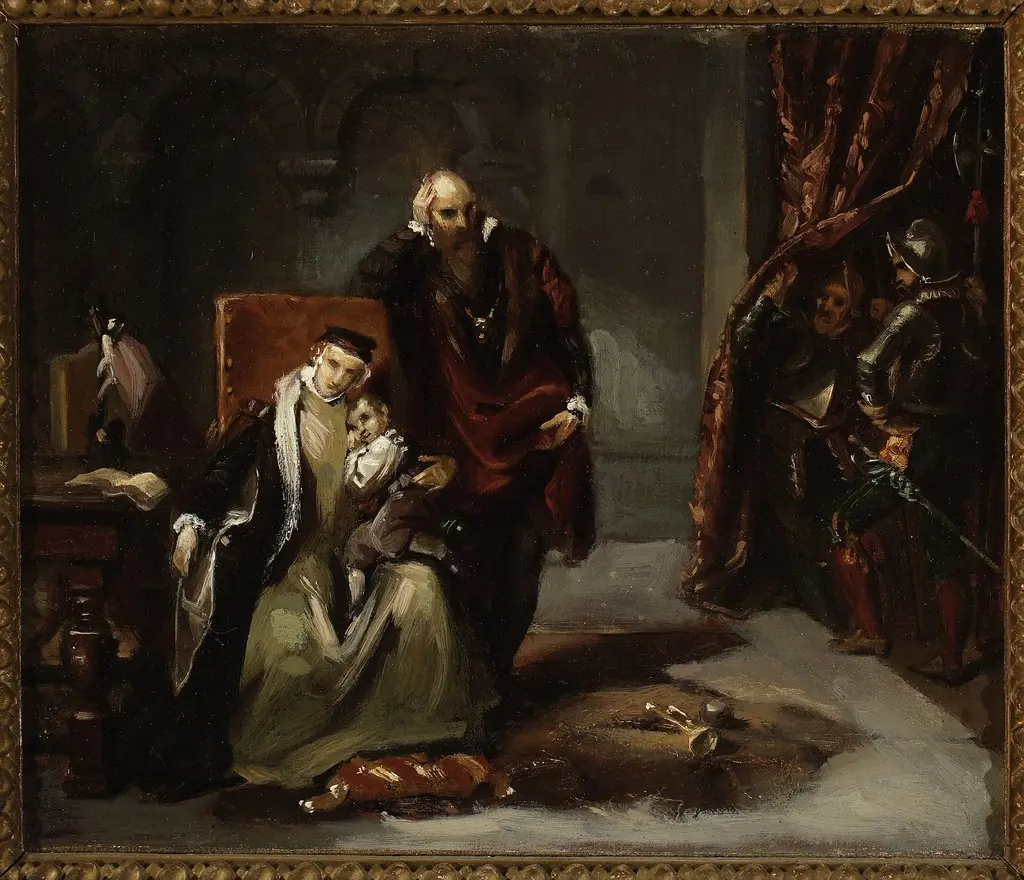 Catherine Jagiellon with her son Sigismund imprisoned in the Gripshom Castle (sketch)
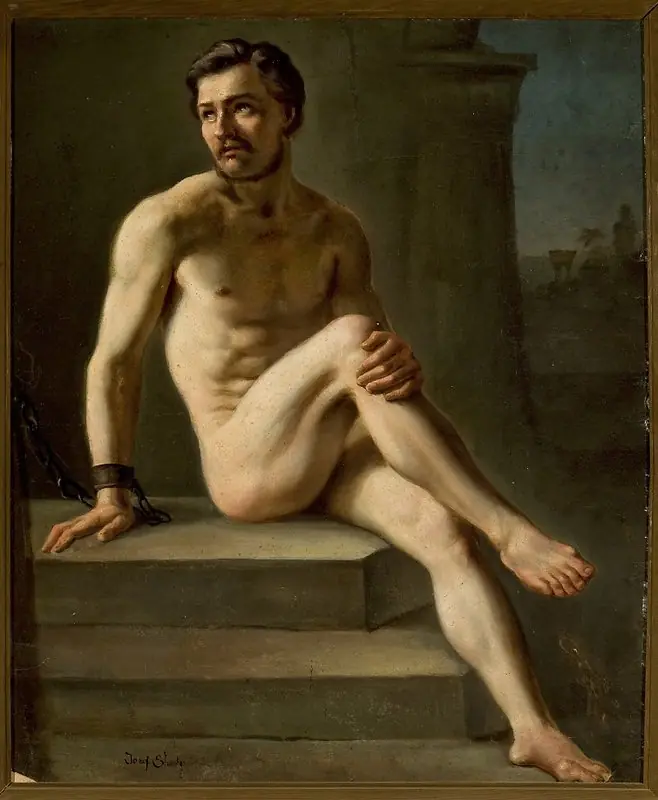 Male nude study
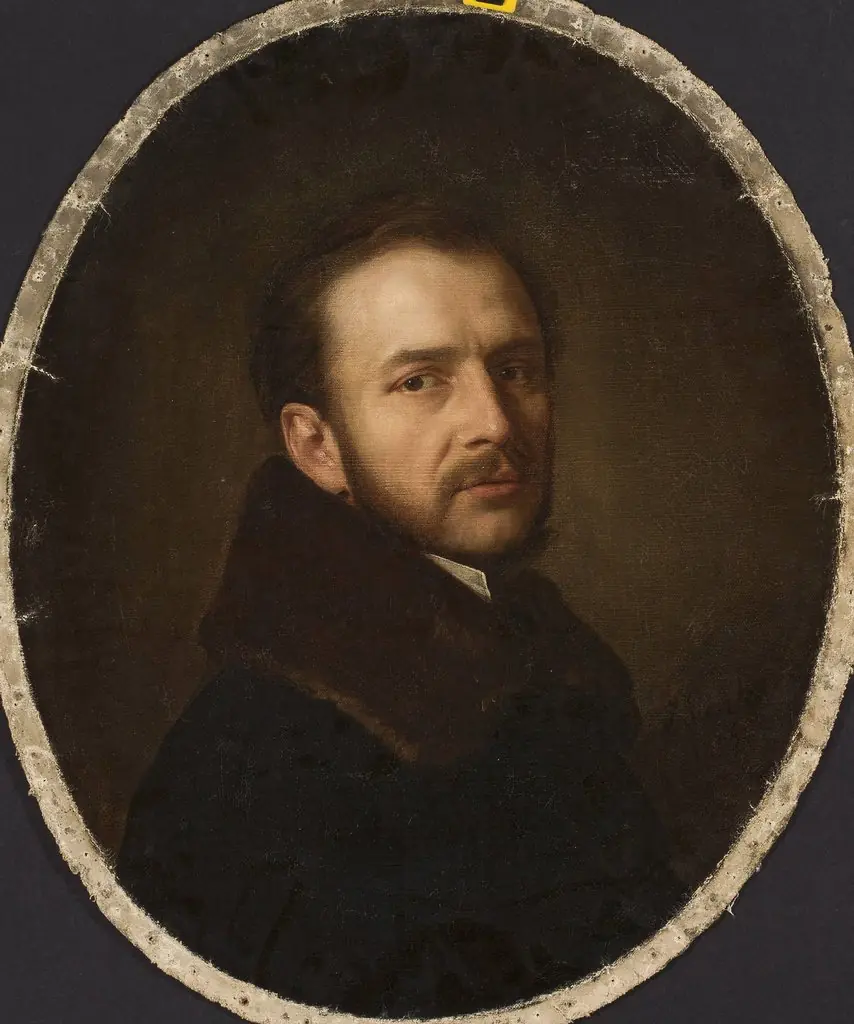 Portrait of a man
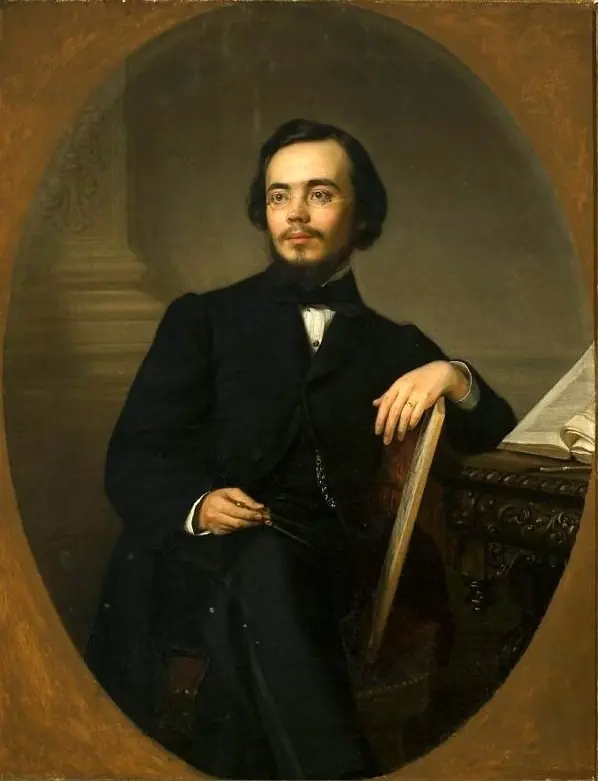 Portrait of Aleksander Waszkowski, member of the National Government in 1863
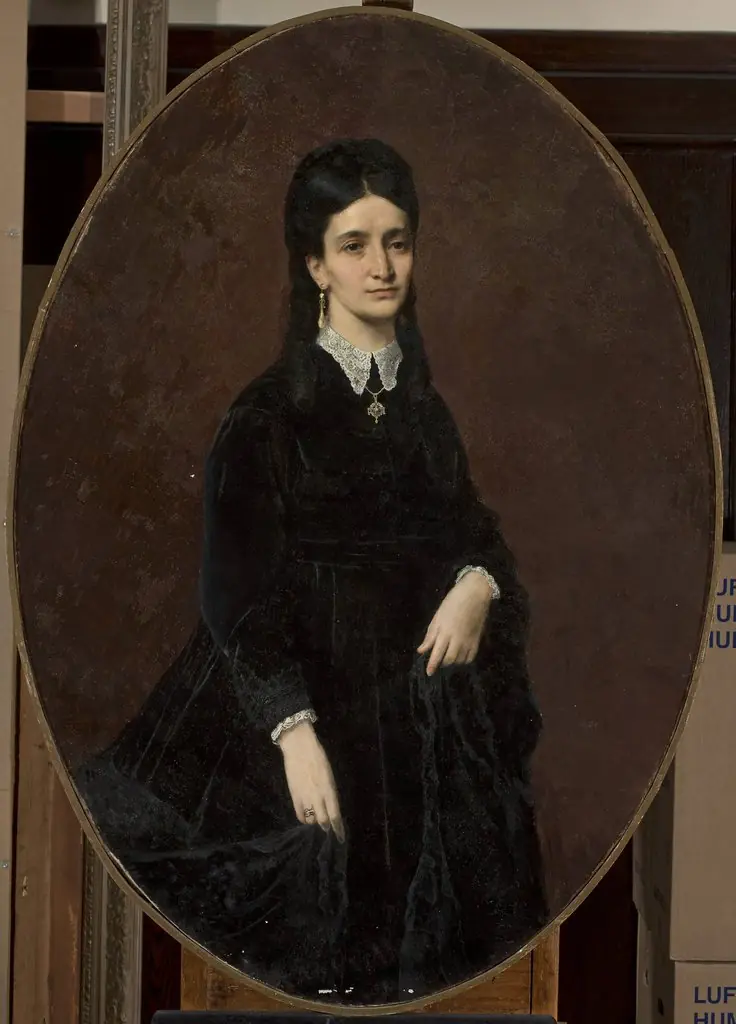 Portrait of a lady
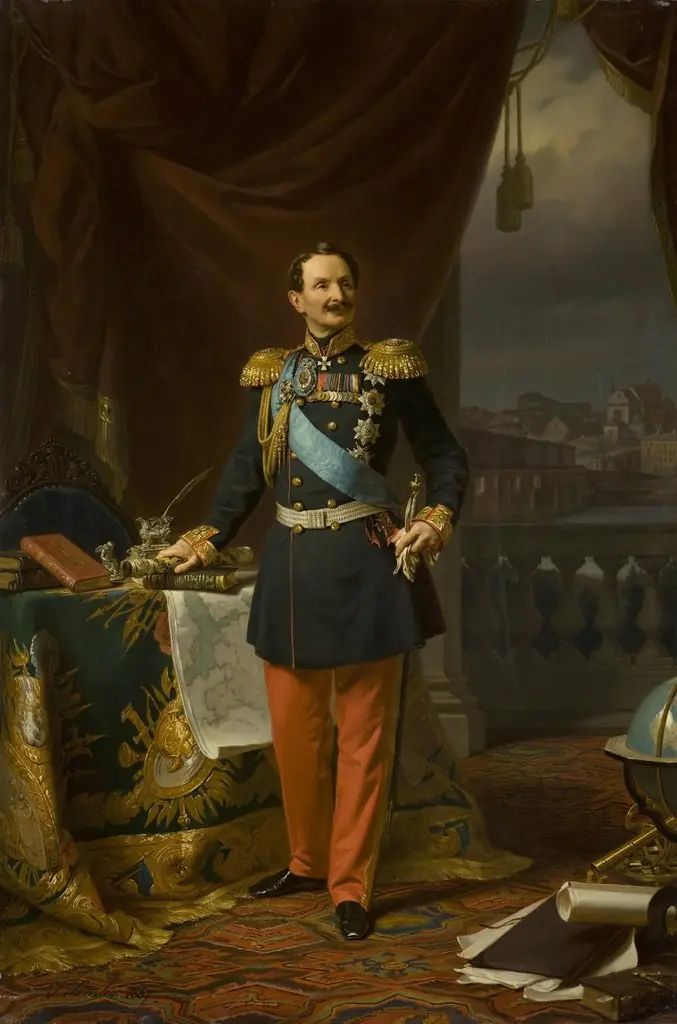 Portrait of Field-Marshal Count Fiodor (Friedrich Wilhelm) Berg
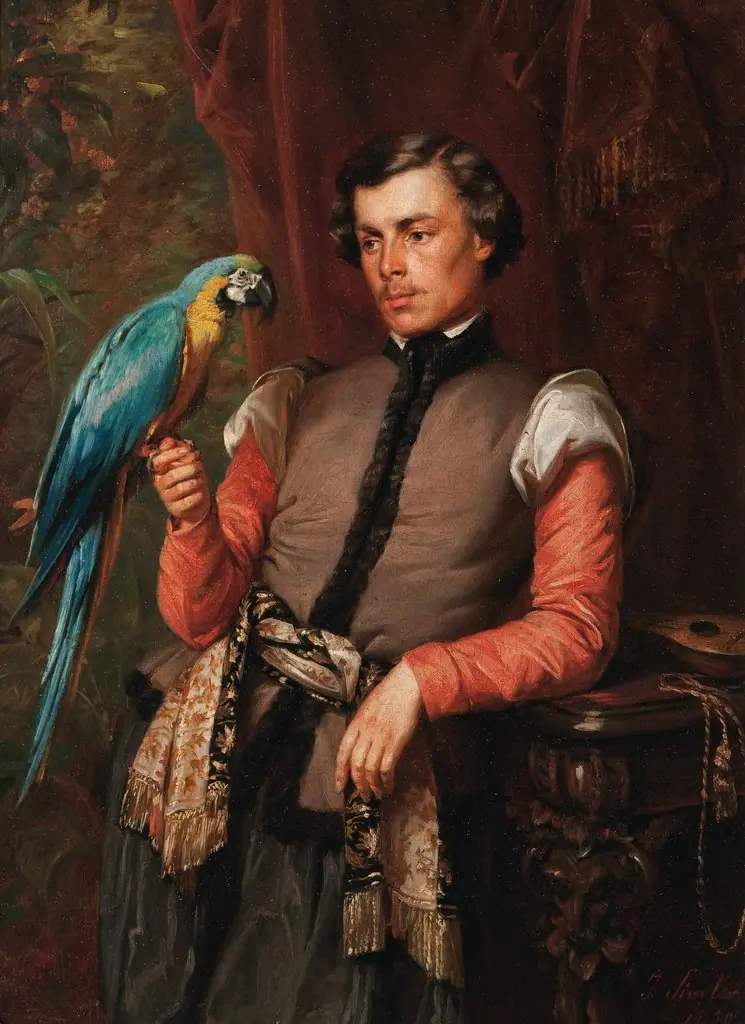 Nobleman with a Parrot
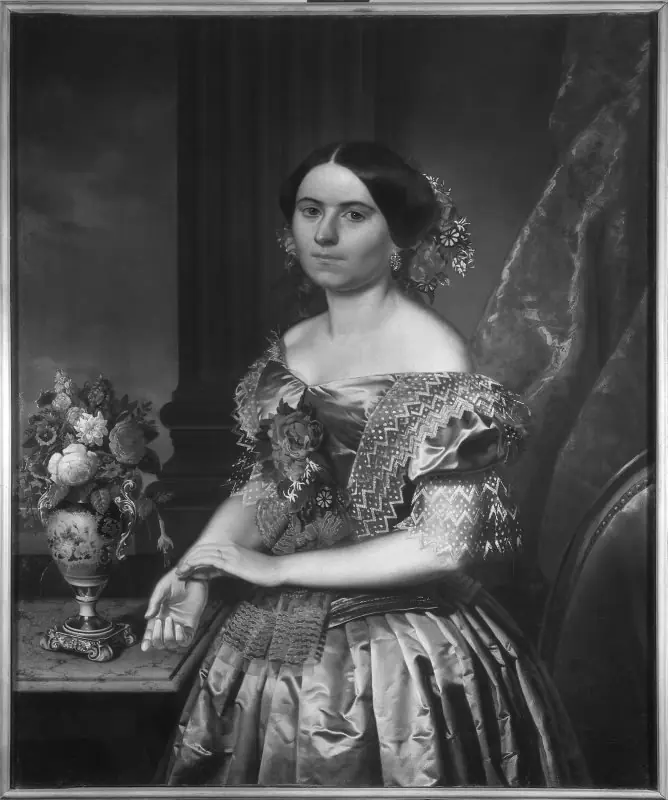 Portrait of Mrs. Skwarcowa
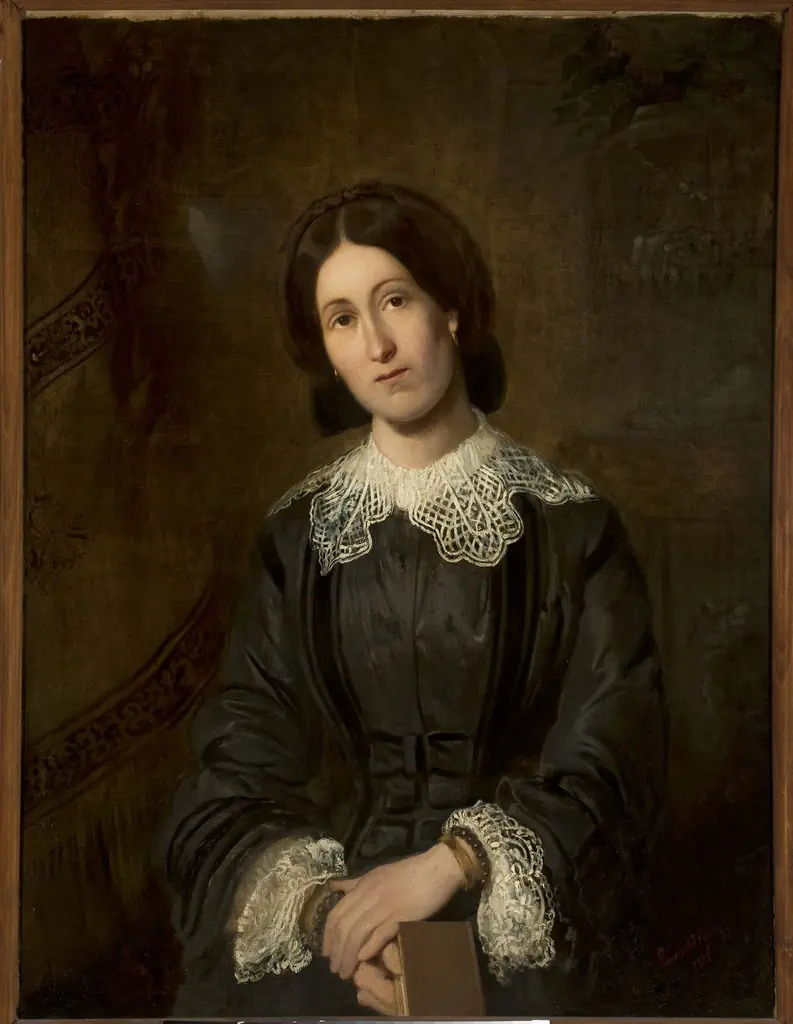 Portrait of Lucyna Łuszczkiewicz, artist’s sister
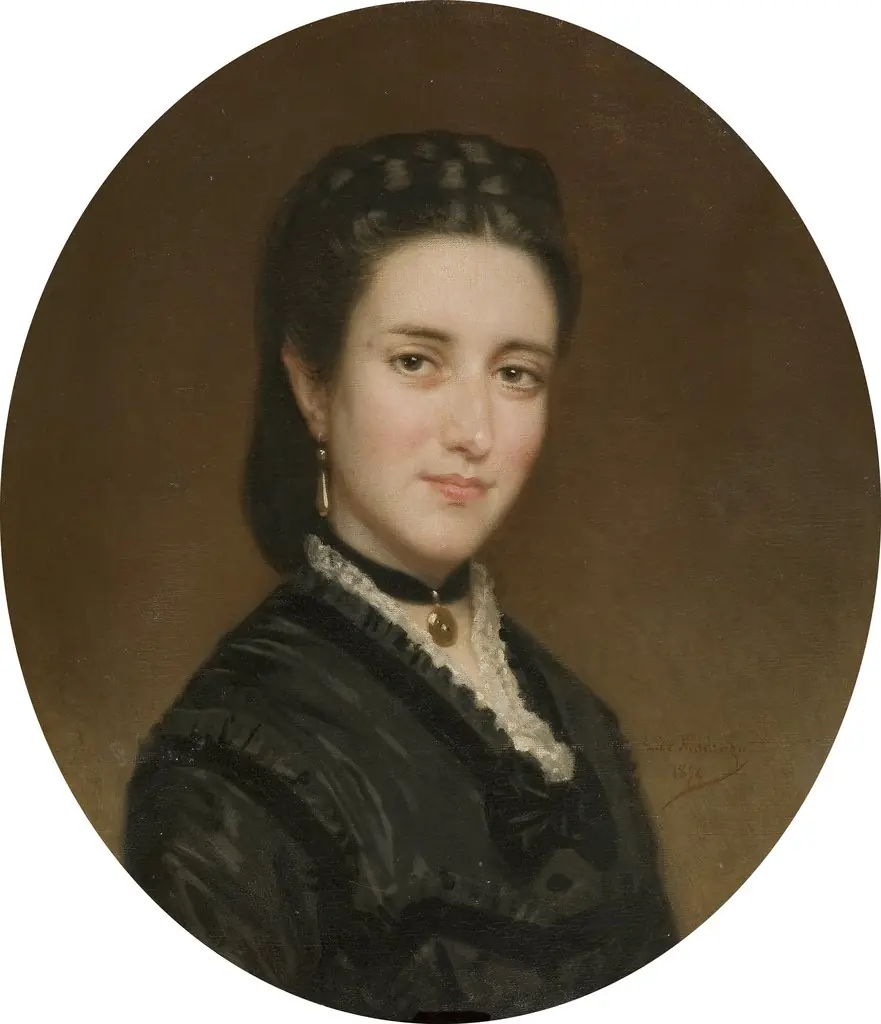 La señora de Creus
 Maximina Martínez de la Pedrosa, the Artist's Wife
 The Artist's Wife, Alma Bloch, née Trepka
 The Artist's Wife, Alma Bloch, née Trepka
 Portrait of Mrs Van Soom
 Portrait of a Woman
 Portrait of Anna Branicka
 Johanna Christina Beelenkamp (1820-90). Wife of Cornelis Outshoorn