Artwork
Sketch for “Crucifixion”
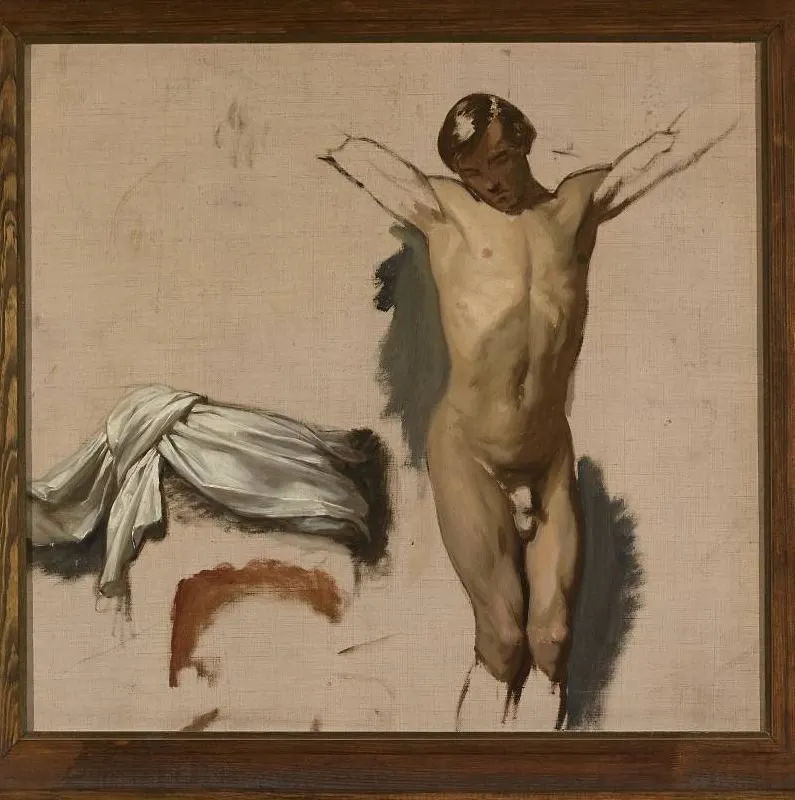
Sketch for “Crucifixion” is an oil painting by the Realist artist Józef Simmler. It dates from 1868 and is held in the collection of the National Museum in Warsaw.
About this work
Overview
Józef Simmler produced this oil sketch in 1868 as a preparatory study for a larger religious composition. Though unfinished, the work demonstrates his engagement with sacred themes through the lens of 19th-century Realism. It remains part of the National Museum in Warsaw’s collection, reflecting Simmler’s role in shaping Polish academic art during a period of national cultural revival.
Subject & Meaning
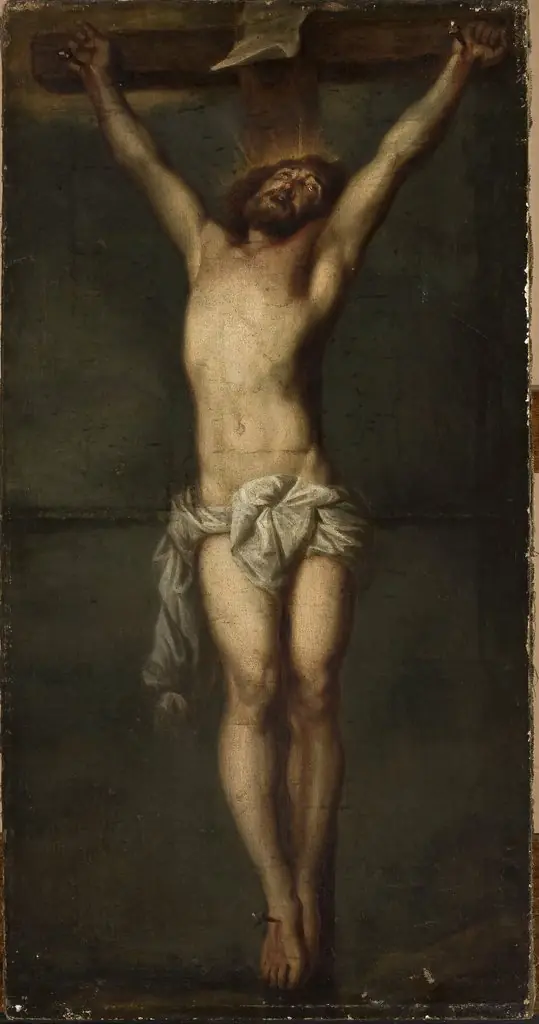
The central figure, a nude man with outstretched arms, evokes the crucified Christ without explicit iconographic markers. The absence of crowns, nails, or background narrative elements strips the scene to its emotional core: suffering and stillness. The draped cloth and muted tones suggest a private, introspective moment rather than a public spectacle, inviting quiet meditation on sacrifice.
Technique & Style
Chiaroscuro defines the body’s volume, with subtle gradations of light and shadow enhancing three-dimensionality.
Simmler employed loose, visible brushwork and a restrained palette of earth tones to model the figure’s form. Chiaroscuro defines the body’s volume, with subtle gradations of light and shadow enhancing three-dimensionality. The background remains indistinct, allowing focus on the figure’s physical presence. The sketch’s unfinished quality reveals the artist’s process, emphasizing gesture and structure over detail.
History & Provenance
Created in 1868, the sketch was likely made during Simmler’s academic training or as a study for a planned altarpiece. It entered the National Museum in Warsaw’s holdings in the late 19th or early 20th century, preserved alongside other works by Polish artists of the period. Its survival as a study rather than a finished piece offers insight into the artist’s working methods.
Context
In mid-19th-century Poland, religious art was often used to express cultural identity under foreign partition. Simmler, trained in Berlin and Paris, merged classical training with Realist observation. This sketch reflects a broader trend among Polish artists who turned to spiritual subjects to affirm national values, subtly resisting cultural erasure through quiet, human-centered imagery.
Legacy
Though not widely exhibited, the sketch remains a significant example of Simmler’s approach to religious themes—grounded in observation rather than dogma. It contributes to understanding how Polish academic painters negotiated tradition and modernity, using realism to humanize sacred narratives. The work continues to inform studies of religious art in partitioned Poland.
Artist & collection
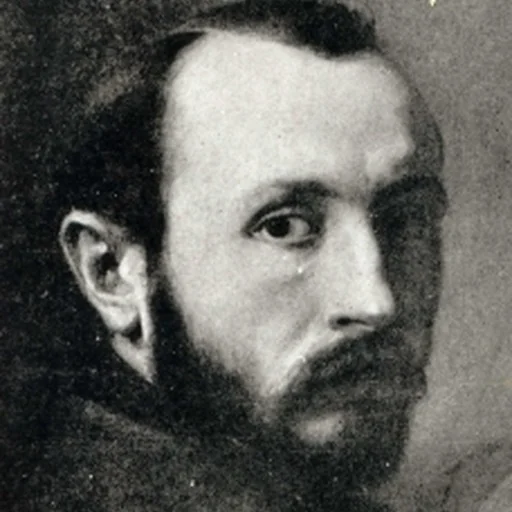
Artist
Józef Simmler (March 14, 1823, in Warsaw – March 1, 1868, in Warsaw) was a Polish painter known for his classical style and his Polish subjects.

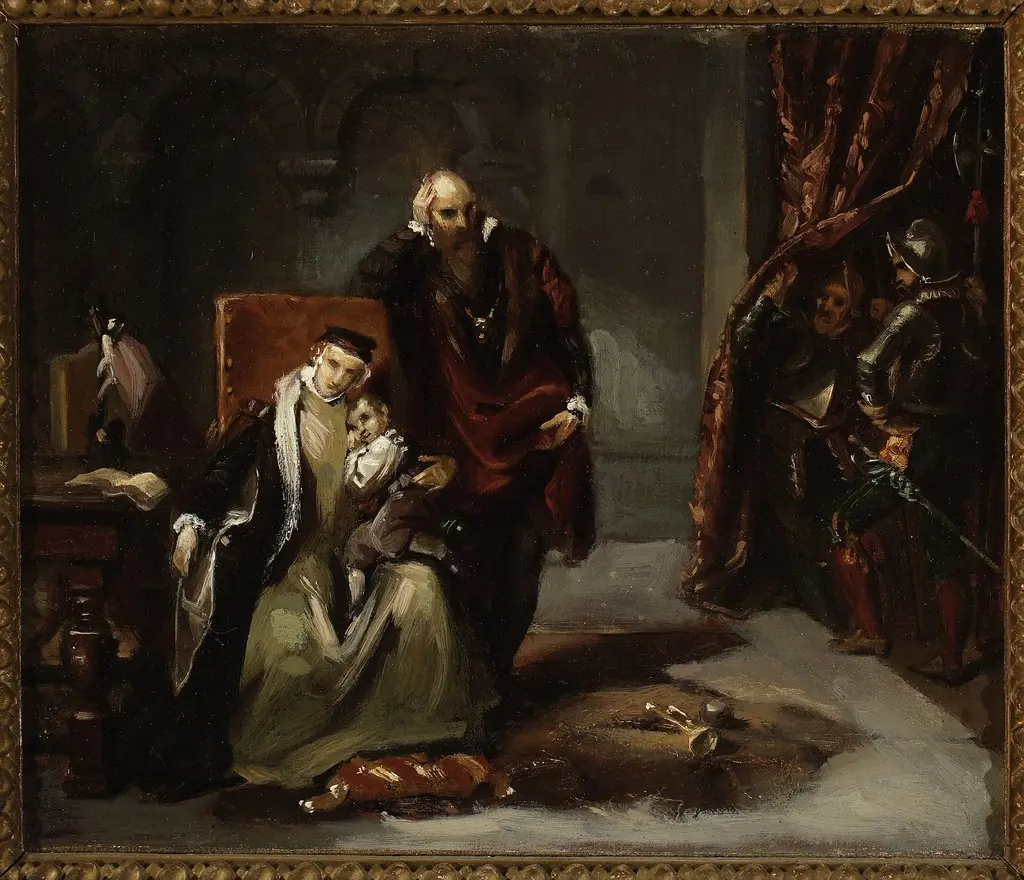 Catherine Jagiellon with her son Sigismund imprisoned in the Gripshom Castle (sketch)
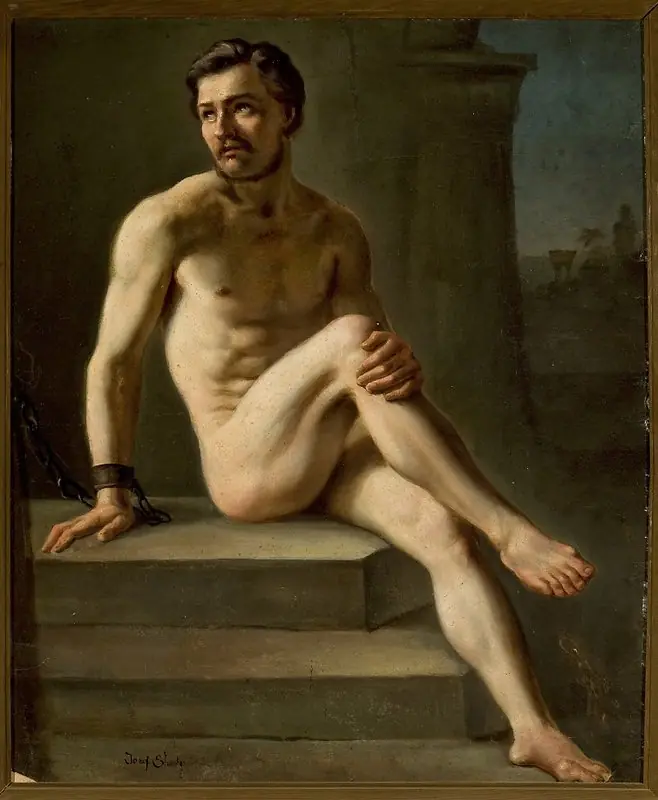 Male nude study
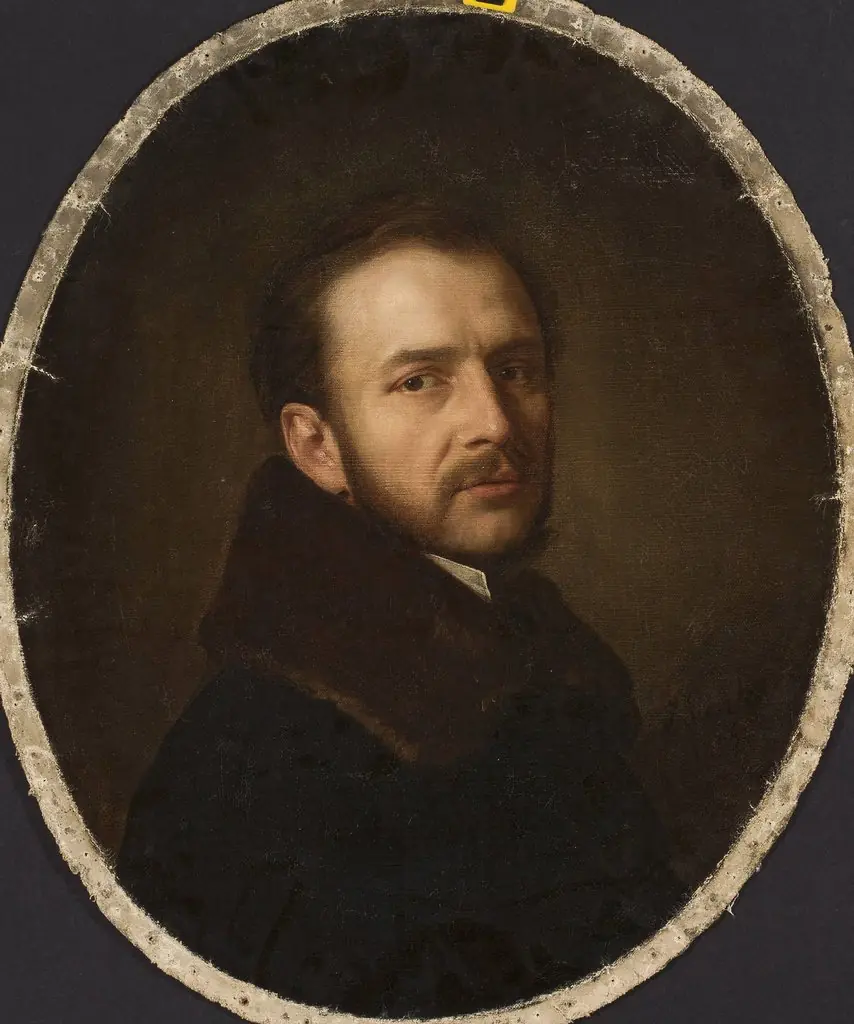 Portrait of a man
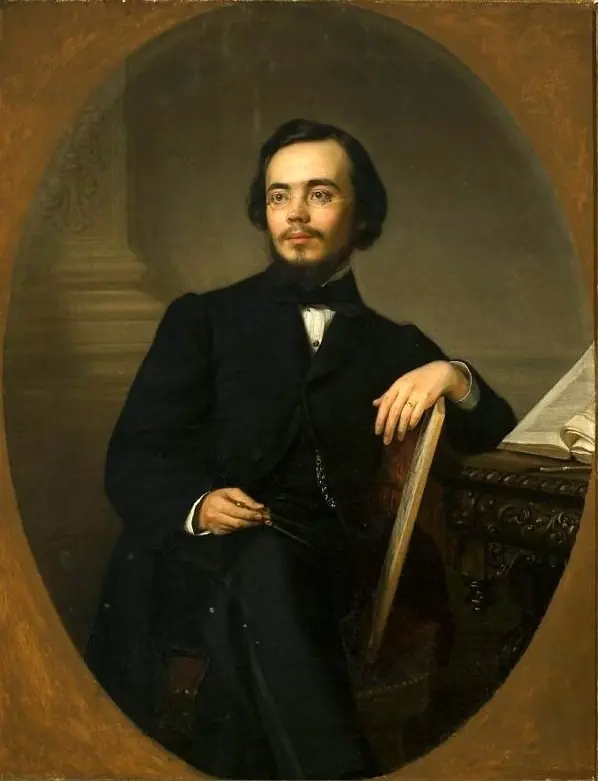 Portrait of Aleksander Waszkowski, member of the National Government in 1863
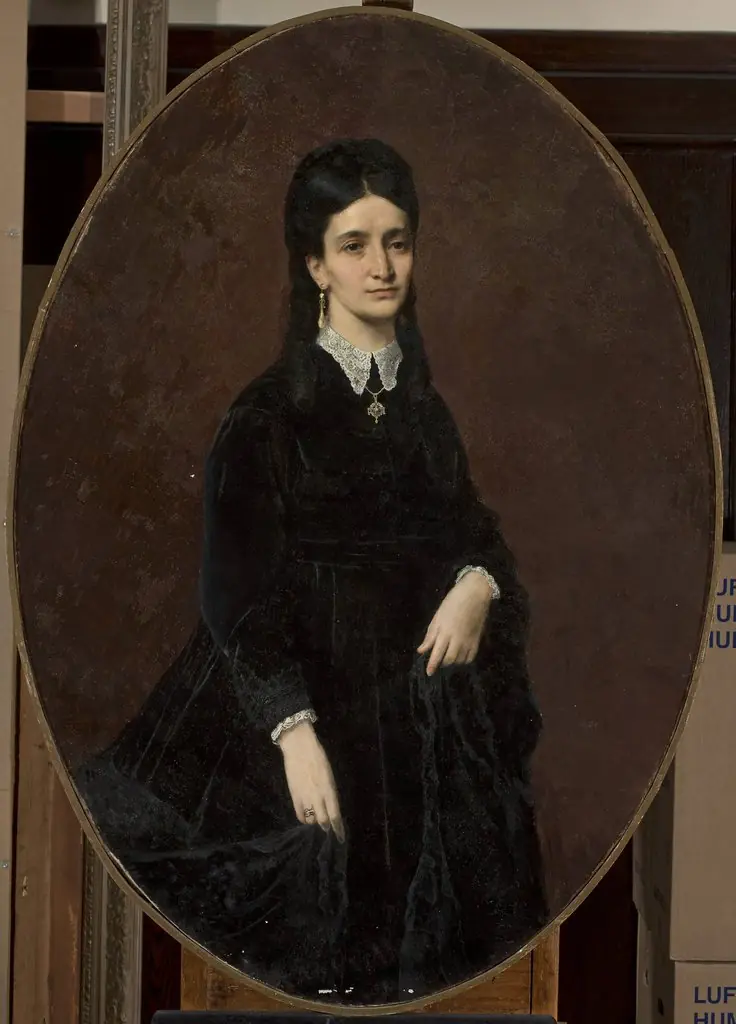 Portrait of a lady
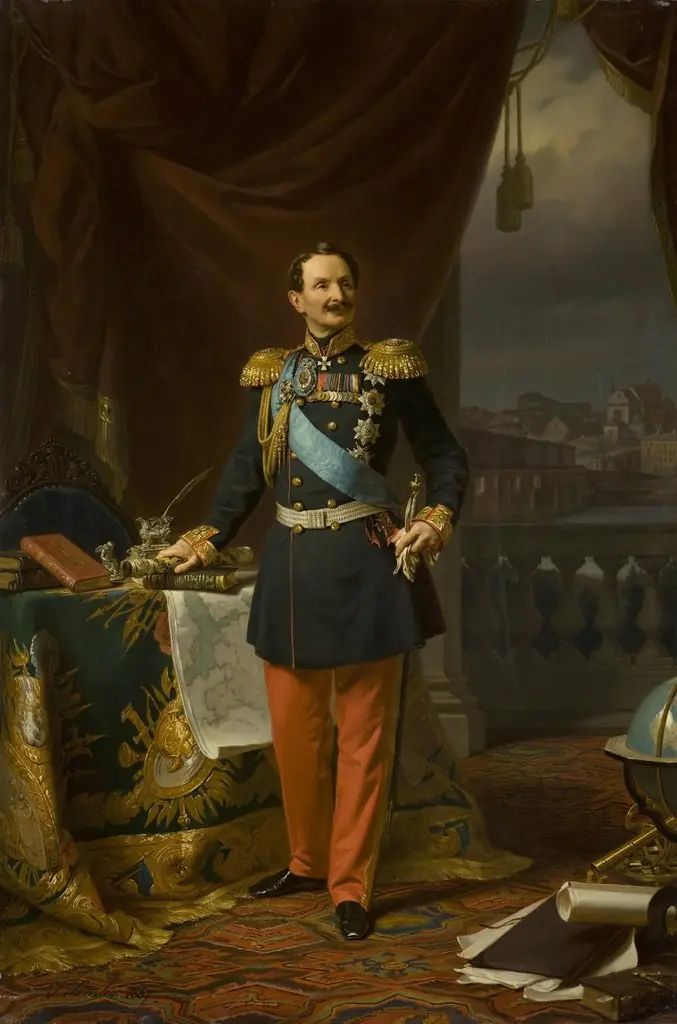 Portrait of Field-Marshal Count Fiodor (Friedrich Wilhelm) Berg
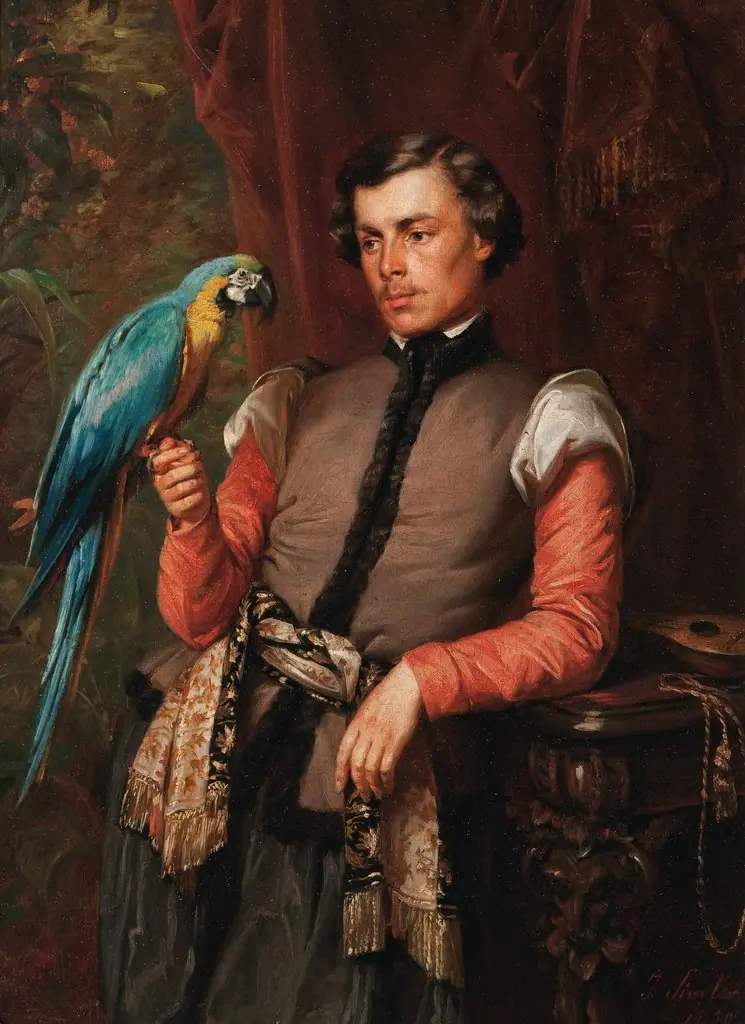 Nobleman with a Parrot
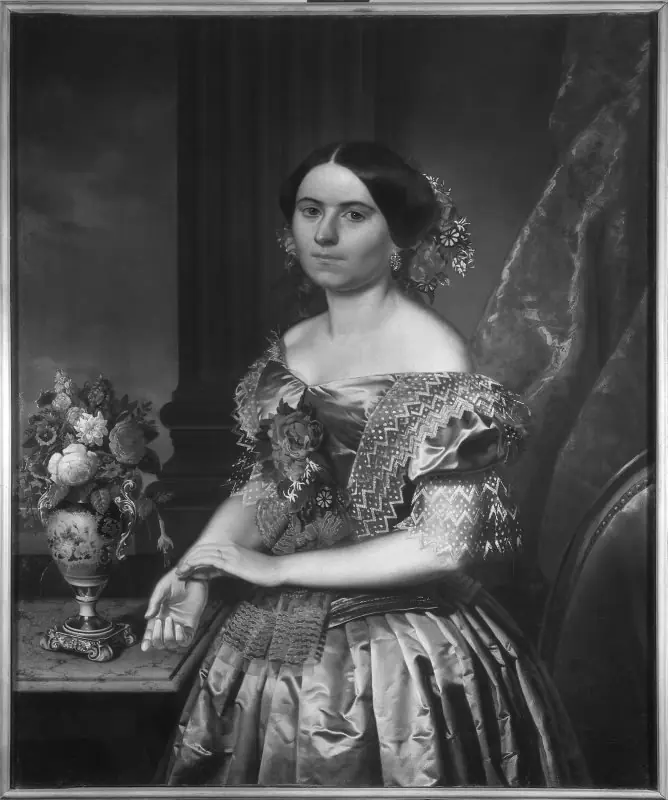 Portrait of Mrs. Skwarcowa
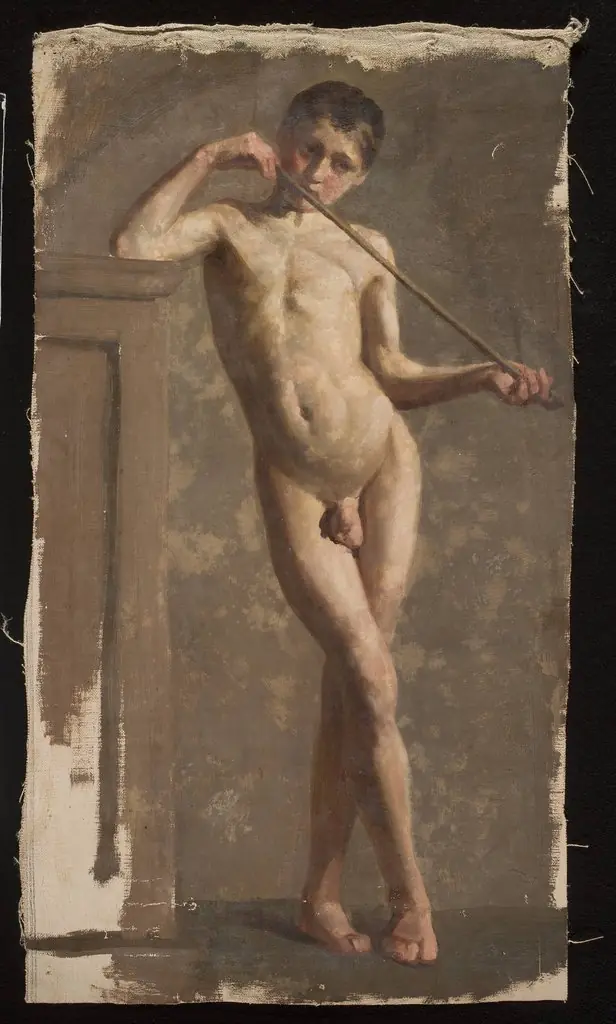 Nude of a standing boy
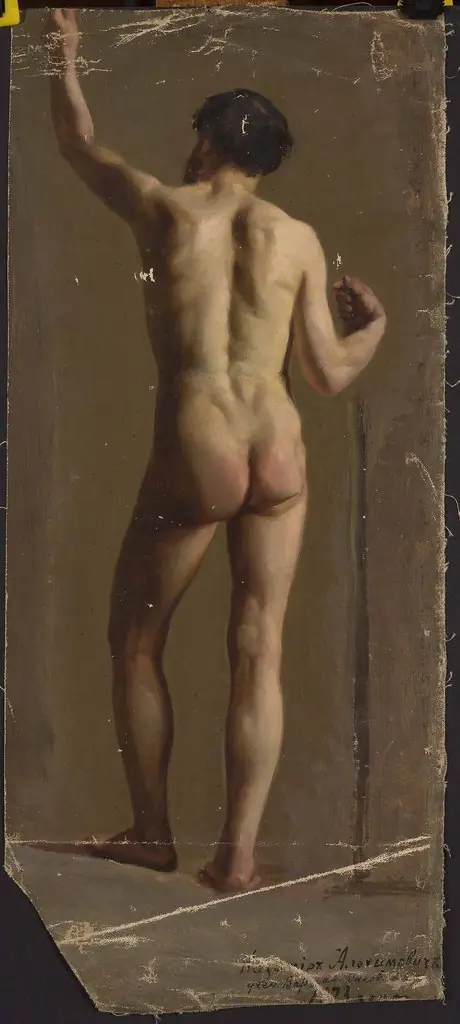 Nude of a standing man, back view
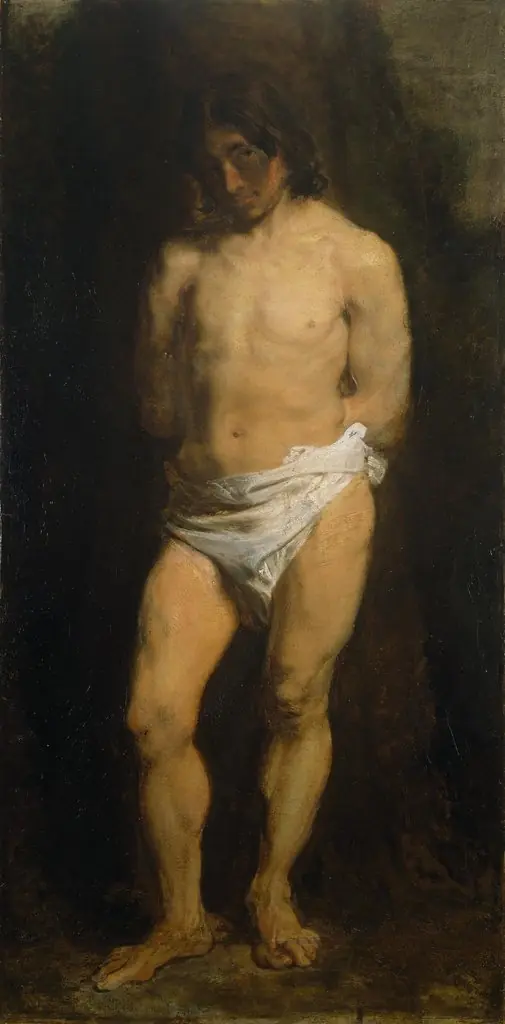 Study of a Naked Youth
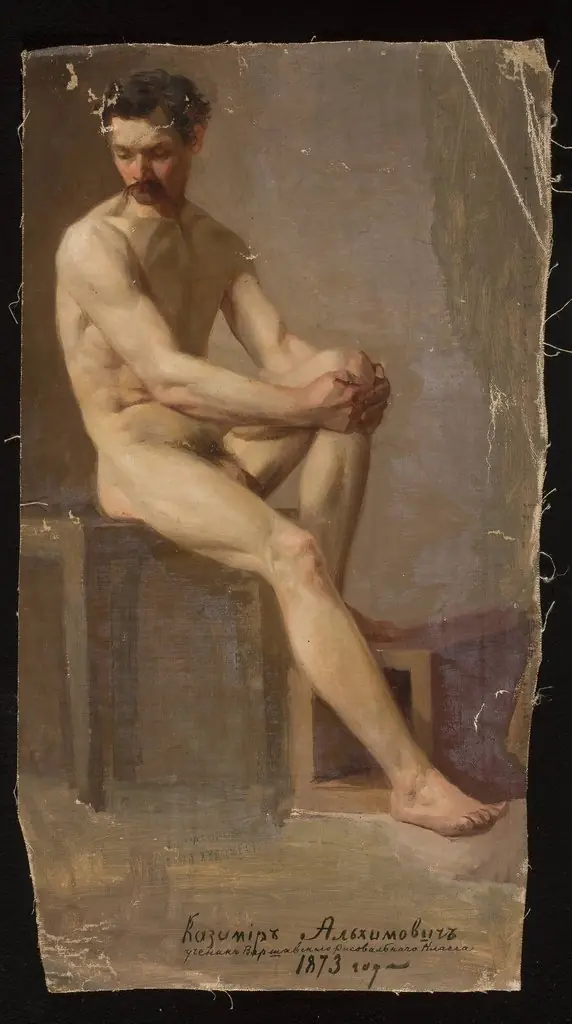 Nude of a seated man
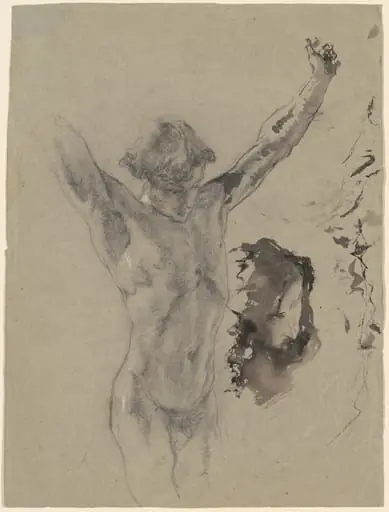 Study of the Figure and Head of Christ in "Christ on the Cross and Mary Magdalene"
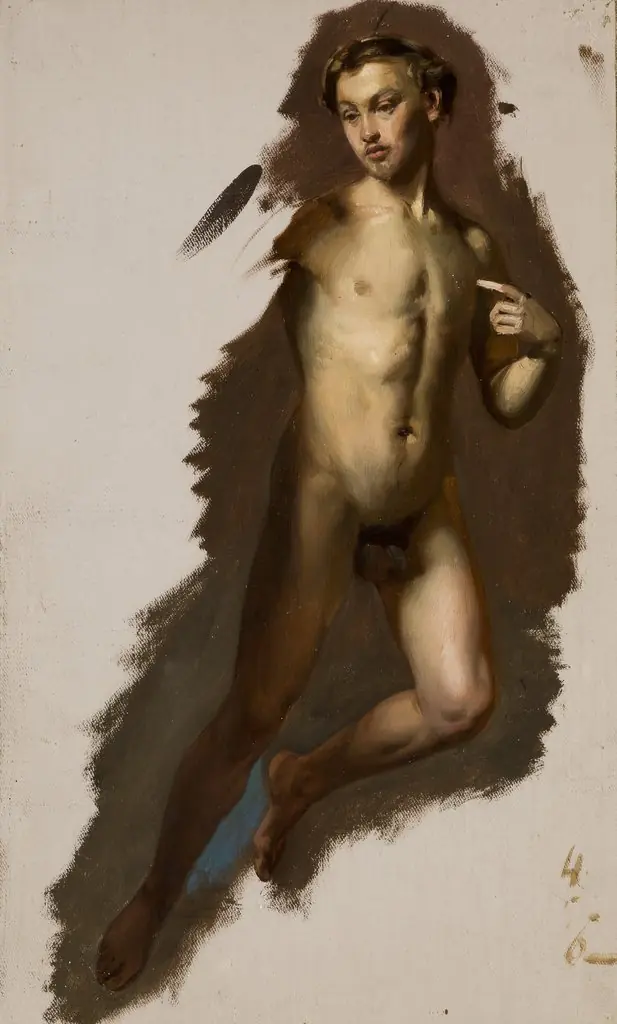 Study of the Amor Figure to the Painting "Wedding Procession of Amor and Psyche"
 Study of a Male Nude and Other Studies
 Nude of an old man leaning on crutches, back view
 Alaston miesmalli
 Christ Taken Down From the Cross
 Female model – back
 Christ on the cross