Artwork
Portret van Maria van Speybrouck
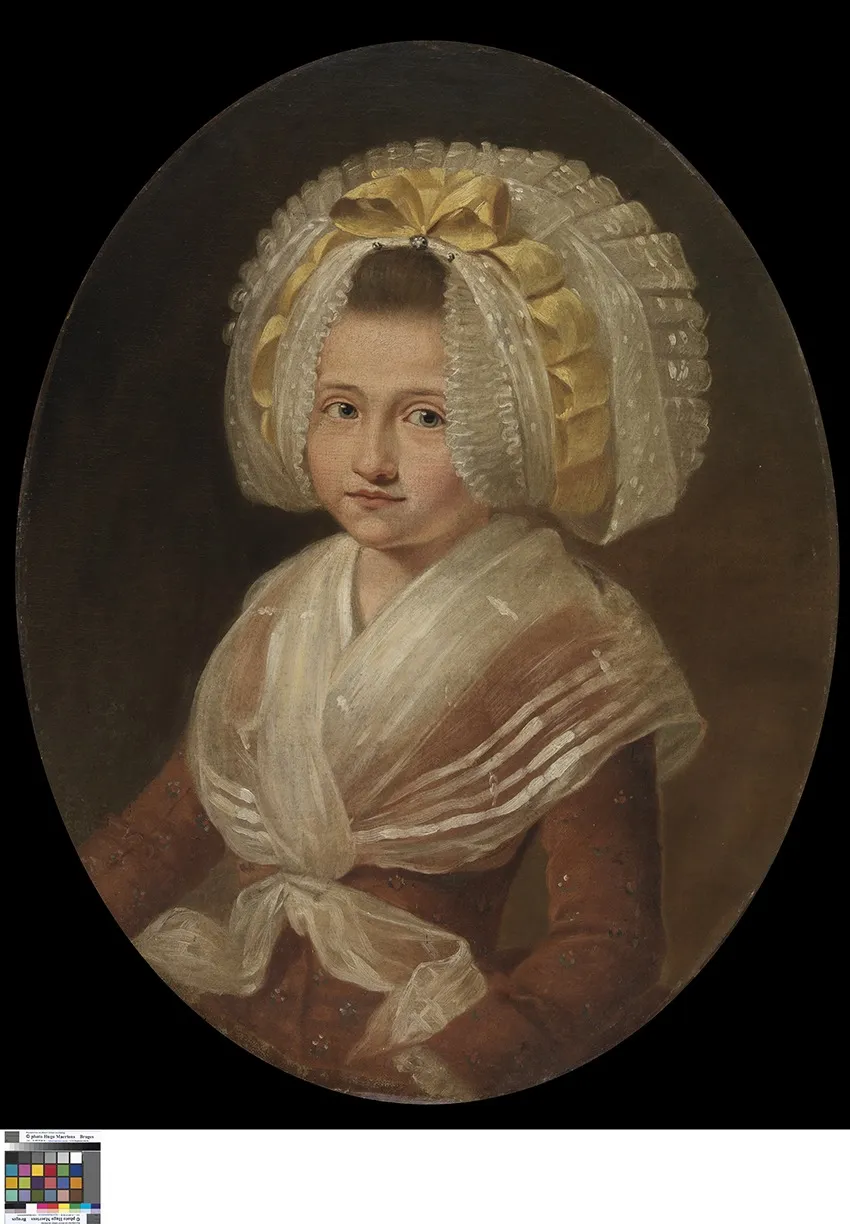
Portret van Maria van Speybrouck is an oil painting by the Rococo painting artist Paul de Cock. It dates from 1788 and is held in the collection of the Groeningemuseum.
About this work
Overview
Painted in 1788 by Paul de Cock, this oil portrait captures a young girl from the Southern Netherlands. The work is part of the Groeningemuseum’s collection in Bruges. Rendered with quiet precision, the painting reflects the domestic portraiture traditions of late 18th-century Flanders, emphasizing modesty and stillness over grandeur.
Subject & Meaning
The sitter, identified as Maria van Speybrouck, is portrayed in a moment of quiet composure. Her gaze, slightly averted, suggests introspection rather than performative display. The simplicity of her attire and the absence of symbolic objects point to a focus on personal presence rather than social status, aligning with emerging ideals of private virtue in the period.
Technique & Style
De Cock employs a restrained palette dominated by earth tones and the pale white of the bonnet, set against a deep, neutral background. The brushwork is smooth and controlled, with subtle modeling of the face and fabric to suggest volume without theatricality. The yellow ribbon adds a restrained accent, drawing attention without disrupting the painting’s calm harmony.
History & Provenance
The portrait has remained in institutional hands since at least the 19th century, entering the Groeningemuseum’s collection as part of its broader effort to preserve regional Flemish art. Its continuous presence in public display indicates its recognized value as a representative example of local portraiture from the late Enlightenment era.
Context
In the decades before the French Revolution, Flemish portraiture often shifted from aristocratic grandeur to intimate, middle-class depictions. De Cock’s work reflects this trend, capturing a child of a prosperous urban family with dignity but without ostentation. Such images served as markers of familial identity and moral character within a changing social landscape.
Legacy
Though Paul de Cock is not widely known outside regional art history, this portrait endures as a quiet testament to the sensitivity of Flemish domestic painting. It contributes to the understanding of how ordinary lives were rendered with care in the late 18th century, preserving the visual language of a generation before industrialization transformed society.
Artist & collection

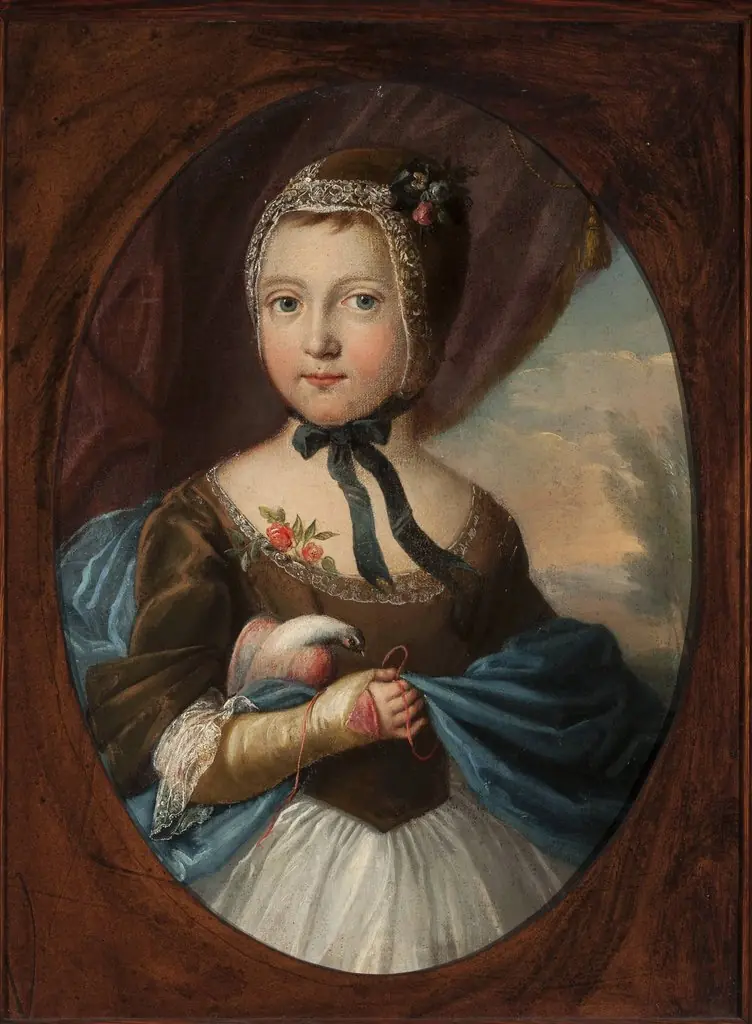 Portrait of Anna Bogusławska née Linowska (1734–1762)
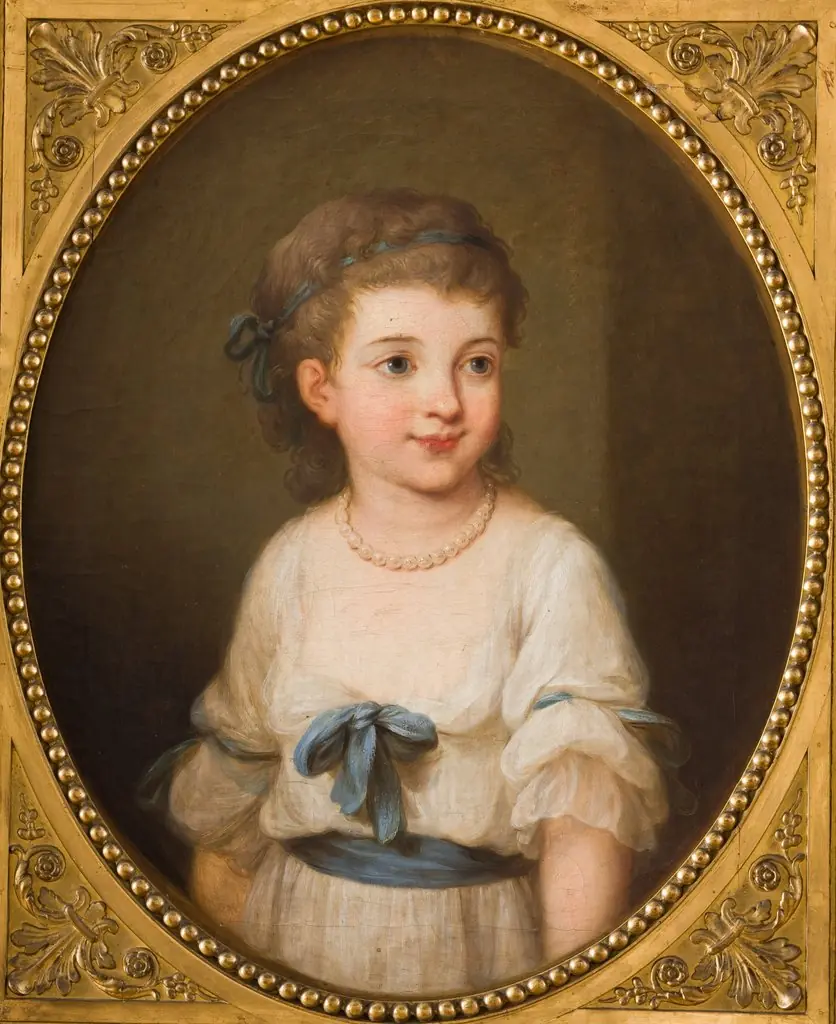 Portrait of Elżbieta Mniszech (born 1792)
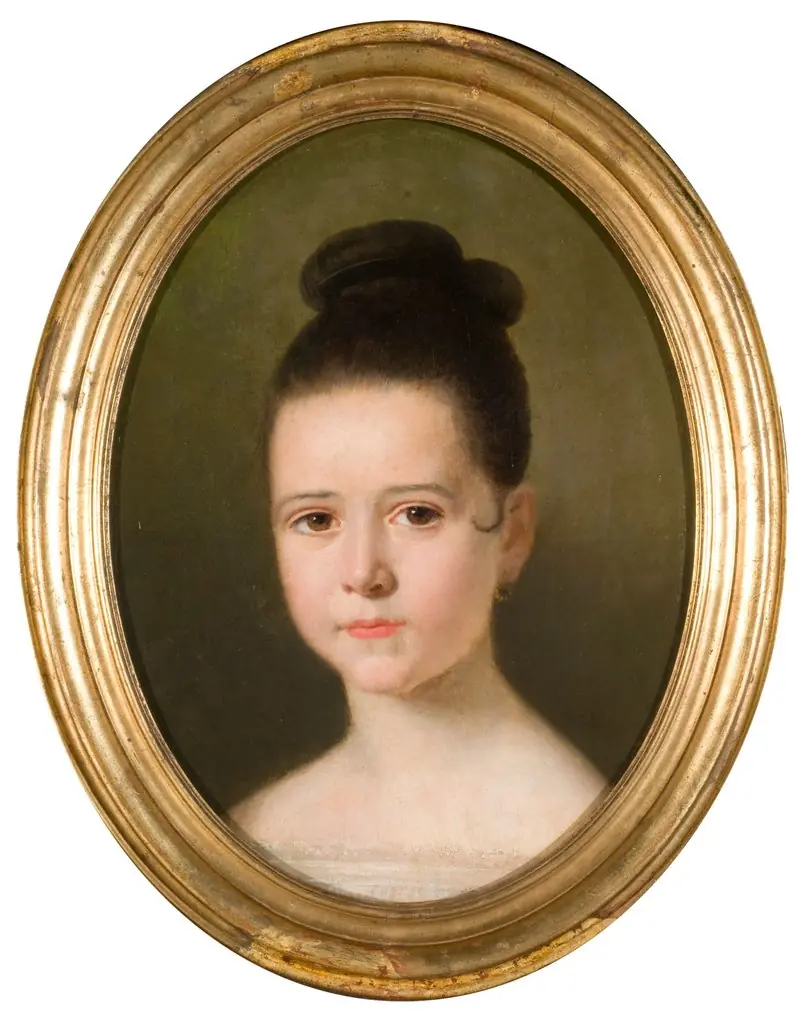 Portrait of a girl
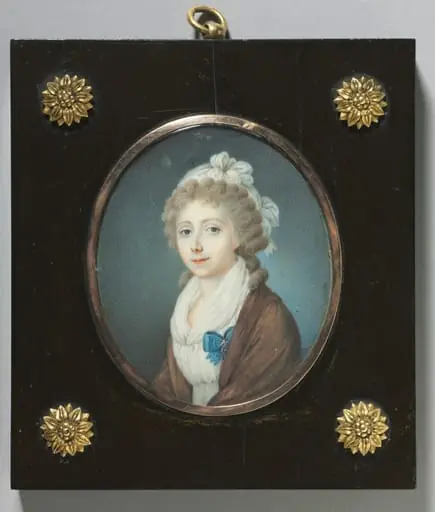 Portrait of a Noblewoman
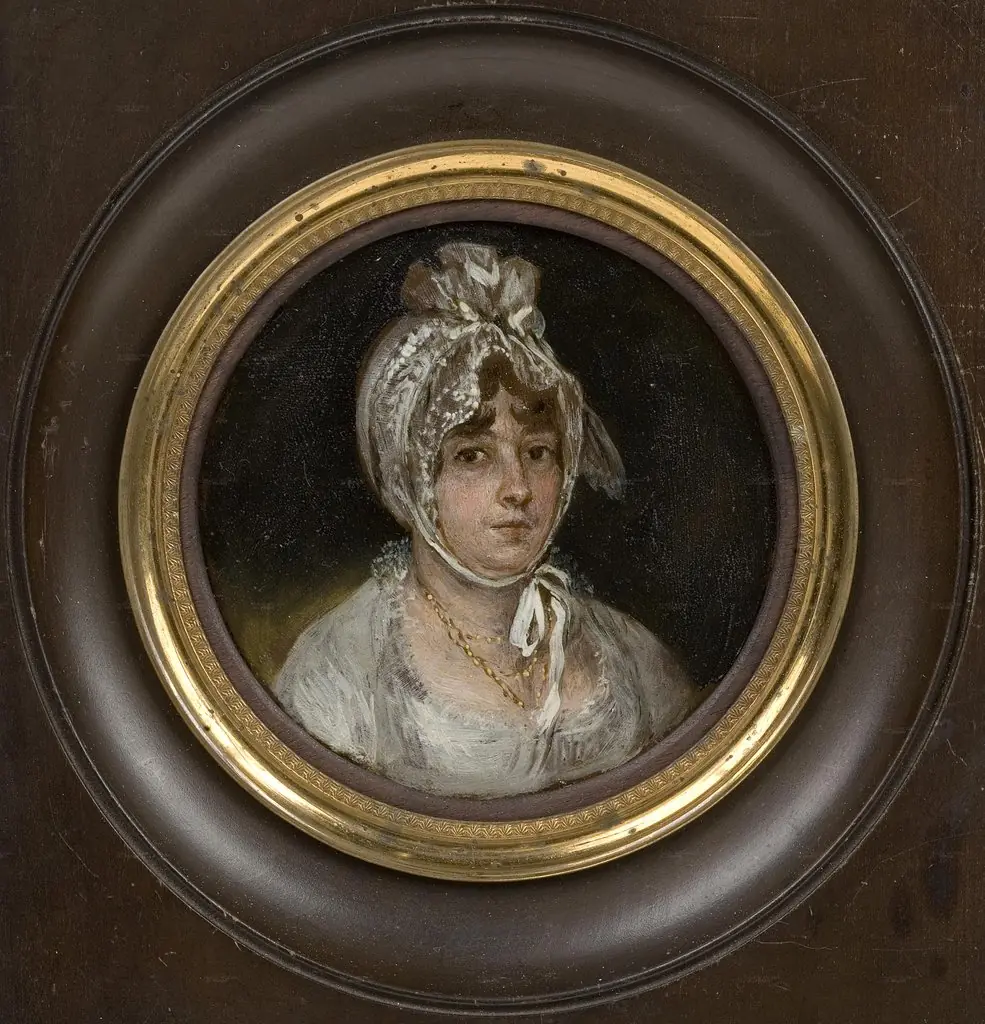 Juana Galarza de Goicoechea
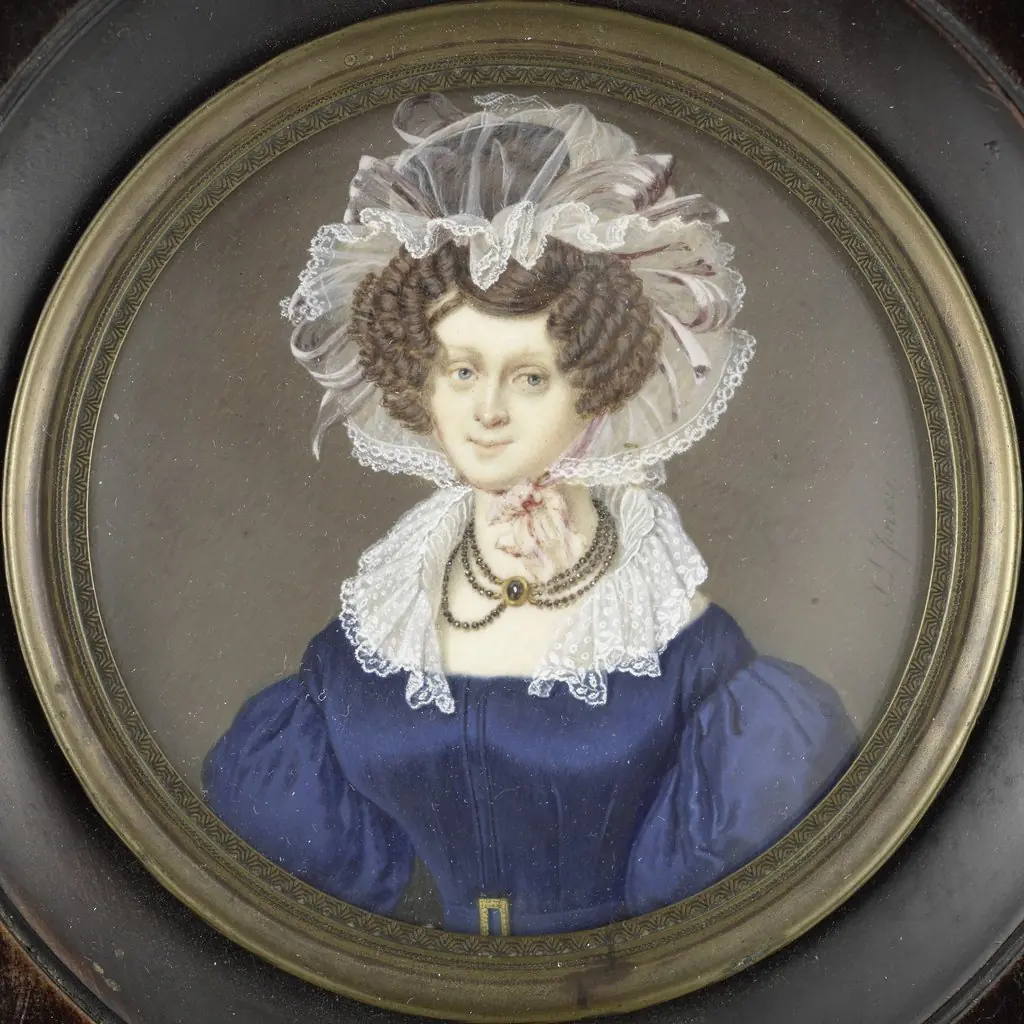 Portret van een vrouw
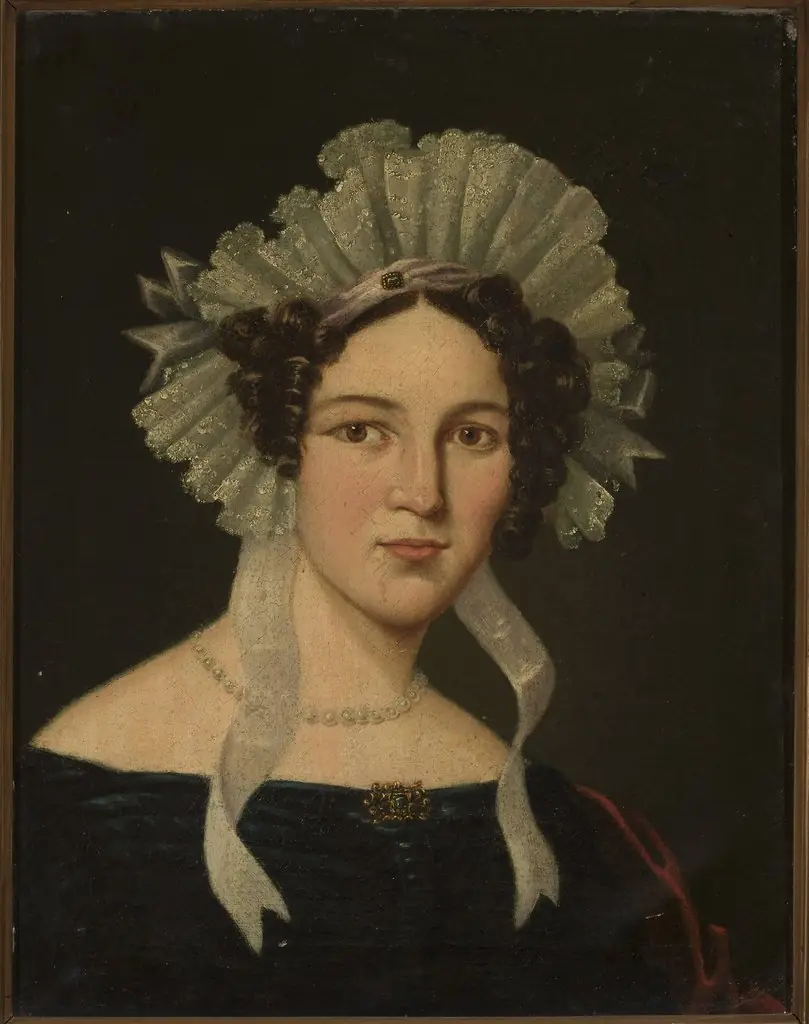 Portrait of a lady in a cap
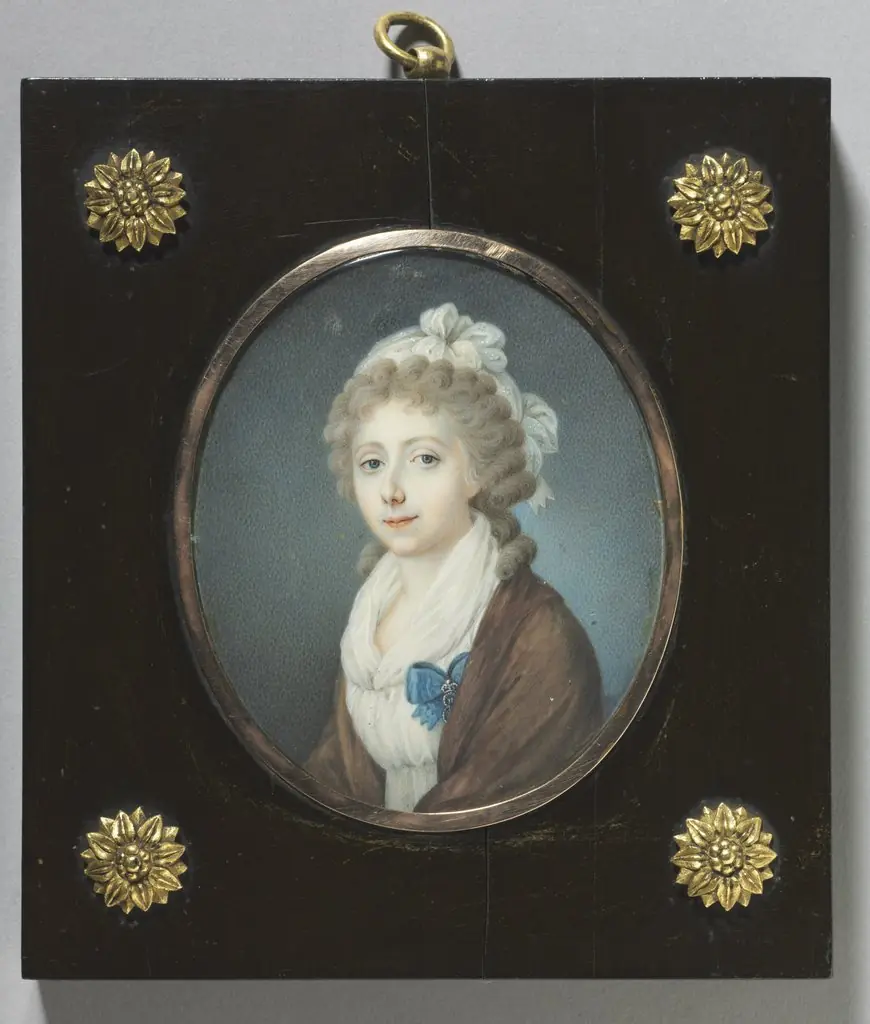 Portrait of a Noblewoman
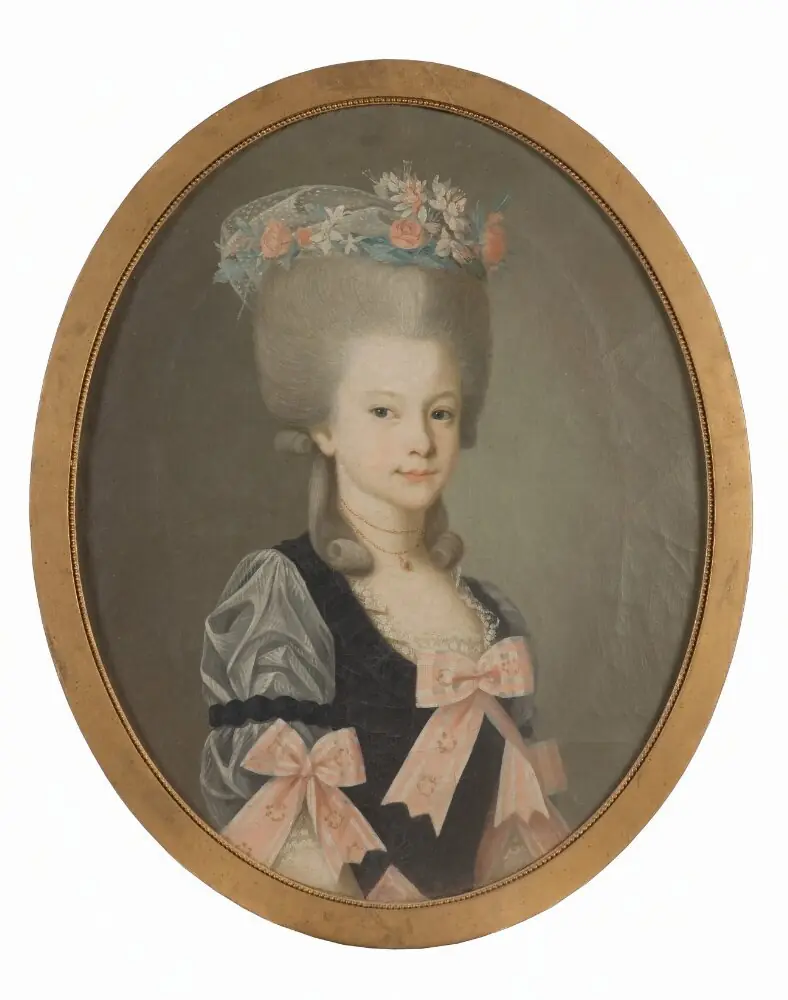 Brita Charlotta Wattrang (1775-1850), gift med friherre Otto Ludvig Benedikt Wrangel af Lindeberg
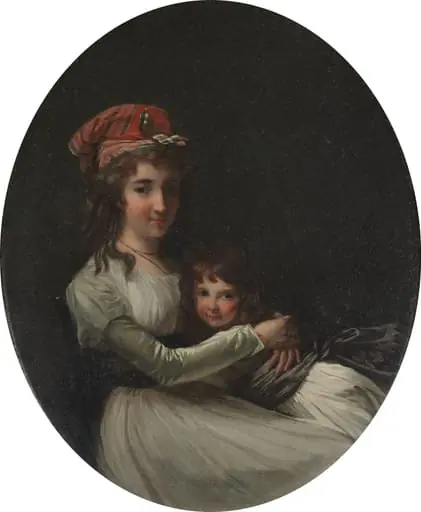 Portrait of a Mother and Daughter
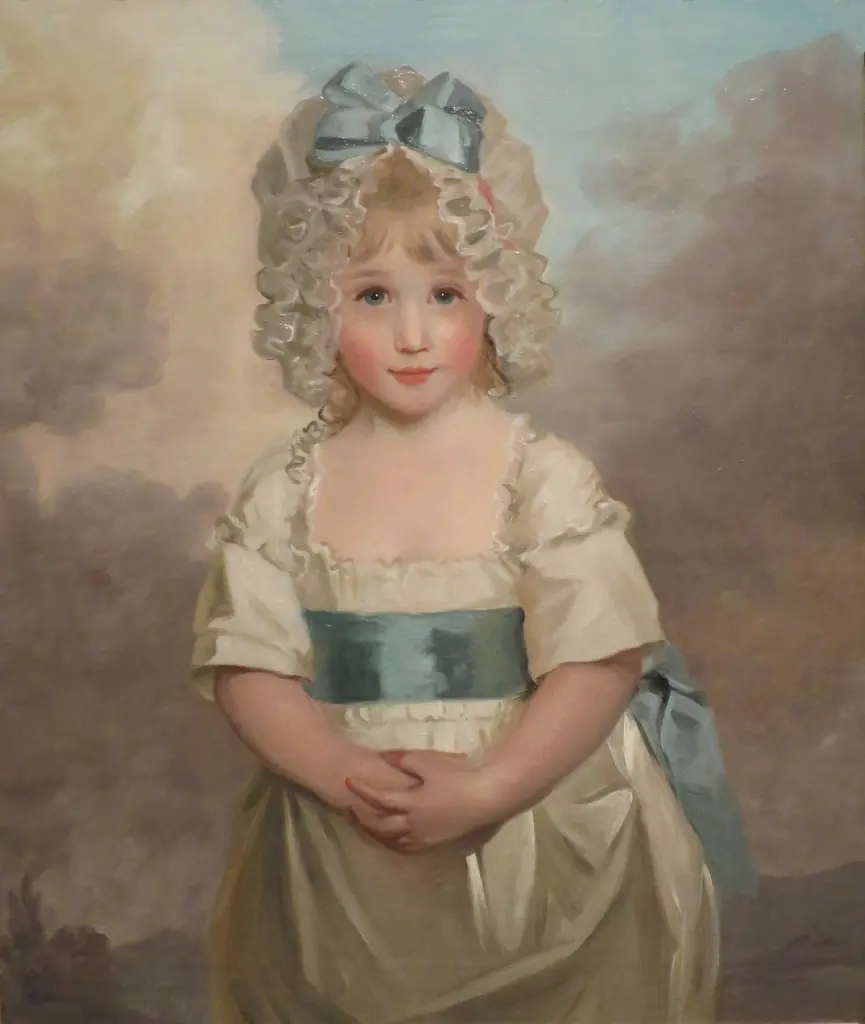 Miss Charlotte Papendick as a Child
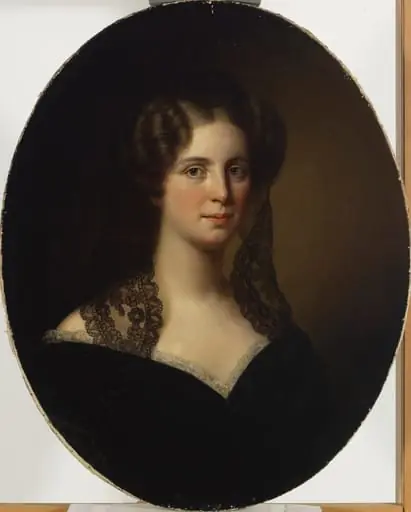 Maria Helena Rosina von Haartman