Artwork
Woman with Three Girls
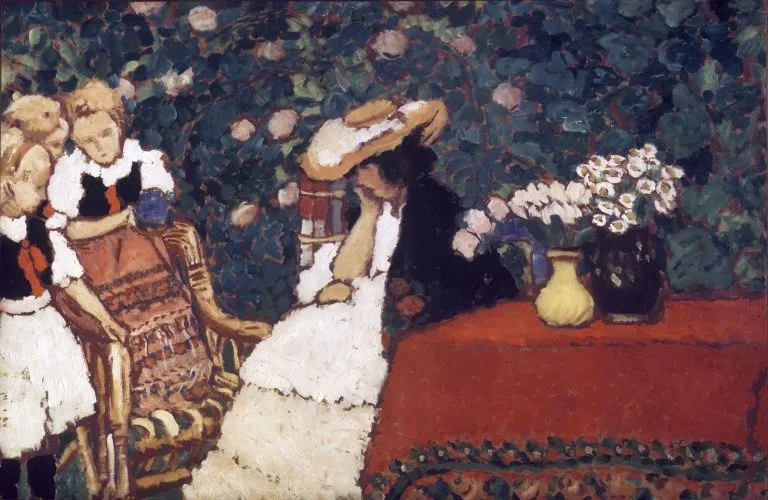
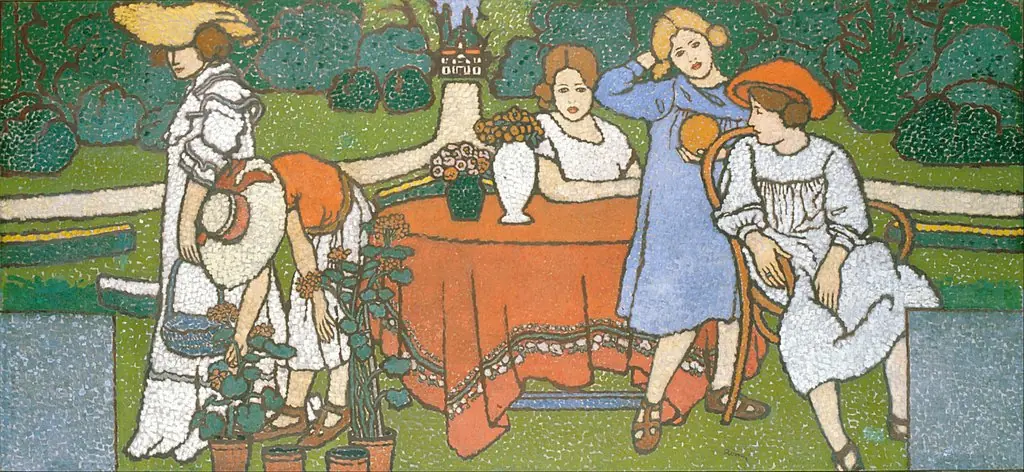
Woman with Three Girls is an oil painting by the Post-Impressionist artist József Rippl-Rónai. It dates from 1909 and is held in the collection of the Brooklyn Museum.
About this work
Overview
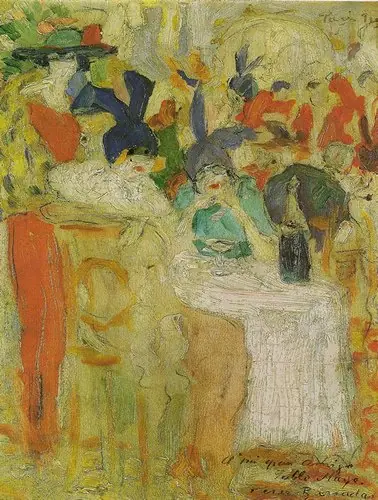
József Rippl‑Rónai’s 1909 oil painting *Woman with Three Girls* depicts a domestic scene in which a seated woman is flanked by three young girls. The figures are arranged around a table covered with a vivid red cloth, upon which a modest vase of flowers rests. The setting opens onto a leafy outdoor backdrop, lending a calm, contemplative mood to the composition.
Subject & Meaning
The central woman, dressed in a white gown and hat, appears poised yet relaxed, while the girls behind her wear darker garments accented with white collars. Their quiet posture and the subdued interaction suggest a moment of familial intimacy, perhaps a brief pause in everyday life, inviting viewers to consider themes of motherhood, care, and the passage of time.
Technique & Style
Executed in oil, the work employs the bright, unmodulated color fields characteristic of post‑impressionism. Rippl‑Rónai balances bold hues—such as the red tablecloth and the green foliage—with softer tonal variations on the figures, creating a sense of depth without relying on strict realism. The brushwork is fluid, allowing forms to suggest rather than delineate precise details.
History & Provenance
Created during the early phase of Rippl‑Rónai’s modernist career, the painting entered the Brooklyn Museum’s collection where it remains on view. Its acquisition reflects the museum’s effort to represent early 20th‑century Central European art, and it stands as a documented example of the artist’s output from this period.
Context
At the time of its execution, Hungarian art was transitioning toward modernist tendencies, with Rippl‑Rónai among the first to adopt post‑impressionist ideas.
At the time of its execution, Hungarian art was transitioning toward modernist tendencies, with Rippl‑Rónai among the first to adopt post‑impressionist ideas. The painting’s blend of domestic subject matter and experimental color aligns with broader European trends that sought to reinterpret everyday scenes through a new visual language, linking Hungarian practice to contemporary movements in France and beyond.
Artist & collection
Artist
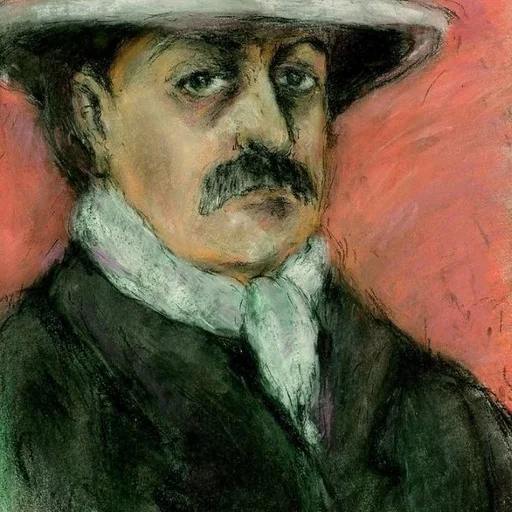
József Rippl-Rónai (23 May 1861 – 25 November 1927) was a Hungarian painter. He was among the first Hungarian exponents of artistic modernism.

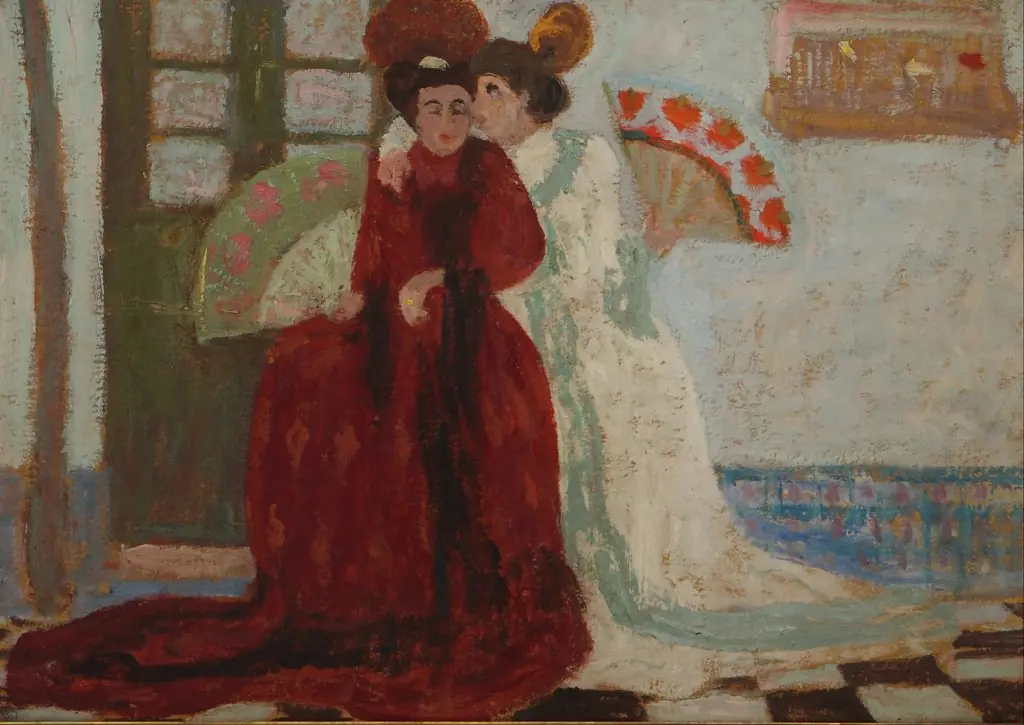 Confidencia
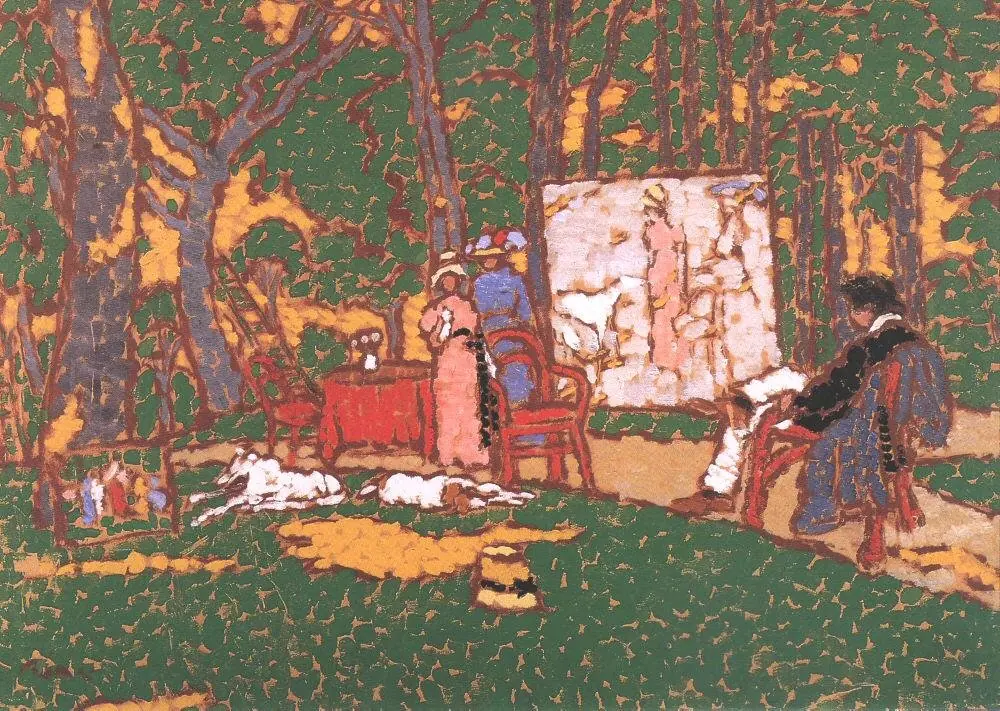 I am Painting Lazarine and Anella in the Park, Hepi and the Others are Hot
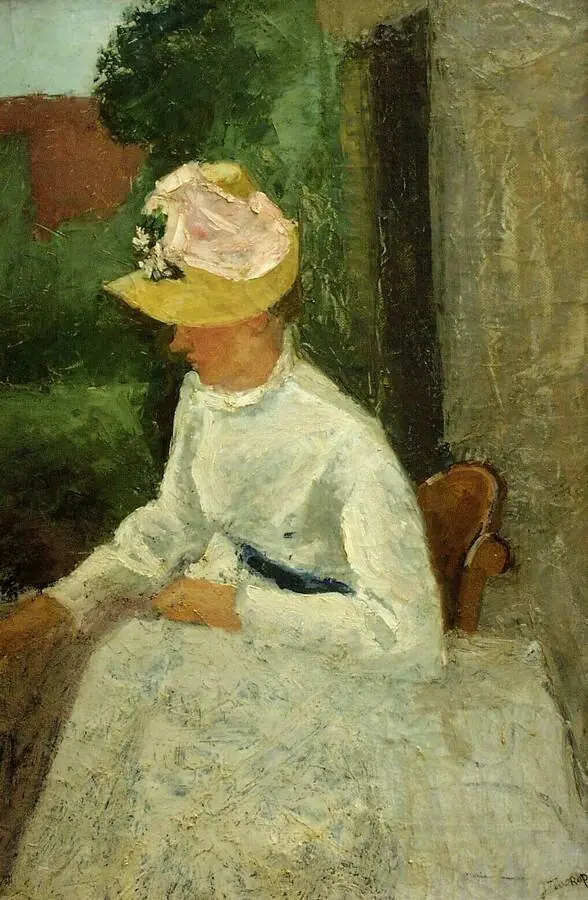 Dame in het wit
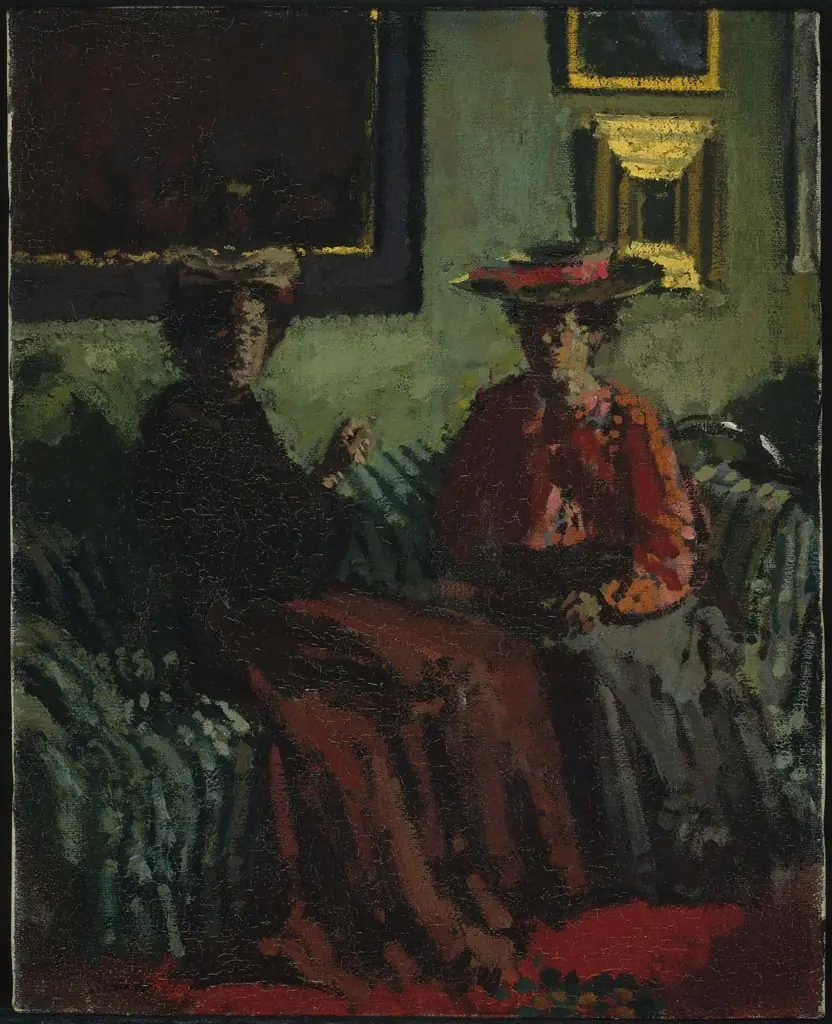 Les Petites Belges (Young Belgian Women)
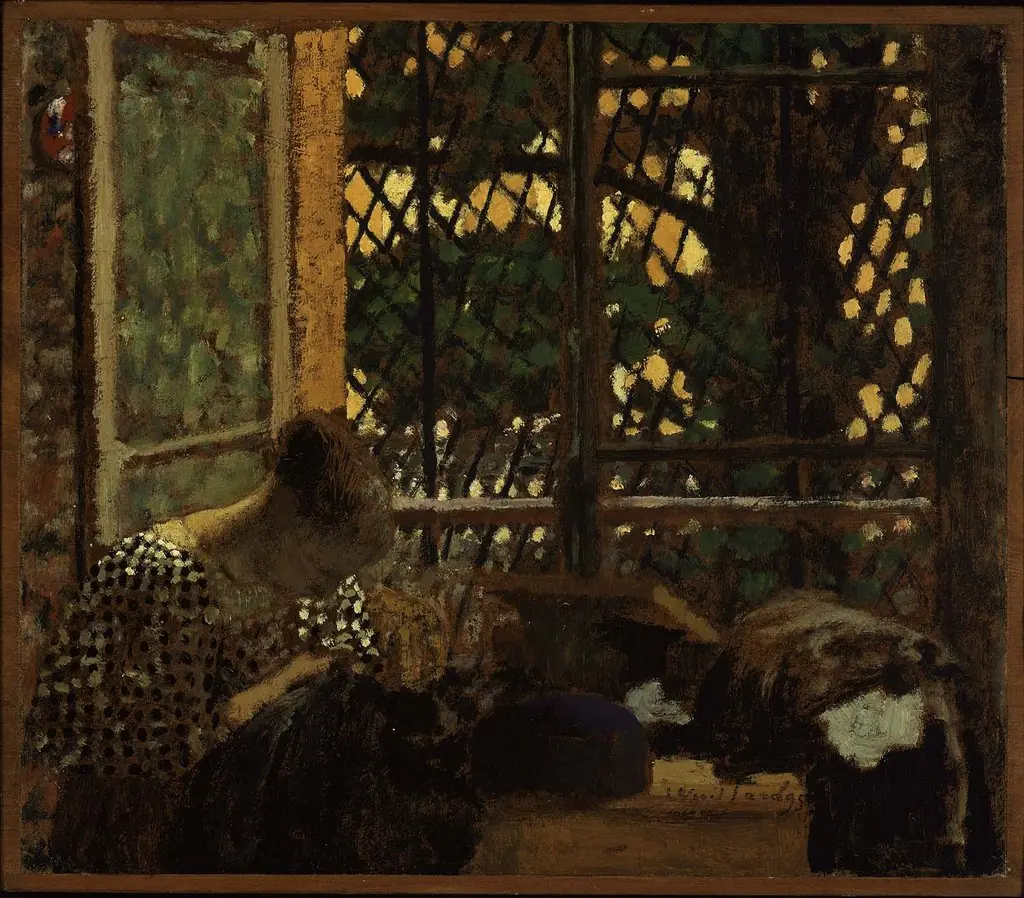 Woman Sewing before a Garden Window
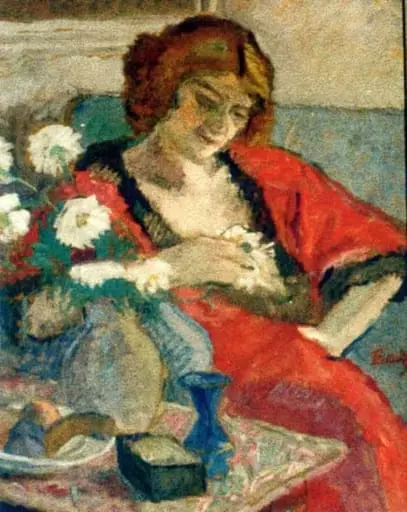 Femeie în roșu
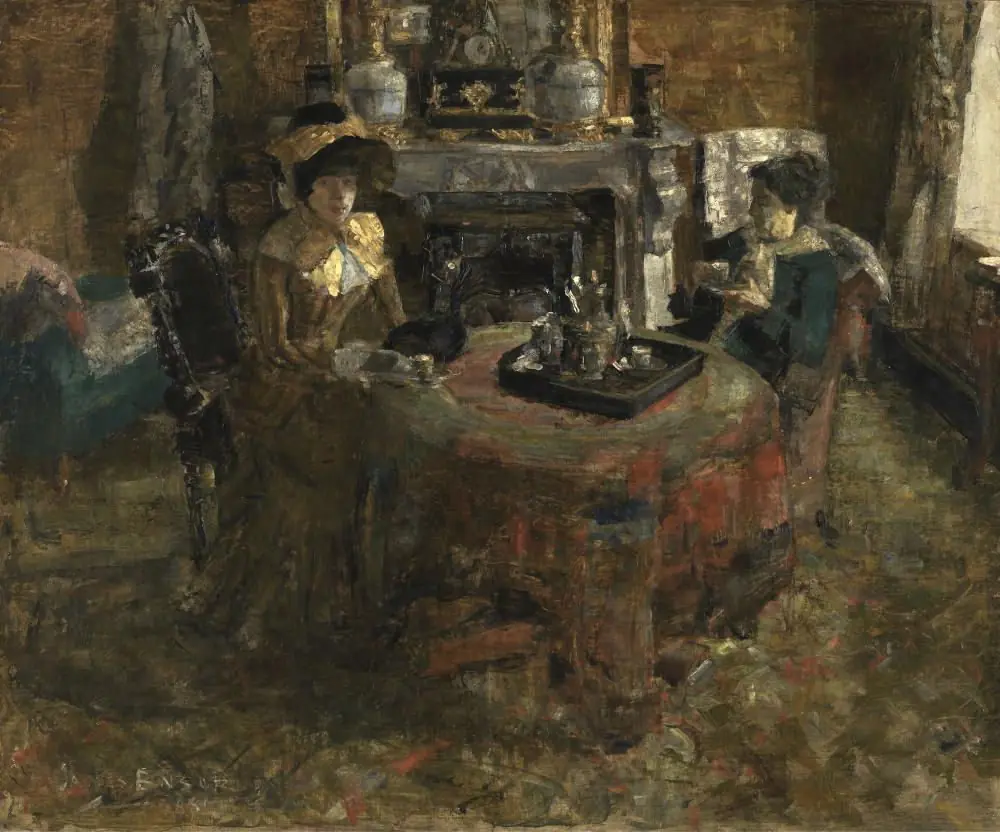 Afternoon in Ostend
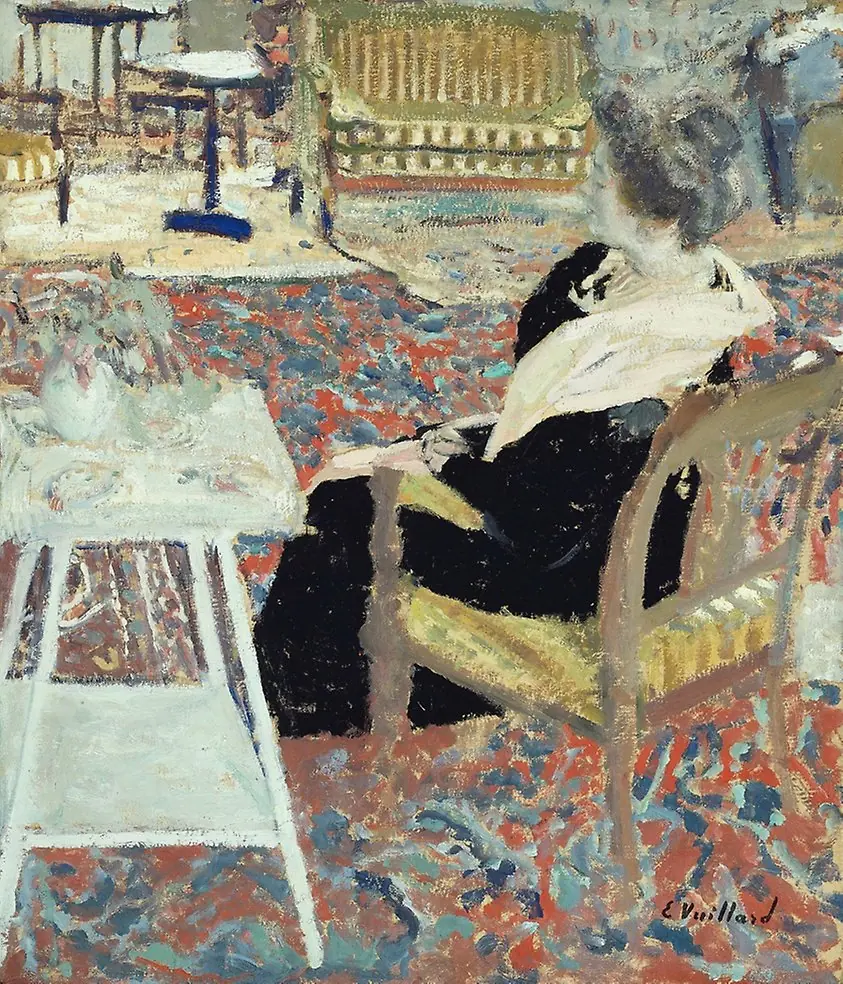 Madame Arthur Fontaine in a Pink Shawl
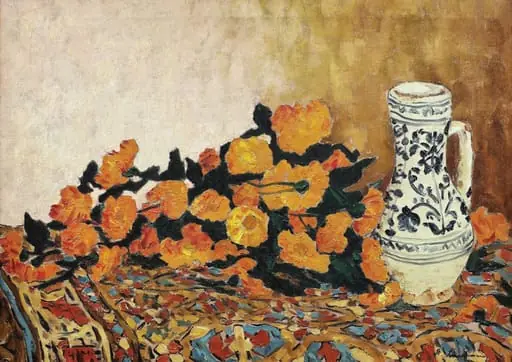 Gălbenele și ulcior
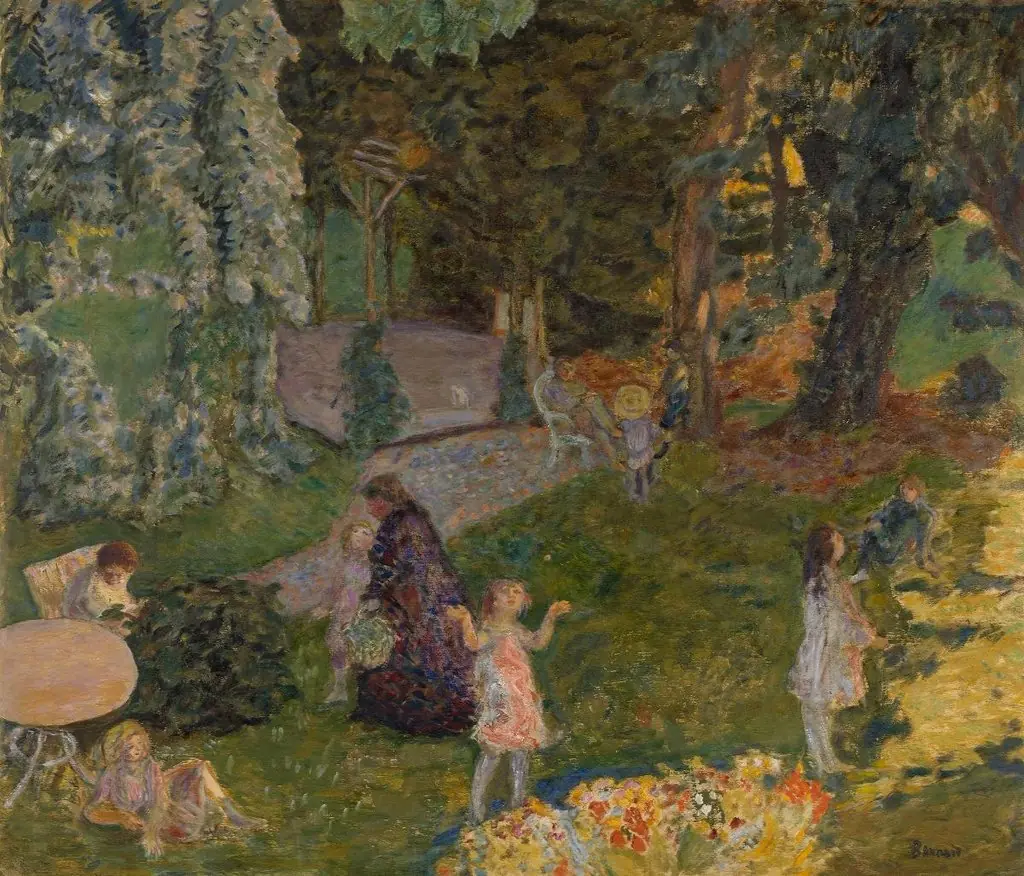 La Famille au jardin. Grand-Lemps
 Costume Party