Artwork
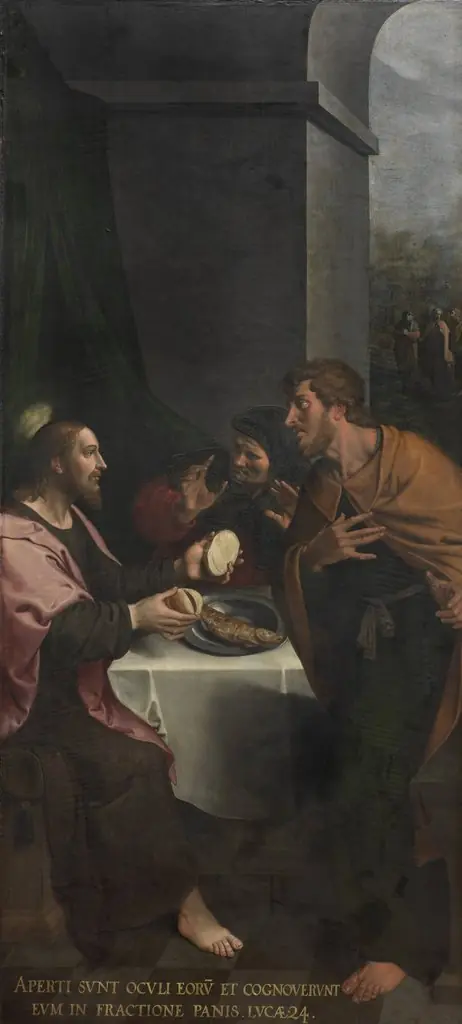
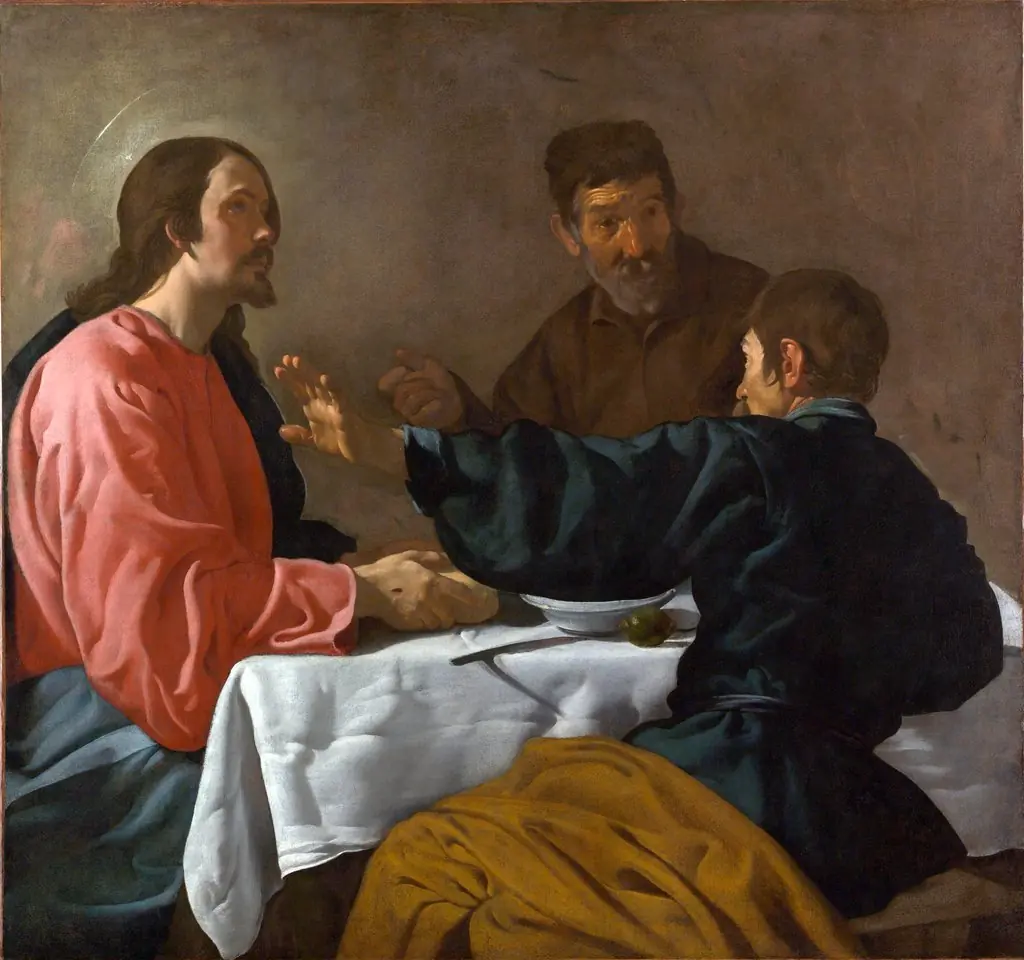
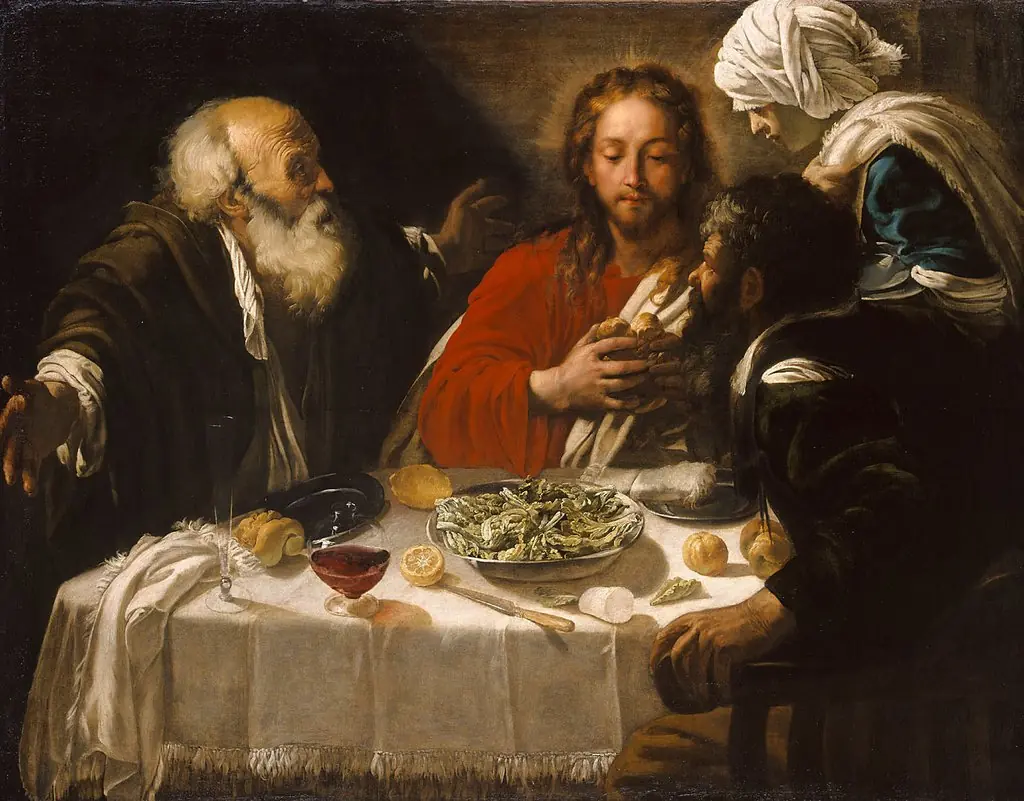
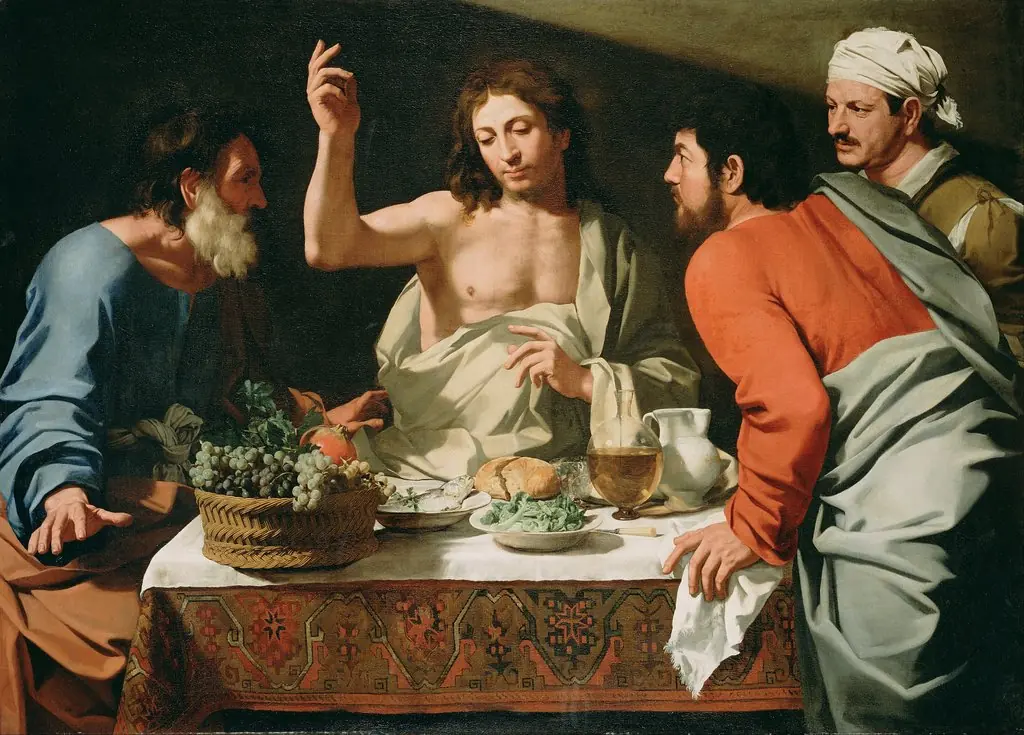
Christ and his Disciples in Emmaus
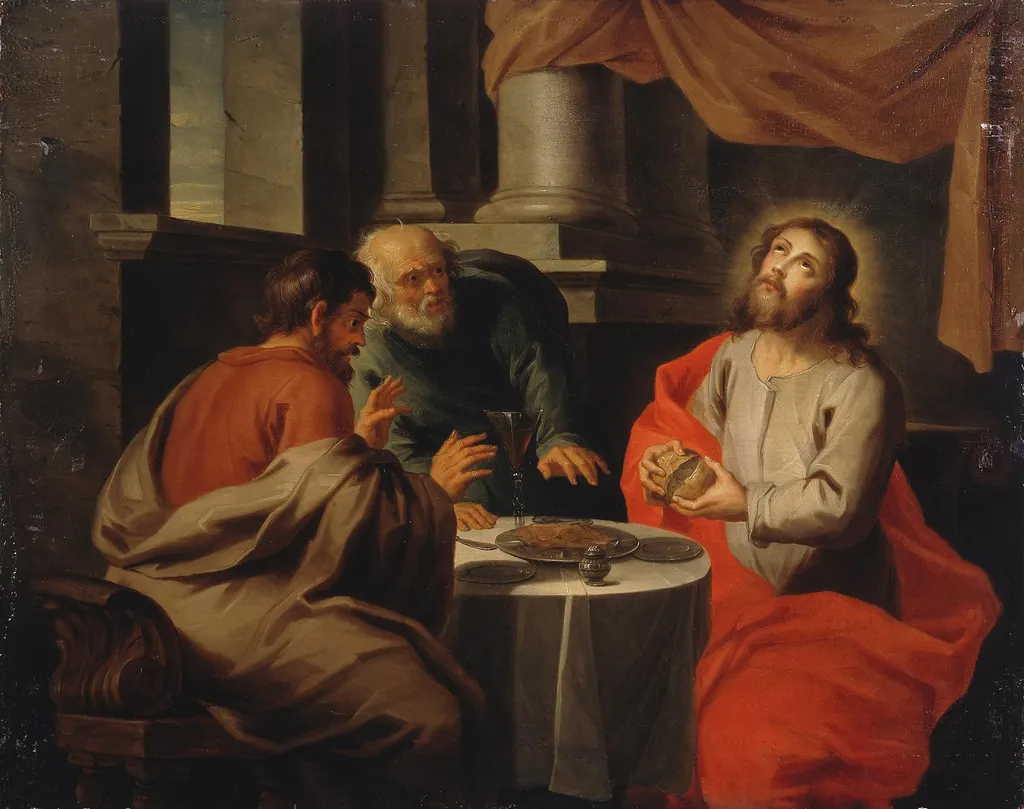
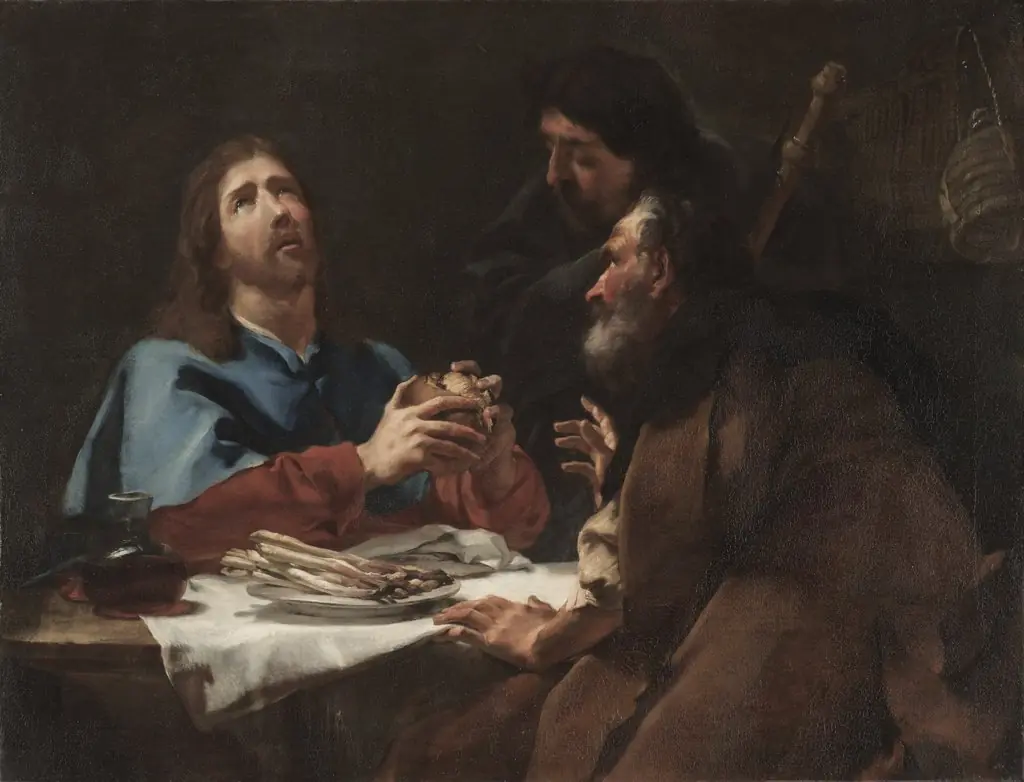
Christ and his Disciples in Emmaus is an oil painting by the Rococo painting artist Jacob Andries Beschey. It dates from 1750 and is held in the collection of the Hermitage Museum.
About this work
Overview
Created circa 1750 by the Antwerp‑based Flemish artist Jacob Andries Beschey, this oil painting portrays the biblical episode of Christ’s appearance to his disciples at Emmaus. The work is part of the State Hermitage Museum’s collection and exemplifies the religious genre that dominated Beschey’s output during the mid‑18th century.
Subject & Meaning
The composition shows three figures gathered around a round table during a shared meal. The central figure, clothed in white with a red cloak, holds a small object and looks upward, while the two companions in orange and green robes extend their hands toward him, suggesting a moment of revelation and recognition of the risen Christ.
Technique & Style
Beschey employs a Rococo sensibility, evident in the light, luminous palette and ornamental details such as the draped curtain and columned backdrop. The painting’s dramatic chiaroscuro—strong contrasts of light and shadow—enhances the three‑dimensionality of the figures and the intimate atmosphere of the scene.
History & Provenance
After its execution in the 1750s, the canvas entered the collection of the State Hermitage Museum, where it remains on display. Its acquisition reflects the museum’s broader interest in 18th‑century Flemish religious art.
Context
Beschey’s approach shows the lingering influence of Peter Paul Rubens, particularly in the dynamic arrangement of the figures and the warm coloration. While rooted in the Baroque tradition, the work also incorporates Rococo’s decorative elegance, marking a transitional moment in Flemish painting.
Own this work as a print
Artist & collection
Artist
Jacob Andries Beschey (1710 in Antwerp – 1786 in Antwerp) was a Flemish painter and draughtsman who mainly painted religious paintings that were in the style of, or inspired by, Peter Paul Rubens.