Artwork
The Supper at Emmaus
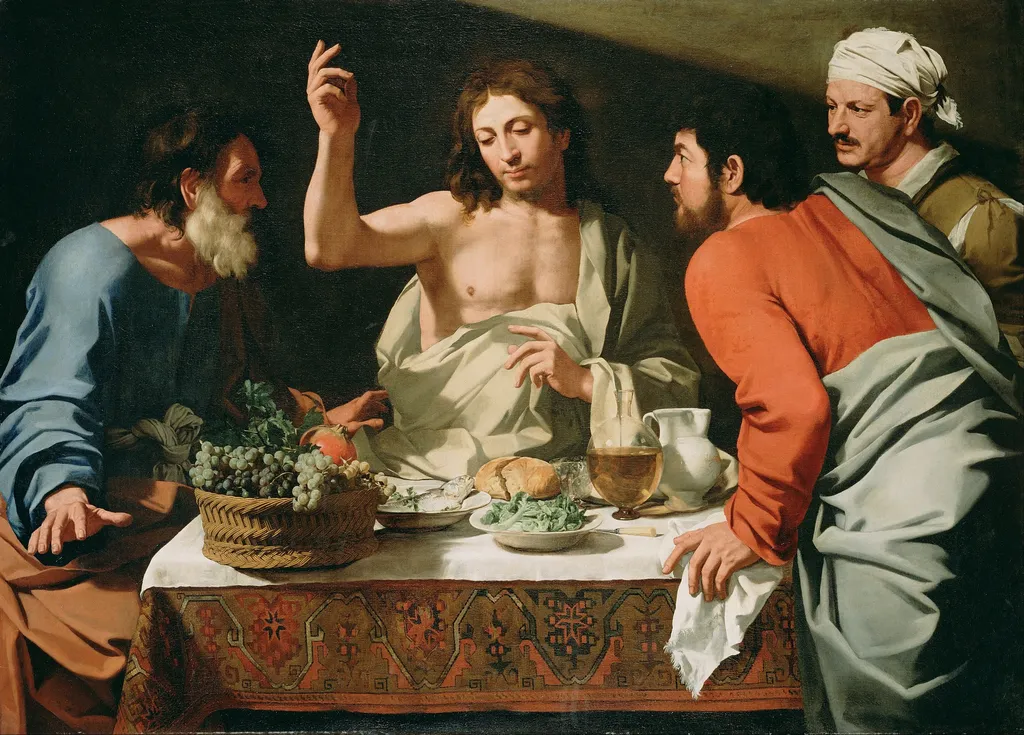
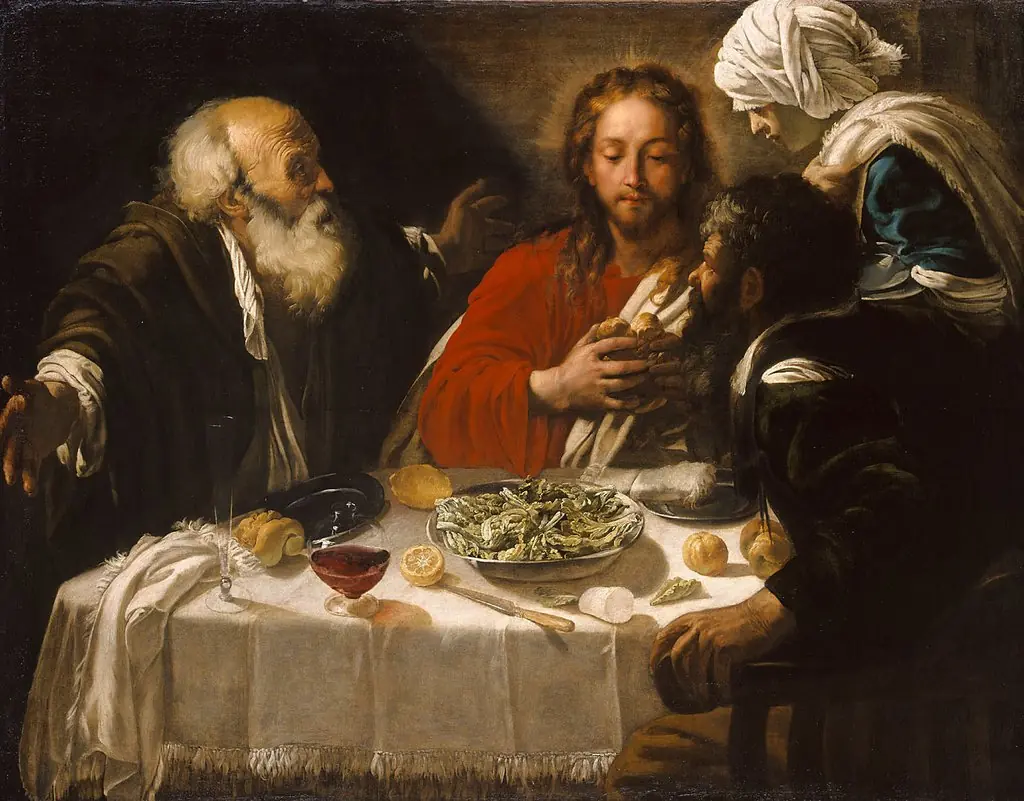
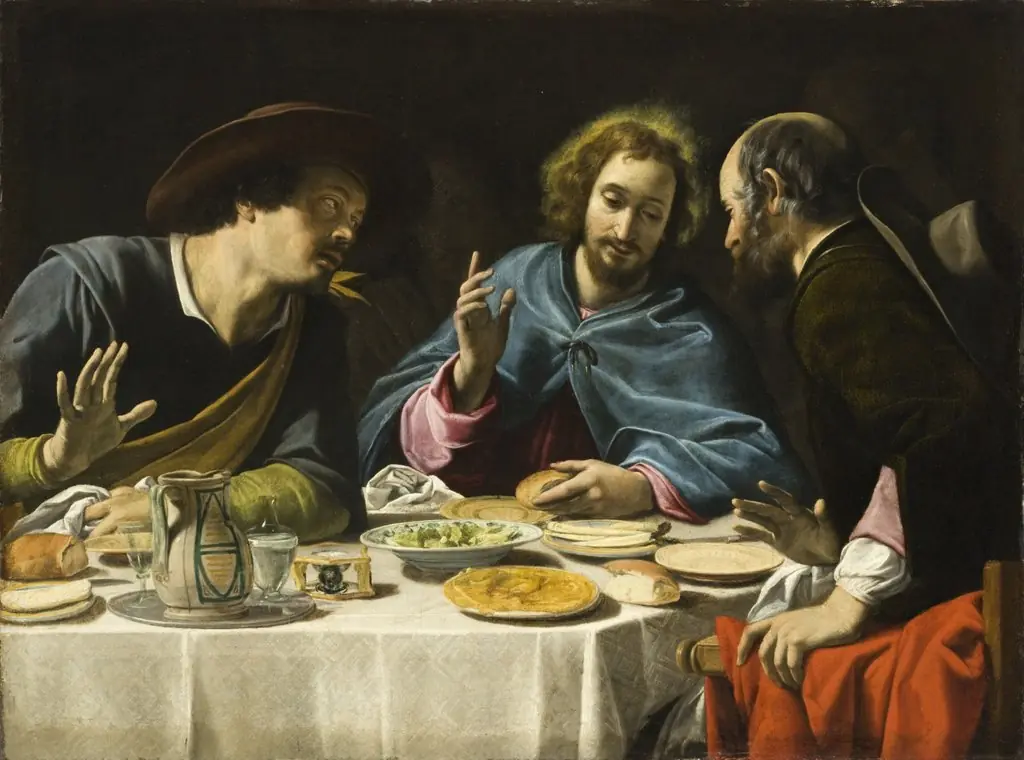
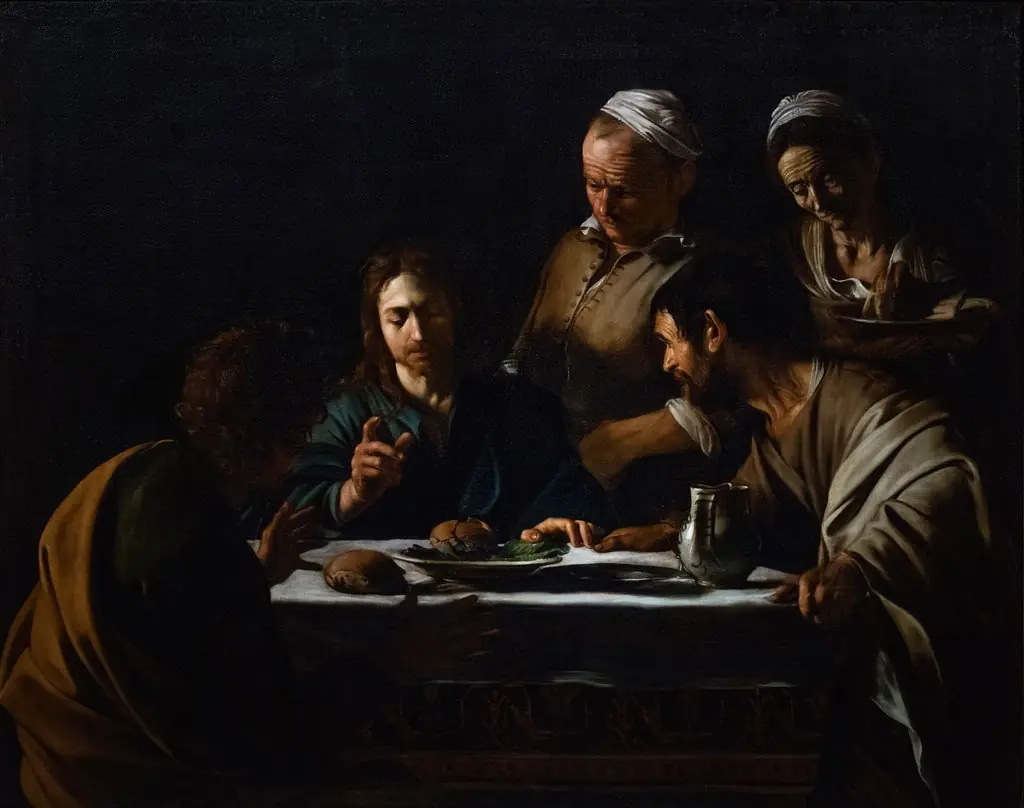
The Supper at Emmaus is an oil painting by the Early Baroque Italian artist Bartolomeo Cavarozzi. It dates from 1620 and is held in the collection of the J. Paul Getty Museum.
About this work
Overview
Painted in 1620 by Bartolomeo Cavarozzi, *The Supper at Emmaus* is an oil-on-canvas work rooted in the early Baroque tradition of Italy.
Painted in 1620 by Bartolomeo Cavarozzi, *The Supper at Emmaus* is an oil-on-canvas work rooted in the early Baroque tradition of Italy. It illustrates a moment from the Gospel of Luke in which the resurrected Christ is recognized by two disciples during a shared meal. The composition centers on quiet revelation rather than dramatic spectacle, emphasizing stillness and subtle gesture. The painting is now part of the J. Paul Getty Museum’s collection.
Subject & Meaning
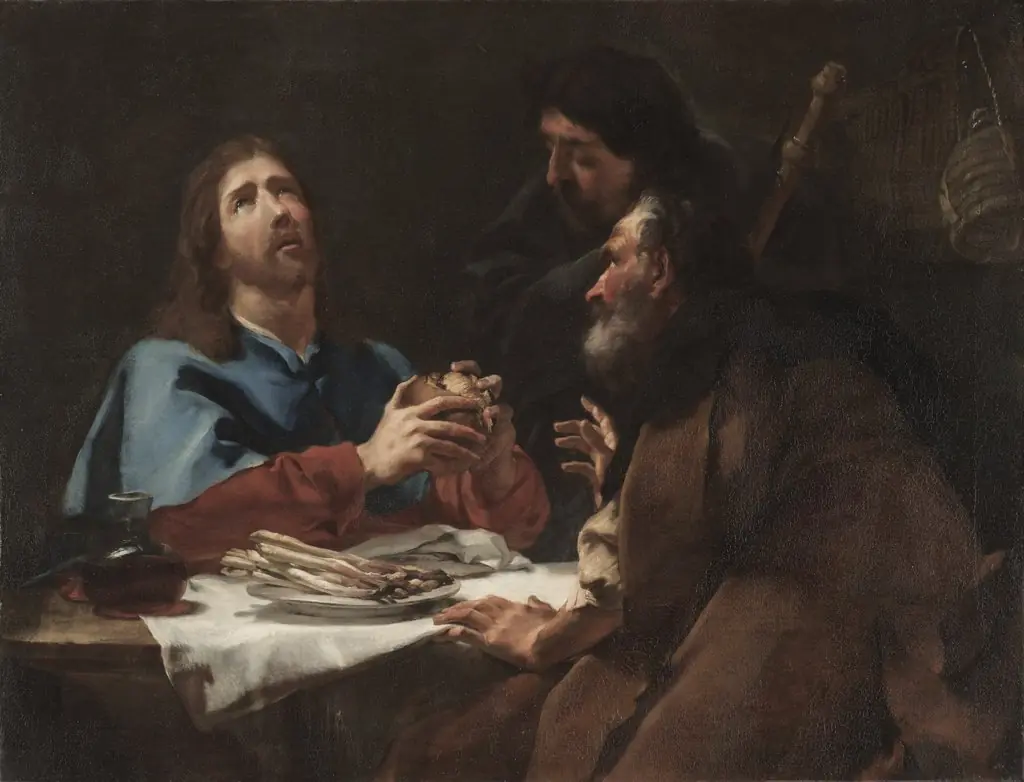
The scene captures the instant Christ reveals his identity to two followers in Emmaus, as described in Luke 24:30–31. His raised hand, blessing the bread, is the focal point of recognition. The disciples, one leaning forward in surprise, the other in quiet awe, respond to the revelation. The presence of bread and fruit underscores the Eucharistic symbolism, transforming a humble meal into a sacred moment of divine manifestation.
Technique & Style
Cavarozzi employs chiaroscuro to model forms with soft, directional light, casting gentle shadows that define the figures and tableware. The palette is restrained, dominated by earthy browns, muted reds, and off-whites, enhancing the intimacy of the scene. Textures of fabric, wood, and food are rendered with quiet precision, reflecting Caravaggio’s influence without overt theatricality. The composition is tightly framed, drawing focus to the central gesture.
History & Provenance
Cavarozzi, trained in Rome under Giovanni Battista Crescenzi, developed his style within Caravaggio’s circle before traveling to Spain, where he helped disseminate Caravaggist aesthetics. He returned to Italy by the 1620s, producing religious works for local patrons. *The Supper at Emmaus* dates from this mature phase. The painting entered the Getty Museum’s collection in the late 20th century, following documented ownership in European private collections.
Context
Created during the height of Caravaggism in Italy, the painting reflects a broader trend toward naturalism and emotional immediacy in religious art. Unlike grander Baroque altarpieces, Cavarozzi’s version favors domestic scale and psychological nuance. It aligns with Counter-Reformation goals of making sacred narratives accessible through recognizable human experience, using ordinary settings to convey spiritual truth.
Legacy
Cavarozzi’s work, though less widely known than Caravaggio’s, contributed to the regional spread of tenebrist techniques across Europe. *The Supper at Emmaus* exemplifies how lesser-known artists adapted Caravaggio’s innovations into quieter, more contemplative compositions. Today, it stands as a representative example of Roman Baroque devotional painting, valued for its restraint and emotional subtlety.
Own this work as a print
Artist & collection
Artist
Bartolomeo Cavarozzi (1587–1625), occasionally referred to as Bartolomeo Crescenzi, was an Italian caravaggisti painter of the Baroque period.