Artwork
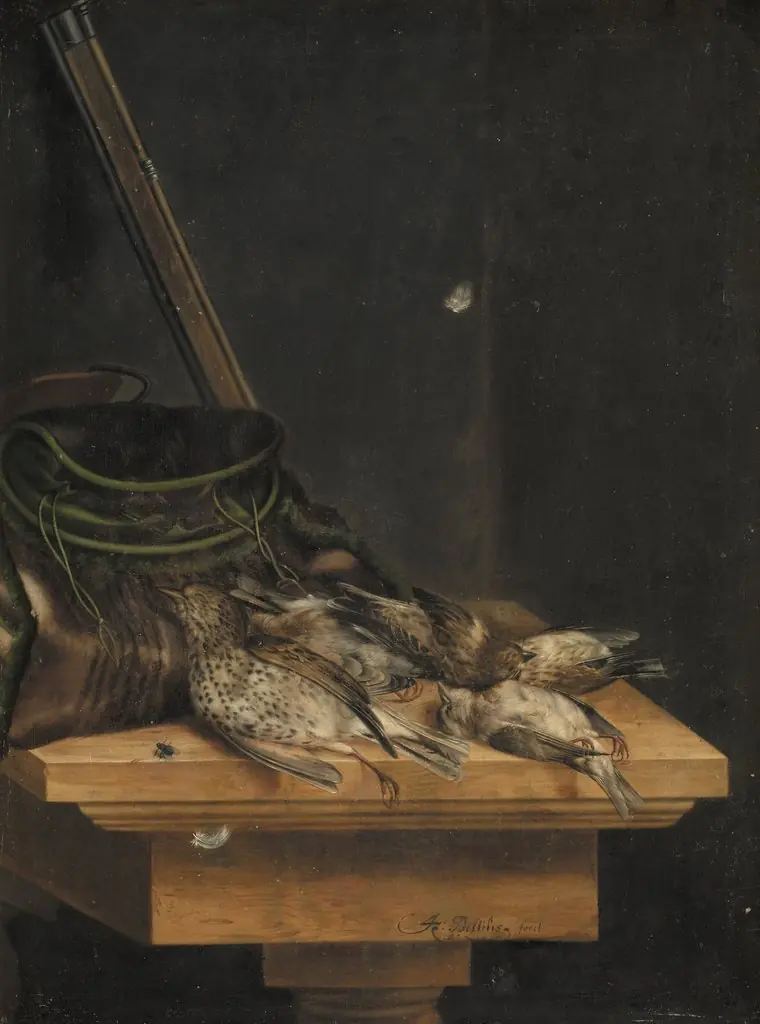
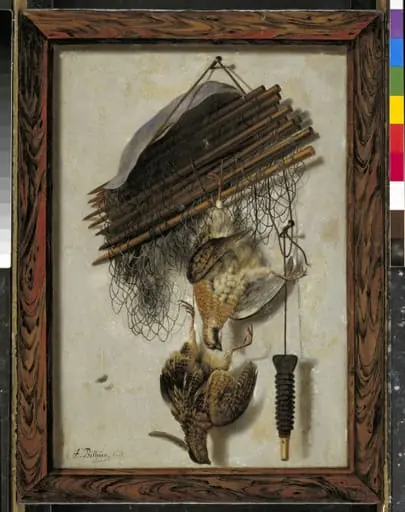
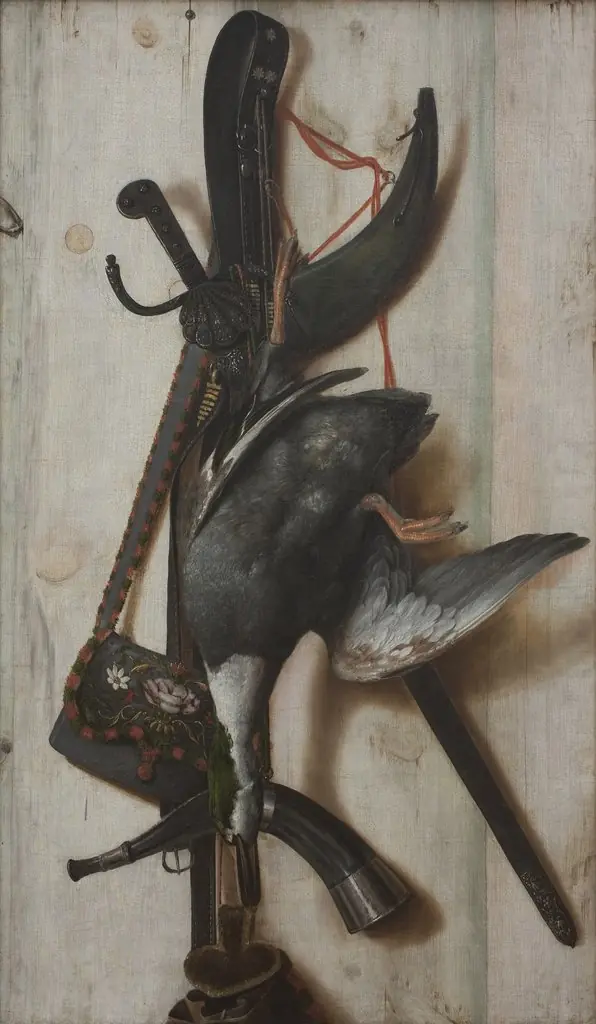
Dead Wildfowl and a Huntsman's Net. Trompe l'oeil
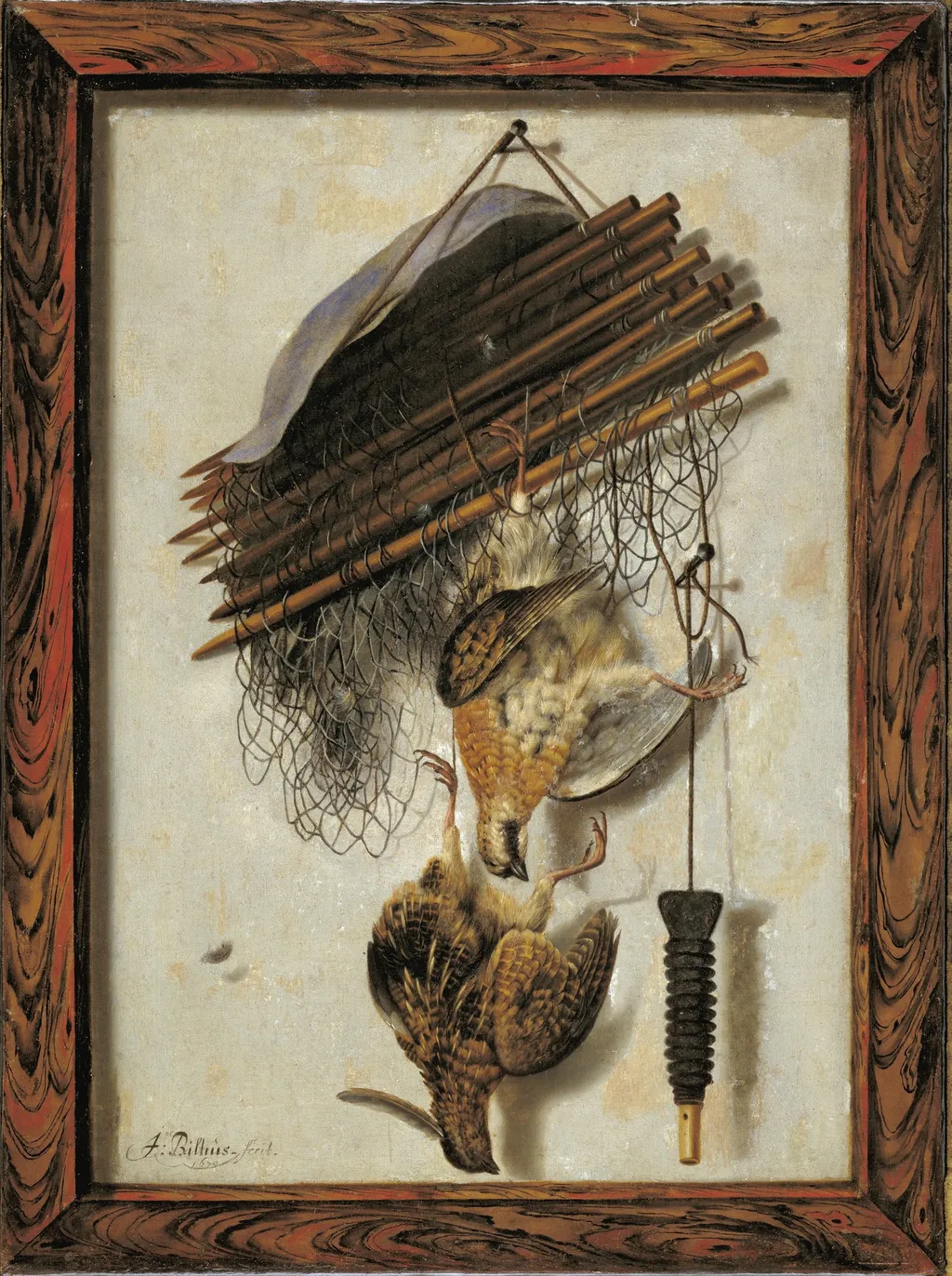
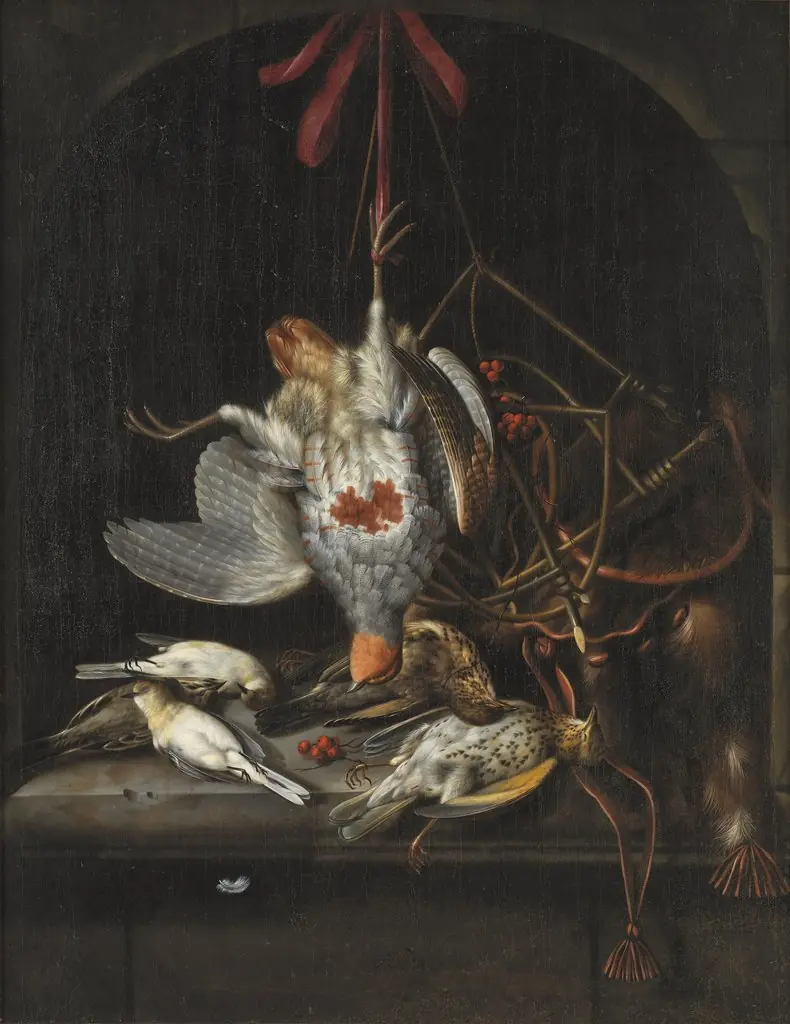
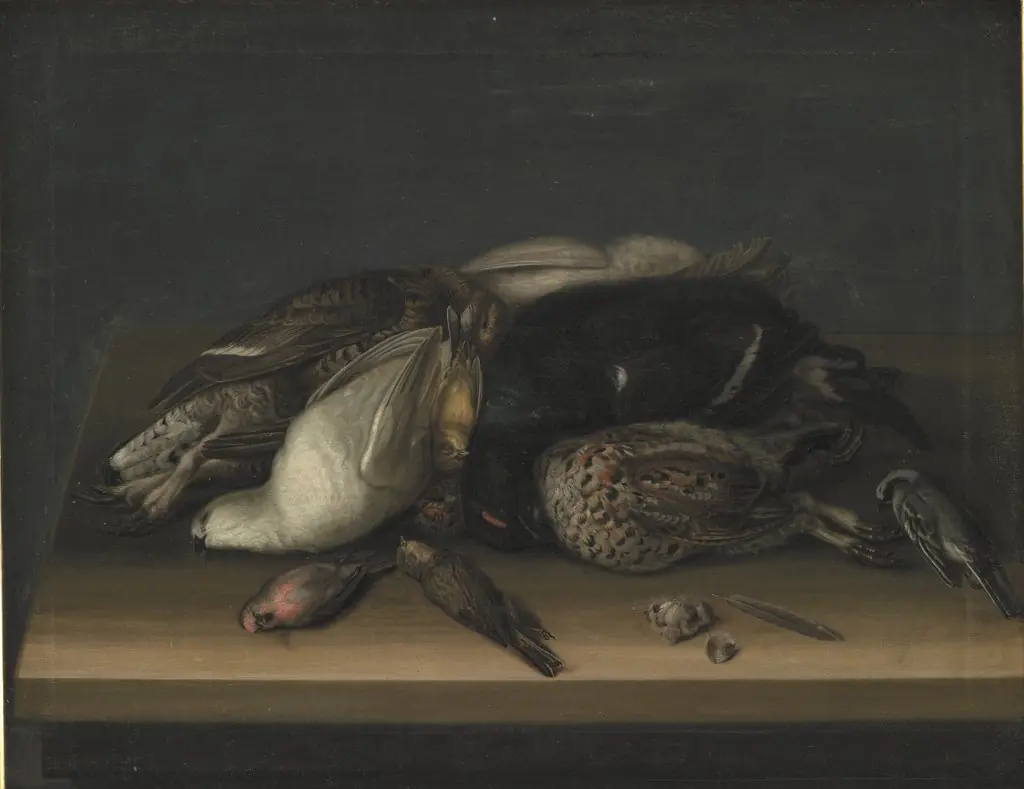
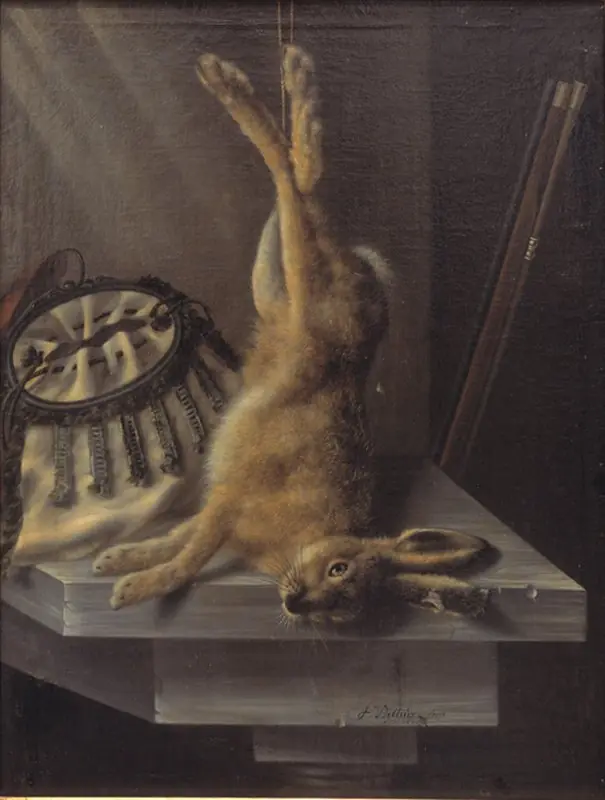
Dead Wildfowl and a Huntsman's Net. Trompe l'oeil is an oil painting by the Flemish Baroque painting artist Jacob Biltius. It is held in the collection of the Statens Museum for Kunst.
About this work
Overview
It presents a carefully composed arrangement of hunted birds and a woven net, rendered with precise attention to texture and spatial depth.
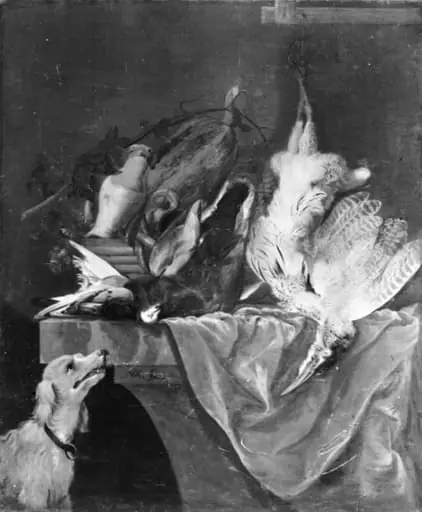
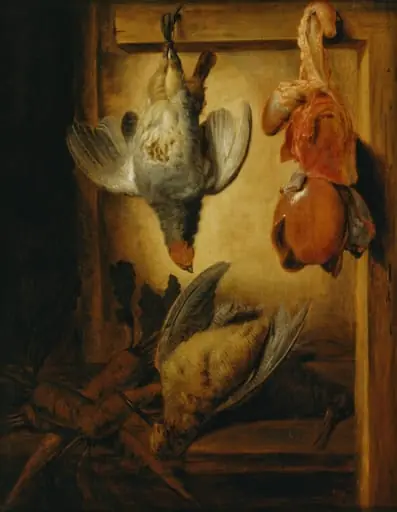
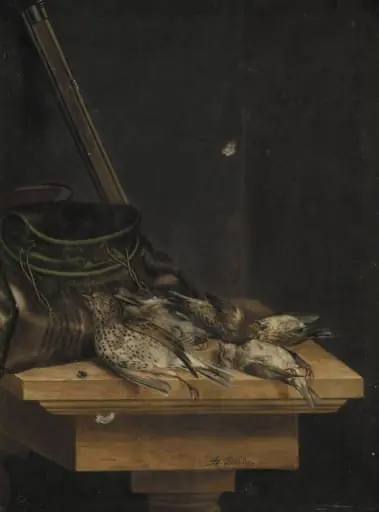
Painted around 1690 by Jacob Biltius, this oil-on-canvas work belongs to the Dutch still life tradition with Flemish Baroque influences. It presents a carefully composed arrangement of hunted birds and a woven net, rendered with precise attention to texture and spatial depth. The painting exemplifies Biltius’s focus on game still lifes, where the boundary between painted surface and physical reality is deliberately blurred through illusionistic technique.
Subject & Meaning
The composition centers on dead wildfowl suspended or placed on a wooden frame, accompanied by a hunting net and a small plate. These elements suggest a moment after the hunt, capturing the aftermath of rural sport. The absence of human figures intensifies the quiet solemnity of the scene, inviting contemplation of mortality and the transience of life—common themes in Northern European still life of the period.
Technique & Style
Biltius employed oil paint to achieve fine gradations of light and shadow, enhancing the three-dimensionality of feathers, woven fibers, and wooden surfaces. The trompe l'oeil effect is reinforced by subtle perspective cues and the placement of objects as if they project slightly beyond the picture plane. The signature, faintly visible in the lower left, is rendered with the same realism as the rest of the scene, integrating the artist’s mark into the illusion.
History & Provenance
The painting has remained in institutional custody since at least the early 20th century, now held by Statens Museum for Kunst in Copenhagen. Its documented history is limited, but its stylistic consistency with Biltius’s known works and its presence in a major Nordic collection suggest it entered the museum’s holdings through established acquisition channels, likely from a private European collection.
Context
In late 17th-century Northern Europe, still lifes of game were popular among collectors who valued technical virtuosity and moral symbolism. Biltius’s work aligns with a broader trend in Dutch and Flemish painting that elevated everyday objects—especially those tied to hunting—into subjects of quiet reverence. The genre often reflected social hierarchies and the cultivated tastes of urban elites.
Legacy
Though not widely known today, Biltius’s contributions to trompe l'oeil still life influenced later artists interested in perceptual deception. His focus on the materiality of hunted animals and domestic tools helped refine a subgenre that bridged naturalism and symbolic restraint. The painting remains a representative example of how realism served both aesthetic and cultural functions in Baroque art.
Artist & collection
Artist
Jacob Biltius or Jacobus Biltius (The Hague, baptized 27 November 1633 – Bergen op Zoom, 8 February 1681) was a Dutch still life painter originally from The Hague who worked in various places including The Hague,…