Artwork
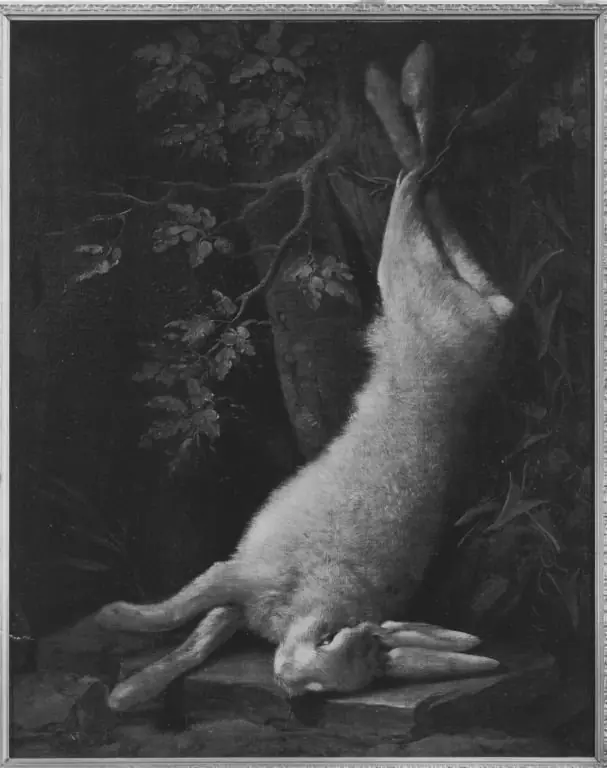
A Dead Hare
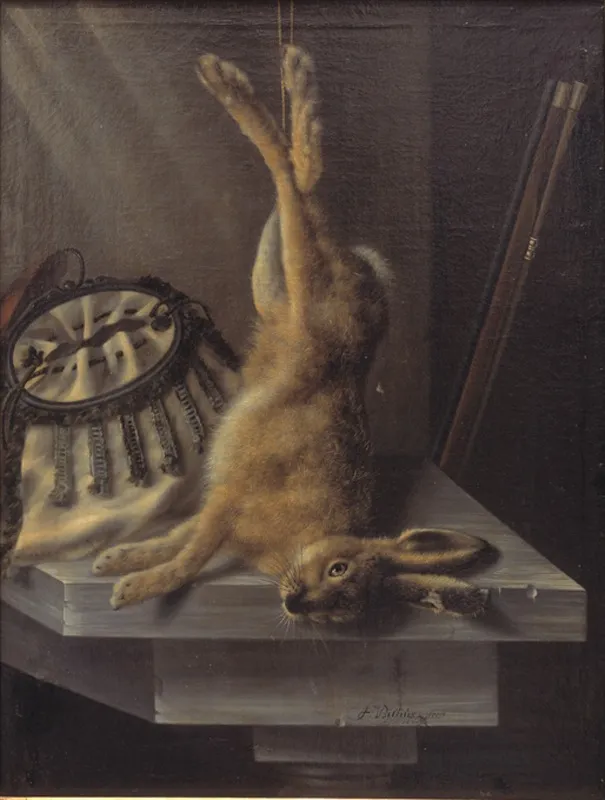
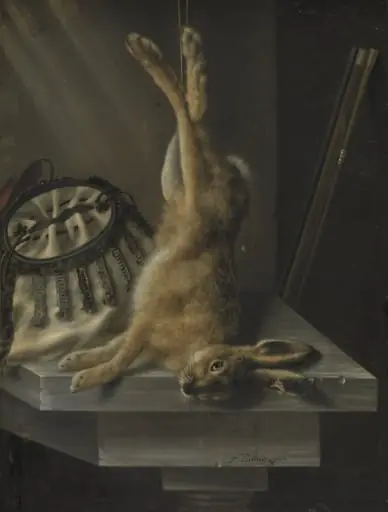
A Dead Hare is an oil painting by the Dutch Golden Age artist Jacob Biltius. It dates from 1670 and is held in the collection of the Statens Museum for Kunst.
About this work
Overview
Biltius, active in several Dutch cities before settling in Bergen op Zoom, specialized in game and kitchen scenes, often rendered with meticulous precision.
Painted in 1670 by Jacob Biltius, this oil on panel work presents a solitary dead hare suspended by its hind legs. A representative of the Dutch Golden Age’s still life tradition, the painting reflects the period’s fascination with natural detail and quiet domestic observation. Biltius, active in several Dutch cities before settling in Bergen op Zoom, specialized in game and kitchen scenes, often rendered with meticulous precision.
Subject & Meaning
The hare, rendered in lifeless repose, functions as both a study of anatomy and a symbol of mortality. Its suspended position, typical of hunting trophies, evokes the aftermath of the hunt without overt violence. The absence of other elements focuses attention on the animal’s stillness, inviting reflection on impermanence. The quiet, unadorned setting underscores a contemplative tone common in Dutch still lifes of the era.
Technique & Style
Biltius employed oil paint to capture the texture of fur with subtle gradations of brown and white, using fine brushwork to suggest individual hairs. Chiaroscuro defines the hare’s form, with light falling from above to model its contours and cast soft shadows. The shallow foreground ledge, barely suggested, anchors the composition without distraction, emphasizing the animal’s physical presence through restrained realism.
History & Provenance
The painting has remained in institutional hands since at least the 19th century and is now held by Statens Museum for Kunst in Copenhagen. Its documented history is limited, but its inclusion in the museum’s collection reflects its recognition as a representative example of Dutch still life painting. No significant alterations or restorations are publicly recorded.
Context
In 17th-century Netherlands, still lifes of game animals were popular among urban collectors who admired the skill required to render natural forms. These works often carried moral undertones, reminding viewers of life’s fragility. Biltius’s focus on a single hare aligns with a trend toward simplified, intimate compositions that prioritized observation over narrative.
Legacy
Though not widely known outside specialist circles, Biltius’s work contributes to the broader understanding of Dutch still life painting’s diversity. His restrained approach—avoiding theatricality in favor of quiet realism—offers insight into how everyday subjects were elevated through technical mastery. The painting remains a quiet testament to the period’s devotion to observed truth.
Artist & collection
Artist
Jacob Biltius or Jacobus Biltius (The Hague, baptized 27 November 1633 – Bergen op Zoom, 8 February 1681) was a Dutch still life painter originally from The Hague who worked in various places including The Hague,…

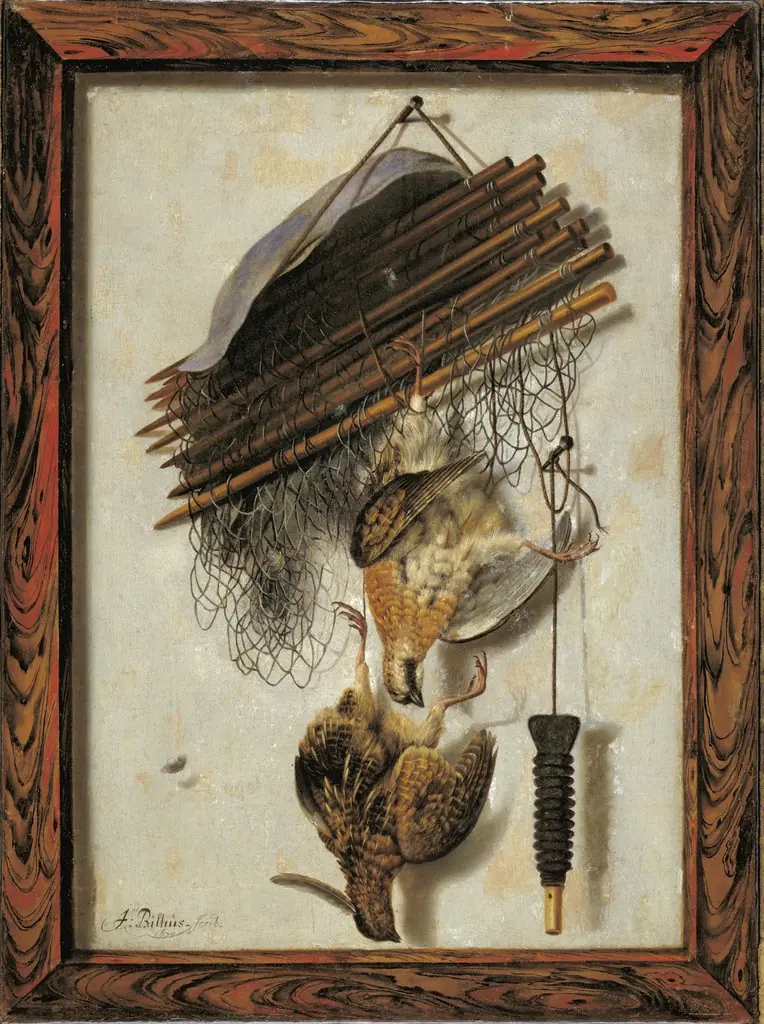
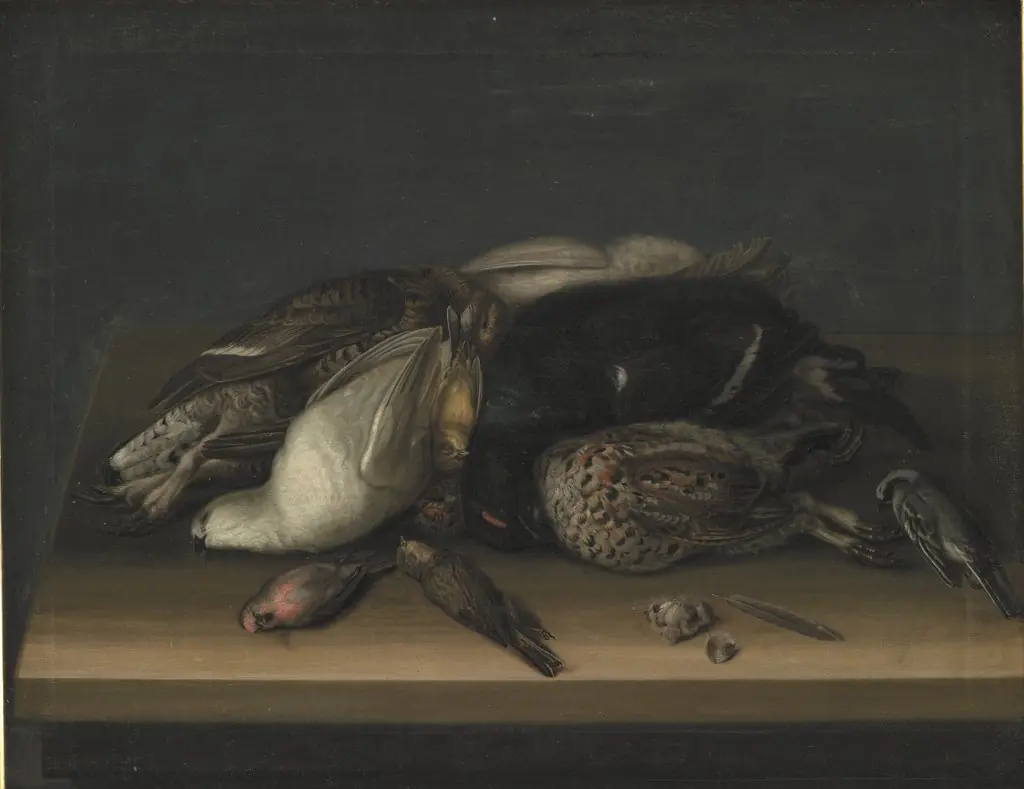
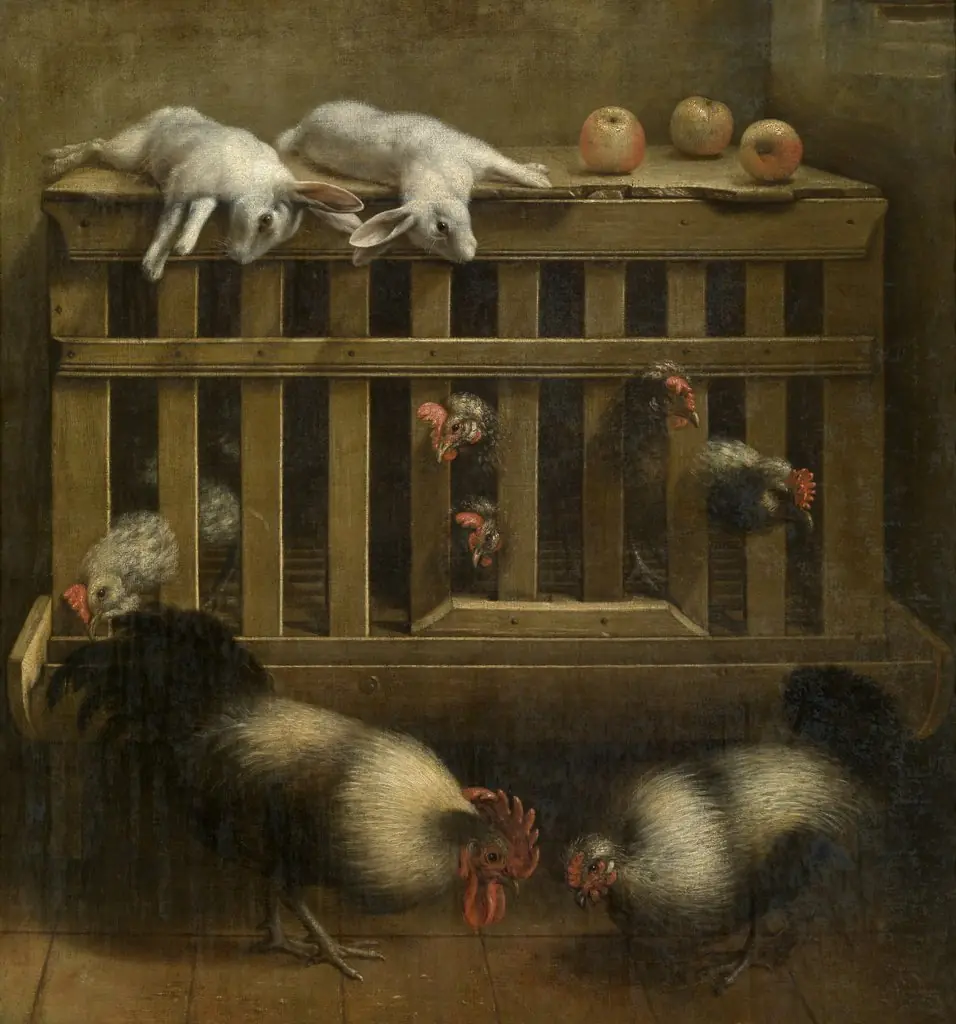
 A Dead Hare
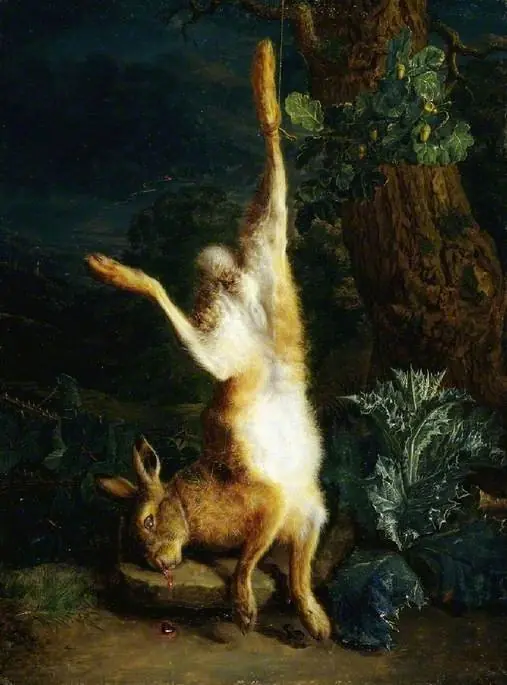 A dead hare
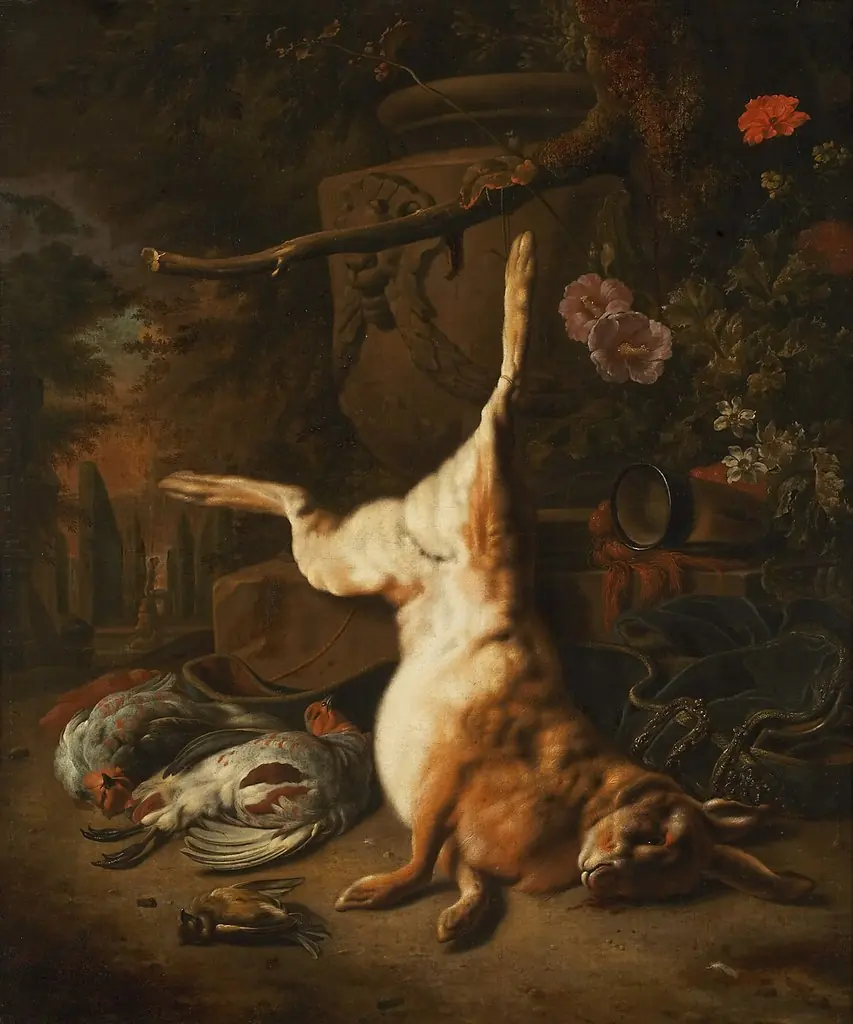 Still-life with dead hare in a park
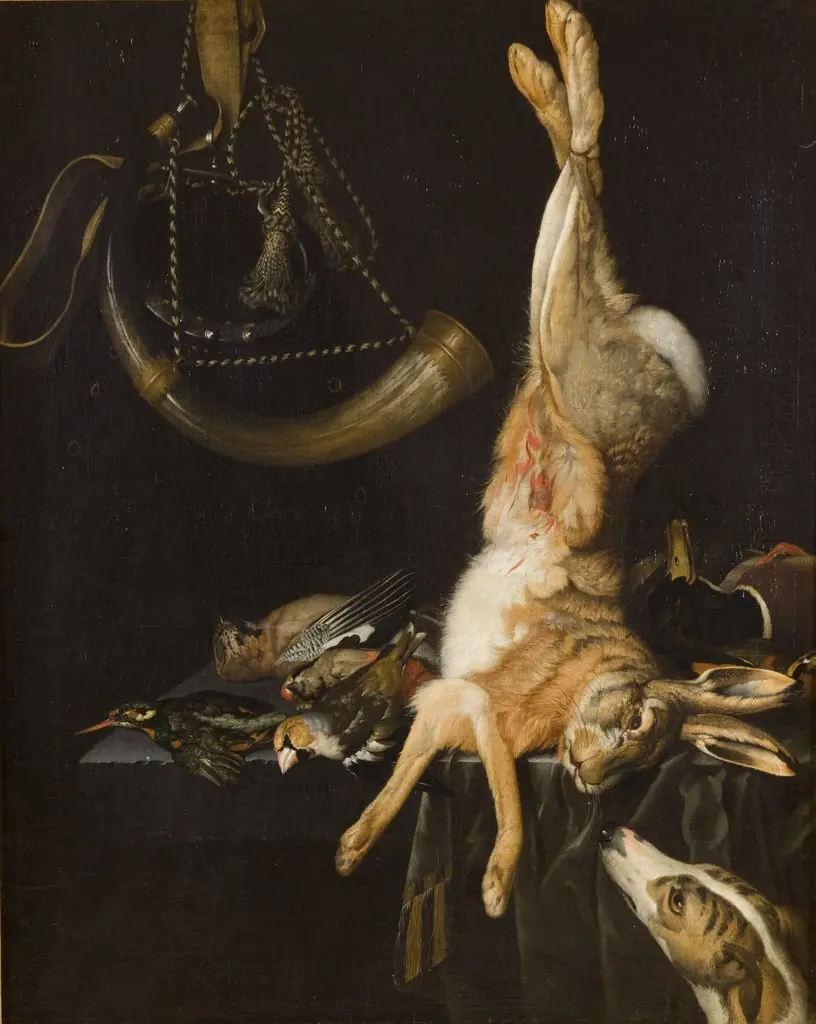 Still Life with a Hare
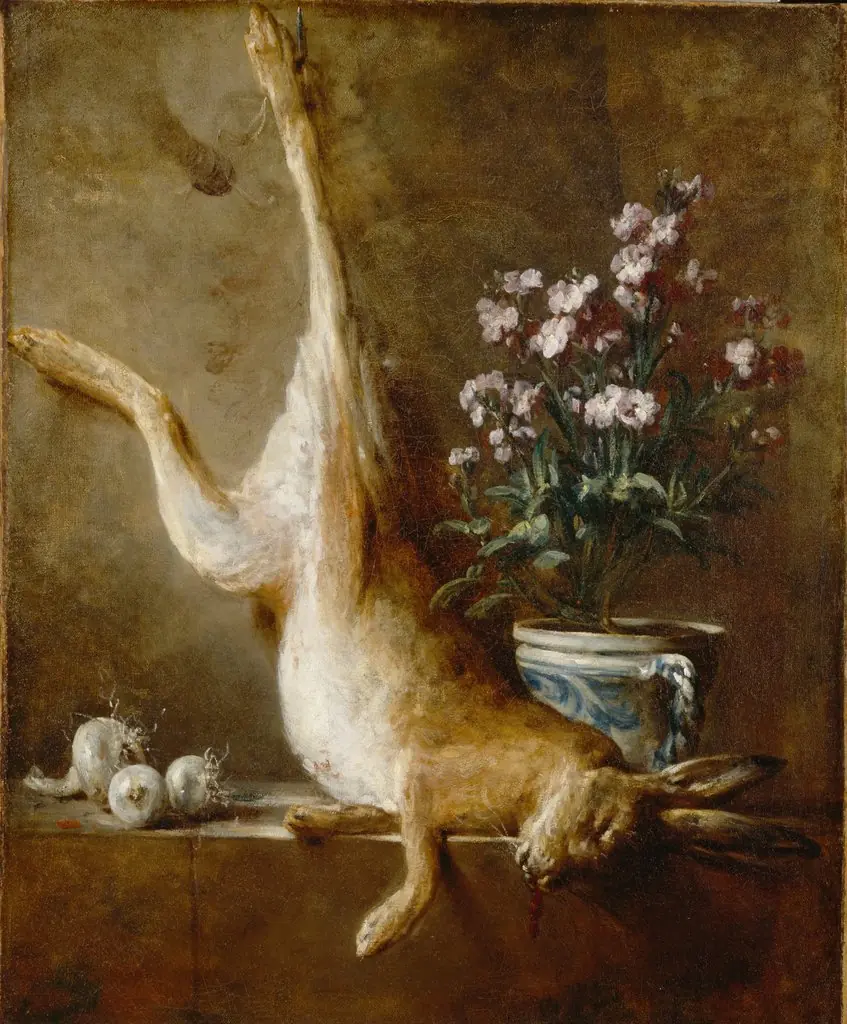 Still Life with Dead Hare
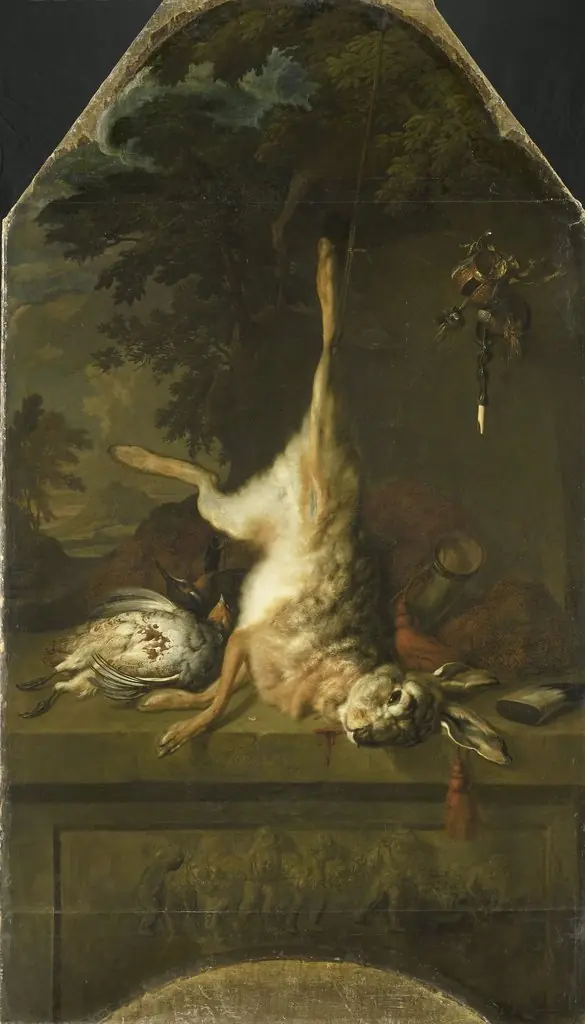 Still Life with Dead Hare and Partridges
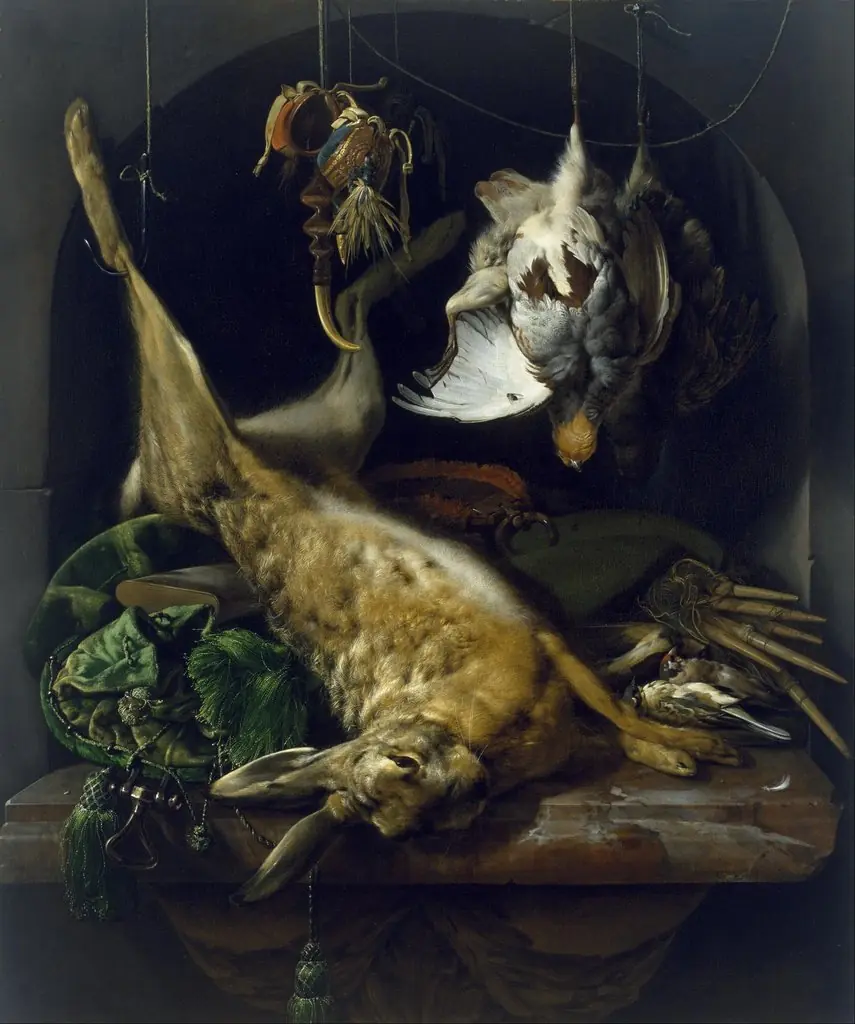 Still Life of a Dead Hare, Partridges, and Other Birds in a Niche
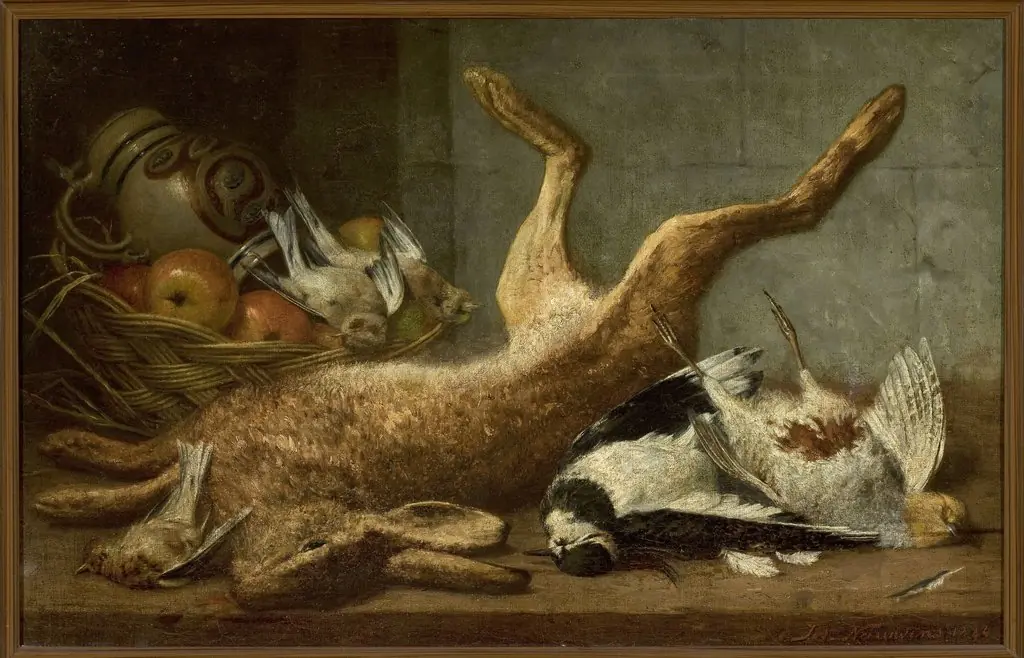 Hunting trophies: dead hare
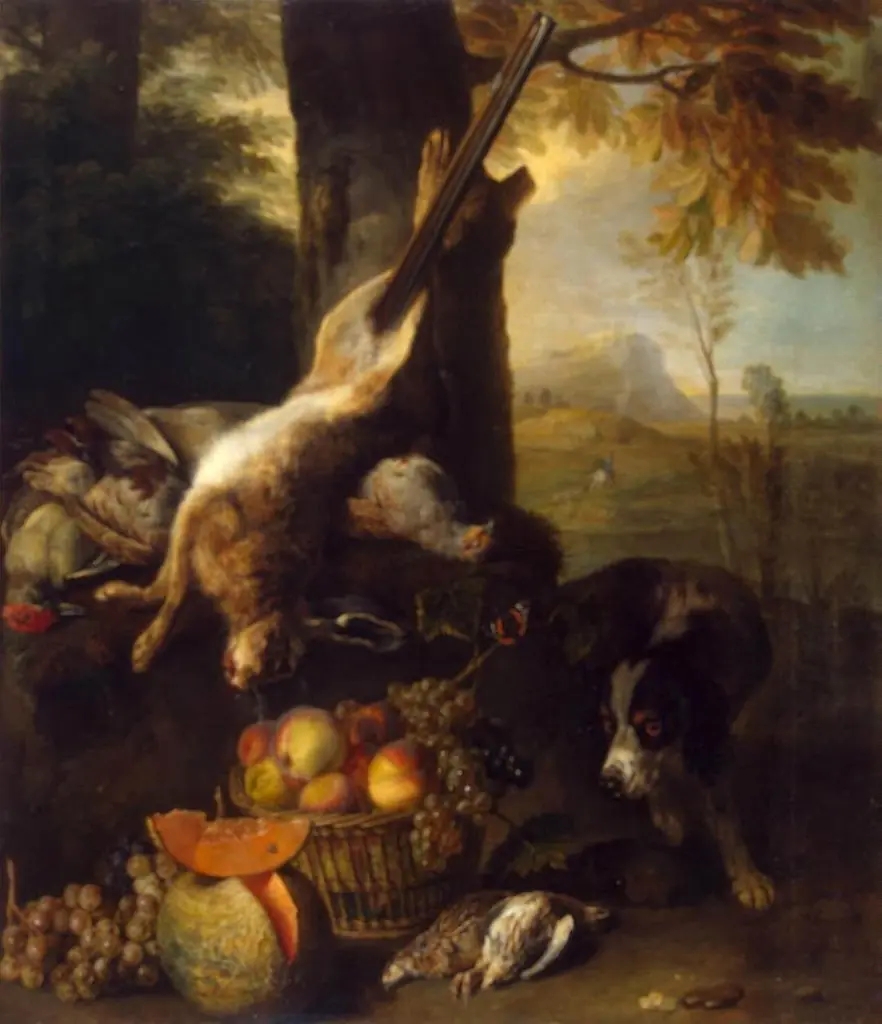 Still Life with a Dead Hare and Fruit
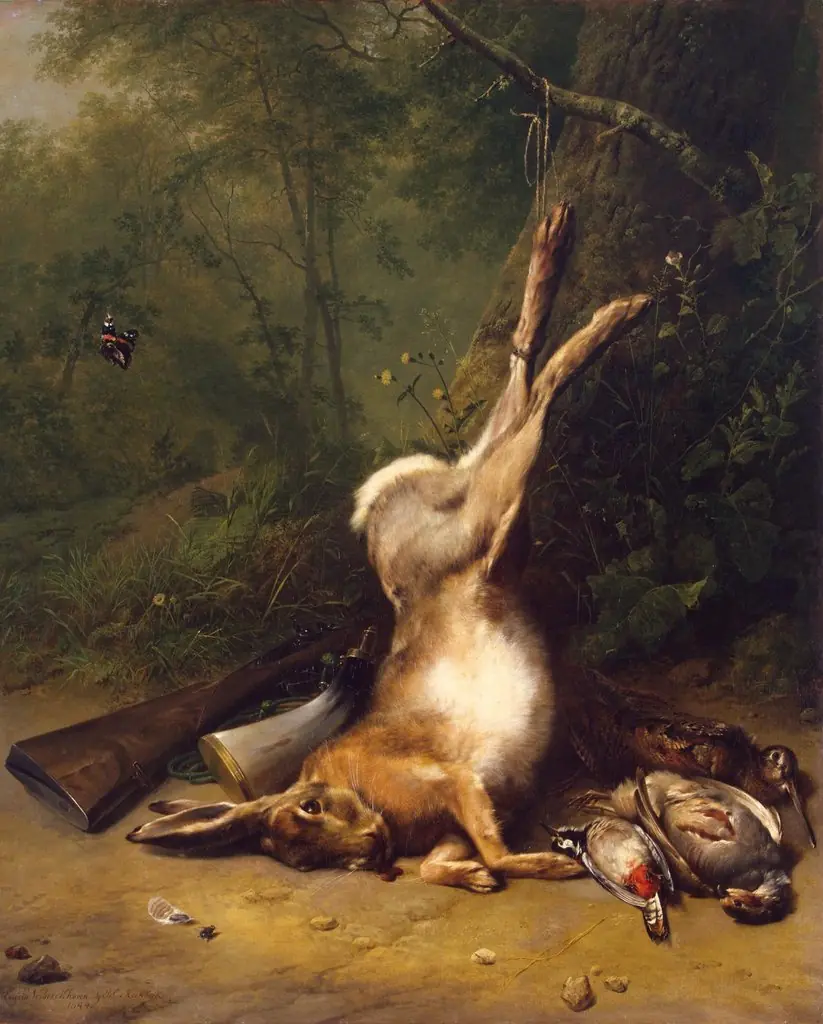 Still Life with a Hare
 Dead hare
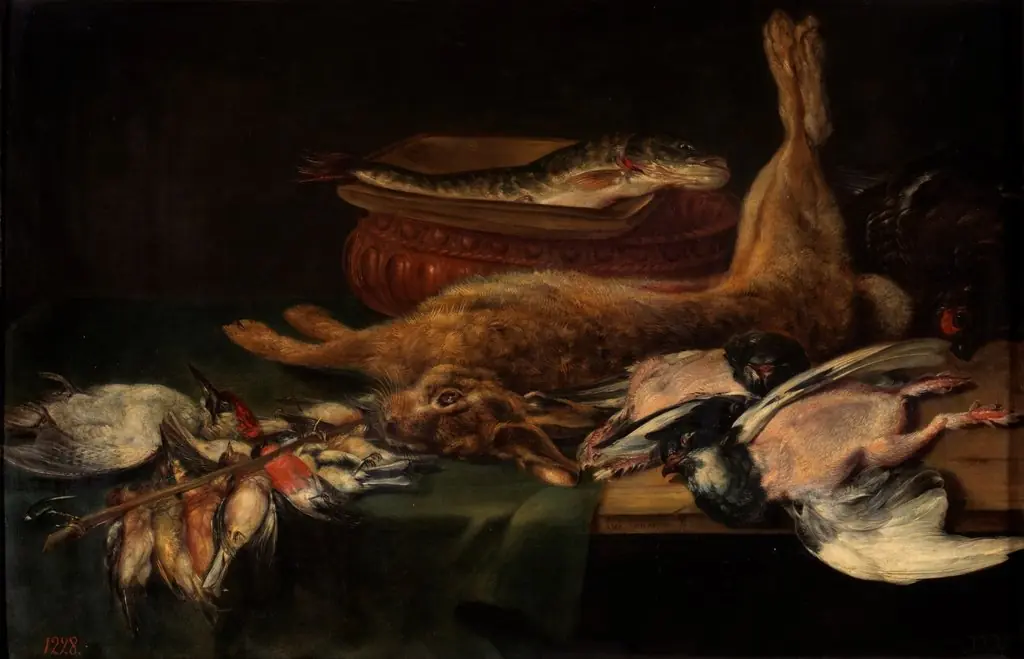 Still life with a hare, dead birds and fish