Artwork
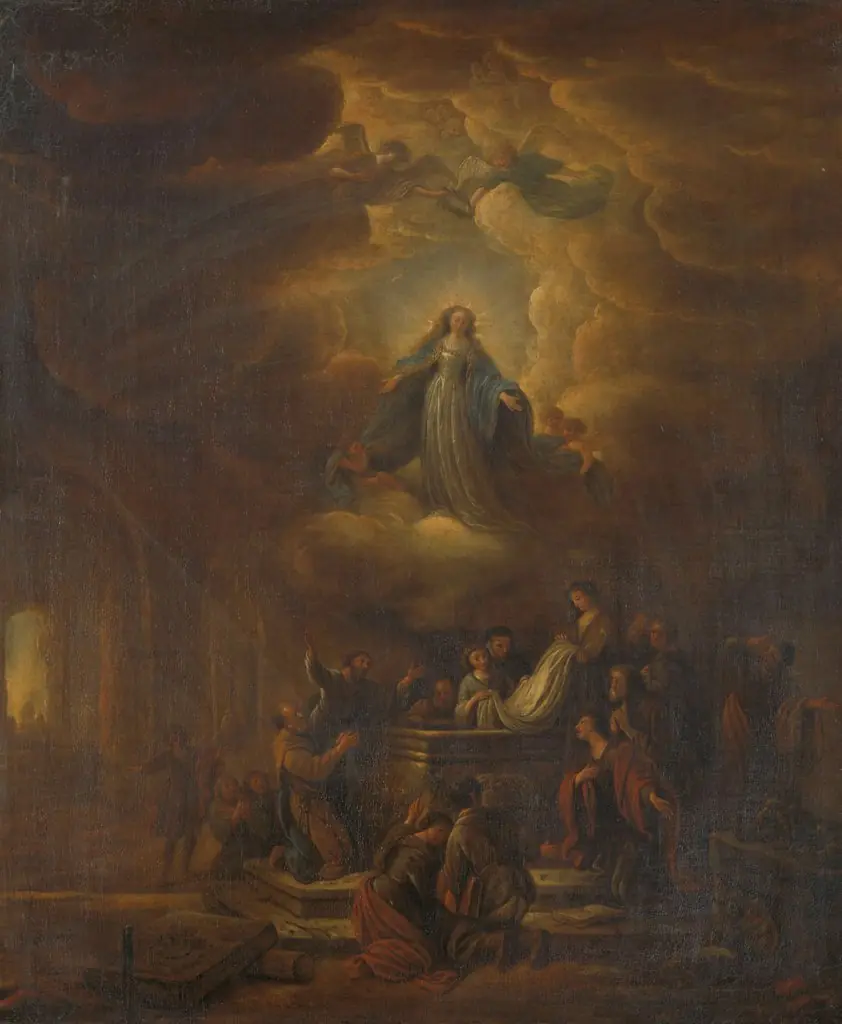
Assumption of the Virgin
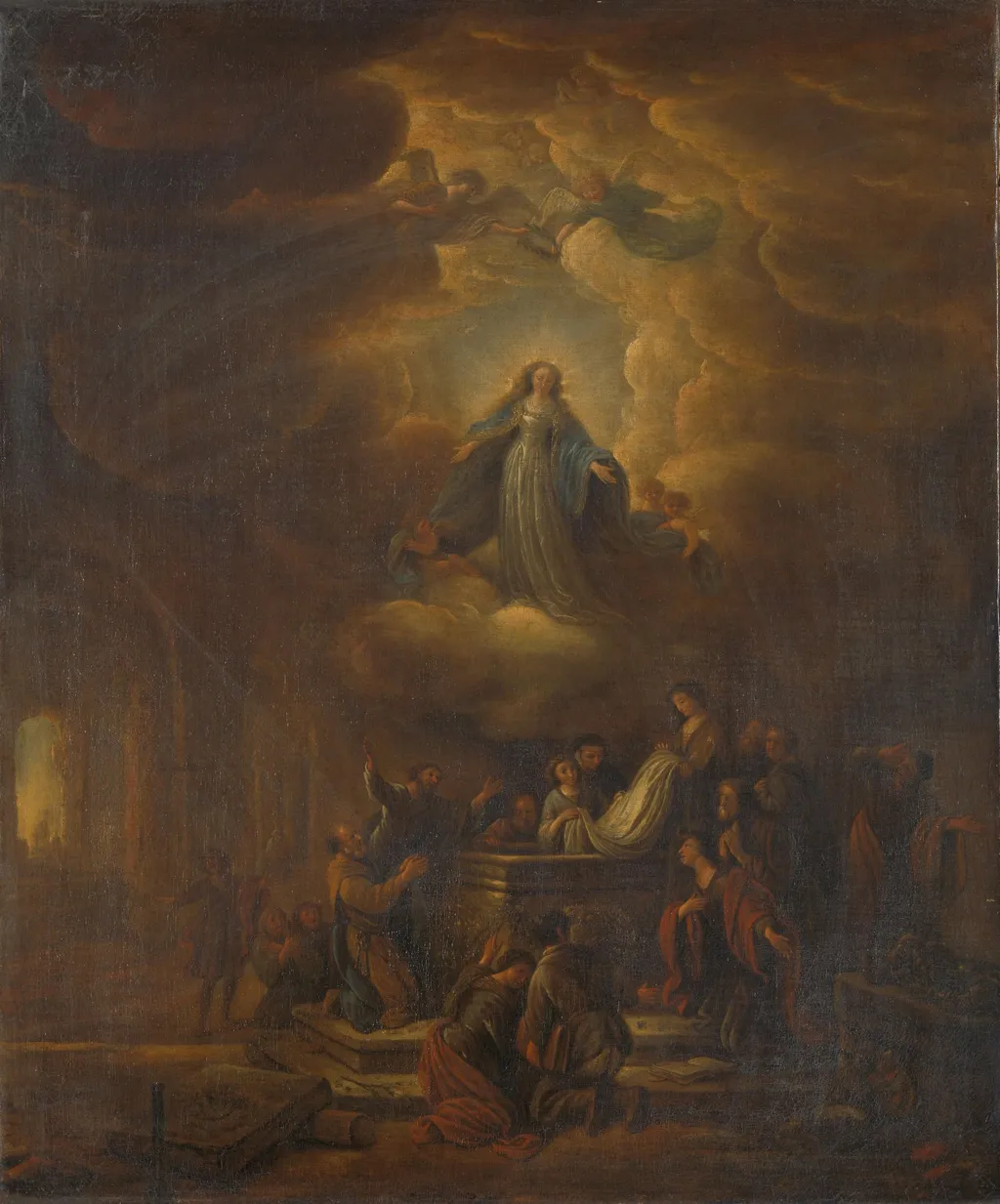
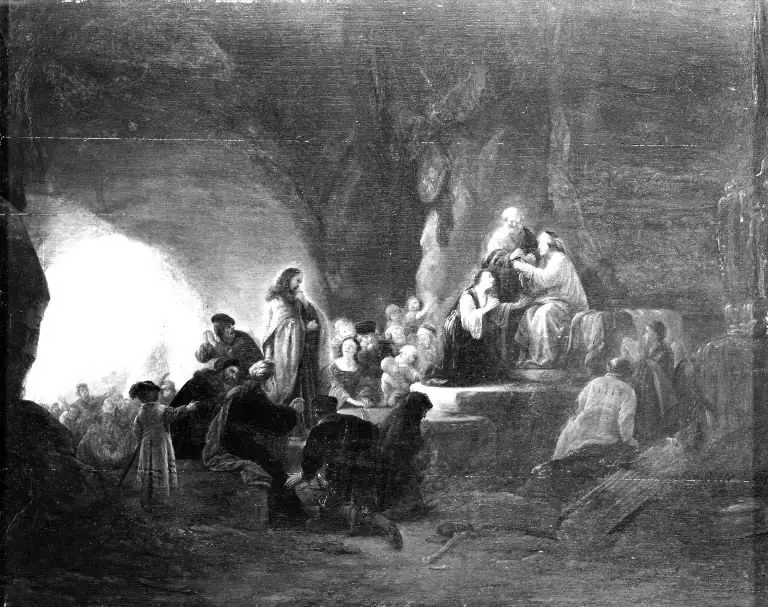
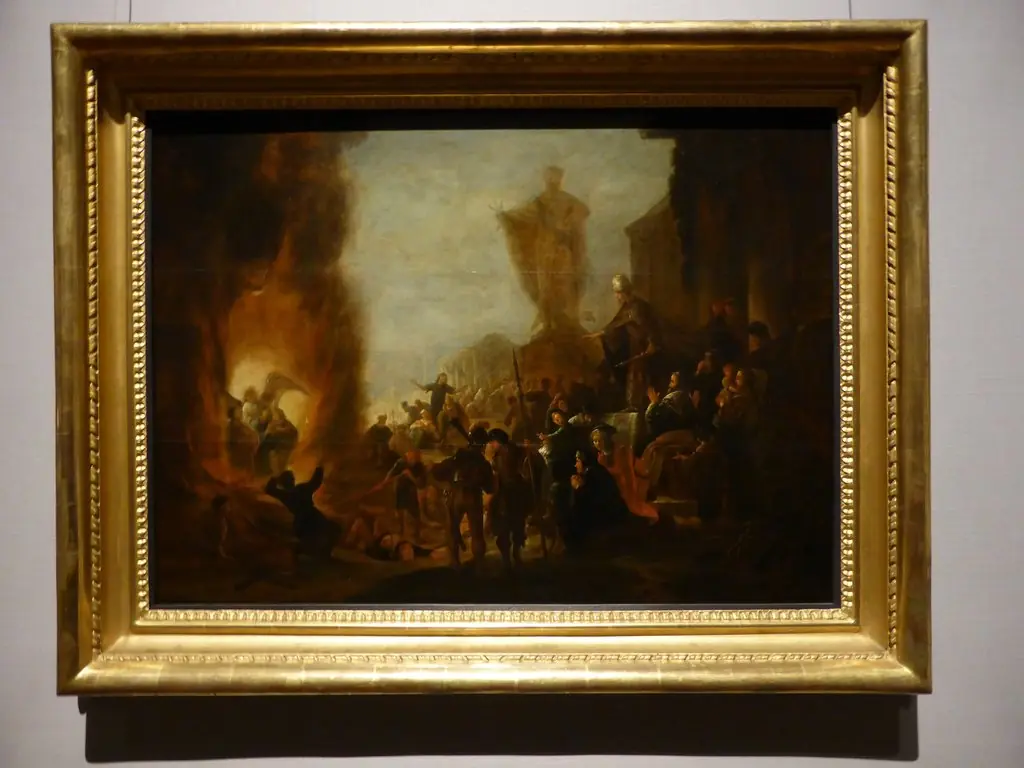
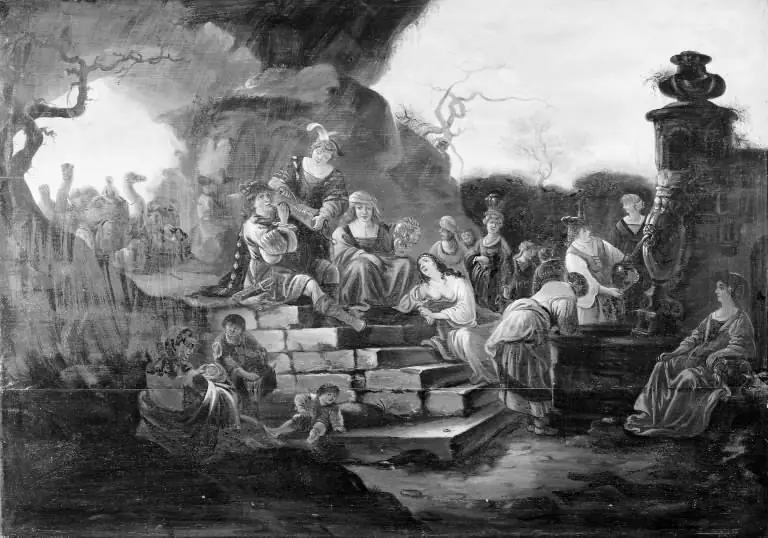
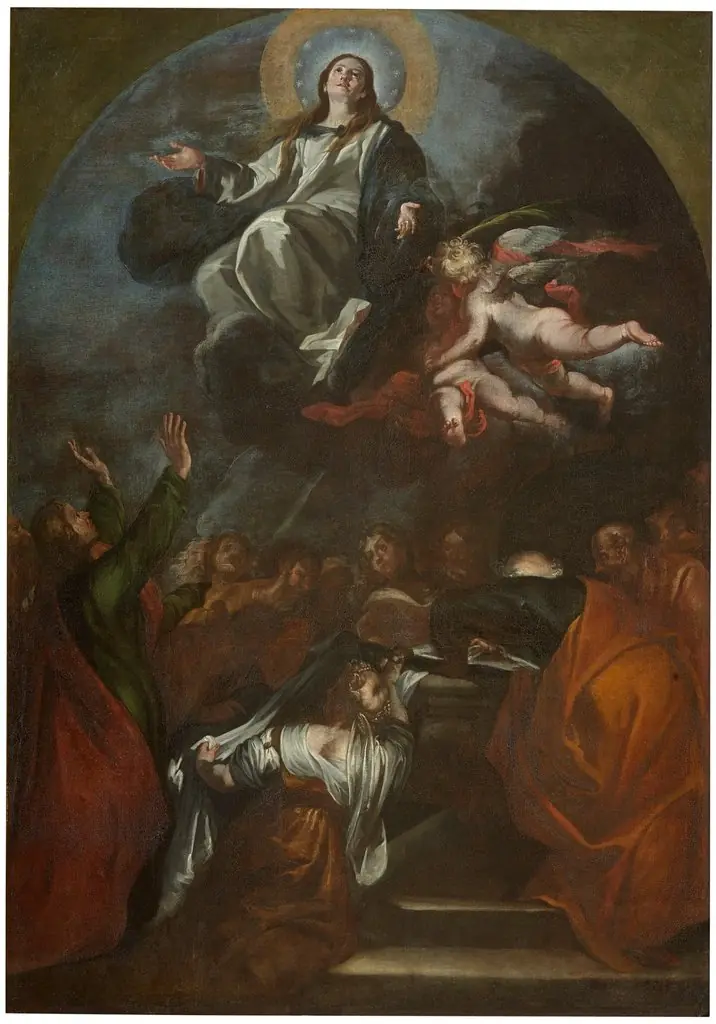
Assumption of the Virgin is an unspecified painting by the Dutch Golden Age artist Jacob Willemsz de Wet. It dates from 1656 and is held in the collection of the Rijksmuseum.
About this work
Overview
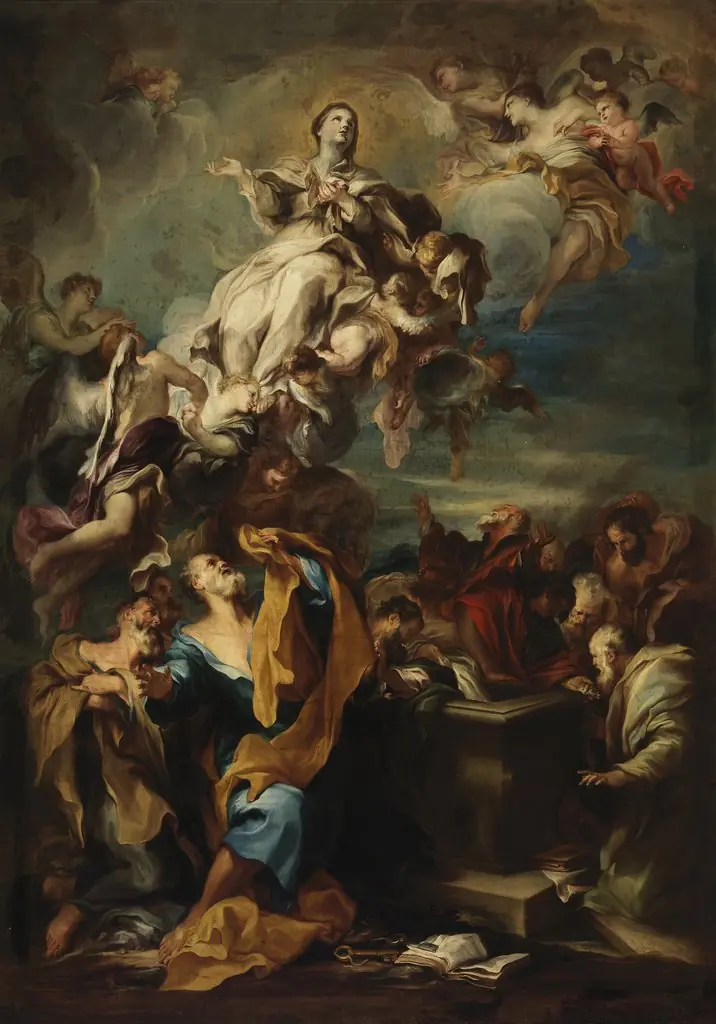
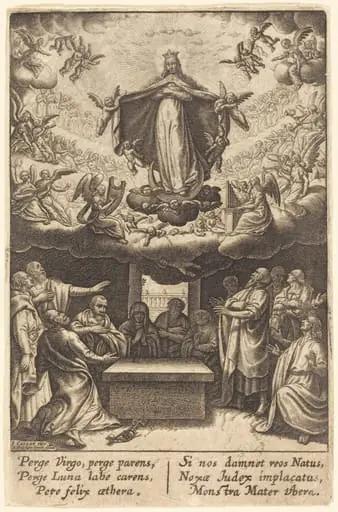
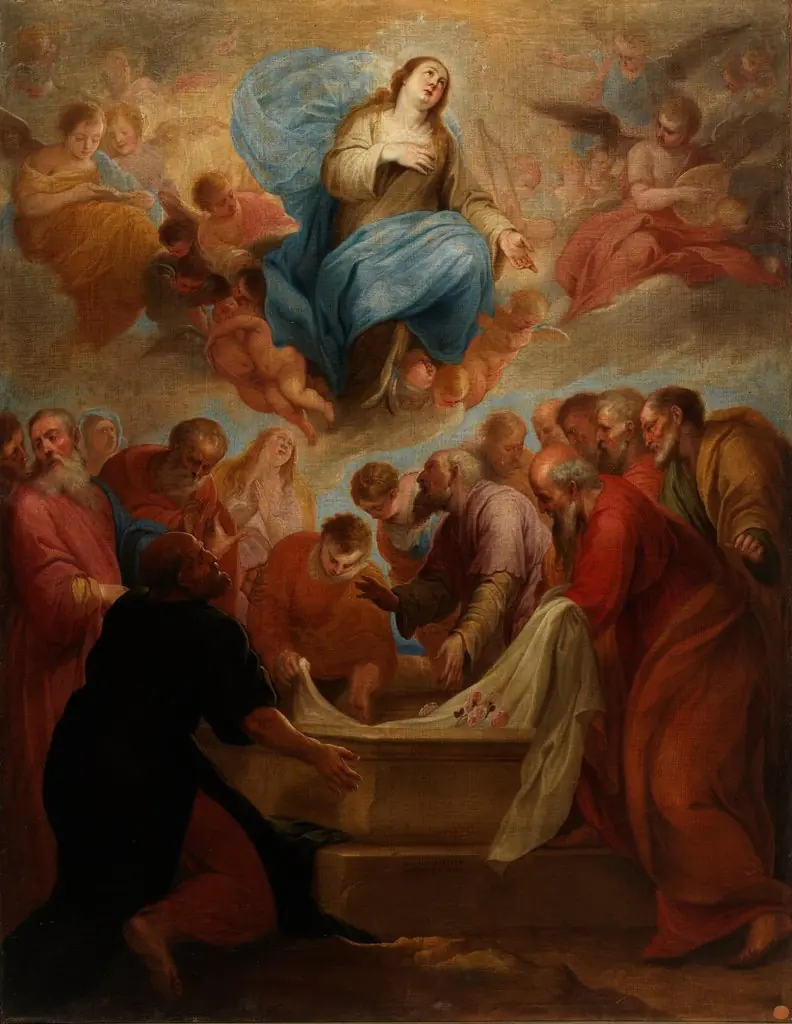
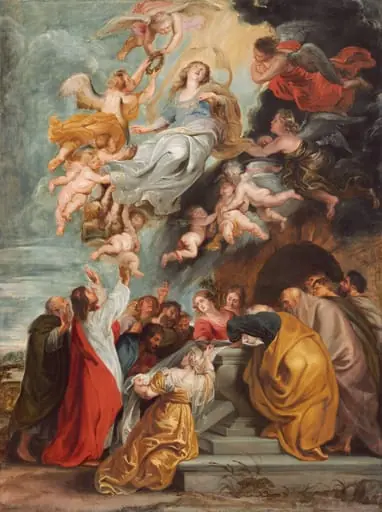
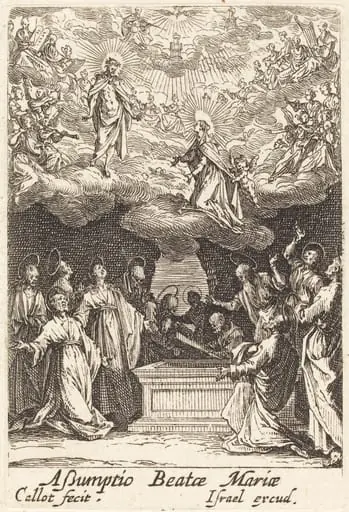
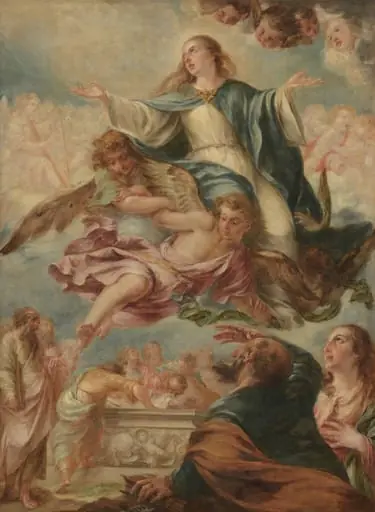
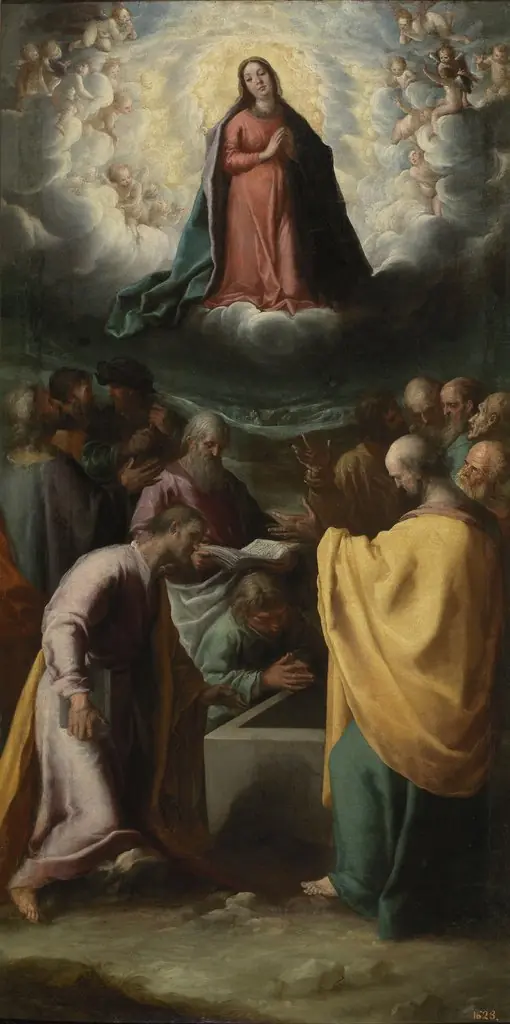
This 17th-century oil painting depicts the Assumption of the Virgin, a common subject in Christian art.
This 17th-century oil painting depicts the Assumption of the Virgin, a common subject in Christian art. Executed without a signature, it remains anonymous in attribution. The work is held in the Rijksmuseum’s collection, where it is cataloged simply by its subject. Its unattributed status reflects a broader tradition of unsigned devotional works produced during the period, often intended for private or local church use rather than public acclaim.
Subject & Meaning
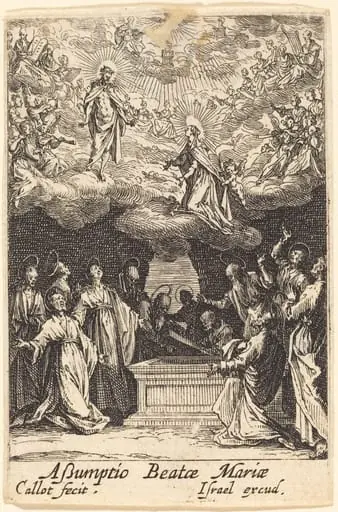
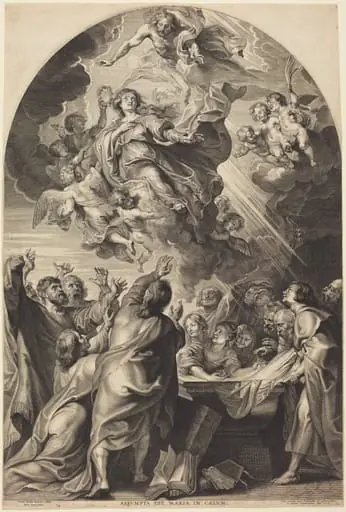
The Virgin Mary is shown ascending from her open tomb, lifted by angels toward a radiant heavenly light. Below, a group of figures kneel in reverence, arms raised in prayer or awe. The scene illustrates the doctrinal belief in Mary’s bodily assumption into heaven, a moment of divine transition. The quiet expressions of the mourners contrast with the celestial drama, emphasizing contemplation over spectacle.
Technique & Style
The composition uses strong directional lighting to draw the eye upward, with beams of light emanating from above to illuminate Mary and the angels. The figures below are rendered with restrained detail, their gestures more symbolic than individualized. Brushwork is smooth and even, avoiding dramatic chiaroscuro or emotional intensity, suggesting a regional style focused on clarity and devotional function rather than theatrical effect.
History & Provenance
The painting’s origins are undocumented; no records link it to a known artist or commission. It likely originated in the Netherlands or a neighboring region during the early to mid-1600s. Its presence in the Rijksmuseum suggests it entered the collection through ecclesiastical or private donations, common for unsigned religious works that survived the Reformation’s iconoclastic waves.
Context
Created during a time when Catholic imagery persisted in the Dutch Republic despite Protestant dominance, the painting reflects the quiet endurance of Marian devotion in private settings. Similar unsigned works were often made for domestic altars or small chapels, where theological accuracy mattered more than artistic fame. The absence of a signature aligns with the modest, functional nature of such devotional objects.
Legacy
Though unattributed, the painting contributes to the understanding of vernacular religious art in early modern Europe. It exemplifies how devotional themes were rendered with restraint, prioritizing spiritual resonance over individual expression. Its inclusion in a major museum underscores the value placed on anonymous works that reflect collective faith practices rather than celebrated authorship.
Own this work as a print
Artist & collection
Artist
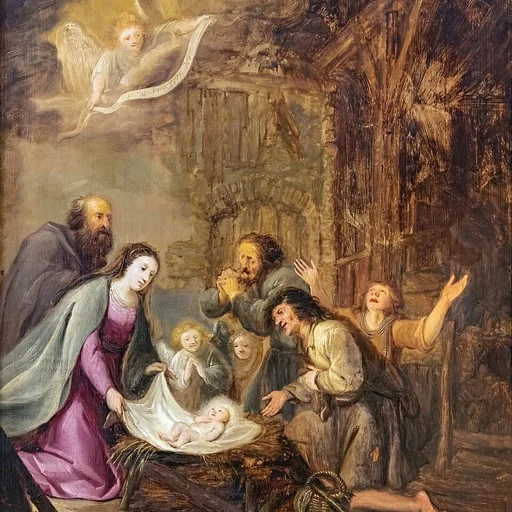
Jacob Willemszoon de Wet or Jacob Willemsz. de Wet the Elder (c. 1610 – between 1675 and 1691) was a Dutch Golden Age painter whose works were largely influenced by Rembrandt.