Artwork
Portrait of Maria Mancini (1639–1715)
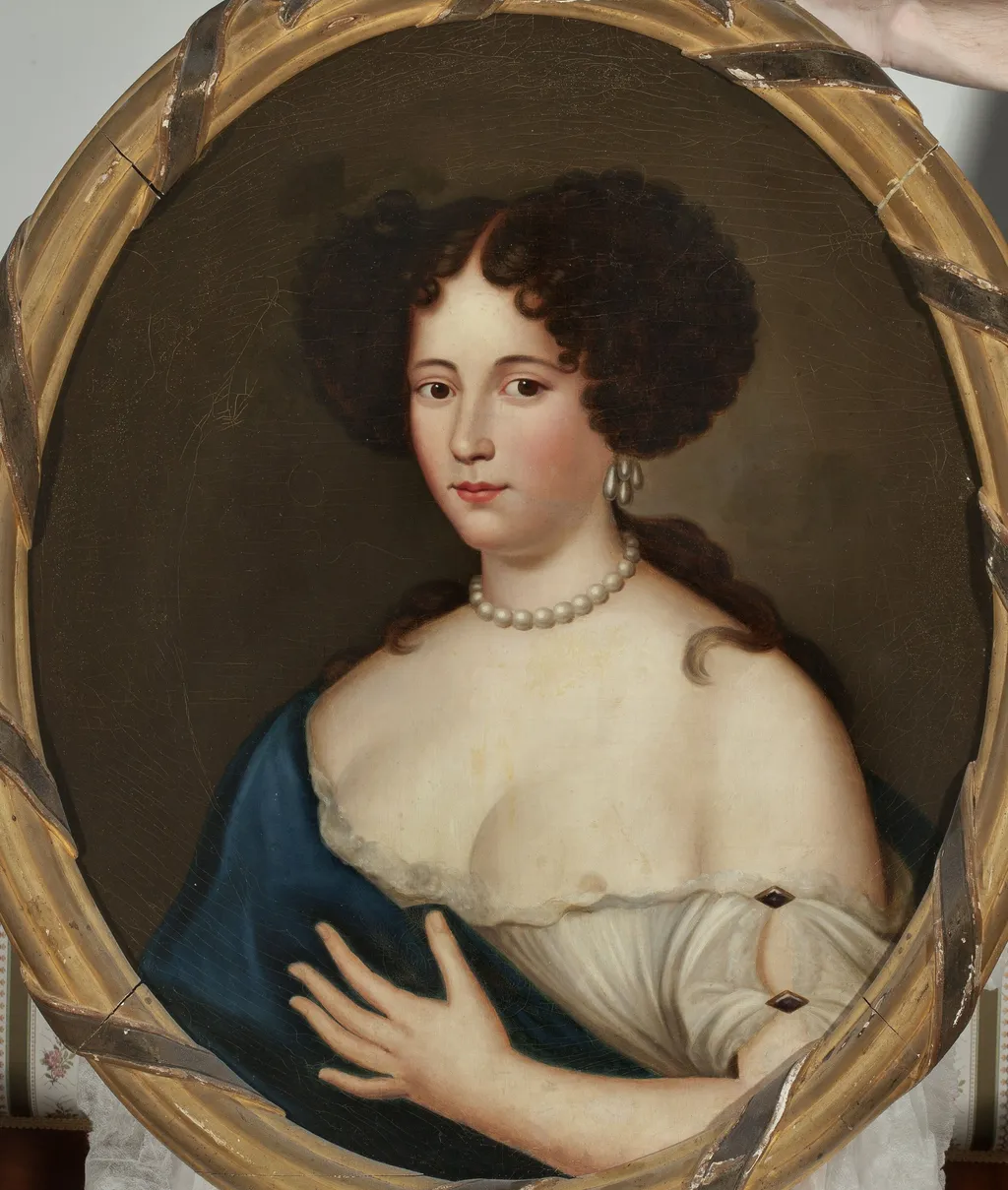
Portrait of Maria Mancini (1639–1715) is an oil painting by Jacob Ferdinand Voet. It is held in the collection of the National Museum in Warsaw.
About this work
Overview
This oil painting by Jacob Ferdinand Voet portrays Maria Mancini, a noblewoman of the 17th century. Executed in the mid-1600s, it reflects Voet’s reputation for capturing aristocratic sitters with precision and poise. The work is part of the National Museum in Warsaw’s collection and exemplifies the international Baroque portrait tradition, blending Flemish technique with Italianate elegance.
Subject & Meaning
Maria Mancini was a member of the influential Mancini family and niece of Cardinal Mazarin. Her portrayal here emphasizes dignity and social standing rather than personal narrative. The restrained gestures, refined attire, and absence of overt symbolism suggest an idealized representation of noble femininity, aligned with courtly expectations of the time.
Technique & Style
Voet employed subtle chiaroscuro to model the face and hands, enhancing three-dimensionality without dramatic contrast.
Voet employed subtle chiaroscuro to model the face and hands, enhancing three-dimensionality without dramatic contrast. The brushwork is smooth and controlled, particularly in the rendering of fabric and jewelry. The composition centers the figure against a neutral background, directing focus to her poised posture and delicate accessories, reflecting a classical preference for clarity and balance.
History & Provenance
The painting was likely commissioned during Mancini’s time in France or Italy, where Voet was active. It entered the National Museum in Warsaw’s collection in the 19th century, possibly through the acquisition of European aristocratic holdings. Its provenance before that remains undocumented, though its style aligns with Voet’s known works from the 1660s–1670s.
Context
Voet worked among European courts, painting royalty and nobility from Rome to Paris. His portraits responded to the demand for images that conveyed status through refined aesthetics. Maria Mancini’s depiction fits within this network of elite portraiture, where appearance served as a marker of lineage and political connection in a period dominated by dynastic alliances.
Legacy
The portrait endures as a representative example of Voet’s refined style and the broader Baroque portrait tradition. It contributes to the understanding of how noblewomen were visually constructed in early modern Europe—not as individuals, but as embodiments of aristocratic ideals. Its preservation in Warsaw underscores the transnational movement of art across 18th- and 19th-century collections.
Artist & collection
Artist
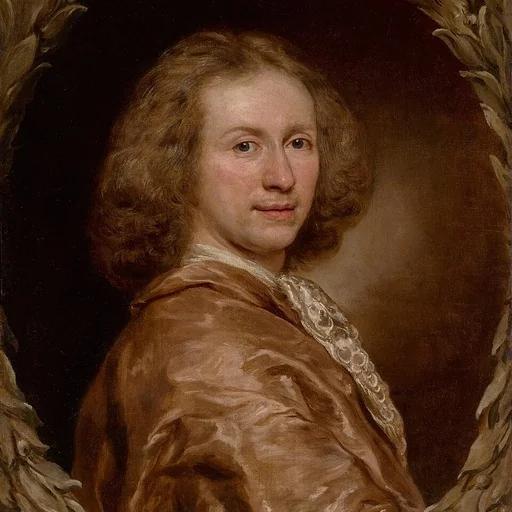
Jacob Ferdinand Voet or Jakob Ferdinand Voet (c. 1639 – 26 September 1689) was a Flemish portrait painter. He had an international career that brought him to Italy and France, where he made portraits for an elite…

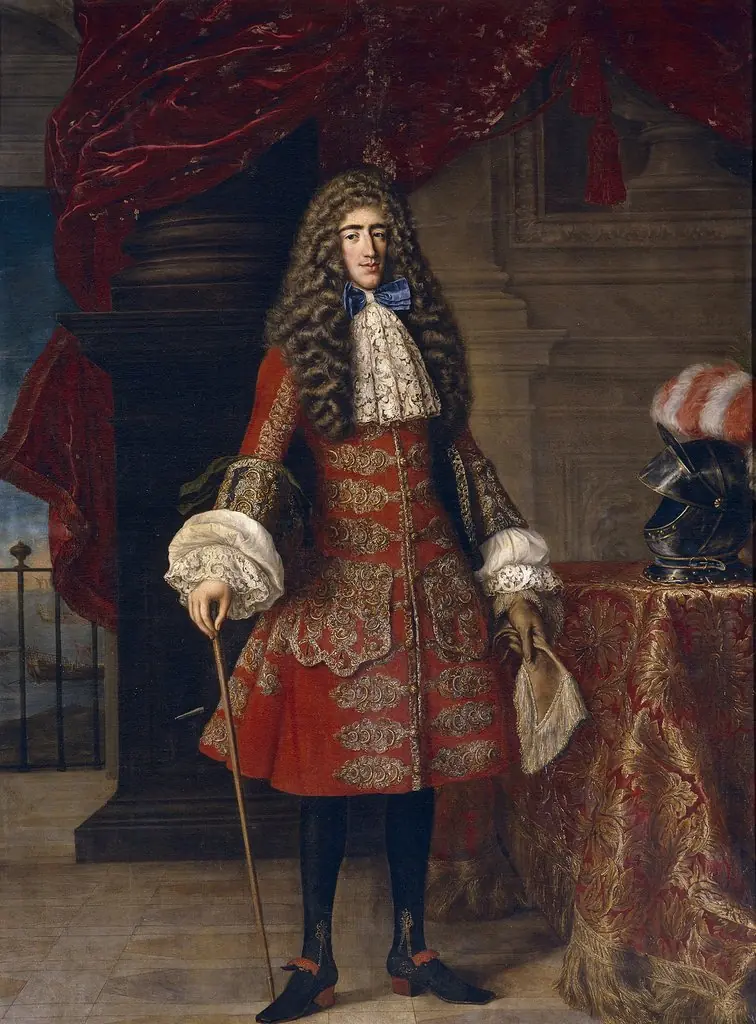 Portrait of Don Luis de la Cerda, later IX Duke of Medinaceli (or Medinacelli), (1654–1711)
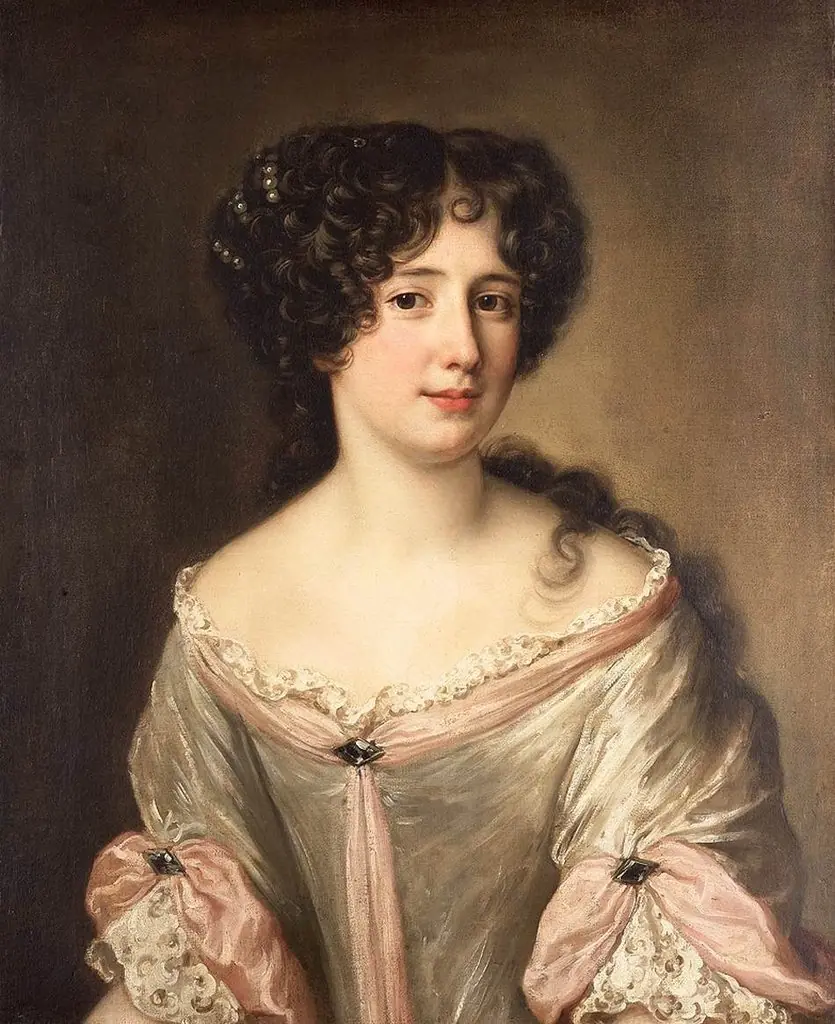 Portrait of Maria Mancini Colonna (1639-1715)
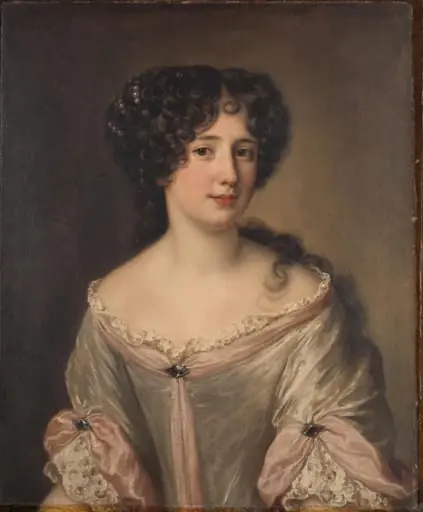 Portrait of La Duchessa Mancini Colonna (1646-1699)
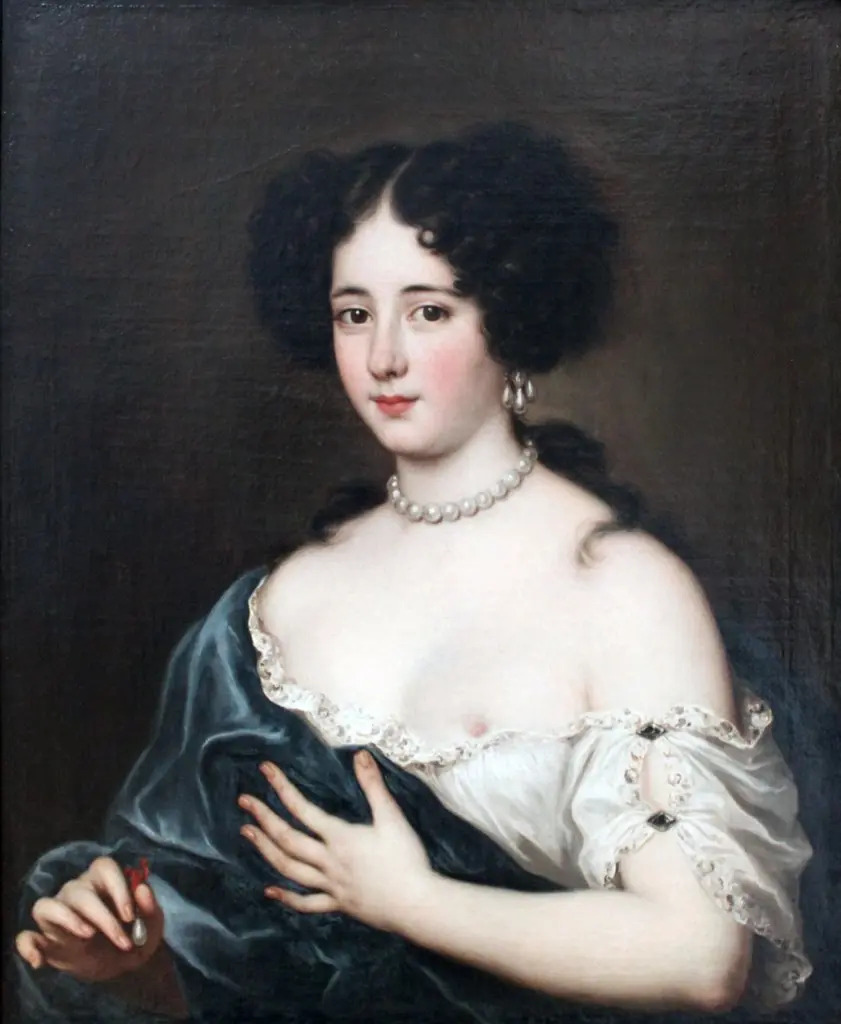 Clelia Cesarini Colonna (1655-1735), Duchess of Sonnino, as Cleopatra
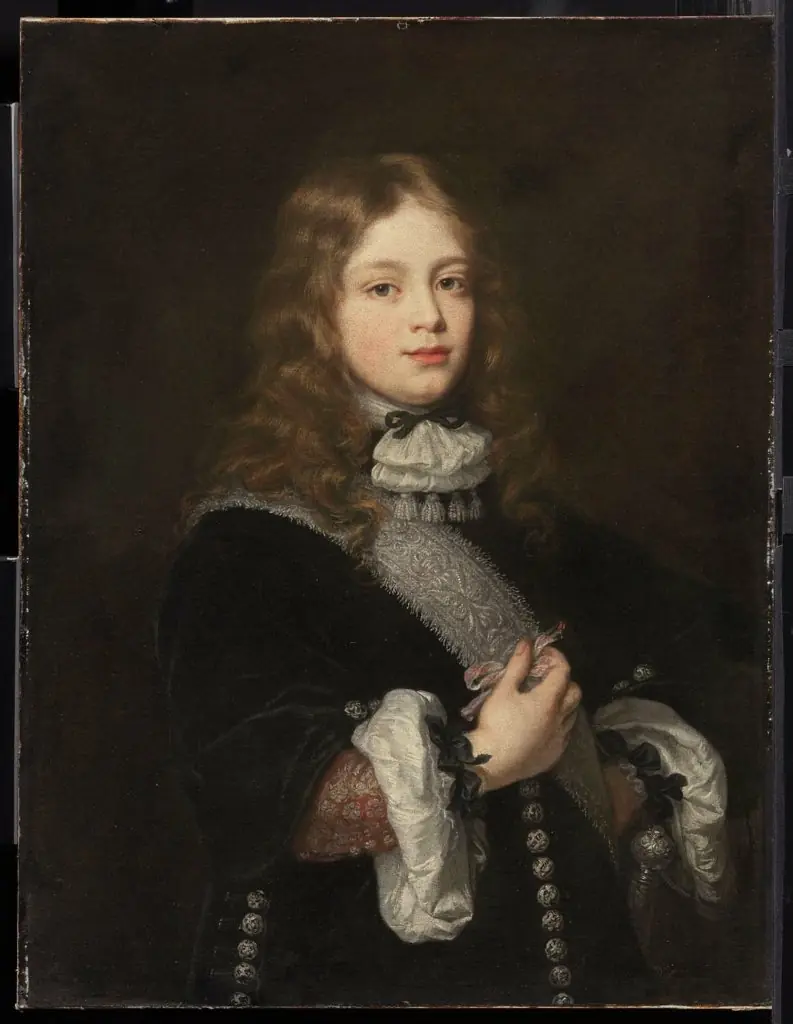 Portrait of a Boy
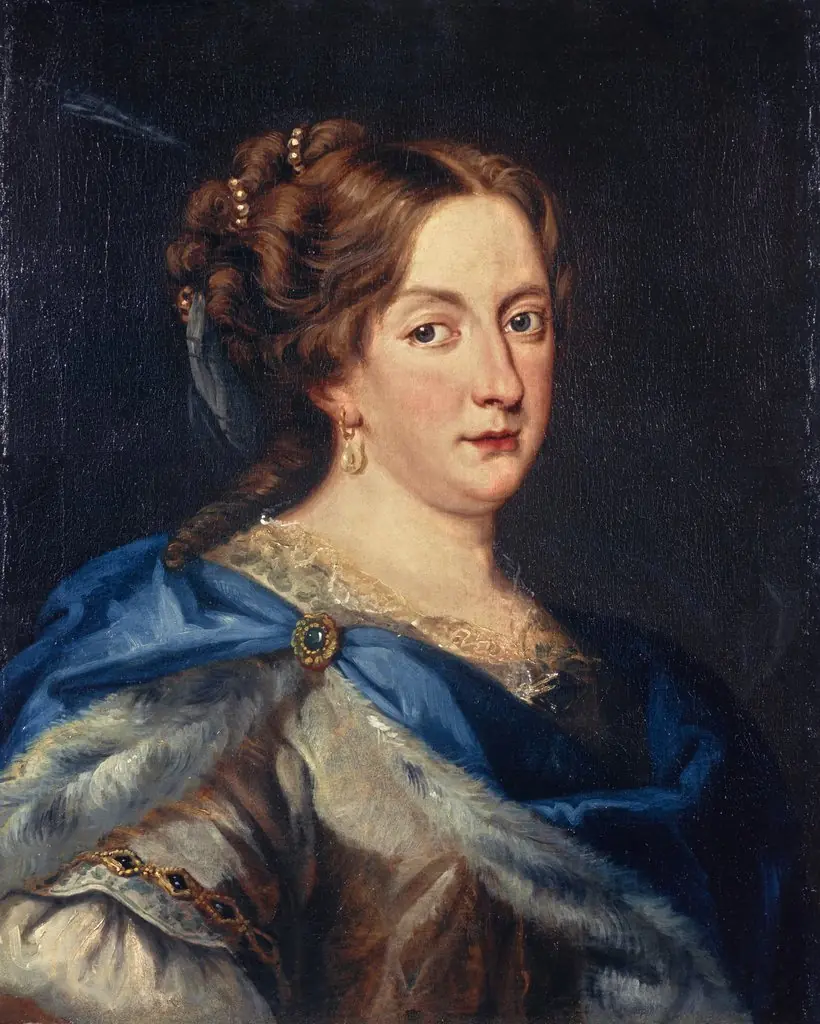 Queen Christina of Sweden (1626 - 1689)
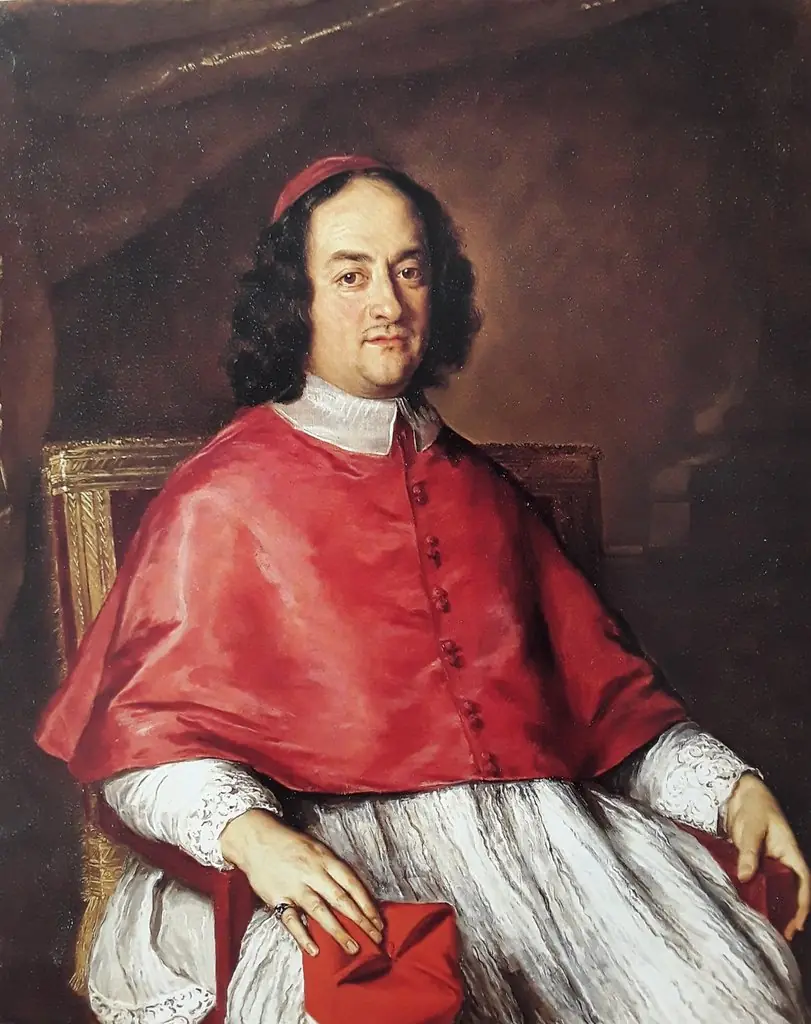 Cardinal Dezio Azzolini (1623-1689)
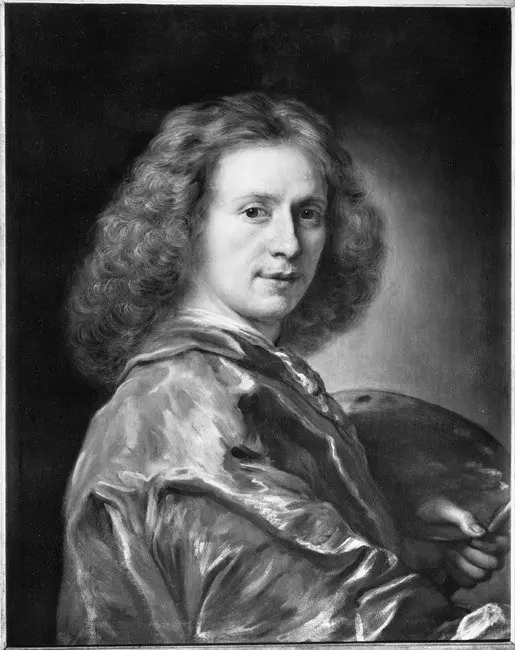 Self-portrait
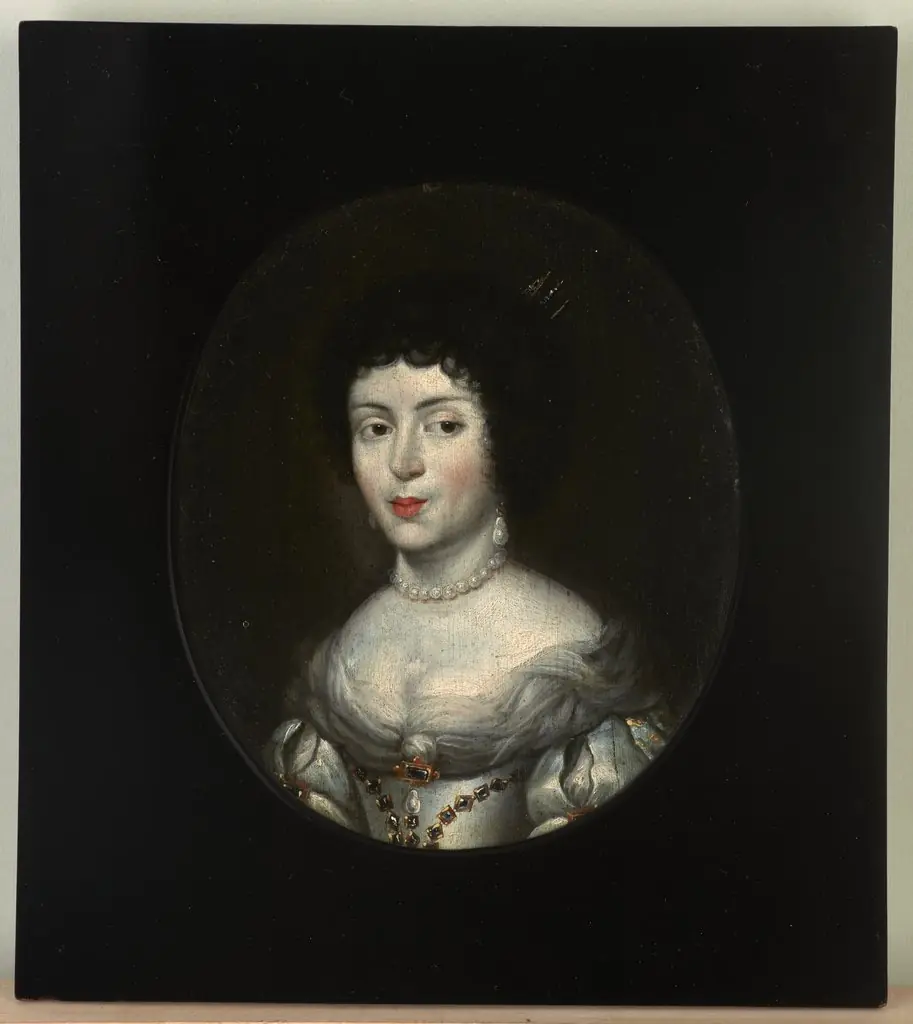 Portret Marii Kazimiery de la Grange d'Arquien Sobieskiej, zwanej Marysieńką (1641-1716), królowej Polski, żony Jana III Sobieskiego
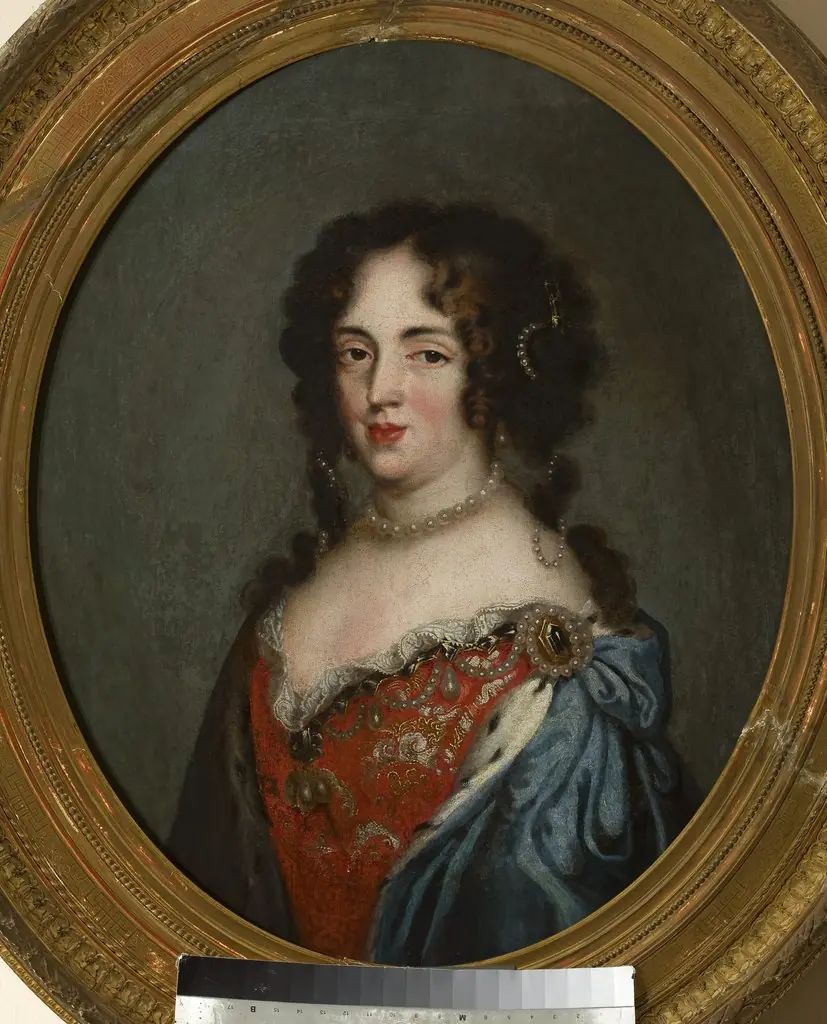 Portrait of Maria Kazimiera Sobieska
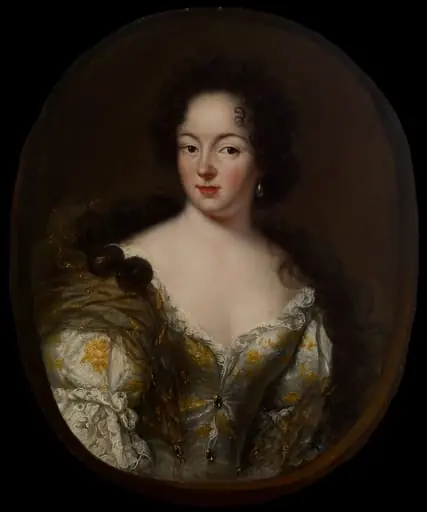 Hedvig Eleonora Tessin, o.s. Stenbock
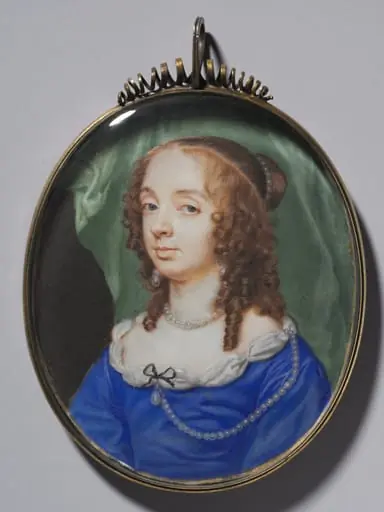 Portrait of a Woman
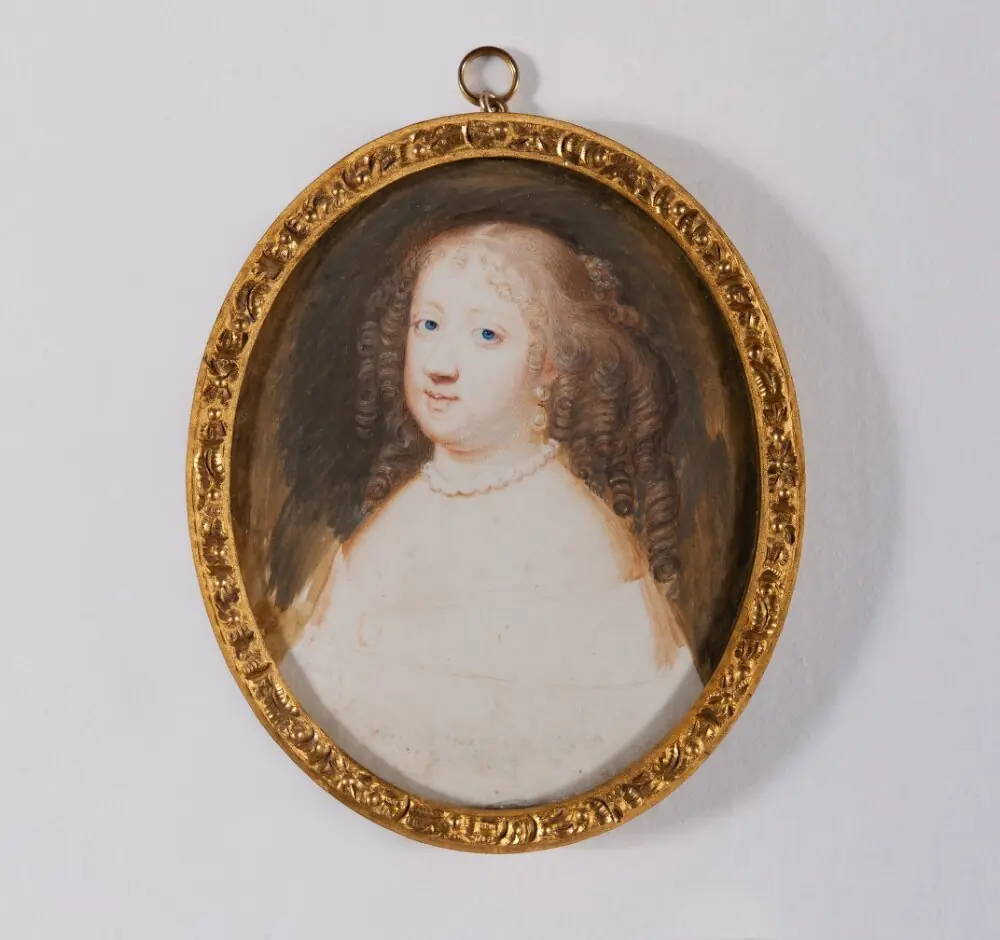 Maria Teresia of Austria, Queen of France and Navarre
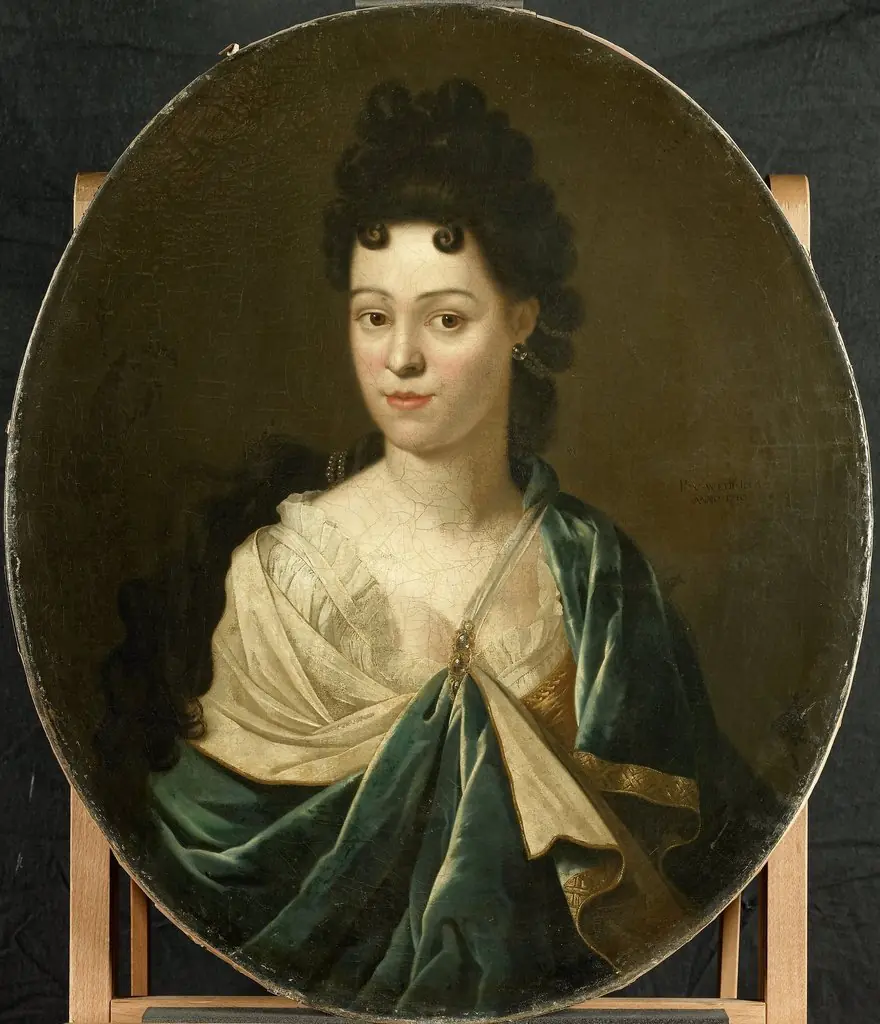 Portrait of Mrs. Brust-Batailhy
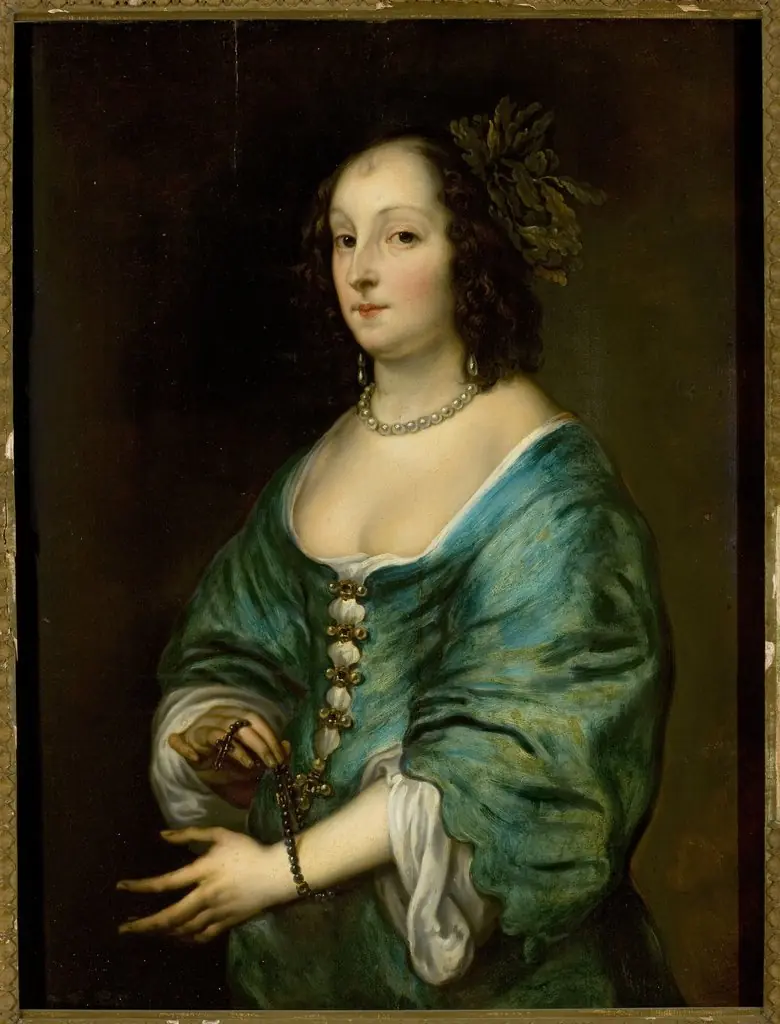 Portrait of Anthony van Dyck's wife Mary Ruthven
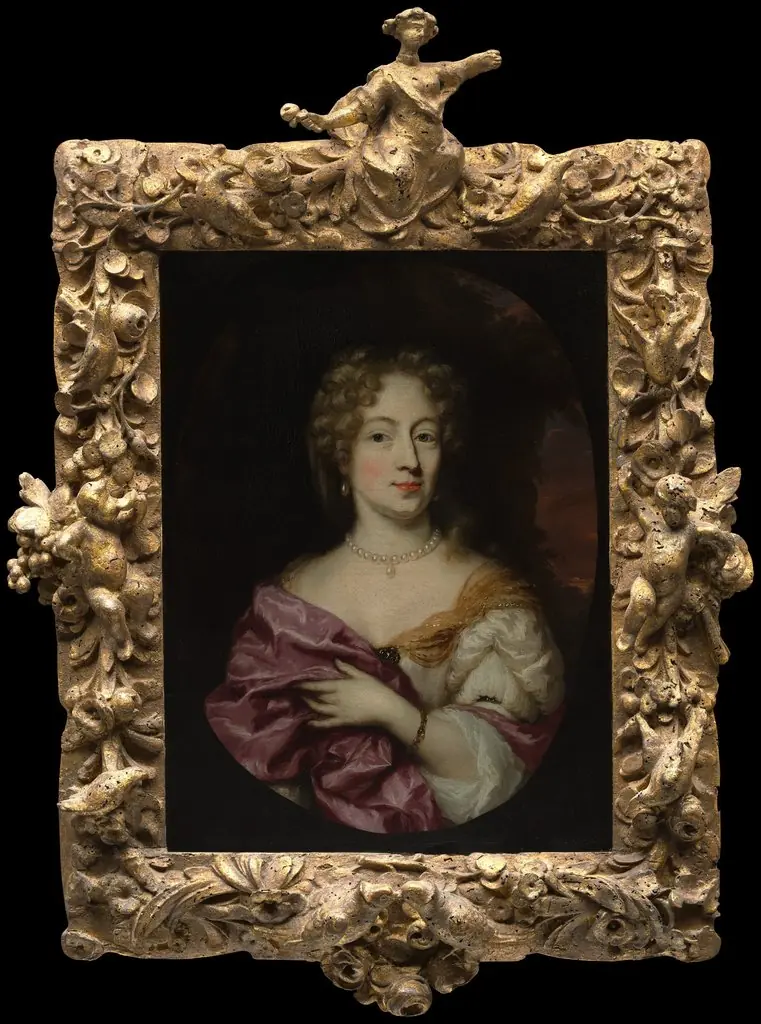 Ingena Rotterdam (died 1704), Betrothed of Admiral Jacob Binkes
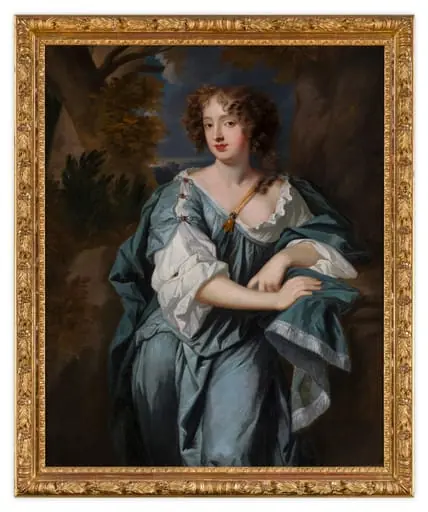 Elizabeth Wriothesley, Northumberlandin kreivitär