Artwork
Queen Christina of Sweden (1626 - 1689)
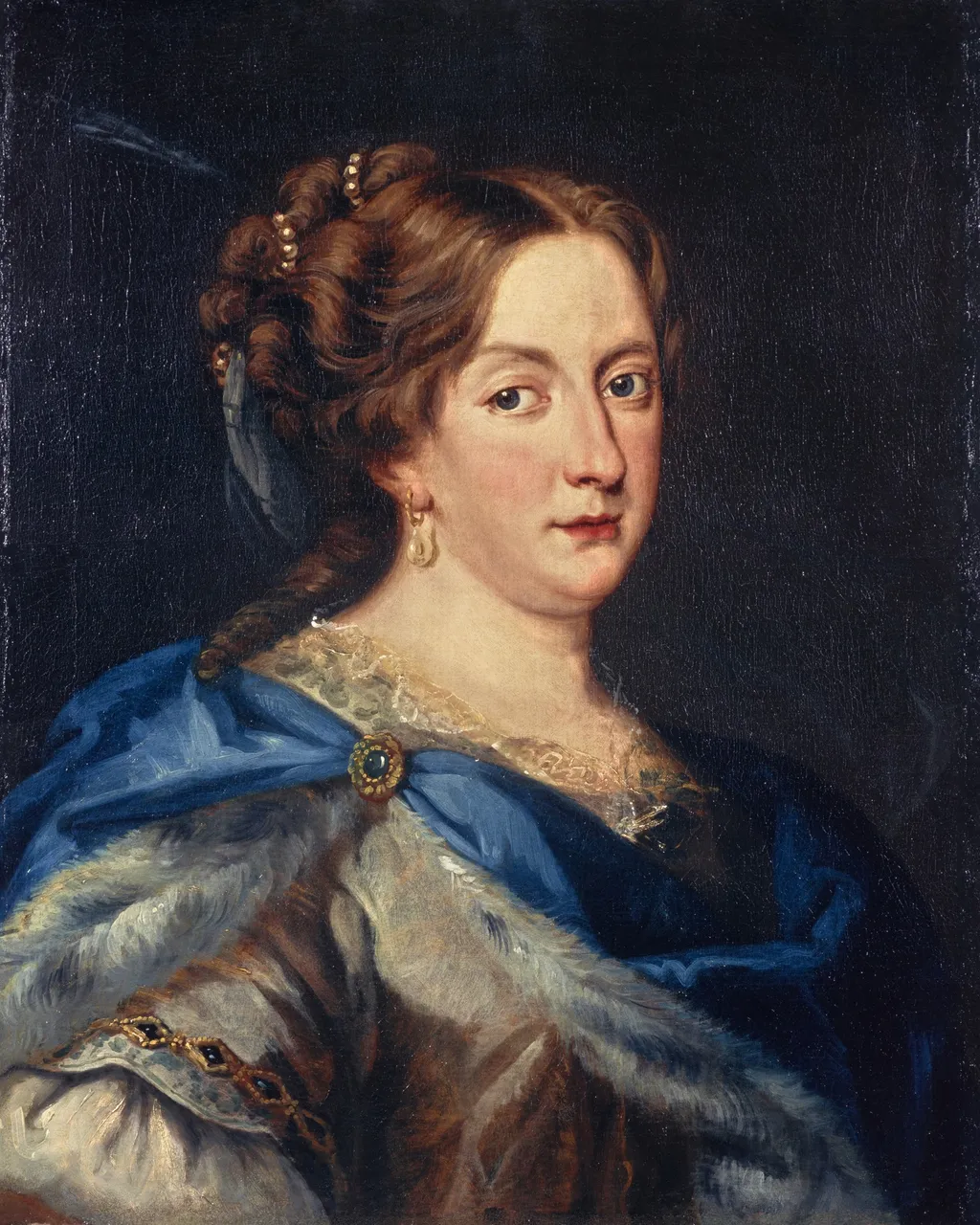
Queen Christina of Sweden (1626 - 1689) is an oil painting by the Flemish Baroque painting artist Jacob Ferdinand Voet. It dates from 1670 and is held in the collection of the National Galleries Scotland.
About this work
Overview
Painted in 1670 by Jacob Ferdinand Voet, this oil portrait captures Queen Christina of Sweden during her later years.
Painted in 1670 by Jacob Ferdinand Voet, this oil portrait captures Queen Christina of Sweden during her later years. Voet, a Flemish artist known for his precise and elegant portraiture, completed the work while active in Italy. The painting is now part of the Scottish National Gallery’s collection, reflecting its enduring significance as a record of a monarch who defied conventional expectations of gender and power.
Subject & Meaning
Queen Christina, who abdicated the Swedish throne in 1654, is portrayed not as a ruler in regalia but as a cultivated intellectual in private attire. Her neutral expression and direct gaze suggest introspection rather than authority. The modest yet luxurious clothing—white silk, fur trim, and delicate gold jewelry—conveys refinement without overt monarchy, aligning with her post-abdication identity as a patron of arts and philosophy in Rome.
Technique & Style
Voet employed chiaroscuro to model the queen’s form with subtle gradations of light and shadow, enhancing the three-dimensionality of her face and draped garments. The brushwork is controlled and precise, particularly in rendering the texture of fur, silk, and metallic brooch. The dark, unbroken background isolates the figure, focusing attention on her poise and the quiet dignity of her presence.
History & Provenance
Commissioned during Christina’s residence in Rome, the portrait was likely made to affirm her status among European elites after her abdication. It entered the Scottish National Gallery’s collection in the 19th century, possibly through acquisition by a British collector with ties to continental courts. Its preservation reflects continued interest in Christina’s unconventional life and cultural influence beyond Sweden.
Context
In the late 17th century, portraits of deposed monarchs often served as symbols of personal transformation rather than political power. Christina’s choice to live in Rome, convert to Catholicism, and surround herself with scholars made her a unique figure in European courts. Voet’s portrait aligns with this narrative, emphasizing intellect and personal identity over dynastic symbolism.
Legacy
The portrait endures as a quiet testament to Christina’s rejection of traditional royal roles. Voet’s restrained style avoids glorification, instead offering a psychologically nuanced depiction that resonates with modern interpretations of agency and identity. It remains a key image in understanding how female rulers navigated power, perception, and personal freedom in early modern Europe.
Own this work as a print
Artist & collection
Artist
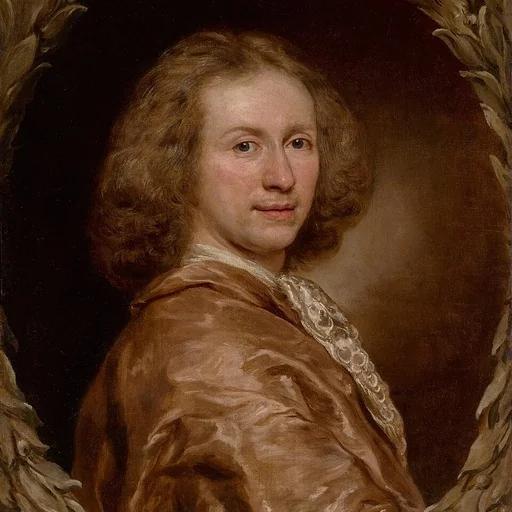
Jacob Ferdinand Voet or Jakob Ferdinand Voet (c. 1639 – 26 September 1689) was a Flemish portrait painter. He had an international career that brought him to Italy and France, where he made portraits for an elite…

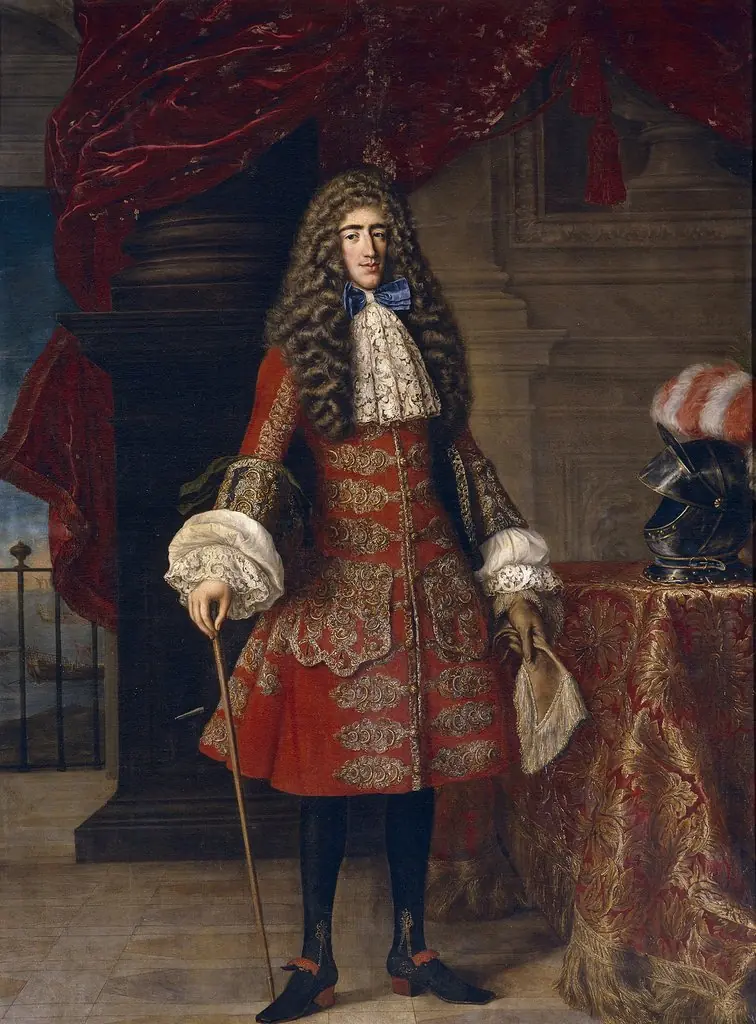 Portrait of Don Luis de la Cerda, later IX Duke of Medinaceli (or Medinacelli), (1654–1711)
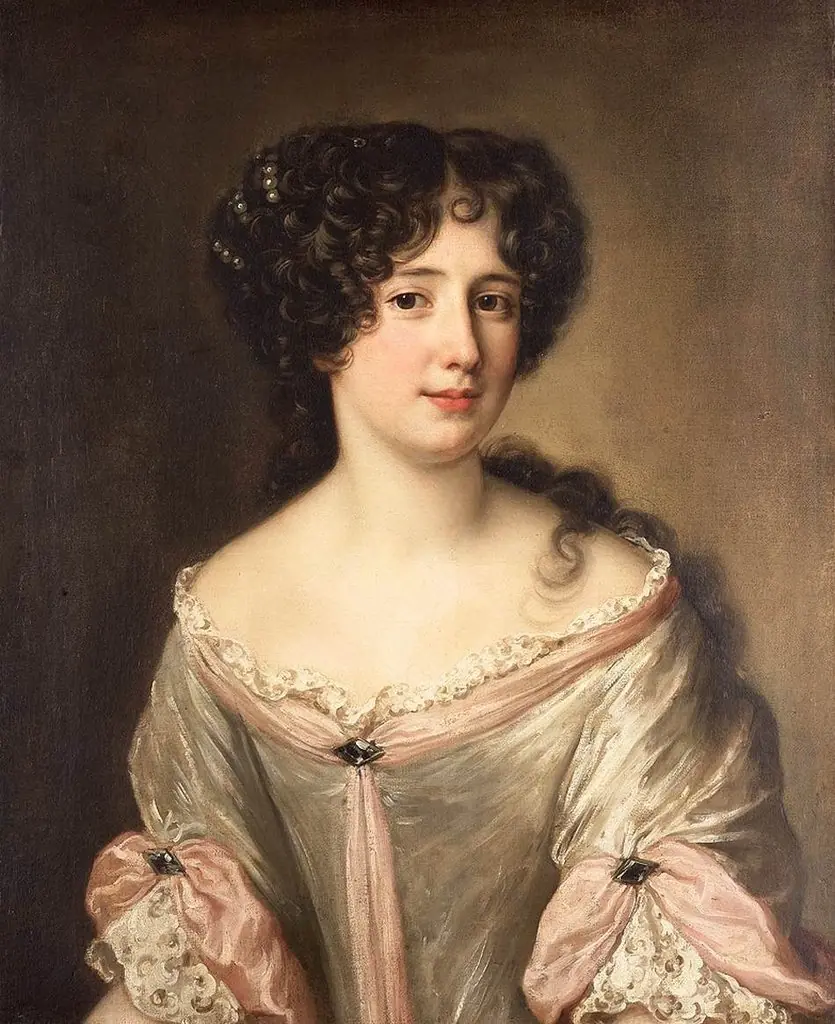 Portrait of Maria Mancini Colonna (1639-1715)
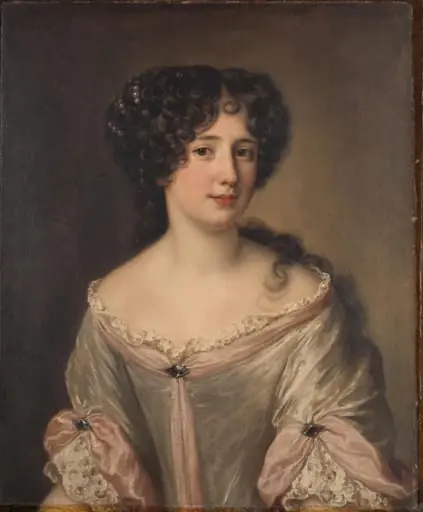 Portrait of La Duchessa Mancini Colonna (1646-1699)
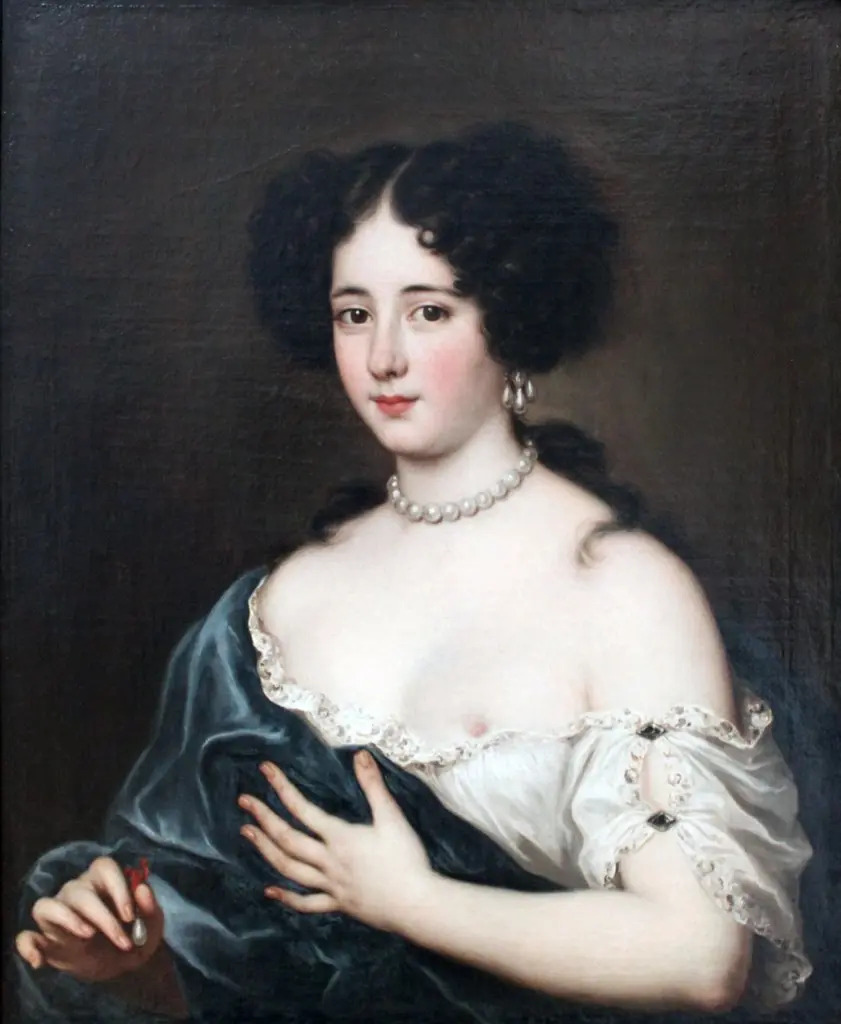 Clelia Cesarini Colonna (1655-1735), Duchess of Sonnino, as Cleopatra
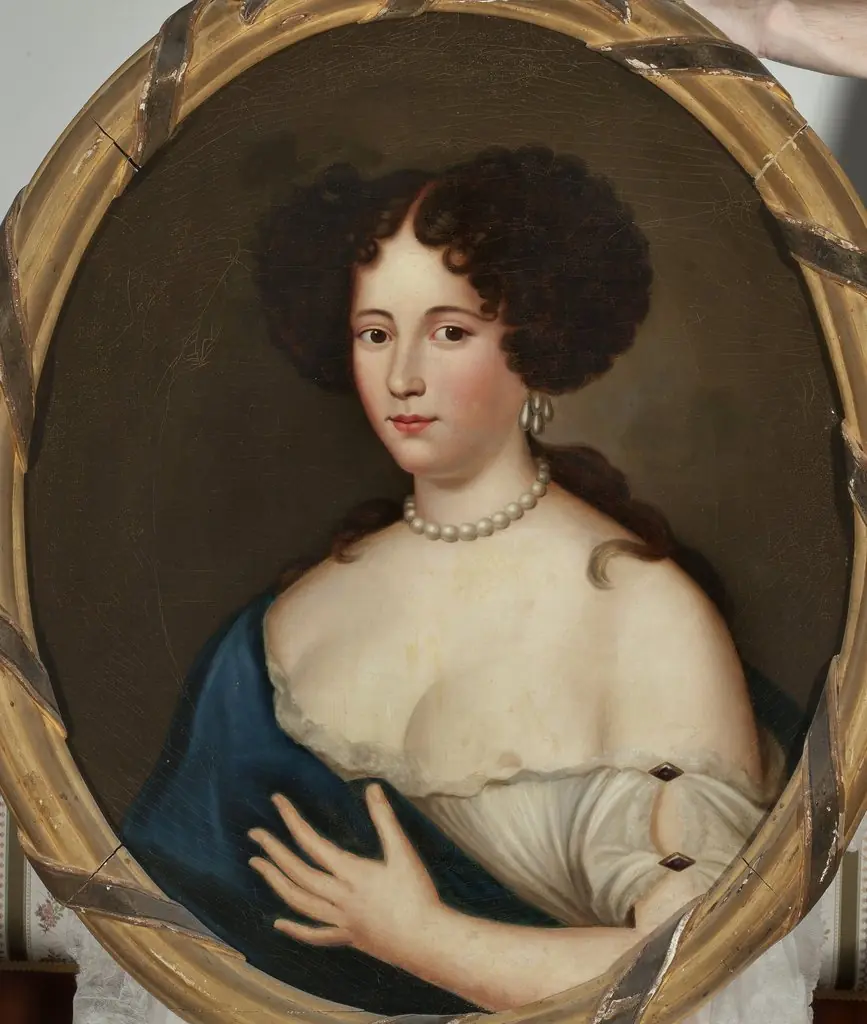 Portrait of Maria Mancini (1639–1715)
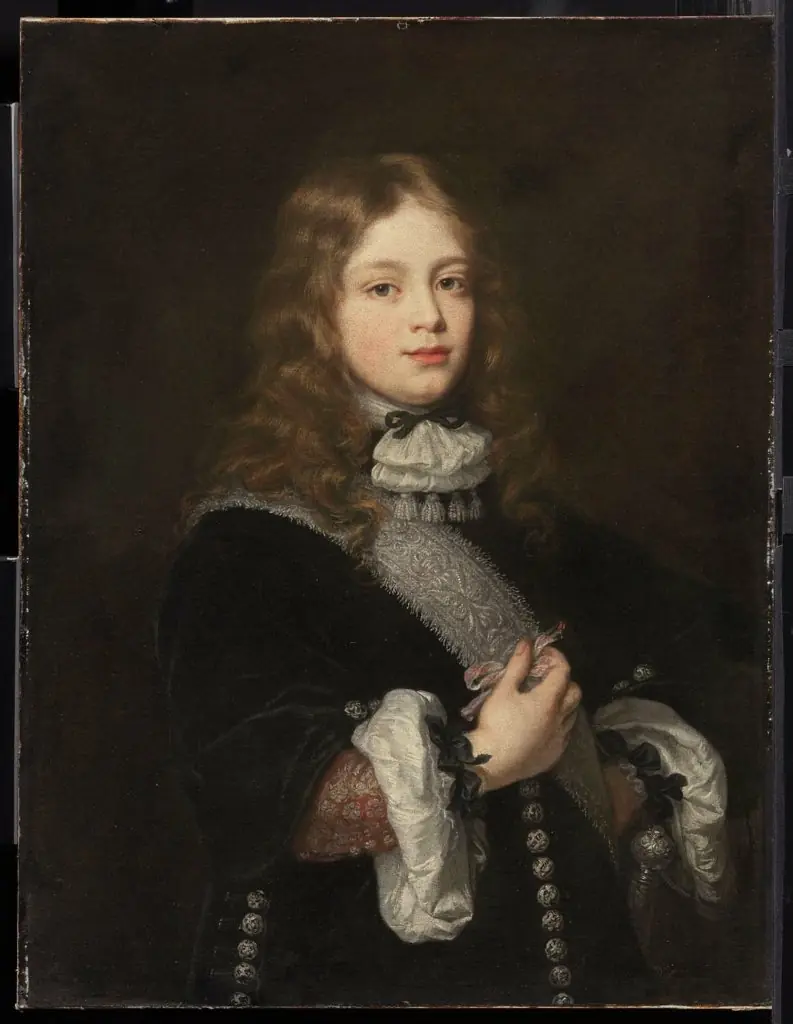 Portrait of a Boy
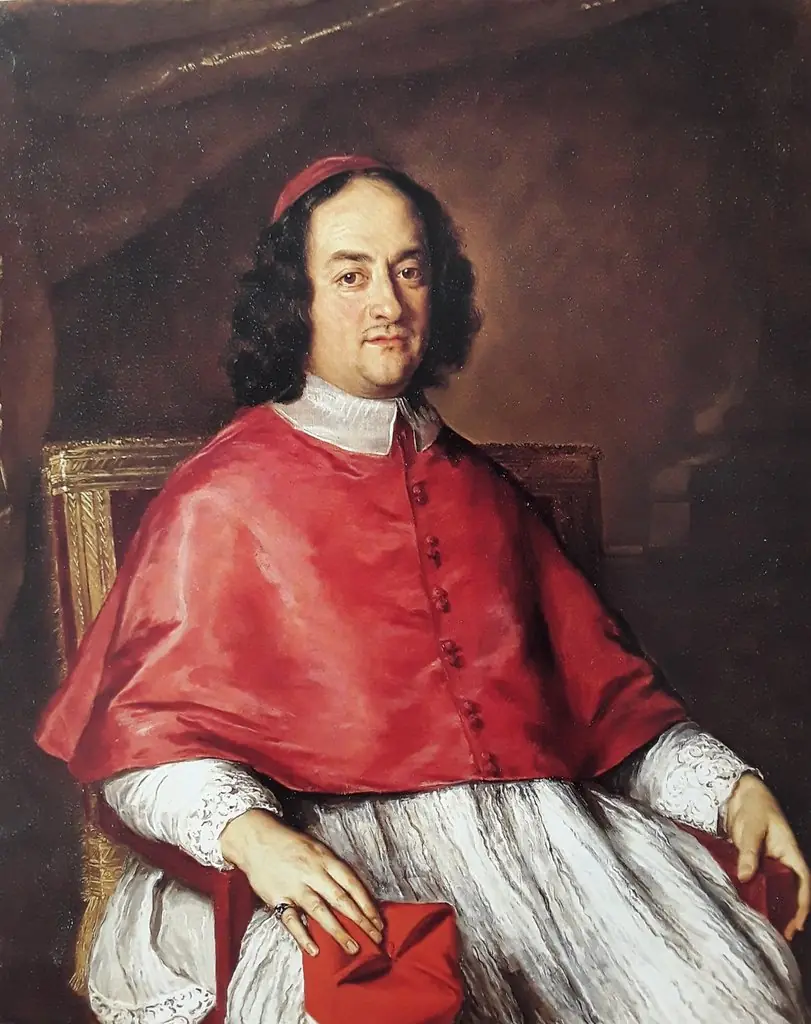 Cardinal Dezio Azzolini (1623-1689)
 Self-portrait
 Kuningatar Ulrika Eleonora vanhempi
 Portretul Marchizei de Crequi
 Portrait of a woman, thought to be Lucretia Boudaen
 Jennings-suvun jäsen
 Portrait of Maria Kazimiera Sobieska
 Portrait of Margaretha Godin (d. 1694), wife of the artist
 Anna von Österreich (1601-1666) (Umkreis)
 Maria Anna Christina, Dauphine von Frankreich (1660-1690) (Umkreis)
 Kreivitär Ingeborg Posse
 Françoise-Marie Mignot, maréchale de l'Hôpital (1624-1711)
 Prinzessin Hedwig Elisabeth Amalie
 Justice