Artwork
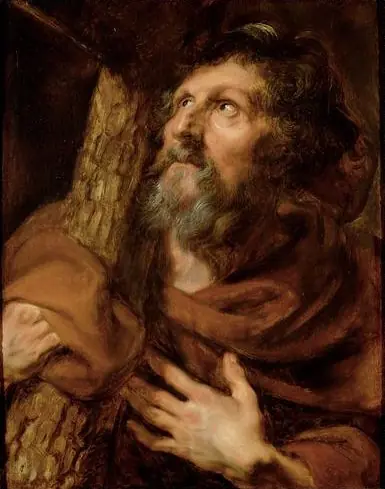
Bust of an Apostle
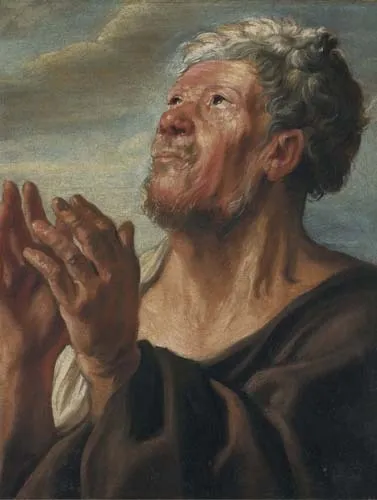
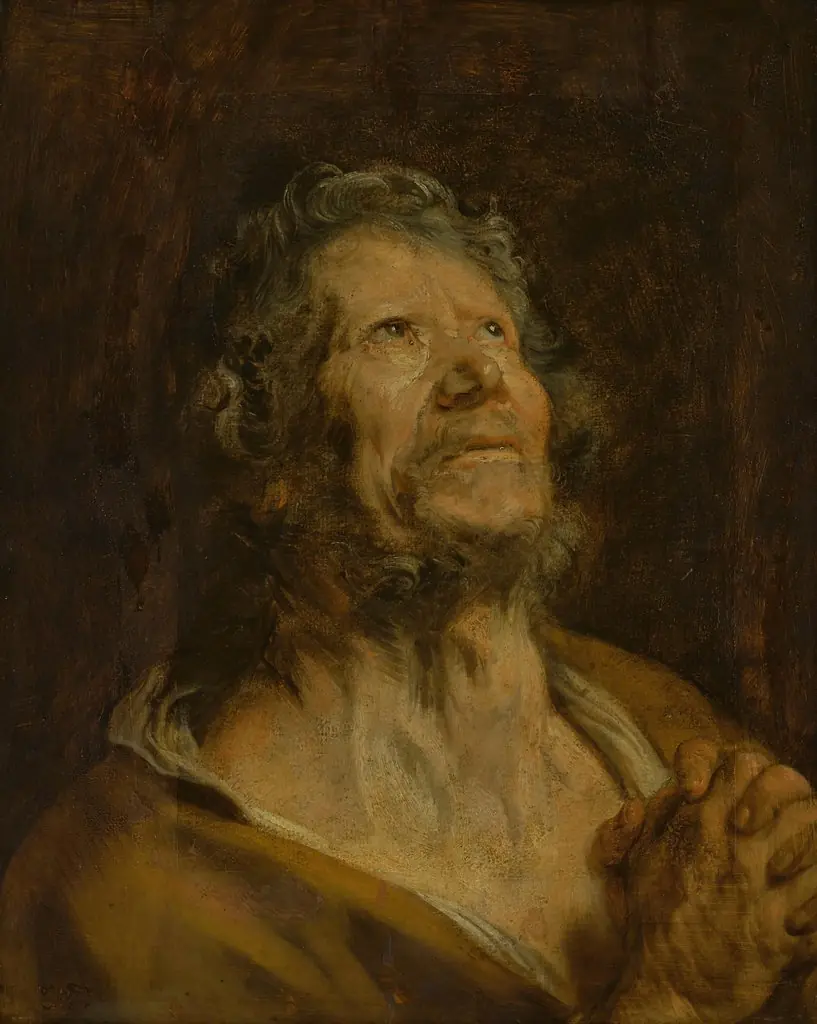
Bust of an Apostle is an oil painting by the Flemish Baroque painting artist Jacob Jordaens. It dates from 1640 and is held in the collection of the Royal Museums of Fine Arts of Belgium.
About this work
Overview
The painting is part of the Royal Museums of Fine Arts of Belgium’s collection, reflecting its significance in regional artistic heritage.
Painted in 1640 by Jacob Jordaens, this oil-on-canvas work presents a half-length portrait of an apostle, rendered with the solemnity characteristic of Flemish Baroque religious imagery. Jordaens, a central figure in Antwerp’s artistic community following the decline of Rubens and van Dyck, focused here on intimate spiritual expression rather than grand narrative. The painting is part of the Royal Museums of Fine Arts of Belgium’s collection, reflecting its significance in regional artistic heritage.
Subject & Meaning
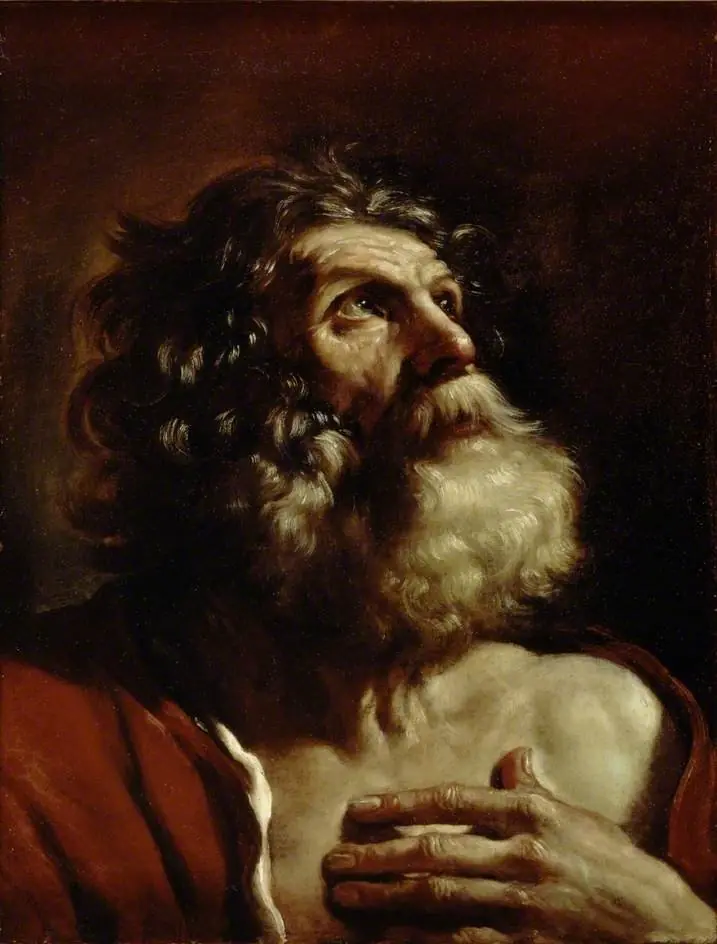
The figure, identified as an apostle through context and attire, is depicted in a moment of quiet prayer. His upward gaze and clasped hands suggest devotion, possibly during meditation or divine revelation. The absence of traditional attributes like a halo or scroll emphasizes inner spirituality over doctrinal symbolism. The composition invites contemplation, aligning with Counter-Reformation ideals that valued personal piety and emotional engagement with sacred figures.
Technique & Style
Jordaens employs chiaroscuro to model the face and hands with strong contrasts between light and shadow, enhancing the figure’s three-dimensionality and emotional intensity. The brushwork is firm yet fluid, particularly in the rendering of the gray curls and the textured fabric of the robe. The white under-sleeve catches the light, creating a subtle focal point that draws attention to the hands, reinforcing the theme of reverence through physical gesture.
History & Provenance
The painting entered the collection of the Royal Museums of Fine Arts of Belgium in the 19th century, likely through state acquisition or donation from a private Belgian collection. Its attribution to Jordaens has been consistently supported by stylistic analysis and archival records. While its original commission or patron remains undocumented, its preservation reflects its enduring recognition within Belgium’s national art heritage.
Context
Created during a period when Antwerp’s artistic output shifted from large-scale altarpieces to more personal devotional works, this bust reflects broader trends in post-Rubens Flemish painting. Jordaens, increasingly focused on intimate religious and genre scenes, responded to both ecclesiastical demands and a growing market for smaller, emotionally resonant images suited to private worship and domestic spaces.
Legacy
Though not among Jordaens’s most widely reproduced works, this portrait exemplifies his mature approach to religious portraiture—direct, unidealized, and psychologically grounded. It contributes to the understanding of how Flemish artists sustained spiritual imagery after the peak of the Baroque, emphasizing human vulnerability and quiet faith over theatrical grandeur.
Artist & collection
Artist
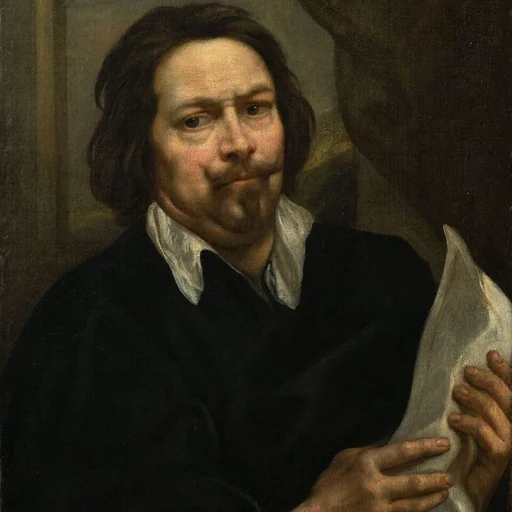
Jacques (Jacob) Jordaens (19 May 1593 – 18 October 1678) was a Flemish painter, draughtsman and a designer of tapestries and prints.

Museum
Royal Museums of Fine Arts of Belgium
Continue through works from the same source collection.
 The Holy Family with Shepherds
 The Holy Family with Saint Anne and the Young Baptist and His Parents
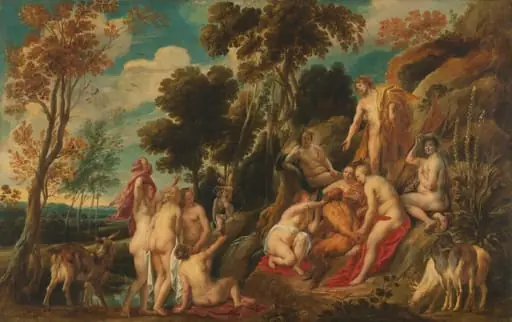 Untitled
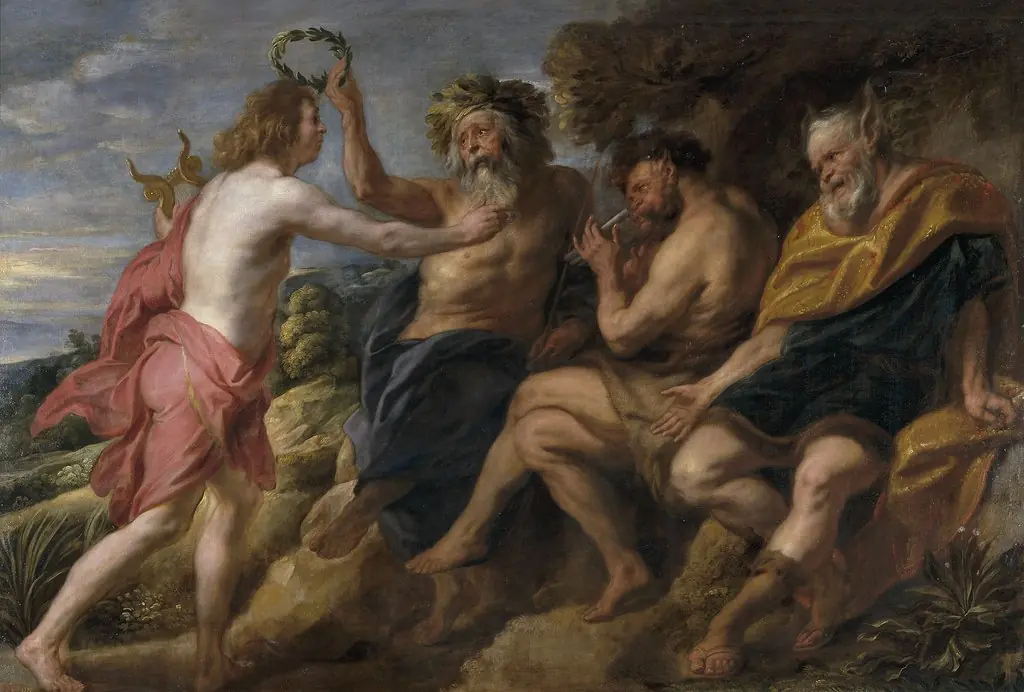 Apollo as Victor over Pan
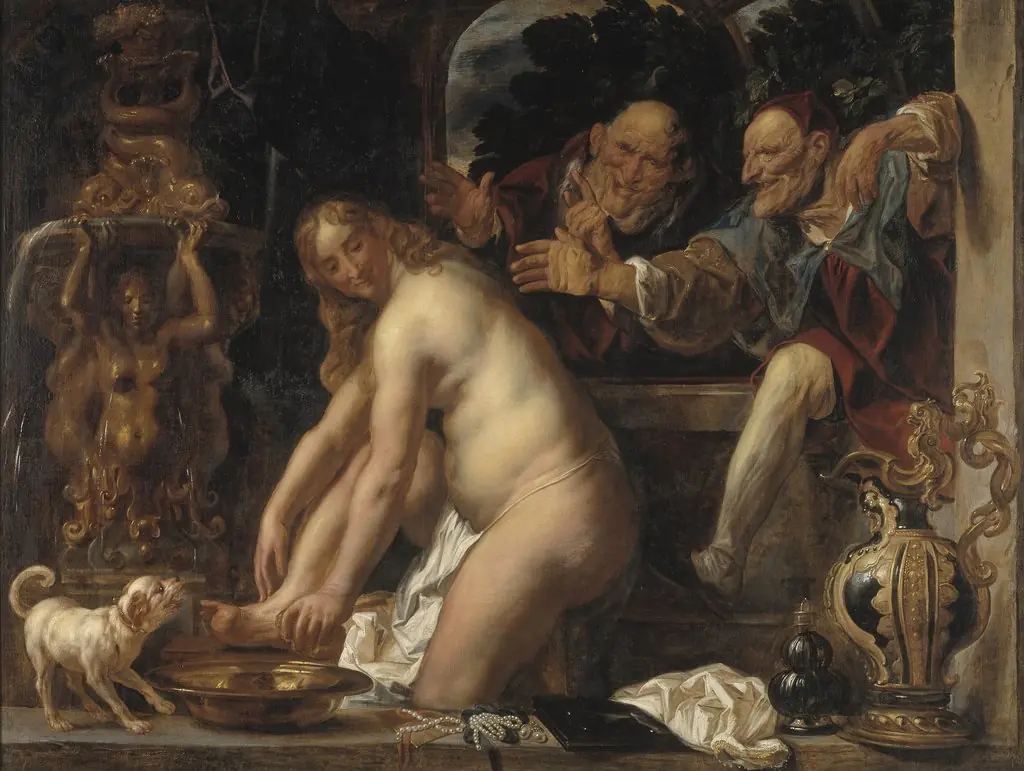 Susanna and the Elders
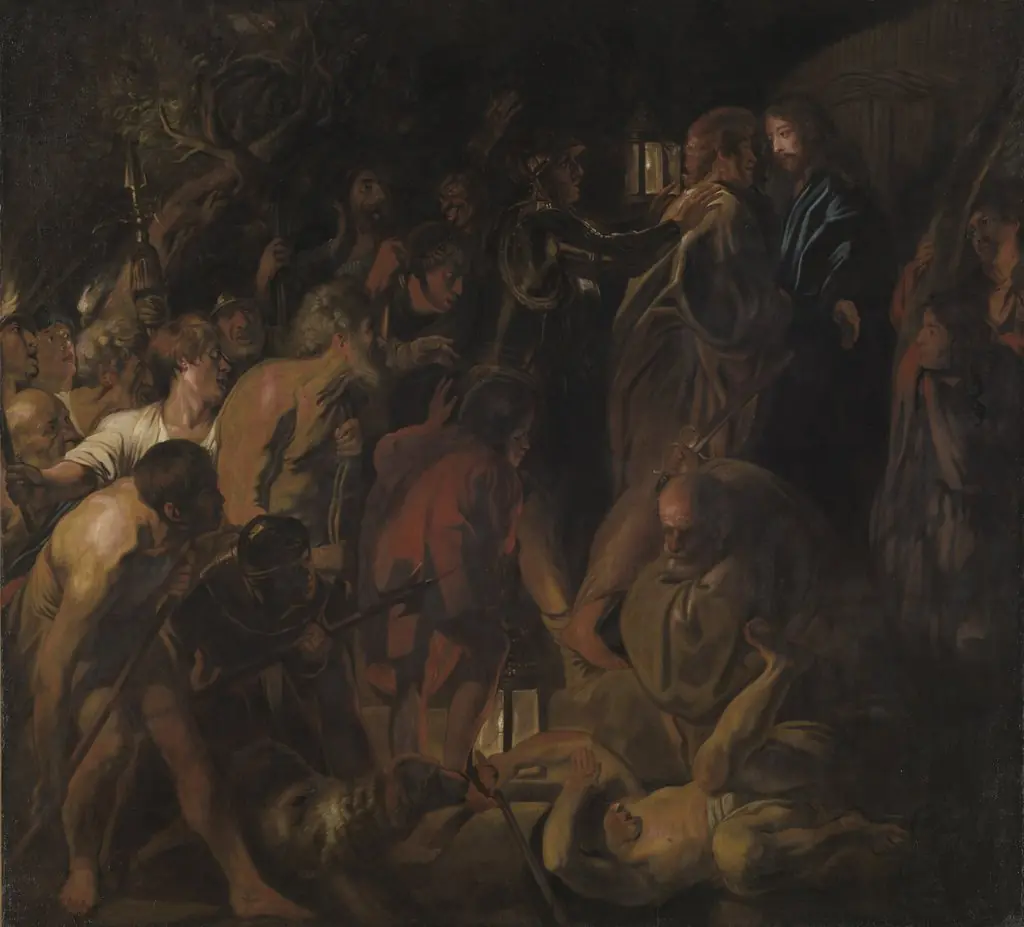 The Betrayal of Christ
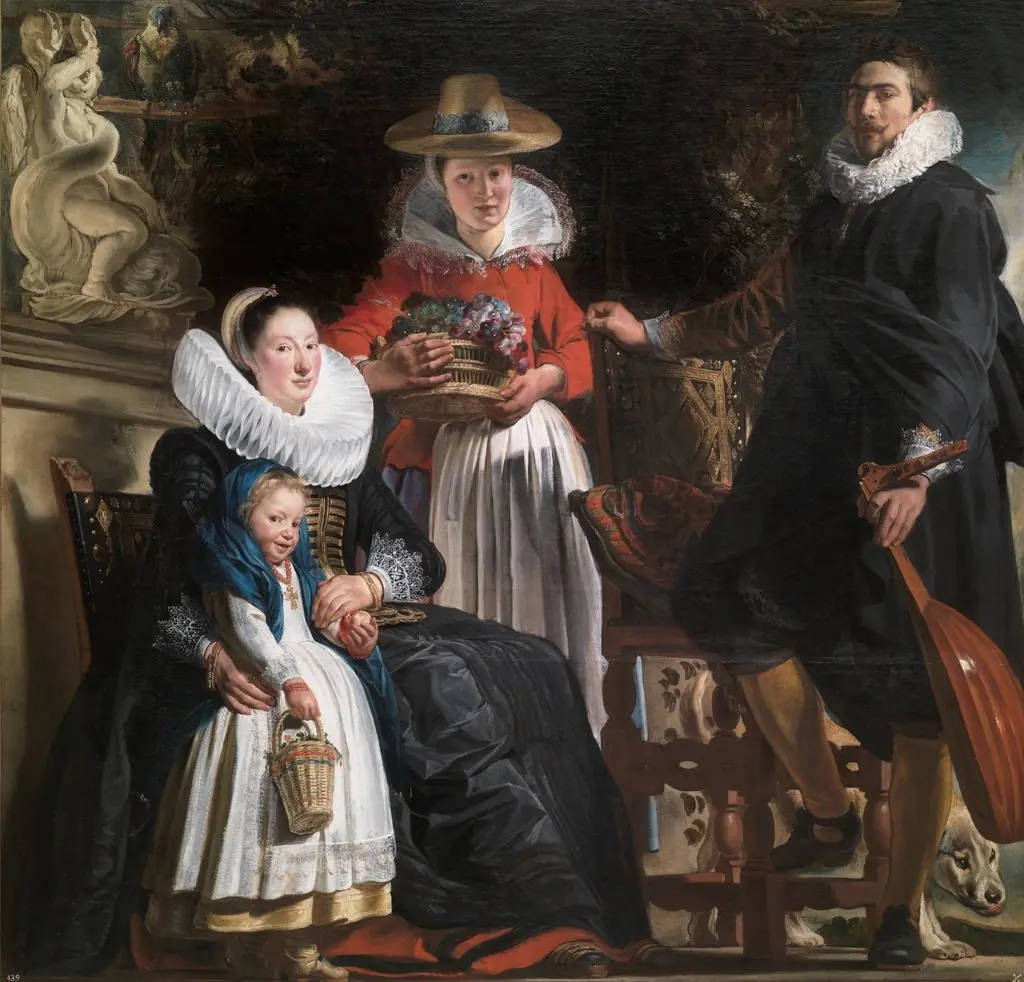 Portrait of the artist with his family
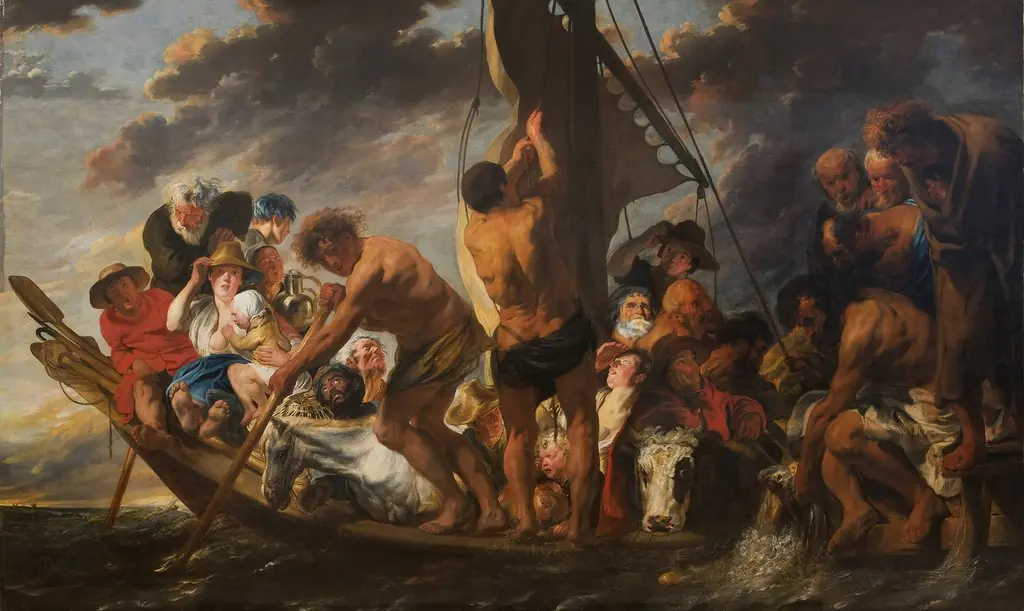 The Tribute Money. Peter Finding the Silver Coin in the Mouth of the Fish. Also called "The Ferry Boat to Antwerp"